Sansevieria Cylindrica Repotting Guide
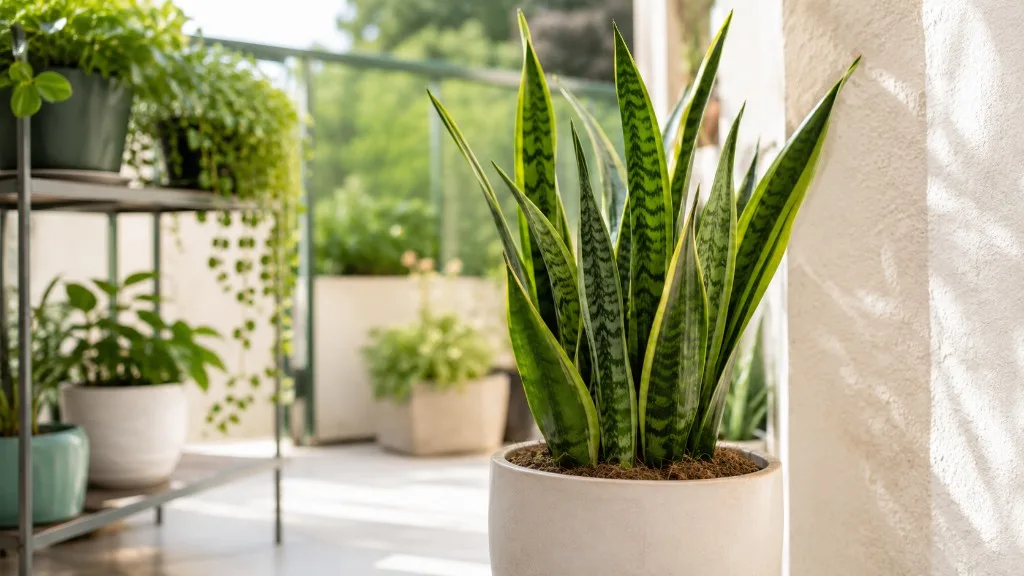
Sansevieria Cylindrica Repotting Guide
Sansevieria Cylindrica Repotting Guide
About this guide: Dracaena angolensis — the African spear or cylindrical snake plant — grows round, spear-like leaves upright from rhizomes. Nursery braids are cosmetic; unbraid or leave them intact based on preference, but never force wet soil through tight braids. Care matches other drought-adapted dracaenas: gritty mix, full dry-down, and bright indirect light for active pup production.
Sansevieria cylindrica repotting looks simple because African spear tolerates neglect — until a too-large pot, heavy peat mix, or a winter soak turns firm green tubes into soft mush at the soil line. Botanists classify this plant as Dracaena angolensis (still sold as Sansevieria cylindrica), a slow-growing succulent from Angola and central Africa with subcylindrical spears that store water and spread through rhizomes beneath the soil. Unlike flat-leaf snake plants, many nursery pots are individual rooted leaf cuttings braided together for display — each leaf can live for years before pups emerge at the base. That combination — slow metabolism, round leaves that channel water toward the crown, and tight braids — means repotting mistakes show up as base rot, not yellow tips you can trim away. This guide covers when African spear actually needs a new container, how braids change the workflow, which pot and soil match drought-adapted roots, how to divide pups during repot, and what to do when root rot on Sansevieria Cylindrica forces an emergency unpotting outside spring.
Why African Spear Repotting Differs From Flat Snake Plants
Round Spears, Rhizomes, and Braided Cuttings
Flat snake plant leaves (Dracaena trifasciata) spread in a rosette of wide blades; cylindrica carries a few thick round tubes — often three or four per clump, each roughly an inch across — that can reach several feet indoors. NC State Extension notes plants are often sold as rooted leaf cuttings, sometimes with three or more leaves braided together. Those braids do not change the biology: each spear is still its own cutting rooted in shared mix. Water running down leaf grooves can pool where spears meet at the crown, especially when bound tight, so repotting is as much about refreshing airy mix at the base as about adding diameter.
Below soil, African spear behaves like other dracaenas: horizontal rhizomes creep outward and send up pups. Roots attach along rhizomes rather than forming a dense fibrous ball. A cylindrica can look stable in a small pot while rhizomes fold back on themselves, then suddenly become top-heavy — tall cylindrical mass outweighing a narrow base — before roots visibly escape drainage holes. Fresh gritty mix resets drainage, clears salt buildup from tap water and fertilizer, and lets you inspect rhizomes for hidden rot that round leaves hide until several spears soften at once.
Why Slow Growth Changes the Repot Calendar
Cylindrical snake plants are relatively slow-growing indoors. The RHS sansevieria growing guide notes newly bought specimens are often happy in their original container for the first few years and prefer a cosy-fitting pot — repot only when roots and leaves completely fill the container or the pot begins to buckle. That tolerance is useful but misleading: a snug pot keeps excess soil volume low and the root zone drier, which suits drought-adapted physiology. It is not permission to keep the same peat-heavy mix forever. Organic components break down, particles compact, and even correct watering habits start leaving soil damp too long — the pattern that precedes base rot on cylindrical leaves.
When to Repot Sansevieria Cylindrica
Best Season: Spring Through Early Summer
Spring through early summer is the safest window for routine Sansevieria cylindrica repotting. As daylight lengthens and room temperatures sit in the comfortable range African spear prefers, rhizomes resume growth and new roots establish faster. Clemson HGIC advises repotting slow-growing houseplants every two to three years during active growth — spring and summer — not during dormancy or flowering. The RHS cylindrica profile adds a species-specific caution: protect from winter wet. Repotting into fresh mix in cold short days, then watering on a summer schedule, is how many braided spears fail indoors. Avoid routine winter repotting unless the plant has rot, the pot is cracking, or the clump cannot stay upright.
Early fall can work in warm, bright rooms, but treat late fall and winter as emergency-only unless you can provide stable warmth and bright indirect light. If you must repot in winter, use dry gritty mix, wait longer before the first watering, and skip fertilizer until spring.
Signs Your Cylindrical Snake Plant Needs Fresh Mix
Calendar dates are a weak trigger for cylindrica. Watch the plant and pot instead. Roots emerging from drainage holes or pushing up at the surface mean rhizomes have run out of horizontal room. Water that runs through in seconds without absorbing often signals the root mass has displaced most soil — the pot dries unevenly and spears may wrinkle between rushed drinks. Slowed pup production despite good light and occasional feeding suggests an exhausted root zone. A pot bulging, cracking, or deforming under rhizome pressure is urgent — Penn State Extension notes snake plants can break a clay pot when severely rootbound. The clump tipping over because tall cylindrical leaves outweigh the container is common on African spear; a wider, heavier pot may solve stability even before roots escape.
A practical baseline is every two to three years for a typical indoor cylindrica in a 6- to 8-inch pot. Specimens in dim corners that add one spear every year may go longer; bright-window plants with active pups may need attention closer to every two years. Top-dressing — replacing the top 2 to 3 inches of mix each spring without a full repot — can extend a healthy container one more season when roots are not circling solidly. It is not a substitute when water races through or the pot is cracking.
Should You Unbraid Before Repotting?
When Braids Can Stay On
Braiding is cosmetic. If spears are firm, the crown is dry between waterings, and you are only refreshing mix in the same or slightly larger pot, you can leave braids intact. Work mix gently between spears at the base without forcing water into the bound crown. Choose a grittier cactus-based blend than you would for a single open rosette so the braid zone dries predictably. Terracotta or a breathable pot helps.
When to Separate Braided Leaves
Unbraid or divide when soft tissue appears between bound spears, soil at the braid base stays damp for days, or you want separate plants for propagation. Carefully loosen ties, tease spears apart, and confirm each cutting has roots before potting individually. NC State Extension describes each leaf as a long-lived rooted cutting from which new plants eventually arise at the base — division at repot is faster than waiting for pups on every spear. Let large rhizome cuts callus 24 to 48 hours before potting. If only one spear in a braid is failing, separating it prevents rot from spreading through shared wet mix.
Does African Spear Like Being Root-Bound?
African spear tolerates a snug pot better than thirsty tropicals — limited soil volume keeps the root zone drier, which matches sandy, well-drained native conditions NC State lists for Dracaena angolensis. The RHS cylindrica profile explicitly says pot on only when pot bound. Mild snugness with steady growth is fine; wait until spring if the plant is otherwise healthy.
Severe binding is different. When roots form a solid disk, water cannot penetrate, salts accumulate, and rhizomes stall. Moderately bound — water runs fast, growth slows, pups crowd the rim — repot in active season. Severely bound — cracked pot, sour smell on unpotting, matted rhizome with almost no soil — repot immediately regardless of season, using dry mix and extended dry-down afterward. If you like the current pot size, root-prune outer rhizome during repot, replace all mix, and replant at the same depth.
Choosing the Right Pot for Cylindrica
Pot Size Rules That Prevent Base Rot
The most important decision is how much bigger to go. Move up only 1 to 2 inches in diameter — a plant in a 6-inch pot steps to 7 or 8 inches, not 10 or 12. Cylindrica colonizes new soil slowly; an oversized pot surrounds a small rhizome with a deep column of mix that stays wet for weeks after each watering. Clemson HGIC repotting guidance and the RHS overpotting advice both warn that excess compost stays damp and encourages rot. Drainage holes are non-negotiable. Skip gravel layers at the bottom — they do not improve drainage and can perch water above the hole.
Depth matters for tall spears. Vertical African spear leaves add top weight; a wider base often stabilizes better than a tall narrow cylinder. Bird’s-nest flat varieties need shallow wide pots; cylindrica can live in moderately deep containers if drainage is sharp.
Terracotta, Plastic, and Stability for Tall Spears
Unglazed terracotta pulls moisture through walls and suits humid homes or growers who water generously — helpful when braids slow crown dry-down. Plastic retains moisture longer; pair it with extra perlite in mix if you tend toward generous watering. Glazed ceramic works with holes; without holes, use it only as a cachepot over a draining liner. For tipping plants, choose a heavier wide pot rather than jumping two sizes up — stability without a wet soil reservoir.
Scrub reused pots with hot soapy water and a dilute bleach rinse if the previous occupant had rot. Cover the drainage hole with mesh or a coffee filter to keep mix in, not to block flow.
Best Soil Mix for Repotting Cylindrica
Store-Bought Cactus Mix vs DIY Blends
Repot into the same fast-draining philosophy as everyday Sansevieria Cylindrica soil care: a cactus or succulent mix amended for extra porosity. NC State Extension recommends a well-drained potting mix formulated for cacti and succulents for African spear. The RHS suggests free-draining peat-free cactus compost or a blend of two parts loam-based compost and one part horticultural grit.
A reliable DIY recipe for repotting: two parts commercial cactus mix, one part perlite or pumice, and optionally one part coarse sand or pine bark fines. In humid rooms or on braided plants, push perlite toward 40 percent of total volume. The finished mix should crumble when squeezed, not form a sticky ball. Clemson HGIC soil guidance notes cactus and succulent blends are the standard starting point for drought-tolerant houseplants — amend further when bagged mix feels peat-heavy.
Avoid garden soil, moisture-control mixes with water-retaining crystals, and dense compost-only blends. Refresh all old mix when repotting after rot; do not reuse sour soil.
How to Repot Sansevieria Cylindrica Step by Step
Removal, Root Check, and Division
Gather a new pot, fresh mix, clean shears, gloves, and tarp. Sterilize blades in isopropyl alcohol. If soil is bone dry, light moisture the day before helps the rootball slide out; if the plant is healthy and soil is already dry throughout, you can repot dry.
Tip the pot sideways, support spear bases, and tap the walls to release the rootball. Never yank leaves — they can tear at the rhizome junction. Brush away loose old soil and inspect rhizomes. Healthy tissue is firm, pale tan to orange, and dry. Rot is black, mushy, and sour-smelling — trim back to firm tissue and discard contaminated mix.
Division is optional and often the best way to multiply African spear. Identify pups or separate rooted cuttings with their own rhizome segments. The RHS cylindrica profile lists division and leaf cuttings as propagation routes; division at repot is faster than leaf sections. Each division needs several firm spears or a healthy rhizome piece with roots. Callus large cuts before potting.
Planting Depth and First Water
Add 2 to 3 centimeters of dry mix to the pot bottom. Set the plant so the rhizome crown sits at the same depth as before — burying round spears too deep invites base rot; planting too shallow exposes rhizome to air. Backfill with mix, settle gently with a chopstick, and leave an inch of rim for watering.
First watering depends on root damage. After heavy trimming or division with large cuts, wait 5 to 7 days so wounds callus. If roots were intact and you only refreshed mix, a light watering until a little drains is acceptable — then follow full dry-down before the next soak. Place the plant in bright indirect light for the first week while roots recover.
Post-Repot Care for African Spear
Watering and Light During Recovery
Transplant shock on cylindrica usually means slight spear softening or paused growth for one to two weeks. Firm texture and stable gray-green color returning signal normal recovery. Persistent mush at the base or foul soil after three weeks points to overwatering on Sansevieria Cylindrica or overpotting — not ordinary shock.
Hold fertilizer for four to six weeks after repotting. Fresh mix holds enough nutrients for slow growth, and new root tips burn easily. When you resume feeding, use half-strength balanced liquid during spring and summer only.
Post-repot watering must stay conservative: water only when the entire root zone is dry, often longer in a slightly larger pot with more mix. A freshly repotted cylindrica in winter may need no water for several weeks. Pups may appear within weeks if the rhizome was healthy and the season warm; absence of pups is not failure if spears stay rigid. Full re-establishment typically takes four to six weeks.
Wear gloves if sap irritates your skin, and keep divisions away from pets — African spear contains saponins toxic to cats and dogs per NC State and the ASPCA Dracaena listing.
Emergency Repots: Root Rot and Cracked Pots
Root rot is the main reason to repot outside spring. Signs include soft spear bases, musty soil, and black mushy rhizome when you unpot. Act quickly: remove the plant, rinse away old mix, and cut all soft tissue until only firm rhizome remains. Repot in completely dry fresh gritty mix in a clean pot sized to the trimmed root mass — not the original oversized container. Do not water for at least a week, then water sparingly only when mix is dry throughout.
If most rhizome is lost, take healthy leaf cuttings as backup while the main plant recovers — leaf sections root slowly but preserve genetics. A pot cracking from rhizome pressure without rot still warrants prompt repot: tease or divide the bound mass, refresh mix, and move up one pot size or split into two containers.
Common Cylindrica Repotting Mistakes
Overpotting is the top error — generous pot size reads as kindness but creates a wet reservoir around slow rhizomes. Heavy peat mix without amendment is second; spears stay firm while bases rot invisibly. Soaking a tight braid immediately after repot drives water into the crown. Watering on a calendar instead of dry-down kills more repotted cylindricas than skipping a week. Fertilizing right away burns tender roots. Burying spears deeper for stability causes stem rot. Repotting into decorative pots without drainage traps moisture unless you use a draining liner.
Smaller errors compound: reusing sour mix after rot, skipping tool sterilization, repotting into blazing window light during a heat wave, and dividing into pieces too small to sustain themselves. Do not repot only because you bought a new cachepot — top-dress or wait for genuine root signs. Fix light and watering problems before repotting so you are not stacking stresses.
When to use this page vs other Sansevieria Cylindrica guides
- Sansevieria Cylindrica overview — Start here for whole-plant context, braid basics, and toxicity before deep-diving repotting.
- Sansevieria Cylindrica soil — Use when mix composition and drainage tuning are the main question, not container timing.
- Sansevieria Cylindrica propagation — Read after repot if you divided pups and want leaf-cutting detail beyond division.
- Overwatering on Sansevieria Cylindrica — Escalate here when soft spear bases persist after a careful repot.
Related Sansevieria Cylindrica guides
- Sansevieria Cylindrica overview
- Sansevieria Cylindrica watering
- Sansevieria Cylindrica light
- Sansevieria Cylindrica soil
- Sansevieria Cylindrica propagation
- Sansevieria Cylindrica fertilizer
- Sansevieria Cylindrica pruning
- Overwatering on Sansevieria Cylindrica
- Root rot on Sansevieria Cylindrica
Conclusion
Sansevieria cylindrica repotting rewards patience and punishes excess soil moisture. Most indoor African spear plants need fresh gritty mix and a modestly larger pot every two to three years, ideally in spring or early summer, when roots crowd the container, water runs through without absorbing, or the pot cracks — not on an arbitrary schedule and not two sizes up at once. Move up one to two inches in diameter, insist on drainage holes, and use a fast-draining cactus-based mix heavy on perlite or pumice. Unpot gently, inspect rhizomes, divide pups if you want more plants, and replant at the same depth as before. Leave braids on when the crown is healthy and dry; separate them when rot or propagation goals demand it. Water lightly only if roots stayed intact; otherwise wait a week. Hold fertilizer for a month, keep the plant in bright indirect light while it settles, and expect one to two weeks of mild shock before firm new growth confirms success. Skip overpotting, heavy peat, wet winter repots, and soaked braids — and your cylindrical snake plant will stay upright, dry, and quietly thriving for years.