Problems

Tillandsia Problems: Causes & Quick Fixes

Quick answer

Tillandsia is prone to 8 common issues - each link below is a plant-specific fix guide.
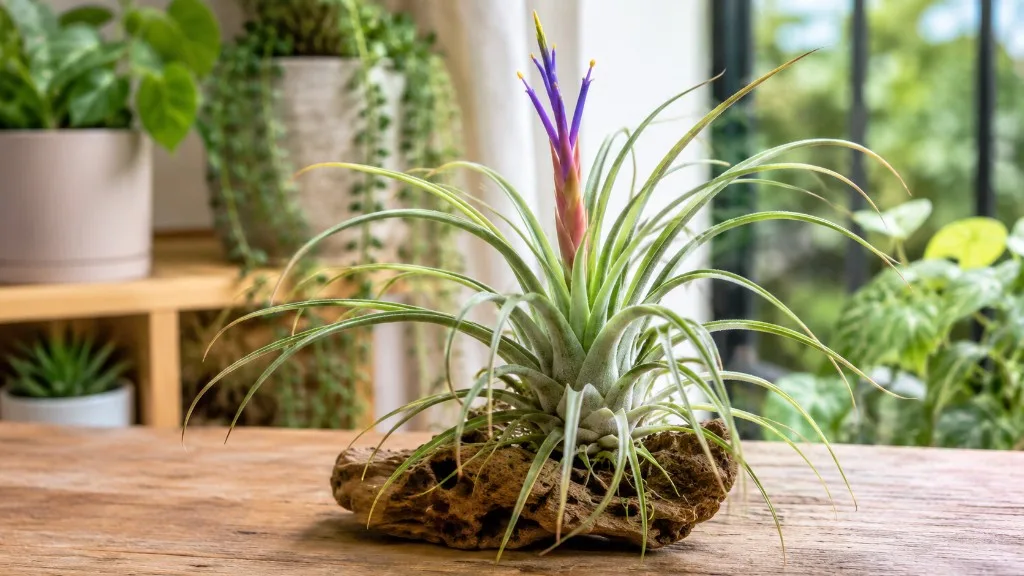
Tillandsia houseplant

Tillandsia problems

Use the guides below to diagnose and fix common issues on Tillandsia. Each problem page explains why it happens on this species and what to do first.

Or use our problem diagnosis tool to narrow down symptoms.

Common problems on Tillandsia

Likely cause: Tillandsia is a genus of around 650 species of evergreen, perennial flowering plants in the family Bromeliaceae, native to the forests, mountains and deserts of the Neotropics, from northern Mexico …

Quick fix: Confirm diagnosis on your Tillandsia, then address the most likely care or pest factor described in current extension guidance.

Full fix guide →

Likely cause: Underwatering or very low humidity

Quick fix: Increase soaking frequency; mist more regularly; trim brown tips

Full fix guide →

Likely cause: Prolonged underwatering causes leaves to curl, crisp, and eventually die

Quick fix: Soak in room-temperature water for 2–3 hours; the plant may partially recover

Full fix guide →

Mealybugs

Medium

Likely cause: Mealybugs nest at the base of leaf clusters

Quick fix: Rinse thoroughly; treat with diluted neem oil or isopropyl alcohol spray

Full fix guide →

Likely cause: Most tillandsia bloom only once in their lifetime and then produce pups

Quick fix: Flowering is triggered by maturity; ethylene gas from a ripe apple in a bag with the plant overnight can sometimes trigger blooming

Full fix guide →

Likely cause: Tillandsia is a genus of around 650 species of evergreen, perennial flowering plants in the family Bromeliaceae, native to the forests, mountains and deserts of the Neotropics, from northern Mexico …

Quick fix: Confirm diagnosis on your Tillandsia, then address the most likely care or pest factor described in current extension guidance.

Full fix guide →

Likely cause: Jan 8, 2026 · Are you thinking of growing some air plants inside your home? Find out how to plant, grow, and care for tillandsia air plants!

Quick fix: Follow extension or botanical guidance for Tillandsia thin stems; adjust care before applying broad treatments.

Full fix guide →

Likely cause: Water trapped at the base without drying-most often from not shaking out water after soaking or placing in an enclosed humid space

Quick fix: Always shake excess water from the base after soaking; ensure the plant is fully dry within 4 hours

Full fix guide →

Frequently asked questions

How often should I water Tillandsia?

Mist 2–3 times per week OR soak in water for 20–30 minutes weekly. After soaking, shake out excess water and allow to fully dry within 4 hours to prevent rot.

What light does Tillandsia need?

Tillandsia grows best in bright indirect light, some direct morning sun.

Is Tillandsia safe for cats and dogs?

Tillandsia is generally considered non-toxic to cats and dogs. Always monitor pets around new plants and contact your vet if unusual symptoms appear.

How do I propagate Tillandsia?

Propagate Tillandsia from healthy stem or root divisions during active growth.

What soil is best for Tillandsia?

Use no soil required. Grows attached to wood, cork, wire, or displayed freely.

When should I repot Tillandsia?

Repot Tillandsia when roots circle the pot or growth slows despite good care.

Why does my Tillandsia have ants on plant?

Tillandsia is a genus of around 650 species of evergreen, perennial flowering plants in the family Bromeliaceae, native to the forests, mountains and deserts of the Neotropics, from northern Mexico … Quick fix: Confirm diagnosis on your Tillandsia, then address the most likely care or pest factor described in current extension guidance.

How this Tillandsia problems guide is reviewed?

Editorial policyReview board

Written by · Reviewed by LeafyPixels Review Board · Updated September 10, 2026

This Tillandsia problems problem guide was researched and written by . Problems symptoms on Tillandsia, lookalike causes, and step-by-step fixes are cross-checked against extension pest, disease, and care references before publication.

We prioritize sources that hold up under scrutiny:

  • University cooperative extension bulletins and fact sheets (Penn State, Clemson, UMD, NC State, and similar programs)
  • Botanical garden and horticultural society publications
  • Peer-reviewed plant science and veterinary toxicology references where pet safety matters (including ASPCA Animal Poison Control)
  • Established reference works on indoor plant culture

The LeafyPixels editorial team then reviews the draft for clarity, step-by-step usefulness, and fit with real apartment and home conditions-not ideal greenhouse setups. When guidance changes materially, we update the page and note the revision date.


Sources used

  1. alcohol-dabbed mealybugs turn orange-brown (n.d.) Mealybugs Indoor Plants. [Online]. Available at: https://www.extension.umd.edu/resource/mealybugs-indoor-plants (Accessed: 10 September 2026).
  2. bright filtered light (n.d.) Air Plants. [Online]. Available at: https://www.rhs.org.uk/houseplants/air-plants (Accessed: 10 September 2026).
  3. crowns rot when water is not well-drained after watering (n.d.) Houseplant Trend Air Plants. [Online]. Available at: https://extension.umn.edu/yard-and-garden-news/houseplant-trend-air-plants (Accessed: 10 September 2026).
  4. curl inward (n.d.) Air Plants. [Online]. Available at: https://gardeningsolutions.ifas.ufl.edu/plants/houseplants/air-plants/ (Accessed: 10 September 2026).
  5. epiphytic bromeliads (n.d.) PlantFinderDetails. [Online]. Available at: https://www.missouribotanicalgarden.org/PlantFinder/PlantFinderDetails.aspx?taxonid=276116 (Accessed: 10 September 2026).
  6. filtered light (n.d.) Air Plants. [Online]. Available at: https://www.rhs.org.uk/plants/types/houseplants/air-plants (Accessed: 10 September 2026).
  7. foliar trichomes (n.d.) Tillandsias As Houseplants. [Online]. Available at: https://extension.psu.edu/tillandsias-as-houseplants (Accessed: 10 September 2026).
  8. generally listed as non-toxic to cats and dogs (n.d.) Search. [Online]. Available at: https://www.aspca.org/pet-care/animal-poison-control/search?query=tillandsia (Accessed: 10 September 2026).
  9. high risk of trichome burn (n.d.) Coming Clean Soap Garden. [Online]. Available at: https://extension.umn.edu/yard-and-garden-news/coming-clean-soap-garden (Accessed: 10 September 2026).
  10. holdfast roots (n.d.) Tillandsia. [Online]. Available at: https://plants.ces.ncsu.edu/plants/tillandsia/ (Accessed: 10 September 2026).