Table of Contents
What Indoor Humidity Actually Means
Indoor humidity is simply the amount of water vapor in the air inside your home. For houseplants, that matters because leaves constantly lose moisture through transpiration. When the air is very dry, plants lose water faster, and some species start showing stress at the edges first: brown tips, crisp margins, stalled unfurling, or flowers that do not last. The key point is that humidity is not the same thing as watering. A plant can sit in moist soil and still hate the dry air around its leaves. (University of Maryland Extension)
Relative Humidity in Plain English
What you will usually see on a hygrometer is relative humidity, often shortened to RH. That number tells you how much moisture is in the air relative to how much the air could hold at that temperature. Warm air can hold more moisture than cold air, which is why indoor humidity often behaves differently in January than it does in July. Missouri Botanical Garden explains it plainly: relative humidity measures water vapor in the air relative to air temperature, and most houseplants grow well around 50%, while some need much more. (Missouri Botanical Garden)
Why Humidity Drops Indoors
Dry indoor air is not your imagination. Extension guidance from Iowa State says many houseplants prefer 40% to 50% relative humidity, yet homes in winter may drop to 10% to 20%. Heating systems, fireplaces, and moving air all pull conditions away from the humid environments many tropical plants evolved in. That is why a pothos may shrug off winter air while a fern starts crisping at the edges. The room can feel comfortable to you and still be harsh for a humidity-loving plant. (Yard and Garden)
What Humidity Range Most Houseplants Prefer
A practical rule for beginners is this: most common indoor plants do well once room humidity lands somewhere around 40% to 50%, while truly humidity-hungry tropicals often prefer more. Iowa State and North Carolina State extension guidance both place many houseplants in that 40% to 50% zone, and Missouri Botanical Garden notes that a lot of houseplants grow well around 50%, with some species wanting 70% to 80%. That does not mean your home has to become a greenhouse. It means you should stop treating all plants as if they want the same air. (Yard and Garden)
At the same time, the room itself has limits. The EPA recommends keeping indoor humidity between 30% and 50%, and ideally below 60%, because excess moisture raises the risk of mold and condensation issues. That is a useful guardrail: you are not trying to create rainforest conditions across your whole living room. You are trying to give the plant enough help without making the room unhealthy or damp. (US EPA)
Which Plants Need Higher Humidity
This is where beginners often overcomplicate things. Not every plant that came from a tropical region needs special humidity equipment at home, but some clearly perform better with more moisture in the air. Ferns, many orchids, prayer-plant relatives, fittonia, and some delicate foliage plants tend to show dry-air stress sooner than tougher plants like snake plant, ZZ plant, or most succulents. University of Maryland notes that, apart from cacti and succulents, indoor plants generally benefit from more humidity nearby, while Missouri Botanical Garden points out that some plants need much higher levels than the average house offers. (University of Maryland Extension)
That does not mean you should panic every time a leaf browns. It means species matters. A peace lily with slightly crispy edges is telling a different story than an aloe with the same symptom. One may want a humidity bump. The other may be reacting to watering or light. Good plant care gets easier when you stop looking for one universal fix.
Signs Your Plant May Need More Humidity
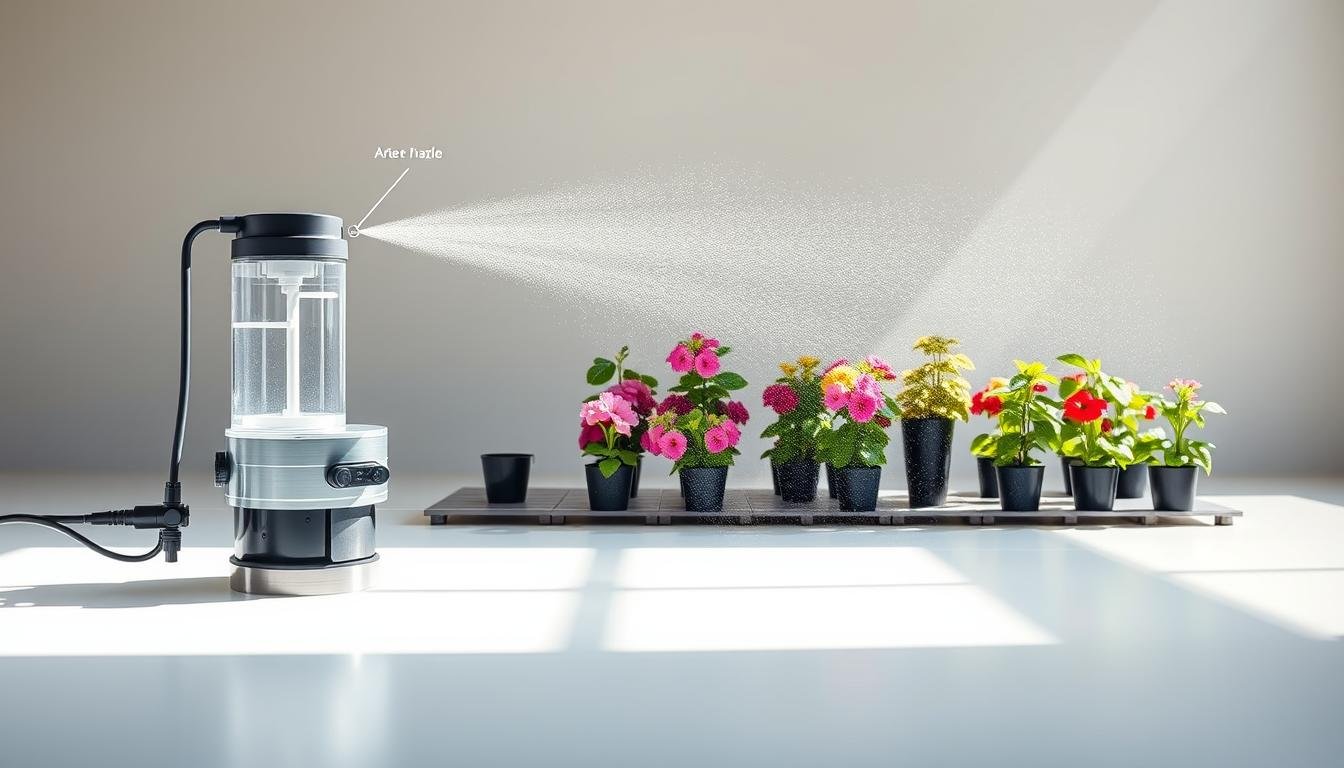
Low humidity tends to show up first in the leaf margins and newest growth. Brown tips, crispy edges, buds that abort, leaves that unfurl poorly, and delicate foliage that looks dry even when the soil is not bone-dry can all point toward air that is too dry. RHS notes that many houseplants come from subtropical regions where humidity is much higher than what most homes offer, so raising humidity can be part of helping them flourish indoors. Missouri Botanical Garden also notes that lower humidity and hot indoor air can contribute to leaf and flower drop. (RHS)
Still, symptom spotting has a trap: the same plant signs can come from several causes. Brown tips are not a humidity diagnosis on their own. They can also show up from inconsistent watering, mineral buildup, too much fertilizer, cold drafts, heat vents, or root stress. That is why a hygrometer is so useful. It pulls you out of guesswork and tells you whether dry air is actually part of the problem. (University of Maryland Extension)
Problems That Look Like Low Humidity but Aren’t
A lot of beginners blame humidity when the real issue is root-zone care. University of Maryland warns that many houseplants are lost because of overwatering or underwatering and recommends checking soil moisture rather than watering on a fixed schedule. If the soil is staying soggy, a pebble tray will not rescue the plant. If the plant is sitting near a heating register or air conditioner, the airflow may be doing more damage than the room’s average humidity reading suggests. Dry air is real, but it is not always the main villain. (University of Maryland Extension)
The simplest way to think about it is this: if the leaves are struggling, check the whole environment. Look at light, soil moisture, temperature swings, vents, and humidity together. Plant problems usually come as a package, not one isolated variable.
How to Check Humidity With a Hygrometer
A hygrometer is the easiest way to stop guessing. The EPA specifically recommends using a moisture or humidity gauge to see whether indoor humidity is in a good range, and says those devices are widely available and inexpensive. If your room sits at 42%, that is a very different situation from a room sitting at 18%. One might need a minor microclimate boost. The other may need a room-level fix. (US EPA)
Place the hygrometer near the plant zone, not across the room where the reading tells you something less useful. Keep it out of direct sun, away from heating vents, and not right next to a humidifier outlet unless you want a distorted reading. If you have a problem plant, take a reading in the morning and again later in the day for a few days. You are looking for a pattern, not one random number. That small habit can save you weeks of chasing the wrong solution.
What a Pebble Tray Is
A pebble tray is a shallow tray or saucer filled with pebbles and a small amount of water, with the plant sitting on top of the pebbles rather than in the water itself. The idea is simple: as the water evaporates, it adds moisture to the air immediately around the plant. Iowa State, Nebraska Extension, and other horticulture sources all describe the same setup and the same crucial rule: keep the pot bottom above the water line. (Yard and Garden)
The appeal is obvious. Pebble trays are cheap, quiet, low-tech, and easy to make with stuff many plant owners already have at home. They are also less messy than repeated misting and far less of a commitment than buying a humidifier. For one plant on a shelf, that sounds ideal. The catch is that “simple” does not always mean “powerful.”
How a Pebble Tray Works
The mechanism is just evaporation. Water in the tray slowly turns into water vapor, and that can raise humidity in the immediate area around the foliage. Nebraska Extension says that as water evaporates from the pebble tray, it increases humidity around the plant’s foliage. Iowa State says the evaporation from the tray increases relative humidity nearby. That part is real. The question is scale. (Yard and Garden)
Recent expert commentary sharpens the picture. Better Homes & Gardens, citing horticulturist Justin Hancock of Costa Farms, says pebble trays only increase humidity in the immediate vicinity of the plant and work best for small, low-growing plants, especially with a very wide tray. In a room with normal air circulation, the further you get from the tray, the more that extra humidity disperses. That means a pebble tray can create a small microclimate, but it will not transform a dry room into a humid one. (Better Homes & Gardens)
How to Set One Up Properly
A good pebble tray is wide, shallow, stable, and easy to clean. Nebraska Extension recommends a tray or saucer one to two inches deep and slightly larger than the plant’s container, ideally a few inches wider on each side. Fill it with gravel, pebbles, or decorative stones, then add water so the water line stays below the base of the pot. Place the plant on top so the pot is supported by the pebbles, not soaking in the tray. Refill the water as it evaporates. (Nebraska Extension)
If you want the tray to do the most it can, go wider rather than deeper. More exposed water surface means more evaporation. A giant floor plant balanced on a tiny saucer of pebbles will not get much useful benefit because the extra humidity never meaningfully surrounds the foliage. A compact fern or fittonia over a wide tray has a better shot. That lines up with Hancock’s advice that low-growing plants and wider trays are where pebble trays make the most sense. (Better Homes & Gardens)
There is also a cleanliness issue beginners tend to ignore. Stagnant trays collect dust, algae, and mineral crust. Better Homes & Gardens advises rinsing the tray and pebbles from time to time, and that is not cosmetic. A dirty tray is harder to manage, less pleasant indoors, and more likely to become a nuisance than a help. (Better Homes & Gardens)
Common Mistakes With Pebble Trays
The biggest mistake is letting the pot sit directly in water. That turns a humidity tool into a root problem. Nebraska Extension is blunt about it: the plant should never sit in water because constantly wet soil can cause root rot. Iowa State says the pot bottoms should stay above the water line for the same reason. If you remember only one rule from this guide, remember that one. (Yard and Garden)
Another mistake is expecting a pebble tray to solve a room-wide humidity deficit. University of New Hampshire Extension says portable humidifiers provide the most benefit when winter air is dry, while pebble trays can help a little by adding some moisture to the air. That is the right mental model. Pebble trays are incremental. They are not a heavy-duty fix for a room sitting at 15% humidity. (Extension | University of New Hampshire)
A third mistake is confusing pebble trays with leaf wetting. University of Maryland questions whether misting really increases humidity, and Nebraska Extension says misting is not an effective solution because you would need to do it constantly to make a real difference, while frequent leaf wetness can encourage disease. Pebble trays avoid that problem because they target the air, not the leaf surface. (University of Maryland Extension)
When a Humidifier Is the Better Tool
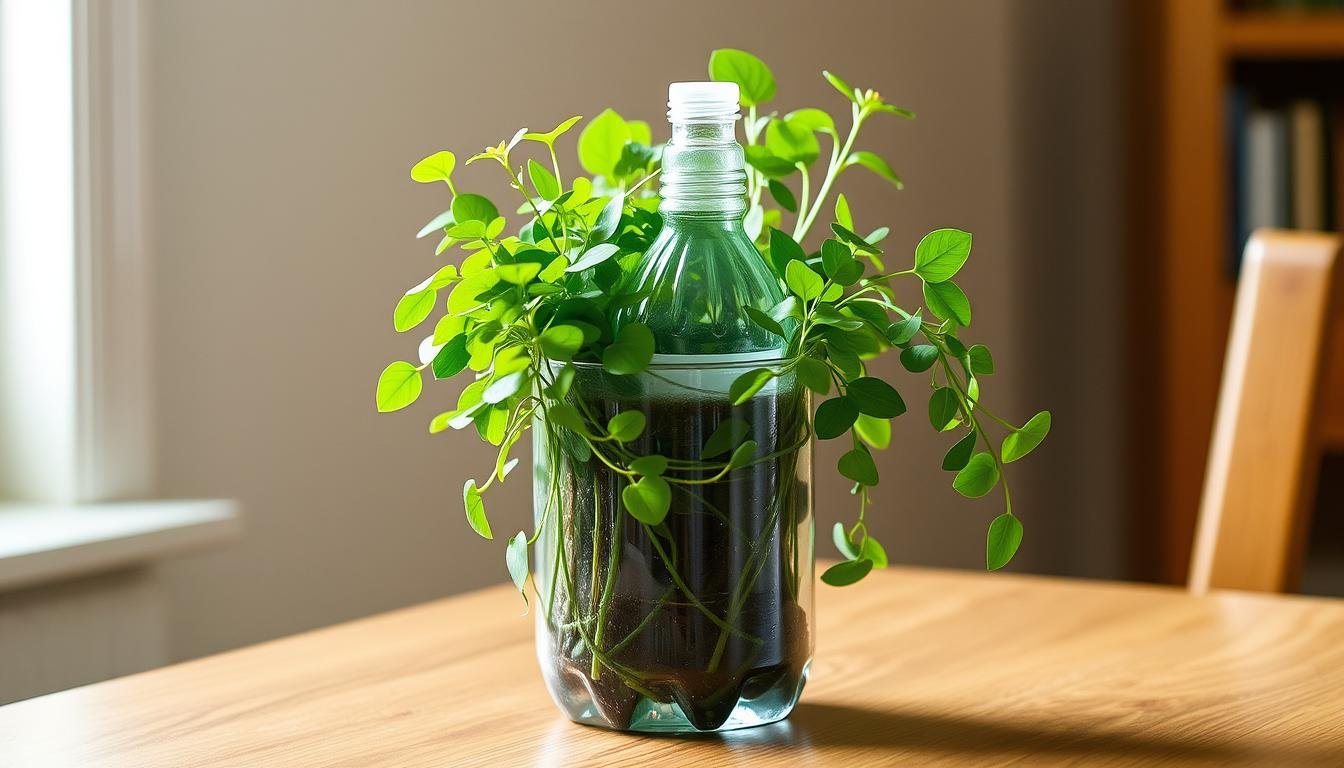
A humidifier is the better choice when the room is genuinely dry, the plant is large, or you are caring for several humidity-sensitive plants together. That is not marketing hype. It is the practical conclusion multiple sources reach. Iowa State calls humidifiers an excellent way to increase relative humidity in the home. UNH says a portable humidifier near the plants, combined with a sensor, provides the most benefit. Better Homes & Gardens says humidifiers are the more reliable way to raise humidity in a larger area. (Yard and Garden)
The advantage is consistency. A pebble tray works slowly and locally. A humidifier can move a whole room from punishingly dry into a safer range for both plants and people. That matters when you are growing calatheas, ferns, orchids, or a cluster of tropical foliage near forced-air heat. It also matters if your hygrometer keeps telling you the room is far below what the plant needs. In that case, trying to solve the problem with a saucer of pebbles is like trying to cool a garage with one ice cube.
That does not mean “buy a humidifier” is always the answer. If your room is already in the low 40s and you have one sensitive plant with slight browning, a pebble tray or plant grouping may be enough. If your room is already pushing 50% and you see condensation on windows, adding more moisture may make the house worse, not better. The EPA’s indoor guideline of roughly 30% to 50% is helpful here because it keeps plant care tied to the reality of the room. Healthy plants are not worth a mold problem. (US EPA)
Conclusion
Indoor humidity matters, but it is easy to turn it into a bigger mystery than it needs to be. Most houseplants are not asking for a tropical greenhouse. They are asking for conditions that are not wildly dry, plus stable light, sensible watering, and protection from drafts and heat blasts. A pebble tray can help create a small humidity bump around the right plant, especially if the tray is wide, the plant is compact, and the room is only moderately dry. Extension guidance and recent horticulture advice both support that limited but real use case. (Yard and Garden)
The smartest move is simple. Measure first. If humidity is decent, fix the actual problem instead of assuming the air is to blame. If humidity is low but not extreme, try a pebble tray for one plant or a small cluster. If the room is seriously dry or your plant collection is full of moisture-hungry tropicals, skip the half-measures and use a humidifier. That is how beginners stop guessing and start getting results.
FAQs
Do pebble trays actually increase humidity?
Yes, but only in a limited, local way. Iowa State and Nebraska Extension both say evaporation from a pebble tray raises humidity around the plant, while more recent expert commentary stresses that the effect is mostly in the immediate vicinity and works best for small, low-growing plants. That makes pebble trays useful as a microclimate tool, not as a room-wide humidity solution. (Yard and Garden)
Can I put the pot directly in the water?
No. The pot should sit on top of the pebbles with the bottom above the water line. Extension guidance is consistent on this point because direct contact with water can keep the soil too wet and lead to root rot. If the tray is doing double duty as a decorative saucer, that rule still applies. (Yard and Garden)
Is misting better than using a pebble tray?
Usually not. University of Maryland says it is questionable whether misting really increases humidity, and Nebraska Extension says misting is not effective unless done extremely often, with the added drawback of increased leaf-disease risk from constant wetness. A pebble tray is generally the more useful low-tech option because it adds moisture to the air around the plant instead of repeatedly wetting the leaves. (University of Maryland Extension)
Which plants benefit most from a pebble tray?
Small, low-growing, humidity-loving plants are the best candidates. Recent expert guidance highlights compact plants such as fittonia and similar low growers because the foliage stays close enough to the humidity source to benefit. Pebble trays are much less effective for tall tabletop plants and floor plants, where the foliage sits too far from the evaporating water. (Better Homes & Gardens)
Can indoor humidity get too high for houseplants?
Yes, and that matters for your home as much as for the plant. The EPA advises keeping indoor humidity between 30% and 50%, ideally below 60%, because higher moisture can increase the risk of mold and condensation. If you are seeing wet windows, damp walls, or persistent stuffiness, the answer is not “more humidity.” It is better measurement, better ventilation, and a more balanced setup. (US EPA)