Large pet-safe houseplants fill floor corners and living rooms without the ASPCA toxicity flags on monstera, fiddle leaf fig, and rubber plant. Non-toxic means lower consequence if nibbled—not permission to let pets graze.
This guide compares ten species by mature height, ASPCA status, light needs, and chewing exposure. See also Best Pet-Safe Indoor Plants and Best Large Indoor Plants.
The ten best large pet-safe houseplants for most homes are Areca palm, Money tree, Parlor palm, Boston fern, Calathea, Prayer plant, Cast iron plant, Staghorn fern, Spider plant, Peperomia. Non-toxic lowers poisoning risk—it does not stop chewing, knocked pots, or stomach upset from foliage.
Non-Toxic Does Not Mean Safe to Eat
ASPCA non-toxic classification means plants are not expected to cause classic severe poisoning profiles for cats and dogs. Chewing can still cause vomiting or diarrhea. (ASPCA Toxic and Non-Toxic Plants)
Floor pots in chewing households still benefit from sturdy cachepots, elevation, or relocation after the first incident.
Quick Pick: Best Plant for Your Situation
For tallest pet-safe palm, choose areca palm.
For braided floor tree, choose money tree.
For soft pet-safe fronds, choose Boston fern or parlor palm.
For indestructible floor foliage, choose cast iron plant.
How to Choose
Verify ASPCA listings, measure ceiling height, and plan pot stability against curious dogs. Large non-toxic plants still shed soil when knocked.
How We Selected These Ten
Chosen from ASPCA-verified non-toxic species with meaningful indoor height—not small desk plants labeled as large.
Comparison Table
Areca palm
Best for: tall pet-safe tropical corners
Difficulty: Medium
Light: Bright indirect
Water: When top 2 in. dry
Best placement: Bright living room corner
Pet safety: Non-toxic (ASPCA)
Typical indoor size: 5–8 ft
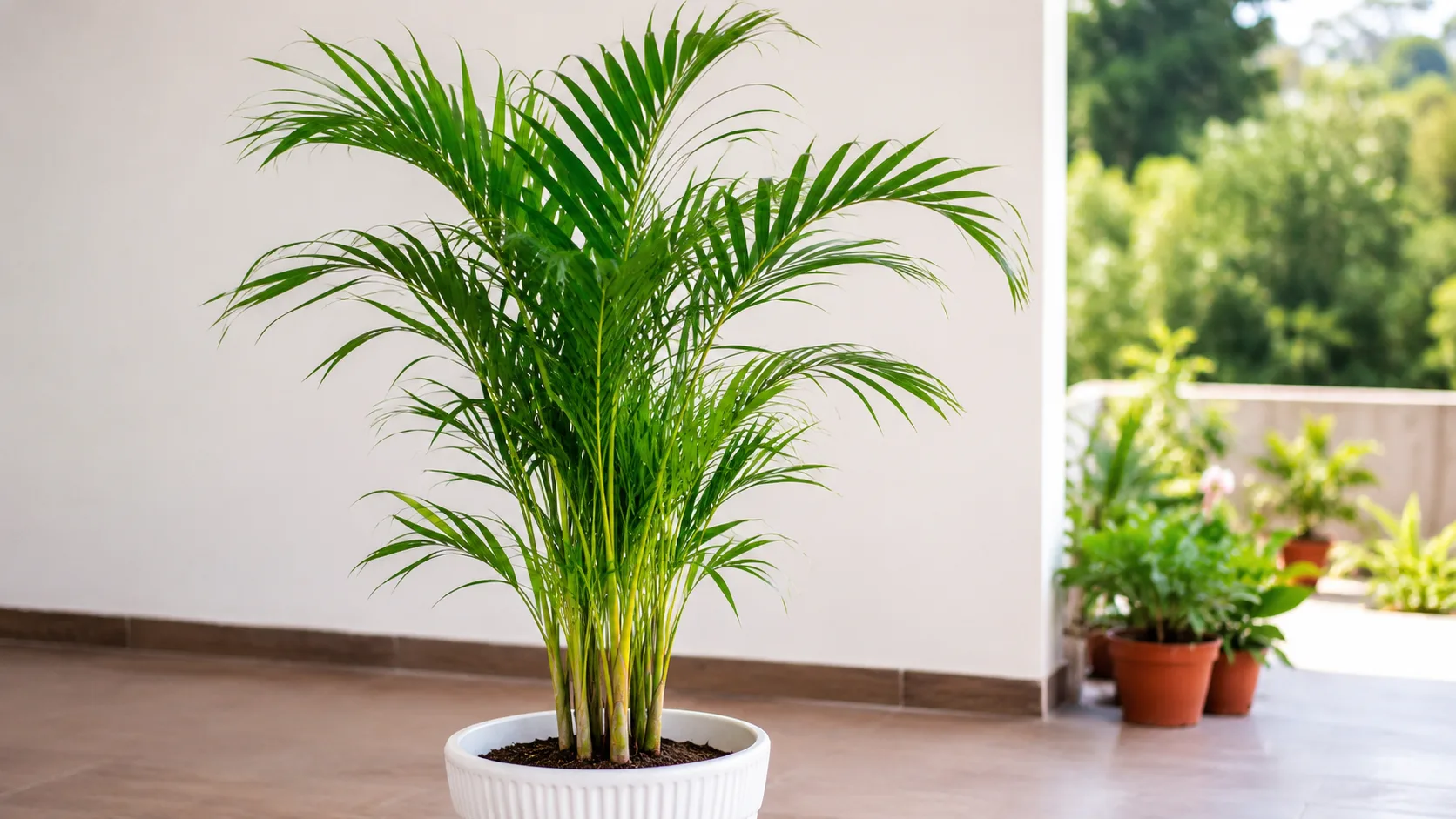
Areca palm one of the few floor-scale palms with ASPCA non-toxic status—soft fronds, not sharp fans.
Why it works: Largest common pet-safe palm.
Who it is for: Pet households needing corner volume.
Care reality: Brown tips from dry air—group pots or use tray.
Common mistake: Low light plus heavy watering.
Limitation: Needs bright room.
Useful care guides:
Money tree
Best for: braided pet-safe floor tree
Difficulty: Easy
Light: Bright indirect
Water: When top 2 in. dry
Best placement: Living room near window
Pet safety: Non-toxic (ASPCA)
Typical indoor size: 4–6 ft
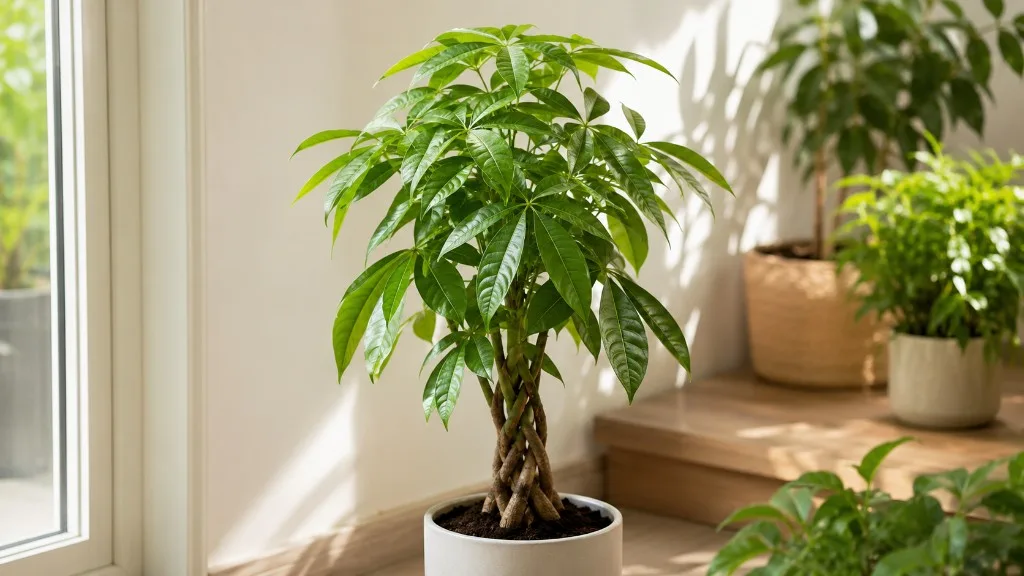
Money tree braided trunk form scales indoors with verified non-toxic listing.
Why it works: Recognizable pet-safe tree.
Who it is for: Living rooms with cats and dogs.
Care reality: Overwatering kills faster than pets do.
Common mistake: Dim corners with weekly watering.
Limitation: Needs drainage.
Useful care guides:
Parlor palm
Best for: smaller pet-safe floor palm
Difficulty: Easy
Light: Low–bright indirect
Water: When top 3–5 cm dries
Best placement: Floor corner with diffuse light
Pet safety: Non-toxic (ASPCA)
Typical indoor size: 2–4 ft
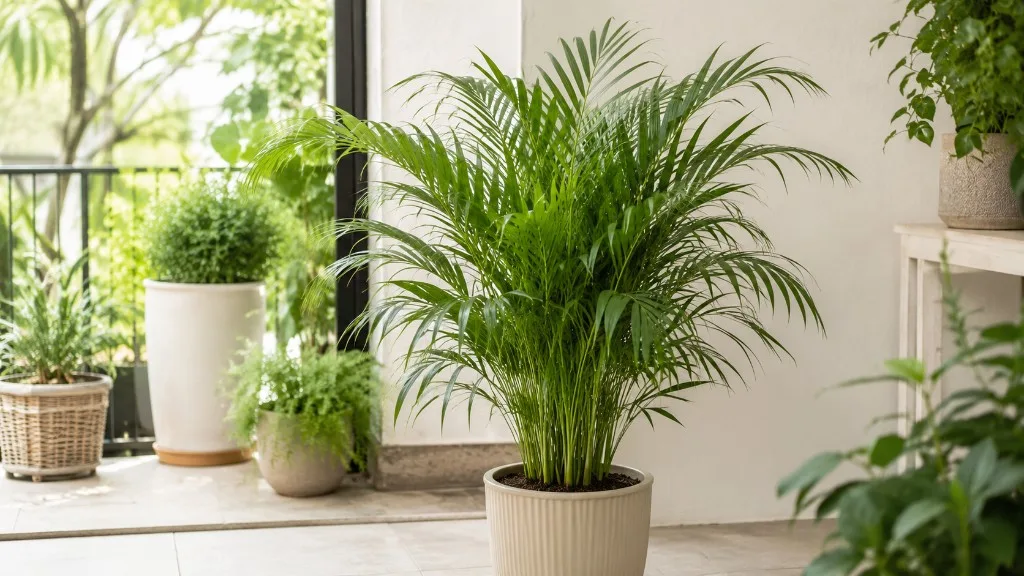
Parlor palm soft fronds suit pet homes better than sharp yucca—moderate floor height.
Why it works: Pet-safe palm for dimmer rooms.
Who it is for: Apartments without south windows.
Care reality: Slow grower—patience required.
Common mistake: Hot direct afternoon sun.
Limitation: Slow growth.
Useful care guides:
Boston fern
Best for: hanging or floor fern mass
Difficulty: Medium
Light: Bright indirect
Water: Keep evenly moist
Best placement: Hanging or plant stand
Pet safety: Non-toxic (ASPCA)
Typical indoor size: 12–24 in. arching
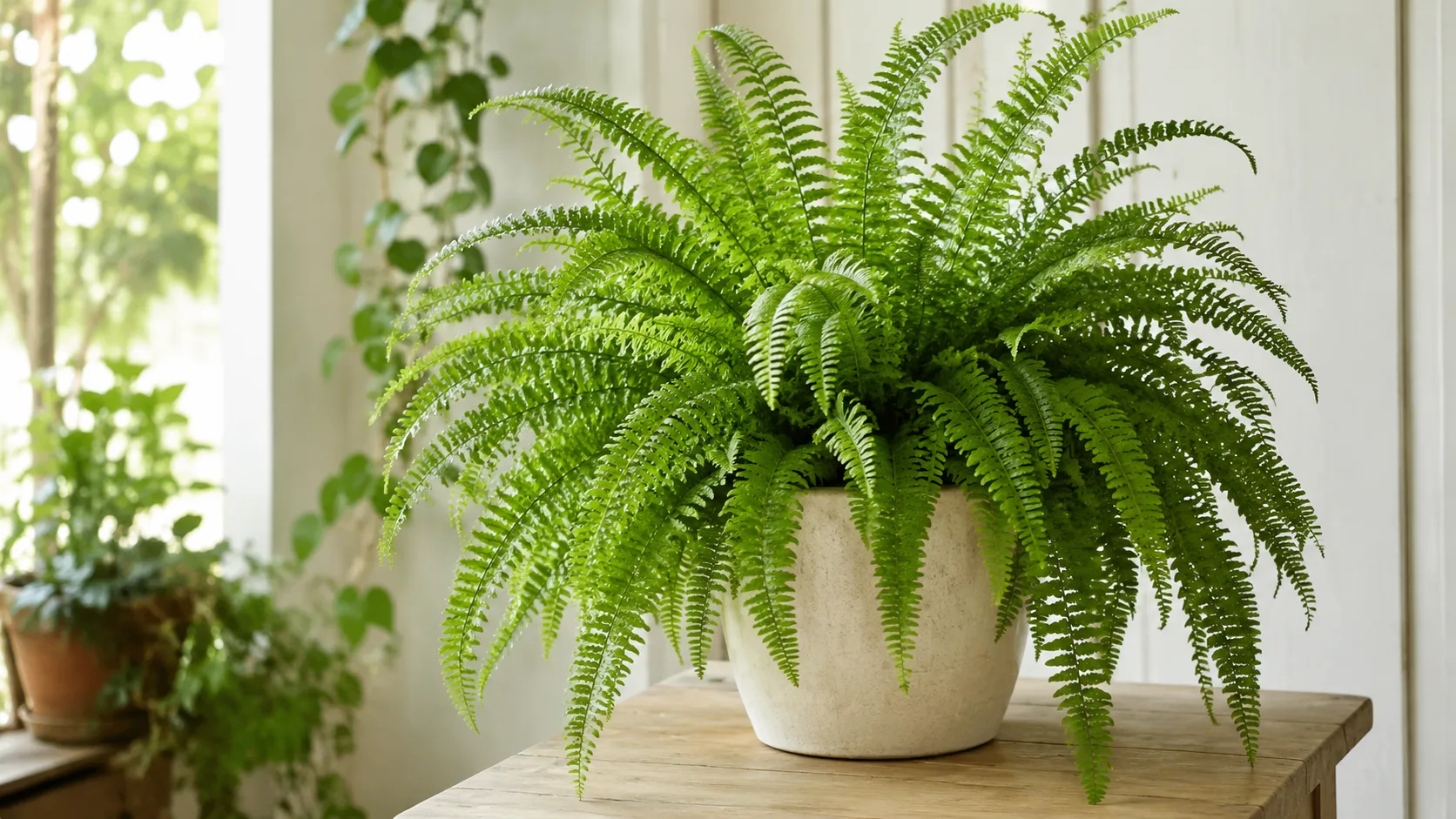
Boston fern arching fronds create volume on stands—cats may bat fronds but ASPCA non-toxic.
Why it works: Lush pet-safe texture.
Who it is for: Humidity-aware pet homes.
Care reality: Needs steady moisture—not for forgetful waterers.
Common mistake: Dry heated living rooms without humidity.
Limitation: High watering needs.
Useful care guides:
Calathea
Best for: patterned pet-safe floor shelves
Difficulty: Demanding
Light: Medium indirect
Water: When top inch dries
Best placement: Shelf or floor stand
Pet safety: Non-toxic (ASPCA)
Typical indoor size: 12–24 in.
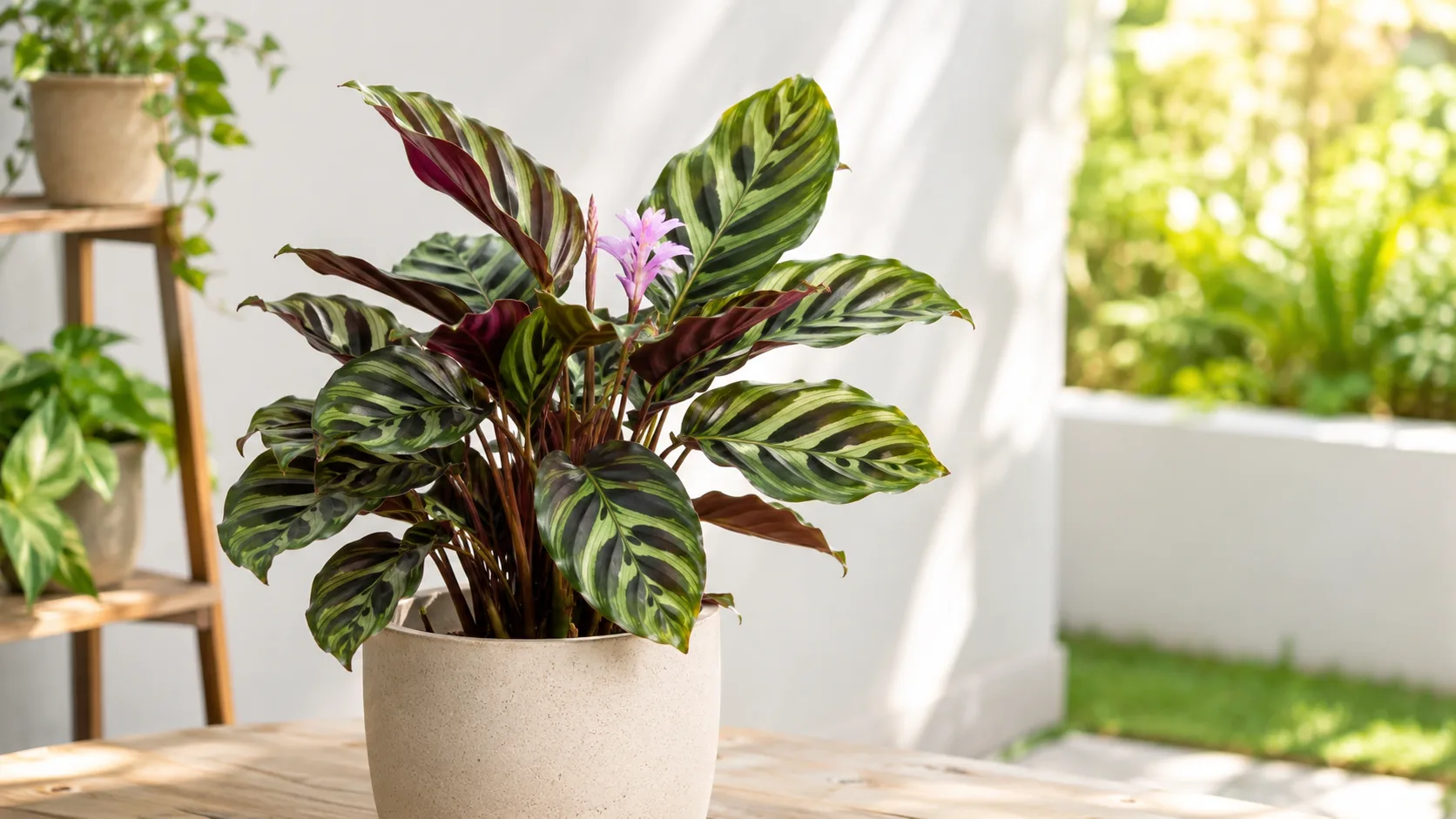
Calathea patterned leaves on plant stands add height without toxicity—humidity hungry.
Why it works: Patterned pet-safe foliage.
Who it is for: Design-focused pet owners.
Care reality: Dry air crisps edges.
Common mistake: Treating like snake plant watering.
Limitation: Demanding humidity.
Useful care guides:
Prayer plant
Best for: patterned medium height
Difficulty: Medium
Light: Medium indirect
Water: When top inch dries
Best placement: Plant stand near window
Pet safety: Non-toxic (ASPCA)
Typical indoor size: 10–18 in.
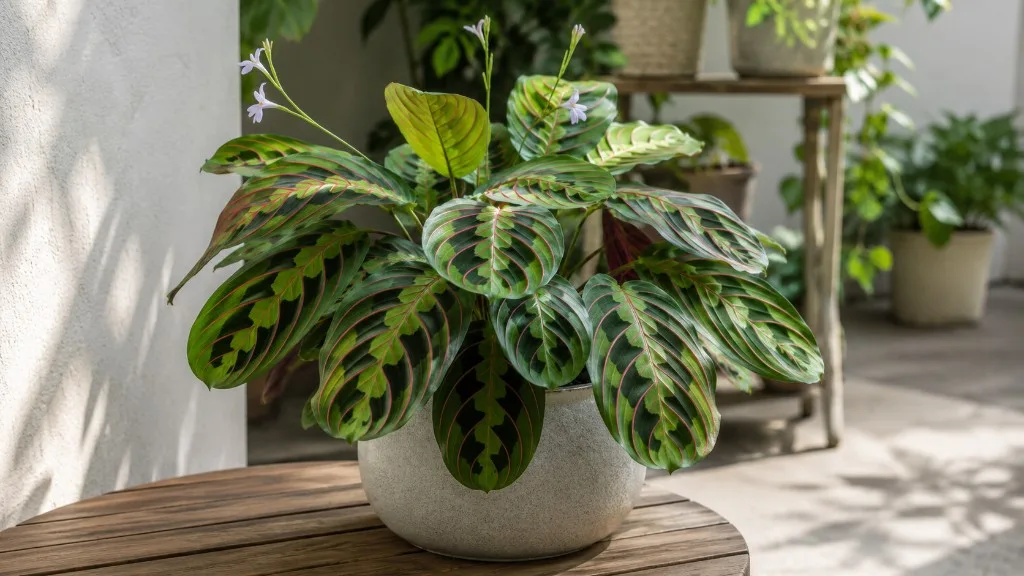
Prayer plant slightly easier than calathea on stands—pet-safe pattern at mid height.
Why it works: Pet-safe pattern plant.
Who it is for: Growers past first easy plant.
Care reality: Consistent moisture needed.
Common mistake: Fluoride brown tips.
Limitation: Less tall than palms.
Useful care guides:
Cast iron plant
Best for: wide pet-safe floor foliage
Difficulty: Easy
Light: Low–medium indirect
Water: Every 2–3 weeks
Best placement: Floor corner low light
Pet safety: Non-toxic (ASPCA)
Typical indoor size: 2–3 ft spread
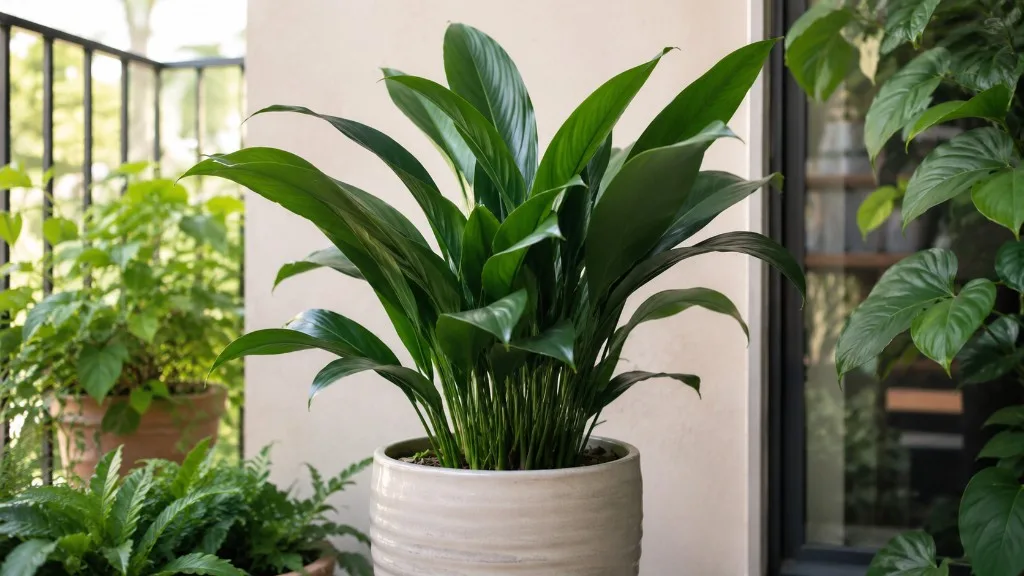
Cast iron plant wide strap leaves fill floor space—extremely tolerant and non-toxic.
Why it works: Indestructible pet-safe spread.
Who it is for: Low-light pet households.
Care reality: Very slow growth.
Common mistake: Overwatering sympathy.
Limitation: Not a fast statement.
Useful care guides:
Staghorn fern
Best for: mounted wall statement
Difficulty: Medium
Light: Bright indirect
Water: Soak mount weekly
Best placement: Wall plaque out of jump reach
Pet safety: Non-toxic (ASPCA)
Typical indoor size: 12–24 in. mounted
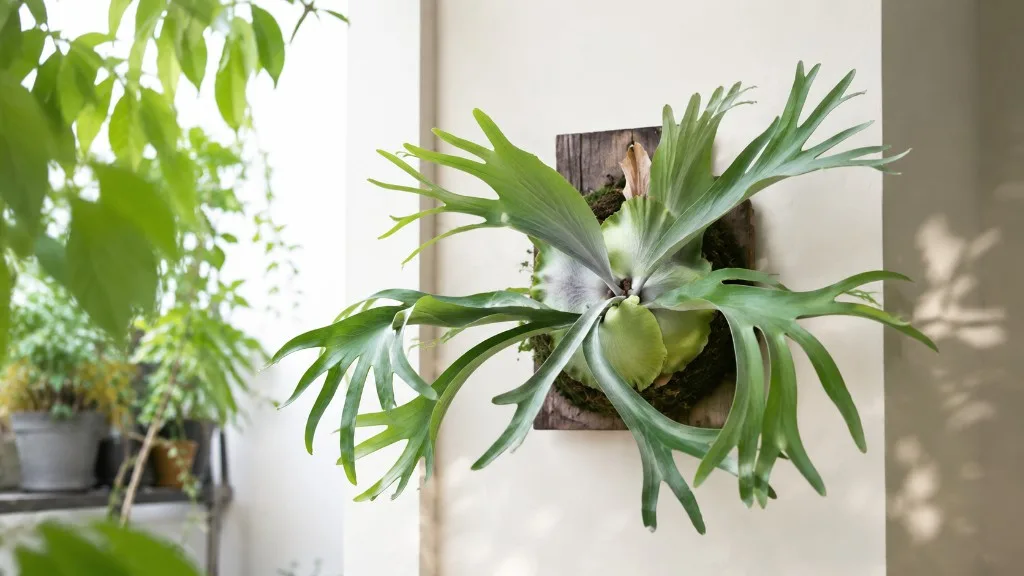
Staghorn fern wall-mounted fern keeps foliage off floor—clever pet-distance strategy.
Why it works: Elevated pet-safe statement.
Who it is for: Design-focused cat homes.
Care reality: Soak mount on schedule.
Common mistake: Planting in dense soil on dim wall.
Limitation: Unusual mount care.
Useful care guides:
Spider plant
Best for: arching pet-safe volume
Difficulty: Easy
Light: Bright indirect
Water: When top 2 in. dry
Best placement: Floor stand or hanging
Pet safety: Non-toxic (ASPCA)
Typical indoor size: 12–24 in.
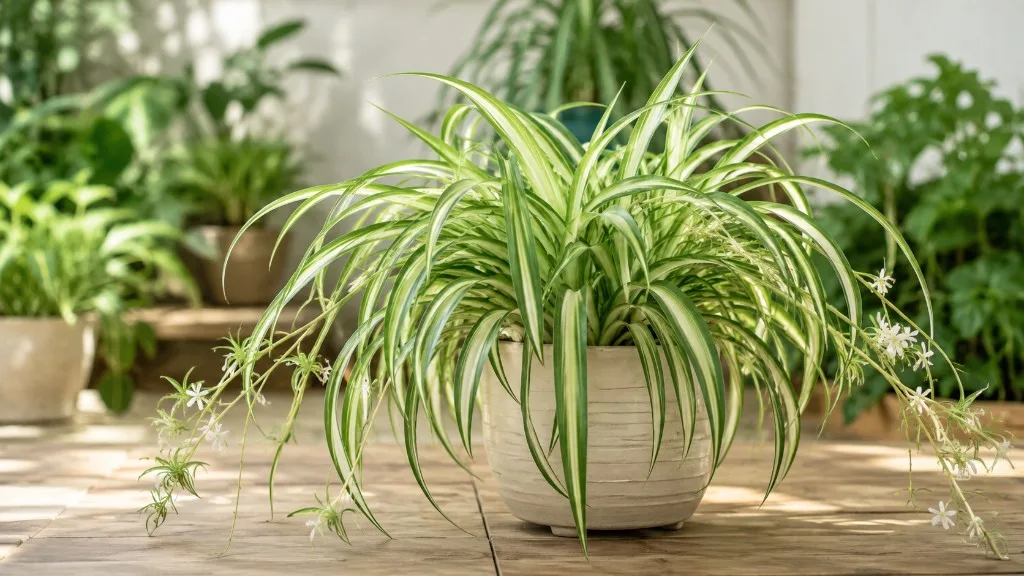
Spider plant large mature spider plants arch widely—cats love spiderettes.
Why it works: Pet-safe arching mass.
Who it is for: Family rooms with curious cats.
Care reality: Spiderettes attract chewing.
Common mistake: Overwatering floor pots.
Limitation: Cat magnet spiderettes.
Useful care guides:
Peperomia
Best for: pet-safe tabletop clusters
Difficulty: Easy
Light: Medium–bright indirect
Water: When top 2 in. dry
Best placement: Grouped pots on stand
Pet safety: Non-toxic (ASPCA)
Typical indoor size: 6–12 in.
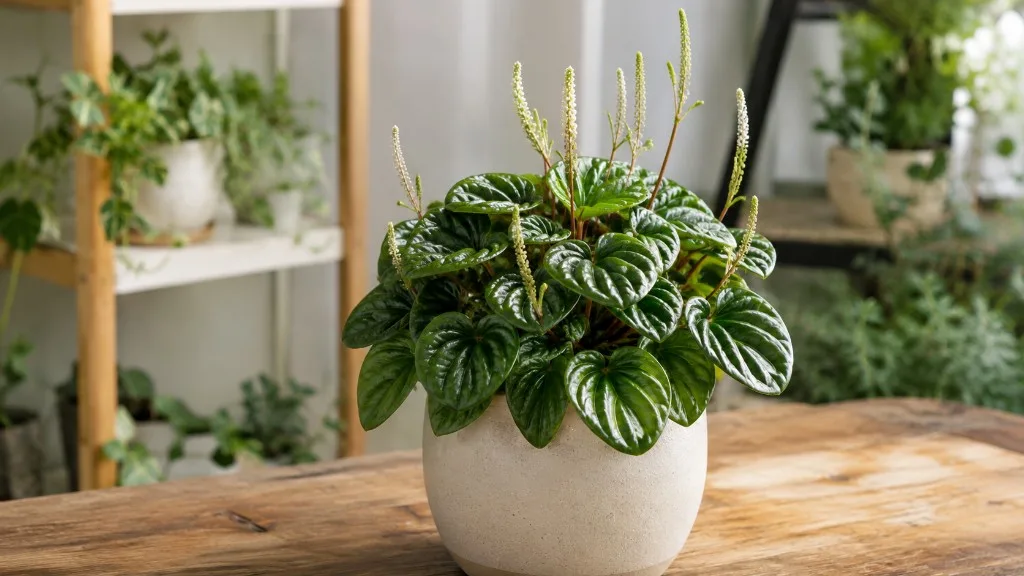
Peperomia cluster several peperomia pots on a stand for layered pet-safe height—not one giant trunk.
Why it works: Cluster strategy for height.
Who it is for: Pet owners in smaller spaces.
Care reality: Rot in oversized wet pots.
Common mistake: Expecting single six-foot trunk.
Limitation: Cluster approach only.
Useful care guides:
Common Mistakes
Assuming non-toxic means cats will not chew. Cats still bat fronds—elevate or relocate after repeated chewing.
Choosing areca palm for a north corner. Large pet-safe palms still need bright indirect light.
Knock-over risk with large floor pots. Sturdy wide bases matter for dogs—non-toxic does not mean unbreakable.
Ignoring stomach upset from grazing. Call vet if vomiting persists even with non-toxic species.
Conclusion
Large pet-safe choices start with areca palm and money tree for height, Boston fern and spider plant for texture, cast iron plant for low light. Non-toxic is not edible—manage chewing behavior.