Table of Contents
Do Pebble Trays Really Increase Humidity for Houseplants?
The Short Answer
Yes, pebble trays can increase humidity, but usually only a little and only very close to the tray. That is the part many articles skip. The real question is not whether evaporation happens. It does. The real question is whether that extra moisture changes conditions enough to help your plant in a noticeable way, and in most normal homes, especially with heating, fans, or open airflow, the answer is often not by much. University extension sources consistently frame pebble trays as a small-scale helper, while current expert commentary says they work best for small, low-growing plants and lose impact fast as air moves through the room. (Extension | University of New Hampshire)
If you were hoping a pebble tray would turn a dry, heated living room into a mini rainforest for your calathea, that is the wrong expectation. If you want a modest, low-cost humidity bump around a compact plant, a wide pebble tray can still be worth trying. The sharpest way to think about it is this: a pebble tray is a microclimate tool, not a room-humidity solution. That distinction matters because many houseplant problems blamed on “low humidity” are really a mix of dry air, inconsistent watering, hot air from vents, and the wrong plant in the wrong room. (Better Homes & Gardens)
How a Pebble Tray Works
A pebble tray is simple. You fill a shallow tray with pebbles, add water so the water line sits below the top of the pebbles, and set the pot on top so the roots are not sitting in water. As that water evaporates, it adds moisture to the air immediately above and around the tray. That is the entire mechanism. No mystery, no magic, just evaporation. (Yard and Garden)
The reason pebbles are used is practical, not botanical. They keep the pot above the water line and create a stable surface so the plant is exposed to evaporating moisture without soaking the root ball. Extension guidance from Iowa State, Maryland, and Missouri all describe this same basic setup and give the same warning: the pot should sit on the pebbles, not in the water. Ignore that detail and you stop making a humidity tray and start making a root-rot trap. (Yard and Garden)
What Counts as a Meaningful Humidity Increase
This is where a lot of houseplant advice gets fuzzy. Relative humidity is not just “more moisture in the air.” It is moisture in relation to temperature, and plants respond to the environment around their leaves, not the theory in a blog post. Many extension sources put the preferred range for most houseplants around 40% to 60%, while some homes in winter can drop to 10% to 20%, especially with forced-air heating. That gap is why humidity becomes a real issue indoors. (Yard and Garden)
A meaningful increase is one that actually moves a plant from stressful dryness toward a tolerable range for long enough to matter. That threshold depends on the plant. A pothos in a home sitting around 40% to 50% humidity may be perfectly fine. A fern, fittonia, maranta, or certain orchids may not be. Current EPA guidance for homes says indoor humidity should generally stay between 30% and 50%, which is useful because it gives you the human-health side of the equation: even if your plant might enjoy more, pushing the whole room too humid can create mold and indoor air issues. (US EPA)
That is why the best plant advice is usually not “raise humidity everywhere.” It is “raise it where needed, and only as much as makes sense.” For many people, that means one of three things: a modest local boost with a pebble tray, a reliable controlled boost with a humidifier, or a contained environment like a terrarium for plants that want truly humid air. Anything else risks chasing symptoms instead of solving the environment problem. (Extension | University of New Hampshire)
Why Pebble Trays Usually Underperform
Pebble trays have survived for decades because the idea sounds right, the setup is cheap, and sometimes they do help a bit. The problem is scale. A shallow tray of evaporating water simply does not put that much moisture into a room, and even the moisture it does release is easily diluted. That is why extension pages often phrase the effect carefully: the tray increases humidity around the plant or in the vicinity of the plant, not in the whole room. (Yard and Garden)
People also tend to judge pebble trays emotionally instead of mechanically. They see water, they know evaporation adds moisture, and they assume the plant must be getting a major benefit. Sometimes it is getting a minor one. Sometimes the benefit is so small that the real improvement came from moving the plant away from a heat vent, watering more consistently, or grouping plants together. When a method is cheap and harmless, gardeners often keep it even when the measurable payoff is modest. That does not make the method useless. It makes it limited. (Extension | University of New Hampshire)
Air circulation spreads the moisture
Airflow is the first thing that weakens a pebble tray. Better Homes & Gardens quoted horticulturist Justin Hancock saying that in real homes, circulating air disperses the humidity as you move away from the tray, which reduces the effect fast. That aligns with common-sense indoor physics and with extension advice that points to humidifiers when you need a more dependable increase. A tray can create a pocket of slightly moister air. It cannot hold that pocket together if your HVAC, ceiling fan, or drafty window keeps stripping it away. (Better Homes & Gardens)
This is also why pebble trays often disappoint people in winter. Winter is exactly when indoor humidity tends to crash, but it is also when forced-air systems, fireplaces, and temperature swings make the air drier and more mobile. North Carolina Cooperative Extension notes that indoor humidity can fall below 20% in winter and recommends humidifiers near plants, plant grouping, and pebble trays as lower-impact helpers. That hierarchy matters. It tells you what tends to work best first. (Richmond County Center)
Distance from the tray limits the effect
Even when there is little airflow, distance works against you. The closer the leaves are to the moisture source, the more likely they are to experience any local rise in humidity. Move the foliage farther away and the effect drops. That is why Hancock says pebble trays work best with small, low-growing plants and very wide trays. A large floor plant standing well above a narrow saucer is barely sharing the same air column as the evaporating water. (Better Homes & Gardens)
This is the hidden flaw in many pebble tray tutorials. They show a decorative saucer under a tall plant and imply the setup is doing something dramatic. In practice, the tray may be more decorative than functional. If the leaves are far from the evaporation source, local humidity at leaf level may not rise enough to change transpiration stress in a meaningful way. The method is not fraudulent. It is just being asked to do more than it can do. (Better Homes & Gardens)
Larger plants outgrow the microclimate
Plant size changes the equation. Compact plants with low foliage, tight leaf mass, and a habit of sitting close to the tray have the best chance of catching the benefit. Larger plants push most of their leaf area well above the humidity pocket, and the amount of water a small tray evaporates is tiny relative to the air volume surrounding a broad canopy. That is why pebble trays are repeatedly described as more suitable for small humidity-loving plants than for big tabletop plants or floor plants. (Better Homes & Gardens)
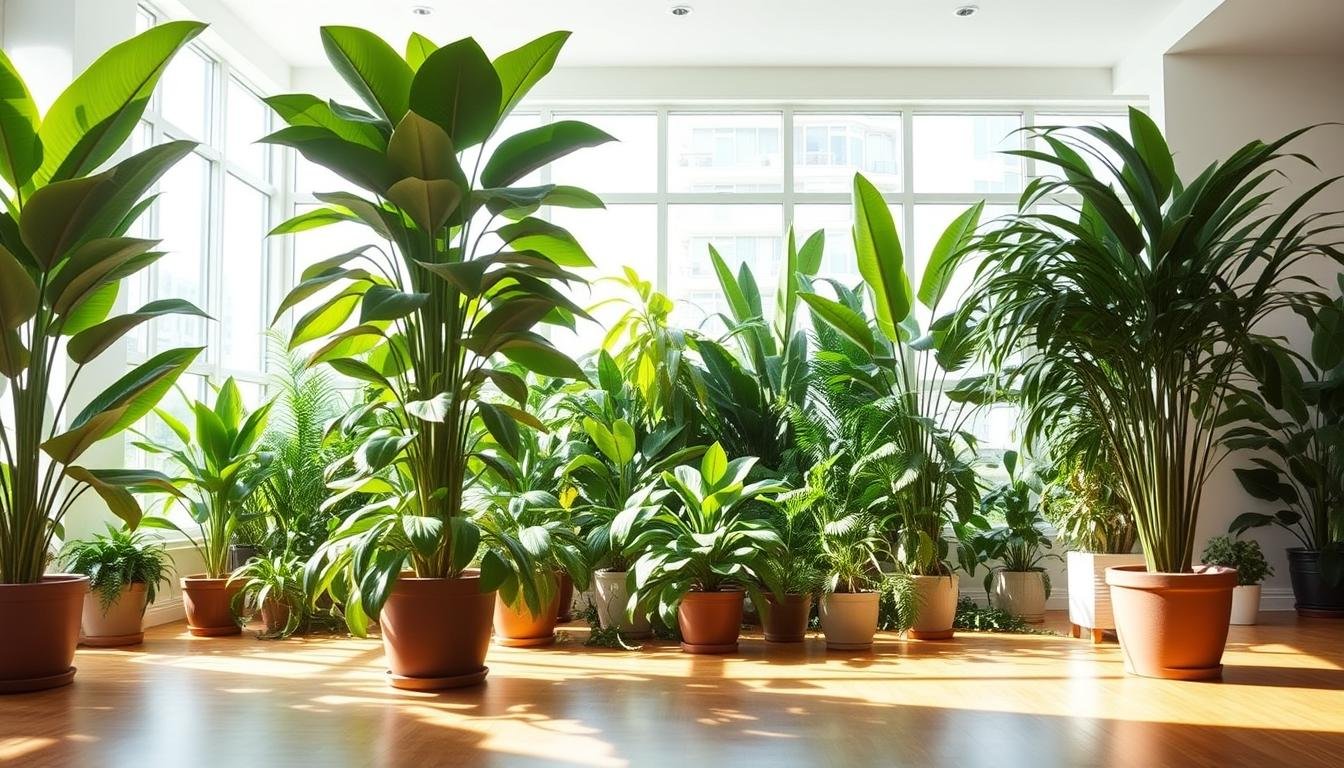
There is another practical point here. Large plants that show crisp edges or browning are often dealing with multiple stressors at once: underwatering, salts, inconsistent soil moisture, hot drafts, low light, and low humidity. Reaching for a pebble tray in that situation is like trying to cool a room by leaving an ice cube on the windowsill. Technically, you changed something. Functionally, maybe not enough to solve the problem. (Richmond County Center)
When Pebble Trays Can Still Help
A pebble tray still makes sense when your goal is modest and specific. It can be useful when your home is only slightly too dry, when the plant is small, when the tray is wide enough, and when the plant is not being blasted by active airflow. It also makes sense when you want a low-cost option before buying a humidifier, or when you want a little local help for one or two plants rather than managing the whole room. Extension sources do support pebble trays as one of several ways to raise humidity in a plant’s immediate vicinity. (Yard and Garden)
They are also useful for people who tend to overcorrect. A humidifier is more effective, but it also needs sizing, cleaning, and humidity control. If your plant already lives in a room that stays around the low end of an acceptable range, a pebble tray may be enough to smooth out dry spells without pushing your room past the EPA’s recommended indoor range. In that role, the tray acts less like a rescue tool and more like a gentle buffer. (US EPA)
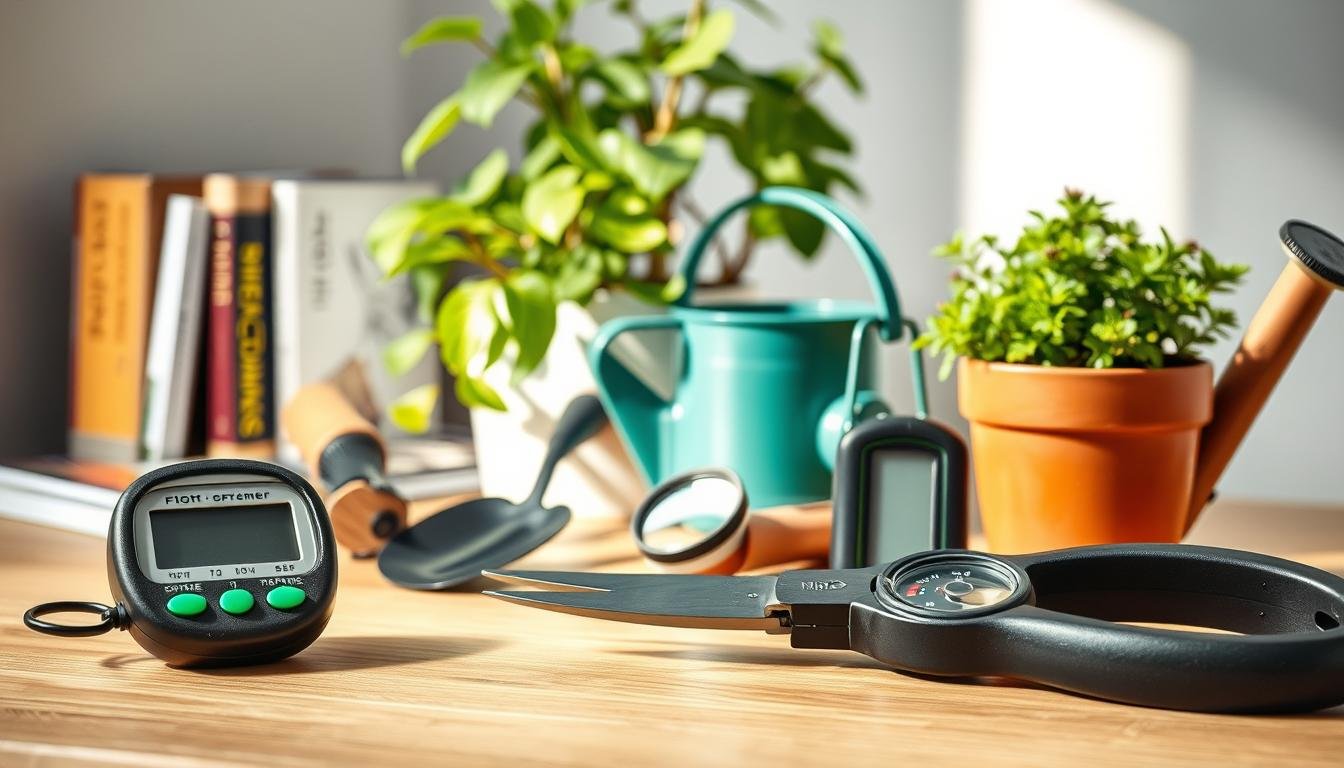
The smartest use of a pebble tray is to pair it with observation rather than faith. Put a hygrometer near the plant, not across the room. Watch new growth, not old damage. Old crispy edges do not heal, so they are a bad scoreboard. What matters is whether new leaves come in cleaner, softer, and less browned over time. If not, the tray is probably not doing enough. (The Spruce)
Which Houseplants Are Most Likely to Benefit
The plants most likely to benefit are small, humidity-loving species that naturally prefer more moisture in the air and keep much of their foliage close to the tray. Justin Hancock specifically points to plants such as creeping ficus, fittonia, hemigraphis, and selaginella as better candidates for pebble trays than larger houseplants. That tracks with broader extension guidance that most indoor plants except cacti and succulents benefit from extra humidity nearby, with the strongest need usually showing up in tropical foliage types. (Better Homes & Gardens)
That does not mean every tropical houseplant needs heroic humidity. Costa Farms notes that many homes hover around 40% to 50% relative humidity and that many tropical houseplants prefer around 50% to 60%, yet can still tolerate average household conditions. That is an important reality check. A pothos, philodendron, or peperomia may appreciate more humidity without truly requiring it, while ferns, fittonia, marantas, and some orchids are quicker to show stress when the air stays dry. (Costa Farms)
The plants least likely to benefit are succulents and cacti, which generally do not want added humidity, and large upright plants whose foliage is well above the tray. If your plant likes dry air or already handles average home humidity well, a pebble tray is not solving a real problem. It is just adding one more thing to maintain. That is fine if you enjoy it, but it is not necessary care. (University of Maryland Extension)
Pebble Tray vs Humidifier
If you want the blunt answer, a humidifier is better when you need a real, reliable increase in humidity. Multiple extension sources say humidifiers provide the most benefit, and the EPA specifically recommends a humidifier or vaporizer when you need to raise indoor humidity. That matters because a humidifier is designed to move enough moisture into the air to change room conditions, while a pebble tray is a passive evaporation hack with a much smaller reach. (Extension | University of New Hampshire)
The tradeoff is maintenance and control. Humidifiers cost more, use electricity, and need regular cleaning. Used well, though, they solve the exact problem pebble trays struggle with: dry room air at scale. For humidity-sensitive plants in heated homes, that difference is not academic. It is the line between “slight local help” and “consistent environmental change.” Better Homes & Gardens’ current expert guidance makes that distinction explicit by recommending humidifiers for larger tabletop and floor plants rather than relying on trays. (Better Homes & Gardens)
There is also a house-health angle. The EPA recommends keeping indoor humidity between 30% and 50%, partly to avoid mold and other moisture issues. A humidifier paired with a hygrometer lets you target that range. A pebble tray is weaker, but also less controllable in any precise sense. One is a measured tool. The other is a low-tech nudge. Use the tool that matches the size of the problem. (US EPA)
Pebble Tray vs Misting
Between the two, a pebble tray is usually more useful than misting, but that does not make it a powerhouse. Extension sources are pretty skeptical about misting as a humidity solution. Iowa State says misting is not effective for raising relative humidity because foliage dries quickly. Missouri calls misting of dubious value and says the effect may last only around 30 minutes. North Carolina Cooperative Extension is even blunter: the benefits are minor and short-lived. (Yard and Garden)
That is why the pebble tray often wins this comparison. At least it adds moisture continuously as long as water remains in the tray. Misting gives you a brief surface wetting event that many people interpret as humidity care, even though it may not materially change the air around the plant for long. On some plants, repeated misting can also create leaf issues, especially if done late in the day or on foliage that dislikes staying wet. Maryland Extension specifically warns against misting fuzzy leaves like African violets and advises early-day misting if you do it at all. (University of Maryland Extension)
So the ranking is simple. If your goal is to raise humidity in a meaningful way, a humidifier is best. If you want a small passive boost near a compact plant, a pebble tray is worth trying. If your plan is casual misting once in a while and hoping for a climate change around the leaves, that is mostly ritual. (Yard and Garden)
How to Set Up a Pebble Tray Correctly
If you are going to use a pebble tray, do it in a way that gives it the best chance to help. The right setup will not turn a weak method into a strong one, but it can stop you from sabotaging it. Current expert and extension guidance lines up closely on the basics. (Yard and Garden)
- Choose a wide, shallow tray, ideally wider than the pot. More exposed water surface usually means more evaporation.
- Add clean pebbles or marbles deep enough to hold the pot above the water line.
- Pour in water so it sits just below the top of the pebble layer.
- Place the pot on the pebbles so the roots and drainage holes are not submerged.
- Keep the tray near the plant and away from strong drafts or heating vents.
- Refill and clean the tray regularly so it does not turn slimy or stagnant. (Yard and Garden)
The common mistakes are predictable. People use a tray that is too small, let the pot sit in water, place the plant near a heat vent, expect the tray to fix a whole room, or skip cleaning. They also assume every brown tip means “more humidity,” when watering errors, salt buildup, or light stress may be the real cause. A tray can support a good care setup. It cannot compensate for a bad one. (Richmond County Center)
Conclusion
Pebble trays are not a myth, but they are often oversold. They do increase humidity a little through evaporation, and that small effect can help a compact, humidity-loving plant sitting close to a wide tray in a relatively still spot. What they usually do not do is raise humidity enough to rescue a large plant, change an entire room, or overcome the drying force of winter heating and active airflow. (Extension | University of New Hampshire)
That is the clean verdict: yes, pebble trays work in a limited, local way; no, they are not the best solution when your plant genuinely needs higher humidity. If your plant is mildly stressed and the environment is only a bit dry, a pebble tray is a cheap, reasonable experiment. If you are caring for ferns, calatheas, marantas, fittonias, or orchids in a very dry home, skip the wishful thinking and use a hygrometer, a humidifier, or a more controlled setup like a terrarium or cabinet. The method should fit the scale of the problem. (US EPA)
FAQs
Do pebble trays actually raise humidity?
Yes. A pebble tray raises humidity by letting water evaporate into the air around the plant. The catch is scale: the increase is usually local and modest, not room-wide. University extension sources support that limited effect, and current expert commentary says the benefit drops quickly as air circulates through the space. (Yard and Garden)
How much can a pebble tray help a plant?
It can help a little when the plant is small, sits close to the tray, and the surrounding air is fairly still. That means it may reduce stress for some compact humidity-loving plants, but it is rarely enough to transform conditions for larger plants or very dry rooms. If your home drops into the 10% to 20% humidity range in winter, a humidifier is far more likely to make a meaningful difference. (Yard and Garden)
Are pebble trays better than misting?
Usually, yes. A pebble tray provides ongoing evaporation as long as water remains in the tray, while misting gives only a brief and often impractical humidity bump. Iowa State, Missouri, and North Carolina extension guidance all treat misting as weak or short-lived compared with more durable methods. (Yard and Garden)
Which plants benefit most from pebble trays?
Small, low-growing, humidity-loving plants are the best candidates. Better Homes & Gardens’ expert guidance specifically names creeping ficus, fittonia, hemigraphis, and selaginella as good fits, while broader extension guidance says most non-succulent houseplants appreciate extra humidity nearby. Large floor plants and dry-air plants are much less likely to benefit. (Better Homes & Gardens)
Can a pebble tray cause root rot or pests?
It can contribute to problems if you set it up badly. The pot should never sit directly in the water, and the tray should be cleaned and refilled before it turns stagnant. Used correctly, the tray keeps roots above the water line; used carelessly, it can leave the root zone too wet or create a messy, algae-prone setup that adds maintenance without much benefit. (Yard and Garden)