28 Coffee Table Decor Ideas for Every Design Style
Find coffee table decor ideas for modern, traditional, natural, and collected rooms, plus practical tips for scale, shape, daily use, and a clutter-free finish.
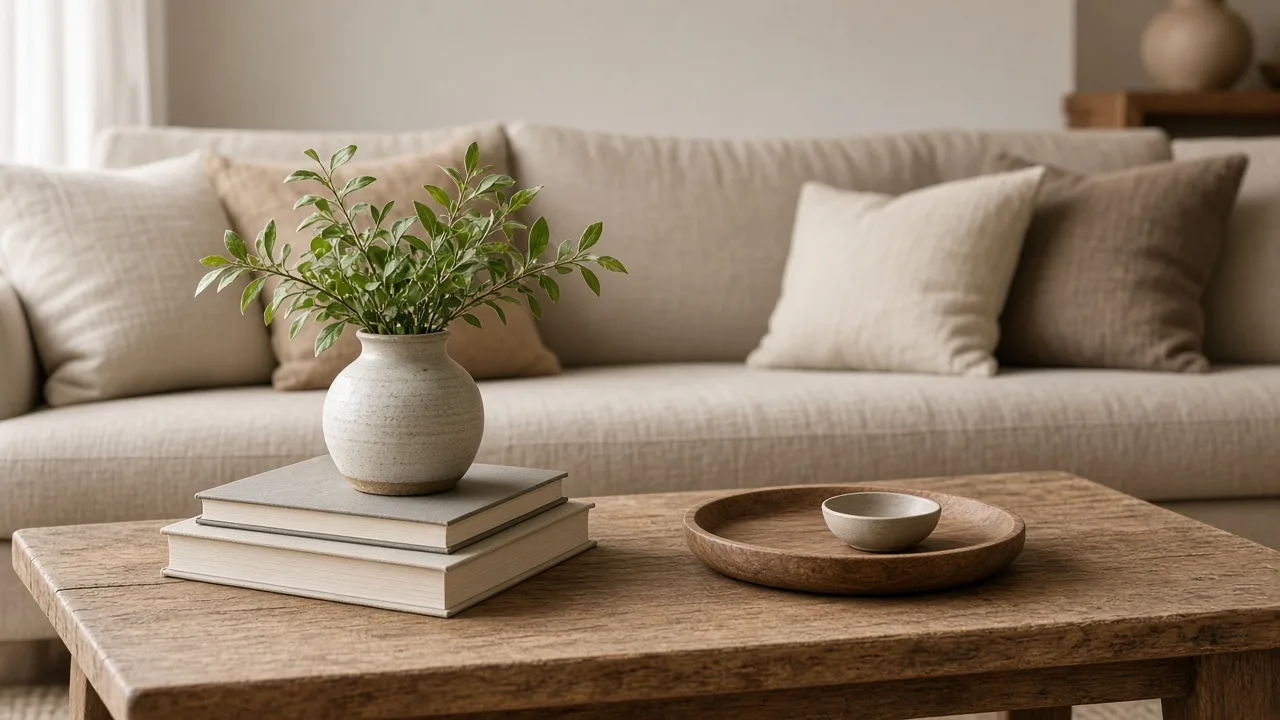
The best coffee table styling is not a fixed stack of books, a vase, and a tiny object arranged by height. It is a small composition that looks connected to the room, leaves space for a mug, and can shift when someone wants to put up their feet, play a game, or share snacks. Start by deciding what the table needs to do; the right decor follows from that answer.
A useful formula is one visual anchor, one or two supporting layers, and a clear place to set something down. That anchor might be a tray, a large book, a low bowl, or a sculptural object. The supporting pieces bring in color, texture, or personality without competing with it. Recent styling guidance from Better Homes & Gardens and Homes & Gardens likewise treats the tabletop as a place to balance display with everyday use, rather than fill every inch.
Build an arrangement that works before you decorate
Start with reach and a clear landing zone
Before you choose objects, sit on the sofa and notice where your hand naturally reaches. The area closest to the seat is useful for coasters, a remote, or a small dish; a tall vase or fragile sculpture belongs toward the back or center, where it is less likely to get knocked over. Leave a patch of open tabletop large enough for the most common task in your room. If you regularly serve a snack or unfold a board game, an arrangement that looks perfect but has to be cleared each time is not doing its job.
Walk around the furniture group once you have a rough layout. Do not let a tray, basket, or table edge pinch the path between the sofa and the doorway. When accessibility is part of the household’s needs, plan around the actual chair, scooter, or walking aid and test the turning and approach space with the person who uses it. The U.S. Access Board’s ADA guide to clear floor space explains that its dimensions apply where accessibility standards require them; those measurements can inform planning, but they are not a universal rule that automatically governs every private living room.
Choose one visual anchor
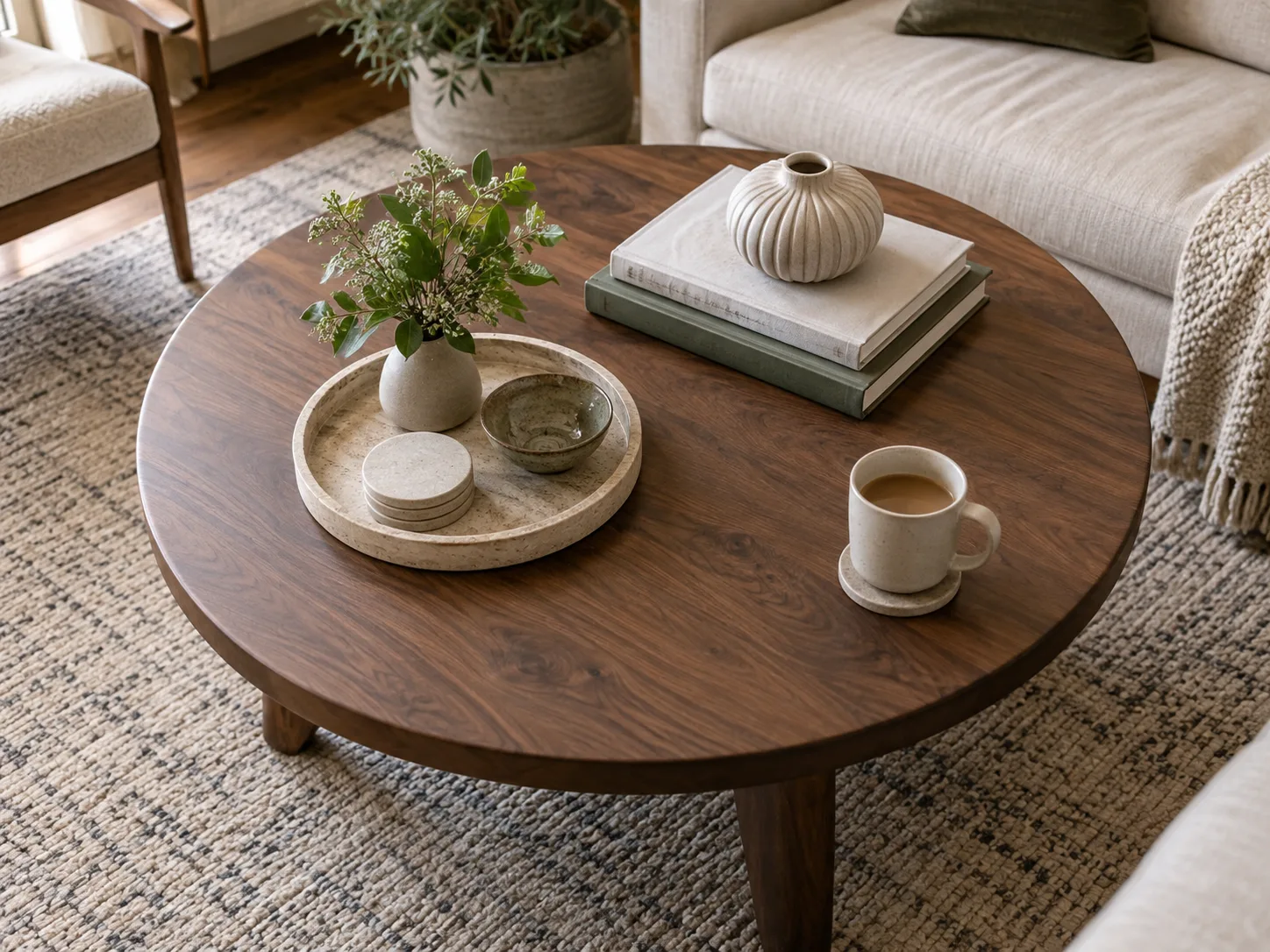
An anchor gives the eye a place to land. On a broad rectangle, it could be a book stack placed off-center; on a small round table, it may be a shallow bowl or compact tray. Choose one piece with enough visual weight to hold its own against the sofa and rug, then add a smaller object that echoes its finish or color. Repeating one material is often enough to make unlike pieces feel related.
A useful way to avoid a stiff showroom look is to vary the arrangement while keeping its footprint compact. Place the anchor in one zone rather than dead center, and let a second cluster balance it across the table. If the top has a strong grain, veining, or glass edge, let some of that surface remain visible; the table itself can be part of the composition.
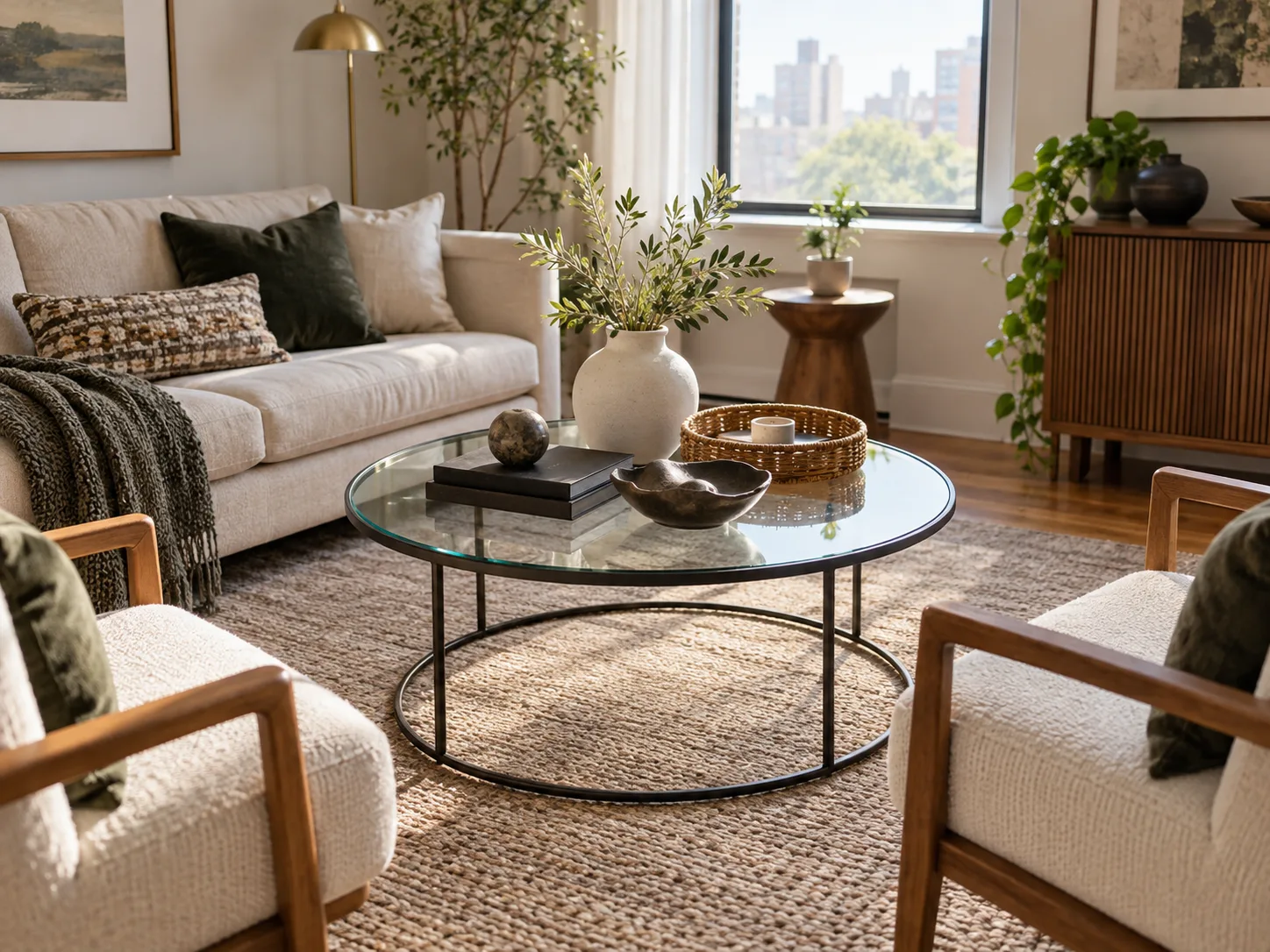
Add height, texture, and color with restraint
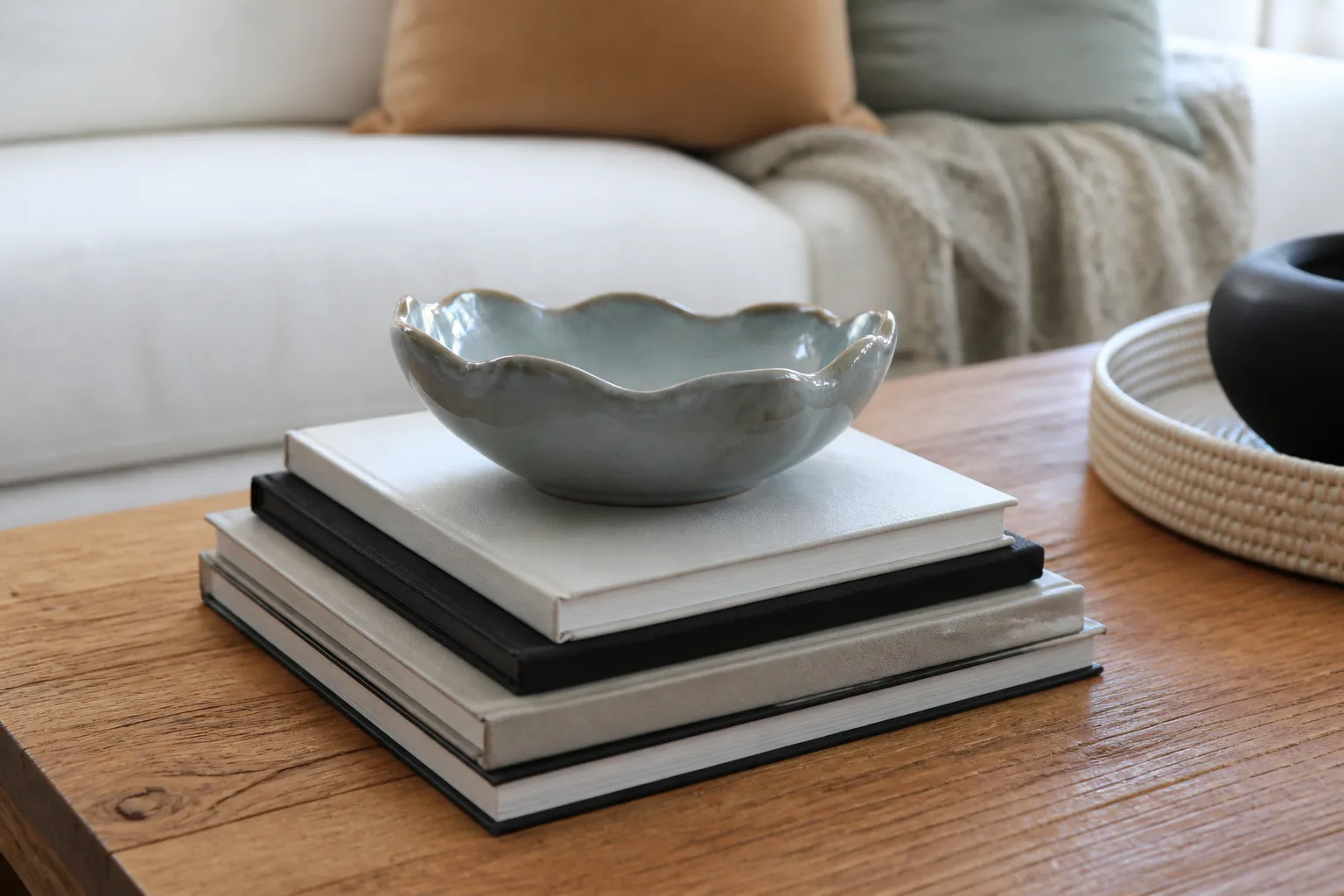
A low book stack, a medium-height bowl, and a taller vase can create a gentle rise and fall. The tallest object should not block a seated view across the room or make conversation feel like it is happening around an obstacle. On small tables, a single vertical accent is usually enough; on a broad table, height can be split between two low groups instead of one tower.
Contrast makes a neutral arrangement look intentional: pair a matte ceramic vase with a glossy tray, a rough woven coaster with smooth glass, or a dark object with pale books. Repeat a color already present in the rug, artwork, or cushions rather than introduce several unrelated hues. If a setup looks busy, remove one texture or color before buying another accessory.
Traditional, collected, and lived-in coffee table ideas
Traditional decor tends to feel most natural when objects have some history, useful detail, or visual weight. These ideas work especially well with warm wood, upholstered seating, patterned rugs, and rooms where a polished arrangement should still feel welcoming.
Ideas 1–4: books and classic accents
1. Stack books around a shared subject. Choose two or three books whose covers or topics make sense together—architecture, travel, art, or gardening—and let the stack function as a low platform for a small object. Keep books you actually like nearby; an open book with a bookmark makes the display feel usable, while a flat stack is easier to wipe and rearrange.
2. Use a shallow tray on an ottoman. A tray turns a soft ottoman into a temporary landing surface for drinks, remotes, or a vase. Pick a tray with a stable base and enough lip to contain smaller items, then lift it away when the ottoman becomes a footrest. A contrasting finish, such as warm brass or dark wood against pale upholstery, creates definition without adding another large object.
3. Display a low ceramic bowl. A shallow bowl can hold coasters, wrapped sweets, or small items that otherwise wander across the room. Choose a shape and glaze that relate to the room’s dishes, pottery, or hardware; the link can be subtle. Keep it low enough that people can see across the table, and avoid filling it with loose knickknacks that are too small to use or too precious to touch.
4. Pair a classic vase with a restrained arrangement. A rounded stoneware or glass vase with a few branches or seasonal stems can soften angular furniture and bring a vertical note to a low table. Choose stems that do not fan across the whole surface, and use a watertight liner if the vessel is decorative rather than functional. A smaller arrangement is easier to refresh and leaves more room for daily use.
Ideas 5–7: vintage details and quiet elegance
5. Add one vintage object with a story. A small brass box, carved wooden piece, or inherited keepsake gives a room a more personal layer than a matched set of accessories. Let the object sit alone or beside one book so its shape remains readable. If it is delicate or valuable, place it away from the table edge and do not use it as a catchall.
6. Mix framed art with a small sculpture. A tabletop frame can bring in a memory, illustration, or favorite print while a sculptural object gives the display dimension. Use a frame with a secure back and avoid leaning heavy glass where it might slide. Pick a simple frame color that appears elsewhere in the room, then keep the image itself personal rather than treating the table like a miniature gallery wall.
7. Create a quiet, elegant cluster with glass. A low crystal dish, a pair of polished candleholders, or a small glass paperweight can add sparkle without requiring a large centerpiece. Group the reflective pieces with a matte book or wood object so the whole arrangement does not become shiny. Glass is easiest to maintain when there are only a few pieces; it shows fingerprints and water rings more readily than textured ceramic.
Modern and minimal coffee table ideas
Modern styling benefits from clean shapes and deliberate editing, but “minimal” does not have to mean an empty or impersonal table. These ideas use form, negative space, and contrast to make a small number of objects feel considered.
Ideas 8–11: sculptural shape and edited layers
8. Let one sculptural object do the work. A wood knot, abstract ceramic form, or rounded stone piece can supply the focal point without a collection of small accessories. Look for a silhouette that contrasts with the table’s geometry: a soft curve on a square top or a crisp angular form on a round one. Keep the surrounding surface open so the sculpture reads clearly from the sofa.
9. Choose a single large-format book. On a compact table, one oversize book may look calmer than a tall stack. Select a cover that adds a color or image the room needs, and use the book as a useful place to browse rather than a platform for multiple decorations. If the book is displayed with its cover open, make sure the binding can rest comfortably without being forced flat.
10. Try an asymmetrical two-part arrangement. Place a book or tray to one side and a small, rounded object on the other, leaving an open diagonal through the center. This gives a rectangular table movement without the formal feel of matching objects on both sides. The arrangement works best when the two groups have similar visual weight even if their colors, heights, and shapes differ.
11. Decorate a glass table with opaque contrast. Glass can make a room feel more open, but transparent accessories on transparent glass may disappear. Add a matte ceramic vessel, dark book, or textured bowl to create a clear silhouette, and keep cords or clutter visible underneath the table out of sight. A coaster stack can introduce a smaller material contrast and protect the top at the same time.
Ideas 12–14: color, contrast, and conversation
12. Repeat one accent color in three small touches. A single color repeated in a book spine, a small dish, and a flower stem feels more integrated than a cluster of unrelated bright pieces. Pull that color from a cushion, painting, or rug so the coffee table connects to the wider room. Keep the rest of the objects quieter if the accent is already strong.
13. Use a black-and-white palette with varied materials. A white bowl, black candleholder, pale pages, and a dark wood or stone object can create contrast without adding many colors. The trick is to vary finish and shape: all glossy items can feel cold, while a matte piece or visible wood grain softens the graphic palette. Leave part of the surface bare to keep the contrast from becoming visual noise.
14. Add a small design object that invites a closer look. A brass animal, hand-turned wooden object, or unusual paperweight gives guests something interesting to notice without turning the whole tabletop into a collection. Choose one object that reflects a color, era, or material already in the room. If it has sharp edges or is easy to tip, place it well within the table’s footprint and away from active play.
Natural, organic, and coastal coffee table ideas
Natural materials can make a living room feel relaxed, but mixing too many rustic textures can turn a table into a display shelf. Select a few elements with a clear connection—greenery and wood, stone and linen, or woven fibers and a pale palette—and keep the arrangement proportional to the surface.
Ideas 15–18: greenery and flowers
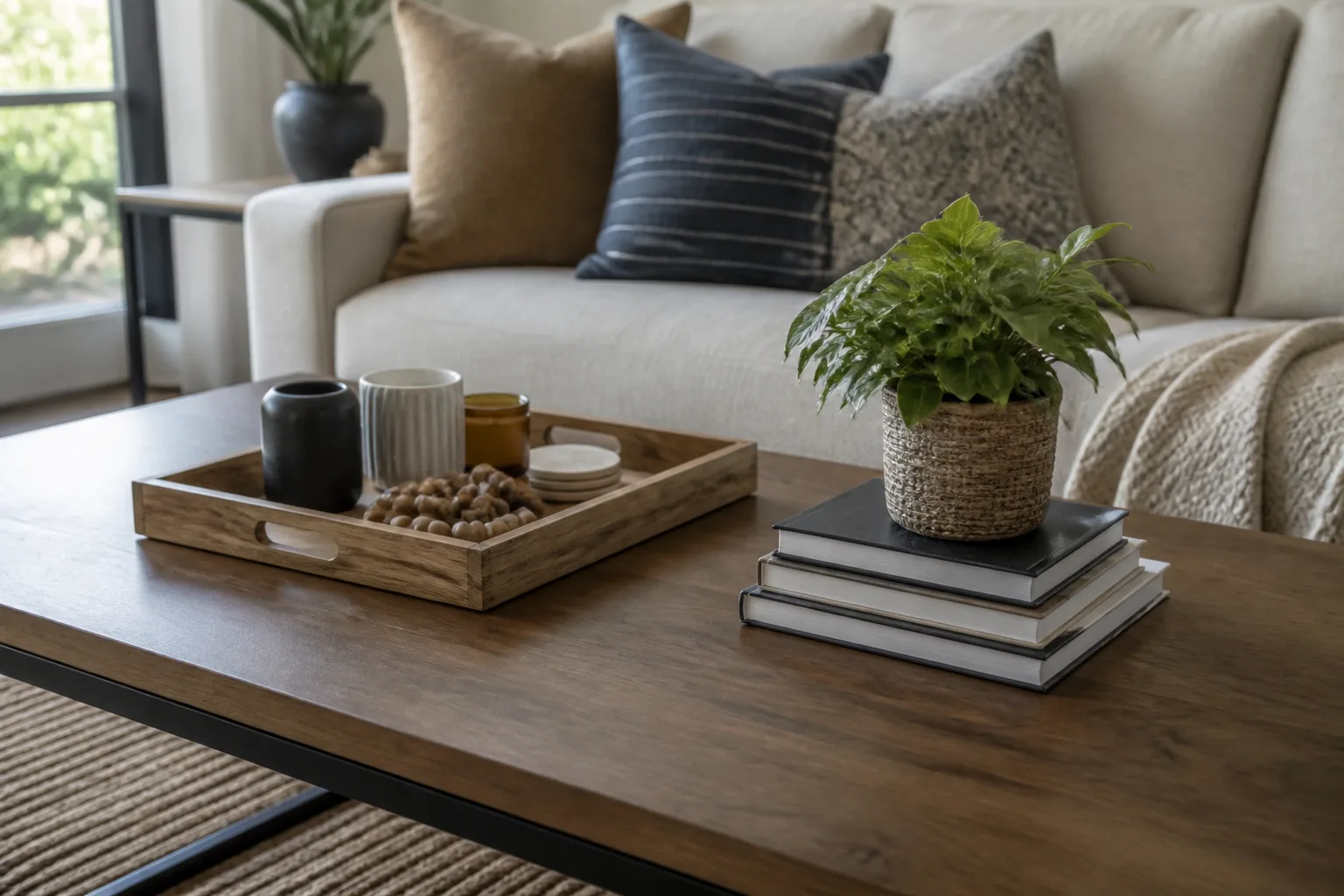
15. Bring in a compact potted plant. A small, stable plant adds living color and an organic outline, especially in rooms with a lot of straight lines. Choose one suited to the light at the table and use a waterproof saucer beneath it; a plant that needs frequent watering may be better placed elsewhere. Keep trailing leaves short enough that they do not brush cups or obscure the tabletop.
16. Use cut flowers as a seasonal focal point. A few stems in a narrow vase can change the feel of the room without requiring a full bouquet. Match the scale to the table: one branch or three stems often look more relaxed than a dense arrangement that blocks the view. Refresh the water regularly, trim spent material, and move flowers off the table before serving food if petals or pollen could become a nuisance.
17. Arrange dried grasses or preserved stems. Dried material is useful when you want a lasting natural texture without changing water. A light, airy stem in a weighted vase can sit beside a low stack of books, while a fuller bundle suits a larger table with room around it. Keep dried pieces away from open flames and high-traffic edges because brittle stems break and can scatter.
18. Make a small terrarium the centerpiece. A lidded or open glass terrarium can create a miniature landscape that feels more distinctive than a standard vase. Keep it low enough for a conversation sightline, and set it on a protective mat if condensation could mark a wood finish. Choose a self-contained display only if you are willing to clean the glass and keep it in a spot where it will not be bumped.
Ideas 19–22: woven, mineral, and seasonal texture
19. Layer in a woven accent. A woven coaster set, small basket, or natural-fiber tray adds tactile contrast to marble, glass, or lacquer. Use one woven piece rather than repeating the same texture across every object. Woven materials can catch crumbs and spills, so keep coasters and baskets easy to lift when the table needs cleaning.
20. Use a piece of driftwood or natural stone. A sculptural piece of wood or a smooth stone can make a room feel connected to the outdoors while adding an irregular shape to a polished table. Check that the bottom is clean, dry, and flat so it does not scratch the surface or wobble. Balance its roughness with a smooth book cover, simple ceramic bowl, or clean-lined tray.
21. Fill a bowl with seasonal fruit. A bowl of citrus, apples, or pears can bring real color and make the table feel ready for guests. Use fruit that is safe to leave at room temperature for the time it will sit out, inspect it often, and move the bowl away if children or pets are likely to grab it unsupervised. Faux fruit avoids spoilage but should look convincing and be clearly identified if guests may reach for it.
22. Add a natural stone or marble tray. A stone tray can gather a candle, coasters, or small dish into one visual zone and provide a satisfying weight against lighter materials. Check the underside for a protective lining before setting it on wood, and lift it rather than dragging it. Because stone is heavy, keep the tray to a manageable size and avoid placing it where a child might pull it down.
Personal and practical coffee table ideas
Your table can show what the household enjoys, not just what looks right in a room photograph. The most convincing displays have a visible point of view and a sensible place for the objects that are used every day.
Ideas 23–25: collections, games, and photographs
23. Put a small collection on display. A few matchbooks, miniature ceramics, travel souvenirs, or shells can tell a story about the people who live there. Edit the group to pieces that share a color or material, and keep the collection on a tray so it can be lifted together when the table needs to be cleared. Avoid displaying every item at once; leave a little breathing space around the collection.
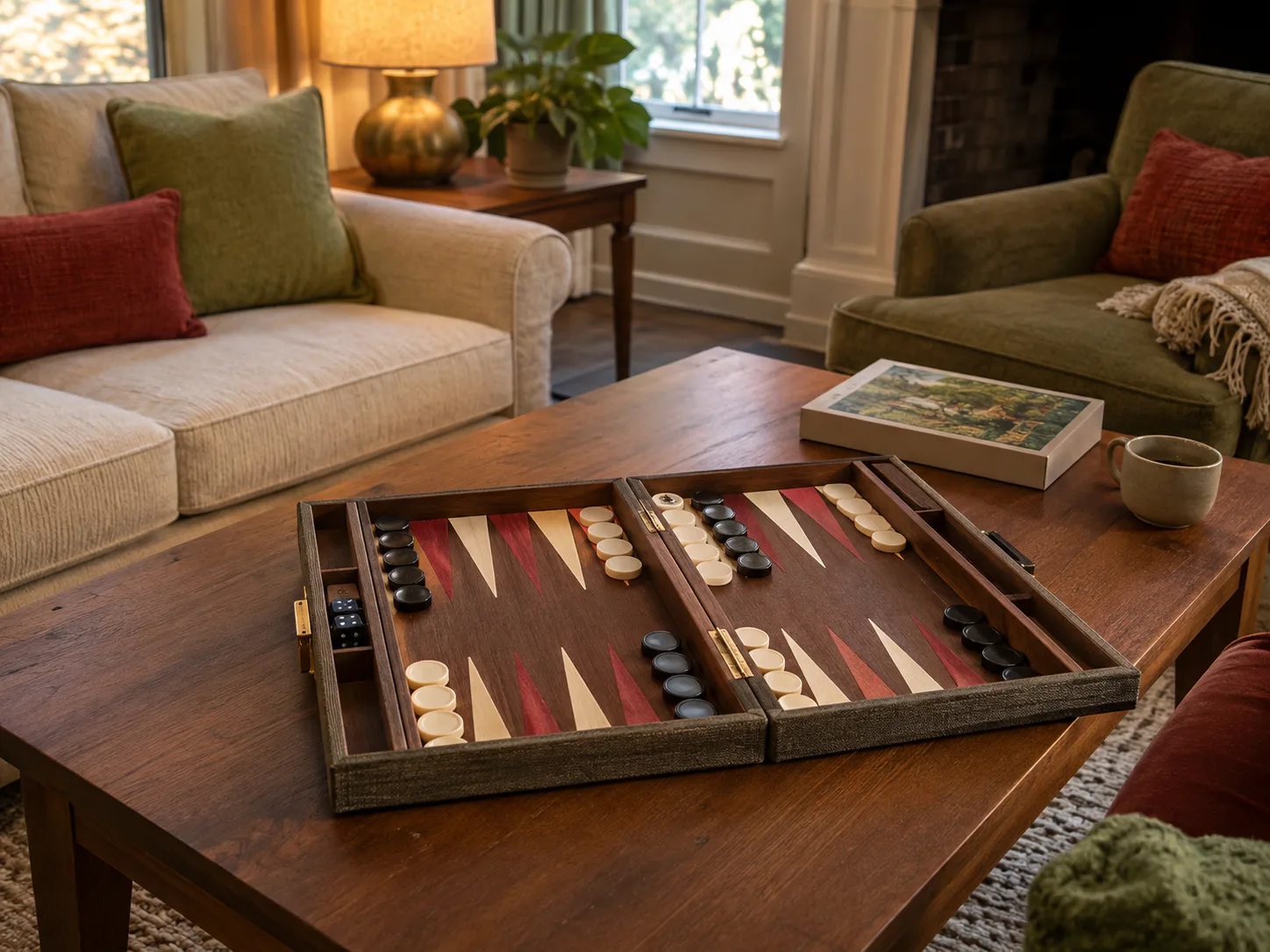
24. Keep a beautiful game within reach. A compact chess set, backgammon board, or card deck encourages guests to use the living room rather than treat it as a no-touch display. Choose a game box or board that suits the room’s palette, but prioritize sturdy construction and easy storage over packaging alone. Leave enough clear surface to play, or set the game nearby and bring it out only when needed.
25. Frame a favorite photograph. A small framed family picture or travel image makes the room feel lived in and gives a personal object a deliberate place. Use a frame with a broad, stable base and keep it low enough that it does not block sightlines. If a young child or pet can reach the table, choose a shatter-resistant frame or place the photograph on a higher shelf instead.
Ideas 26–28: storage, small spaces, and flexible use
26. Hide remotes in a lidded box. A small box can contain remotes, charging adapters, or other visual clutter while still keeping everyday essentials close. Check the dimensions before buying so the box does not occupy the whole usable surface. A lid is practical only if people will return it; an open compartment may suit a busy family room better than a beautiful container that stays empty.
27. Use nesting tables or a movable side table. If the coffee table is small, do not force it to hold every drink and accessory. Nesting tables can spread out when guests arrive and tuck back into a compact footprint afterward; a lightweight side table can move beside the person who needs it. Keep the main table’s decor deliberately small so it remains useful in a tight room.
28. Rotate a small seasonal vignette. Change one or two details through the year—a bowl of pinecones in winter, a few bright stems in spring, or a warm-toned candle in autumn—rather than replacing the entire arrangement. A restrained seasonal swap gives the room a fresh note without creating a storage problem. Avoid fragile seasonal decor if the table doubles as a play area or a place for frequent meals.
Fit the arrangement to your table and household
Edit for shape, safety, and the way the room is used
A rectangular table gives you a long edge for books and a separate zone for a tray; a round table often looks balanced with one central anchor and smaller objects arranged around it. On a square table, a centered tray or a loose four-part grouping can work, but leave gaps between objects so the edges do not feel crowded. An oval top benefits from a low composition that follows its longer axis, while an irregular live-edge table usually needs simpler decor so the wood remains the feature.
For glass, choose shapes that read clearly against the floor and keep fingerprints in mind. For dark wood, pale ceramic or a light book cover can create a useful contrast; for pale stone, warm wood and darker accents prevent the arrangement from washing out. Better Homes & Gardens’ furniture and decorating advice offers useful inspiration, but the actual dimensions and finish of your table should decide what fits. If you are still choosing a table, our guide to coffee table height explains how to test its fit beside your sofa before you style it.
Candles can add warmth, but treat a lit candle as a flame, not as a permanent accessory. The U.S. Fire Administration’s candle guidance says to keep candles at least 12 inches from anything that can burn and to blow them out when leaving a room or going to bed. On a coffee table, that means keeping candles away from books, dried stems, curtains, paper, and loose textiles; a flameless candle is a simpler choice in a busy household.
Finish with a quick edit: remove objects that are too tall, duplicate, unstable, or unrelated; check that drinks have a coaster and that the main walking route stays open; then sit down and see whether the display still feels connected to the room. The right number of objects is whatever leaves the tabletop useful. If you clear the entire surface every evening, the styling is asking too much of your routine.
Conclusion
Start with the table’s job, choose one anchor, and add only a few supporting pieces that bring color, texture, or personal meaning. The 28 ideas above can be mixed across styles, but they work best when the display fits the tabletop, leaves room for daily use, and feels like it belongs with the furniture and people around it.
Before calling the arrangement finished, test it from the sofa and walk through the room. Move anything that blocks reach or circulation, secure breakable pieces, and keep a clear landing zone for the objects people actually use. A coffee table looks most inviting when it is ready to be lived with.