Edelweiss Flower Care: Planting, Watering, and Bloom
Get practical edelweiss care for rock gardens and outdoor pots, from climate fit and lean soil to seed stratification, bloom timing, and winter protection.
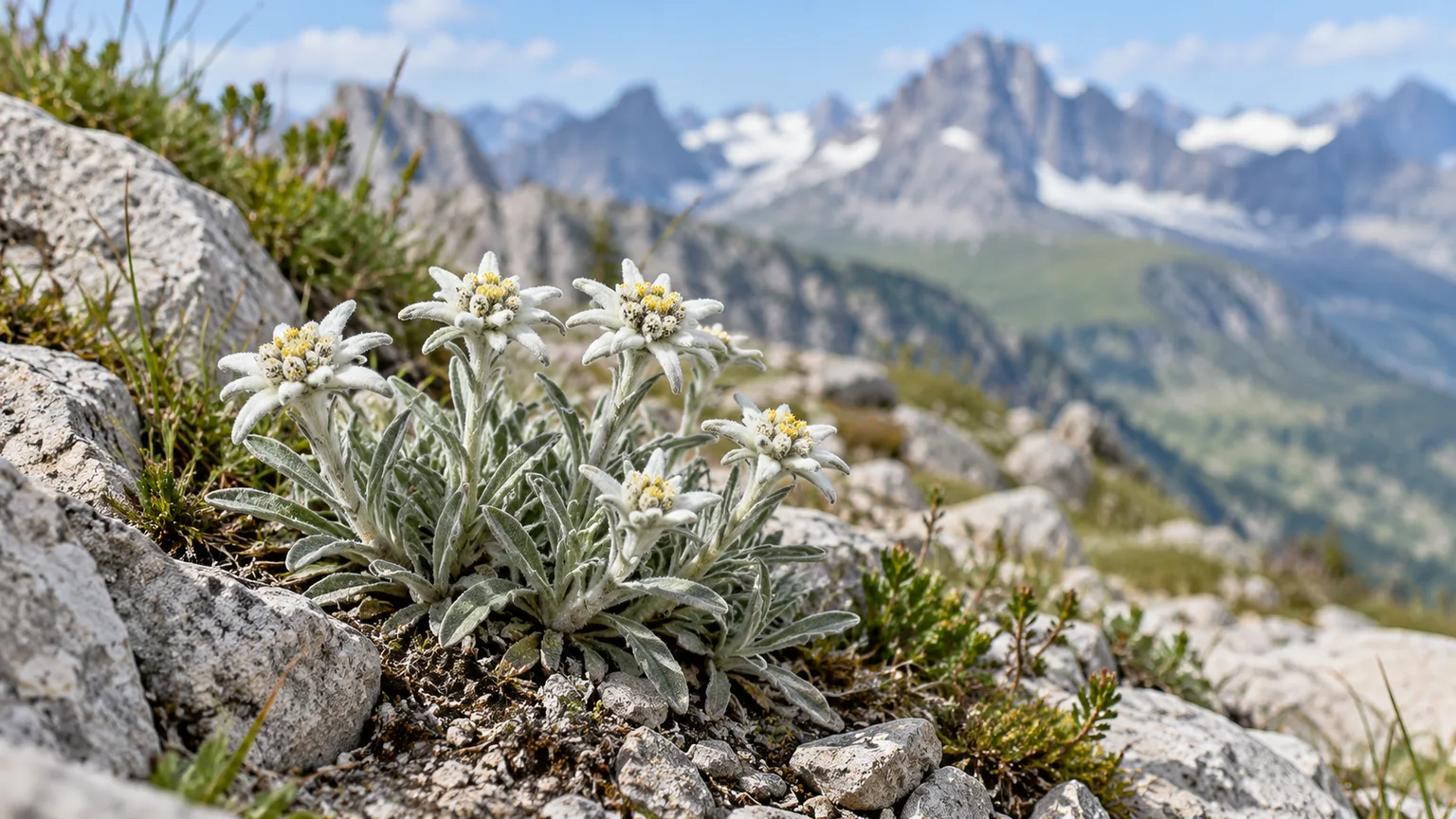
Edelweiss is a compact alpine perennial with silvery, woolly leaves and flower heads that look like white stars. The white “petals” are actually felted bracts around small yellow florets. Its scale suits a rock garden, gravel pocket, alpine trough, or raised bed, but its reputation for toughness can mislead gardeners: surviving winter cold is easier than coping with a hot, humid summer or soil that stays wet around the crown.
The practical test is not whether your winters are cold enough; it is whether the planting site can stay cool and drain quickly after rain. Edelweiss does best where sun reaches it, the roots sit in lean mineral soil, and the crown never rests in a soggy pocket. If your garden is warm and humid for much of summer, a container or a different alpine perennial may be a better use of your effort.
The plant is sold under more than one scientific name. You may see Leontopodium alpinum on a seed packet or nursery label; the RHS profile uses Leontopodium nivale subsp. alpinum and lists the former name as a synonym. Buy cultivated nursery stock or seed rather than taking a plant from the wild: the Missouri Botanical Garden Plant Finder notes that wild edelweiss is protected in several European countries, and rules depend on location.
Edelweiss at a glance
| Growing question | Practical answer |
|---|---|
| Plant type | Small, clumping herbaceous perennial in the daisy family |
| Mature size | Commonly about 6–12 inches tall; spread varies by plant and site |
| Best site | Sunny rock garden, scree pocket, raised bed, or outdoor alpine trough |
| Soil | Lean, gritty, neutral to alkaline, and sharply drained |
| Water | Keep new plants from drying out; established plants usually need little extra water in cool climates |
| Hardiness | Commonly listed for USDA zones 4–7; summer climate still matters |
| Flowering | Usually late spring or summer, with exact timing varying by location |
The familiar star is a cluster, not a single large daisy bloom: a few small yellow flower heads sit within pale, woolly bracts. The RHS profile describes the plant as a perennial to about 20 cm, flowering in late spring and early summer; the Missouri Botanical Garden profile lists a similar height and a later July-to-September bloom window for its St. Louis reference. Treat a calendar month as a local estimate, not a promise.
Edelweiss is often short-lived as an individual garden plant, but it may slowly form a colony through rhizomes or seedlings where conditions suit it. The Missouri Botanical Garden describes gradual rhizome spread, while Gardenia’s plant profile notes that self-seeding can help an established patch persist. Expect a compact plant that takes time to settle in, not an instant groundcover.
Can your climate grow edelweiss?
The Missouri Botanical Garden lists edelweiss for USDA zones 4–7, and the RHS profile gives the familiar alpine edelweiss a hardy rating for cold winters. Those labels describe winter survival, not summer comfort. The same Missouri Botanical Garden profile warns that hot, humid St. Louis summers make the plant difficult to grow, even though its winter hardiness range includes the city.
Cool-summer regions with dry air are the easiest fit: mountain gardens, high elevations, and places with cool nights and summers that do not stay muggy for long. A cool-climate gardener can try a sunny bed or trough outdoors. In a hot, humid lowland garden, afternoon shade may reduce heat stress, but shade cannot remove persistent humidity or fix waterlogged soil; set realistic expectations before buying.
If your summers are hot but the air is not persistently humid, try an open site with morning sun and light afternoon shade, and keep the root zone in a raised, gritty bed. If heat arrives with heavy summer rain, choose the coolest, driest microclimate you have or grow another plant suited to the region. A USDA zone match alone is not enough to call edelweiss a good choice.
Pick a spot with sun and drainage
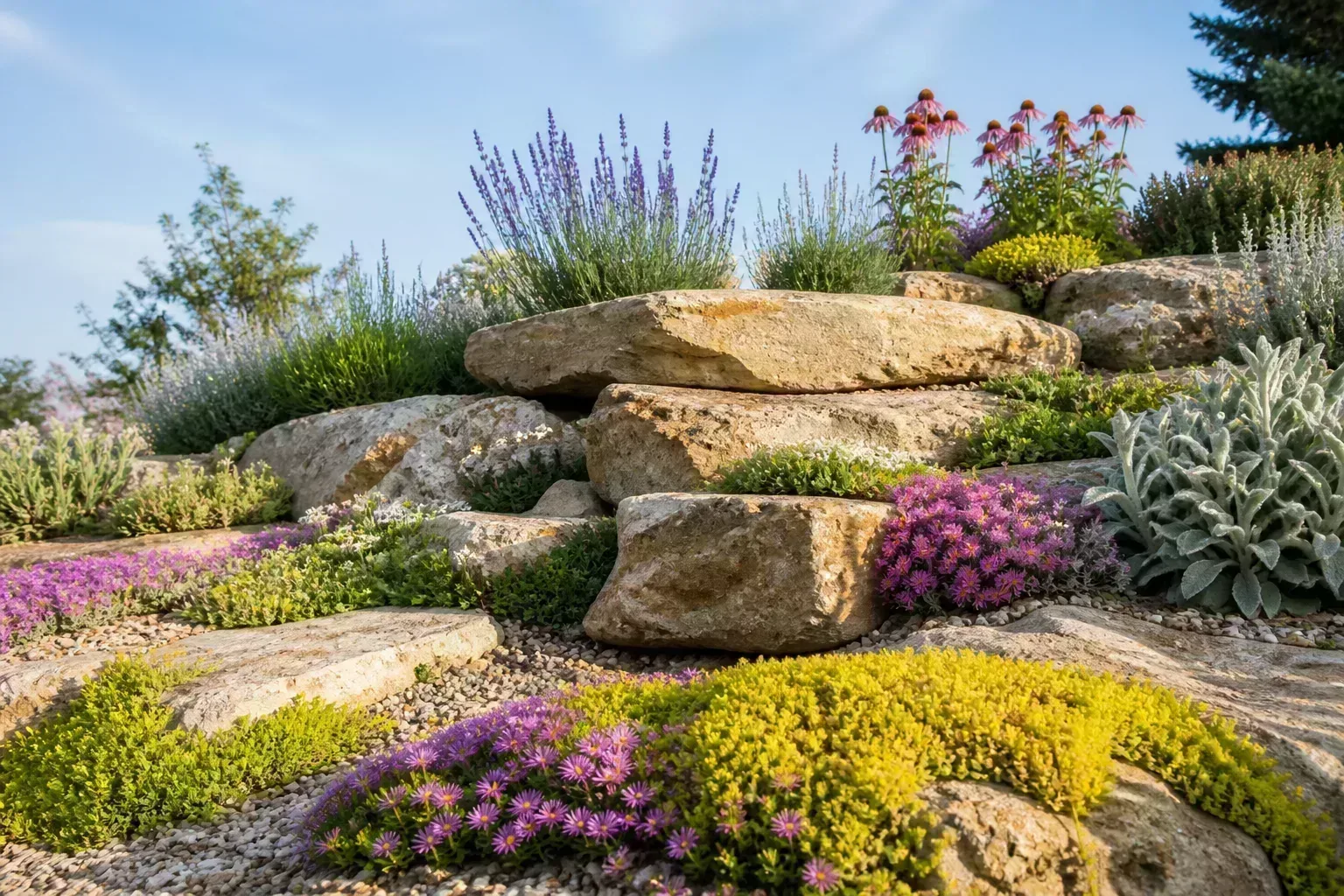
Edelweiss grows naturally in rocky mountain habitats, so make the site resemble a small scree pocket rather than a fertile border. The aim is not to recreate an entire mountain; it is to keep the crown open to air and let surplus water leave the root zone quickly. A slight slope, rock crevice, raised trough, or mound helps more than adding a thin layer of gravel over compacted clay.
Light and heat
Choose full sun in a cool-summer climate. The RHS recommends full sun, and the Missouri Botanical Garden also lists full sun as the preferred exposure. In a warm climate, use some afternoon protection if it lowers heat without enclosing the plant in stagnant shade. A bright position with moving air is a better compromise than a shaded, damp corner.
Do not tuck edelweiss beneath a vigorous perennial simply because its mountain habitat has nearby vegetation. Tall neighbors can shade the low rosettes, crowd the crown, and hold moisture against the foliage. Give the clump enough light to stay compact, and use nearby rocks to create open pockets rather than a dense groundcover.
Soil: lean, gritty, and fast draining
Drainage is the most important soil feature. The Missouri Botanical Garden recommends sandy to gritty, sharply drained soil that is neutral to alkaline; the RHS lists well-drained chalk, loam, or sand with neutral or alkaline pH. These sources do not require one exact recipe, so use soil texture and drying behavior as your guide instead of chasing a precise number on a bag.
In a heavy bed, do not plant edelweiss in a small hole filled with gravelly mix surrounded by clay; that hole can collect water like a basin. Build a raised pocket or mound that connects to freely draining soil, or use a container. For a pot, blend a low-fertility potting medium with coarse horticultural grit or pumice until water can run through freely. Avoid rich compost, manure, and moisture-retentive mixes that keep the crown wet.
If you have not tested soil pH, there is no need to add lime on sight. Edelweiss tolerates neutral-to-alkaline conditions, but changing pH without a test can push the rest of a mixed bed away from its preferred range. First fix compaction and drainage; amend pH only when a soil test shows a real mismatch.
In a rock garden or pot?
A rock garden or raised alpine bed is the simplest setup because it combines air, mineral soil, and drainage. Set the plant near a stone where water can run away from the crown, not at the bottom of a hollow. A narrow gravel gap at the top of a retaining wall can work if the root ball has enough depth and does not bake against hot masonry.
Edelweiss can grow in an outdoor pot or alpine trough, but it is not a typical windowsill houseplant. Use a pot with several open drainage holes, a gritty medium, and an outdoor position with bright light and seasonal temperature changes. Containers dry faster in summer and freeze more quickly in winter, so check them more often than an in-ground clump and protect them from prolonged winter rain.
How to plant nursery-grown edelweiss
Planting in spring gives a nursery-grown plant time to root before its first winter. In a mild climate with dependable autumn rain and well-drained soil, early fall can also work, but avoid planting just before a freeze or a period of persistent wet weather. Water the nursery pot first so the root ball comes out intact, then handle the shallow crown gently.
Set the plant at the same depth it grew in its pot, with the crown—the point where stems meet roots—level with or just above the surrounding soil. Do not bury the woolly rosettes under soil or mulch. Firm the mix lightly around the roots, water once to settle it, and check after the water drains that the plant has not sunk into a depression.
Allow roughly 8–12 inches between plants unless the nursery label gives a different mature spread. The space is not just for appearance: open air around a low clump lets rain and dew dry sooner. After planting, label the spot so you do not disturb a slow-growing plant while it is establishing.
Watering without causing crown rot
Newly planted edelweiss needs more attention than an established clump, but “water regularly” should not mean keeping it wet. For the first growing season, check the soil below the surface; water thoroughly when the root zone is starting to dry, then let excess drain away. Do not mist the mature plant or add small daily splashes that keep the crown and topsoil damp.
After the roots are established, rainfall may be enough in a cool climate. During a prolonged dry spell, water at the soil line when the root zone is dry rather than following a fixed weekly schedule. A plant in a shallow pot may need a check every few days in warm weather; an in-ground plant in a rainy region may need no supplemental water at all.
The timing is different for seeds: keep the seed-starting mix lightly and evenly moist while germination is underway, because a tiny surface-sown seedling can dry out quickly. Once seedlings are growing and then transplanted, shift to deeper, less frequent watering. This change—moist during germination, never saturated around established roots—is more useful than applying one watering rule to every stage.
Fertilizer, pruning, and routine care
Skip routine fertilizer. Edelweiss is adapted to lean alpine ground, and pushing leafy growth with compost or a high-nitrogen feed can create a soft, crowded plant that is less suited to its compact habit. If a potted plant has been growing for several seasons and the medium is exhausted, refresh the mix at repotting rather than feeding it heavily.
No regular pruning is needed. After bloom, leave the heads in place if you want a chance of self-sowing; remove them before seed matures if you want a tidier clump or do not want volunteers. Deadheading does not force a second flush on every plant, so do it for seed control and appearance rather than promising more flowers.
Keep the crown visible and clear away soggy leaves or plant debris that collects against it. Do not cultivate deeply close to the clump: the plant is small, slow to establish, and may spread through shallow rhizomes. If it begins to decline, inspect drainage and the crown before reaching for fertilizer or pesticide.
Growing edelweiss from seed
Seed is a good way to start several plants, but it is not always the quickest path to a flowering clump. Germination can be uneven, and seedlings need time to build roots before they look like the woolly alpine plant in a mature flower photo. Buying a healthy nursery-grown plant is more predictable if you want one specimen; choose seed when you are comfortable waiting and thinning extras.
Cold stratify and surface-sow
Seed suppliers differ on whether and how long to chill seed, so follow the packet when it gives species-specific instructions. If the directions are unclear, a short period of cold, moist stratification is a reasonable way to mimic winter; Gardener’s Path recommends chilling seed in a lightly moistened medium for four to six weeks. Do not leave seed in a wet bag, where it can rot before it is sown.
- Put fresh seed in a small amount of barely damp, sterile seed-starting mix or fine grit inside a sealed bag or covered container.
- Refrigerate it for about four to six weeks; do not freeze it.
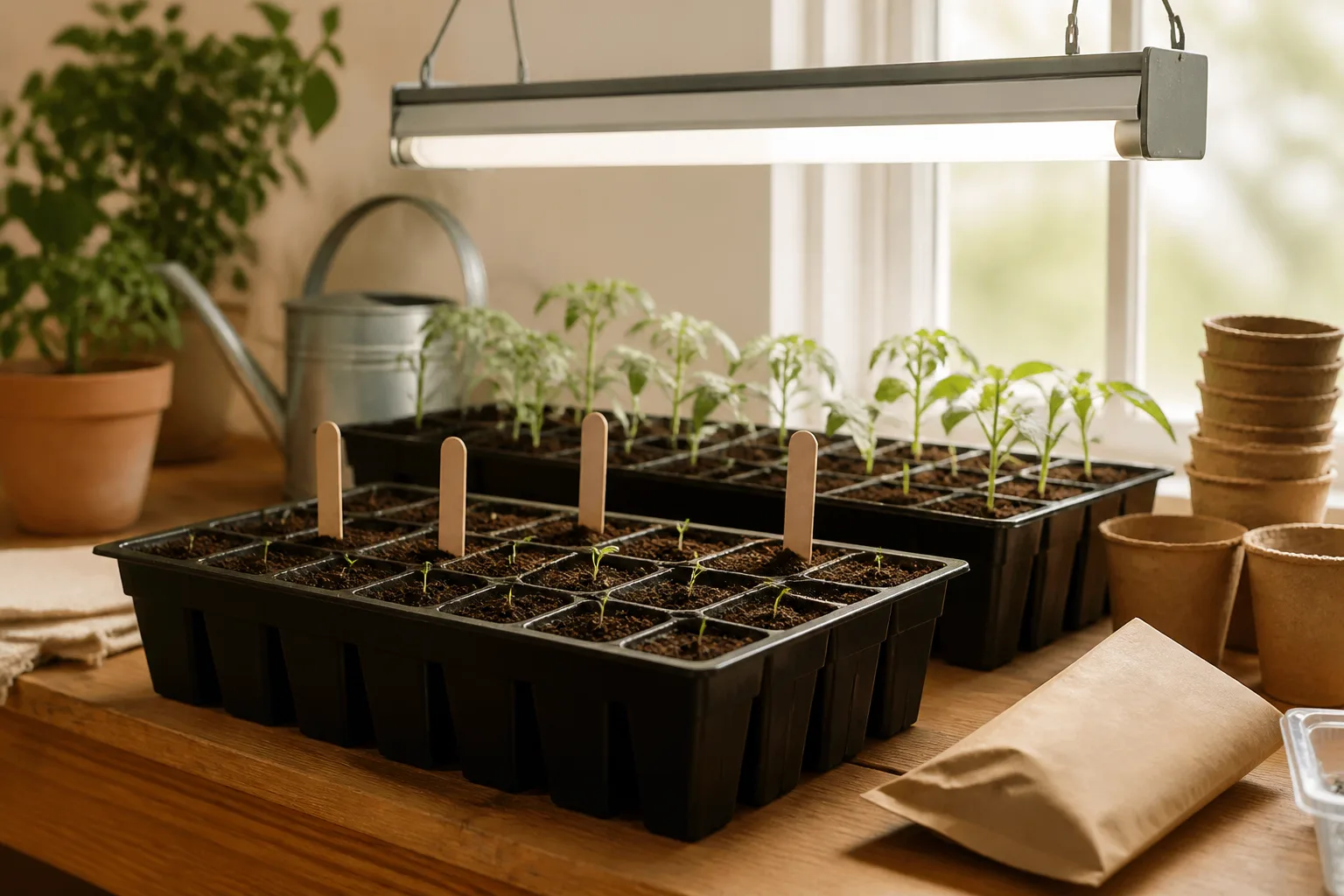
- Fill a shallow tray with a fine-textured, free-draining seed mix and moisten it before sowing.
- Sprinkle the seed on the surface and press it gently into contact with the mix; do not bury it under a layer of soil.
- Keep the tray cool and bright, with the surface lightly moist but not waterlogged.
Because the seeds are exposed at the surface, check them often while they germinate. A clear cover can slow drying, but open or vent it if condensation collects or the mix smells sour. Germination may take several weeks and some seeds may not sprout, so avoid discarding the tray too early or flooding it to compensate for a slow start.
Raise and transplant seedlings
Move emerged seedlings into bright light and steady airflow. If several sprout close together, thin or transplant them only after they are large enough to handle; tugging at tiny seedlings can damage their fine roots. Water gently from below or at the edge of the tray so the seedling is not knocked over.
Once a seedling has a small, stable root system, harden it off gradually. Start with a sheltered outdoor spot for a short period, then increase outdoor exposure over about a week so leaves adjust to wind and direct sun. Transplant after the risk of a hard freeze has passed for your local conditions, keeping the crown at its original soil level.
Do not expect seed-grown plants to flower immediately. Edelweiss is slow to mature, and the first season may be mostly about establishing the rosette and roots. Keep seedlings lean, bright, and evenly—not constantly—moist; excess feed and shade can make them grow larger without making them sturdier.
Dividing an established clump
Division can renew a clump, but use it sparingly because edelweiss dislikes unnecessary root disturbance and individual plants may be short-lived. Wait until a plant has formed several rooted crowns, then divide in spring as new growth resumes. If the clump is still small or struggling, division is more likely to set it back than to rescue it.
Lift the root mass carefully, identify natural sections that each have healthy roots and leaves, and separate those sections with a clean knife. Replant each division promptly at its former depth in a prepared, sharply drained site, water once, and keep a closer eye on moisture while it re-establishes. If the parent plant has a soft or rotting crown, do not propagate from diseased tissue; improve the site and start with clean seed or healthy nursery stock instead.
Seasonal care and winter protection
Cold alone is not usually the main winter challenge in suitable zones; water trapped around the crown is. The RHS specifically recommends protecting edelweiss from winter wet and lists rock gardens, raised beds, and alpine houses as appropriate settings. In a rainy winter, move a container under a bright, open-sided shelter or place it where the pot drains freely rather than wrapping it in plastic.
If you garden where snow cover is reliable, the plant can overwinter outdoors in a well-drained site. Where winter is mild and wet, a simple rain shield can help as long as air circulates around the plant. Avoid thick, moisture-holding mulch piled against the crown; if you use a loose winter cover in a dry, cold garden, keep it off the rosette and remove it as growth begins.
In spring, clear away winter debris and check whether the potting medium or bed has settled around the crown. In summer, water only as the soil dries and watch for heat stress in containers placed against walls or paving. This seasonal rhythm is deliberately light: plant it correctly, keep the crown dry in winter, and intervene only when conditions—not the calendar—call for it.
When does edelweiss bloom?
Edelweiss flowers in the cooler part of the growing season, but bloom dates vary. The RHS describes late spring and early summer flowering, while the Missouri Botanical Garden lists July through September; different climates, elevations, cultivars, and taxonomic labels can shift the schedule. A seedling may also spend its first year building roots before it flowers.
The showy white portions are bracts around tiny yellow flower heads, not conventional petals. Bracts tend to be most striking when the plant has strong light, lean soil, and cool enough summers. If a healthy plant grows leaves but not flowers, first check its age, the amount of direct light, and whether rich soil has encouraged foliage at the expense of compact flowering growth.
There is no reliable shortcut that makes a young or heat-stressed plant bloom on demand. Do not increase fertilizer to force flowers; that can worsen the imbalance. A settled plant in a suitable site is more likely to bloom than one repeatedly moved, divided, shaded, or overwatered.
Troubleshooting a struggling plant
Start with the root zone, not the leaves. Edelweiss can wilt from a dry root ball after planting, but it can also wilt when roots have stopped functioning in wet soil. Press a finger into the mix or lift a container to judge its moisture; then check the crown for firmness before adding more water.
Crown rot and winter wet
Crown rot is the problem to take seriously when soil stays wet. The Missouri Botanical Garden identifies crown rot in overly moist, poorly drained soil, and the RHS recommends protection from winter wet. Warning signs include a crown that feels soft or dark, water-soaked stem bases, and collapse that continues even though the surrounding mix is damp.
Stop routine watering and move a container to a brighter, airy position where it can drain. If the plant is in the ground, check whether rain runs toward the spot, whether the planting hole sits in clay, and whether mulch or neighboring foliage is holding moisture against the crown. A badly rotted crown may not recover; remove collapsed tissue or the plant itself rather than feeding it, and correct the drainage before replanting.
Wilt in bone-dry soil has a different first response: water the root ball slowly and thoroughly, then allow it to drain. If the plant was recently moved, temporary stress is possible, but continued watering while the mix remains wet can turn a short-lived transplant problem into root damage. Recheck the soil before every additional watering.
Weak growth, poor flowering, and pests
Leggy, floppy growth points first to insufficient light or excessive fertility. Move a pot to brighter outdoor light gradually, stop feeding, and avoid rich compost around the crown. If temperatures are high and nights remain warm, lack of flowers may reflect climate stress rather than a missing fertilizer or a pruning mistake.
Small aphids or spider mites can occasionally appear on new growth, though edelweiss is not generally known for serious pest problems. Inspect the undersides of leaves and the tender shoots before treating; a small colony can often be dislodged with a gentle stream of water. Avoid spraying a stressed plant in hot sun, and use any pesticide only if the pest is correctly identified and the product label permits that use.
Conclusion
Grow edelweiss as a small outdoor alpine perennial, not as a conventional bedding flower: give it sun, cool summers, lean gritty soil, and a crown that dries quickly after rain. Start by checking whether your climate and drainage are a good match; if they are, plant shallowly, water new roots with care, and avoid fertilizer.
For seed, chill it if the packet calls for stratification, surface-sow it, and be patient with uneven germination and slow flowering. Protect the crown from winter wet, and diagnose a wilt by checking the soil before watering again. Those few choices do more for edelweiss than a complicated feeding or pruning routine.



