English Lavender Care: Planting, Pruning and Watering
Learn how to grow English lavender with full sun, fast-draining soil, season-aware watering, safe pruning, winter care, and easy propagation tips.
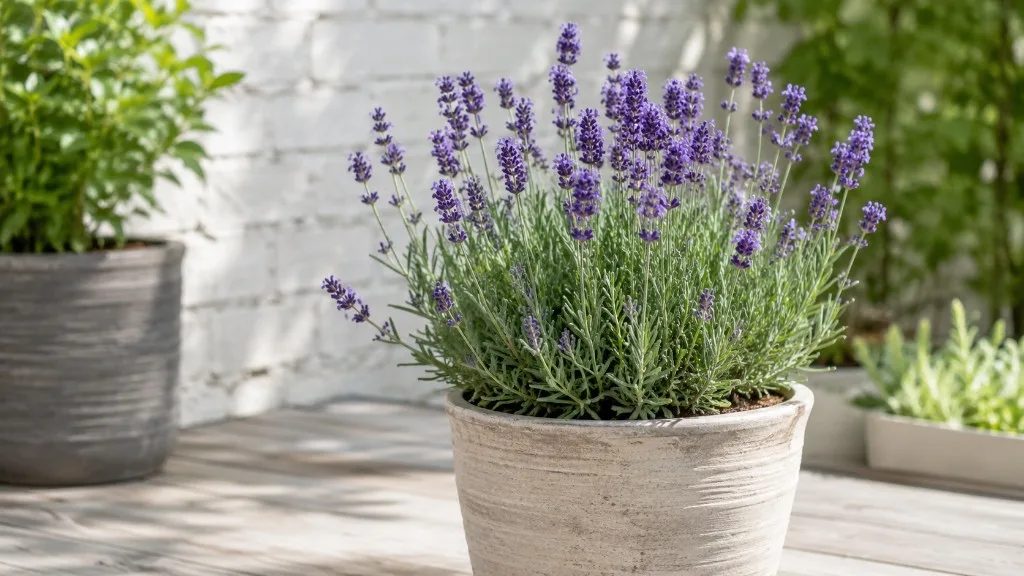
English lavender (Lavandula angustifolia) is forgiving about poor soil and unforgiving about wet roots. Give it direct sun, quick drainage, and enough space for air to move through the mound, and it can become a compact, fragrant perennial that asks for little water after establishment. Put it in heavy clay, a shaded corner, or a pot that never dries, and the same plant may yellow, stretch, or collapse.
Think of English lavender care as a chain: light drives growth, drainage protects roots, seasonal watering supports establishment without keeping the crown wet, and annual pruning keeps leafy growth ahead of bare wood. The sections below apply that logic to beds, raised beds, and containers, including humid summers and cold, wet winters.
Is English Lavender Right for Your Garden?
English lavender is a good fit if you can offer at least six hours of direct sun and soil that drains soon after rain. It is an evergreen or semi-evergreen, woody-based subshrub from Mediterranean regions, so it prefers a lean root zone and open air rather than the rich, constantly moist conditions that suit many leafy perennials. It is useful as a low hedge, path edging, herb-garden plant, rock-garden accent, or pollinator plant.
It is a poor fit for a low, soggy part of the yard, a dense clay bed that cannot be raised, or a dim indoor room. In those situations, changing the plant’s location is more effective than trying to compensate with fertilizer, gravel sprinkled on the surface, or more frequent small drinks. NC State Extension describes the species as needing perfectly drained soil and full sun, and lists root rot and leaf spot among its problems. (NC State Extension)
One safety note belongs at the planning stage: NC State flags English lavender as having low-severity poison characteristics and as a problem plant for cats, dogs, and horses. Keep it and any concentrated lavender products away from animals that chew plants; ask a veterinarian or poison-control service for exposure advice rather than guessing from a home remedy.
English Lavender at a Glance
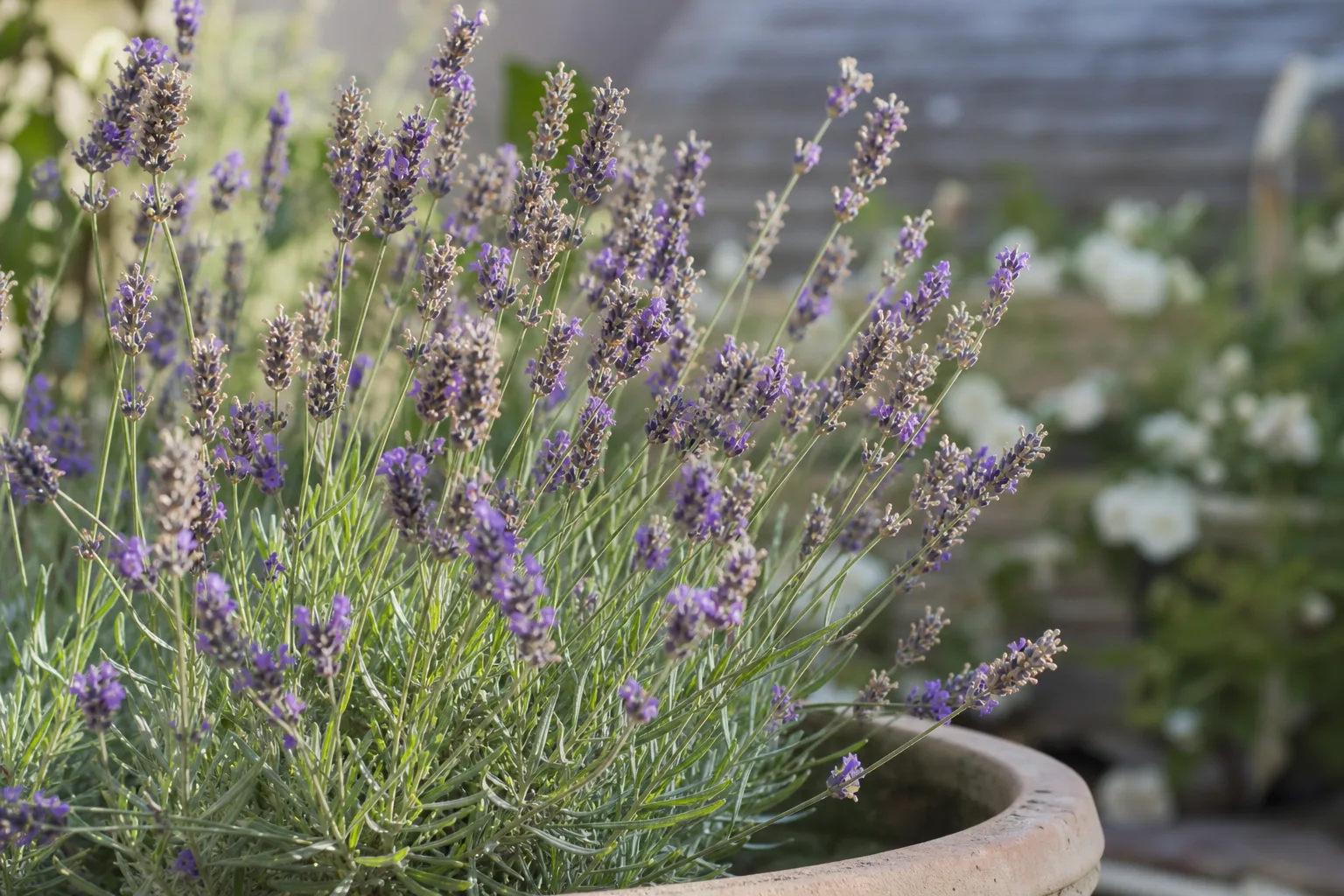
English lavender forms a rounded shrub with narrow, gray-green aromatic leaves and terminal spikes of purple, blue, pink, or white flowers. The flowers usually arrive in late spring or summer, depending on cultivar and climate, and the plant may stay attractive after bloom because the foliage and dry seed heads remain fragrant. NC State lists a typical mature size of up to about 2 feet tall and 3 feet wide, while the Missouri Botanical Garden gives a broader mature range of roughly 2–3 feet tall and 2–4 feet wide for the species profile. (NC State Extension; Missouri Botanical Garden)
Use the following as starting points, not as a substitute for checking the plant and soil:
| Care factor | Practical baseline |
|---|---|
| Light | Six or more hours of direct sun; more sun usually means denser growth and better flowering |
| Soil | Fast-draining, sandy or gritty soil that does not stay saturated |
| Soil reaction | Neutral to alkaline is a useful target; test before adding lime |
| Water | Regular checks during establishment; sparse, deep watering after the root system settles |
| Feeding | Usually little or none in ordinary garden soil |
| Pruning | Shape leafy growth after flowering; never cut blindly into bare woody stems |
| Spacing | About 3 feet in a group, adjusted for the cultivar’s mature width |
| Containers | Large drainage holes, gritty mix, full sun, and protection from winter rain |
The “drought tolerant” label applies mainly to established plants in the ground. A newly planted root ball can dry out before roots reach the surrounding soil, and a pot can lose moisture quickly in sun and wind. The right question is not whether lavender likes water; it is whether the root zone has dried enough to need a thorough drink.
Choose the Right Cultivar Before You Plant
“Lavender” on a nursery tag is not a complete care instruction. English lavender and its close hybrids are generally the hardier, more cold-tolerant choices, while French and Spanish lavenders often have tufted bracts or “ears,” flower earlier, and need more winter protection. The Royal Horticultural Society groups L. angustifolia and lavandin hybrids among the tough, commonly grown lavenders and advises checking hardiness before buying. (RHS) Home for the Harvest likewise describes English lavender as hardier than other popular lavender types and best suited to full sun and well-drained soil. (Home for the Harvest)
For a compact bed edge or pot, look for a labeled English cultivar such as ‘Munstead’, ‘Hidcote’, ‘Sarah’, or ‘Jean Davis’. ‘Munstead’ is a compact mounding type; ‘Hidcote’ is valued for darker flower spikes; ‘Sarah’ and ‘Jean Davis’ are useful when you want a smaller plant or lighter flowers. Exact height, bloom timing, and winter performance still vary by nursery stock and local climate, so use the mature size on the label when planning spacing.
If you want long stems for cutting or a larger hedge, a lavandin hybrid may be the better visual choice, but it is not the same species and may need more room. If the tag says only “French” or “Spanish,” do not assume it will overwinter like an English type. Identify the cultivar before planting permanently, especially if your winter is cold, wet, or windy.
Pick a Site With Sun, Airflow, and Room to Spread
Choose the sunniest practical site, where direct rays reach the foliage for at least six hours. Morning and midday sun are especially useful in humid climates because they dry dew and wet foliage early. Leave enough space around the plant for air to move through the mound; a lavender hedge should look full, but not be packed so tightly that stems stay damp after rain.
Watch the site after a heavy shower before planting. A sunny bed can still be a bad lavender site if a roof downspout empties there, the soil stays glossy, or water collects in a shallow basin. Missouri Botanical Garden notes that English lavender is difficult in regions with high summer humidity and winter stress, while the RHS advises avoiding cold, damp conditions. (Missouri Botanical Garden; RHS)
In a hot climate, a little late-afternoon relief can protect a plant from extreme heat, but it should not reduce total light below the plant’s needs. In a humid climate, prioritize airflow over a sheltered nook that traps moisture. A sunny raised bed is often safer than a ground-level border.
Prepare Soil That Drains Fast
English lavender prefers light, gritty, relatively low-fertility soil. Neutral to alkaline conditions suit it, but do not add garden lime merely because lavender is associated with chalky hillsides. A soil test tells you whether pH needs changing; drainage and structure are the first problems to solve. The Missouri Botanical Garden recommends average, dry to medium, well-drained alkaline soil with relatively low fertility, and warns that root rot commonly attacks poorly drained plants. (Missouri Botanical Garden)
If you have sandy or rocky soil, do not enrich it heavily just to make it look more fertile. If you have clay, a small handful of sand mixed into a planting hole rarely creates a durable drainage zone; it can produce a dense pocket instead. Build a raised mound or use a raised bed so water can move away from the crown. The RHS recommends a mound, ridge, or raised bed about 20–30 cm high when soil is heavy. (RHS)
For a container, use a free-draining potting medium amended with coarse grit or another structural material. The goal is not to make water vanish before roots can use it; the goal is to prevent a saturated, airless middle layer. If water sits on the surface or the pot remains heavy for many days after a thorough watering, the mix is too fine, the container is too large, the site is too dim, or some combination of the three.
Plant English Lavender Without Burying the Crown
Plant in spring after the soil begins to warm and the wettest winter conditions have passed. The RHS recommends spring planting and warns against planting young lavender into cold, wet winter soil. (RHS) In a mild climate, early autumn can also work if the plant has time to root before cold weather, but spring is the safer default for an unknown site or small plant.
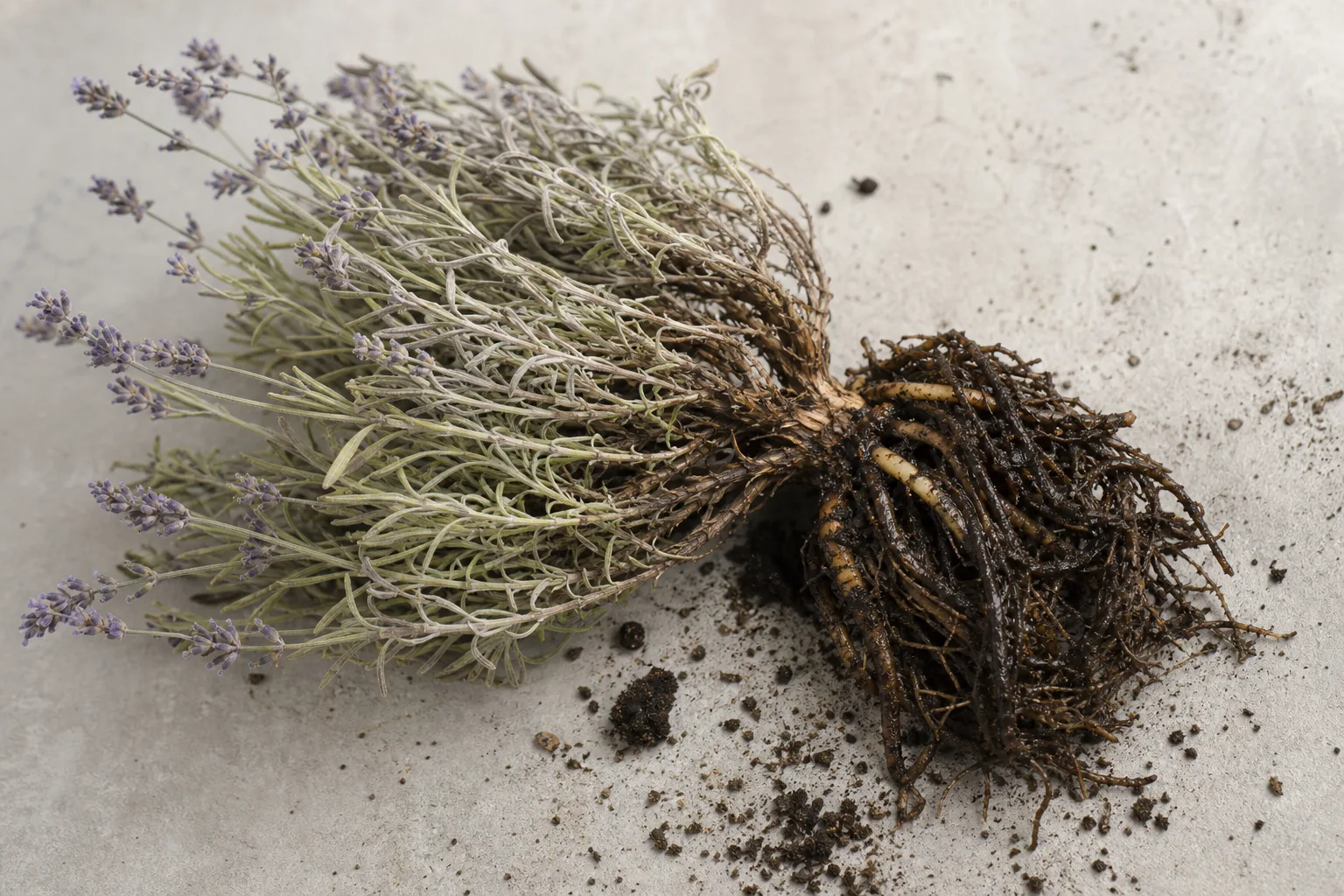
Dig a hole no deeper than the root ball and several inches wider. Set the plant so the top of its root ball sits level with, or just slightly above, the surrounding soil. Do not mound wet mulch against the stem base. Backfill with the native soil or a prepared draining mix, firm gently, and water once to settle the roots. The crown should not become a little bowl that catches irrigation or rain.
Space plants about 3 feet apart in a group unless the cultivar label calls for a different mature width. For a low hedge, the RHS suggests about 1 foot between smaller plants and 18 inches for larger cultivars. (RHS) Close spacing fills in faster, but it also reduces airflow and increases the importance of dry foliage and careful pruning.
Water by Root-Zone Dryness, Not by Calendar
Water newly planted English lavender regularly through its first growing season, especially during the first several weeks. Apply enough water to moisten the root ball and nearby soil, then allow the surface and upper root zone to dry before watering again. A tiny daily sprinkle wets the crown without encouraging roots to move outward and can keep the soil surface favorable to rot.
Once an in-ground plant is established, it usually needs supplemental water only during prolonged drought. The RHS describes mature lavender as drought tolerant in the ground but notes that containers need regular summer water because they hold less soil. (RHS) In a hot, dry region, established plants may flower better with a measured deep watering during a long dry spell, but the interval depends on soil, rain, wind, and plant size.
Check about 2–3 inches down with a finger or wooden skewer. If that depth is cool and damp, wait. If it is dry and the plant is newly planted, water slowly at the root zone. For a pot, lift it before and after watering so you learn the weight change; this is more reliable than copying a weekly schedule from another climate. Avoid overhead watering when possible, and empty any saucer or cachepot after rain or irrigation.
Feed Sparingly and Skip the Bloom-Boosting Hype
English lavender is adapted to soils that are not especially rich. The RHS says it generally does not need feeding, and the Missouri Botanical Garden recommends relatively low fertility. (RHS; Missouri Botanical Garden) Routine high-nitrogen feeding can push soft, leafy growth at the expense of the compact structure and flower production you want, while also making overwatering easier because lush foliage uses a different moisture rhythm.
Skip fertilizer while a plant is newly transplanted, waterlogged, diseased, or sitting in shade. If a soil test shows a genuine nutrient deficiency, correct it according to the test and product label rather than reaching for a bloom booster. Container plants that have been growing for a long time may need a light spring feed because repeated watering leaches nutrients, but use a restrained dose and stop well before winter. Pale leaves alone are not proof that fertilizer is needed; check roots, drainage, and light first.
Grow English Lavender in Containers
Containers are a good solution when garden soil is heavy, when you need to move a tender cultivar, or when you want lavender beside a sunny patio. They are not a way to ignore drainage. Choose a pot with large drainage holes and enough volume for the plant’s roots; the RHS suggests a container about 30–40 cm (12–16 inches) in diameter for lavender. (RHS)
Use a draining potting mix with coarse grit worked through it, and keep the root ball at its original depth. Do not place a layer of gravel over the drainage holes as a substitute for an open mix. Set the container where foliage receives direct sun and air can move around it. An unglazed terracotta pot can dry more readily than a sealed decorative container, but pot material never compensates for a blocked hole or a cachepot full of runoff.
Container lavender may need water several times during a hot summer, especially while newly planted, and almost none during a cool wet winter. Check the mix at depth and the pot’s weight. Move it into a rain shadow before a long wet spell; container roots are more exposed to freezing and saturation than roots in the ground. Acclimate a plant moved from dim light into intense sun over about a week.
Prune to Keep the Mound Compact
Pruning is the maintenance task that separates a compact lavender mound from a plant with a bare woody center and a few flowers on the edges. English lavender is a subshrub: its older stems become woody, while its newest growth remains leafy and flexible. It does not reliably push vigorous new shoots from every old bare branch, so a hard cut into brown wood can remove the plant’s recovery points.
The safest main prune is after flowering, usually in late summer. Remove spent flower stalks and shape the leafy growth, taking roughly one-third of the green portion when the plant needs a clear reset. Leave visible leaf nodes below your cuts. The RHS recommends an annual late-summer trim that removes spent stalks and about 1 inch of leafy growth, with spring cleanup reserved for untidy or frost-damaged growth. (RHS)
In early spring, wait until new green growth shows where the plant is alive. Cut out stems that are clearly dead, then shape only the green parts. Savvy Gardening likewise advises waiting for fresh growth before removing winter-damaged stems and warns against cutting into the woody section. (Savvy Gardening) If a mature plant is mostly bare wood with little leafy growth, do not try to rejuvenate it with a ground-level shearing. Take cuttings or layer a low flexible branch, then replace the old plant when its decline is clear.
Deadhead and Harvest Flowers at the Right Stage
Deadheading is optional for plant survival but useful for appearance and, on some plants, a second flush of flowers. Remove faded spikes before they scatter energy into seed if you want a tidier mound. If pollinators are still using the flowers or you are near the end of the season, leaving some stalks is reasonable; the dry heads add structure and can feed seed-eating birds.
For dried spikes, harvest in the morning after dew has dried and when the first few flowers on a stem are opening. Most of the buds will still be closed, so the stem keeps its shape as it dries. For fresh arrangements, you can cut stems with more open flowers. Savvy Gardening recommends choosing stems selectively so the plant keeps flowers for bees as well as for the gardener. (Savvy Gardening)
Cut stems down to the leafy part rather than leaving long, bare stalks. Tie small bundles and hang them upside down in a dry, well-ventilated, dark or dim place. If you plan to use dried buds in food, start with correctly identified, unsprayed culinary lavender and dry it in a clean, food-safe space; fragrance alone is not a food-safety guarantee.
Propagate With Cuttings, Layering, or Seed
Stem cuttings are usually the most predictable way to make more English lavender because the new plants are clones of the parent. Take a 3–4-inch softwood or semi-ripe shoot without a flower, strip the lower leaves, and place the base in a clean, free-draining rooting medium. Keep the medium lightly moist, bright but out of harsh midday sun, and airy. Rooting hormone is optional, but a clean cut and a medium that does not stay saturated matter more than a strong product.
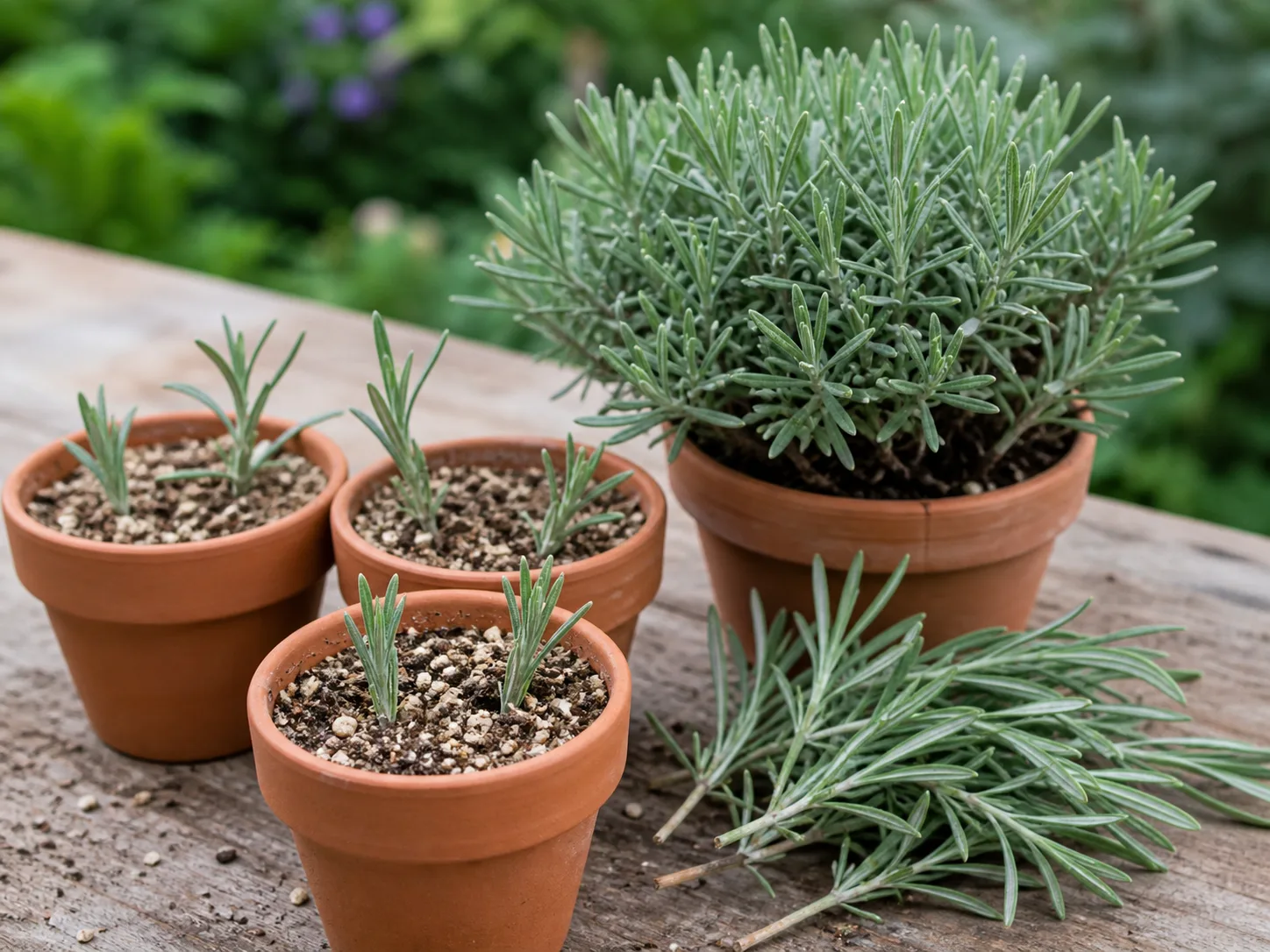
Take several cuttings rather than relying on one. Remove any cutting that turns black or soft, and wait for resistance or new growth before potting up. The RHS recommends softwood and semi-ripe cuttings from young plants in early to midsummer, with hardwood cuttings possible after flowering; it also notes that cuttings remain identical to the parent. (RHS)
Layering is useful when an older plant has a low branch that touches the ground. Scratch a small section of bark, pin the branch against soil while its tip remains above ground, and wait for roots before separating it. This is less disruptive than dividing a woody mound. Seed is the slowest and least uniform option: germination can be uneven, and seedlings may differ from a named cultivar in height, color, and flowering. Savvy Gardening describes cold stratification and shallow sowing as part of the patience required for seed-started lavender. (Savvy Gardening)
Protect English Lavender Through Winter
English lavender is among the hardier commonly grown lavender groups, but hardiness is not a promise that a plant will survive every wet, exposed winter. The Missouri Botanical Garden lists the species profile for Zones 5–8 and warns that plants may fail when soils are poorly drained or temperatures fall below zero without protective snow cover. (Missouri Botanical Garden) Use your cultivar label and local conditions together; a sheltered, dry site can outperform a colder-feeling microclimate with saturated clay.
The most important winter step is keeping the crown and roots from staying wet. Redirect roof runoff, keep mulch from touching the stem base, and use a raised site when necessary. Do not give an established plant routine winter water just because the calendar says it is time. Water only when the root zone is genuinely dry and the ground is workable.
Potted plants need earlier attention because their roots are surrounded by little soil. Move tender types to a cool, bright, frost-free shelter. For hardy English lavender, place the pot against a wall or under an eave protected from repeated rain and freeze-thaw, while keeping light and air moving. Do not seal it in warm darkness or tight wrapping.
Troubleshoot English Lavender Before You Treat It
When lavender declines, check in this order: soil moisture, drainage, direct-light hours, airflow, recent pruning, and fertilizer. A symptom is more useful when paired with what the roots and crown feel like. One old inner leaf is not the same event as a whole plant turning yellow after a week of rain.
Yellow Leaves, Wilting, and a Soft Crown
Yellow leaves with damp soil, a heavy pot, or a soft gray-brown crown point first to excess moisture and possible root or crown rot. Stop watering, move a container out of rain, and inspect the root zone. NC State and the Missouri Botanical Garden both identify overwatering or poorly drained soil as the main setup for root rot in English lavender. (NC State Extension; Missouri Botanical Garden) If roots are dark, mushy, or foul-smelling, remove damaged tissue with a clean tool and repot only into fresh, draining mix; a badly collapsed crown may not recover.
Wilting with bone-dry soil is a different first action: water the root ball thoroughly, let it drain, and check again as the plant establishes. Wilting while the soil is wet is not a request for another drink. A few yellowing inner leaves on a firm, actively growing plant can be normal aging, but widespread yellowing calls for a root and site check before feeding.
Leggy Growth and Few Flowers
Long gaps between leaves, stems leaning toward one direction, sparse flower spikes, and weak fragrance usually mean the plant is not receiving enough direct light. Move it to a sunnier site, but do not expect bare old stems to fill in instantly. New growth is the part that tells you whether the correction is working; prune after it firms up and after the flowering cycle when possible.
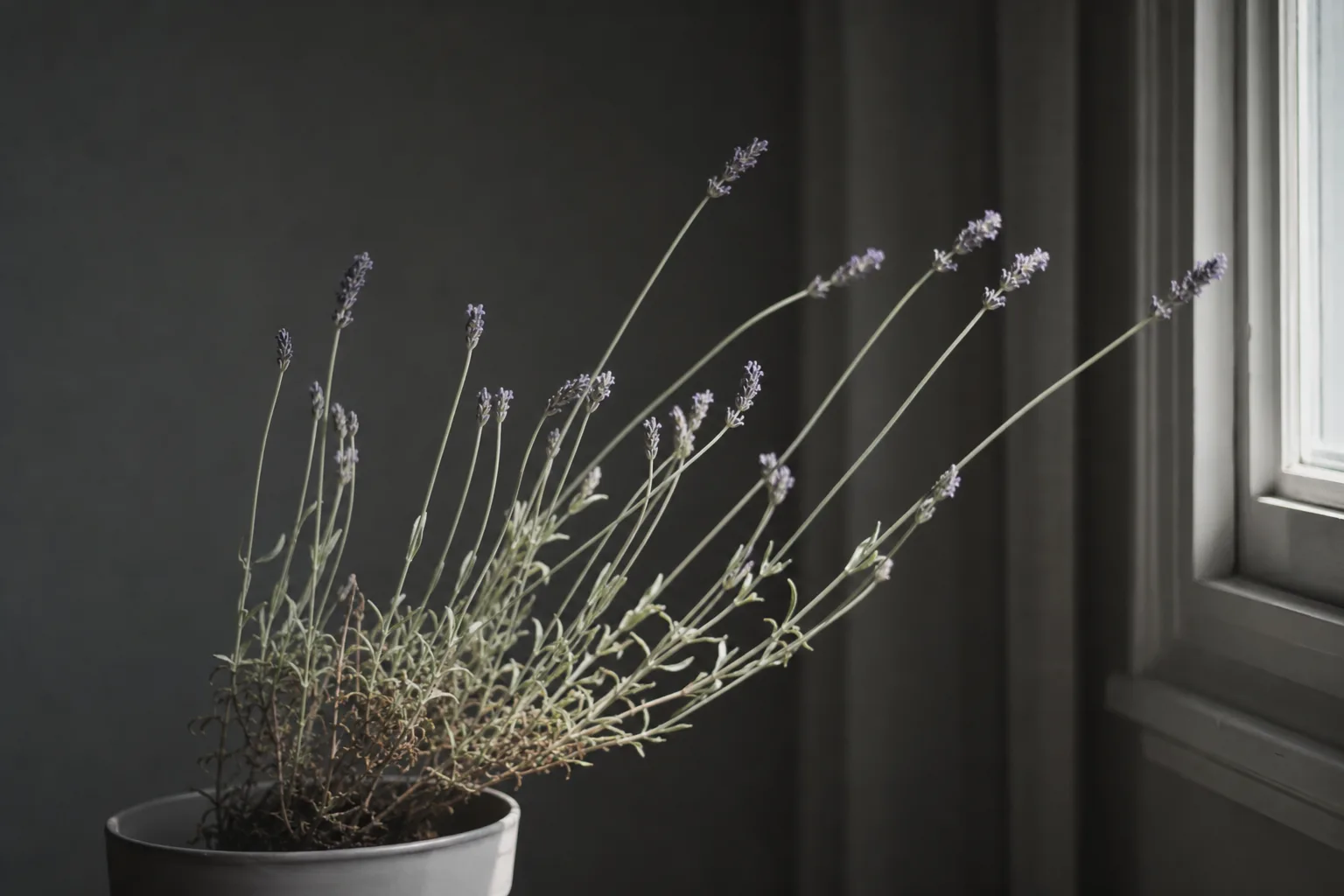
Do not respond to shade with a heavy fertilizer application. More nitrogen may produce soft foliage without fixing the light deficit, and the extra growth can be harder to keep dry. If a pot is bright but stays wet, improve the mix and drainage as well as the light; these problems commonly reinforce each other.
Leaf Spots, Aphids, and Other Pests
Lavender has few serious pest problems when it is grown in sun and moving air. Leaf spots are more likely when foliage stays wet and crowded, so remove badly affected leaves, improve spacing, and water at the root zone. The RHS describes common lavender pests such as rosemary beetle, leafhoppers, and spittlebugs as generally cosmetic, with treatment often unnecessary. (RHS)
If you find aphids or another soft-bodied pest, first confirm that the insects are active and not harmless visitors. A strong spray of water can dislodge a light infestation on a sturdy plant; repeat monitoring is more useful than automatically spraying a stressed plant. For any pesticide, use only a product labeled for the crop or ornamental situation, follow its label, and protect pollinators from unnecessary exposure.
Can English Lavender Grow Indoors?
Yes, but indoor English lavender is a high-light container project, not an easy low-light houseplant. It needs direct sun through a very bright window or a properly positioned grow light, fast drainage, dry foliage, and enough airflow to keep the crown from staying damp. A room that looks bright to your eyes may still provide too little direct light for compact growth and repeat flowering.
Indoors, check the pot at depth before every watering and keep the plant away from humid bathrooms, misting routines, hot air vents, and sealed cachepots. A sunny balcony or outdoor patio is usually a better summer location. If you bring the plant inside for winter, give it the brightest cool spot available, water sparingly, and expect slower growth rather than forcing it with fertilizer.
Conclusion
The reliable formula for English lavender is simple but not negotiable: direct sun, fast drainage, modest fertility, careful establishment watering, and annual pruning that stays in leafy growth. Start with a cultivar suited to your winter, raise the planting site if clay stays wet, and use a pot only when it gives you better control over drainage and shelter.
When the plant looks wrong, read the conditions before the leaves. Wet soil plus yellowing or a soft crown signals a root problem; dry soil plus wilt calls for water; stretched stems and few flowers call for more light. That sequence turns English lavender care from a calendar of chores into a manageable set of checks.