23 Garden Shed Ideas for Storage, Potting, and Escape
Find garden shed ideas that fit your yard and routine: clever storage, bright potting space, greenhouse combos, and cozy retreats, with smart planning tips.
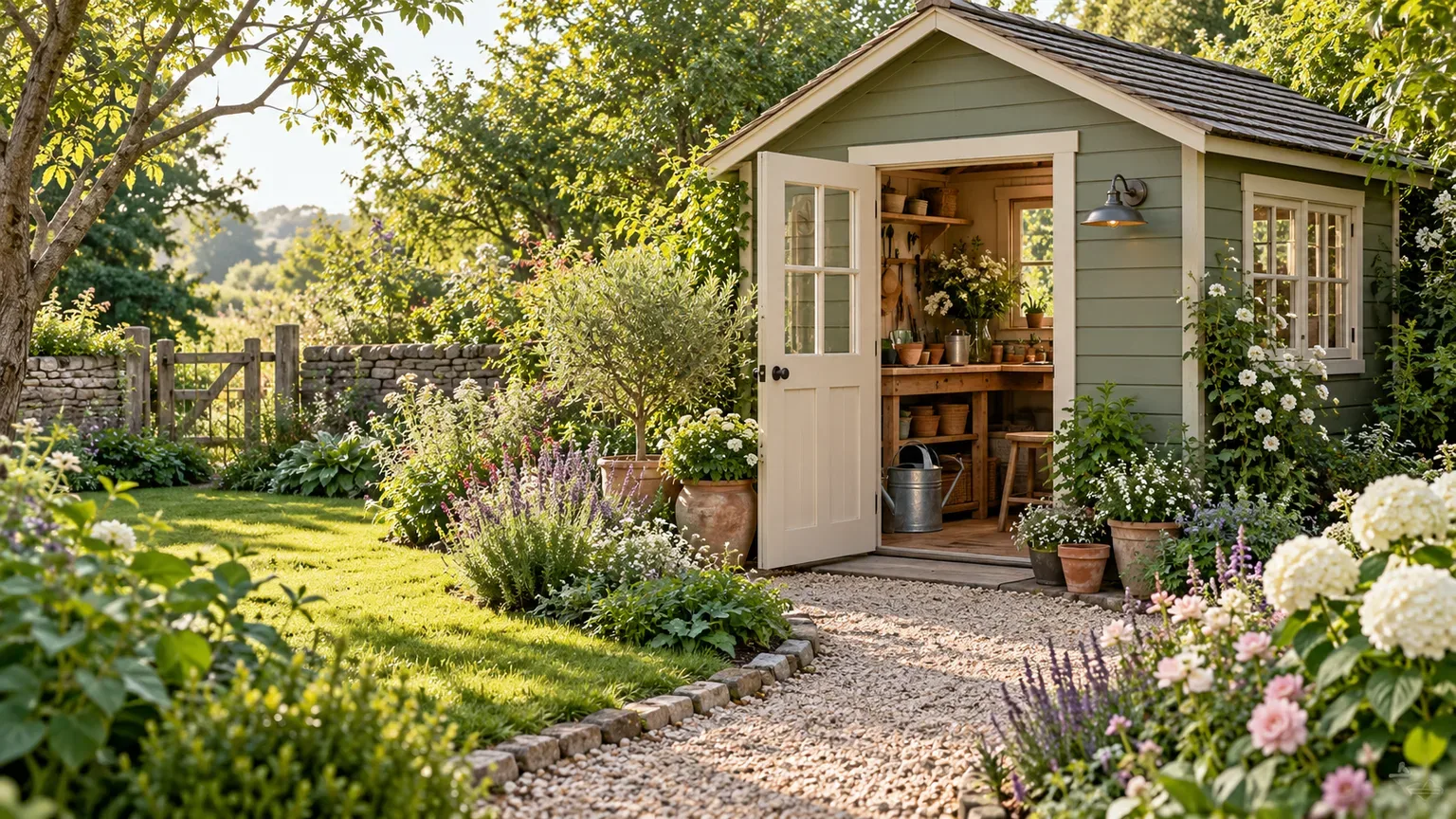
A garden shed can do more than hide rakes. It can make gardening easier, create a sheltered place to work, or give a quiet corner of the yard a purpose. The best shed ideas start with how you actually spend time outside, then make the building feel like it belongs in the landscape.
Before choosing a paint color or cottage-style door, decide what the shed needs to hold, how you’ll reach it with tools or a wheelbarrow, and whether you want to go inside for more than a minute. Those answers determine the right footprint, windows, layout, and path—and keep a pretty shed from becoming an expensive obstacle.
Start by deciding what your shed must do
Pick one dominant job before combining uses
A storage shed needs accessible doors, durable shelving, and enough clear floor space to move bulky equipment. A potting shed benefits from daylight, a washable work surface, and ventilation; a retreat or office needs windows, comfortable circulation, weather protection, and potentially insulation or utilities. Some sheds can combine two jobs, but listing every possible use often leads to a crowded room that does none of them well.
Make a quick inventory before you shop: measure the mower, bins, long-handled tools, and largest pots you plan to store; note which items need daily access; and sketch the worktop or seating you want. Then reserve a clear route to each high-use item. The shed that makes you walk around a rake to reach the trowels is poorly planned even if it looks beautiful from the patio.
To check scale, mark the proposed footprint with stakes and string or a garden hose, then stand where the doors will open. Walk the route with a loaded garden cart and picture where the roof overhang, ramp, and gutters will land. That quick mock-up often reveals that the shed can be shorter, shifted a few feet, or paired with an outside bench instead of a larger interior.
Place the shed before choosing its style
A good location balances access, sunlight, drainage, privacy, and the view from the house. The RHS recommends measuring and mapping fixed features before drawing a garden plan, because it is easier to change a layout on paper than after paths or terraces are built (RHS garden-planning guidance). Mark the shed, gates, trees, windows, downspouts, existing beds, and any slope on a rough plan before you settle on a style.
Make daylight, access, and drainage part of the design
Watch the proposed spot at different times of day. A north-facing wall may be fine for tools but dim for seed starting; strong afternoon sun through large windows can make a small glass-heavy shed hot. If you want a potting station, place it where you can carry compost and trays without cutting through a wet bed. If you want a retreat, consider whether the door faces a view, a neighbor’s window, or the busiest path through the yard.
Keep the approach wide and firm enough for what you carry. A small gravel or paver landing prevents mud at the threshold, while a direct route saves repeated trips with bags of soil. Pay attention to where rain runs off the roof and nearby paving: shed runoff should not pond against the base or drain into a neighbor’s yard. On a slope, a level platform or terraced setting may make the space more usable, but the foundation and retaining work need to suit the site rather than being improvised around the shed.
Check rules, utilities, and maintenance space
Before ordering, ask your local building or planning department about permits, setbacks, height limits, easements, and any neighborhood rules. Requirements depend on location and structure, so a size that is exempt in one town may be regulated in another. If the shed will have power, water, a wood stove, or regular occupancy, ask about those requirements separately; a garden shed is not automatically approved as a bedroom or office.
If installation requires digging for posts, anchors, or a foundation, arrange underground utility marking first. Call811 connects homeowners with the local 811 service so buried lines can be marked before a digging project. Leave working room around the shed for roof repairs, painting, gutter cleaning, and pruning; placing it hard against a fence can save a few feet now but make maintenance difficult for years.
23 garden shed ideas to adapt to your yard
Use these as starting points, not a shopping list. A small, well-organized structure can be more useful than a larger building filled with decorative features that compete with its main job.
Make everyday storage easier
-
Customize a prefab shed with paint and trim. A standard shed can feel intentional with one body color, a contrasting door, and hardware that repeats a color elsewhere in the yard. Keep the palette simple: a finish that echoes the house or fence makes the building feel planned, while one brighter door can turn it into a focal point.
-
Build a tool wall around the gear you use most. Pegboard, a rail with hooks, and a narrow shelf keep hand tools visible without using the floor. Put heavy equipment low, sharp tools out of children’s reach, and small loose parts in labeled bins; reserve the easiest-to-reach spot for the tools you pick up every week.
-
Use a lean-to for a narrow side yard. A single-slope roof and shallow footprint can hold long-handled tools, pots, or bagged supplies where a full shed would block the route. Check the roof overhang and access first: a narrow storage bay is only useful if you can open it fully and still move past it.
-
Give the mower its own wide-access bay. Double doors or a broad opening make it easier to roll in a mower, cart, or wheelbarrow without scraping the frame. Add a shallow ramp if the floor sits above grade, and keep fuel, batteries, and maintenance supplies stored according to their product labels rather than beside potting soil or seed packets.
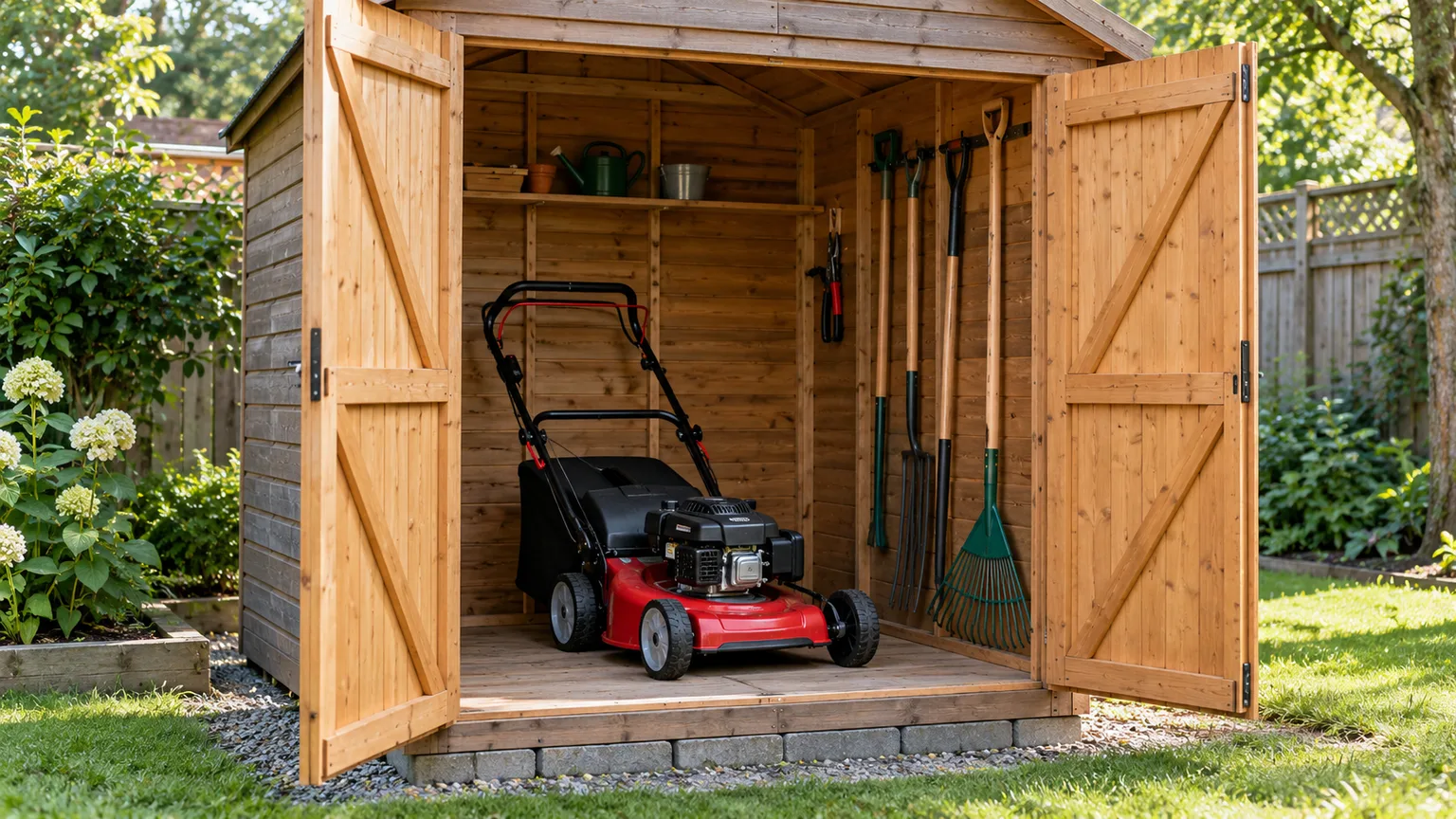
- Take storage upward with a loft shelf. A high shelf can hold seasonal items such as empty pots, row cover, or a folded garden chair while freeing the main floor. Keep the shelf shallow enough to reach safely, anchor it to structural framing, and avoid placing heavy containers above head height.
Create a better potting and growing space
-
Put a bright potting bench under a window. A waist-high work surface near natural light is a simple upgrade for sowing seeds, dividing plants, and labeling trays. Add a small shelf for the current season’s supplies, but keep the window operable so warm, damp air can escape and the work area does not become stuffy.
-
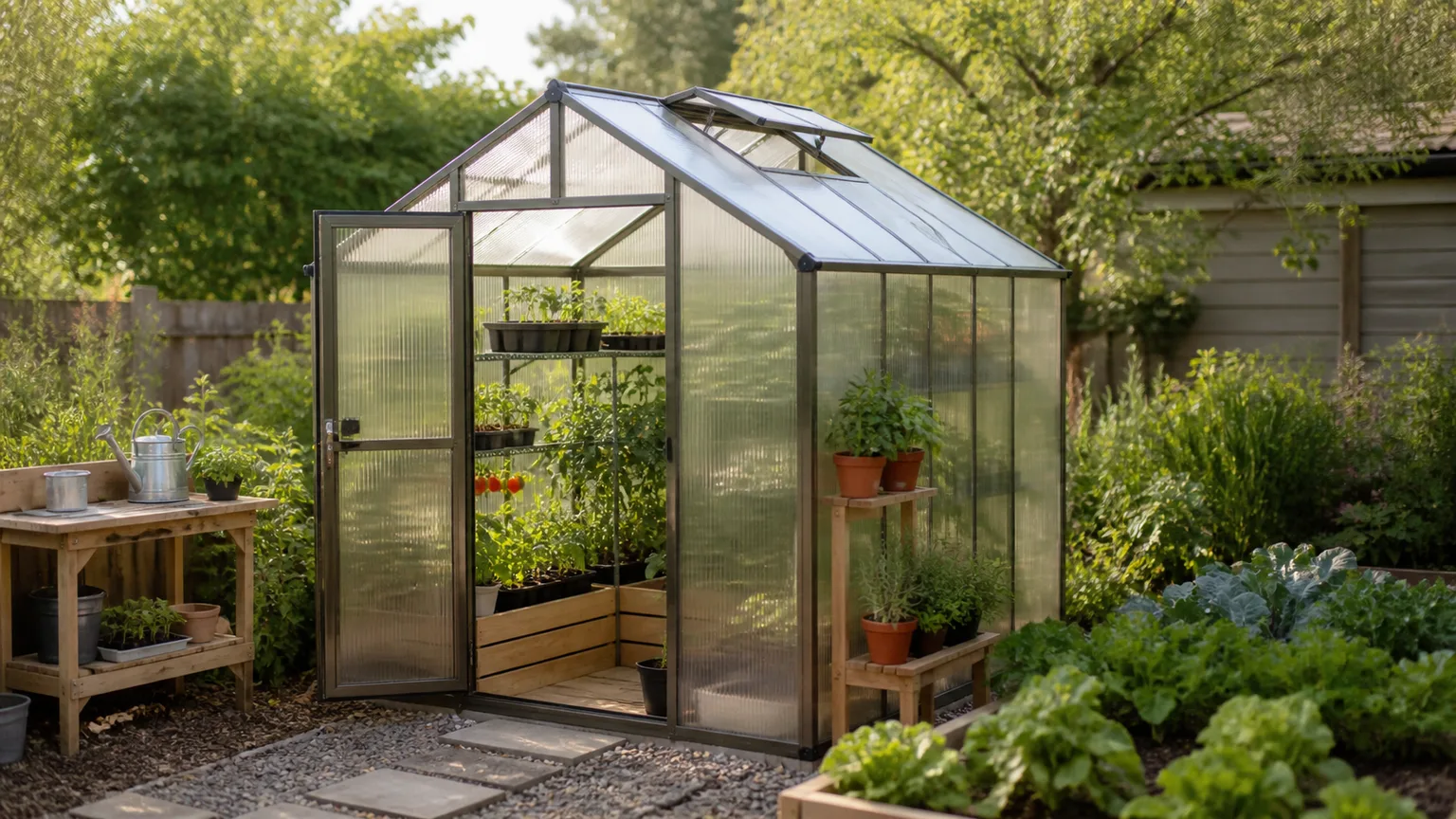
Combine a shed with a greenhouse. A greenhouse extension can add a protected growing zone beside tool storage, especially when the two spaces share a convenient work area. Keep the uses distinct—wet, bright growing space on one side; dry tool storage on the other—and plan ventilation before adding more glazing.
-
Reuse windows for a greenhouse wall. Reclaimed windows can give a garden structure a handmade look and bring light into a potting area. On Home Made by Carmona, Ursula Carmona describes attaching a recycled-window greenhouse to an existing shed; the project was sponsored, so treat it as an example of a design approach rather than a cost or construction specification (DIY greenhouse project). Reused windows vary in size and condition, so have the framing designed around the actual pieces and make sure they open or pair them with other ventilation.
-
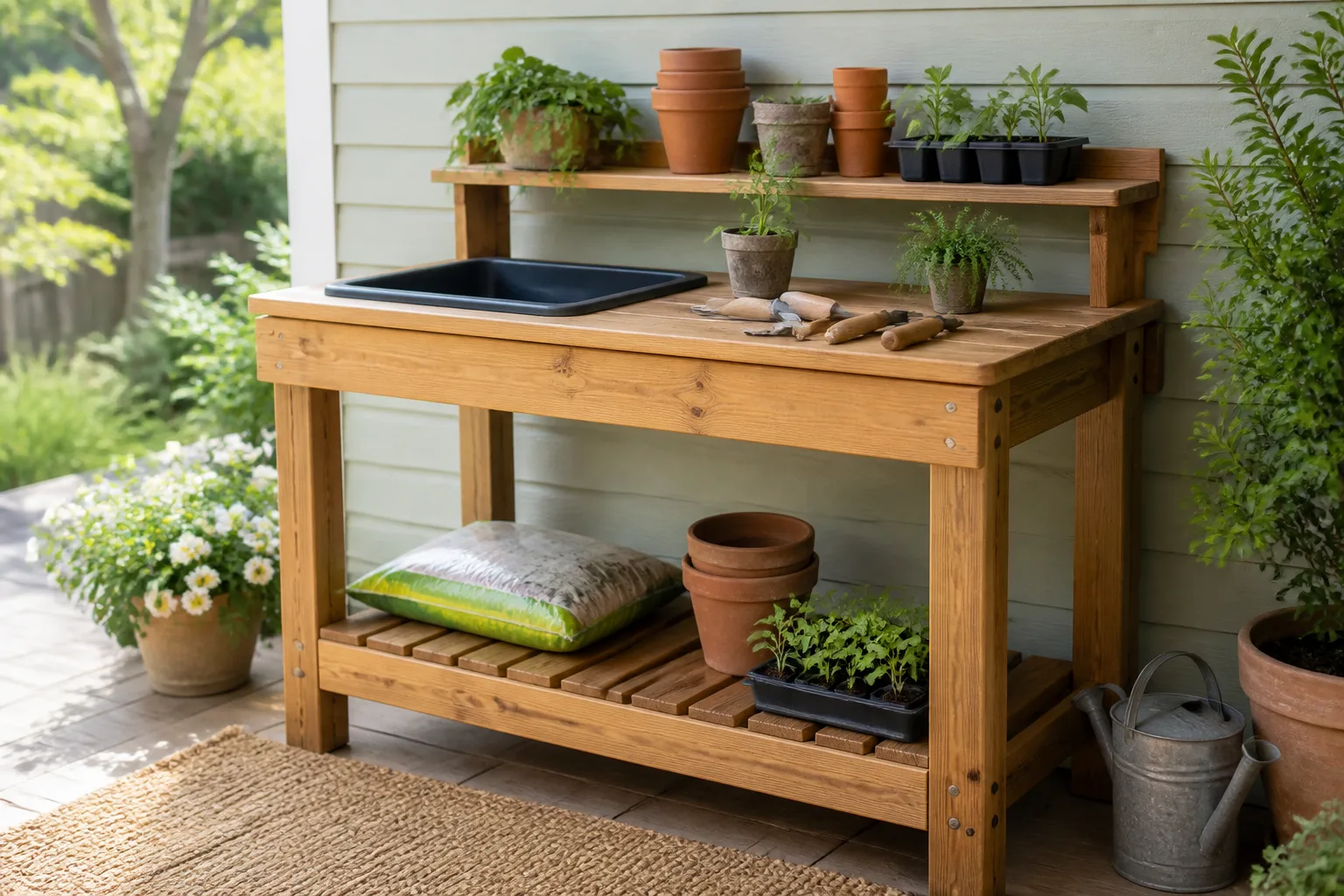
Add an outdoor potting station beside the door. A bench on a covered side wall keeps soil and wet pots outside the interior while letting you use the shed for tools. Choose a durable top you can wipe down, hang frequently used hand tools nearby, and leave enough clearance to open the door without hitting the bench.
- Catch roof water in a rain barrel. A gutter and downspout can direct shed runoff into a covered barrel for later watering, reducing the number of trips to a tap. Place the barrel on a stable base, make the overflow route intentional, and keep the screen and lid in place so leaves and mosquitoes do not turn the reservoir into a nuisance. BBC Gardeners’ World Magazine also recommends using a shed roof to collect rainwater in its practical shed-improvement guide (shed improvement ideas).
Turn the shed into a place to spend time
-
Create a reading nook with one comfortable chair. A small seat, a lamp, and a shelf for books can make an ordinary shed feel like a quiet destination. Keep gardening chemicals and dirty tools in a closed cabinet or a separate storage zone, and use furnishings that can handle seasonal temperature and humidity swings.
-
Make an artist’s or craft studio. A worktable facing the garden gives drawing, arranging, or small craft projects a natural setting. Use task lighting in addition to window light, add storage for the materials you use often, and protect the work surface from dampness and soil; a clear central aisle matters more than extra decor.
-
Plan a garden office around the basics. A backyard workroom needs more than a desk and a view: consider internet access, power, insulation, ventilation, privacy, and the route you’ll take in bad weather. Check local rules before treating a shed as regularly occupied space, and have electrical or structural work handled to the standards required where you live.
-
Set up a flower-arranging studio. A deep counter, buckets, and open shelving make it easy to condition stems and assemble bouquets near the garden. A sink is convenient but requires plumbing, drainage, and freeze protection where winters are cold; if that is too involved, keep a water can or portable basin at the bench instead.
-
Turn a corner into a tea or daybed retreat. A narrow bench or small table creates a reason to pause without filling the whole shed with furniture. Add an exterior landing or a stepping-stone path so the entrance feels welcoming, and keep seating away from shelves that need frequent access.
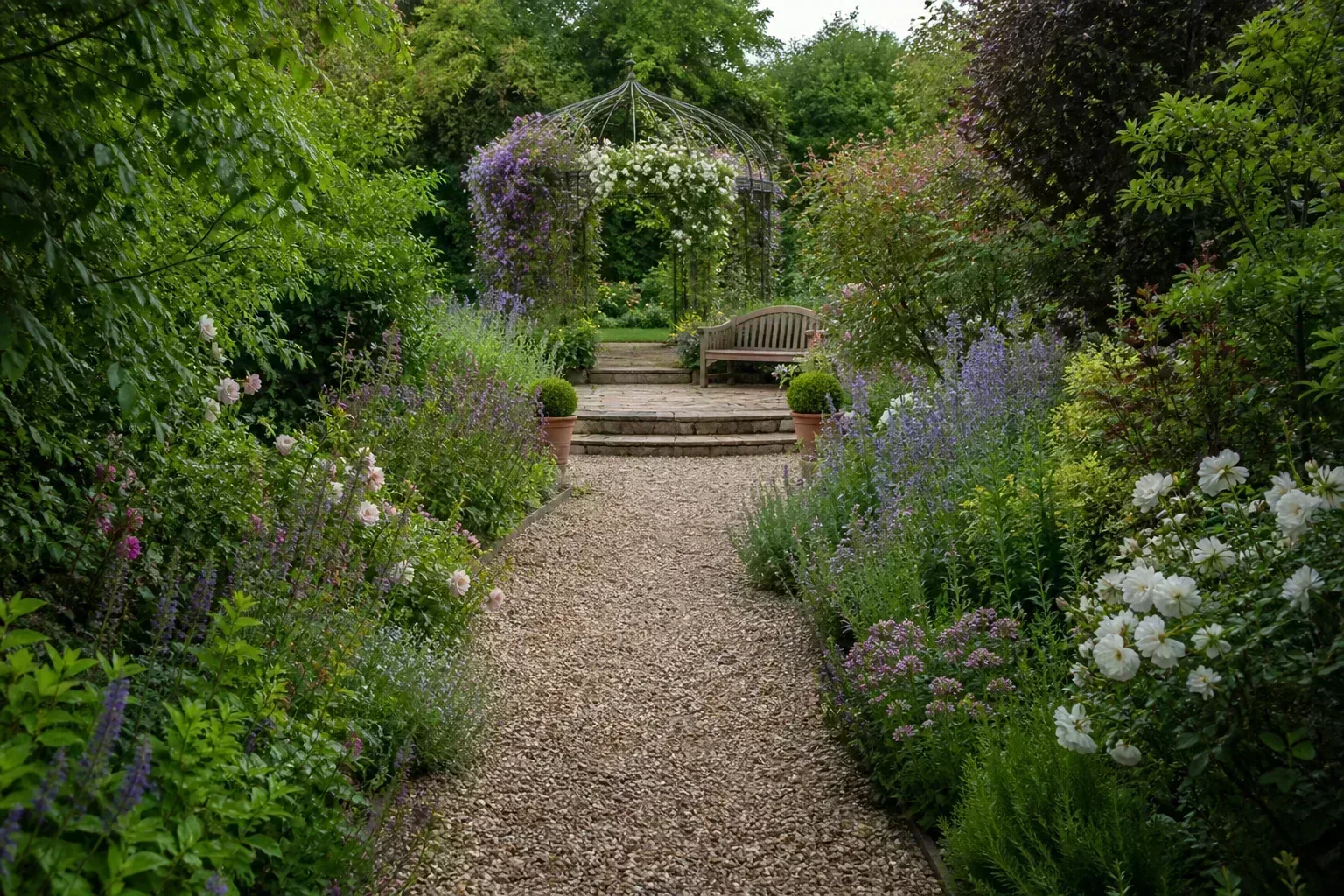
Fit a useful structure into a small or awkward yard
-
Build a micro-shed from salvaged doors. A few reused doors can form a compact enclosure for hand tools or pots, bringing texture and character to a tight garden. Use only sound, weather-suitable materials, make the roof shed rain, and do not assume a reclaimed door is strong enough to serve as a load-bearing wall without a proper frame.
-
Choose a narrow, vertical shed. A tall footprint can work along a fence or between beds when width is limited. Put long tools in a tall corner, keep frequently used items at arm’s reach, and check headroom and door swing before buying; a narrow shed with an awkward entry may be less practical than wall-mounted storage.
-
Tuck a compact shed into a corner. A corner can make an outbuilding feel less prominent and preserve the center of a small lawn for movement. Leave a route to the door and a gap for repairs, avoid blocking a gate or drain, and use a lighter finish or window box to keep the structure from reading as a solid block.
-
Terrace the garden around a slope. If the yard has a grade change, a shed can sit on a level terrace with raised beds or a short path stepping down from it. A homeowner project from Home Made by Carmona used terraces to work with a sloping site beside a greenhouse; the larger lesson is to design the grading, water flow, and structure as one project rather than leveling a spot without considering where runoff goes (garden and greenhouse project).
Use color and planting to finish the scene
-
Choose a Swedish barn-red look. Red walls with white or cream trim make a shed stand out in a green yard and suit a garden with a few repeated red details, such as a bench or planters. The color works best when it is a deliberate accent; repeating it in too many unrelated objects can make the yard feel busy.
-
Let muted green help the shed recede. Deep green, olive, or a soft gray-green can sit quietly behind foliage and make a small yard feel less crowded. Use a contrasting door or simple hardware so the entrance stays easy to find, and choose exterior paint or stain formulated for the shed’s material and local conditions.
-
Frame the entrance with a flower box or trellis. A flower box, small climbing support, or simple arch can make the path to a plain shed feel like a garden threshold. Keep plants off the door and roof, and use a freestanding trellis with an air gap instead of letting dense growth trap moisture directly against the siding.
-
Add a living roof only when the structure can support it. Sedums and other low-growing plants can soften a shed roof and connect it to the garden, but soil, water, and plants add substantial weight. Use a roof designed or assessed for that load, confirm the pitch and drainage, and choose a simpler paint-and-planting treatment if the existing shed was not built for a green roof.
Choose a shed shell that fits the way you will use it
Match the structure to storage, growing, or living
For tools and equipment, favor a sound floor, weather-resistant doors, and a layout that fits bulky items without blocking the entrance. Windows are optional if the shed is mainly storage; fewer openings can leave more wall area for shelves and improve privacy. For potting, prioritize daylight, an operable vent or window, a washable worktop, and a place to keep soil bags dry. For a greenhouse addition, consider heat buildup, watering, and ventilation before choosing glazing.
A retreat or office needs a different level of planning. A comfortable room may require insulation, secure windows, electricity, internet, and a floor suited to regular use; those upgrades can cost more than the shed itself. Compare the total installed cost—not just the advertised kit price—including the base, delivery, site preparation, path, paint, gutters, and any professional work. BBC Gardeners’ World Magazine’s storage ideas emphasize hooks, shelves, and making use of wall space; that approach can preserve floor area in a modest shed (shed storage ideas).
Make a garden shed comfortable without overbuilding
Think in zones: a clear route from door to back wall, a work or storage wall, and a small spot for anything that needs to stay dry and protected. Hang long tools vertically, put heavy materials low, and use containers that slide onto shelves instead of stacking loose objects on the floor. For a potting shed, keep the messiest work near the entrance so soil and water do not travel through the whole building.
Light should match the task. A high window can brighten a bench without sacrificing much wall storage; a large window or glazed door may suit a retreat, but can increase heat and reduce privacy. If the shed will be used after dark, plan safe lighting before the interior is full of shelves and furniture. For a greenhouse, cross-ventilation and shade may matter more than additional glass. For a storage-only shed, a simple battery light may be enough.
Make the entrance comfortable to use as well as attractive. A firm, nonslip approach and a low threshold make it easier to move pots, compost, or a wheelbarrow; a wider door can be more valuable than another window if you store bulky equipment. Keep frequently used supplies between waist and shoulder height, and avoid a layout that forces you to reach over sharp tools or lift heavy bags from a high shelf.
Finish the outside with a few details that do real work: a gutter and barrel, a landing that keeps mud out, a trellis for a climber, or a shelf for frequently used pots. The RHS allotment guidance recommends assessing the plot as a whole and making paths accessible; it also notes that shed height can support climbing crops or flowers (RHS allotment advice). In a home garden, the same principle helps: use the vertical surfaces, but leave access for painting, gutter cleaning, and repairs.
Avoid the design mistakes that make sheds frustrating
- Buying before measuring: Check the widest tool, door swing, workbench depth, and route into the yard. A shed that fits the lawn but not the mower is the wrong size.
- Treating any corner as a good site: Avoid low wet spots, blocked drains, roots you cannot work around, and places where roof water runs toward a foundation or a neighbor.
- Putting a retreat where no one wants to walk: A shed meant for reading or work needs a pleasant route and a view worth looking at. A remote back corner is not restful if it is muddy, dark, or hard to reach.
- Making a greenhouse too hot or damp: Windows without ventilation can trap heat. Include a way to vent the space and place water-resistant materials where splashes are likely.
- Planting directly against siding: Dense vines may hide the shed but make it harder to inspect, paint, and dry. Use a separate support and keep a maintenance gap.
- Adding features the structure cannot carry: Living roofs, roof-mounted planters, heavy shelves, and attached greenhouse frames need suitable construction. Do not assume a storage shed can take a new load just because the surface looks sturdy.
- Skipping the local check: Confirm permits, property lines, utility locations, and safety requirements before digging or connecting services. This is especially important when the shed becomes a frequently occupied room.
The RHS seasonal advice for garden structures recommends repairing leaky shed roofs before autumn rain and maintaining wooden features when conditions are dry (RHS structure maintenance advice). A little inspection before styling helps paint, shelving, and furniture last longer.
Conclusion
The most successful garden shed is the one that solves a real problem and still feels at home in the yard. Start with its main job, map the site, check access and local requirements, then choose the details—windows, color, storage, plants, or a seat—that support that use. A few well-chosen changes can turn a basic outbuilding into a hardworking potting space or a quiet backyard escape without taking over the garden.