How to Get Squirrels Out of Your House Safely
Get a squirrel out of a room, handle an attic nest without trapping young inside, seal chewable entry points, and prevent another squirrel from returning.
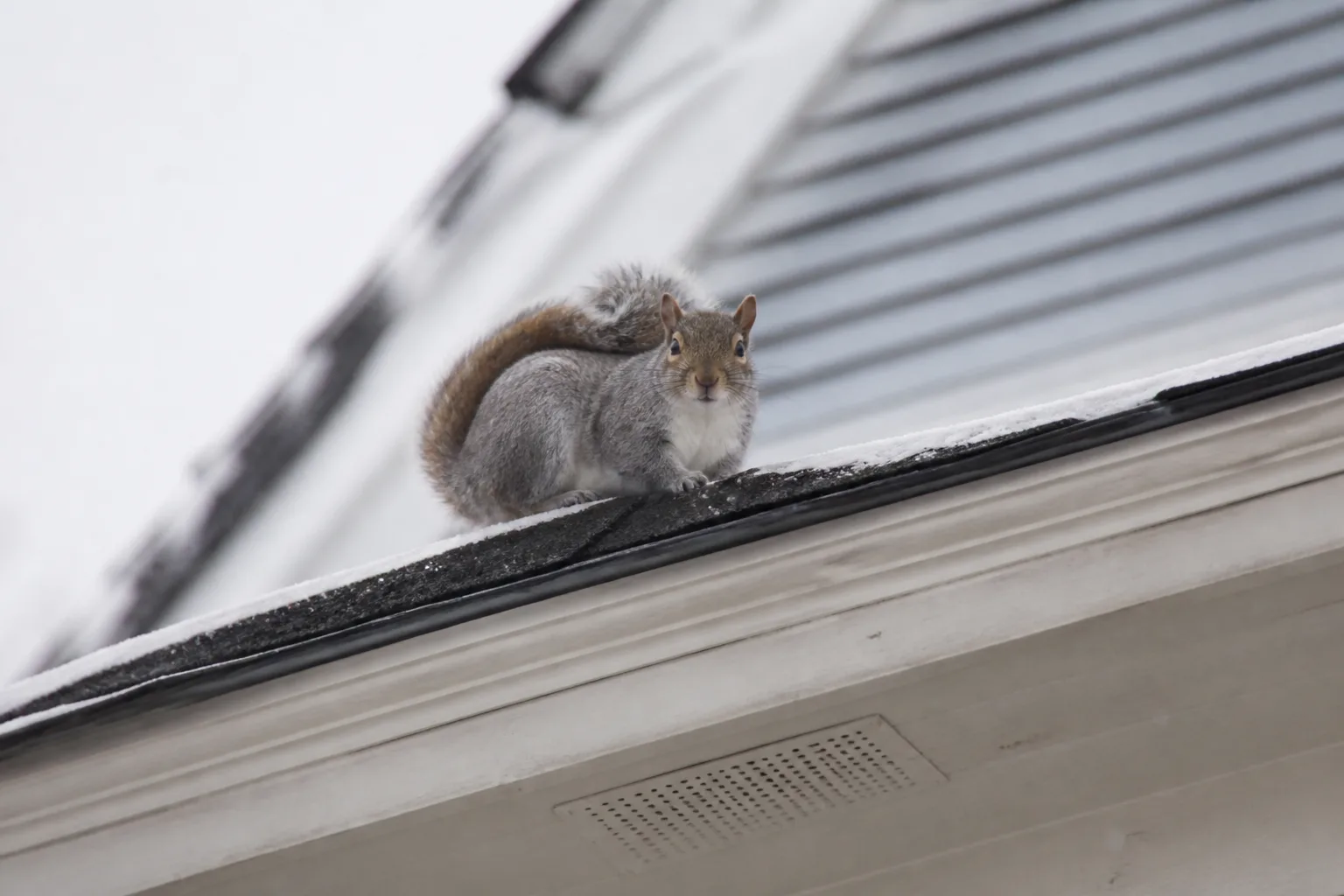
If a squirrel is running through a room, close doors to the rest of the house, move people and pets away, open one safe route outdoors, and then leave it alone. If you hear repeated movement in an attic, wall, or chimney, pause before sealing a hole: an adult may be entering and leaving to care for young that cannot survive on their own.
The right response depends on where the squirrel is and whether it is nesting. A loose animal often needs a quiet exit; an attic family needs a carefully timed exclusion; an animal in a wall or chimney may require a wildlife professional. The goal is to remove the animal without driving it deeper into the house, trapping it inside, or creating a second problem with an illegal or ineffective trap.
Start by separating a loose squirrel from a nest
A single squirrel in a kitchen or living room may have come through an open door, a broken screen, or a chimney and will usually look for a way back out. If it has been seen only once and there is no continuing noise, nest material, food cache, or exterior damage, treat this first as an escape problem rather than an attic infestation.
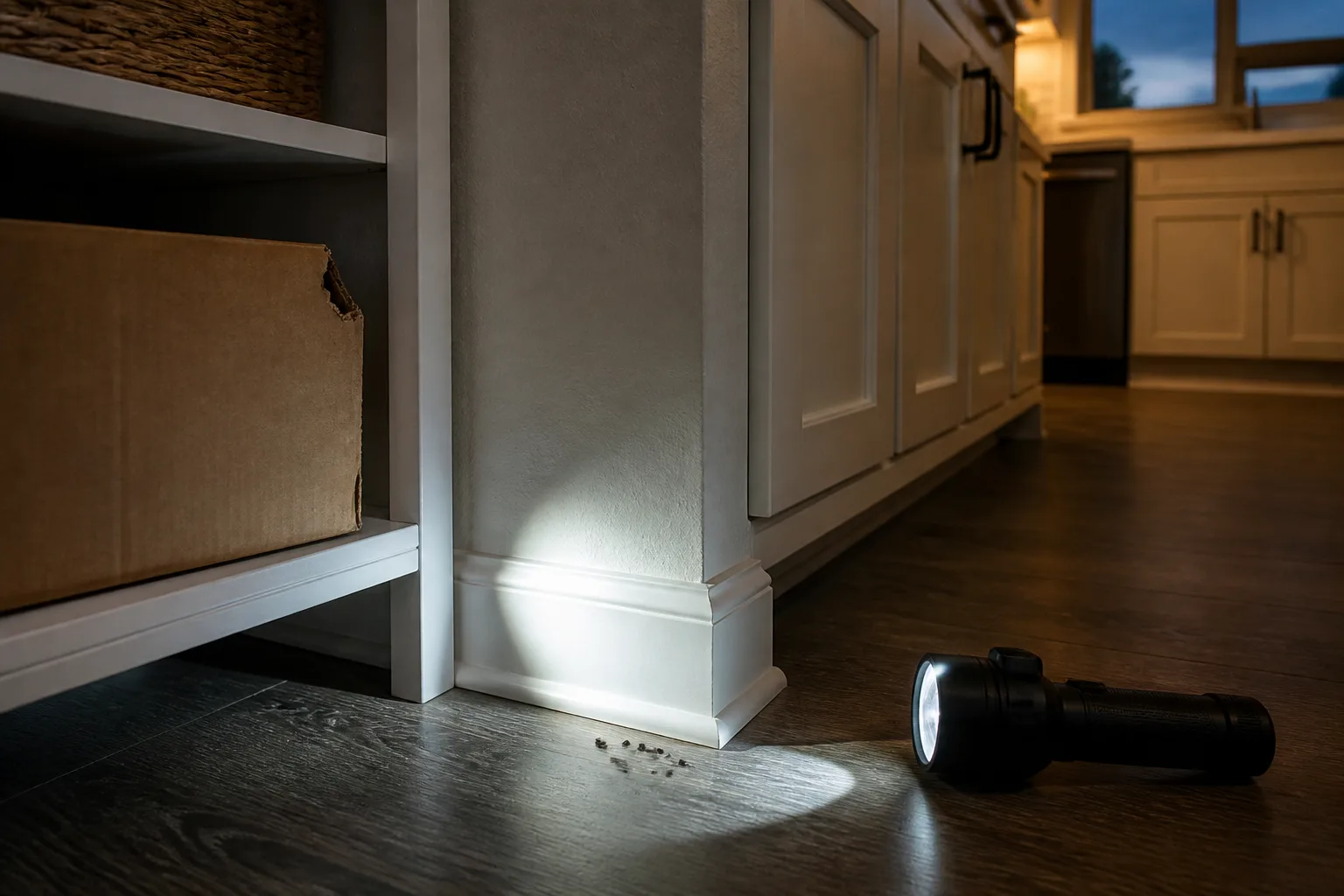
Repeated daytime scurrying above a ceiling, gnawing, scattered nuts, shredded insulation, or a damaged roof vent points to a more established occupant. Tree squirrels are generally active during the day, but sound timing alone cannot identify the animal; flying squirrels and other wildlife may behave differently, and noises can travel through framing. Use the whole pattern—where the sound starts, where it stops, what is damaged, and whether you see an animal outside—to decide what needs inspection. UC Integrated Pest Management and Penn State Extension describe the ways tree squirrels enter structures and damage insulation, siding, and wiring.
What signs suggest a longer-term attic occupant?
Look for an opening at an eave, soffit, fascia board, roof joint, gable vent, or chimney cap; chew marks around the opening; and nesting material or stored nuts in the attic. A strong urine-like odor, staining on a ceiling, or repeated scratching inside a wall can mean the animal has been there long enough to foul insulation or become trapped in a cavity. An unfamiliar odor alone does not prove a squirrel is present, so avoid cutting drywall or disturbing insulation to investigate.
Do not handle droppings, nests, or a dead animal to identify the species. If the evidence is unclear, a motion camera aimed at an exterior route or a professional inspection is safer than climbing onto a roof or reaching into a dark cavity. The Michigan Department of Natural Resources recommends using a trail camera when the animal causing damage is uncertain; a brief recording can help distinguish a squirrel from a nocturnal visitor before exclusion begins.
If a squirrel is loose in an occupied room
Move children and pets behind a closed door, then shut doors that lead farther into the home. Open one exterior door or window in the room if the squirrel can reach it without dropping onto concrete, a narrow stairwell, or another dangerous surface. City of Long Beach Animal Care Services gives this same basic advice: reduce disturbance, create a clear exit, and let the squirrel find its way out on its own. City of Long Beach Animal Care Services notes that a second-story exit is only appropriate when the landing area is lawn rather than hardscape.
Then leave the room and give the animal time. Do not chase it, corner it with a broom, throw a blanket over it, or use a dog or cat to drive it toward the opening; a frightened squirrel may bolt unpredictably or bite when trapped. Remove accessible food if you can do so without approaching the animal, and keep the exit open only while you can prevent pets or children from entering the room.
If the squirrel hides behind an appliance, in a fireplace, or beneath furniture, do not reach into the hiding spot. Keep the room quiet and call a local wildlife-control professional if it does not leave or if you cannot make a safe outdoor route. If the animal exits, close the door and inspect the nearby window screens, vents, and exterior gaps after it is gone rather than immediately sealing an opening that may connect to an occupied nest.
When squirrels are in an attic, inspect before disturbing it
An attic squirrel is not automatically a lone adult that can be frightened out in an afternoon. It may be using insulation as nesting material, storing food, or returning to dependent young while it forages. Start by observing from a safe position and noting when the animal enters or exits; do not run into an attic and make it panic before you know where it can escape.
Avoid climbing onto the roof, removing a vent cover, or pulling apart insulation unless you are equipped to do that work safely. Attics have fall hazards, exposed wiring, sharp fasteners, and heat; a wildlife technician can inspect the cavity and choose an exclusion method that does not strand an animal inside. If you rent, notify the property owner or manager promptly so roof and vent repairs can be coordinated.
Use activity evidence to find the access point
Inspect the roofline from the ground with binoculars, paying particular attention to torn vent screens, gaps under eaves, roof intersections, and softened or loose trim. Squirrels can enlarge a small opening by gnawing, and the entry may be on the side of the house that is hard to see from the yard. The Alabama Cooperative Extension System lists rustling or gnawing sounds, cached nuts, and damage to siding, soffits, fascia, and ridge vents among common attic clues.
If you can see a likely hole from a safe place, watch it long enough to learn whether an animal is actively using it. A loose wad of paper placed at an accessible opening can act as a simple activity check: if it is pulled out, the opening is still being used. UC IPM describes this check, but a plug that stays in place only tells you that no animal moved through that opening during the observation period. It does not prove that the entire attic is empty, rule out another entrance, or show that no young are hidden deeper inside.
Check for dependent young before closing anything
A mother squirrel may leave the attic to forage while young remain in a nest. Breeding periods vary by species and region, and some tree squirrels have more than one litter a year; season can raise suspicion, but it cannot tell you whether a particular nest is empty. The Alabama Extension guide notes that eastern gray squirrel young may remain in the nest for roughly 10 to 12 weeks, while UC IPM describes one or two litters for tree squirrels depending on species.
Treat repeated trips through one opening, an adult carrying food or nesting material, small squeaks, or scratching in a section of wall as a reason to stop and get a wildlife professional to inspect. Do not install a one-way door, seal the hole, or rely on a radio to make the mother abandon the nest. If the adult is excluded while young are still dependent, they may die inside the structure, and the mother may damage a larger area trying to reach them.
When there is no immediate danger to people or the home, a professional may advise waiting until the young can leave with the mother. If damaged wiring, heavy contamination, or an active leak makes delay unsafe, ask for a plan that accounts for both adult and young rather than a quick trap-and-seal job. A qualified operator should be able to explain how they will locate the nest, keep the family together when possible, and verify that no animal remains behind.
Use one-way exclusion only after the nest is clear
A one-way door or exclusion funnel is fitted over an active entry so a squirrel can leave but cannot return through that opening. It is a physical route out, not a universal squirrel repellent, and it works only when the installer has identified every usable entrance and confirmed that no dependent young will be sealed inside. Extension guidance describes exclusion as a durable way to keep squirrels from re-entering, but it also warns homeowners to make sure no animal remains in the building before openings are closed. UC IPM and Alabama Extension both emphasize that sequence.
The door should be checked for activity, weather damage, and evidence that an animal is trying to get back in. Once the exit has been used and the building is confirmed empty, the opening can be permanently repaired; if activity continues inside, the exclusion plan has not finished the job. A one-way device attached high on a roofline is difficult to install and inspect safely, so it is usually a professional task rather than a quick ladder project.
Do not confuse a one-way door with a live trap. A door lets an animal leave the building into its normal outdoor range; a cage captures it and creates an immediate question about checking, handling, destination, and local rules. If you do not know whether young are present or whether a second opening exists, do not install either device yourself.
Do noise, lights, vinegar, or ultrasonic repellents work?
Noise or light may briefly make an empty attic less attractive, but neither method removes the squirrel or repairs the hole it used. UC IPM reports that tree squirrels can become used to visual and sound-based scare devices, while the Michigan DNR says deterrents such as lights and chemical repellents often have only brief effects. That makes a bright lamp or radio a possible short-term nudge after you know there is no nest—not a dependable removal plan.
Cider vinegar, predator smells, ultrasonic devices, and store-bought sprays are often suggested online, but evidence for a particular product or odor is not the same as proof that it will clear a nesting squirrel. A strong smell can also spread through a home, and a device cannot tell you whether the animal has left or whether young remain. Do not spray repellents onto insulation, wiring, or surfaces where children and pets may contact them unless the product label specifically permits that use.
The useful test is simple: if a method does not produce a confirmed exit and a repaired entry point, it has not solved the problem. Use noise only as a limited aid in a safe, empty space; rely on monitoring and exclusion for the lasting fix. A family trying several frightening tactics in an occupied attic can create more confusion than progress.
Wall, ceiling, chimney, and crawl-space cases need more care
Scratching inside a wall may mean a squirrel fell into a cavity, but it could also be another animal using a wall void. Do not cut a hole at the sound, push poison or smoke into the space, or seal the exterior opening; an animal trapped between walls may chew toward the living area or die where it cannot be reached. Ask a wildlife professional to locate the cavity and coordinate safe access with a contractor if a wall or ceiling must be opened.
A squirrel in a chimney may be trapped rather than able to climb out. Do not light a fire, burn a smoky substance, pour water down the flue, or climb onto the roof to lower a rope; heat and smoke can injure an animal, and an improvised object can create a chimney hazard. Keep the fireplace unused and its room isolated, then call a wildlife operator or chimney professional who can assess the animal and the flue safely.
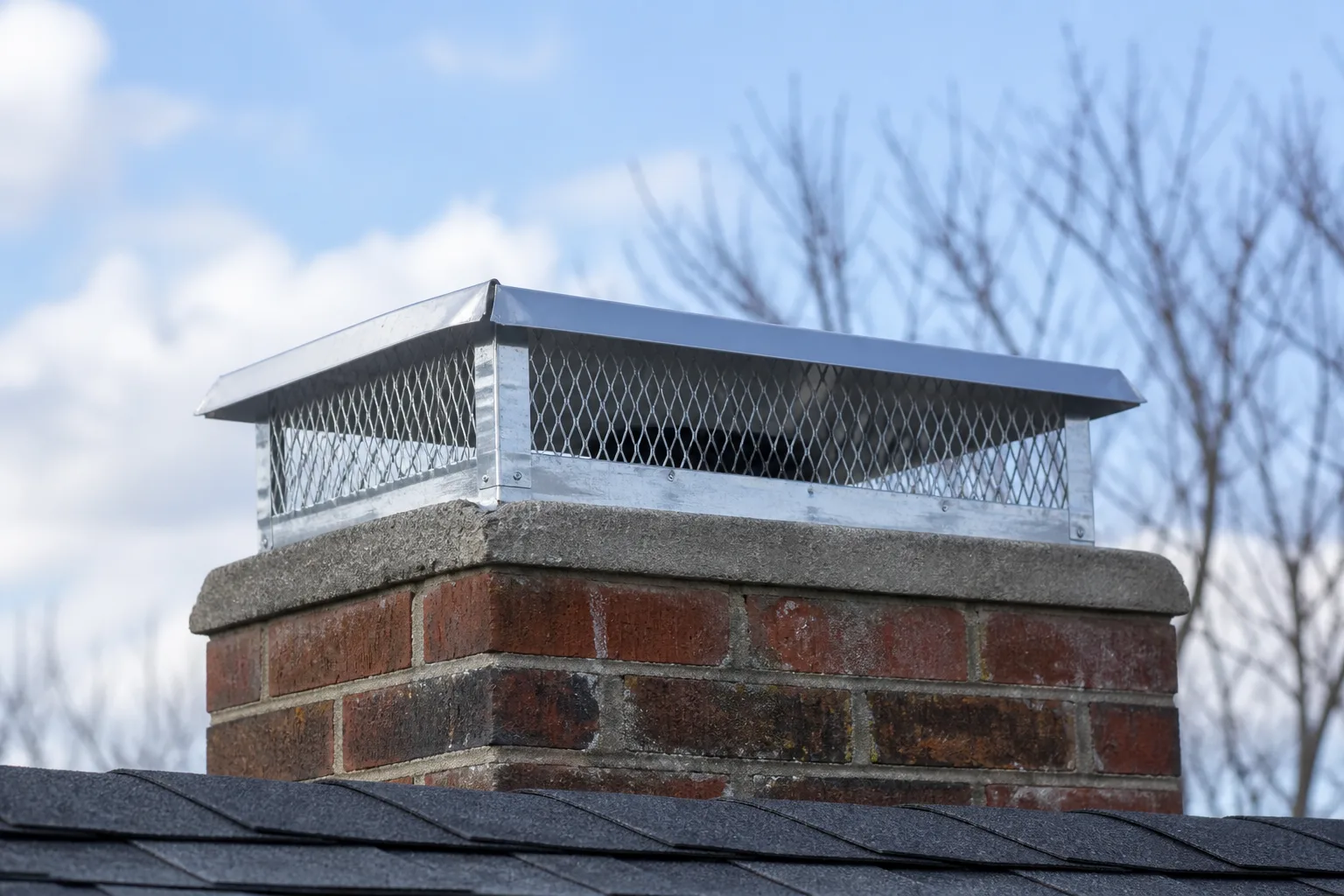
The same caution applies to a crawl space, roof void, or an animal that has entered a heating or ventilation duct. These are enclosed spaces where noise and repellents can drive wildlife farther away from an exit. A chimney cap, vent screen, or repair may prevent a repeat visit, but only after the animal has been removed and the structure checked for damage.
Should you trap or relocate a squirrel?
Do not assume that catching a squirrel in a live trap and driving it to a park is legal or humane. State rules can govern capture, possession, transport, release, trapping seasons, and which species are protected; Michigan DNR, for example, says it does not authorize live capture and release of squirrels except for permitted research. In Virginia, Virginia Department of Wildlife Resources also directs residents to check local rules, which may be more restrictive than state law.
Trapping can leave an animal exposed to heat, cold, thirst, or injury while it waits, and a trapped mother may leave young behind. A squirrel released nearby may return if the entry remains open; release somewhere else may be restricted or may simply transfer the problem to another property. Before any trap is set, ask your state wildlife agency or a licensed nuisance-wildlife operator what is legal in your location and who is responsible for checking and resolving the trap.
Avoid poison, glue boards, and improvised lethal methods. They can injure pets or non-target animals, leave a squirrel inaccessible in a wall, and fail to address the hole that allowed entry. If an animal is already in a cage, do not reach through the bars or carry it by hand; keep people and pets away and contact local wildlife authorities or a qualified operator for instructions.
When to call a wildlife-control professional
Call for help when you suspect babies, hear scratching inside a wall, find a squirrel in a chimney or duct, cannot locate the exit, or see repeated entry after a repair. A professional is also the safer choice when the likely opening is high above ground, the attic is difficult to enter, or the animal is injured or trapped. If you find chewed wiring, a burning smell, or a damaged electrical fixture, keep clear and ask an electrician to assess it after wildlife access is controlled.
Look for a wildlife-control operator who is licensed or permitted where required and carries appropriate insurance. A general pest-control service may not specialize in live exclusion or dependent wildlife, so ask directly how they handle a mother and young, what happens to captured animals, and whether they inspect all entry points before sealing. Family Handyman’s squirrel-removal guide quotes a wildlife-training manager who advises against handling or trapping squirrels without training; for an attic family or an animal in a cavity, that is a sensible line to draw.
A good written estimate should separate inspection, exclusion, repair, cleanup, and follow-up. It should identify the method, state who checks the device, explain how the technician will confirm the structure is empty, and tell you what the technician will do if the mother continues trying to return. Be cautious of a proposal that promises a quick cure with poison, a single scent product, or a trap without discussing young and local wildlife rules.
Questions to ask before hiring
- Are you licensed or permitted for wildlife work in this city and state, and can you show proof of insurance?
- How will you check for young before blocking an opening or installing an exclusion door?
- What species or access evidence do you see, and how will you confirm that no animal remains inside?
- What happens if a live trap catches a squirrel, and are capture or release rules different here?
- Will the quote include chew-resistant repairs, sanitation, an electrical referral if needed, and a follow-up visit?
A clear answer should describe a sequence, not just a product. If the worker cannot explain how the plan avoids trapping a litter or what happens after the animal exits, call another provider before work begins.
Seal and reinforce the opening after the exit is confirmed
Permanent sealing is the step that stops the cycle, but only after you have evidence that the house is empty. Watch the repaired area for renewed scratching or attempts to enter; a mother that keeps returning may signal that young or another animal is still inside. If new activity appears, reopen the plan with the operator rather than adding more sealant over the problem.
Inspect all sides of the roofline, not only the hole where you first saw a squirrel. Check gable and soffit vents, fascia, loose roof boards, chimney caps, utility penetrations, and openings around an attached garage or crawl space. A second opening can let an animal stay inside after the obvious hole has been closed, so confirmation should cover the whole structure.
Choose chew-resistant repairs that keep ventilation open
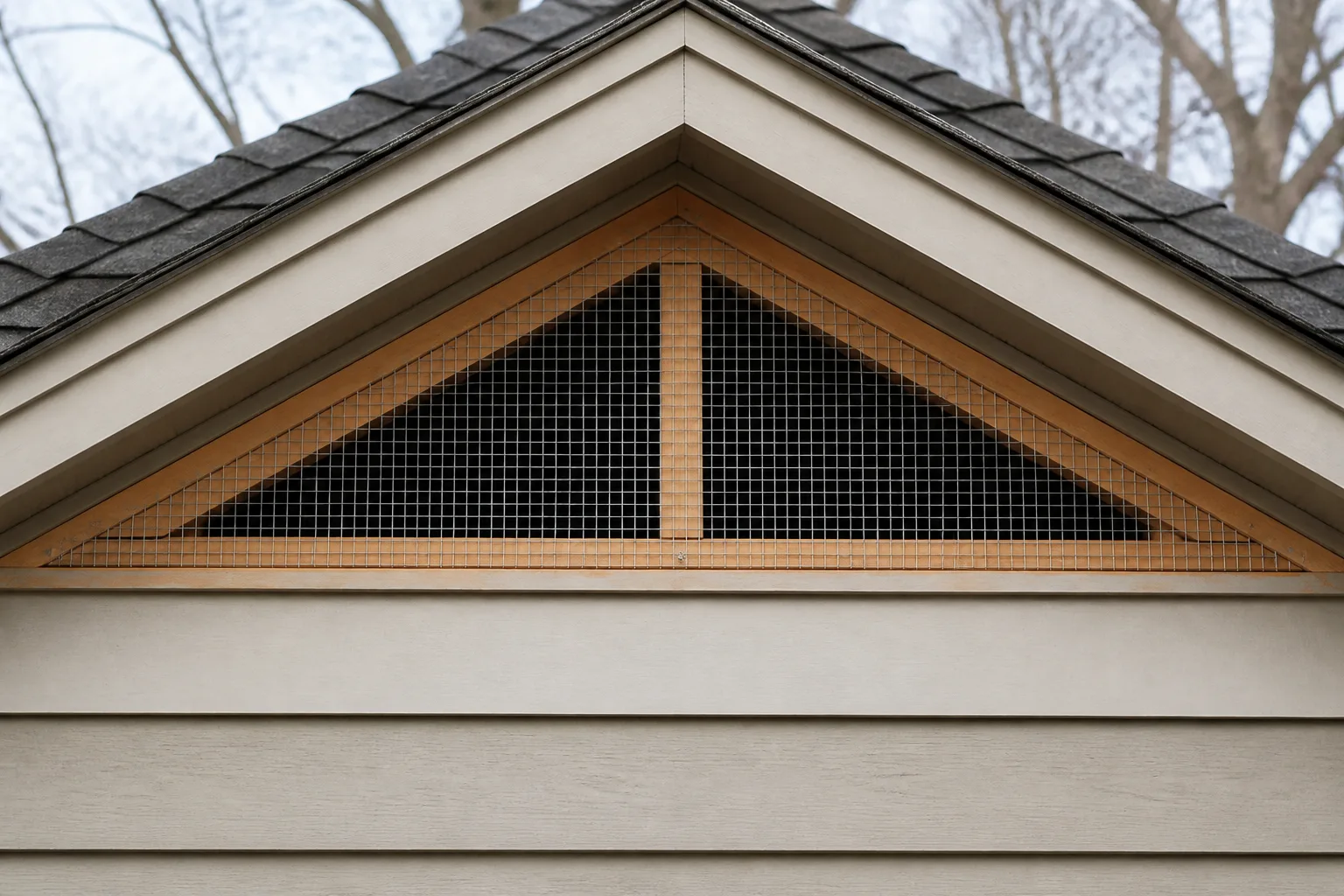
Use a durable repair suited to the opening: sheet metal or securely fastened hardware cloth for a vent or gap, and sound replacement material for rotted trim or a damaged soffit. UC IPM recommends sheet metal or quarter-inch hardware cloth for closing squirrel access points; Michigan DNR likewise names metal flashing or hardware cloth as durable materials. Lightweight plastic screen, foam alone, or loose mesh can be chewed or pulled away.
Do not cover an attic intake or exhaust vent to block wildlife. The repair must keep air moving as the roof system was designed to do, and chimney work must preserve the appliance’s required clearance and draft. If a vent, roof edge, or chimney needs modification, use a roofer or chimney professional who can protect both the opening and the building’s ventilation.
Inspect for electrical, insulation, and contamination damage
Once you know the squirrel is gone, inspect the attic for chewed wire jackets, damaged ducting, torn insulation, nesting material, stored food, and urine or droppings. Squirrel gnawing can damage wiring; if you see exposed conductors or smell something burning, do not touch the wire or turn on nearby equipment. Have a licensed electrician check questionable circuits before closing the attic back up.
Small amounts of debris are different from a nest spread through insulation or contamination that has soaked into a ceiling. Do not vacuum or sweep unknown droppings, and do not handle a dead animal bare-handed; use a qualified cleanup service for widespread waste, damaged insulation, or a carcass in a wall. The Alabama Extension guide recommends removing soiled insulation and sanitizing after control, and a specialist can choose safe handling and disposal for the extent of the mess.
Repair the conditions that attracted the animal as well as the opening. Replace contaminated insulation, repair water entry around the roofline, and remove accessible food caches only after confirming no animal remains. That prevents a lingering odor or damaged material from becoming the next clue that something is still active.
Prevent another entry
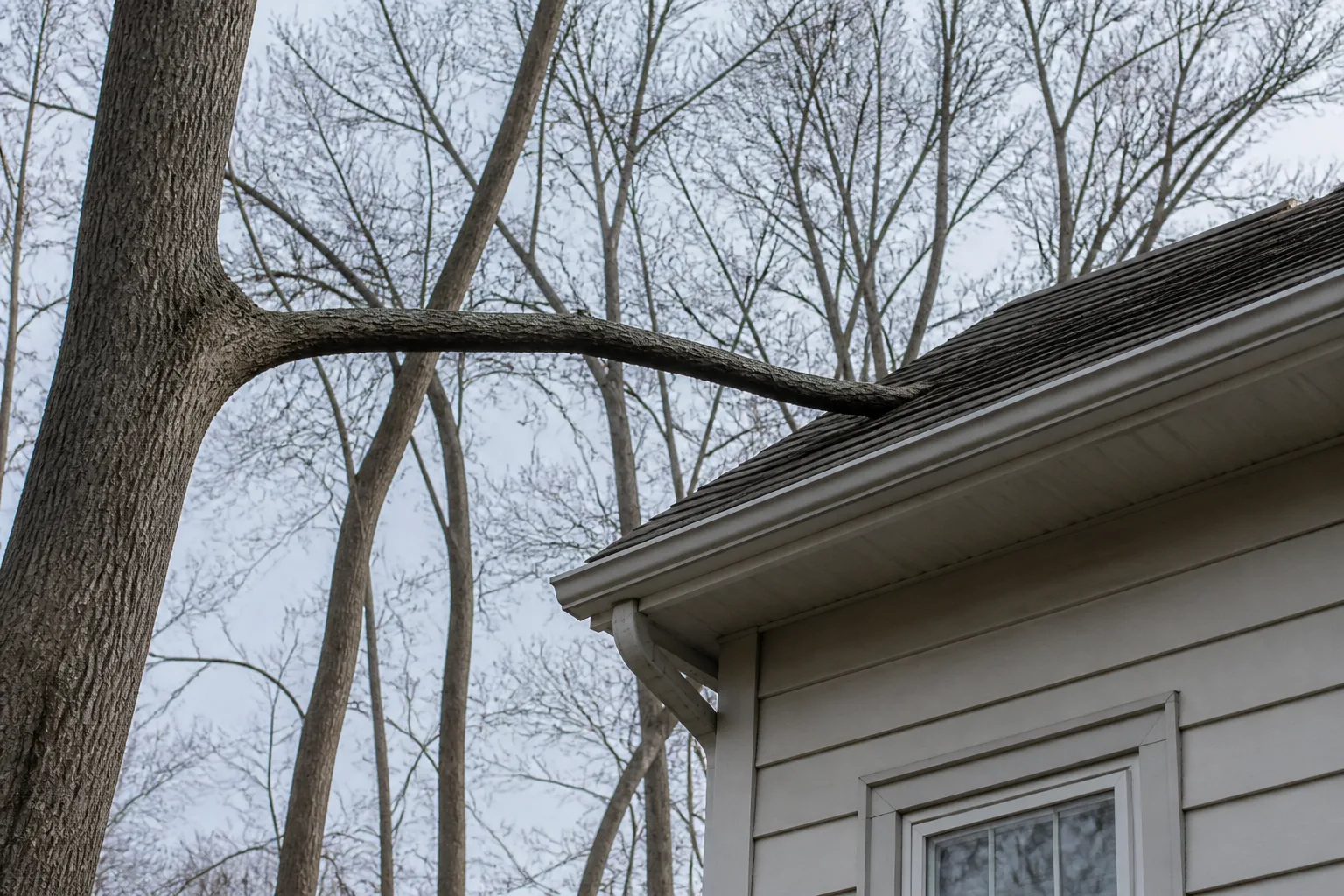
After repairs, make the roofline less accessible and less inviting. Trim branches that touch or closely approach the roof, keep chimney caps and vent screens intact, close gaps in soffits and fascia, and store birdseed, pet food, and compost in sturdy closed containers. The Alabama Extension System advises keeping overhanging branches about eight feet from buildings; local tree structure and roof layout may require a qualified arborist to choose safe pruning cuts.
Clean spilled seed under feeders and secure garbage rather than trying to remove every squirrel from the yard. The goal is not to eliminate wildlife nearby; it is to remove a direct bridge, an open food source, or a weak building entry. Michigan DNR recommends reducing food access, maintaining screens and caps, and cutting limbs close to roofs as part of home prevention.
Check the repairs again after storms and during routine roof maintenance. A new gap, bent screen, or branch that grows back into contact can reopen the route even if the first exclusion worked. If the same noise returns, confirm the species and entry point before repeating the previous method.
Conclusion
For a squirrel loose in one room, isolate pets, open a safe outdoor exit, and leave the animal alone. For an attic, wall, chimney, or crawl-space occupant, do not seal an opening or set a trap until you have ruled out a nest and dependent young; the safest next step is often a trained wildlife-control operator.
A lasting fix has four parts: confirm where the squirrel is entering, make sure no animal is trapped inside, repair every access point with chew-resistant materials, and check for wiring or contamination damage. Noise, lights, and odors may change activity briefly, but only a verified exit and sound exclusion close the route for good.