How to Use a Greenhouse for Winter Vegetable Gardening
A greenhouse can extend winter harvests and may still freeze. Match crops to temperatures, plan fall sowing, and use row covers, insulation, and heat wisely.
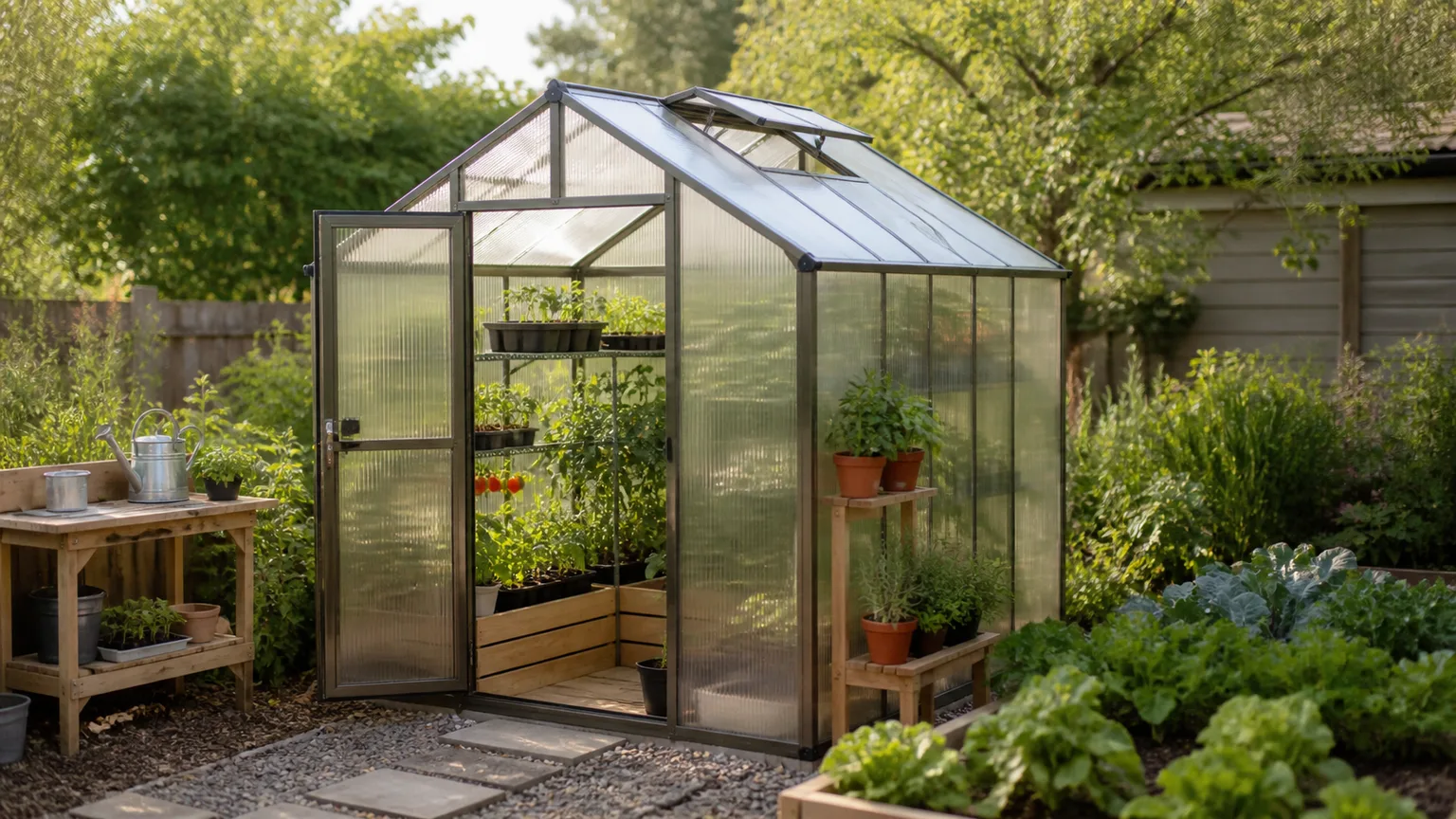
A greenhouse can keep winter gardening possible when the outdoor beds are frozen, but it does not automatically stay warm enough for every crop. The reliable plan is to grow cold-tolerant plants that are established before winter, measure the temperature where they grow, and add protection or heat only when the forecast and your readings show it is needed.
That distinction matters on a freezing night. A greenhouse may keep leaves dry and block wind while its air still drops close to outdoor temperatures; a heated greenhouse can keep tender crops warmer, but heat will not fix a shortage of winter light. Start by deciding whether your goal is to harvest hardy greens, hold plants in a dormant state, or keep warm-season crops actively producing.
Can you use a greenhouse in winter, even during a freeze?
Yes. A greenhouse is useful in winter when you treat it as a season extender and match the crop to the temperatures and light you can provide. In an unheated structure, hardy greens can remain harvestable through cold spells, especially when they are well established and protected by an inner row cover; growth may slow sharply or pause during the darkest, coldest weeks.
A greenhouse is not the same thing as a heated room. Sunlight warms its soil and surfaces by day, while the enclosure reduces exposure to wind and precipitation, but heat leaks through glazing and gaps after sunset. If a crop must stay above a particular minimum temperature, check the overnight low inside the greenhouse rather than assuming the plastic or glass will provide it.
| Your winter goal | A realistic setup | What to expect |
|---|---|---|
| Keep hardy greens available for picking | Unheated greenhouse, early-established crops, and row cover ready for cold nights | Harvest can continue while growth slows; prolonged cold can still freeze the structure |
| Hold potted plants dormant | Cool, bright greenhouse with the plants’ minimum temperature needs checked | Useful for suitable plants, but tender species may need a frost-free or heated space |
| Keep tomatoes or peppers growing and fruiting | Insulated structure, dependable heat, sufficient light, ventilation, and monitoring | Higher energy and equipment demands; a small unheated kit is not enough in a cold climate |
For most home gardeners, the first goal is the best value: grow greens that tolerate cool conditions and harvest them a few leaves at a time. That is different from expecting fast midwinter growth or ripe tomatoes from a greenhouse that has no heat.
Start with your goal: holding plants or growing food
“Use a greenhouse in winter” can mean two very different jobs. You might want to preserve a crop that is already mature, grow new leaves for salads, protect pots from wind and rain, or keep a warm-season vegetable actively producing; each job has a different temperature and light requirement.
If you want to harvest greens, plant early enough that the plants have useful leaf area before the short days of winter. Harvest the outside leaves gradually and leave the growing point intact so the crop can recover whenever light and temperature allow. In cold, dim weather, think of the bed as a living pantry rather than a fast-growing production space.
If you want to overwinter plants, find out whether each one needs cool conditions, a frost-free greenhouse, or active heat. A plant that is dormant may need less warmth than one you expect to keep growing, but “dormant” does not mean any plant can sit through a frozen root ball. Move containers away from the coldest glazing and onto the ground or a protected bench according to the species and the lowest temperature you can hold.
If you want winter tomatoes, peppers, cucumbers, or other warm-season crops, plan around both heat and light. A heater can keep nights within a crop’s preferred range, but short days and weak sun still limit growth and fruit production; heating a small area for a few valuable plants may be more realistic than trying to keep the whole greenhouse at summer conditions.
What an unheated greenhouse can and cannot do
Think of an unheated greenhouse as a buffer, not a heater. It can reduce wind stress, exclude heavy rain and snow from the growing area, warm quickly when the sun reaches it, and give you a sheltered place for crops that already tolerate cool weather. How much warmer it stays after dark depends on the structure, its size and tightness, the amount of stored heat, cloud cover, wind, and the length of the cold spell.
Colorado State University Extension gives general planning ranges of 50–70°F by day and 45–55°F at night for cool-season greenhouse vegetables, compared with 60–85°F by day and 55–65°F at night for warm-season crops. Those are crop-management ranges, not universal frost-survival limits: cultivars, plant maturity, acclimation, root conditions, and exposure all matter. The guide also notes that winter vegetable growth slows under low light, so warming the air alone cannot make a winter crop grow at summer speed. Colorado State University Extension’s hobby-greenhouse guide is useful for comparing crop groups before choosing what to heat.
Protection improves conditions; it does not guarantee frost-free air
A single-wall plastic tunnel or a small kit greenhouse may feel much warmer in midday sun and still cool rapidly at night. Washington State University Extension explains that greenhouse coverings allow heat to escape and that air leaks draw warm air out while pulling cold air in; good insulation and a tight structure matter more as outdoor temperatures fall. A cloudy stretch is especially challenging because the greenhouse has little daytime solar energy to store.
This is why a thermometer belongs at crop height, not on an outside wall or in the warmest spot beside a barrel. Place a min–max thermometer near the plants and, if you grow in containers, check the root zone too. One reading tells you the air temperature at that spot; several nights of readings reveal whether the structure can support the crop you want to grow.
Do not trust one hardiness number for every kale, spinach, or lettuce plant. A crop may survive a brief cold dip yet stop growing, lose leaves, or fail if the root zone freezes for hours; another variety of the same crop may be less tolerant. Choose seed varieties sold for fall or winter growing, establish them before cold weather, and use the forecast plus your own minimum readings to decide when extra protection is needed.
Prepare the greenhouse for low light, wind, and snow
Before moving crops inside, clean the glazing, clear gutters, inspect seals, and test doors and vents. Dirt, algae, and plant debris block light just when the days are shortest, while a damaged panel or poorly closing door makes heating less efficient. The RHS winter greenhouse guidance recommends cleaning glazing and checking the structure before winter use; make repairs while the weather is still manageable rather than during the first freeze. Read the RHS advice on using a greenhouse in winter.
Choose the sunniest practical site
Winter sun sits lower in the sky and casts longer shadows than summer sun. If you are siting a permanent greenhouse in the Northern Hemisphere, look for a position that receives direct winter light—often south or southeast of large trees, walls, or buildings—and avoid low spots where cold air and water collect. A windbreak can reduce exposure, but do not place the greenhouse where the windbreak shades it during the short days.
The site also affects the kind of winter crops that make sense. If a greenhouse gets only a few hours of direct winter sun, plan to hold mature greens and start seedlings for spring rather than expecting fruiting crops to thrive. Washington State University Extension recommends maximizing winter sunlight and notes that frost pockets can increase winter heating needs; a sunny site can help more than adding a small heater to a shaded, leaky structure. See WSU Extension’s greenhouse construction and management chapter.
Seal drafts without sacrificing ventilation
Replace torn film, secure loose glazing, weatherstrip doors that do not close cleanly, and patch obvious gaps around the foundation. If you are buying or building a greenhouse for repeated winter use, compare the actual panel or film specifications, the frame’s strength, how well the doors and vents seal, and whether replacement parts are available. Double-wall panels or a double-layer film system with an air gap can retain more heat than a single layer, but the structure still needs usable winter light and safe ventilation.
Check the manufacturer’s snow-load rating and local requirements before relying on a lightweight kit in a snowy area. Snow is a structural load, not just a temporary blanket of insulation; do not climb onto a slick roof or assume a steep roof makes every greenhouse safe. Follow the structure’s instructions for clearing accumulated snow and keep an eye on the frame after strong wind or a heavy snowfall.
Choose crops for the temperatures you can maintain
The easiest winter greenhouse crop is not the one with the most impressive hardiness claim; it is the crop that can remain healthy in your actual structure. Cool-season vegetables prefer lower temperatures than summer vegetables, while tender fruiting crops need warmer nights, stronger light, and more consistent management. Avoid mixing plants with very different temperature needs in one small greenhouse unless you can create separate zones.
Reliable unheated greenhouse crops
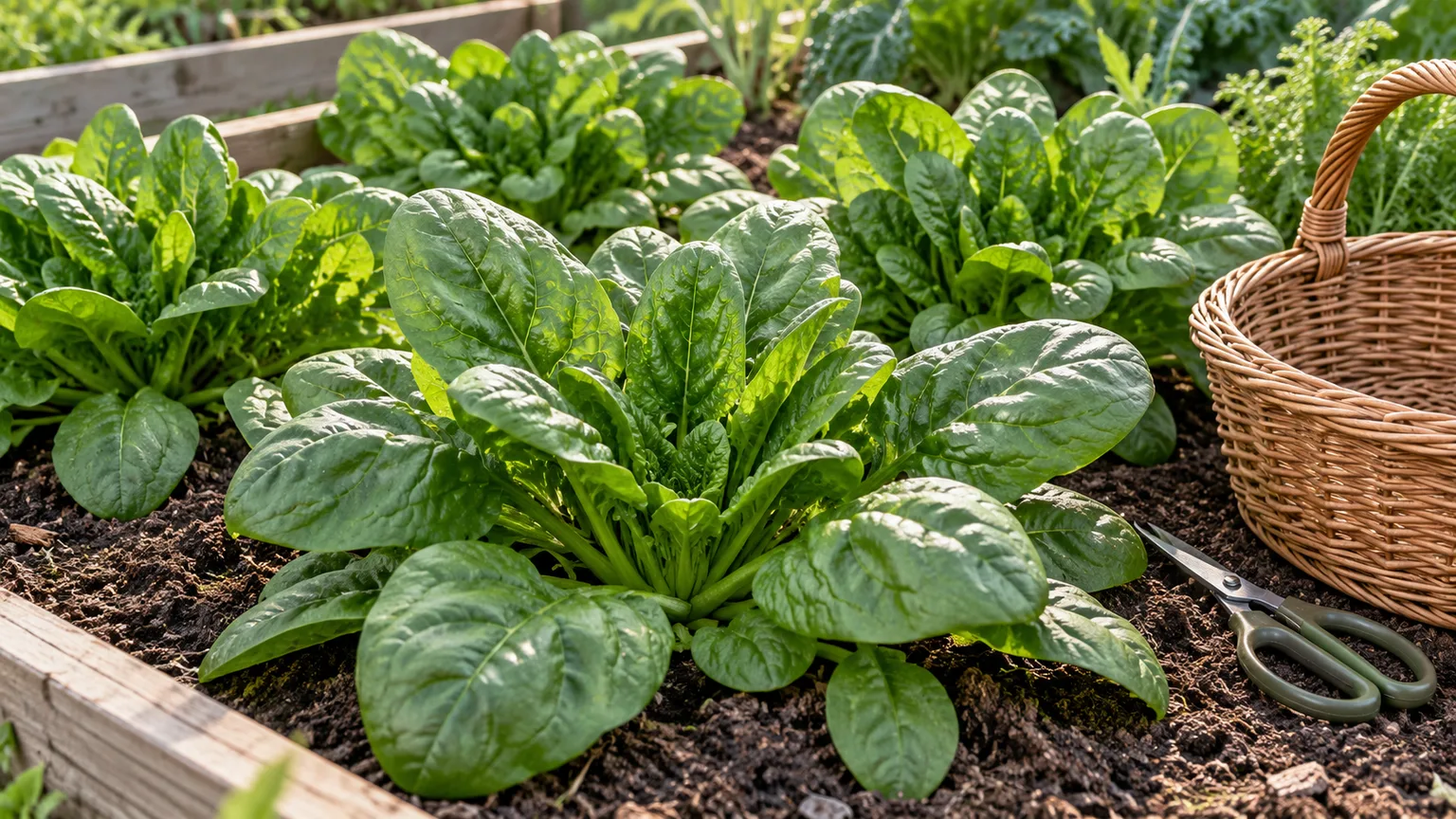
Start with leafy crops that are bred or commonly grown for cool weather: spinach, mâche (corn salad), winter lettuce, arugula, mizuna, tatsoi, mustard greens, and kale. Parsley and scallions can also be useful where the greenhouse stays cool but not excessively wet. These crops are most dependable as fall-established plants that you harvest gradually; tiny seedlings planted once winter has already set in may sit still for weeks.
Root crops can work when they have enough time and the soil stays workable. Radishes are faster than carrots or beets, while slower roots need an earlier start and enough depth; they are not a shortcut to a midwinter harvest if sown after the cold and low light arrive. Cabbage, broccoli, and Brussels sprouts also need a long runway to reach maturity, so start with local planting calendars and variety-specific days to maturity instead of treating them as quick winter greenhouse crops.
The RHS recommends autumn planting of lettuces in greenhouse beds or grow bags for winter harvest and suggests late-summer sowing of salad leaves and baby carrots to use the autumn sun. For a real cold-climate example, farmer Eliot Coleman describes harvesting spinach through winter from an unheated greenhouse in Maine after a September sowing, then protecting another crop with floating row cover inside the greenhouse. Those examples show the value of timing and layered protection; they are not a promise that every variety will keep growing at every latitude. The RHS greenhouse vegetable guide and Coleman’s account of winter quick hoops and greenhouse growing offer practical seasonal examples.
When tomatoes, peppers, and other warm-season crops make sense
Tomatoes and peppers can grow in winter only when the greenhouse can hold their warmer night temperatures and provide enough light for active growth. Colorado State’s general ranges put warm-season crops substantially warmer than cool-season greens, and the university notes that winter production in a hobby greenhouse is not usually cost-effective without an energy-efficient structure and extra heat. The crop may survive a chilly night and still set little fruit or grow poorly if light, warmth, and airflow are not balanced.
A practical compromise is to heat a small, insulated zone for seedlings or a few valuable plants rather than the entire greenhouse. Use a thermostatically controlled heater suitable for greenhouse conditions, position it as its manufacturer directs, and monitor the area at plant height. If the plant needs dependable tropical conditions, a heated greenhouse or indoor growing space may be safer than trying to improvise with a barrel, compost bin, or loosely draped plastic.
Time fall planting before winter light runs short
Winter greenhouse gardening begins in late summer or fall, not on the first day of freezing weather. Choose crops based on how long they need to reach a harvestable size, then count backward from the point when short days and cold soil will slow growth. The calendar date will differ with latitude, elevation, greenhouse shade, and local first frost, so use the seed packet and a local planting calendar rather than copying a single date from another climate.
Colorado State University Extension notes that winter greenhouse crops grow more slowly under low light and recommends having crops near harvest size by mid-October for its setting. Treat that date as an example of the principle: enter the low-light period with plants already established, not with a full bed of newly germinated seed. The RHS likewise points gardeners toward late-summer sowing for salad leaves and autumn planting of lettuce intended for winter harvesting. Colorado State’s greenhouse guidance and RHS seasonal vegetable schedule support that planning approach.
Sow successively rather than putting every seed in one tray or bed on one day. A small earlier sowing can test your greenhouse’s conditions; a later sowing can replace plants you harvest or that bolt when days lengthen. If a crop needs eight weeks to mature and the local light is already fading, choose baby-leaf harvest, a faster variety, or a different crop instead of expecting a full-size head in the dead of winter.
Layer protection for the coldest nights
Use a simple sequence before a forecast freeze: check the outside forecast and your greenhouse’s recent minimum temperatures; harvest any leaves that are ready; close doors and vents before evening; cover the bed with row cover supported above the plants; and switch on thermostatic heat only if the crop’s needs and your measured temperatures call for it. Keep the cover ready before the cold arrives, because searching for clips or a heater after dark is a poor plan.
For a short, moderate cold snap, an unheated greenhouse plus an inner cover may be enough for established hardy greens. During a prolonged hard freeze, several cloudy days, or conditions far below the crop’s tolerance, no passive method is a guarantee; move valuable containers to a reliably protected place or use appropriate active heat. The choice depends on what you are trying to save, not on a blanket promise that every greenhouse stays above freezing.
Use insulation and thermal mass to slow heat loss
Insulate what does not need to transmit light. Weatherstrip doors, repair gaps, and consider a night curtain or insulated treatment on an opaque north wall if the greenhouse design allows it; avoid covering the main glazing where it would block scarce winter sun. If you use bubble wrap or a secondary film layer, keep it taut and secure so it does not flap, trap water against the frame, or interfere with vents.
Water-filled barrels, stone, concrete, and soil can absorb some warmth during sunny hours and release it as the greenhouse cools. Washington State University Extension describes water, cement, and soil as thermal mass in passive solar greenhouses, but thermal mass stores heat; it does not create new heat after several cloudy days. A small barrel is a buffer, not a substitute for a heater, and its impact depends on the structure’s size, sun exposure, and insulation.
A compost pile may generate biological heat, but its output varies with its size, moisture, airflow, and stage of decomposition. It may contribute warmth nearby, but do not count on a bin to hold the whole greenhouse at a target temperature or to protect crops during a severe freeze. If you want to use compost heat, pair it with a crop that tolerates the greenhouse’s likely lows and keep a thermometer near the plants.
Add row cover inside the greenhouse
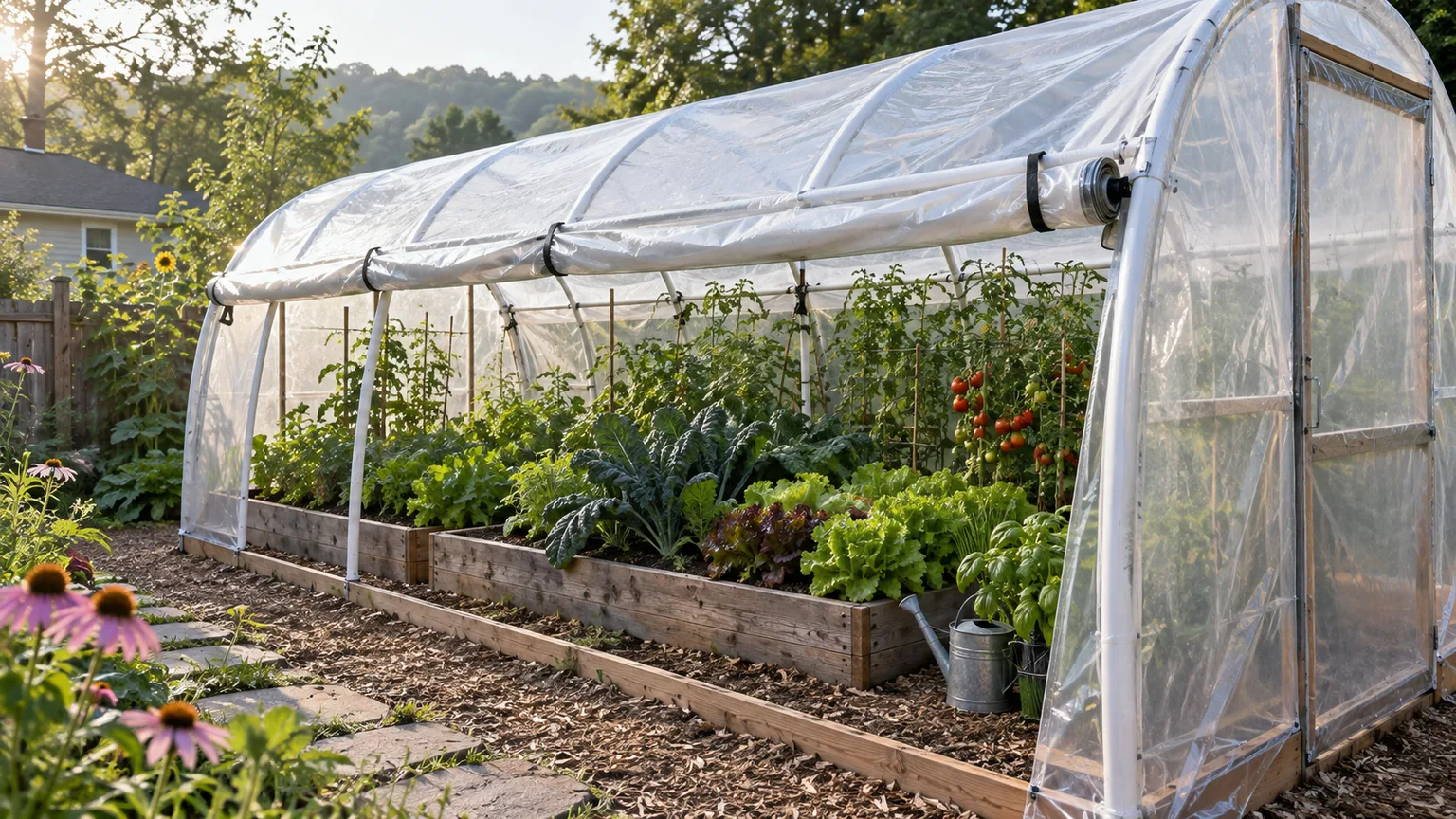
An inner row cover creates a second protected pocket around the crop and traps a still layer of air between the cover and the greenhouse. Support it with hoops so the fabric does not crush leaves or collect condensation on the plants, and secure the edges so cold air does not simply flow underneath. The RHS notes that heavier fleece gives about 2°C of frost protection; that modest buffer can help with a borderline night, but it is not equivalent to heating the room.
Open or lift the cover on sunny days when the greenhouse warms, then close it again before temperatures fall. If you use plastic film for an inner tunnel, leave a way to vent excess warmth and moisture; sealed plastic can overheat plants in sun and keep foliage damp. A cover inside the greenhouse is most useful as an extra layer over a cold-hardy crop, not as a workaround for growing a tropical plant in a freezing structure.
Run a daily winter routine
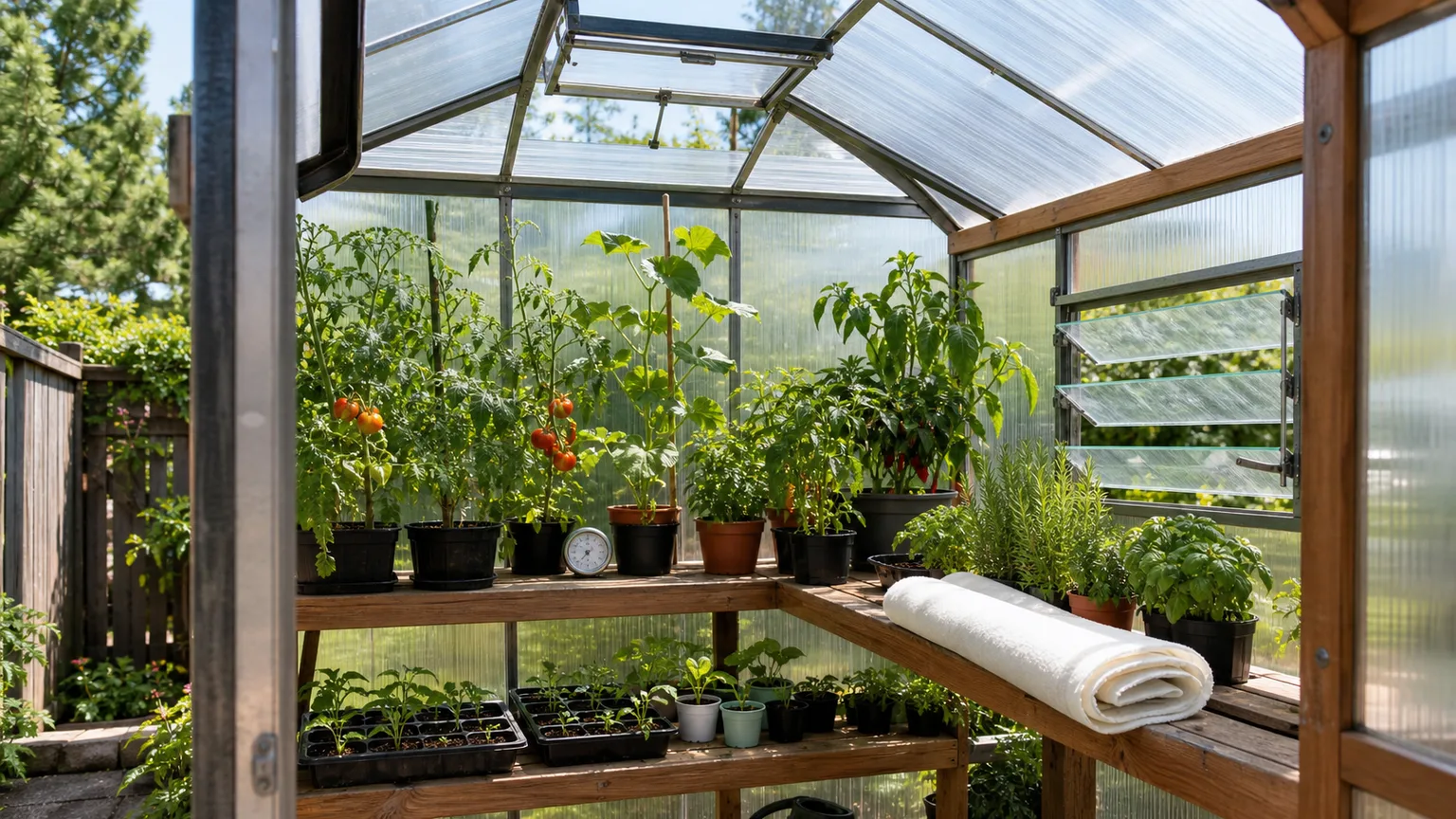
Winter care is less about doing a long list of chores and more about checking conditions before they drift. Put a min–max thermometer where the crop canopy sits, note the lowest overnight reading and the warmest daytime reading, and look at the forecast before you leave the greenhouse unattended. A simple log over several weather patterns will show whether you need a better seal, a cover, a different planting date, or supplemental heat.
Inspect leaves and soil during the same check. Remove yellowing or dead foliage, space crowded trays, and look for slugs and signs of fungal growth; winter shelter can also create damp, stagnant conditions. The RHS specifically advises leaving space between plants and ventilating winter greenhouses to reduce mould and dampness.
Vent by day; close before temperatures fall
A sunny winter greenhouse can become surprisingly warm even when the outdoor air is cold. Open a roof vent or door briefly when the inside warms and condensation is building, then close it before the air cools toward evening; the exact opening and timing depend on the structure, wind, and crop. Do not leave a vent wide open overnight simply because the greenhouse was humid in the morning.
Air movement matters because warm, moist air can condense on cold foliage and surfaces, creating conditions that favor disease. Washington State University Extension describes circulation fans as a way to distribute heat and reduce condensation on leaves; in a small home greenhouse, spacing plants and using brief daytime ventilation may be enough. If condensation returns every morning, reduce crowding, water earlier, and improve airflow rather than sealing every opening tighter.
Water by soil condition, not a winter schedule
Plants usually use water more slowly when growth and evaporation slow, but a greenhouse roof also blocks much of the rain that would otherwise reach beds. Check the root zone before watering and adjust for containers, raised beds, the crop, and recent sun. Water thoroughly when the soil is drying, then allow excess water to drain instead of keeping cold roots constantly saturated.
Morning is usually the easiest time to water because leaves and surfaces have more time to dry before night. Aim water at the soil rather than wetting foliage, especially before a freeze. Do not follow a rule such as watering every two weeks: a sunny, ventilated greenhouse with containers can dry at a different rate from a damp, overcast greenhouse with in-ground beds.
Conclusion
A greenhouse can keep winter gardening worthwhile through freezes, but success comes from matching the crop to the temperatures and light you can actually provide. For most unheated structures, establish hardy greens before winter, use row cover during cold snaps, track temperatures at plant height, and expect growth to slow when daylight is scarce.
When the greenhouse repeatedly falls below a crop’s safe range, passive heat from sun and water barrels is not enough. Improve the structure, move sensitive plants, or add properly controlled heat; for tomatoes and peppers, include winter light and operating costs in the decision. A greenhouse is most reliable when it extends the season you have rather than being asked to turn winter into summer.



