Lawn Weed Killer: How Long It Lasts and When to Reapply
How long does weed killer last on your lawn? Separate visible control, soil residuals, and re-entry, then reapply only when your exact product label allows.
There is no single number for how long weed killer lasts on a lawn. One product may be designed to kill weeds already growing in the grass; another may suppress seedlings before they emerge. And the time a treated lawn should remain off-limits to people or pets is a separate safety question, not a measure of how long the herbicide controls weeds.
Before you put another application on the calendar, find the product container and identify its active ingredient and intended use. Then check the directions for that exact product. Applying again too soon can injure turf, break reseeding restrictions, increase exposure, or exceed the labeled seasonal amount without fixing the reason weeds survived.
“Last” Can Mean Three Different Things
When someone asks how long a lawn weed killer lasts, they may mean one of three things: how soon weeds show a response, how long the treatment suppresses weeds, or when people can return to the treated area. Those clocks do not necessarily run for the same length of time. A label’s rainfast period, for example, tells you how long the treatment needs without rain to work as directed; it does not tell you how long the active ingredient remains in the soil or when you can reapply.
| What “lasts” means | What to look for | What it does not tell you |
|---|---|---|
| Visible weed response | The product’s expected symptom or evaluation window, if provided | Whether another application is allowed |
| Residual weed control | Whether the product prevents germinating weeds or only treats emerged foliage | Whether the lawn is safe to enter |
| Treated-area access | The label’s drying, re-entry, and other precautions | How long weeds will stay controlled |
A spray that has dried is not automatically gone, and a weed that still looks green may not mean the product failed. Some treatments act gradually, while others need to contact actively growing leaves or roots before symptoms become obvious. Use the label to interpret the specific product, and do not borrow a waiting period from a different brand with a similar name.
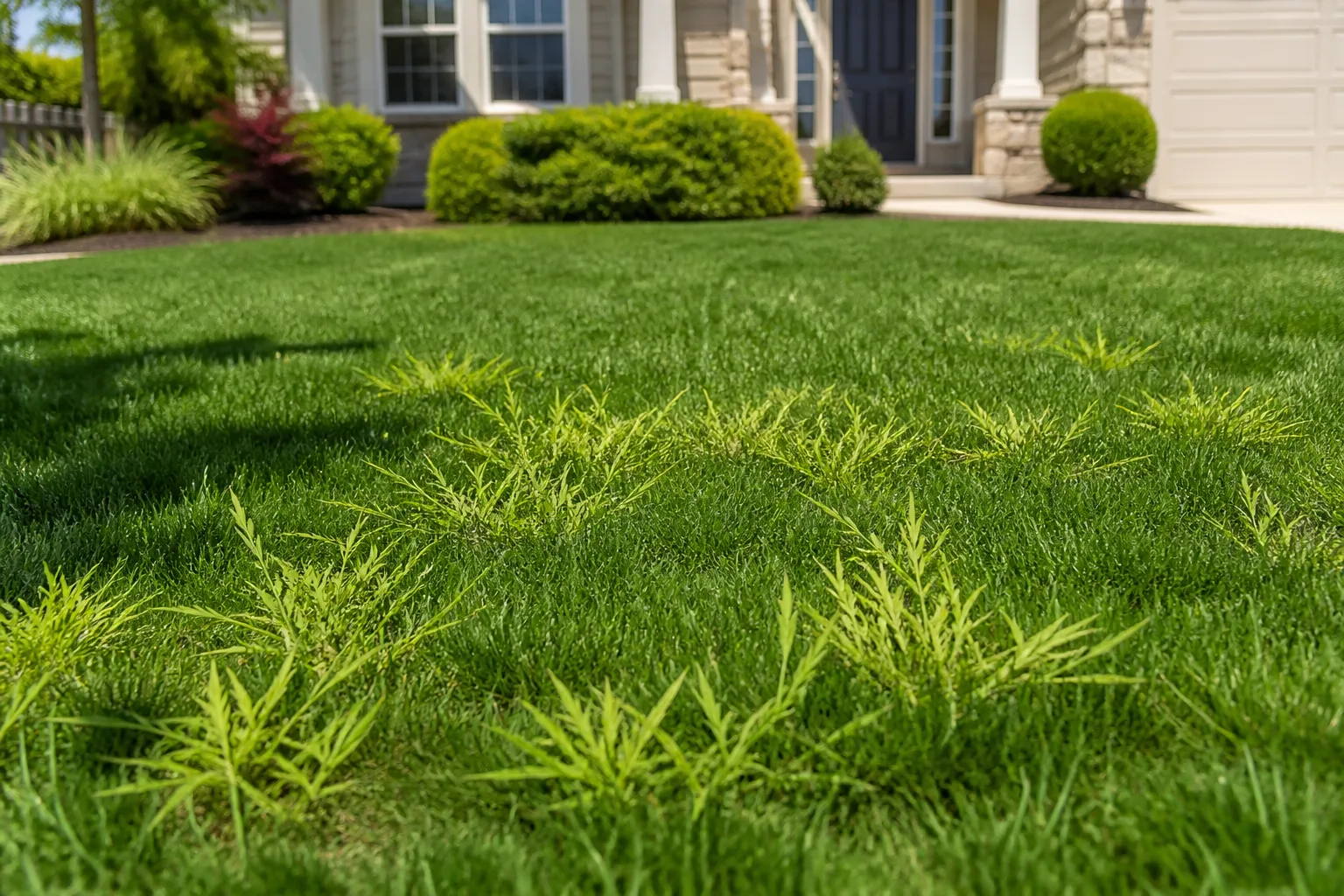
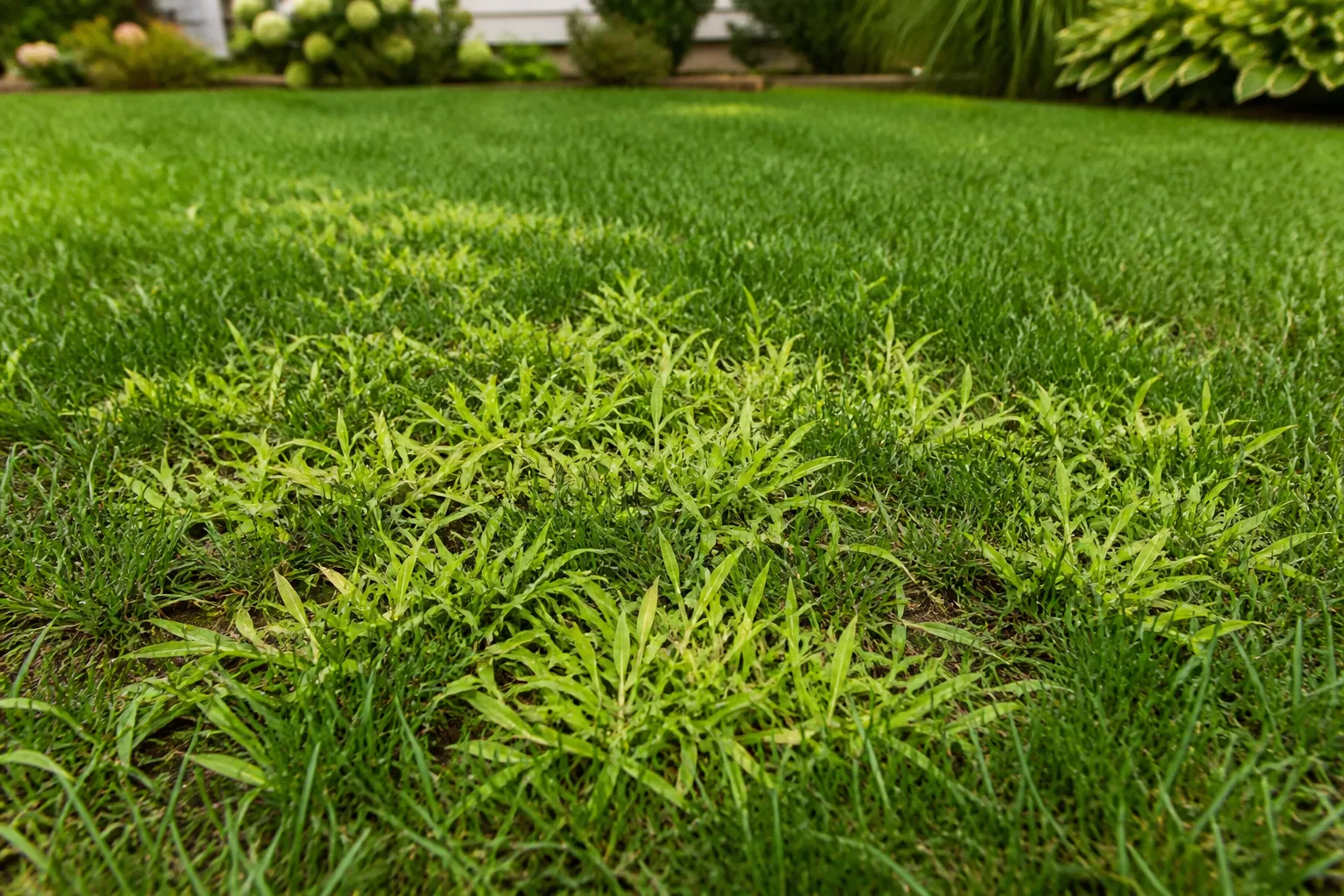
The distinction matters because a fast visual effect can create a false sense that no more weeds will grow. A post-emergent spray may kill a visible plant without stopping new seeds from germinating. A pre-emergent may suppress certain seedlings for a labeled period without killing the broadleaf weeds already visible in the turf. So a lawn can have successfully treated weeds and still show new weeds later.
Identify What You Applied Before Setting a Date
Look at the front and back of the container rather than relying on the product’s marketing name. Some brand families sell several products with similar names, but their active ingredients, turf uses, application methods, and restrictions can differ. The EPA registration number and active ingredient list help you find the exact product label if the container is worn or the instructions are hard to read.
A label is not merely a suggestion sheet. The National Pesticide Information Center’s label guide explains that pesticide labels contain legal use directions and safety information; it advises reading the label before purchase and again before reuse. Purdue Turfgrass Science also stresses checking the labeled turf species, product rate, timing, application interval, seeding restrictions, and protective equipment in its herbicide label guidance.
Post-emergent products treat weeds you can see
Post-emergent herbicides are applied after weeds have emerged. A selective product is formulated for particular weeds while allowing specified turfgrass species to tolerate the labeled use; a nonselective product can injure or kill any plant it contacts. A broadleaf lawn herbicide, for instance, is not a universal solution for grassy weeds, sedges, or every broadleaf species.
The important question is not simply whether a plant remains green a few days after spraying. Check whether you used a product labeled for that weed and grass, whether the weed was actively growing, whether foliage was covered as directed, and whether rain or irrigation arrived during the label’s restricted window. If the weed is a perennial, leaves may die back while roots or underground parts survive; repeated control may be part of the specific label program, but the interval and number of treatments are product-specific.
Do not use a nonselective concentrate as a blanket treatment on lawn turf just because it worked on weeds in a driveway crack. Unless a product label specifically lists your grass and the intended use, assume the grass is at risk. If you need to protect the surrounding turf, identify the weed and use a labeled selective option or remove a small patch by hand.
Pre-emergent products target germinating seedlings
Pre-emergent herbicides act before certain weed seedlings are established. They create a treatment zone in or on the soil that interferes with susceptible seedlings as they germinate, so the product has to be timed to the target weed and may need water or rainfall for activation if the label says so. They do not make visible, established crabgrass or dandelions disappear simply because they are called weed preventers.
The Better Homes & Gardens weed identification guide distinguishes pre-emergent products, which target seeds, from post-emergent products, which treat weeds that have already grown. That difference changes the meaning of “how long it lasts”: a pre-emergent’s useful window is about limiting a particular flush of seedlings, while a post-emergent’s success is measured against the plants it contacted.
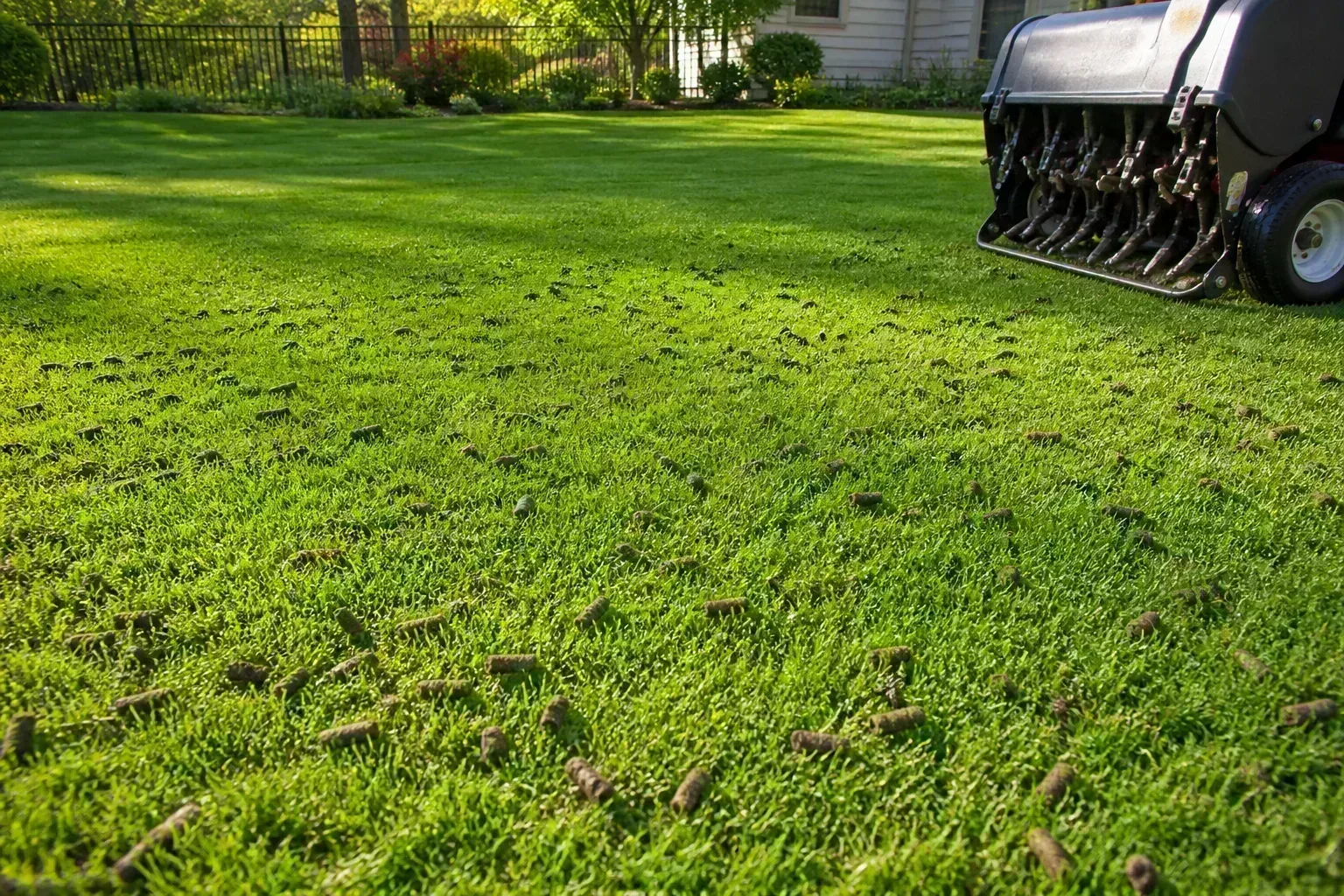
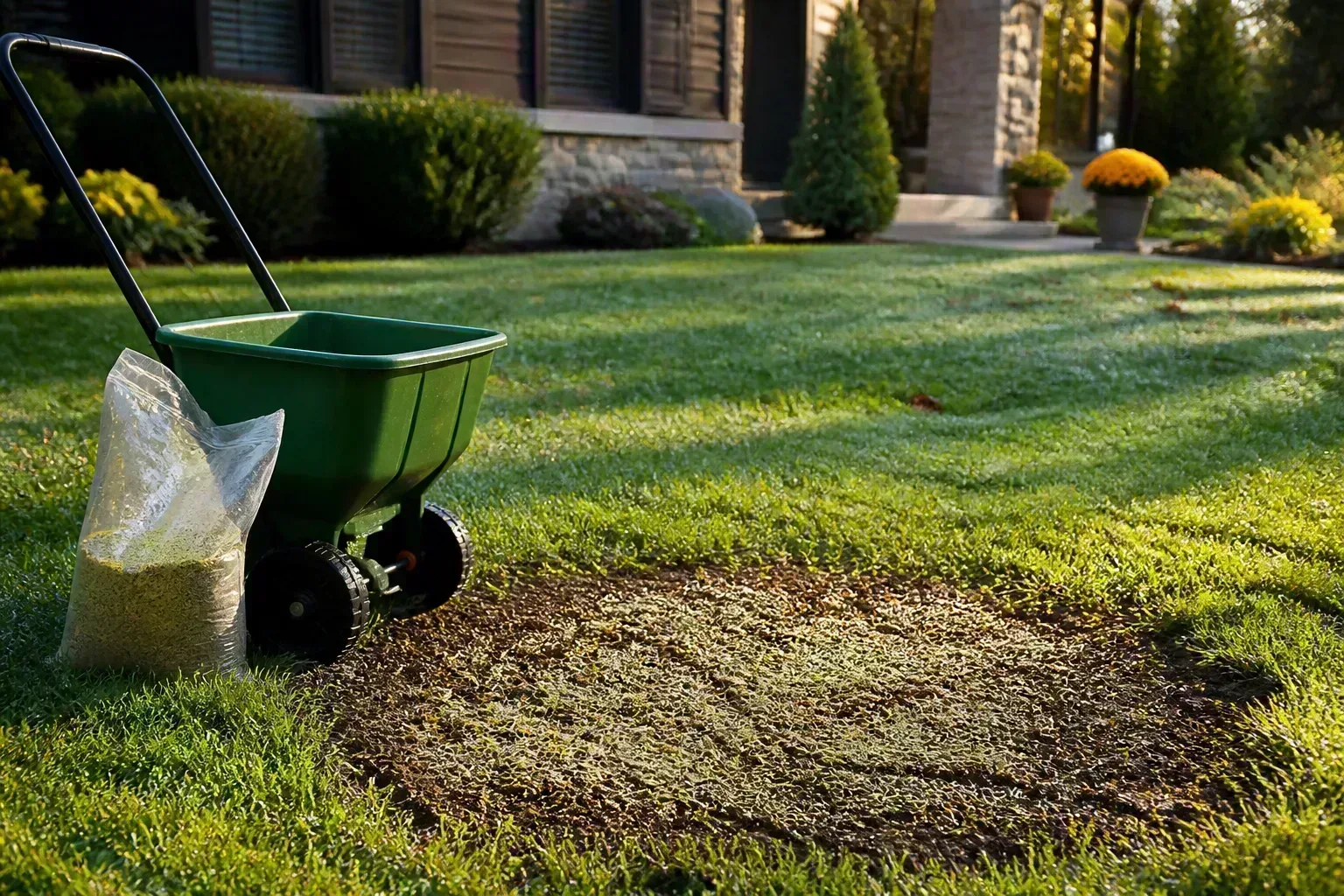
A pre-emergent barrier can be disrupted by cultivation, aeration, or heavy disturbance, and it may not control weeds that are outside its labeled spectrum. It can also interfere with lawn seed germination. If you plan to overseed, repair bare spots, or plant new turf, check the exact product’s reseeding interval before you apply it. A treatment that suppresses unwanted seedlings may also prevent the grass seed you want from establishing.
Weed-and-feed and nonselective products need extra care
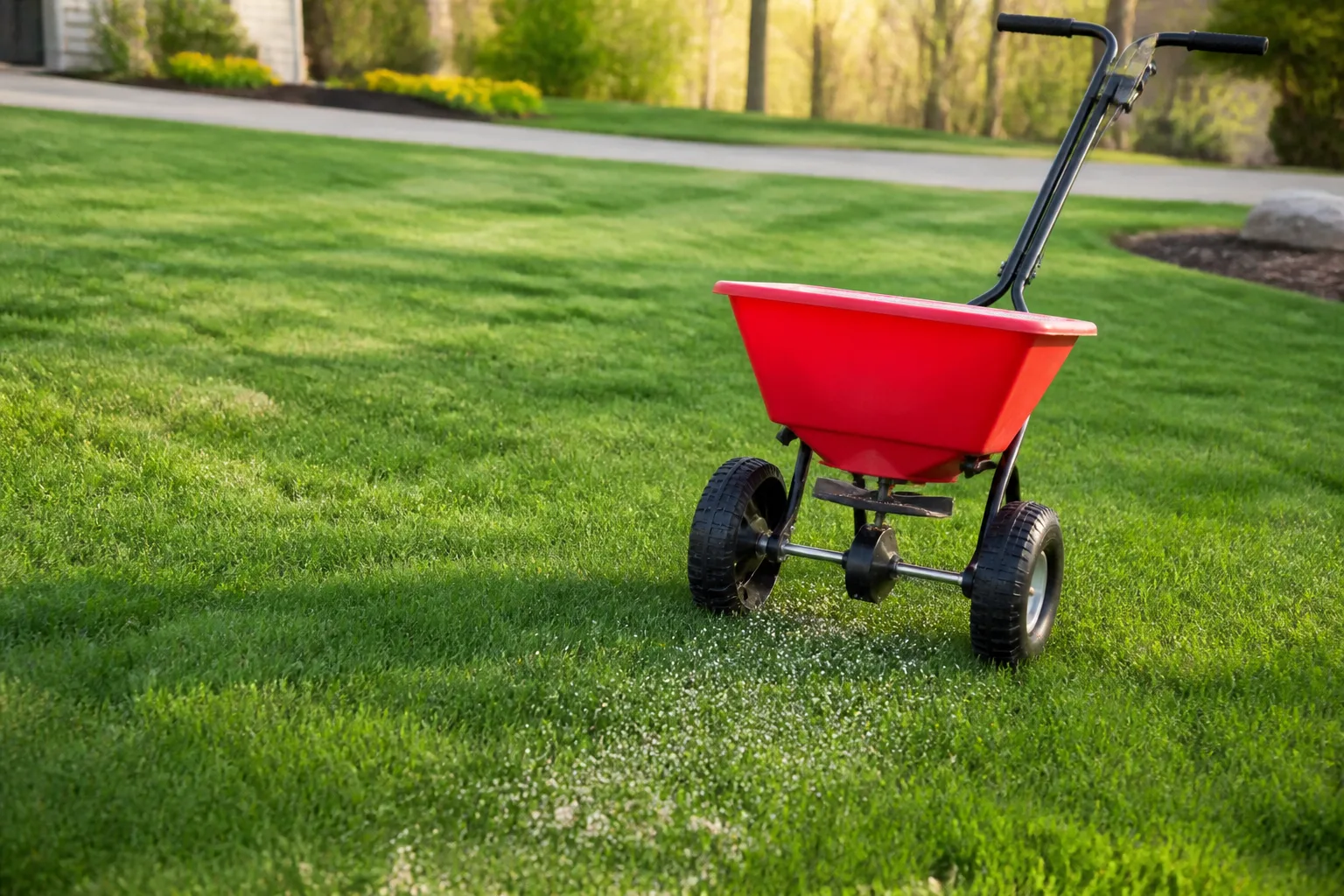
A weed-and-feed combines fertilizer and herbicide. That convenience does not mean the herbicide timing is automatically appropriate whenever the lawn needs fertilizer. The weed component may require particular weed growth conditions, moisture, or mowing timing, while the fertilizer has its own seasonal and rate considerations. Use the full label to determine whether that combination fits the grass type, season, and weed you are treating.
Nonselective concentrates need special caution near turf, ornamental beds, trees, and vegetables. The active ingredient may kill plants through leaf contact or movement into the plant, but formulation and labeled use still matter. For a small isolated weed in grass, shield nearby turf and apply only in the manner the product allows; a drip or misdirected spray can damage more than the target.
Why Lawn Weed Control Wears Off or Looks Incomplete
Active ingredient, formulation, and target weed
Products can contain different active ingredients and use different formulations, even when both say “weed killer” on the front. Some are foliar treatments intended to affect emerged plants; some leave a residual barrier; others combine herbicide with fertilizer. The active ingredient, concentration, product form, application rate, target weed, and approved turf species all determine what the product is supposed to do. A generic statement that every weed killer “lasts a few days” confuses the product’s visible action with its full control period.
The environmental behavior of one active ingredient cannot be applied to all others. For example, ATSDR’s glyphosate fact sheet says glyphosate binds tightly to soil and is broken down by bacteria, and it notes that glyphosate formulations contain different combinations of other ingredients and concentrations. That is information about glyphosate, not a persistence estimate for every lawn herbicide. It also does not establish how long a specific product controls weeds or when its treated area may be entered.
If you no longer have the container, do not guess based on a brand name remembered from last season. Search by the EPA registration number, contact the manufacturer, or take the package information to a local cooperative extension office. You need the current label for the actual product and formulation, not a generic web answer for another herbicide with a similar name.
Weather and application conditions
Weather can change whether the product reaches the target plant and how the lawn responds. A rain shower may wash a foliar treatment off before the product has the label-required time to dry or be absorbed. A granular product may instead require watering in. The correct response to rain depends on the product directions, not a general rule that rain always cancels or activates a weed killer.
Heat, drought, cold, or recently mowed weeds may also change results. A stressed weed may not be growing enough to absorb and move a systemic treatment; a weed clipped just before application may have too little leaf surface to receive it. Wind can carry droplets onto desirable plants, and an incorrect spreader setting or uneven walking pace can leave untreated stripes. Purdue Extension warns that both excessive and insufficient rates can undermine control, while increasing turf or environmental risk. Calibration and label-rate use are more reliable than applying extra product to compensate for an uncertain first pass.
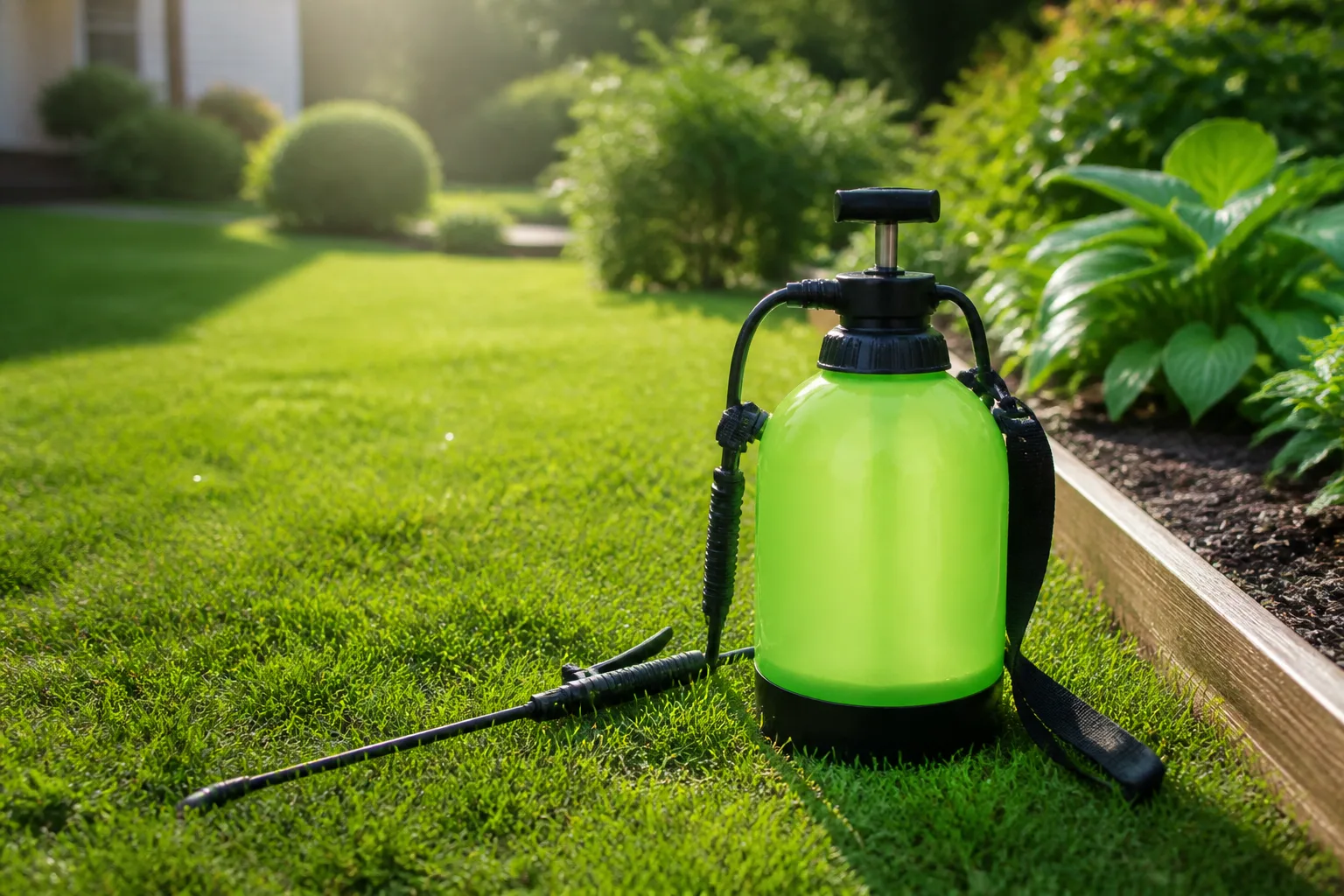
The spray technique is not a minor detail. If the label calls for coverage of foliage, do not drench the lawn until liquid runs off. If a granular label specifies a spreader setting or watering-in step, follow that method. Applying more than the listed amount is not a safe shortcut; it may damage turf, waste product, and increase the amount that can move off-site.
Four Label-First Checks Before Reapplying
A second application is justified only when the product, target weed, timing, and label instructions all support it. Use these four checks before mixing another batch or spreading another round. If you cannot confirm the product or label, stop and identify it before applying anything else.
1. Find the repeat interval and seasonal maximum
Read the label section for lawn use and the specific weed you want to control. Look for the minimum time between applications, maximum number or amount per season, annual use limit, turf species, weed size or growth stage, and any geographic or seasonal restrictions. A minimum interval is a floor, not a target to apply automatically; a label’s maximum is a ceiling, not a recommended schedule.
Record the product name, EPA registration number, active ingredient, date, treated area, and approximate amount used. This simple note prevents accidental repeat treatments when another household member sprays or when a different product is brought home. NPIC advises rereading the label before reusing a pesticide rather than relying on memory, and Purdue Extension says to follow the label’s application interval, seeding, temperature, and rate directions.
If two products are used in the same season, do not assume they count separately. Labels may restrict cumulative active ingredient, total annual applications, or sequential use with similar herbicides. If the language is unclear, ask the manufacturer or extension service for help before applying. Do not combine or rotate products just because one seems slower.
2. Confirm whether surviving weeds need more time or a new diagnosis
Compare the treated weeds with the label’s expected evaluation window, if it gives one. Some products do not create immediate brownout, and a plant can remain green while the treatment is still acting. Avoid a quick repeat application based only on the first few days of appearance, especially if the label sets a minimum interval before any follow-up.
Separate three situations: the same treated weed is declining slowly; the same weed is regrowing from perennial roots; or a different seedling emerged after treatment. Each suggests a different next step. A systemic product that is intended to move through living foliage may need intact leaf area and active growth, while a pre-emergent will not control a weed that has already passed its seedling stage. Misidentifying the weed is another common reason a correctly applied product appears ineffective.
The University of Illinois Extension guidance for star-of-Bethlehem in lawns illustrates how species-specific repeat treatment can be: its guidance for star-of-Bethlehem in lawns calls for spring and fall applications over at least two consecutive years, with label directions and a delay in mowing after treatment. That schedule is for that particular difficult bulb weed and those labeled options; it is not a general lawn-herbicide interval. The useful lesson is to identify the weed and follow the treatment program built for it, rather than repeating a product at a made-up frequency.
3. Check rain, watering, mowing, and seeding restrictions
Before applying again, check the forecast and the label’s rainfast interval. If the product requires a dry period after application and rain came early, do not assume you should immediately repeat it; the label may still require a full interval before another treatment. If the label calls for irrigation to move a granular product into the soil, rainfall can be part of the application method rather than a failure. The product’s directions decide which situation applies.
Mowing can remove treated leaf surface, so some products direct you to avoid mowing for a stated time before or after application. Other products may have different directions. Follow those instructions instead of using a generic number of days from another herbicide. If you intend to seed or overseed, check the label’s interval both before and after treatment; those restrictions can extend beyond the period when the visible spray is dry.
Weeds often return because they emerge in separate flushes, not because the original application is still sitting on the lawn. Annual weed seeds can germinate after a treatment that only targeted visible plants; a pre-emergent may suppress only labeled species and only for its listed period. Fine Gardening’s weed-control guidance recommends addressing small weeds early, before they set seed. Hand-pulling a few new seedlings may be safer and simpler than applying another full-lawn treatment.
4. Follow treated-area, pet, and personal-protection directions
Find the label’s precautionary statements and treated-area instructions before anyone walks, plays, mows, or handles clippings from the lawn. Follow its directions for protective clothing, application conditions, access, and cleanup. Do not treat a dry-to-touch surface as permission to ignore another stated restriction, and do not assume the instruction from another product applies to yours.
ATSDR’s glyphosate-specific public-health guidance gives an example of how precise this question can be: it advises keeping children and pets off treated areas for 24 hours or until after rain or watering, and it separately says to follow the product label. That fact sheet concerns glyphosate exposure and should not be turned into a universal re-entry interval for every active ingredient or formulation. For the container you used, follow that product’s current label and contact the manufacturer or NPIC if the access directions are unclear.
Keep the original package and label intact, store leftover product securely, and wash hands after handling it. Do not reuse an unlabeled sprayer or application container for another purpose without following the label’s cleaning instructions. If a spill or exposure occurs, follow the product’s first-aid directions and use the contact information on the label.
Why New Weeds Can Appear After a Successful Treatment
A clean-looking lawn is not proof that no weed seeds remain. Seeds in the soil can germinate later when temperature, light, moisture, or disturbance becomes favorable. Wind, water, animals, and mowing equipment can also bring in seeds from elsewhere. A post-emergent treatment that killed the plants it contacted does not necessarily prevent any of those future seedlings.
Perennial weeds add another complication. Many have crowns, roots, bulbs, rhizomes, or stolons that survive after top growth is damaged. A follow-up treatment may be labeled for those weeds, but the right timing depends on species, active growth, and the exact product. Repeatedly spraying without identifying the weed can waste applications, harm desirable grass, and make it harder to see whether the issue is regrowth, seed germination, or a product mismatch.
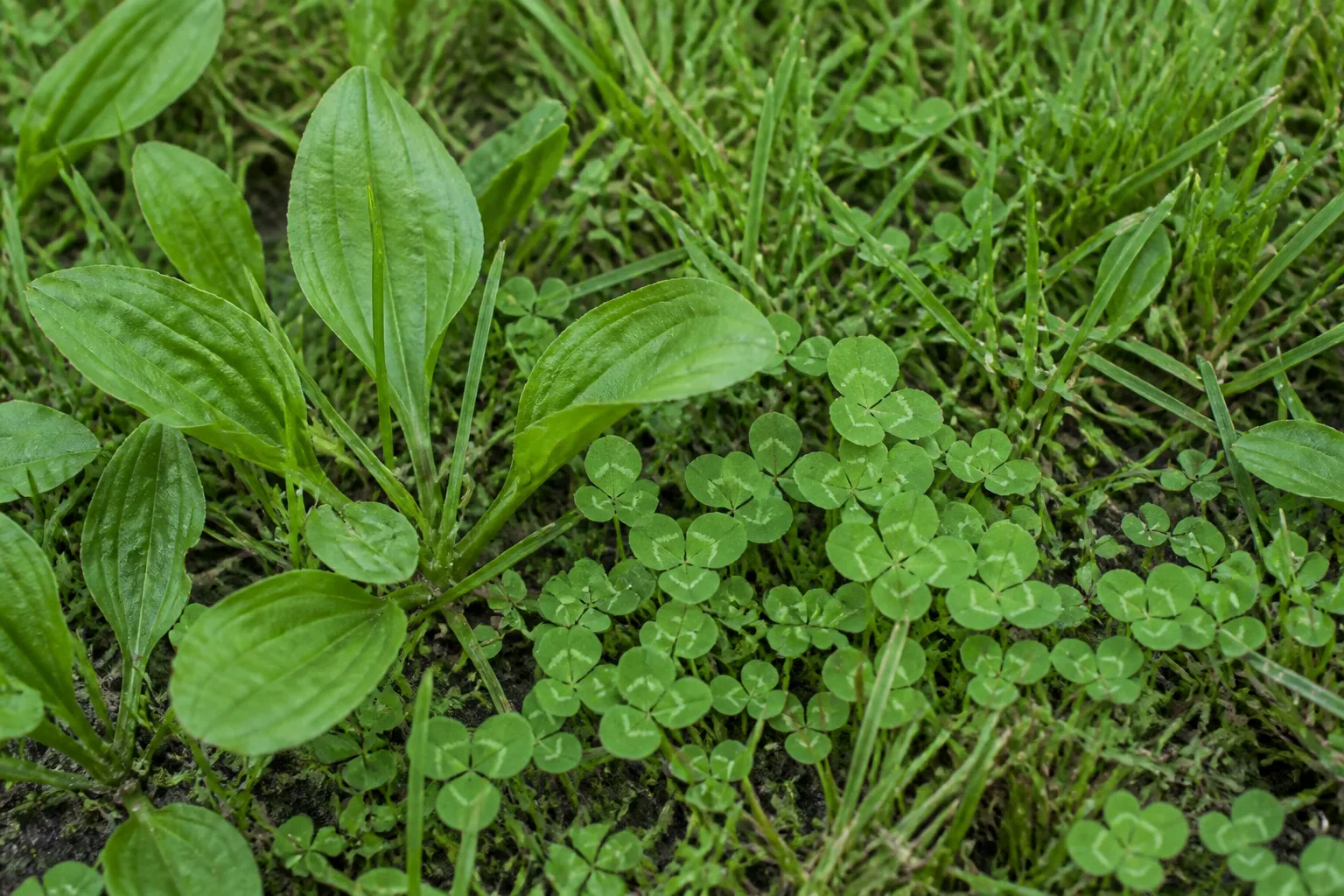
Walk the lawn and map where the new weeds appear. If they are in the same spot and look like the original species, check whether roots or missed leaf surfaces may remain. If they are scattered, small seedlings of several species, focus on identification and lawn density as well as the label’s pre-emergent options. The BHG guide to identifying common lawn and garden weeds offers visual descriptions that can help narrow the target before you choose a control method.
Reduce the Need for Another Herbicide Application
A dense lawn leaves fewer bare spaces for weed seedlings to occupy. Mow at a height appropriate for your grass species, avoid removing too much leaf tissue at once, and water deeply enough for the turf’s needs rather than using frequent shallow sprinkling. Repair thin spots with a grass suited to the site, but respect the herbicide label’s reseeding restriction; seeding into a still-active pre-emergent barrier can produce poor establishment.
Remove small, isolated weeds by hand when their roots can be extracted without tearing up a large patch. Pulling or digging is most practical before the weed flowers and produces more seed. Fine Gardening’s editors recommend early, frequent control and preventing weeds from setting seed; that cultural work reduces the number of new plants that require chemical treatment. For a large infestation, combine identification, turf improvement, and a product labeled for the actual weed instead of relying on repeated broad sprays.
A lawn with one stubborn weed is a different job from a lawn-wide mixed infestation. Spot treatment can reduce the amount of herbicide used when the product is labeled for that use and the target can be reached without contacting desirable plants. For a widespread issue, confirm whether the grass can tolerate the product, whether the weed is susceptible, and whether the timing suits both. Consider a licensed lawn-care professional if you cannot identify the grass or weeds, if repeated labeled treatments fail, or if the product requires equipment and protective measures you cannot use safely.
Conclusion
Weed killer does not have one universal lifespan. The time to see symptoms, the period a product suppresses new weeds, and the time people must stay off treated turf are different questions. Herbicide type, active ingredient, weed, weather, turfgrass, and application method all affect the answer.
Before reapplying, identify the exact product, check its interval and seasonal maximum, diagnose whether weeds survived or newly emerged, and follow every rain, mowing, seeding, access, and protective-equipment direction on the current label. If the label is missing or unclear, do not guess. Confirm the product with its manufacturer or a local extension service before treating the lawn again.