Fall Lawn Aeration: When to Aerate and How to Do It
Learn when fall lawn aeration helps, how to test for compaction, choose a core aerator, prepare the soil, and time overseeding and aftercare without guesswork.
Fall can be a good time to aerate a lawn, but the word “fall” alone does not tell you whether to rent a machine this weekend. The decision depends on three things: whether the root zone is compacted, whether your grass is actively growing, and whether the soil is moist enough to let an aerator pull clean cores. If one of those conditions is missing, waiting or choosing a different repair may protect the lawn better than rushing the job.
For a cool-season lawn in a region with cold winters, early fall is often a useful window because grass can recover while growth continues. That is a window, not a deadline shared by every yard. Start with a quick diagnosis, then match the tool and timing to the problem you actually have.
The Short Answer: Aerate Only When the Lawn Needs It
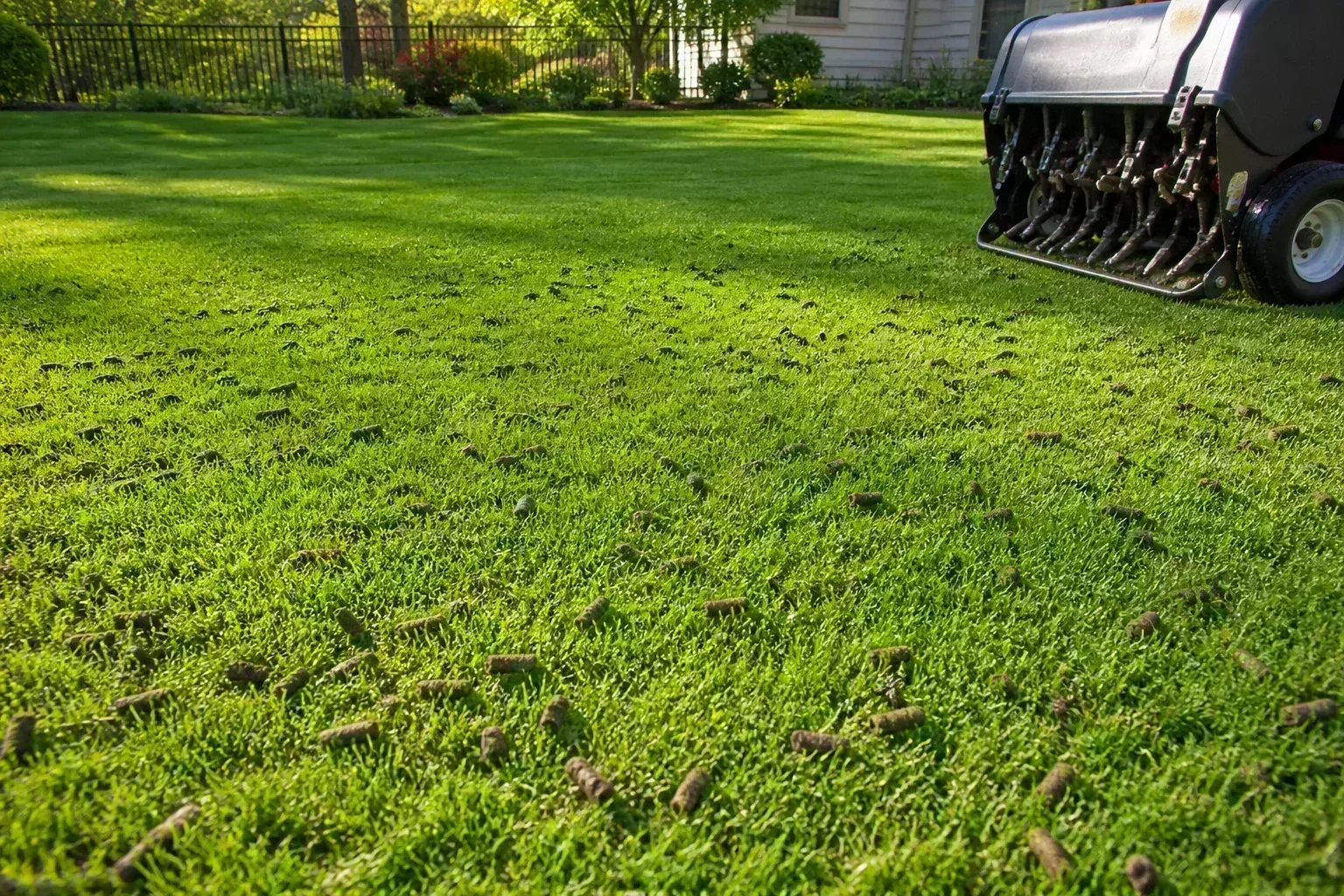
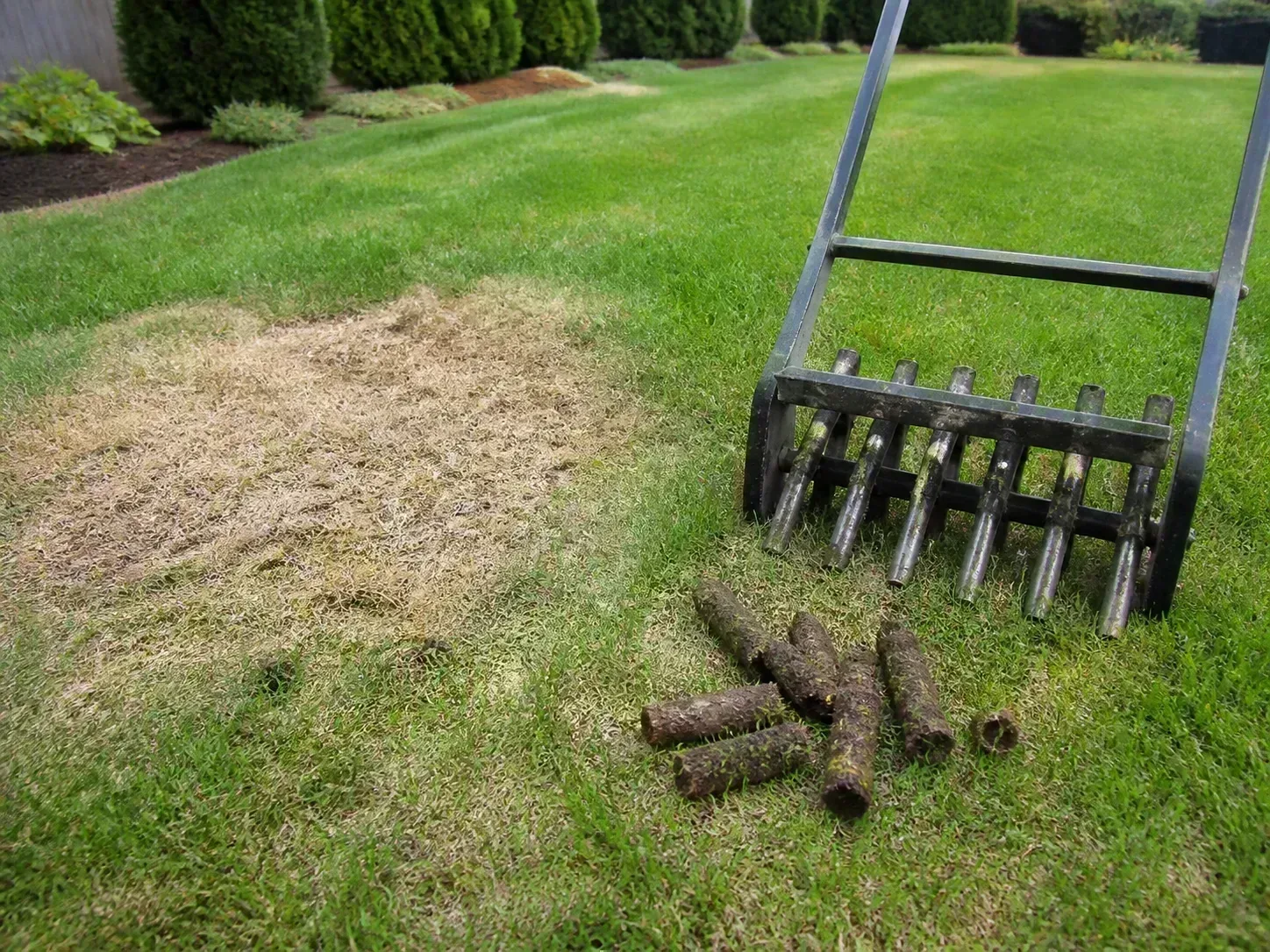
Core aeration is most useful where repeated foot traffic, pets, mowing equipment, construction, or dense soil has squeezed air spaces out of the root zone. A hollow-tine machine removes short cylinders of soil, leaving channels that temporarily improve the movement of water and air through compacted turf. It also gives roots and seeds new openings, but it does not automatically create new grass plants or correct every cause of a weak lawn.
The right fall day is one when the lawn is growing well enough to recover and the soil is damp rather than powder-dry or saturated. If the grass has stopped growing, is drought-stressed, or will be hit by a hard freeze before it can recover, do not treat the season label as permission to aerate. A few days of delay are better than making holes in turf that cannot use them.
How Often Is Often Enough?
Aeration is not a yearly ritual for every lawn. BHG’s guidance puts many residential lawns on a two- or three-year interval, with more frequent attention reserved for heavily used turf; the RHS gives a similar general interval for ordinary lawns. Treat those as starting points rather than a prescription, because climate, soil texture, traffic, grass type, and past treatment all change how quickly compaction returns.
A better schedule is to inspect annually and aerate only when the evidence returns: a compacted layer, persistent resistance in a high-traffic area, or slow infiltration that cannot be explained by grading or drainage. If last year’s treatment improved the soil and the lawn is still growing evenly, leave it alone. If only a path or play area is compacted, treat that zone rather than repeating the whole-lawn job. This lowers wear on the turf and avoids running a heavy machine over ground that does not need it.
Check Whether Compaction Is the Actual Problem
Look for a pattern, not one dramatic symptom. Compaction is more likely when the same route is repeatedly walked or driven over, when water runs off or ponds despite ordinary rain, or when grass struggles in a high-traffic area while nearby turf grows normally. BHG’s lawn-aeration guidance describes a simple screwdriver check on moist ground; the Royal Horticultural Society also connects aeration with improving air and water movement around grass roots.
Test with a Screwdriver and a Soil Plug
Choose a day after the surface has drained. Push a long screwdriver or soil probe into several parts of the lawn, including a healthy-looking area for comparison. If it slides into one spot but meets strong resistance in a compacted traffic lane, you have a useful clue; if the whole yard resists equally, the cause could be very dry soil, shallow topsoil, rocks, or a hard layer rather than ordinary surface compaction.
For a better check, lift a small wedge of turf with a spade at the edge of a problem area. Look at the transition from grass to soil, feel whether the soil is dense, and measure any brown thatch layer between green blades and mineral soil. The screwdriver test is a screening test, not a diagnosis by itself. A single hard push cannot tell you whether roots are blocked by compaction, whether the soil is bone-dry, or whether a buried obstruction is in the way.
Symptoms That Point Somewhere Else
Puddles can result from compaction, but they can also come from a low spot, a clogged drain, runoff from a roof or paved area, a high water table, or a layer of poorly draining subsoil. Aeration may improve infiltration through a compacted surface; it will not reshape a depression or move water away from a site with no outlet. If water consistently collects in the same low place after soil has drained elsewhere, correct the grade or drainage cause before expecting aeration to solve it.
Moss, thin grass, and spongy footing also need context. Moss can thrive where shade, acidity, poor drainage, or weak grass gives it an advantage; simply removing moss does not change those conditions. A thick thatch layer is a mat of stems and roots near the surface, while compaction is soil pressed together below it. If the thatch is the issue, scarifying or dethatching may be the more direct tool. A lawn may need both treatments, but they do different jobs and can leave turf temporarily stressed, so avoid stacking aggressive work just because autumn is available.
What Core Aeration Changes—and What It Cannot Fix
Soil needs pore spaces that hold both air and water. When soil particles are compressed, water can infiltrate slowly and roots have less access to oxygen. The RHS explains that aerating compacted lawns can improve drainage and growth, particularly where heavy soil or regular use is involved. That benefit is practical, not magical: the holes are temporary, and the surrounding soil can compact again if the same traffic continues over wet ground.
Aeration does not fertilize the lawn, kill weeds, remove a thick surface mat, repair disease, or fill bare ground. It can help a seed reach soil when you overseed afterward, but seeds still need a compatible grass type, good contact, enough growing time, and steady moisture. If the lawn is thin because it is too shady for the existing grass, or because a recurring disease keeps killing turf, identify that cause before using an aerator as a general cure.
Choose Timing by Grass Type and Growth, Not Date Alone
Cool-Season Lawns: Early Fall While Growth Is Active
Kentucky bluegrass, perennial ryegrass, and many fescues are cool-season grasses. They often resume stronger growth as summer heat eases, which gives a cool-season lawn a better chance to repair small areas of disturbance before winter. Penn State Extension’s fall lawn-care guidance recommends addressing compaction during fall when soil moisture is suitable and notes that the cores should be deep enough to matter. The exact week depends on latitude, elevation, local weather, and the date when the lawn actually begins to slow down.
A practical rule is to aerate while the grass is actively growing and has time to recover before it goes dormant. Look for steady regrowth after mowing rather than relying only on a month printed on a calendar. If nights are cooling but the lawn is still producing healthy new growth, the window may be open. If the turf is already dormant or the ground is close to freezing, save the task for the next period of active growth.
Warm-Season Lawns and Warm Climates
Bermudagrass, St. Augustinegrass, and zoysia are warm-season grasses; they recover best during warm active growth, not when autumn temperatures are shutting growth down. A warm climate may have a fall window that looks very different from the cool-season schedule. BHG notes that warm-season lawns are generally aerated in early summer, while cool-season turf is commonly aerated in fall; use your local extension service for the correct window in your region.
This is why a blanket instruction to “aerate now” can mislead. A warm-season lawn in a mild region may still be growing in fall, while one in a cooler region may already be preparing for dormancy. If you are unsure which turf you have, identify the grass before scheduling the rental. Grass species, climate, and active growth together matter more than the name of the season.
Core, Spike, and Manual Aeration Compared
| Method | What it does | Best fit | Main limitation |
|---|---|---|---|
| Hollow-tine core aerator | Removes plugs of soil and thatch | Repeated traffic, dense soil, or persistent compaction | Heavy equipment can rut wet turf; requires site preparation |
| Solid-tine or spike tool | Pushes narrow holes into the ground | Small areas or light, shallow loosening | Does not remove soil; can press soil sideways in dense ground |
| Garden fork | Opens a few holes by hand | A compacted path or small patch | Slow and tiring over a whole lawn; spacing is hard to keep uniform |
For a compacted lawn, a core or plug aerator is usually the more reliable choice because it extracts soil rather than merely displacing it. That distinction matters most on dense or clay-heavy ground. Some practical garden guidance, including Gardeners’ World, suggests using a fork to loosen trampled patches; that can be reasonable for a small area. For widespread or persistent compaction, do not assume spike shoes or a solid-tine roller will do the same work as a hollow-tine machine.
Renting a walk-behind core aerator is often more sensible than buying one for an occasional job. Ask the rental desk about the machine’s tine length, tine diameter, spacing, operation, and turning radius before loading it. If the yard has steep slopes, fragile irrigation, narrow gates, or extensive roots near the surface, compare a professional service with a rental machine; the right tool is the one you can operate without damaging the site.
Prepare the Lawn and Equipment Before You Start
Walk the lawn and remove branches, toys, stones, and other objects that can jam a machine. Mark sprinkler heads, valve boxes, shallow irrigation pipes, landscape lighting wires, and buried pet-fence wires with visible flags. Aerator tines are designed to penetrate soil; they can cut a cable or break a sprinkler head just as easily as they pull a plug. If you do not know where a utility line runs, locate it before operating powered equipment and follow local utility-marking requirements.
Mow once at your normal height or slightly lower if the grass is tall, but do not scalp healthy turf to expose soil. A shorter canopy lets you see the path and prevents long blades from wrapping around equipment. Read the rental manual, confirm the machine’s transport and starting procedure, and make a plan for gates, slopes, trees, and edges where a heavy machine cannot safely turn. Avoid sharp turns on soft ground, because the wheels can tear sod even if the tines are raised.
How to Core-Aerate a Lawn Step by Step
Set Soil Moisture Before Machine Day
A plug aerator needs soil that is moist enough to penetrate but firm enough to release a core. If the ground is very dry, tines may bounce or produce shallow plugs. If the soil is saturated, heavy equipment can smear and compress it, and the tines may pull sticky clumps instead of clean cores. Penn State Extension cautions that both extremes can reduce the job’s value, while the BHG article similarly recommends working when the soil is moist but not wet.
If there has been no recent rain, water the lawn enough to moisten the root zone and then wait until standing water disappears and the surface is no longer muddy. Soil type changes the wait: clay stays wet longer than sandy soil. Before unloading the aerator, test a small spot with a spade or screwdriver. If the soil sticks to the tool like paste or the machine would leave deep tracks, postpone; if the ground is hard and the tines cannot enter, water and try another day.
Make Passes Based on Tine Spacing and Compaction
Start at the far edge and make steady, parallel passes with the machine at the speed its manual recommends. Overlap paths enough to avoid untouched strips, then inspect the plugs and hole pattern before deciding whether to cross the lawn again at an angle. The right coverage depends on tine diameter, spacing, machine speed, soil condition, and how badly the lawn is compacted; a single pass does not create the same opening pattern on every machine.
Penn State Extension’s equipment examples show why pass count cannot be reduced to “one pass is always enough”: with common tine sizes and spacing, the surface area opened by one pass can be small, and more passes may be considered for seriously compacted or high-value turf. That is a reason to check the machine specifications and judge the result, not an instruction to drive over every home lawn repeatedly. Follow the rental instructions, avoid excessive turns on wet soil, and give the most compacted areas attention without needlessly tearing up healthy parts of the yard.
A typical residential machine pulls cores a few inches deep, but actual depth varies with equipment and soil. Penn State describes full-length cores in the approximate 2.5- to 4-inch range when conditions are right. If a machine barely penetrates, stop and diagnose moisture, thatch, tine wear, or a dense subsurface layer instead of making pass after pass and assuming speed will fix it.
What to Do With the Soil Plugs
The cores may look untidy for several days. If they are small and the soil is not excessively sticky, leave them on the lawn to dry and crumble; normal weather and mowing help return the soil. If the plugs are large, muddy, or likely to smother short grass, let them dry and break them with a light rake, or remove them. The RHS autumn-care advice describes removing cores and brushing a suitable topdressing into the openings, while other lawn-care approaches leave plugs in place. Choose based on plug size, soil, lawn use, and whether you need to improve the soil surface.
Topdressing is optional, not a mandatory final step. On heavy soil, use a prepared lawn topdressing suited to the existing soil profile and apply a thin layer that works into the holes. Do not dump a deep layer of sand across a lawn to “fix clay”; a mismatched material can create a different soil problem. If persistent drainage is severe, aeration and topdressing may only be part of a larger plan.
Pair Aeration With Overseeding Only When Needed
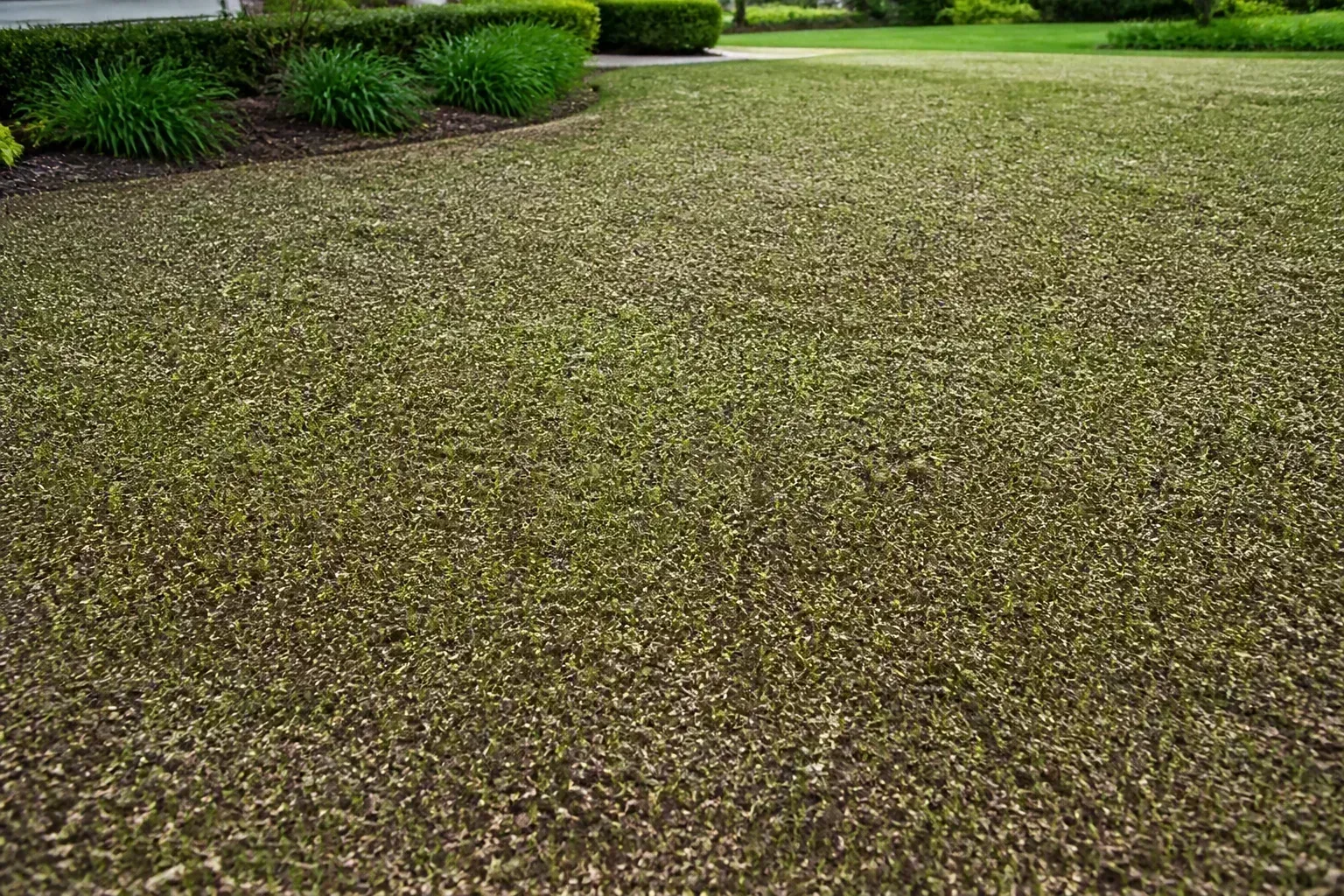
A lawn with thin patches may benefit from seeding soon after core aeration, when the soil is open and small seeds can reach it. The Gardeners’ World autumn lawn-care guide describes loosening bare areas and sowing seed as part of seasonal repair. Match the seed to the grass already growing, the amount of sun, and your climate; a random all-purpose mix can leave visible differences in color, texture, and growth rate.
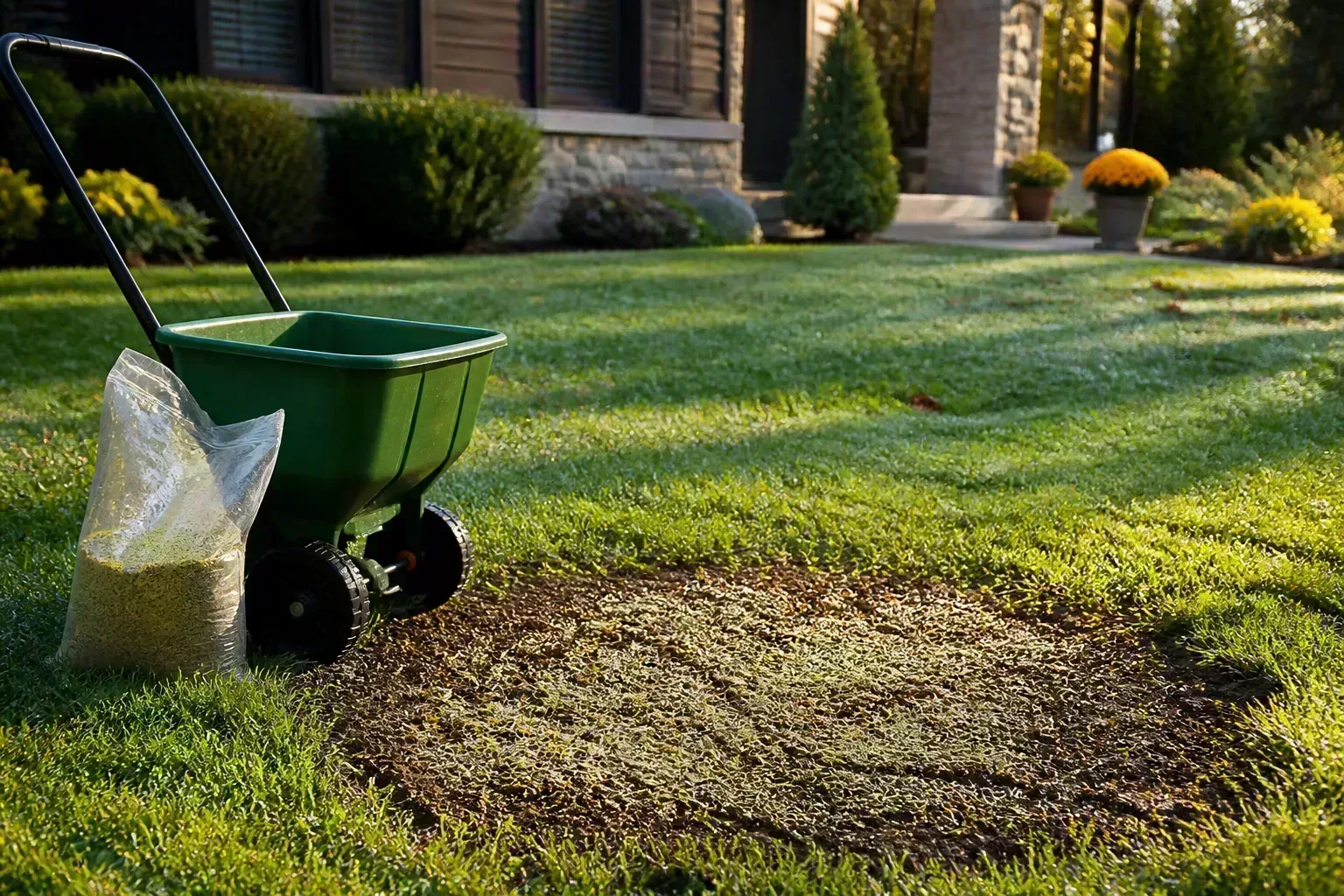
Aeration alone is enough when turf is already dense and your aim is to relieve compaction. If you do overseed, prepare the seedbed as the seed label recommends, distribute seed evenly, and lightly work it so it contacts soil rather than resting on leaves or a thick thatch mat. Avoid aerating and seeding so late that seedlings cannot establish before cold weather. Also check the label and local guidance for herbicides: many pre-emergent products interfere with grass-seed germination, so do not combine a seeding plan with a weed-prevention product without confirming that the timing and label allow it.
For a more complete fall renovation, coordinate aeration with mowing, seed, and water rather than treating it as a stand-alone rescue. Our guides to fall lawn care and how to overseed a lawn cover those separate decisions in more detail.
Water and Fertilize According to the Job You Did
An established lawn that was only aerated does not automatically need daily watering or a fertilizer application. If the weather stays dry, water deeply enough to support active root growth, then let the surface drain. If you seeded, the priority changes: keep the seed zone consistently moist through germination without washing seed downhill or leaving the ground soggy. The light, repeated watering needed by new seed is different from the deeper, less frequent irrigation that established turf usually needs.
Fertilizer should answer a soil or grass need, not simply fill the holes. A soil test is a better basis for lime and nutrient additions than guesswork, and any fertilizer should follow its product label and regional rules. Penn State Extension notes that fall can be an effective time to sample soil and plan amendments, and that the test can clarify pH and nutrient needs. If the lawn looks healthy and the test does not call for a nutrient, aeration is not a reason to apply more.
Reasons to Postpone or Get a Different Diagnosis
Wait if the soil is saturated, frozen, or too dry for the tines to enter cleanly. Postpone if the turf is dormant, severely drought-stressed, or too close to winter to recover from aggressive work. Skip a whole-lawn pass if the only problem is one narrow dog run or worn walkway; aerate the affected zone and reduce repeated traffic where practical.
Choose another remedy if the main issue is shade, a thick thatch layer, disease, pests, a low spot, or runoff from a hard surface. Aeration can improve one part of the soil environment, but it cannot correct every lawn failure. If you test several spots, still cannot explain water pooling, or find a hard layer below the normal tine depth, seek advice from a local extension service or qualified turf professional before repeating the treatment.
Conclusion
Fall lawn aeration is useful when compacted soil is restricting water movement and root growth, not because every lawn needs a yearly appointment with a machine. Confirm the problem with a few simple checks, identify the grass type, and schedule the work while the turf is actively growing and the soil is moist but not muddy. Use a core aerator for meaningful compaction relief, prepare the site carefully, and decide about seed, plugs, topdressing, and fertilizer based on the lawn’s actual condition.
If the ground is too wet, the grass has stopped growing, or the symptoms point to grading, shade, or thatch, waiting is a sound decision. A well-timed treatment on the right part of the lawn will do more than an urgent pass across the whole yard.