Angelina Stonecrop Care: Light, Water, Soil, and More
Learn to grow 'Angelina' stonecrop in sun and sharply drained soil. Get watering, pruning, pot, winter, and spread-control advice for this golden ground cover.
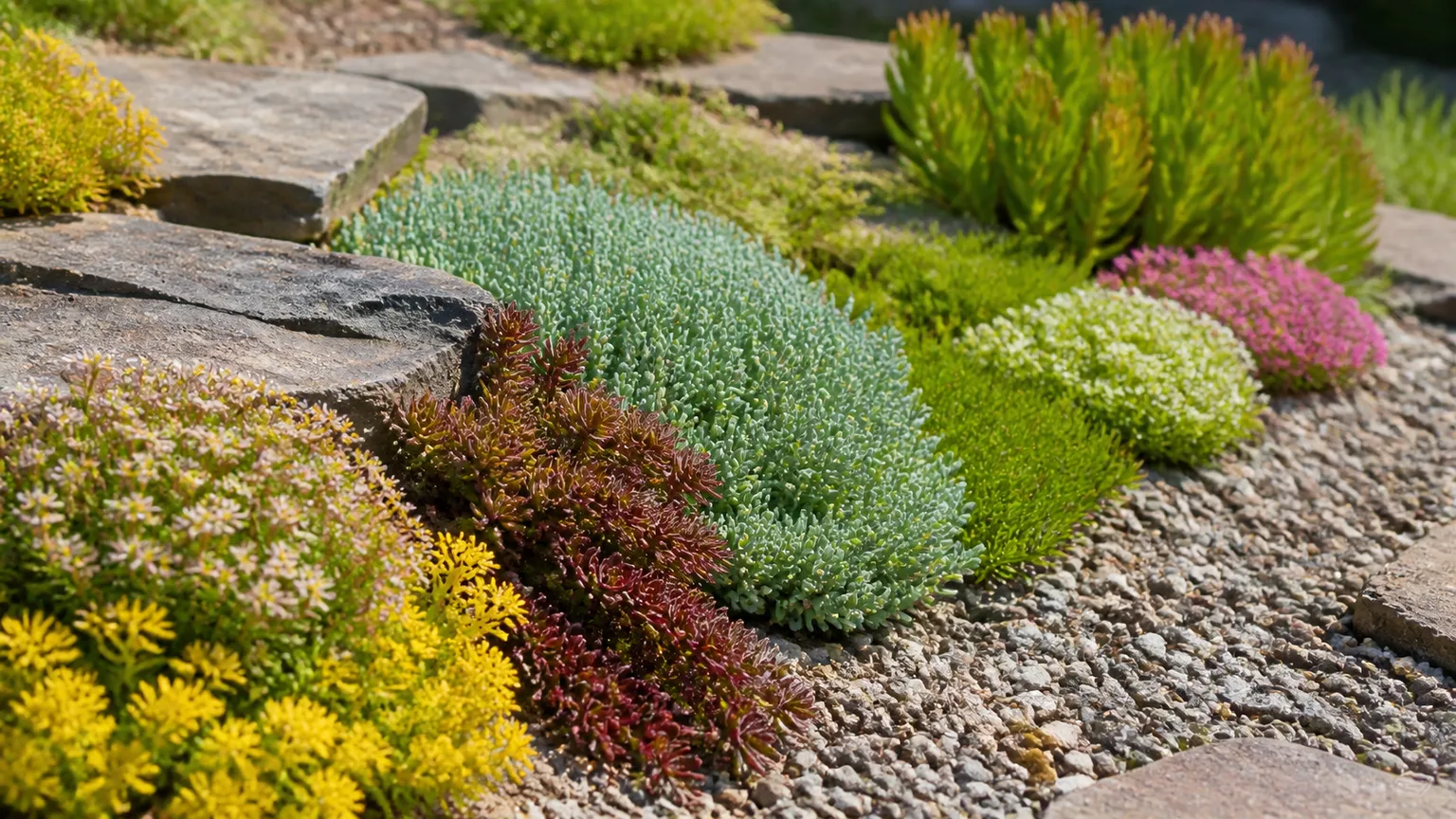
Quick care: sun, sharp drainage, and room to spread
‘Angelina’ stonecrop is an evergreen, low-growing succulent perennial that performs best in a sunny spot with fast-draining soil. Give it water while new roots establish, then let the root zone dry before watering again. Its mat can spread about 1 to 3 feet, depending on growing conditions, so leave space or plan to trim its edges.
| Care factor | Practical target | What to watch |
|---|---|---|
| Botanical name | Sedum rupestre ‘Angelina’, also listed as Petrosedum rupestre ‘Angelina’ | The genus name varies among references |
| Habit | Creeping, mat-forming succulent perennial | Stems can root where they touch soil |
| Height and spread | About 4–6 inches tall and roughly 1–3 feet wide | Nursery spacing and climate change the final footprint |
| Light | Full sun for strongest golden color; light shade tolerated | Hot afternoon sun can stress plants in very hot climates |
| Soil | Sandy, gravelly, or otherwise sharply drained | Persistent wetness is a bigger concern than poor fertility |
| Flower and foliage | Small yellow summer flowers; foliage can turn orange or red in cool weather | Color shifts with season, light, and temperature |
The NC State Extension Plant Toolbox gives a mature height of about 4 to 6 inches and a width of 1 to 2 feet; the Royal Horticultural Society profile lists a mat up to about 60 centimeters wide. Treat either as a planning range, not a guarantee for your yard. A shallow-rooted mat in dry gravel may spread differently from one planted in a sheltered, richer border.
What ‘Angelina’ stonecrop is—and what the name means
‘Angelina’ is a selected cultivar of a low, creeping stonecrop. Many horticulture references use Sedum rupestre ‘Angelina’; NC State Extension uses Petrosedum rupestre ‘Angelina’ and notes the earlier name as a synonym.
The different genus labels refer to the same familiar garden plant, not to two separate cultivars. Keep the cultivar name ‘Angelina’ in mind when you compare labels, because a general “sedum” tag can describe an upright clump or a different creeping species.
The plant forms a dense mat of narrow, cylindrical, succulent leaves. New growth is usually bright gold or chartreuse; summer foliage may appear more yellow-green, and cool autumn weather can bring orange or rusty tips.
Upright stems carry small, star-shaped yellow flowers in summer. Fine Gardening’s cultivar profile describes it as a fast-growing mat for ground cover, rock walls, and containers, while the RHS lists it as a low, mat-forming perennial.
This growth habit is unlike the taller, clumping “showy sedums” that rise above a perennial border and flower in large clusters. ‘Angelina’ sits close to the ground and is valued first for foliage and coverage; do not use care instructions for a tall stonecrop as a pruning schedule for this creeping type. For a side-by-side choice among low stonecrops, see our guide to sedum ground-cover varieties.
Light and climate: balance gold color with summer heat
Choose a site that receives at least six hours of direct sun for the most vivid gold foliage and a compact mat. In lower light, the leaves may look greener and stems can reach outward instead of filling in densely. The RHS profile lists full sun and partial shade; Epic Gardening’s cultivar guide likewise describes full sun as best, with some shade tolerated in very hot conditions.
Acclimate nursery plants that were grown under shade cloth instead of placing them abruptly in intense afternoon sun. Move them outdoors for a gradually longer period over several days, or start them in morning sun with protection from the hottest afternoon exposure. This reduces the chance that sudden light and heat stress will scorch foliage that grew in a sheltered greenhouse.
When partial shade makes sense
In a mild climate, full sun usually helps the foliage hold its golden color and supports flowering. In a region with prolonged heat, reflected heat from paving, or unusually intense summer afternoons, a site with morning sun and light afternoon shade can be a better compromise. The aim is bright exposure without baking the shallow root zone or burning leaves.
If the plant turns greener in partial shade but stays firm and compact, it may simply be expressing a less golden color rather than failing. If stems become sparse and stretched, move it toward more sun gradually. If leaves develop pale, dry patches after a sudden heat wave, reduce afternoon exposure while the plant recovers; do not solve scorch by keeping its soil constantly wet.
Soil and drainage: keep roots out of standing water
Drainage is the first soil decision. ‘Angelina’ tolerates sandy, gravelly, and shallow rocky soils, and it does not need a rich bed. The NC State profile lists good drainage and occasionally dry soil, and the RHS hardy succulent guide recommends sharply drained or poor soils for many hardy succulents.
Before planting in heavy clay, watch the spot after a hard rain. If water remains pooled or the soil stays sticky and saturated for days, choose a raised or sloped position instead of trying to fix the hole with a handful of gravel.
A gravel layer at the bottom of a planting hole does not create an outlet for water trapped in compacted soil. A broad raised bed, a rock crevice, or a container with an open drainage hole gives excess water somewhere to go.
For an in-ground bed, loosen compacted soil across the planting area and blend in mineral grit only when it improves the whole root zone’s drainage. Avoid burying stems under thick compost or water-retaining mulch. A thin mineral top-dressing can keep the surface tidy, but leave the creeping stems visible so they can root and spread naturally.
Watering: adjust to establishment, weather, and pot size
Water newly planted ‘Angelina’ when the upper root zone begins to dry, then allow extra water to drain away. Once it has rooted into the surrounding soil, it tolerates dry periods and usually needs less irrigation than many leafy perennials. Rain, temperature, wind, soil texture, and container size all change how quickly it dries, so a fixed weekly schedule is a poor substitute for checking the soil.
Newly planted in-ground starts
After planting, water slowly enough to moisten the original root ball and the soil just around it. Check again after a few days by touching the soil below the surface rather than judging from the dry top layer alone. During hot, windy weather, check more often; during cool or rainy stretches, you may not need to add water at all.
Continue this establishment routine while the plant is producing roots and new growth. Do not keep the area constantly damp.
If the root ball is still wet several days after watering, stop and improve drainage before watering again. New transplants may wilt briefly in strong heat, but extra water will not correct heat stress when the soil is already moist.
Established mats and container plants
For an established bed, water during a prolonged dry spell when the root zone is dry and the foliage begins to lose firmness. Soak the soil, then wait for it to dry again. Regular shallow sprinkles encourage frequent surface moisture and can leave a shallow-rooted plant vulnerable to rot without helping it become drought tolerant.
Containers need closer checks because wind and sun can dry a small pot faster than the garden bed. Water thoroughly until water exits the drainage hole, empty the saucer, and let the mix dry before repeating.
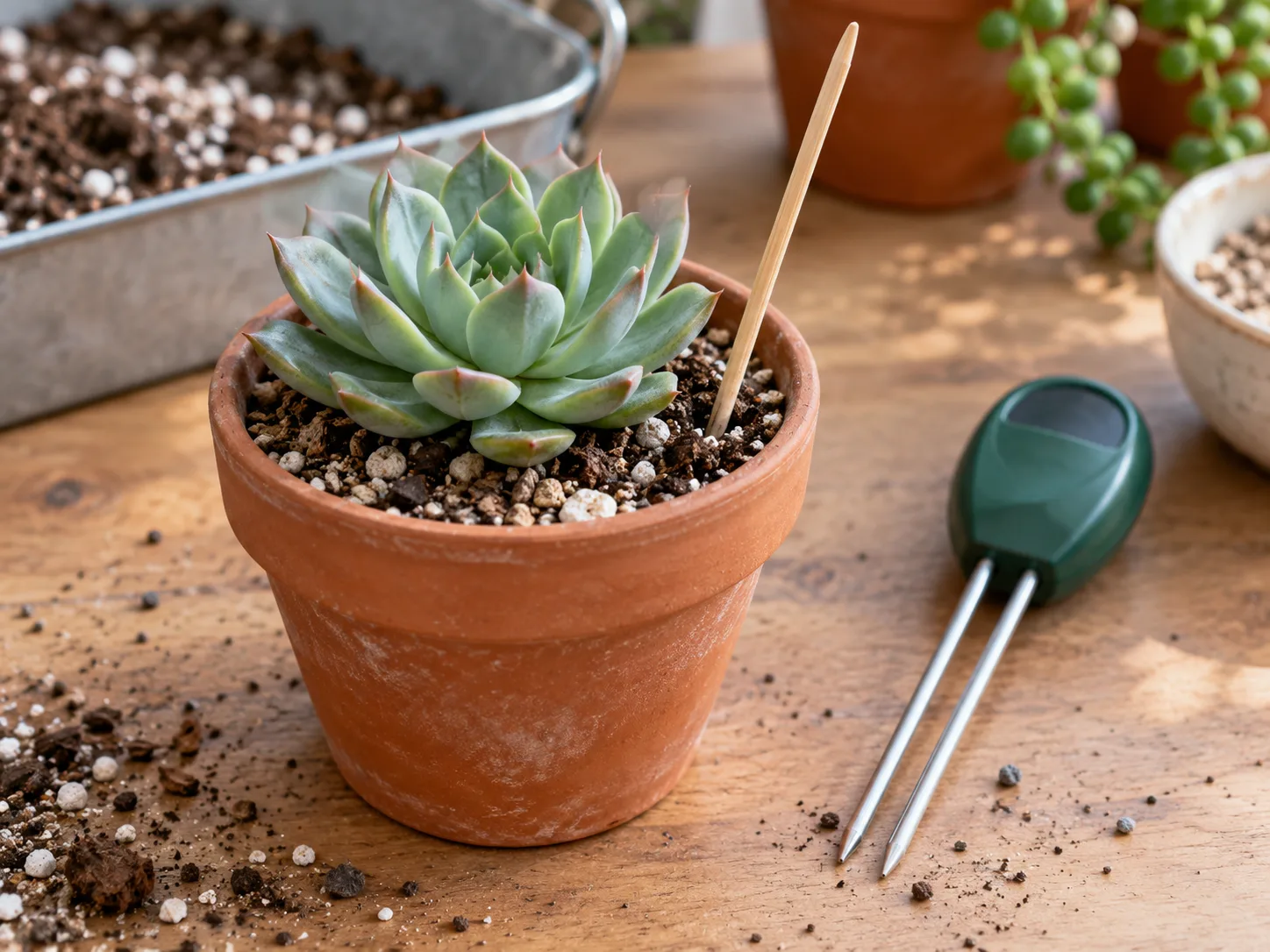
Use a finger or wood skewer to check below the surface; a dry-looking crust does not prove the whole pot is dry.
Our succulent watering guide explains how to adjust the interval for light, temperature, and container size.
Plant ‘Angelina’ as a ground cover without losing control
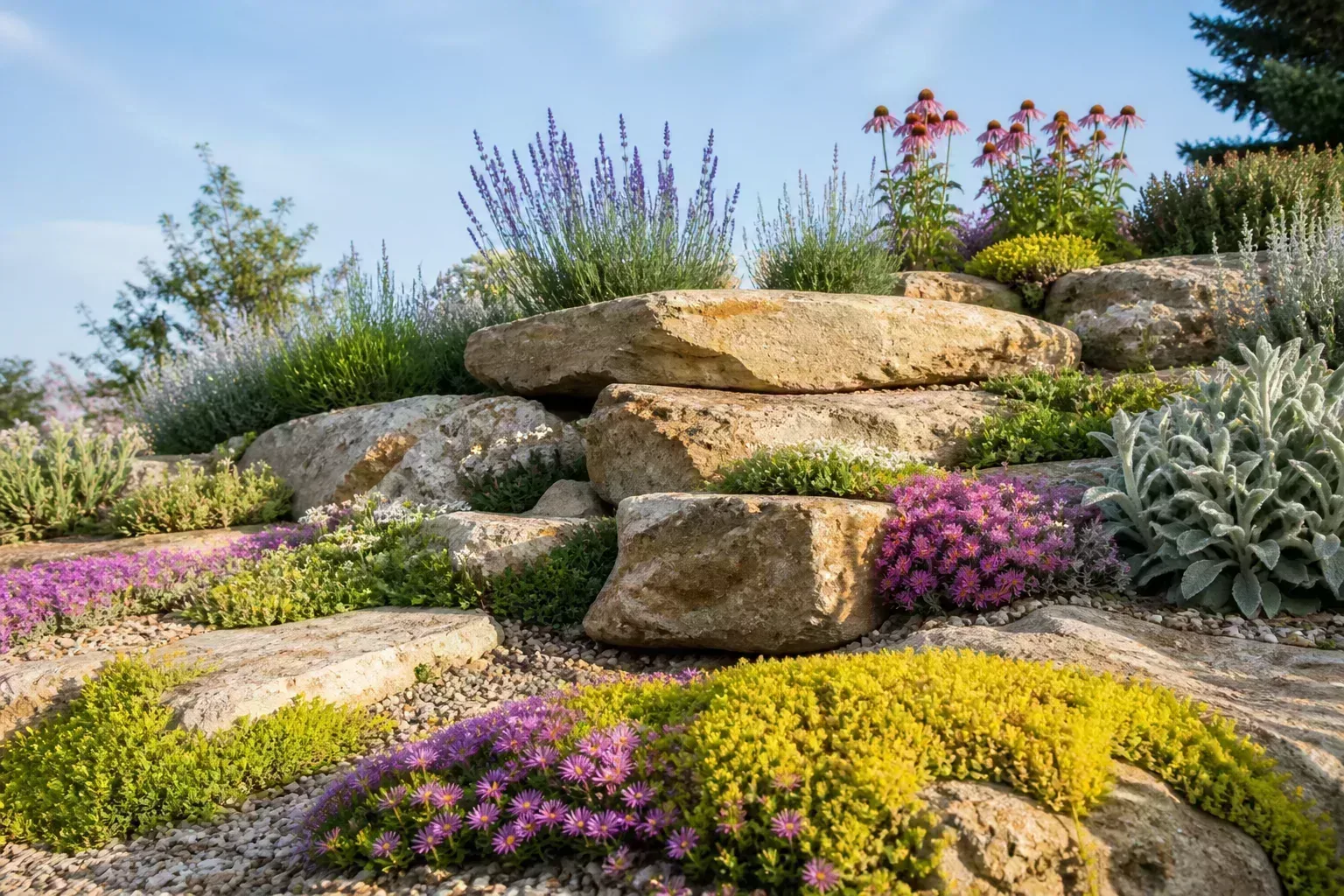
Use ‘Angelina’ where its low, bright mat can soften a gravel path, fill a sunny rock garden, spill over a retaining wall, or edge a dry border. It is less useful in a damp bed or a planting where slow-growing alpine plants need to keep their own space. Its spreading habit is part of its appeal, but the same trait means a little placement planning saves repeated cleanup later.
Do not treat it as a lawn substitute for foot traffic. The shallow stems can break under repeated walking, leaving thin areas that take time to fill. Place stepping stones through the area and use the sedum in the gaps or beside the path rather than directly in the walking lane.
Spacing and edge control
For a connected mat, start plants about 12 to 18 inches apart, adjusting toward the wider end if you want more room for edge maintenance. The exact time to close gaps depends on sun, drainage, water, and the size of each transplant. Epic Gardening’s cultivar guide gives a similar 12–18-inch spacing range for plants to form a mat.
A small liner may leave bare ground for a season; that is normal, and crowding plants too tightly can make it harder to inspect and weed the bed.
Set a boundary before stems reach neighboring plants. A shallow edging strip, a clear gravel margin, or a hard path makes the runners easy to see.
Inspect the perimeter during active growth and lift stems that have rooted beyond it; snip the connection and remove any unwanted rooted pieces. Do not leave pulled fragments on damp soil if you are trying to reduce spread, because pieces with viable nodes may root again.
‘Angelina’ is described as a rapid, mat-forming plant, but “fast spreading” is not the same as a universal invasive-plant designation. Local climate and nearby habitat matter. Check your state or regional invasive-plant guidance before planting it near natural areas, and choose a more restrained ground cover if you cannot monitor its edges.
Grow ‘Angelina’ in containers and rock walls
Containers are useful when the garden soil stays too wet or when you want to control the plant’s footprint. Pick a broad, shallow pot with a drainage hole; a deep container is not required for its shallow roots and can hold more wet mix than the plant needs.
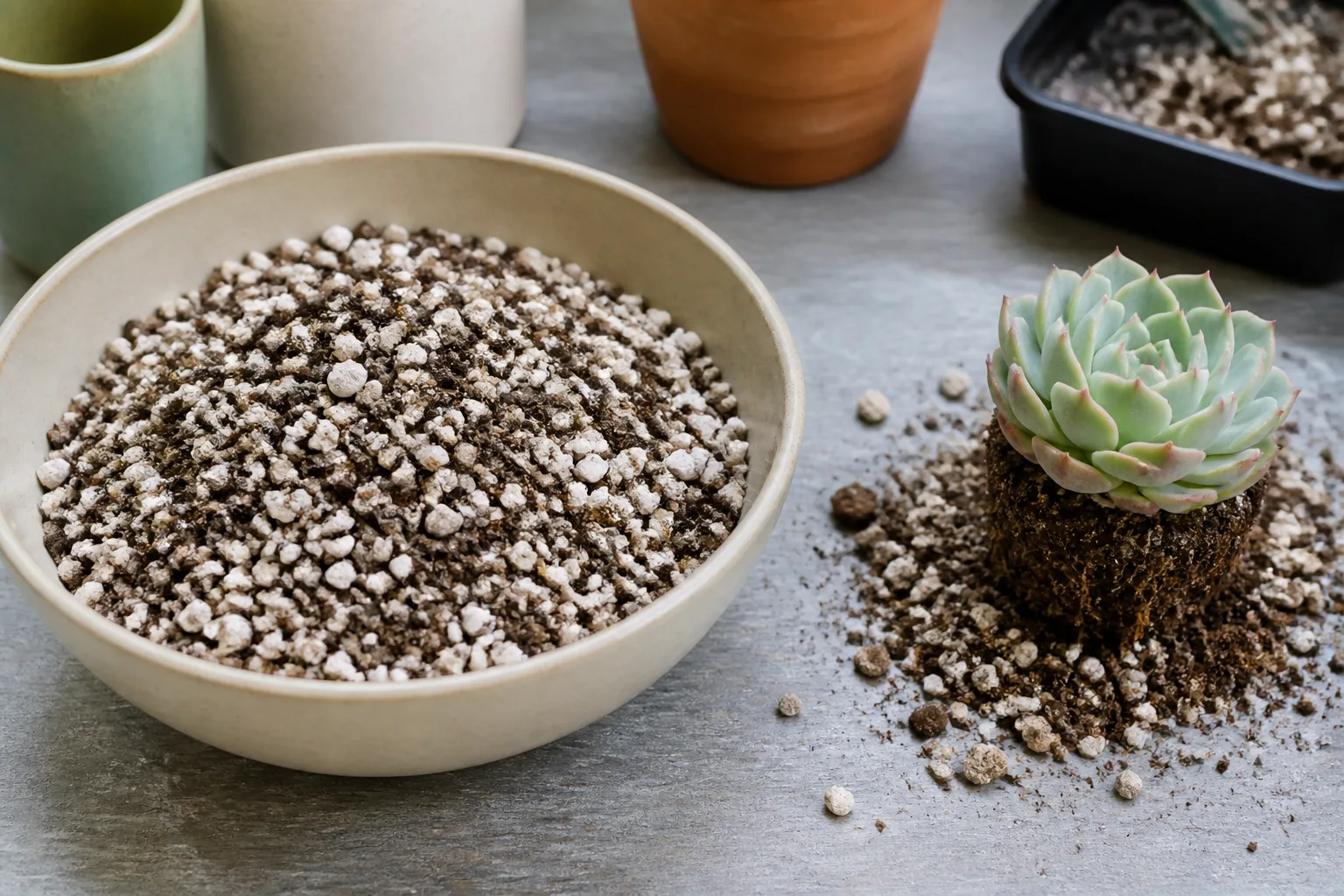
A commercial cactus-and-succulent mix can work if it drains freely. If water remains in the mix for too long, blend in pumice or another coarse mineral amendment rather than increasing watering frequency.
A pot on a sunny patio may dry quickly in wind, but do not assume a dry surface means the entire root ball needs water. Check below the top layer and soak only when the root zone has dried.
If the pot sits inside a decorative cachepot, remove standing water after irrigation. A tray that remains full can keep the roots wet even when the mix itself is suitable.
In a wall crevice, use a rooted plug rather than pushing loose leaves into a gap where they may dry before they establish. Place the root ball in a pocket that drains freely, firm it gently, and water it in once. Watch the first weeks more closely than later seasons; the exposed position can dry quickly, but repeated watering into a narrow, shaded crevice can also trap moisture.
Outdoor containers experience colder root temperatures than plants in the ground. The RHS notes that hardy succulents in pots may need shelter or insulation in cooler regions. Use local hardiness guidance for your cultivar and container; move the pot to a protected position or insulate it when severe cold is expected, while still allowing excess water to escape.
Feeding, flowering, pruning, and seasonal upkeep
Routine fertilizer is usually unnecessary. ‘Angelina’ grows naturally in lean, rocky conditions, and excess nitrogen can produce softer growth that spreads loosely instead of forming a compact mat. If the bed is genuinely depleted, improve it modestly with a thin layer of compost in spring; do not apply concentrated fertilizer just because growth seems slow before the plant has established.
The foliage provides most of the year-round interest. Small yellow flowers appear on stems above the mat in summer, though bloom quantity varies with maturity, light, and growing conditions.
If flowers are sparse, check sun and drainage before feeding the plant. A recently divided or newly planted mat may spend its first season rooting rather than producing a large display.
Spring cleanup and summer flowers
In spring, remove dead or damaged pieces and clear debris caught in the mat. Avoid raking roughly through the shallow stems. If a section has become crowded, lift and divide it while new growth is beginning, or trim the perimeter to keep the bed within its boundary.
Let yellow flowers finish if you enjoy them and want to support visiting pollinators. After they fade, clip spent flower stems if you prefer a tidier look; flowering is not a signal that the whole plant needs a hard cut.
Use clean pruners if you remove damaged foliage. NC State Extension notes that the sap may irritate some people’s skin, so wear gloves if you have sensitive skin and wash sap from exposed areas.
Fall color and winter survival
Cooler weather can shift the foliage toward orange or rusty red, especially on exposed plants. That change is normal when leaves remain firm. It is different from a wet, collapsing base or blackened stems, which point toward stress or rot and need a soil check.
NC State Extension lists ‘Angelina’ across USDA zones 5a through 9b, while Fine Gardening lists zones 6 through 9. Such differences are a reminder that hardiness ratings can vary among references and conditions.
Check the plant tag and local nursery guidance, especially near the edges of a zone. An established planting may overwinter outdoors where locally hardy; a pot has less protection and may need shelter from prolonged freezes and winter wet.
Propagate ‘Angelina’ by cuttings and division
Vegetative propagation is the reliable way to keep the parent plant’s foliage color and creeping habit. The RHS lists softwood cuttings, and Fine Gardening recommends early-summer cuttings or spring division. Start with a healthy, firm stem and clean scissors or pruners.
For a stem cutting, choose a nonflowering tip a few inches long and remove leaves from the lower portion. Set the bare stem into a small pot of gritty, free-draining mix, or lay the cutting on the surface with a node touching the mix.
Keep it in bright light while roots form and maintain slight moisture around the cutting without leaving the pot wet. New growth or gentle resistance when tugged suggests it has rooted; then acclimate it gradually to outdoor sun.
To divide a mat, lift a section with both foliage and roots in spring. Separate it into manageable pieces with a clean knife or by hand, and replant each division at the same depth.
Water it in, then return to the dry-down routine as the roots re-establish. Dividing also works as an edge-control method when the planting has grown beyond its allotted space.
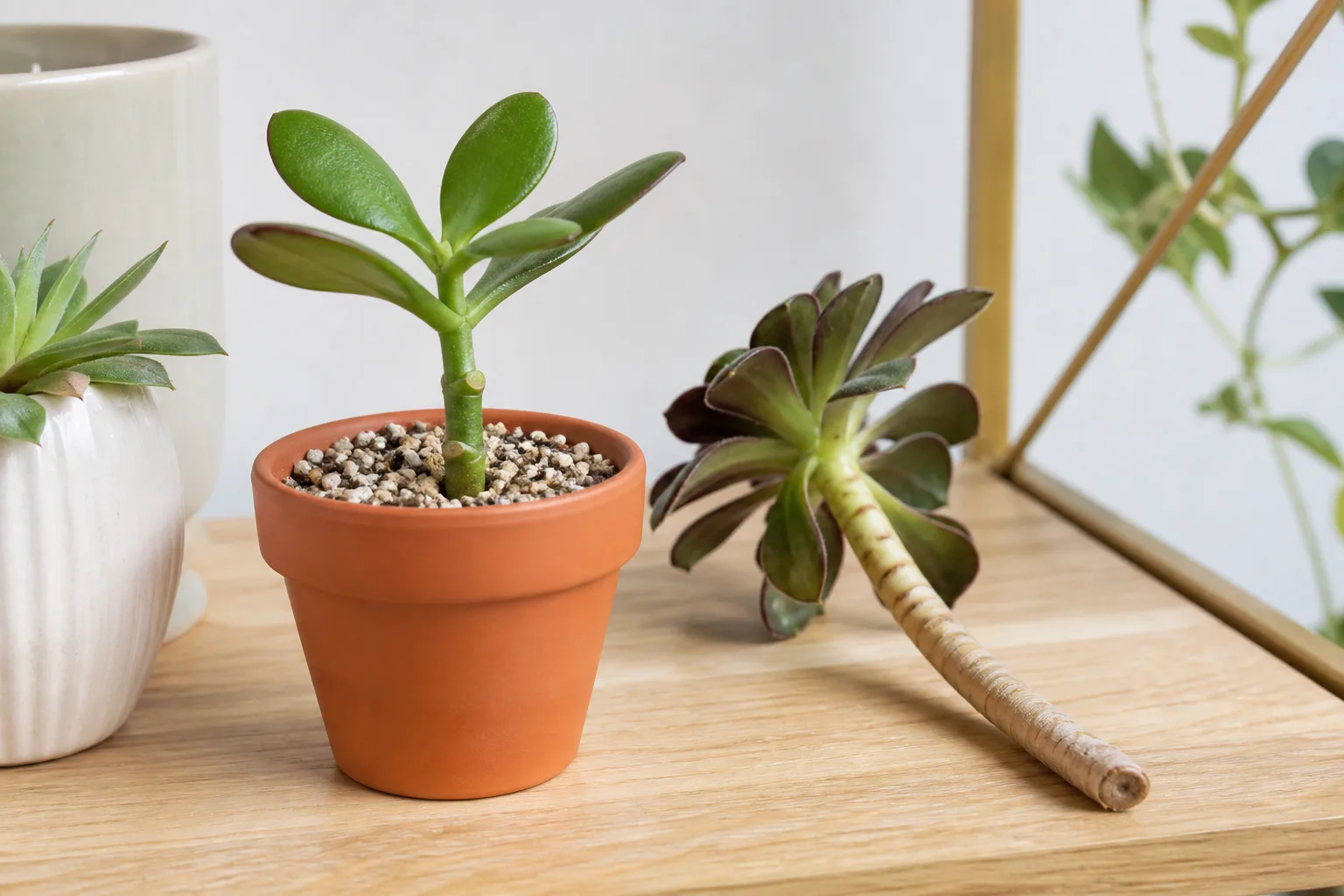
For other succulent propagation approaches, see our guide to propagating succulents.
Troubleshoot ‘Angelina’ stonecrop problems
Most problems trace back to a mismatch between the plant’s site and its needs. Inspect the root zone first, then compare light and recent weather. A firm plant changing color in autumn is not the same as one with mushy stems after a rainy week.
| What you see | Likely check | First response |
|---|---|---|
| Soft, dark stem bases or leaves dropping | Soggy soil, blocked drainage, or prolonged rain | Pause irrigation, move healthy rooted sections to drier soil, and discard rotted tissue |
| Pale or scorched patches after hot weather | Sudden intense sun or reflected heat | Give temporary afternoon shade and acclimate gradually |
| Green, loose, or stretched growth | Too little light, excessive fertility, or crowding | Increase light gradually, reduce feeding, and thin crowded edges |
| Ragged leaf holes, slime trails | Slugs or snails in damp hiding places | Inspect at dusk and remove the pest or shelter; correct persistently wet conditions |
| Few flowers | Recent planting, limited sun, or poor drainage | Allow time to establish and reassess exposure before fertilizing |
Soft stems, dark bases, or sudden leaf loss
Water-soaked or translucent foliage, a soft crown, and black or brown stem bases deserve an immediate drainage check. Pull back the surface dressing and feel the soil below the plant. If it is wet for days, stop watering and correct the cause: a clogged pot hole, a low pocket that collects runoff, compacted clay, or excess irrigation.
If rot is limited to one part of a mat, remove the collapsed section and keep healthy stems that have not softened. Replant only firm pieces in a dry, free-draining spot.
Do not cover rotting growth with fresh compost or apply fertilizer to “help it recover.” NC State Extension warns against wet or poorly drained conditions for this cultivar; the RHS succulent guide also describes rots associated with excess moisture and poor cultivation.
Weak color, open growth, or little flowering
A greener plant is not automatically unhealthy: foliage can look more yellow-green in summer and turn orange in cooler weather. If the leaves are firm but the mat has become loose, check whether surrounding plants or a wall now shade it for much of the day. Increase sun gradually rather than moving a shaded plant into an abrupt blast of hot afternoon light.
A plant in a rich, frequently watered bed may also spread softly and lose its tidy outline. Reduce routine watering, skip fertilizer, and clip stems that have crossed the bed edge.
If an established, well-lit plant still produces few flowers, give it a season after transplanting or division before judging its bloom. Occasional scale, mealybugs, slugs, or snails can be inspected directly; Fine Gardening lists these as possible pests. Avoid treating the whole mat unless you have identified a real pest problem.
Conclusion
‘Angelina’ stonecrop is a strong choice for a sunny, sharply drained site where a low golden mat can spread without crowding delicate neighbors. Give new plants enough water to establish, then let the soil dry between waterings. Keep fertilizer light, trim runners that cross a visible boundary, and use a pot or raised rock garden if the native soil stays wet.
Its color changes through the year, and regional sources do not give exactly the same hardiness rating. Use the local plant tag and climate as your guide, protect container roots where winters are harsh, and diagnose dark or soft growth by checking drainage first. With those limits in mind, ‘Angelina’ offers durable foliage, summer flowers, and easy propagation without demanding a complicated care routine.