How to Get Rid of Mold on Any Home Surface
Learn how to get rid of mold on tile, wood, clothes, appliances, and walls, and when porous materials or a large cleanup need professional help.
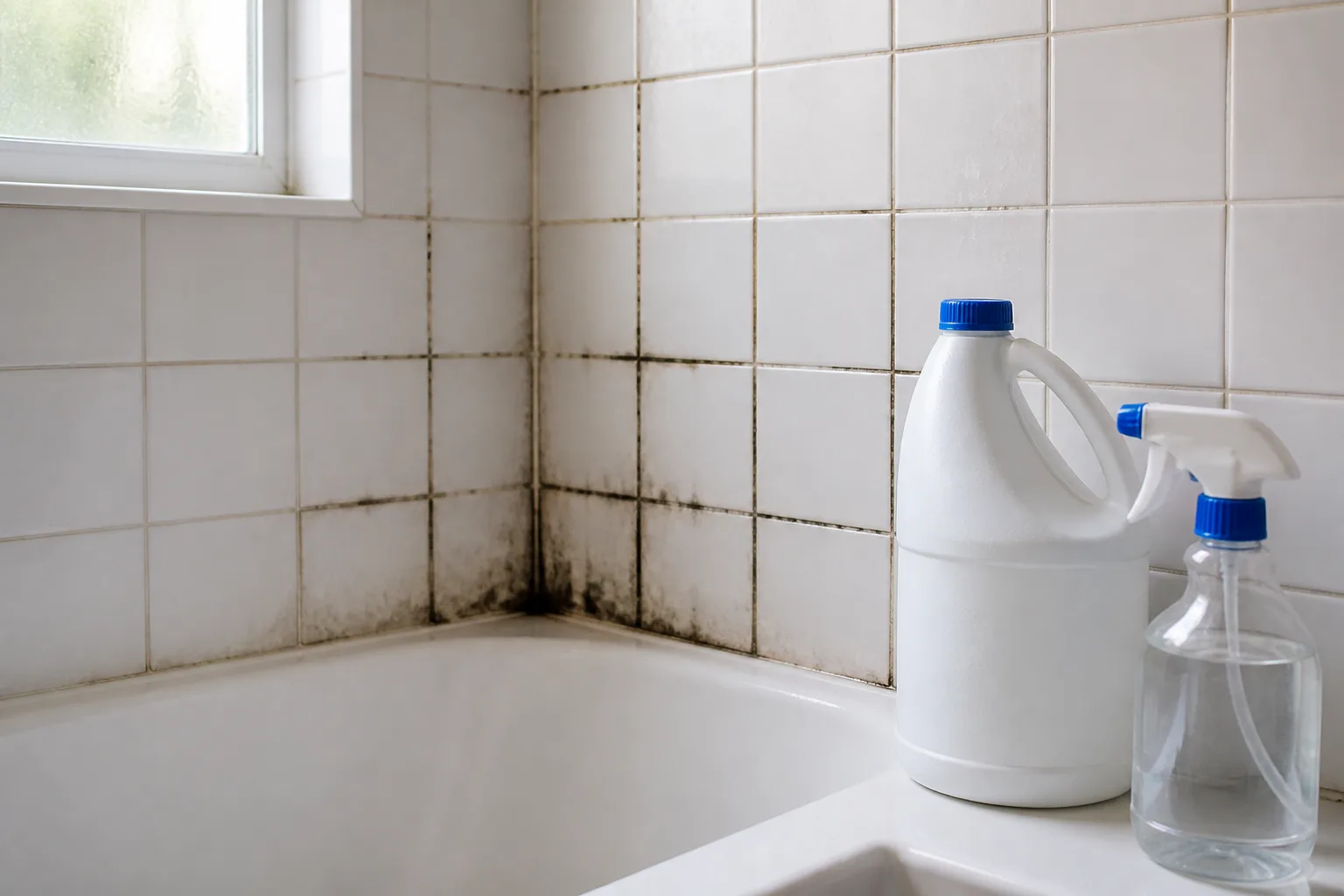
The right way to remove mold depends less on its color than on what it is growing on, how far moisture has traveled, and whether you can dry the material completely. A small patch on a glazed tile is usually a cleaning job. Growth on drywall, carpet padding, insulation, or a water-damaged sofa may be inside the material, where wiping the visible face cannot solve the problem.
Start by stopping the water or condensation that feeds the growth. For a small, accessible patch on a sound hard surface, the EPA’s household cleanup guidance says to scrub with detergent and water, then dry completely. Clothing, wood finishes, appliances, and porous building materials each need a different decision. The guide below helps you choose the surface-specific next step without treating bleach, vinegar, or another cleaner as a universal fix.
First Decide Whether This Is a Small Cleanup
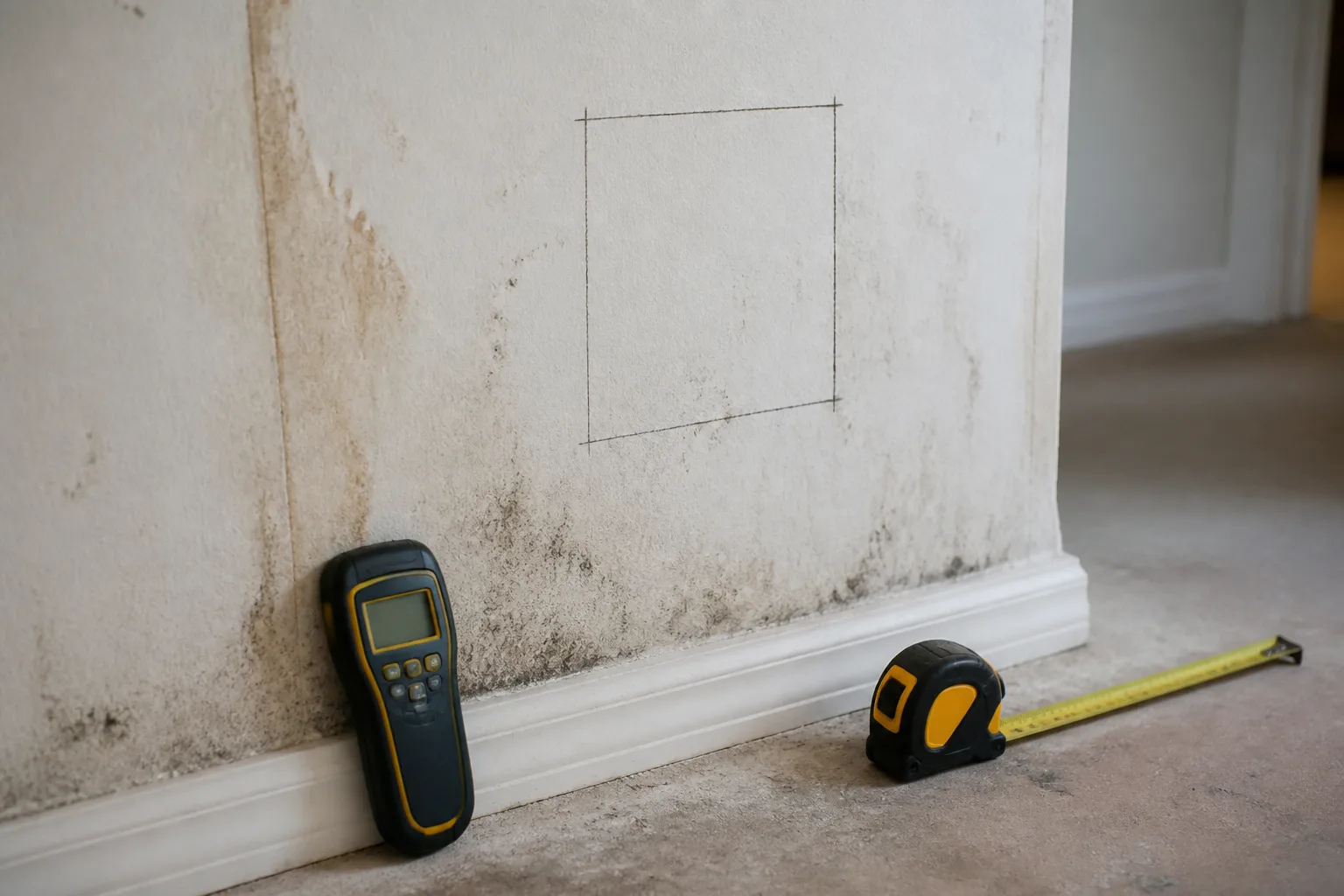
Before reaching for a brush, decide whether the job is limited enough to handle safely. The EPA says that, in most cases, a homeowner can clean an area smaller than about 10 square feet—roughly a 3-foot-by-3-foot patch—but advises consulting its remediation guidance after extensive water damage or when the visible area is larger. That figure is a screening point, not a guarantee that every smaller patch is a do-it-yourself job.
Pause and get qualified help if water came from sewage or another contaminated source, if growth is hidden behind walls or flooring, if it involves heating or cooling equipment, or if the building material is soft, swollen, crumbling, or repeatedly wet. A small visible stain can sit over a larger leak; a musty odor that returns after cleaning can point to a damp cavity or underlayment. The New York State Department of Health likewise recommends a contractor for large mold problems or when someone is highly sensitive to mold.
Health matters as much as square footage. The CDC advises people with allergies, immune suppression, or underlying lung disease—including asthma and COPD—not to take part in mold cleanup. If a household member has a health concern, ask a health professional before starting; keep children and anyone vulnerable away from the work area while cleanup is underway.
Find the Moisture Source and Map the Damage
Look for the condition that kept the surface wet: a leaking supply line, roof or window leak, overflowing appliance, condensation on a cold pipe, poor bathroom ventilation, or a damp basement wall. Mold that returns in the same corner is useful evidence that moisture is still reaching the material. Wiping the spot again without correcting that condition treats the symptom, not the reason it formed.
Photograph the area before moving furniture, then inspect the nearby baseboard, back of stored items, cabinet floor, and the other side of the wall if accessible. Do not pry open a wall just to see what is inside; that can disturb more material than the original patch. If the source or extent remains unclear, an experienced building or remediation professional can inspect the moisture pathway.
You usually do not need a home test to decide what to do with visible growth. Color is not a sound way to decide that a patch needs a special treatment: the CDC says it is unnecessary to determine mold type because all molds should be treated the same with respect to potential health risks and removal. A surface sample also does not tell you whether cleanup fixed the leak. The EPA says routine sampling is generally unnecessary when visible mold is present; focus first on the water problem and the material that needs cleaning or removal.
A Safer Cleanup Sequence for a Small Area
For a small patch on a surface that can tolerate cleaning, use a simple sequence: remove the source of moisture, prepare the work area, physically remove the visible growth with a suitable cleaner, and dry the surface fully. Do not begin by spraying a mist into the air or by dry-brushing the growth. The objective is to lift and remove residue while limiting how much material becomes airborne.
For sound hard surfaces, detergent and water are a conservative starting point. Public guidance differs on disinfectants: the EPA emphasizes detergent and water for household hard surfaces, Wisconsin’s health department says bleach is typically unnecessary except in situations such as sewage contamination, and the CDC says bleach or dish detergent can be used. That is why a concentrated bleach recipe should not be applied to every room and material. Choose a product only when its label and the surface manufacturer say it is appropriate.
If you do use a bleach-based product, use only that product as directed, provide fresh air, and wear the protective equipment specified on its label. The CDC says never mix bleach with ammonia or any other cleanser. Do not combine or layer bleach with vinegar, peroxide, toilet cleaner, or another household product; a second product is not a harmless “follow-up” simply because the first one has been wiped away.
Protect People and Keep Spores From Spreading
Keep children, pets, and other household members out of the immediate work area. Avoid shaking, dry-scrubbing, sanding, or using an ordinary vacuum on visible mold. A damp cloth or careful wet-cleaning method is less likely to kick settled material into the air than aggressive dry disturbance. Put used disposable cloths in a bag and close it before carrying it through clean areas.
The CDC recommends at least a NIOSH-approved N95 respirator, gloves, and goggles that seal against dust for mold cleanup. This is particularly relevant when cleaning more than a trivial surface film or handling mold-damaged belongings. If you cannot use appropriate protection, feel unwell, or find that the work is larger than expected, stop and arrange help instead of pushing through.
Ventilate with clean outdoor air when conditions allow, but do not aim a fan across the moldy spot toward the rest of the home. For larger remediation, containment and air control are a professional task. A This Old House report on mold issues describes how professional wall removal uses barriers and controlled airflow to keep disturbed material in the work area. On a small patch, ventilation is not a substitute for protective equipment, and a fan cannot make moldy drywall or carpet safe to keep.
Clean Mold From Hard, Nonporous Surfaces
Glazed tile, glass, stainless steel, hard plastic, and intact painted metal do not absorb water the way carpet or wallboard does. If growth is limited to the exposed surface and the item is structurally sound, wet the cloth or brush with a suitable detergent solution, gently scrub until the visible film is gone, and wipe away residue with clean water if the product instructions call for it. Dry with a clean towel, then allow the surface to finish air-drying.
Use a soft brush or cloth first; a scratch can make a smooth surface harder to clean next time. Work in manageable sections and change the cloth when it becomes dirty instead of wiping loosened growth back across the surface. If the finish changes, the surface starts to pit, or the mold returns quickly, stop and investigate moisture rather than increasing chemical strength or scrubbing harder.
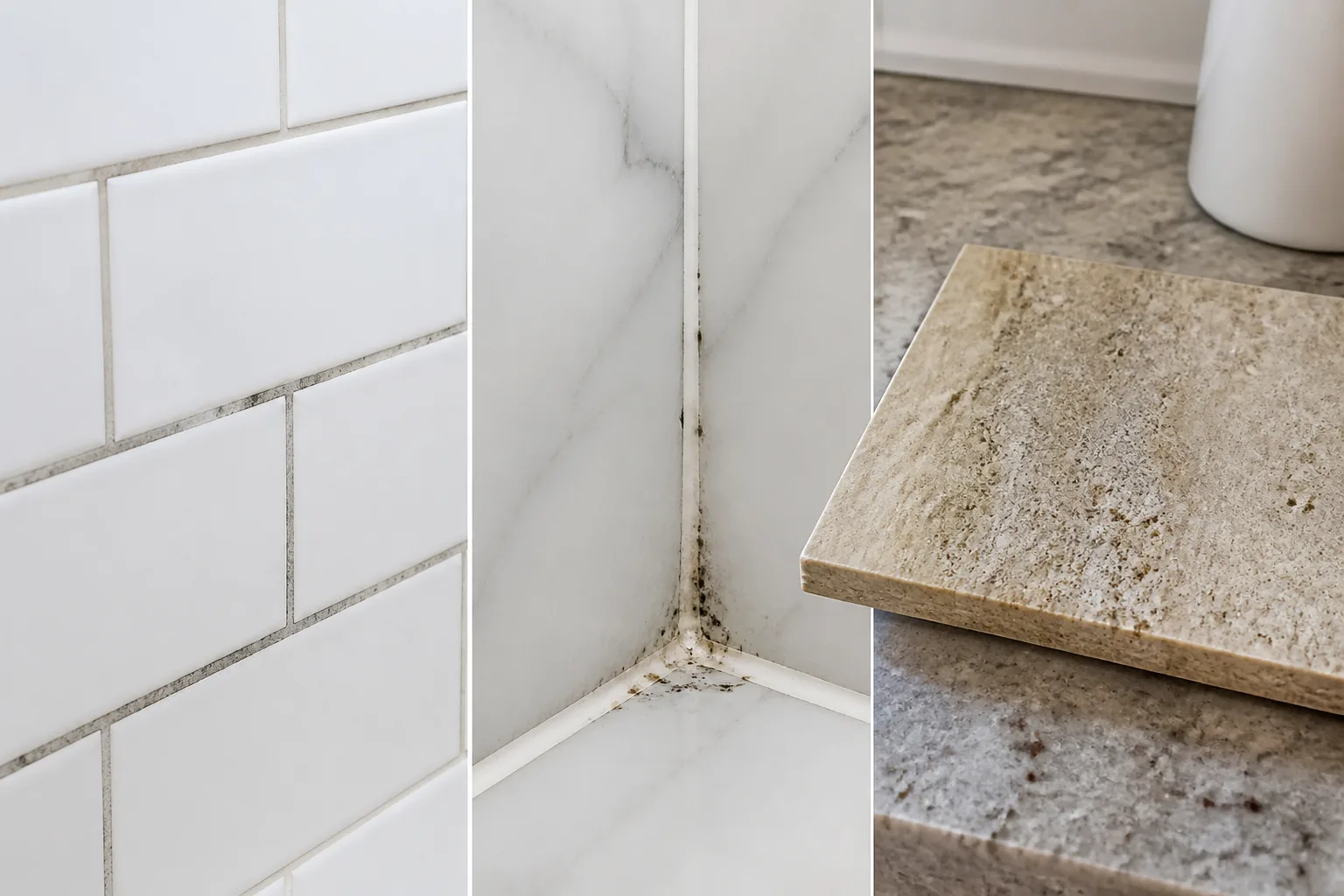
Tile, Grout, Glass, Metal, and Counters
On ceramic or porcelain tile, clean the tile face and the grout separately. Grout is more absorbent than glazed tile, so mold can stain or persist in a joint even when the tile itself wipes clean. Use a cleaner approved for the grout and tile, a small soft or medium brush, and modest pressure; rinse and dry as its label directs.
If grout is cracked, missing, or repeatedly moldy, water may be getting behind the tile. Loose tiles, a soft wall, swollen trim, or a musty smell from the wall cavity are reasons to investigate the assembly, not to keep bleaching the grout line. Damaged caulk may need to be removed and replaced only after the area is dry and the underlying leak is fixed.
For glass, plastic, and stainless steel, use a mild cleaner that the manufacturer permits. Food-contact counters, refrigerator interiors, and items used for cooking need extra attention: remove visible soil, rinse as appropriate, and follow the surface or appliance instructions before preparing food. A product’s mold claim does not automatically make it suitable for a food-contact surface.
Concrete, Brick, and Natural Stone
Concrete and masonry are hard but can absorb water through pores and cracks. A small, exposed patch on intact concrete can often be scrubbed with detergent and water, then dried. Avoid soaking a basement wall or forcing water into cracks; if moisture is entering from outside, cleaning the interior face will not correct the source.
Natural stone varies. Marble, limestone, and other finishes can be damaged by acids or abrasive scrubbing, so do not assume vinegar, bleach, or a generic bathroom spray is compatible. Check the stone supplier’s care instructions and use a stone-safe product. For mold that extends into porous masonry, keeps reappearing, or is associated with seepage, get the water problem assessed before trying a stronger cleaner.
Outdoor concrete or brick can sometimes be washed, but protect nearby plants, metals, and runoff-sensitive areas from any cleaner. Use only a label-approved product for the exterior surface and follow its dilution and rinse instructions. Pressure washing is not a default mold treatment: a high-pressure stream can drive water into joints, damage mortar, and disperse debris.
Treat Finished and Unfinished Wood Differently
A small spot on sound, sealed wood furniture may be cleaned with a barely damp cloth and a wood-safe detergent, after a test on an inconspicuous area. Wipe rather than soak, follow with a clean damp cloth if the cleaner requires rinsing, and dry immediately. Water left around joints or veneer can swell the wood or loosen a finish.
Unfinished framing lumber is porous, but a small amount of surface growth on structurally sound wood may be cleanable by someone equipped to control dust and dry it properly. If the wood is soft, deeply stained, warped, or moldy inside a wall or cabinet, cleaning only the visible face is not enough. Have a professional assess the extent, especially where the wood supports the structure or where insulation and drywall are also affected.
Do not sand moldy wood indoors, paint over a damp spot, or apply a sealant to hide discoloration. A stain can remain after the growth is removed, but a clean-looking coat of paint does not prove the material underneath is dry or sound. Refinish only after the moisture source is corrected and the wood has dried.
Know When Drywall, Carpet, and Upholstery Need Removal
Porous materials have openings and layers that can hold moisture and growth below the visible face. The EPA notes that mold may be difficult or impossible to remove completely from absorbent materials such as carpet and ceiling tile. Drywall, wallpaper, insulation, carpet backing, padding, particleboard, mattresses, and upholstered cushions deserve a more cautious decision than tile or glass.
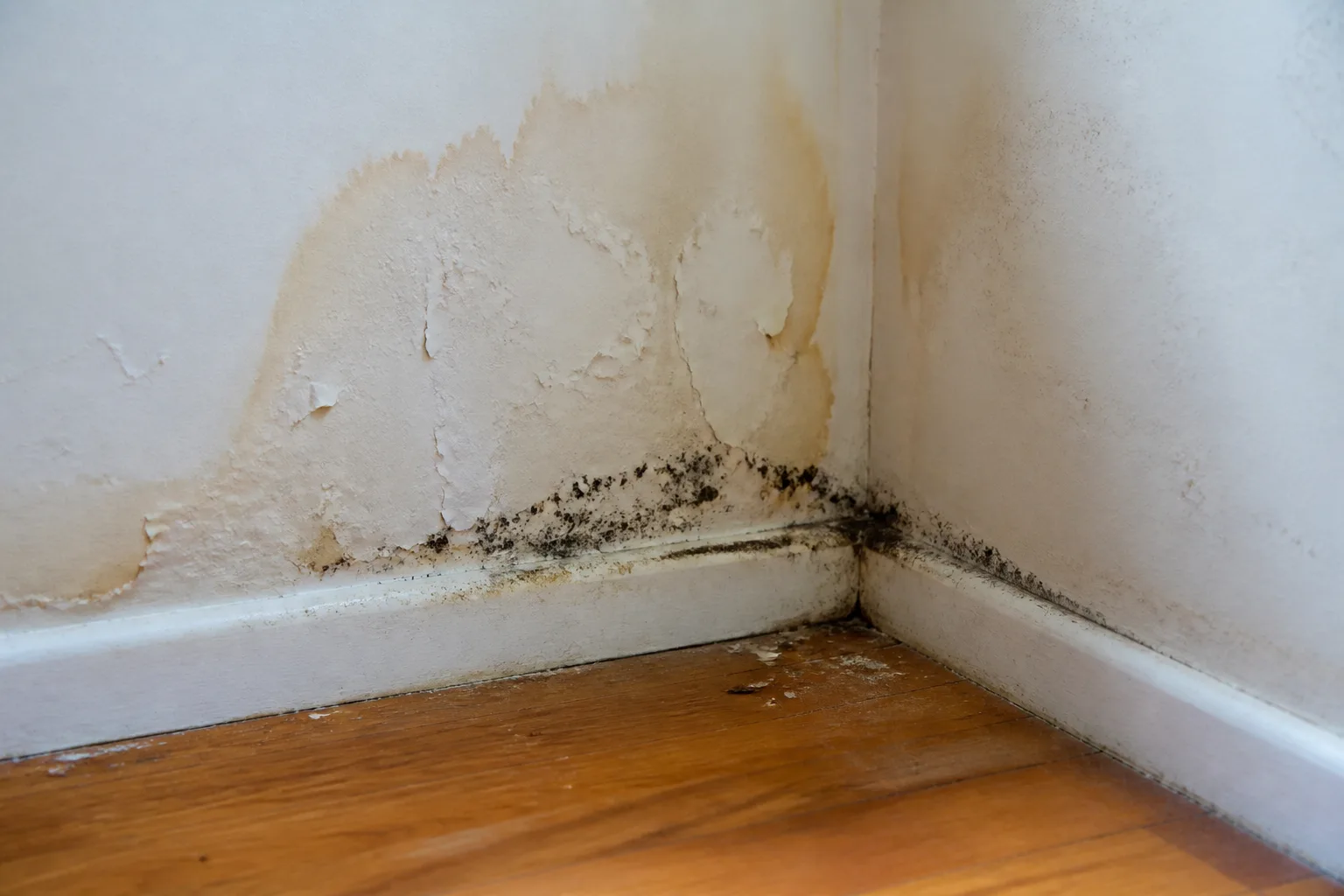
If mold is growing on drywall or ceiling tile, if the paper surface is peeling, or if the board is swollen or soft, do not saturate it with bleach or scrub until the paper sheds. The affected material may need to be removed and replaced after the leak is fixed. A tiny surface spot on intact painted wallboard is not the same as mold that has penetrated the paper or cavity; if you cannot tell, if it comes back, or if the area is larger than a small patch, ask a remediation professional.
Carpet and its pad can look clean on top while remaining damp underneath. If water reached the pad, the carpet stayed wet, growth is visible on the backing, or the source was sewage or floodwater, arrange assessment and expect that some materials may need disposal. Do not use a steam cleaner, deodorizer, or household vacuum to mask or redistribute a problem that extends below the pile.
For upholstery, distinguish a removable, washable cover from the foam or cushion beneath it. A small surface mark on a washable cover may respond to laundering, but a wet cushion or growth inside a sofa is difficult to clean and dry thoroughly. The New York health department’s mold guidance lists carpeting, paper, and drywall among porous materials that may need to be discarded when growth is extensive. Valuable furniture can go to a restoration specialist; ordinary household spray is not a reliable way to clean its interior.
Wash Mold From Clothing, Linens, and Shower Curtains
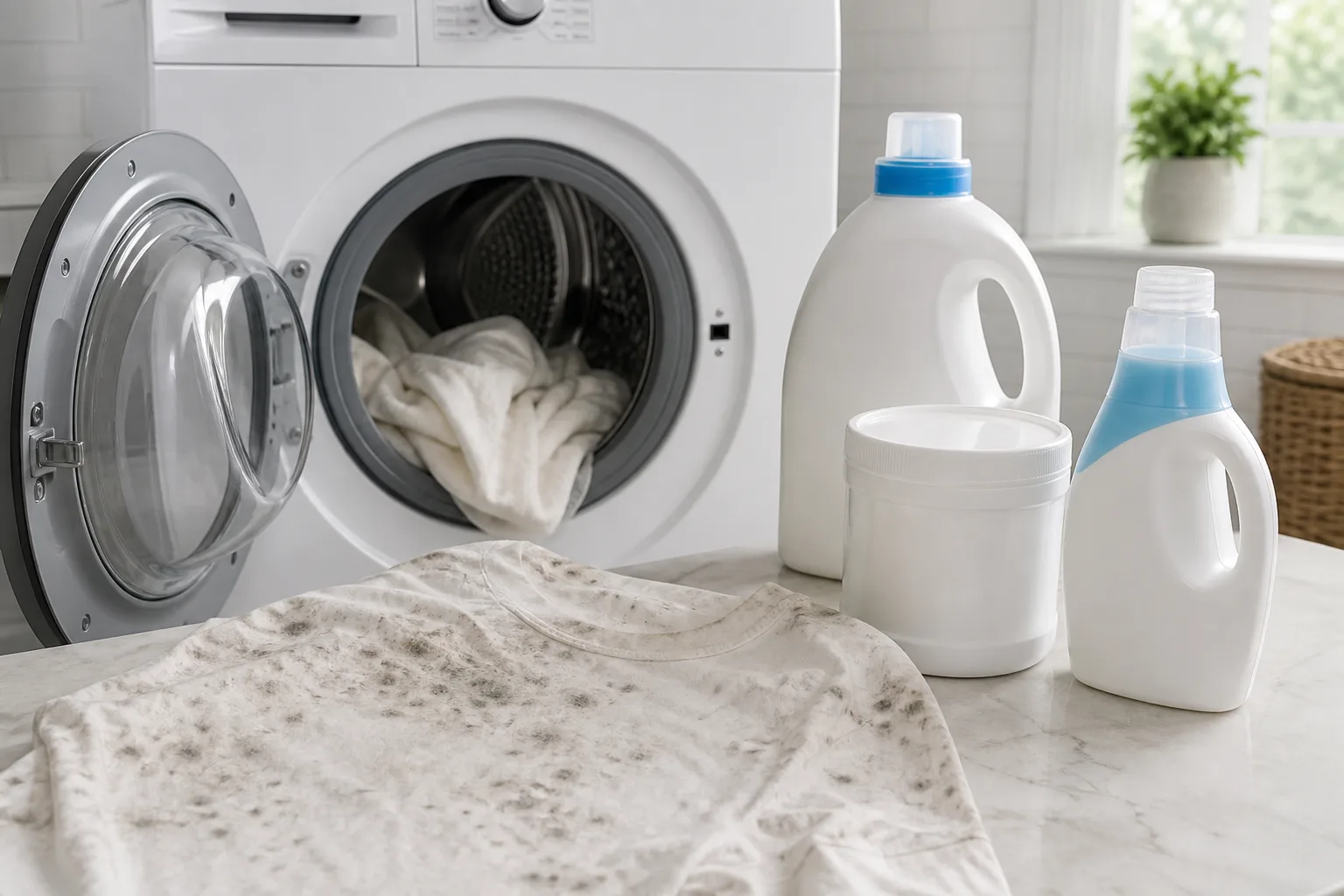
Washable fabric is different from a building material: you can usually clean a limited amount of surface growth by laundering, but fabric can be permanently weakened and a stain may remain. Put the item in a washable bin or bag so you do not shake spores through the house. Do not brush visible growth indoors. If the item is heavily covered, damp from a flood, contaminated by sewage, or shedding fibers, leave it for a professional or discard it.
Read the care label first. For a washable garment or towel, pretreat a small spot with detergent if the label permits, then wash at the warmest setting the fabric allows using the normal amount of laundry detergent. Use chlorine bleach only if both the item’s care label and the bleach label permit it; choose a color-safe product only when the label says it is compatible. Do not combine bleach with vinegar or other cleaners, and do not pour a surface mold remover into the washer.
The University of Georgia Cooperative Extension’s textile guidance emphasizes checking the care label and pretesting a treatment for colorfastness. Inspect the fabric after washing and before applying dryer heat. If the stain remains, repeat only a compatible wash or ask a cleaner; heat can make some stains harder to remove. Dry the item completely before storing it, because a clean garment put back into a damp closet can develop a new problem.
Plastic shower curtains and liners may be machine-washable, while fabric curtains vary by construction and finish. Check the care label, wash a removable liner separately with detergent on the permitted cycle, and hang it open to dry fully. Do not put a plastic liner in a hot dryer unless its manufacturer explicitly allows it. The Good Housekeeping Institute’s material-by-material cleaning guide separates curtains and washable fabrics from carpet, wood, and upholstery because one surface’s method does not transfer automatically to another. If mold is on the wall behind the curtain, cleaning the curtain alone will not stop it returning.
Handle Leather, Books, and Sentimental Items With Care
Leather, suede, books, photographs, and heirloom textiles can be permanently marked or distorted by moisture and by aggressive cleaning. Avoid soaking them, applying bleach, or trying a succession of internet remedies. For leather, first keep the item separate from clean belongings and let a qualified leather cleaner or conservator advise on the next step.
For a small number of damp books, do not close them while wet or scrub the pages. Separate affected items in a dry, well-ventilated place and contact a paper conservator or disaster-recovery specialist if the books are valuable, visibly moldy, or still damp. If a book is inexpensive and heavily affected, disposal may be the practical choice; bag it before carrying it through the home.
The EPA suggests consulting a specialist when an item is expensive or sentimental or when you are unsure how to clean it. That advice applies especially to objects with porous layers, dyes, adhesives, or finishes that cannot be replaced. Do not put a treasured item at risk just to test whether a household chemical will work.
Clean Mold From Appliances Without Damaging Them
An appliance has more than one kind of surface: an exposed plastic panel, a rubber seal, a metal drum, a drain path, and sometimes hidden insulation or a fan. The outside may be wipeable while growth or odor remains in a gasket fold, filter, drain, or internal duct. Clean only parts identified as user-serviceable, and use the appliance’s care instructions rather than transferring a bathroom recipe to a machine.
Unplug or power down an appliance before cleaning where its manual directs, and never pour liquid into vents, controls, motors, or openings. If water reached electrical components, if a fan or air-conditioning unit contains visible growth, or if mold is inside a sealed appliance, stop and contact the manufacturer or a qualified technician.
Washer Seals, Refrigerators, and Other Appliances
For a front-load washer, wipe the door gasket’s folds with a damp cloth and the cleaner approved in the owner’s manual, then dry the seal. Run the washer’s cleaning cycle only with the product and amount specified for that model. Manufacturers do not all give the same directions: Maytag tells owners to consult the Use and Care Guide because cleaning products and cycles vary by model. Leave the door ajar after use only if the manual allows it, and do not combine a washer-cleaning tablet with bleach or another product unless the manufacturer explicitly says to.
For a refrigerator, remove affected food and clean the interior, shelves, and gasket according to the manual. Food that has visible mold or contacted leaked growth should be discarded rather than treated with a household cleaner. Products that seem mild can still harm a gasket or plastic liner: for example, GE Appliances’ guidance for its refrigeration products warns against detergent, bleach, ammonia, and petroleum distillates on interior surfaces. Check your model’s instructions instead of assuming another manufacturer’s mixture is safe.
For a dishwasher, coffee maker, humidifier, or dryer, consult the manual for the removable parts, cleaning cycle, and compatible products. Wash removable food-contact parts as directed and let them dry. If growth or a persistent musty smell is coming from an inaccessible water line, pump, vent, drain, or filter compartment, arrange service; pouring vinegar or bleach into the machine may damage it or leave residues where they do not belong.
Stop Mold From Returning
After cleaning, return to the cause. Repair plumbing or roof leaks, fix window seepage, clear appliance drainage problems, and address condensation on pipes or walls. The EPA recommends drying wet materials as soon as possible—ideally within 24 to 48 hours—and keeping indoor relative humidity below 60%, ideally between 30% and 50%. A hygrometer can help you tell whether a basement or bathroom remains damp after the visible spot is gone.
Use an exhaust fan that vents outdoors while showering and cooking, and leave it running long enough to clear humid air. If outdoor humidity is high, simply opening windows may not dry the room; use a properly sized dehumidifier and empty or drain it as directed. Keep furniture slightly away from persistently cold exterior walls when airflow is blocked, and do not store cardboard, damp towels, or bedding against a wall that has had a leak.
Do not repaint, caulk, or cover the surface until it is clean and fully dry. The EPA cautions against enclosing or painting wet material or material that still shows growth. A mold-resistant coating can be a later maintenance choice on a repaired, dry surface; it cannot replace roof, plumbing, drainage, or ventilation repairs.
What to Do When a Stain or Musty Smell Remains
A remaining stain does not always mean live growth remains, and a clean color does not prove the material beneath is safe. Avoid stronger chemical escalation based only on appearance. Recheck whether the surface is dry, whether the material is intact, and whether the odor persists after the room has aired out.
If the spot returns, the material stays damp, or the smell is strongest at a baseboard, cabinet toe-kick, ceiling, or vent, look for a hidden water path. Have the area assessed instead of adding fragrance or spraying an odor eliminator. If visible mold remains on porous material, if it spreads after a careful cleanup, or if a household member develops breathing symptoms, stop the DIY work and seek appropriate professional or medical advice.
Cleaning Mistakes That Create More Risk
The biggest mistake is choosing a product before identifying the material. Bleach can remove color and damage finishes, but it cannot make waterlogged carpet pad, drywall paper, or hidden wall cavities cleanable. Vinegar and peroxide are not universal substitutes. Use detergent and water for routine small hard-surface cleanup, and follow a product label or material manufacturer when another treatment is needed.
The next mistake is mixing cleaners. Never combine bleach with ammonia, vinegar, peroxide, toilet-bowl cleaner, or any other household cleanser. Keep products in their original labeled containers, measure only as directed, and do not reuse an unlabeled spray bottle. If a cleaner causes strong irritation, stop, move to fresh air, and follow the label’s first-aid instructions.
Also avoid dry brushing, sanding, and painting over visible or damp growth. These shortcuts can spread material, hide a continuing leak, or leave contamination behind the new finish. A bleach swab is not a reliable test for mold, and a black patch is not enough to identify a species or predict health effects; use the surface condition and moisture history to decide whether to clean, discard, or call a professional.
Conclusion
To get rid of mold, first stop the moisture, then match the cleanup to the material. A small patch on sound tile, glass, or another hard surface can usually be scrubbed with detergent and water and dried completely. Washable clothing may be laundered within its care limits, while moldy drywall, carpet padding, saturated upholstery, and hidden growth often need removal or professional assessment.
Keep people with mold-sensitive health conditions out of cleanup, avoid disturbing growth dry, and never mix cleaning products. If the patch is large, water was contaminated, the material is damaged, the source is hidden, or mold returns, stop treating it as a routine cleaning task. Fixing the dampness—not finding a stronger spray—is what prevents the next patch.