How to Harvest Zucchini: Size, Timing & Cutting
Learn when to harvest zucchini, how big to let each type grow, and how to cut fruit without injuring the vine. Includes storage and giant squash tips.
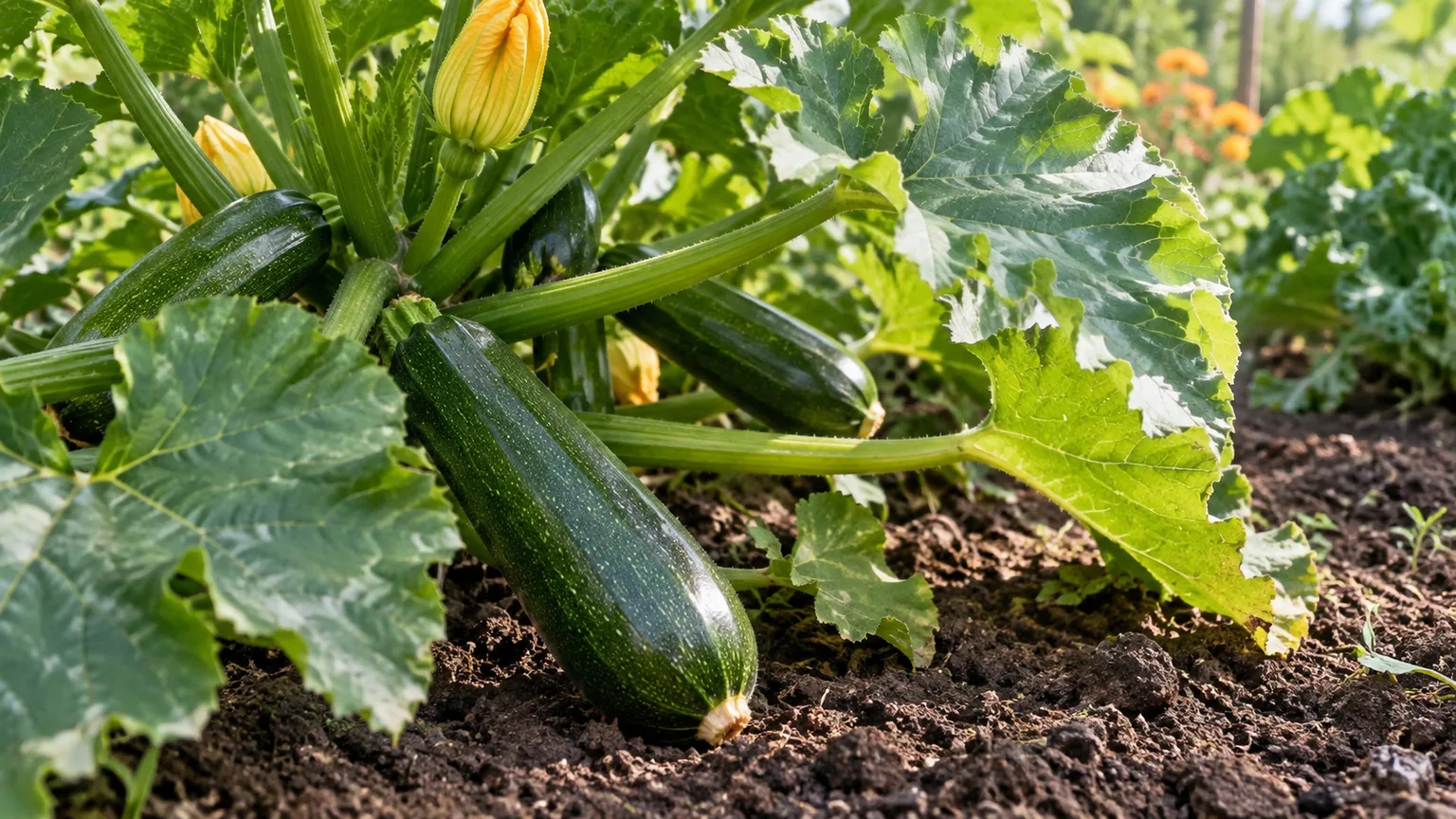
Zucchini is usually ready while it is still young. For most long green varieties, start checking at about 5 to 8 inches long; a firm fruit with smooth, tender skin is generally a better harvest than a much larger one. Ohio State University Extension gives a useful everyday target of 6 to 8 inches, while GardenZeus recommends 5 to 7 inches, so treat that overlap as a starting range rather than a strict rule for every cultivar. (Ohio State University Extension; GardenZeus)
The practical routine is simple: once the plant has fruit, inspect it often, move leaves gently, and cut a usable zucchini from its stem with a sharp knife or pruners. The biggest quality mistakes are letting fruit hide until its rind and seeds toughen, or pulling hard enough to tear the stem or nearby leaves. Regular picking keeps the plant from carrying mature fruit for longer than needed, although weather, pollination, and plant health still determine how much it produces.
The quick answer
Pick long zucchini when they are firm, glossy for their variety, and roughly 5 to 8 inches long. If you prefer a very tender, small fruit, harvest closer to the lower end; if you need a larger piece for stuffing, you can leave a sound fruit longer, knowing the seed cavity and rind may become more noticeable. The fruit does not need to reach a particular color change to be edible, and an unusual color may simply be a normal feature of a yellow, pale, or striped cultivar.
A useful harvest test combines size with touch. The skin should feel taut rather than leathery, and a gentle press with a thumbnail should mark it without force; the flesh should feel firm, not soft or waterlogged. Those cues help when a fruit has an unusual shape or when you are growing a variety that does not match the familiar grocery-store zucchini.
The target is different for round zucchini and other specialty forms, so check the variety description rather than measuring them as if they were long fruit. For a first-time cultivar, pick one at the packet’s suggested stage, cook it, and use the result to tune the next harvest. That small trial is more reliable than allowing every fruit to become a giant just to test the plant.
When to start checking the plant
The calendar gives you a rough warning, not a harvest date. GardenZeus notes that many varieties may begin producing about 45 to 60 days after germination, but seed type, local temperatures, planting conditions, and pollination all shift that window; begin inspecting when the first female flowers set fruit rather than assuming a fixed number of days guarantees readiness. Zucchini belongs to Cucurbita pepo, and the fruit can size up quickly once it begins developing.
A female blossom sits on the end of a small ovary that looks like a miniature squash. After successful pollination, that tiny fruit begins to lengthen; if it yellows, shrivels, or stops growing, it may not have developed normally, so do not mistake it for a fruit that simply needs more time. A few flowers may appear before a plant sets fruit, and a gap between flowering and the first harvest is ordinary.
Follow fruit set, not a calendar date
When the first small fruits form, start a harvest check every day or two. Warm weather can accelerate growth, while cool spells, stress, and poor pollination can slow the next fruit; the same plant may therefore need a different schedule from one week to the next. The point of an early check is not to harvest every tiny ovary but to notice how fast your particular plant is growing.
If you are planning to be away, pick any fruit that is already near your preferred size before leaving. A neighbor does not need a complicated set of instructions: ask them to check for firm fruit in your chosen range and cut it cleanly, or simply remove the ripe fruit yourself and use or share it before the trip. A short absence is easier to manage when you have already looked under the leaves once.
Look under leaves without rough handling
The foliage can hide fruit in plain sight. Start at the crown, where new growth and flowers emerge, then follow the leaf stems outward and look beneath the broadest leaves; use your hand to lift a leaf by its stem rather than bending the leaf blade or stepping across the plant. A zucchini hidden against dark soil can be hard to see until you move to the opposite side of the bed.
Scan the plant from more than one angle, including low fruit resting near the ground. Do not pull a leaf aside by its tip if it is tangled with the fruit stem, and do not reach blindly with pruners where you cannot see the blade. A slow search prevents the common double loss of a missed zucchini and a snapped leaf or stem.
Choose a size for the variety and the meal
The familiar 6-inch zucchini is a practical target, not a biological deadline. Ohio State University Extension describes 6 to 8 inches as a good size for young, tender squash, and Gardening Know How uses a similar range; GardenZeus advises roughly 5 to 7 inches for its general zucchini guidance. Together, those recommendations support a flexible range around 5 to 8 inches for common elongated fruit, with personal preference and the cultivar label refining it.
| Fruit type | Useful starting cue | What to judge |
|---|---|---|
| Long green or striped zucchini | About 5–8 inches long | Firm fruit, tender skin, small seeds |
| Round zucchini | Cultivar’s stated harvest size | Roundness, tenderness, and the intended cooking use |
| Baby zucchini | Picked small by choice | Tender all the way through; cook whole or slice lightly |
| Yellow or pale zucchini | Use the variety’s expected size | Color identifies the type; do not wait for it to darken |
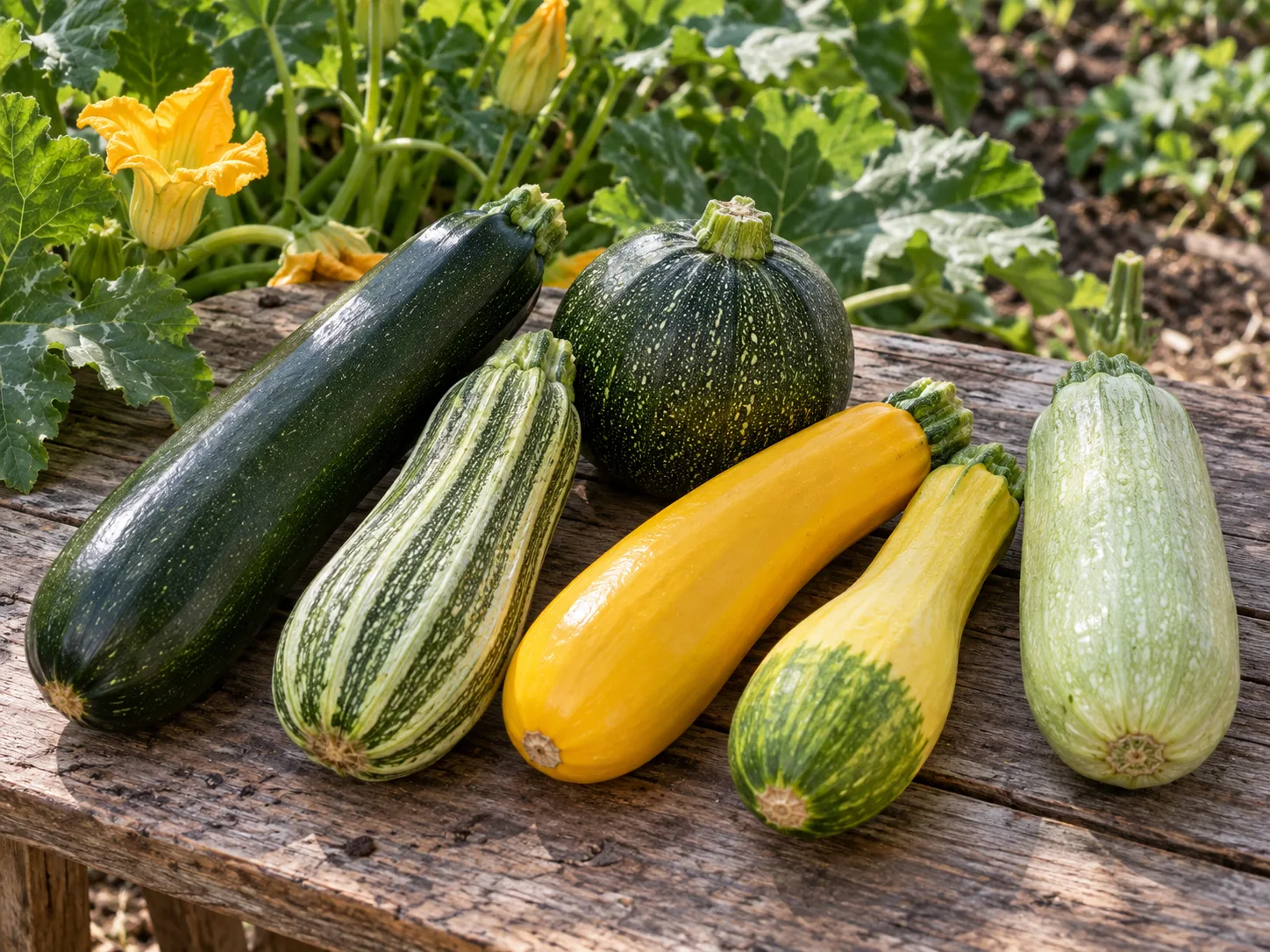
Smaller fruit is often a good choice for raw preparations, quick sautés, or recipes where you want the skin and seed area to remain unobtrusive. A slightly larger zucchini can be more convenient for halving, stuffing, or grating, so there is no reason to pick every fruit at the same size if the plant is healthy and you have a specific use in mind. However, letting fruit grow to maximum size as a routine tends to trade tenderness for bulk.
A round variety needs a different comparison point from an elongated one. Read the packet, nursery label, or variety information, then check one fruit early; if its skin is still tender and the center cooks evenly, that is a useful target for the rest. If you cannot find a size recommendation, harvest the first round fruit while it is still compact and firm, and adjust based on texture rather than waiting until the skin becomes hard.
Use the rind and seeds as a second test
Size is easy to measure, but the rind gives you a useful clue about texture. Press a thumbnail gently against the skin: a tender fruit should take a light mark, while a rind that resists pressure suggests the zucchini is moving past its most delicate stage. Do not pierce the fruit deeply; this is a quick surface check, not a test that needs to leave a wound.
You can also cut one sample open after harvesting. Soft, small seeds and a moist but firm interior are typical of a tender zucchini; a large, spongy center with conspicuous hard seeds is a sign that the fruit is older. Those changes do not automatically make the squash unusable, but they help you decide whether to slice it fresh or save it for cooking where the seed cavity can be removed.
Cut zucchini cleanly
Use a sharp kitchen knife, harvest knife, or bypass pruners that can sever the stem without crushing it. Support the fruit with your free hand and cut the stem rather than twisting the squash; GardenZeus recommends leaving a short piece of stem above the fruit, and that approach also keeps the blade away from the edible flesh. Do not cut into the fruit itself or into the main crown of the plant.
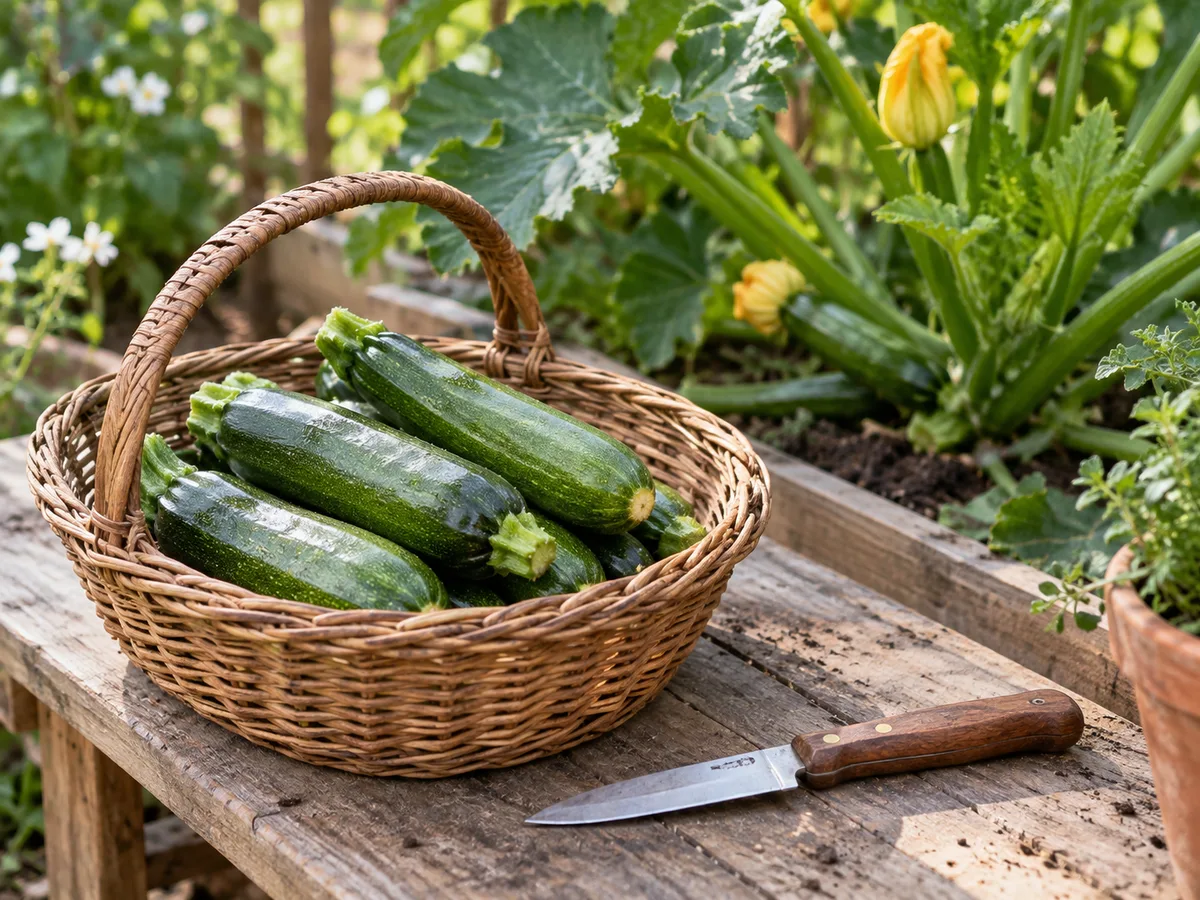
A careful four-step harvest
- Find the stem that connects the individual zucchini to the plant, and move nearby leaves aside gently so you can see the cutting point.
- Hold the fruit lightly to keep its weight from pulling on the vine, then place the blade across the fruit stem a short distance above the squash.
- Make one controlled cut. If the stem is thick or the knife cannot cut it cleanly, switch to bypass pruners rather than bending or sawing repeatedly.
- Set the zucchini into a basket or shallow container instead of dropping it onto soil or pavement, then repeat the inspection before leaving the plant.
A clean cut is easier to control than a twist, especially when the stem is firm or the fruit is large. Small zucchini may occasionally release with a gentle bend, but a forceful twist can tear the vine, remove a chunk of stem, or bruise the fruit where you grip it. If you accidentally snap a fruit off, it is still usable; check the cut end and plan to use that one sooner.
A harvest basket should hold the crop without putting heavy fruit on top of tender blossoms or small zucchini. If you are cutting several plants, place each fruit down as you go instead of carrying it by its stem; stems are not handles, and a bruised squash may soften faster than an intact one. The goal is a controlled cut and careful set-down, not a complicated harvesting ritual.
Keep tools clean and plants intact
A clean blade and a cleanly cut stem are enough for routine work on a healthy plant. You do not need to sterilize pruners between every zucchini under ordinary conditions, but wipe away soil, sap, and plant debris if it builds up, and keep the blade sharp so it can cut rather than crush. A damaged or ragged cut does not improve harvest speed if it tears nearby tissue.
If a plant has suspicious mosaic-like mottling, distorted leaves, or an unexplained pattern of stunted fruit, handle it as a possible disease concern rather than moving casually from that plant to healthy ones. University of Minnesota Extension advises cleaning tools and hands with soap and water after working with virus-suspect squash or melons and harvesting affected areas last; the page also cautions that visible symptoms alone cannot reliably identify a virus. That is a targeted precaution for a suspect plant, not a reason to treat every normal harvest as contaminated.
Zucchini leaves and stems can be prickly, and dense growth can make it tempting to tug the plant around for a better view. Wear sleeves or gloves if the foliage irritates your skin, keep your feet clear of the crown, and move a leaf at its stalk rather than pulling the vine. Do not remove healthy leaves just to reveal fruit; a clear view is useful, but the plant still needs its foliage.
How often to pick during peak growth
Inspect at least every day or two once the plant is producing fruit, and shorten the interval during warm, fast-growing weather or whenever you have already found an oversized zucchini. GardenZeus recommends thorough checks daily or every other day while fruit is coming on, and Creative Vegetable Gardener likewise describes frequent inspection as the practical answer to fruit that can pass the tender stage quickly. A short walk through the bed is often enough to catch the next harvest.
Do not interpret “pick often” as “strip every plant of every small fruit.” Remove fruit that has reached a useful size, leave tiny newly set fruit to develop, and keep an eye on whether the plant continues flowering and setting. Regularly taking mature summer squash prevents the plant from carrying fruit all the way to seed maturity; it may support continued production, but it cannot overcome heat stress, poor pollination, disease, or an exhausted plant.
If you are not sure how frequently your variety grows, measure or photograph one fruit and check again the next day. You will quickly learn whether your garden calls for a daily check or a couple of visits a week. In peak summer, a reminder on your phone can be more useful than a rigid rule about harvesting on certain weekdays.
Harvest zucchini blossoms without sacrificing fruit
Zucchini plants produce separate male and female flowers. A male flower grows on a slender stem, while a female flower sits above a small ovary that can develop into a fruit; both are edible, but harvesting all blossoms can leave too little pollen for fruit set. If your main goal is squash, leave most flowers and pick only a modest number of male flowers when they are open and fresh.
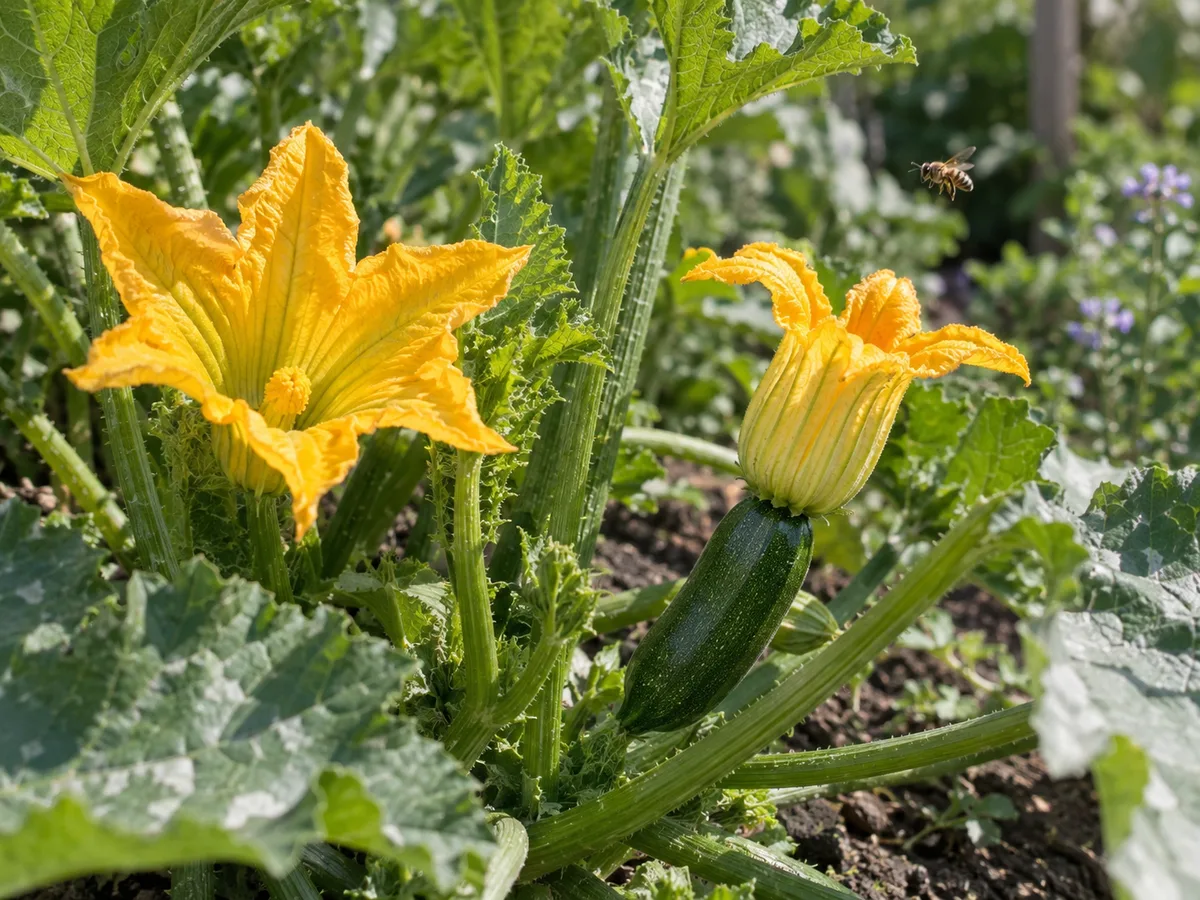
Cut a flower with a short length of stem rather than pulling at the petals or twisting the blossom off. If you harvest a female flower while the tiny fruit is attached, you are also choosing to harvest that baby squash; that is a fine culinary choice, but it will not grow into a full-size zucchini. GardenZeus suggests cutting blossoms before daytime heat wilts them, and the same early-day timing makes the petals easier to handle.
Pollination needs vary with the garden. If few bees are visiting, keep more flowers on the plant, or hand-pollinate a female bloom using pollen from a male flower before removing flowers for the kitchen. Do not count male-to-female flowers by a fixed ratio as if it were a guarantee; cultivar, pollinator activity, and the timing of blooms change from plant to plant.
What to do with an oversized zucchini
A zucchini that grew past the tender stage is not automatically a loss. The skin may become tougher, the central seed area larger, and the flesh more watery or less delicate; Gardening Know How notes that larger fruit can still be used, while Gardener’s Path recommends changing the preparation when summer squash gets older.
Start by checking the surface and the stem end. A firm fruit with intact skin and no mold, leaking, or rotten odor can be brought inside and cut open; a soft, split, moldy, or foul-smelling squash is better composted. Size by itself is not a reason to throw it away, but damage and decay are.
Cook the flesh for the right texture
Slice the zucchini lengthwise and look at the center. If the seeds are still small, you can use the flesh as you normally would; if they have become large and firm, scrape out the seed core with a spoon, and peel the skin only if it is tough enough to distract from the dish. The remaining flesh may need extra cooking or moisture management, so do not expect an oversized fruit to behave exactly like a 6-inch squash.
Grated fruit works well in quick breads, muffins, fritters, and casseroles, but drain or squeeze out excess liquid before adding it to a batter or mixture. You can also cube the firm outer flesh for soup, stew, or a stuffed-zucchini dish, where softer texture and mild flavor are less important than they are in a raw salad. For grilling or a quick sauté, use smaller, more tender fruit instead.
If one missed zucchini is very large, do not leave it on the plant simply because you do not plan to eat it. Remove it cleanly, compost it if the flesh is too far gone, and resume checking the plant; the point is to stop that fruit from continuing to mature, not to force yourself to cook every squash. If your goal is seed saving, that is a separate decision: allow a selected fruit to mature fully and keep it apart from the harvest you want to eat young.
Know when composting is the better choice
Compost fruit that is clearly decaying, leaking, extensively damaged, or moldy instead of trying to rescue it. A little surface scuffing is different from soft rot that reaches into the flesh, and cutting away one bad spot does not make a fruit with widespread decay fresh again. When in doubt about quality, choose the crop you trust rather than relying on a recipe to conceal spoilage.
The occasional giant is a normal part of growing a plant with broad leaves and fast fruit development. Treat it as information: the plant may have been hidden by a leaf, your inspection interval may have been too long for the weather, or another fruit may have been developing at the same time. Change the next check, not the whole garden plan.
Store fresh zucchini for a short stretch
Bring the harvest out of direct sun and into the kitchen promptly, especially after a hot afternoon. Keep zucchini unwashed until you are ready to prepare it, and store it in the refrigerator in a breathable produce bag or a loose bag in the crisper; moisture trapped in a sealed, wet bag can encourage soft spots. Wash the squash under clean running water just before cutting or cooking it.
Ohio State University Extension recommends using zucchini within about three to four days for best quality. That is a sensible home-garden target, not a guarantee that every fruit will last exactly that long; fruit that was bruised, overripe, or kept warm may soften sooner. GardenZeus notes that summer squash has a soft rind and does not store like hard-skinned winter squash, so plan meals around the fresh crop instead of expecting weeks of storage.
If the zucchini becomes slightly limp but remains clean and sound, use it in a cooked dish soon rather than waiting for it to recover. Discard fruit with mold, leaking, a fermented or rotten odor, or widespread soft decay. A normal, firm zucchini can be eaten raw or cooked, and there is no need to peel tender skin.
Freeze a surplus for later
Freezing is more useful than trying to keep a large harvest fresh for too long. For baking portions, grate young zucchini, steam-blanch it briefly, cool it, measure it into freezer containers, and label each portion with the date; Ohio State Extension describes this approach and points readers to the National Center for Home Food Preservation’s summer-squash guidance. Frozen zucchini softens after thawing, so it is better for breads, soups, sauces, and cooked dishes than for a crisp raw salad.
If you prefer slices or cubes, use a tested preservation method designed for summer squash rather than guessing at a blanching time. Freeze the portions in a single layer first if you want them to separate easily, then transfer them to a sealed container or freezer bag with the air pressed out. Leave enough headspace for a container, and do not refreeze a batch that has thawed at room temperature for an extended period.
A surplus can also be shared while it is still fresh. If you expect to be away during the heaviest flush, pick usable fruit before you go, give it to a neighbor, or ask someone to check the plant; a short harvest handoff beats finding several hidden giants when you return.
Common harvest mistakes and their fixes
Waiting for color to change is unreliable because green, yellow, pale, and striped cultivars are supposed to keep their characteristic color. Use the expected variety size, the skin test, and firmness instead. If you do not know the type, pick one fruit at a tender stage and learn from its texture.
Pulling or twisting hard can tear the vine and bruise the squash. Support the fruit, cut the connecting stem with a clean sharp blade, and avoid using leaves as handles. If the stem will not cut cleanly, use a sharper or better-sized tool instead of adding more force.
Checking only the visible side lets fruit hide under foliage until the rind toughens. Look around the plant from multiple angles and lift leaves by their stems. You do not need to prune healthy foliage to find fruit, and doing so creates extra wounds without solving the real problem.
Harvesting every blossom may reduce pollination opportunities. Leave most flowers if fruit production matters, take only a few male blossoms, and save a male flower for hand-pollination if your garden has few pollinators. Female blossoms are attached to baby squash, so taking one also removes that fruit.
Expecting a giant zucchini to taste like a small one leads to disappointment. Trim the seed core, peel if needed, squeeze moisture from grated flesh, and choose recipes that tolerate a softer texture; compost the fruit if it has spoiled rather than trying to disguise decay. A missed harvest is a cue to adjust your routine, not proof that the plant has failed.
Conclusion
Harvest long zucchini when it is firm and roughly 5 to 8 inches long, then use the variety label and the rind’s tenderness to make the final call. Find fruit by lifting foliage gently, cut the stem cleanly, and inspect the plant daily or every other day when growth is fast; that routine protects the vine and catches squash before they become seedy and tough.
Bring the harvest out of the sun, keep it unwashed in the refrigerator, and plan to use it within a few days. If a fruit grows large, remove it anyway and choose a preparation that suits its texture—or compost it if it is spoiled—then return to the plant before the next one gets hidden.



