How to Keep Chipmunks Out of Your Garden Humanely
Learn how to keep chipmunks out of your garden with practical barriers, feeder cleanup, and a seasonal plan. See which common repellents are unreliable.
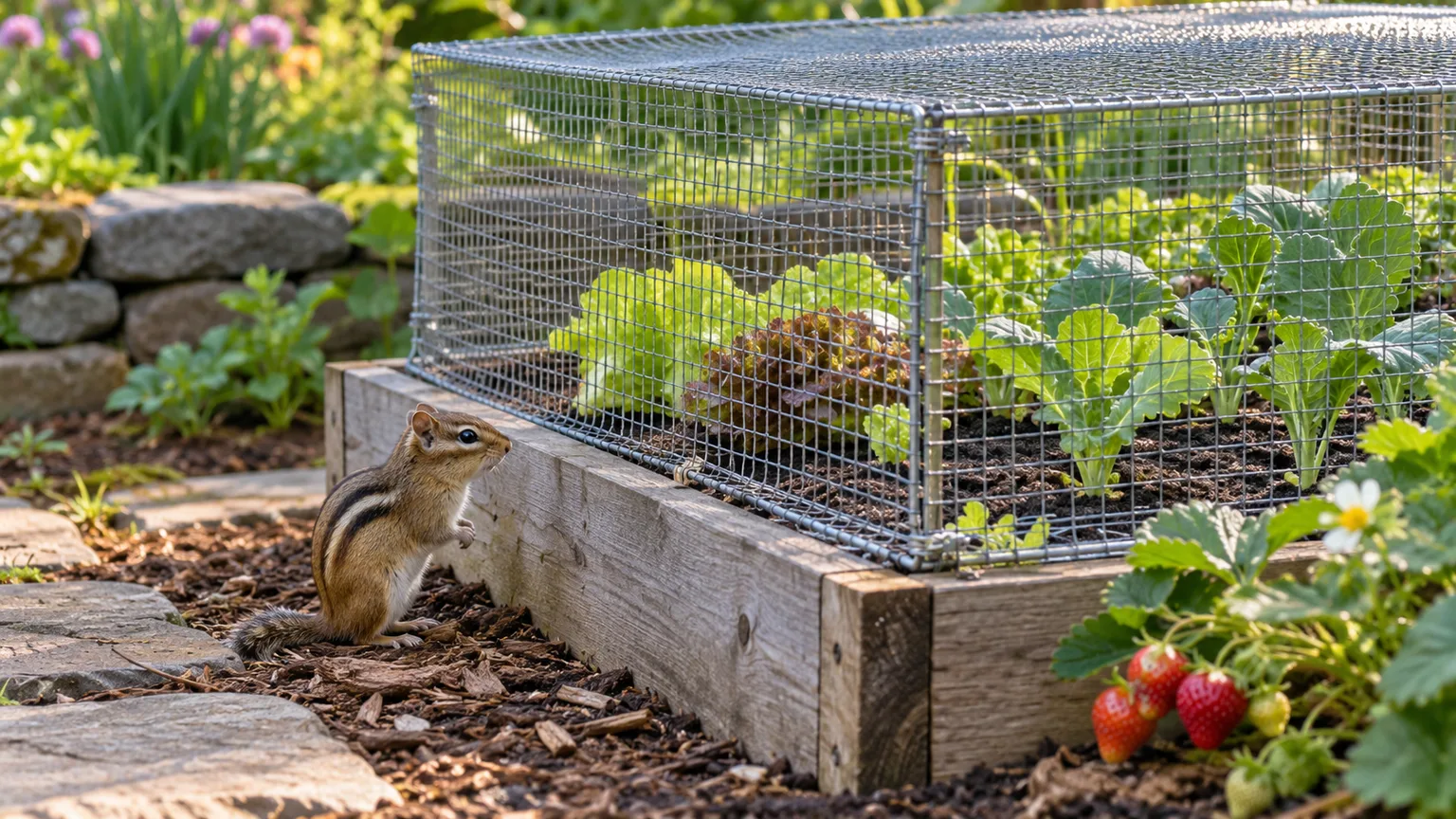
A chipmunk can disappear under a shed in seconds, then show up later beside a missing tulip bulb or a row of freshly opened soil. The reliable fix is to protect the plants it can reach and remove the easy food that keeps drawing it back. Sprays, smells, and gadgets can be temporary extras, but they rarely replace a well-fitted barrier.
Start by identifying what is being eaten or dug up, then choose the smallest area you can protect completely. A covered seed row or wire-caged bulb bed is easier to maintain than trying to seal every burrow in a yard.
Start With the Fastest Useful Changes
If damage is happening now, take three steps before buying a repellent. Pick up spilled birdseed and fallen fruit, cover vulnerable soil with mesh or a row cover, and inspect the nearest shelter such as a woodpile, shed, or stone edge. This interrupts feeding while you prepare a more durable setup.
Protect the plants that matter most first. Newly sown seeds, tender seedlings, flower bulbs, and ripening berries are easy targets; a mature shrub with occasional digging may not need the same effort. A short barrier around one bed is often more practical than a tall perimeter fence, which chipmunks may climb or dig beneath.
Avoid plugging every hole you find. Chipmunks use connected underground burrows with multiple entrances, and blocking one opening does not remove the food or shelter that attracted them. Watch the site for a few days, note where activity is concentrated, and protect the beds on that route.
Confirm Chipmunks Are Causing the Damage
Chipmunks are small, striped ground squirrels that forage on seeds, nuts, bulbs, fruit, and some garden crops. They are quick and tend to move between shelter and food. Damage alone is not proof: birds can take seed, squirrels can dig beds, and rabbits or slugs can clip young plants.
Signs That Point to Chipmunks
Look for a combination of clues rather than one hole. A chipmunk entrance is often a small, clean opening with little or no excavated soil piled beside it. Other signs can include several holes near walls, rocks, stumps, sheds, or dense cover; missing bulbs that were planted where you marked them; seed scattered below a feeder; and fruit that vanishes as it ripens.
You may also see a chipmunk carry seed or nuts away in its cheek pouches. University of Georgia Cooperative Extension notes that chipmunks store food and use extensive burrows, which helps explain why they may repeatedly visit a bed even when you rarely see them above ground. The Eastern chipmunk’s burrow system can extend 30 feet or more, so the closest entrance may not be directly beside the damaged plant.
Chipmunk Holes Versus Other Garden Damage
Moles and voles leave different evidence. A mole usually pushes up soil ridges or mounds while tunneling; voles often clip stems near the ground and use surface runways. A chipmunk’s entrance is more likely to remain open and neat, while birds may leave scattered seed without disturbing deeper soil.
Take a photo and mark the damaged plants before intervening. If you see a large mound, a broad tunnel, or damage that follows a surface trail, do not assume chipmunks are responsible. Correctly identifying the visitor keeps you from installing the wrong barrier or closing an active burrow used by another animal.
When the culprit is unclear, watch the area at dawn or late afternoon for several days, when chipmunks are often active. A motion-triggered camera pointed along the suspected route can confirm whether an animal is carrying seed, digging, or simply passing through. Do not bait the camera with food; that would add another reason for wildlife to visit the bed.
Why Chipmunks Choose a Garden
Gardens offer a combination that is hard for a small forager to ignore: seed, bulbs, berries, fruit, shelter, and loose soil. Bird feeders are especially attractive when seed spills onto the ground, while woodpiles, stone walls, dense shrubs, and the underside of a shed provide cover close to food.
Chipmunks also cache food. A feeder that looks tidy from above can still leave seed under a deck, in a planter, or along a fence line. If you remove one favorite food but leave a second one nearby, the animal may shift its route instead of leaving.
You do not need to make the whole yard bare. Keep valuable beds easier to defend by clearing spilled seed and fallen fruit, trimming weeds immediately around the bed, and storing animal feed in lidded containers. Retain habitat elsewhere if you want birds and beneficial wildlife; focus on reducing the protected corridor and food pile closest to vulnerable crops.
Build a Barrier Around the Plants You Need to Protect
A physical barrier is the most dependable way to protect a specific planting because it does not rely on a chipmunk deciding that a smell is unpleasant. Use sturdy small-mesh hardware cloth for digging or climbing pressure, and make the enclosure continuous: sides, base or buried edge, and top. A gap at soil level is enough for a small animal to nose under.
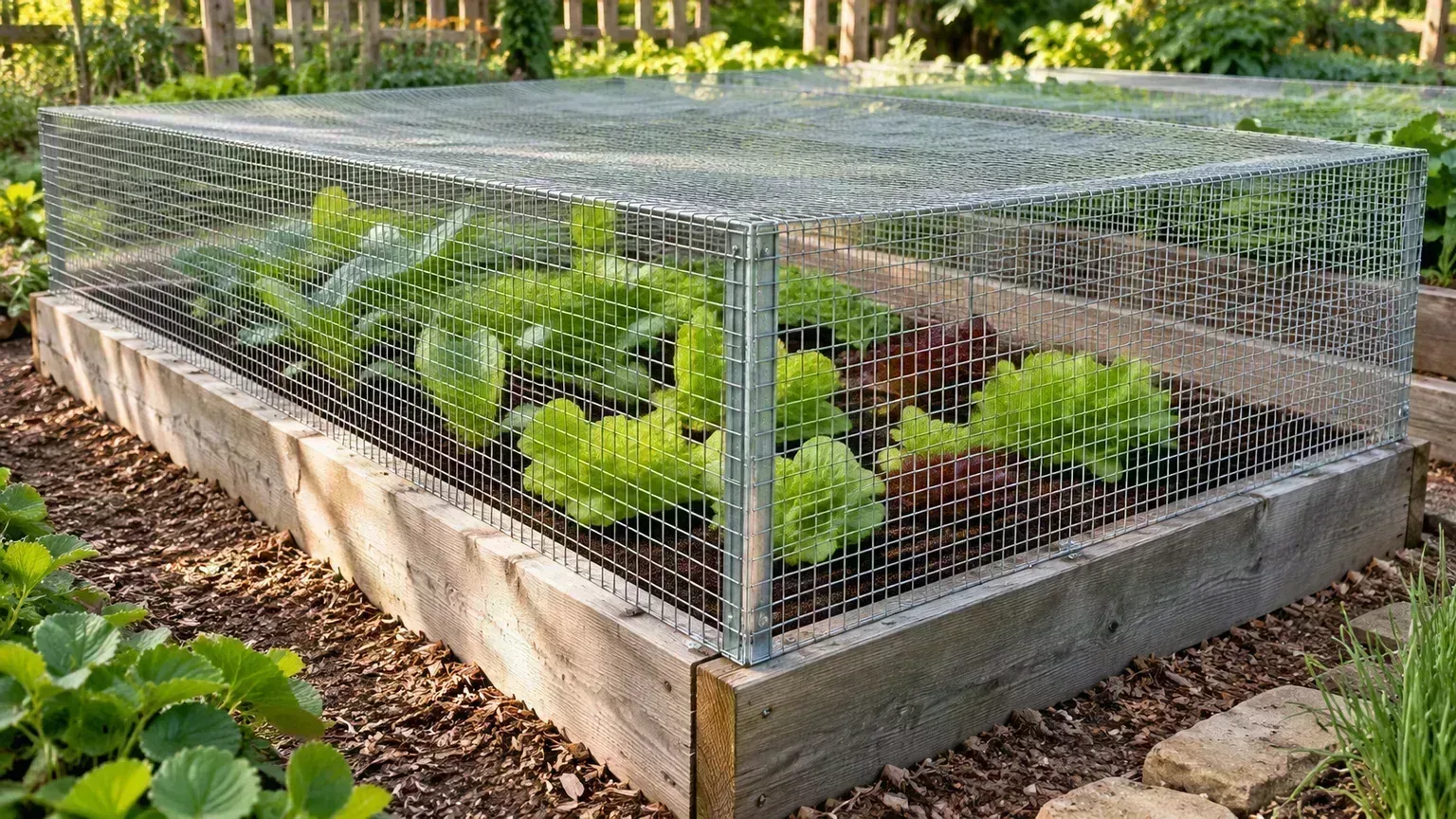
A conventional fence by itself is rarely a complete answer. Chipmunks can climb and dig, so a low fence works better when its lower edge is secured and the crop is covered overhead. HGTV’s gardening guidance similarly treats fencing as a partial deterrent that works best when it is difficult to climb and buried into the soil. Check the barrier weekly for lifted corners, loose ties, and places where plant growth has pushed the mesh open.
For a small bed, build a rigid frame that is easy to lift for harvesting rather than stretching loose mesh over plants. UGA Extension mentions 1/4-inch welded wire for excluding chipmunks from building openings; that small opening is also a sensible starting point for a garden cage, though the frame and soil-level edge still need to be secured. Fold or cap cut wire edges so they do not snag you while you weed, then leave enough height for the crop to grow without touching the cover.
Cover Seed Rows, Bulbs, and Food Crops
After sowing, lay a row cover or fine mesh over the bed and anchor every edge with soil, boards, or clips. The cover protects seeds while they germinate and can be lifted for watering and weeding. For a small raised bed, a simple hinged wire cage is easier to open than loose netting that you have to re-attach each time.
Make the opening routine part of the design. If you lift a cover every day to harvest, clips that are easy to release and replace are more useful than a perfectly tight cover you leave open. For seed rows, use a cover you can secure immediately after watering; for fruit, choose a frame that lets you harvest from the side without creating a gap across the top.
For tulips and other bulbs, plant them inside a bulb cage made from galvanized hardware cloth, or cover the entire bed with mesh until shoots appear. Keep the mesh taut and high enough that emerging stems do not grow through it. A thin layer of coarse gravel on the soil can discourage casual digging in a pot or small bed, but it is not as secure as wire when chipmunks are actively excavating.
Protect berries and low vegetables with a frame that holds netting away from the fruit. Close the sides at ground level and secure the top, because birds and chipmunks can both reach through loose fabric. GrowVeg’s crop-protection guidance recommends row covers and wire cages for vulnerable crops; the same principle applies here: block access before fruit ripens instead of trying to scare an animal away after it has found the food.
Keep Chipmunks Out of Containers
Containers are easy targets because potting mix is loose and the rim gives a chipmunk a convenient place to perch. Cover the soil surface with a fitted circle of hardware cloth or a wire collar that sits just inside the pot rim. Cut an opening around stems, then pin the mesh so it cannot be lifted from one side.
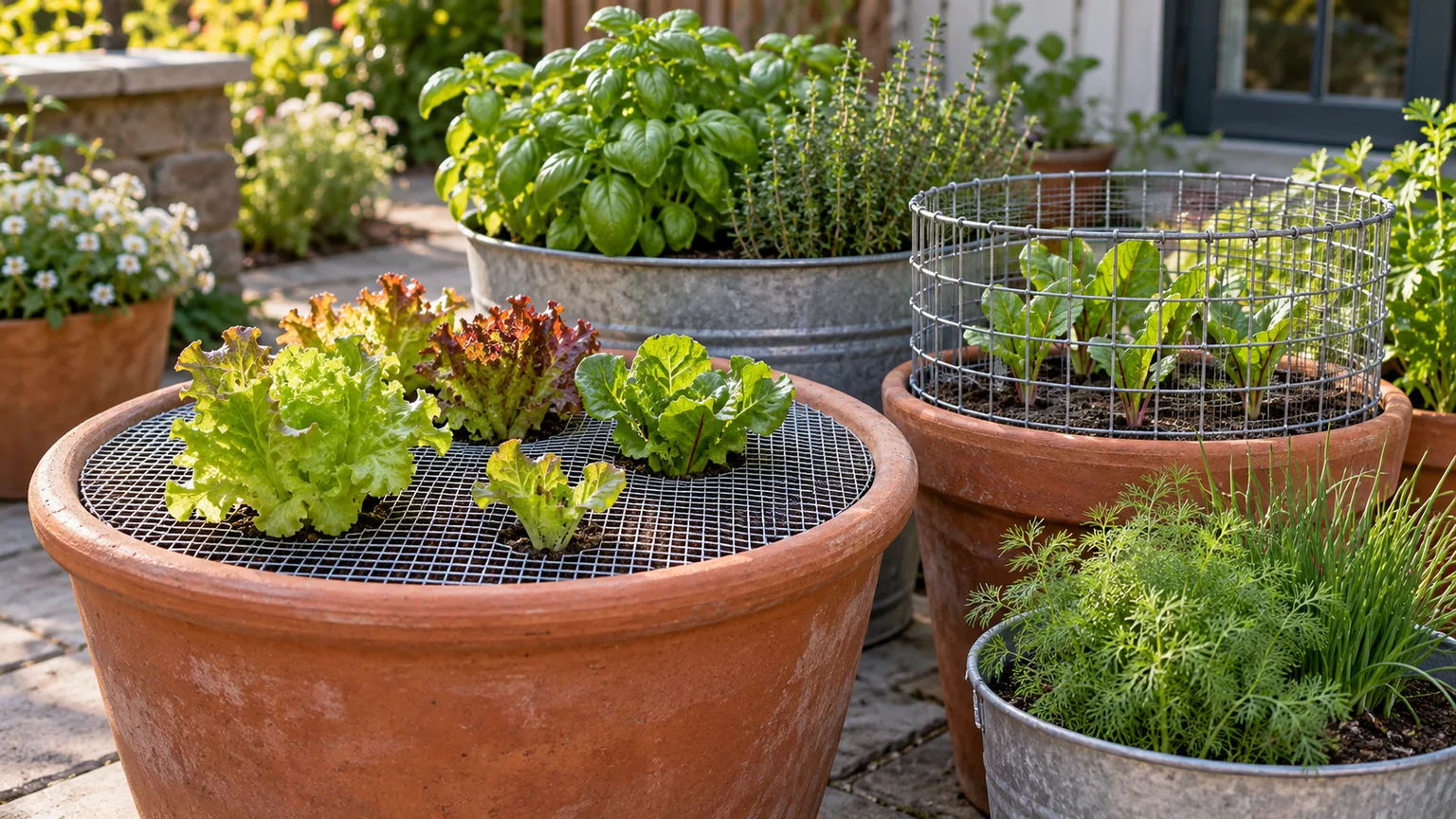
For a large pot, a coarse top dressing can make digging less comfortable and still let water through, but choose pieces large enough that they cannot be mixed into the soil during watering. Avoid smooth stones piled so thickly that they block air or trap moisture at the crown. Homes & Gardens describes hardware cloth and gravel top dressings as container barriers; treat gravel as a convenience for light nibbling, not a guarantee against a persistent burrower.
If seedlings are too delicate for mesh, group pots on a table with legs that do not provide an easy ramp and keep nearby shelves, trellises, and walls from forming a bridge. Move bird feeders and seed trays away from the patio pots and sweep the area after filling them. When you water, check that the protective collar has not shifted.
Remove Easy Food Without Giving Up Bird Habitat
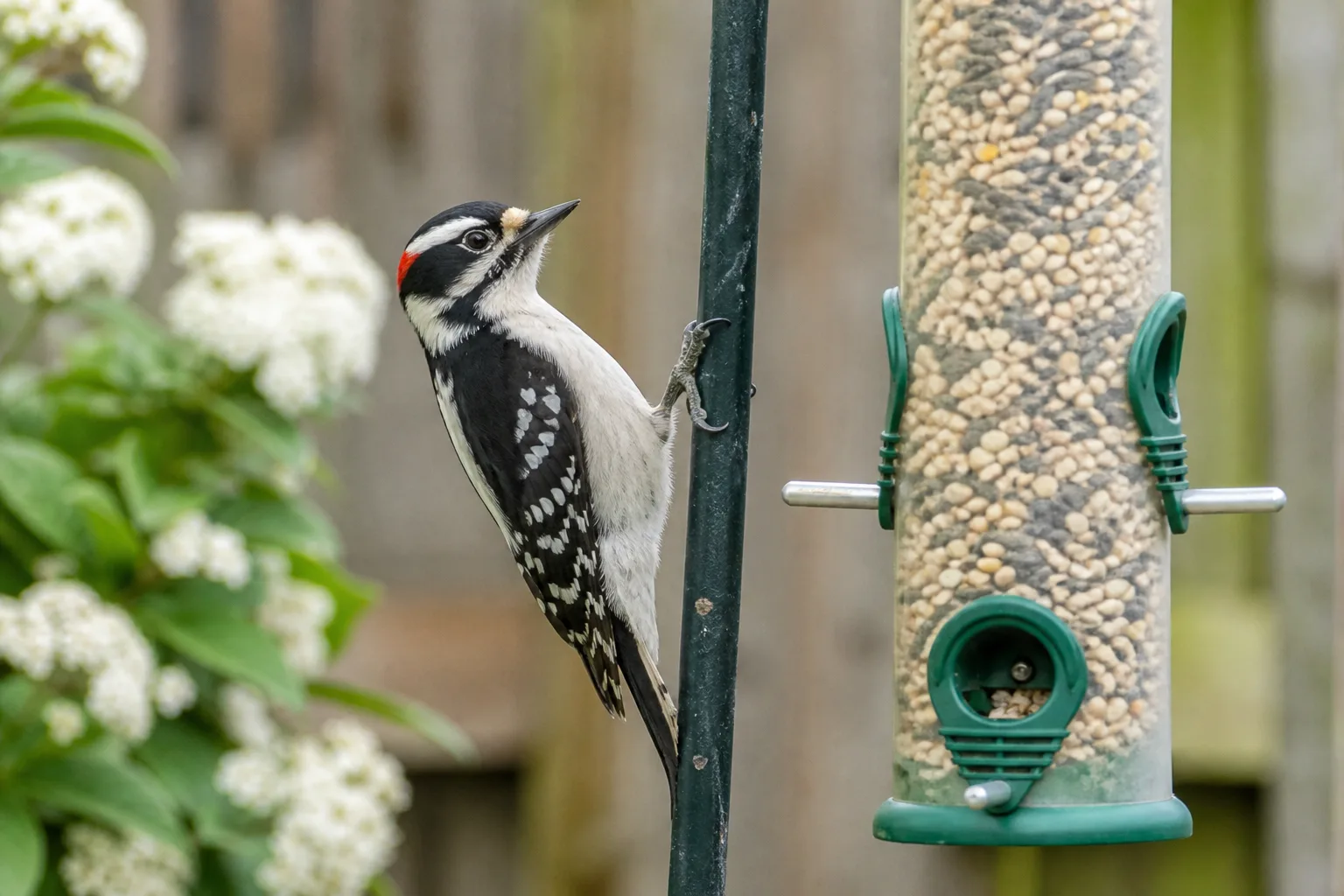
You can keep feeding birds while making the area less convenient for chipmunks. Use a feeder with a catch tray, clean up seed on the ground regularly, and avoid placing the feeder directly above a vulnerable bed or container cluster. Homes & Gardens’ practical guidance also recommends moving feeders away from pots and clearing spilled seed; distance reduces the concentration of food but does not make a feeder chipmunk-proof.
Store birdseed, pet food, and chicken feed in rigid containers with tight-fitting lids. Sweep up spilled grain, remove ripe fruit that has fallen to the ground, and harvest strawberries and tomatoes as they ripen instead of leaving them on the vine for several extra days. If nuts or acorns are falling in a target bed, clear the bed perimeter rather than trying to remove every natural food source across the property.
Do not start feeding chipmunks in a separate corner as a “distraction.” It can sustain the same population and create another feeding station that needs maintenance. The aim is not to starve wildlife; it is to stop subsidizing a route through the crops you are trying to protect.
Use Repellents and Scare Devices as Backup
Repellents work, when they work at all, by changing how appealing a plant or place seems. Rain, irrigation, new growth, and repeated exposure can weaken a scent or taste treatment, so follow the product label and expect to reapply. A repellent is most useful on a small, high-value planting that is already protected by a barrier, not as a yard-wide solution.
If you test one, mark the treated patch and check it at the same time each morning for several days. Compare fresh digging or feeding with an untreated nearby area, and note rain or watering that could have washed the product off. Change one variable at a time; if damage continues, stop spending time on that deterrent and close the access gap instead.
Hot-pepper products may reduce feeding on treated plants, but homemade mixtures vary in strength and can irritate eyes and skin. Do not spray a mixture on edible crops unless the product is labeled for that crop and harvest interval. Before using a commercial product, confirm that its label names the target animal and the exact place you intend to apply it; “natural” does not mean proven or automatically safe around pets, children, pollinators, or food.
Motion-activated sprinklers can startle animals from a specific approach path, though they may also activate for pets or people. Ultrasonic and flashing devices have mixed practical results, and an animal can become used to a stationary signal. If you try one, test it for a limited period and watch for fresh damage; keep the device only if it changes activity. Do not rely on predator statues, scattered coffee grounds, peppermint oil, or other internet home remedies as your only protection.
Never scatter mothballs outdoors to repel chipmunks. Clemson University’s pesticide regulators explain that mothballs are regulated pesticides and must be used according to their label; labels generally direct use in tightly closed containers, not in open yards. UGA Extension also warns against using mothballs for mammal control where that use is not on the label. If a product is not labeled for chipmunks and the garden setting, choose a barrier instead.
Handle Burrows Carefully
Chipmunk tunnels can be extensive and may have more than one entrance. University of Georgia Cooperative Extension describes burrows that can stretch 30 feet or more and notes that entrances are often near stumps, fallen logs, large stones, or walls. This is why filling one visible hole with gravel or sand often leads to a new entrance rather than a lasting fix.
Do not pour gasoline, bleach, mothballs, or other chemicals into a burrow. Do not flood the tunnel or seal every opening while an animal may be inside. Those approaches can harm wildlife, contaminate soil, create a new problem elsewhere, or damage the foundation and hardscape around the burrow.
If the hole is beside a patio, retaining wall, shed, or foundation, document it and inspect for settling or new cracks before doing any excavation. A handful of holes in an open bed can often be managed by protecting the plants and reducing nearby shelter. A growing network near a structure deserves advice from a local wildlife control professional or your state extension office before you fill or dig.
Treat Trapping and Relocation as a Last Resort
Live traps may seem like a simple humane option, but catching an animal is only the first part of the problem. A trapped chipmunk can become stressed or injured, and laws about trapping, transport, and release differ by location. UGA Extension cautions that moving a chipmunk to unfamiliar territory can have poor survival outcomes and notes that release rules vary; never assume a park, roadside, or neighboring property is an acceptable release site.
Before setting any trap, ask your state wildlife agency or county extension office what is legal and what happens to a captured animal. If trapping is permitted and damage is serious, use a wildlife professional who can check traps frequently, account for young animals, and follow local rules. Avoid poisons and snap traps around gardens with pets, children, or non-target wildlife unless a licensed professional and local law specifically support the method.
For most backyard problems, a barrier-and-cleanup plan is less risky and more repeatable than trapping. If the food supply and cover remain, a vacant burrow or cleared bed may attract another animal later. Reduce the reward and protect the crop first.
Follow a Seasonal Prevention Plan
Chipmunk pressure changes with what is available, so check protection at the moment a crop becomes vulnerable instead of waiting for visible losses. A short routine after planting, watering, feeding birds, and harvesting helps catch gaps before they become the easiest route into the bed.
Protect the Garden Before Planting
Before sowing spring vegetables or planting bulbs, install cages, bed covers, and pot collars while the soil is still easy to work. Tighten the edges and leave an opening that lets you water and weed without leaving the whole bed exposed. Mark bulb rows so you can tell later whether an animal has dug in a new place or a bulb simply failed to grow.
Move stored seed and feed into closed bins before outdoor feeding picks up. Check the spaces below sheds, steps, and woodpiles for signs of fresh activity, but avoid tearing apart a safe habitat area unless it is causing damage. The first inspection gives you a baseline: you can respond to a new hole or disturbed patch instead of guessing whether it is old.
Keep Protection in Place Through Ripening and Cleanup
As fruit begins to ripen, close the sides and top of berry cages before the first berries color. After heavy rain or watering, check that the cover still reaches the ground and that clips have not loosened. If you see fresh digging inside a cage, look for a gap at a corner or where a stem passes through rather than simply adding another repellent.
Harvest ripe produce promptly and clear fallen fruit and spilled seed during routine garden cleanup. At the end of the season, remove damaged covers and store wire cages dry so they are ready for bulbs or seedlings next year. A few minutes of maintenance at transition points is easier than restarting control after chipmunks have learned that a bed is an easy pantry.
Know When to Call a Wildlife Professional
Call a qualified wildlife professional if chipmunks enter your home, garage, or shed; if burrowing is undermining a foundation, retaining wall, patio, or walkway; or if damage continues after you have protected the vulnerable crops and removed accessible feed. Also seek help if you find several connected burrows near a structure and are unsure whether filling or trapping is lawful.
Ask whether the professional is licensed where required, what non-target animals could be affected, and how the plan prevents another animal from using the same food source. A useful inspection should identify access points and explain why each control method fits the site. Be cautious of anyone promising permanent removal from an outdoor yard; wildlife can return when shelter and food remain.
Before the visit, take photos of the openings and damage, note when you see activity, and mark the nearest feeder, shed, or wall. This helps distinguish an active burrow from an old hole and lets the professional focus on the path between shelter and food rather than treating every corner of the yard alike.
Conclusion
The most reliable way to keep chipmunks out of a garden is to make the plants they are damaging physically inaccessible. Cover seed rows and berries, cage bulbs, fit mesh over vulnerable pots, and secure the edges so a small animal cannot climb or dig underneath. Clean up spilled seed and fallen fruit to make the protected route less rewarding.
Use scents, motion sprinklers, or visual devices only as short-term backups, and skip off-label chemicals and casual relocation. Watch where the damage happens, repair the barrier there, and call a local professional when burrows threaten a structure or control methods require legal guidance. A focused, maintained barrier protects the harvest without needing to make the whole yard hostile to wildlife.