How to Kill Boxelder Bugs: 4 Ways Indoors and Out
Vacuum boxelder bugs indoors, wash outdoor clusters away, seal entry points, and learn when a labeled pesticide treatment is warranted for repeat invasions.
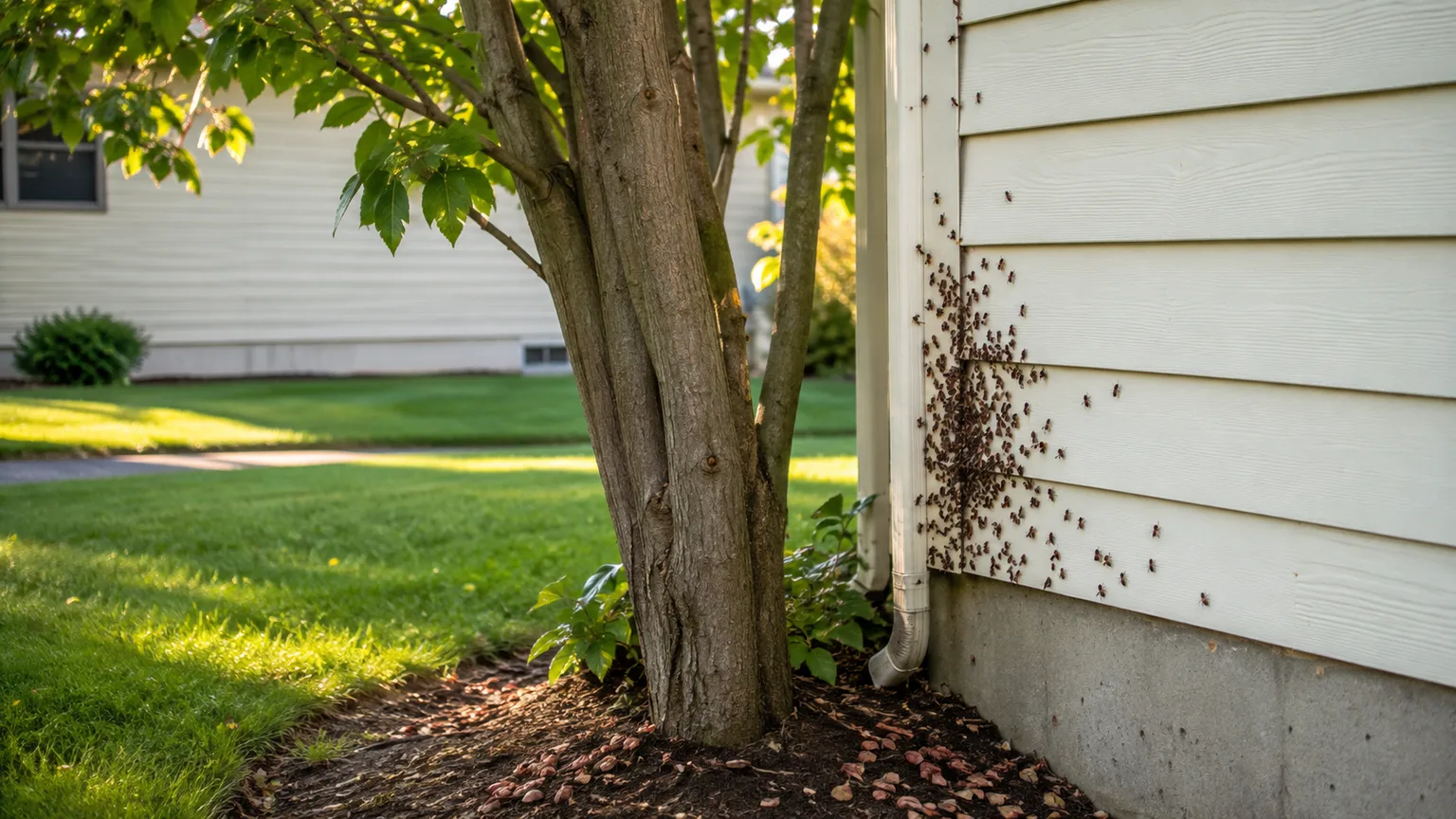
If boxelder bugs are crawling across a windowsill or collecting on a sunny wall, start with where they are—not with the strongest pesticide you can find. A vacuum or a stream of water can remove exposed bugs quickly; sealing the openings they use is what reduces repeat visits.
These black insects with red-orange markings are usually a nuisance, not a threat to the house. The steps below separate immediate removal from longer-term prevention, explain when a pesticide might be reasonable, and flag a few common DIY treatments that deserve more caution than their reputation suggests.
What a boxelder bug looks like
Adult boxelder bugs are flattened, dark insects about half an inch long, with three orange-red lines behind the head and red edging on the wings. Young nymphs are smaller and often bright red before dark markings develop. The adults and nymphs may cluster together on tree trunks, fences, or the warm exterior walls of a house. UC IPM’s identification guide shows the distinguishing markings and life stages.
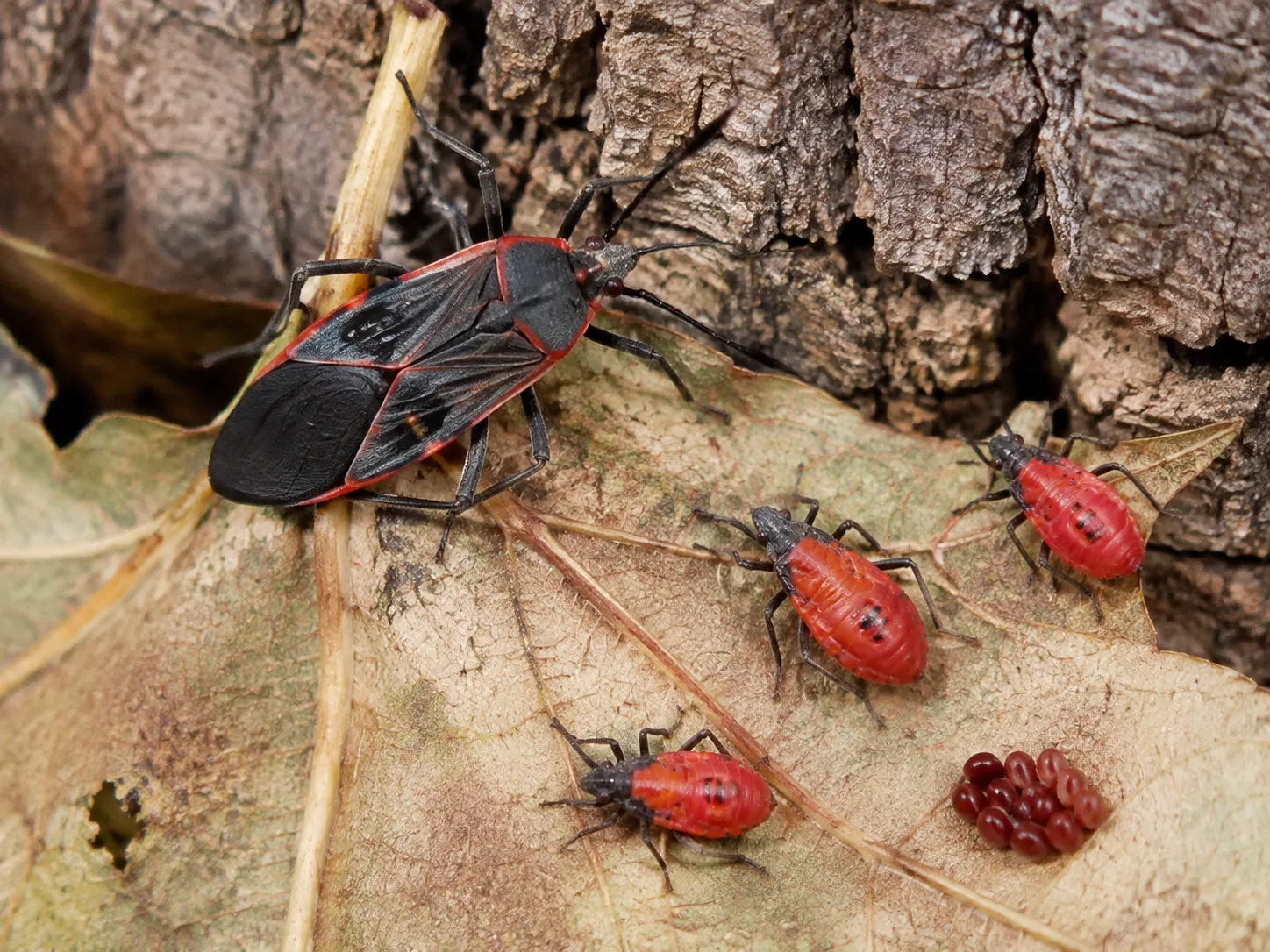
A correct identification matters because red-and-black insects can include other true bugs with different habits. If the insects do not match this pattern, take a clear photo and ask a local Cooperative Extension office to identify them before treating a whole wall or yard. A misidentified insect can lead to unnecessary spraying.
Boxelder bugs do not sting, and they are not known to damage a home’s structure. They may leave dark spots or an unpleasant odor when crushed, so vacuuming or gently washing them away is usually cleaner than swatting. Reports of defensive bites are rare; the National Pesticide Information Center describes them as nuisance pests rather than a disease-spreading insect. (NPIC)
Why boxelder bugs gather on houses
The insects feed and reproduce outdoors, especially around seed-bearing female boxelder trees. They may also be found on maple and ash trees. As cooler weather approaches, adults seek protected places to overwinter; sunny walls, window frames, vents, and small gaps can draw them toward buildings. On warm winter days they may become active again, which can make a settled group seem like a new indoor infestation. (Penn State Extension; NC State Extension)
A few bugs inside usually do not mean the house has become a breeding site. University guidance says boxelder bugs do not reproduce in occupied homes; those that get into warm, dry living areas eventually die. The practical goal is therefore to remove the ones you can see and close the route the next group is using, rather than trying to treat every wall cavity.
Choose a method by where the bugs are
Use this quick decision guide before you gather supplies. The first two options remove exposed bugs; the last two require more care and are not routine first steps.
| Where you see them | First move | What it can do | What it cannot do |
|---|---|---|---|
| A few bugs on a windowsill or indoors | Vacuum and dispose of them promptly | Removes visible adults without crushing them | Does not seal the entry route |
| A cluster on exterior siding or a tree trunk | Wash with a strong stream of water | Dislodges exposed bugs; water may drown some | Does not stop bugs from returning from nearby trees |
| A dense, accessible cluster on a plant or trunk | Consider a labeled insecticidal soap product | Can kill exposed insects it directly contacts | Does not reach hidden bugs or provide lasting exclusion |
| A recurring, heavy fall migration | Seal gaps first; ask a licensed professional about labeled options | May reduce a concentrated outdoor entry problem when timed correctly | Is not a permanent barrier and may require repeat work |
UC IPM advises that insecticide use is rarely justified for this nuisance pest and that vacuuming or hosing may work as well as sprays. Virginia Cooperative Extension also describes water and insecticidal soap as contact options for exposed clusters. Use the least disruptive method that fits what you can actually reach. (UC IPM; Virginia Cooperative Extension)
1. Vacuum bugs indoors and dispose of them
For bugs on walls, window sills, or floors, use a vacuum with a hose or soft brush attachment. Move slowly so you collect the insects instead of blowing them into another corner, and avoid crushing them against pale paint or fabric. If you are cleaning a delicate surface, test the attachment in an inconspicuous spot first.
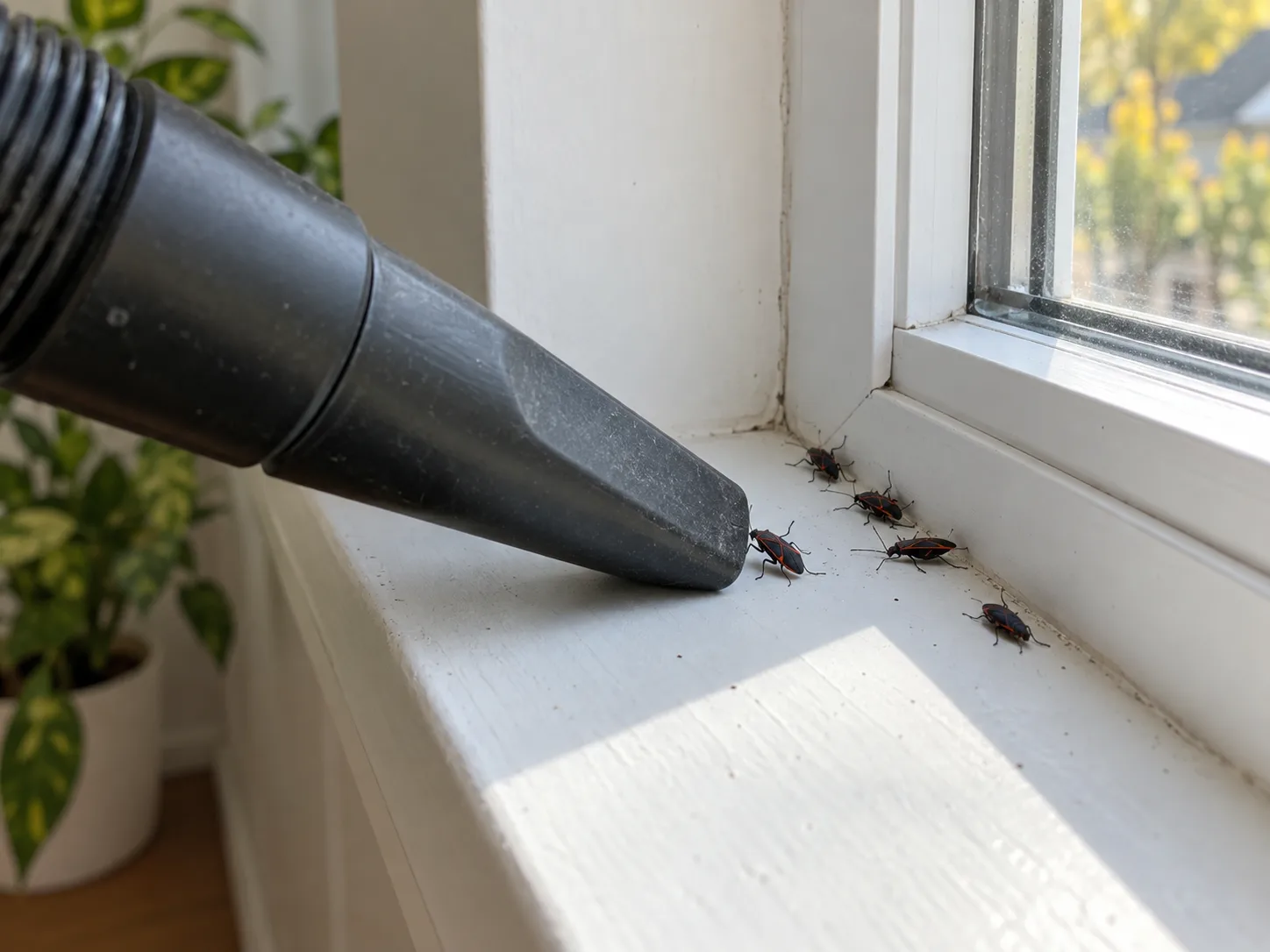
A vacuum bag is convenient because you can seal and discard it. If your vacuum is bagless, empty the canister outdoors into a sealable trash bag, then clean the canister as the manufacturer directs. Empty it promptly; dead bugs left inside can produce an unpleasant smell. NPIC notes that a vacuum bag can also be frozen overnight to kill the insects before disposal, provided your vacuum manufacturer permits freezing the bag. (NPIC control tips; NC State Extension)
Do not spray a room or set off a fogger to kill a handful of visible bugs. Indoor sprays do not solve the gaps that let them in, and treating a wall void is unlikely to stop insects emerging from another opening. Penn State Extension specifically warns against indoor insecticides after bugs have entered attic or wall spaces; vacuuming and sealing accessible exits are more targeted choices. (Penn State Extension)
2. Wash outdoor clusters away with water
When a group is exposed on siding, a tree trunk, or another washable surface, use a steady hose stream to dislodge it. Boxelder bugs are susceptible to drowning, so some may die after being washed down; others may crawl or fly away and return later. This is a quick, low-residue option for a visible cluster, not a lasting barrier. (UC IPM; Virginia Cooperative Extension)
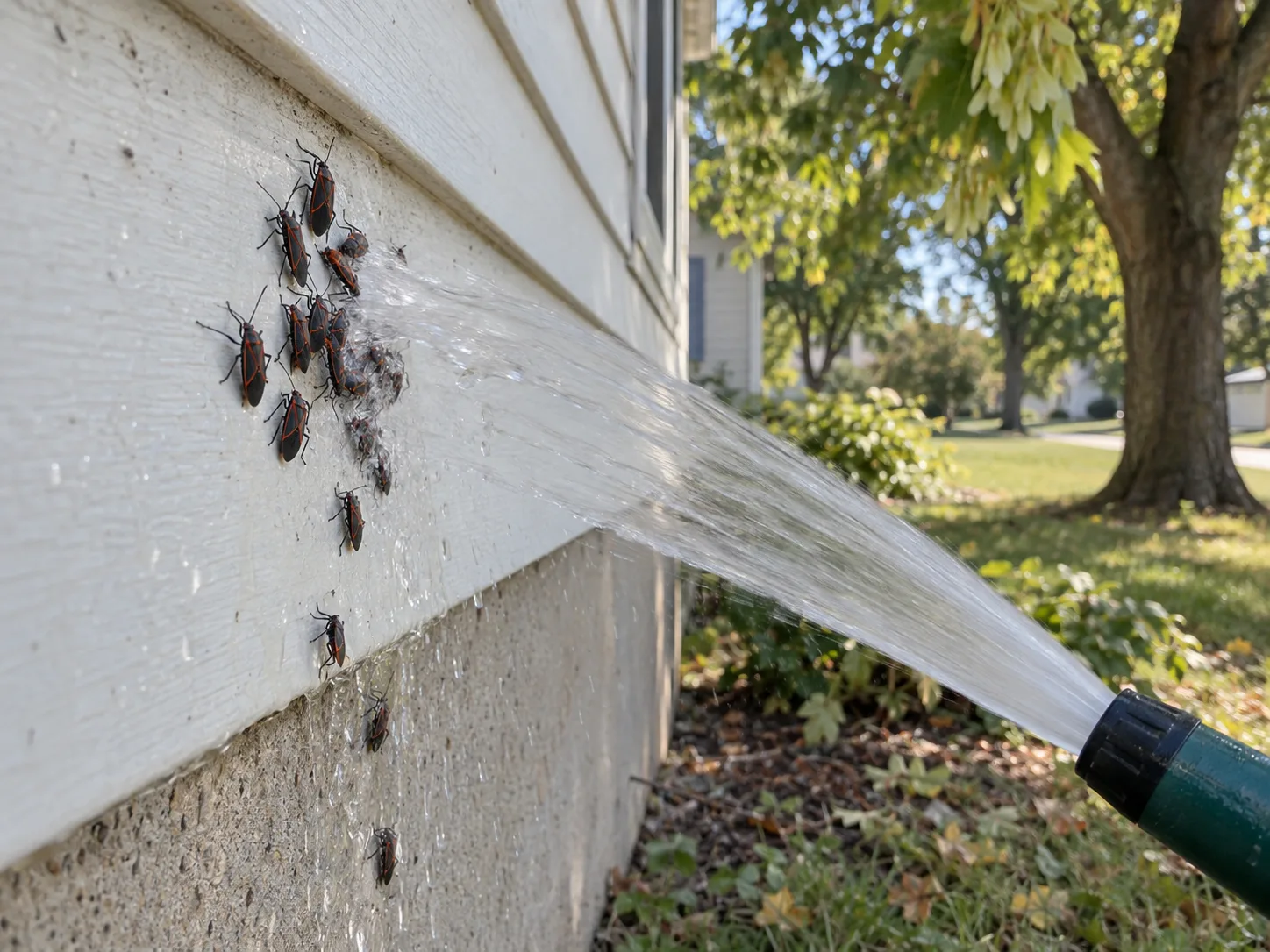
Aim at the insects rather than spraying water into vents, electrical fixtures, or openings around windows and doors. Use only enough pressure to move the bugs; a pressure washer can damage siding, force water behind cladding, or injure plants. Avoid soaking a foundation or directing runoff toward a drain.
You may see recipes for dish soap mixed with water. A detergent mixture is not the same thing as a labeled insecticidal soap: ingredients and strength vary, and the spray can contact plants or other surfaces. If you want a soap treatment, choose a product whose label permits use on the target pest and site, then follow its directions. Do not assume a household cleaner is harmless simply because it is diluted.
3. Use insecticidal soap only on exposed bugs
A labeled insecticidal soap can be useful when boxelder bugs are gathered in an accessible place and water alone is not enough. It works by direct contact, so the spray must reach the insects; it does not kill bugs hidden inside siding or create a dependable residual barrier. UC IPM describes insecticidal soap as a contact spray that may reduce populations on tree trunks. (UC IPM)
Read the whole label before opening the container. Confirm that boxelder bugs and the exact site—such as the plant or outdoor surface you intend to treat—are covered, and follow the label’s application rate, protective equipment, weather limits, and directions for children and pets. If the label does not cover that pest and location, do not improvise a use.
If bugs are clustered on a plant, keep spray off open flowers and avoid treating beneficial insects. Test a small area first if the plant or finish may be sensitive, and do not spray in hot, windy conditions or where the product can run into a storm drain. A professional can help identify whether the treatment is appropriate when the insects are high in a tree or near a sensitive planting.
4. Consider a labeled perimeter treatment only as a last resort
A residual insecticide around a building may be considered when a large, recurring migration continues despite reasonable exclusion and cleanup. It is not the first choice for a few indoor bugs, and it is not a substitute for repairing a torn screen or an open gap. University guidance differs in how it frames exterior pesticide options, but it consistently cautions that timing and coverage matter and that the effect may be limited. UC IPM says sprays are generally not recommended and are often no more effective than vacuuming or hosing; Penn State notes that exterior residuals break down in sunlight and may lose useful activity within days or a week. (UC IPM; Penn State Extension)
If you decide to explore this option, start with a licensed pest-management professional rather than choosing a product from its active ingredient alone. Ask what exact label permits the target pest and application site, where the product would be applied, how long people and pets must stay away, and what measures will prevent runoff. The product label is the use instruction: NPIC explains that it specifies where and how a pesticide may be used and lists precautions and any required protective equipment. (NPIC label guidance)
Do not spray indoor walls, fog living rooms, or inject dust into wall voids just because bugs are emerging there. Such treatments can expose people and pets without closing the entry path or preventing more adults from appearing. If a contractor recommends an extensive treatment, ask why the nonchemical options are insufficient and request the product label and treatment plan before work begins.
Why borax and loose diatomaceous earth are poor shortcuts
Sprinkling borax around a tree or doorway may sound like a simple perimeter treatment, but it is not a reliable way to block boxelder bugs from entering. Borax and related borate products can irritate skin and eyes, can harm plants at excessive exposure, and should be used only as the particular product label directs. A product made for another pest or indoor bait placement is not automatically suitable for a home exterior or this insect. (NPIC boric acid and borate fact sheet)
Diatomaceous earth also depends on the exact product and its label. NPIC says food-grade diatomaceous earth has not been evaluated for pest-control risks or effectiveness, so “food grade” does not mean it is a tested or risk-free insecticide. Some pesticidal products are evaluated and carry an EPA registration number with specific use directions; dust exposure may be a concern, especially where people or pets can disturb it. For a seasonal nuisance bug, vacuuming, water, exclusion, and prompt cleanup are usually more straightforward than spreading a powder around living areas. (NPIC on diatomaceous earth)
Keep the next wave out with exclusion
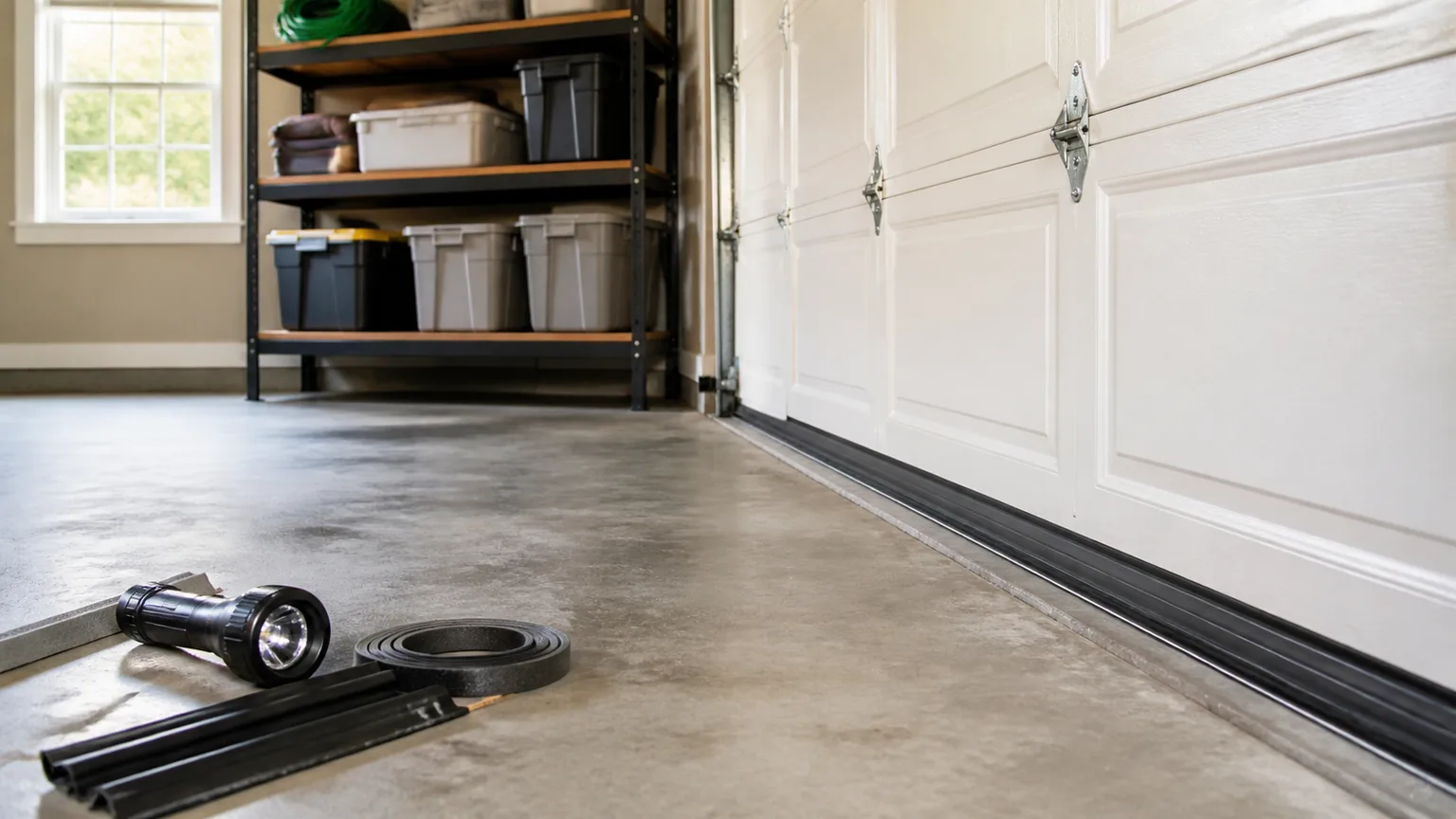
The measure most likely to reduce indoor arrivals is to close the routes bugs use. In late summer, before adults begin gathering for winter shelter in your area, inspect screens and weatherstripping and seal small cracks around windows, doors, siding, utility pipes, vents, and fascia. Use materials suited to the opening: caulk for fixed narrow gaps, weatherstripping for moving doors and windows, and fine mesh for vents that need airflow. Keep required ventilation paths open; do not seal a vent that serves an appliance or attic ventilation.
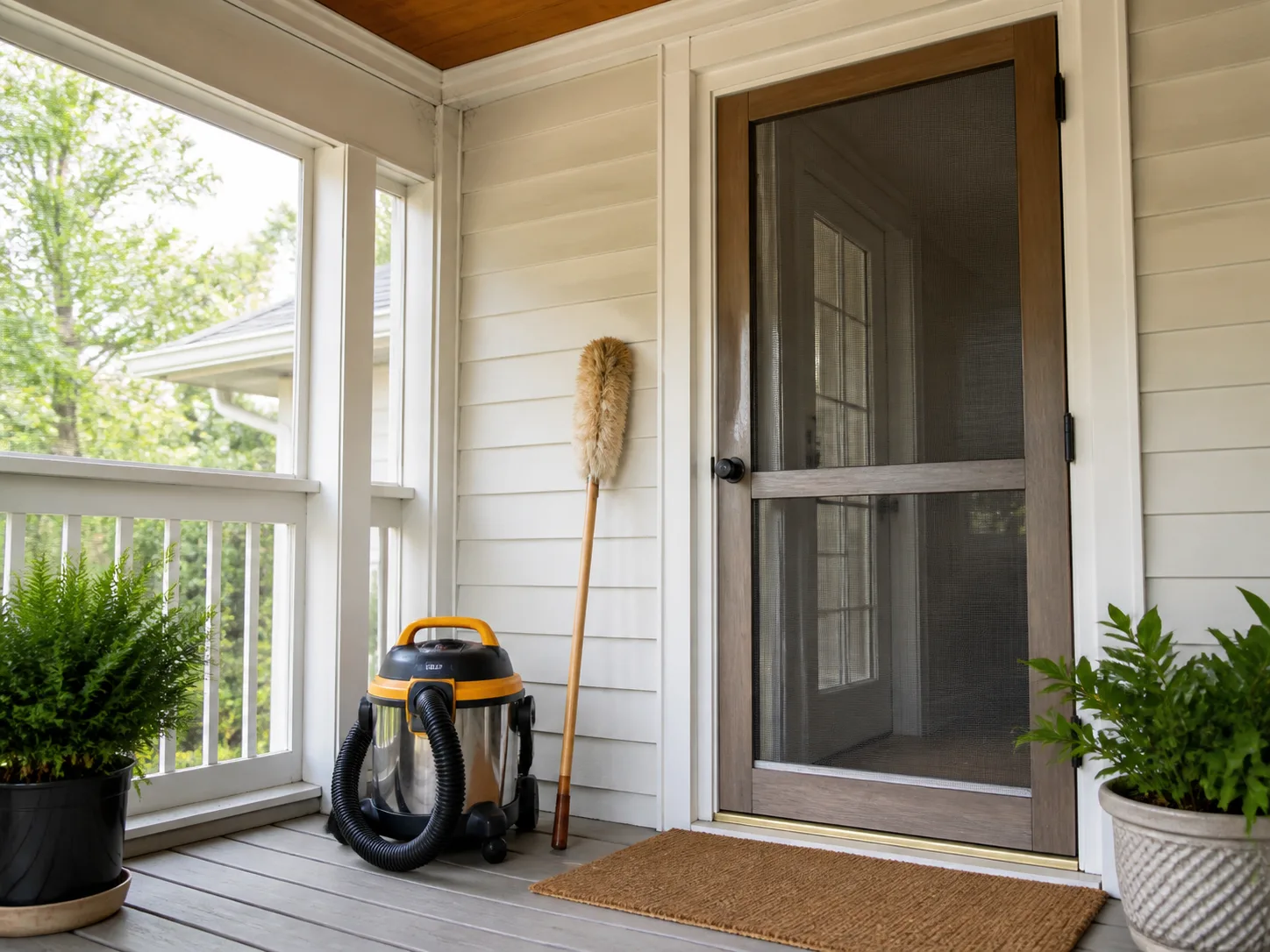
The same sequence appears in recent home-and-garden guidance and a garden pest-control overview: block entry and clear nearby hiding places before relying on a spray. Extension sources add the practical details—screens, door sweeps, vents, and repeated inspection—because a tiny opening can defeat a broad treatment. (Virginia Cooperative Extension; NPIC)
Inspect these common entry points
Walk the outside when daylight makes gaps easy to see. Check where two materials meet and where pipes, cables, or vents pass through the wall. Pay extra attention to the warm south- and west-facing sides where adults often gather.
A short checklist helps keep the job manageable:
- Repair torn window and door screens.
- Replace worn door sweeps and weatherstripping.
- Seal gaps around window trim, siding joints, pipes, and utility penetrations.
- Screen soffit, attic, and dryer vents with suitable mesh while preserving airflow.
- Inspect garage edges and basement windows.
- Look for openings behind trim or where the foundation meets siding.
If insects appear indoors at one recurring spot, note the room and nearby exterior seam before sealing. That pattern can point to the route and prevent you from caulking randomly or blocking a necessary drain or vent.
Reduce hiding places without removing every tree
Rake fallen boxelder seeds and clear leaf piles, boards, rocks, and dense weeds close to the foundation. These sheltered materials can give bugs a place to rest, and seeds are a food source near host trees. UC IPM suggests keeping a debris-free strip around the foundation, especially on the sunny sides of the home, and sweeping or vacuuming seeds from hard surfaces. (UC IPM)
A nearby boxelder, maple, or ash tree may explain why insects return, but removing it is not a guaranteed fix. Adults can fly in from other trees, and a mature tree may have shade or habitat value. If one female, seed-bearing boxelder close to the house attracts dense groups year after year, discuss the trade-off with an arborist; otherwise, begin with seed cleanup and exclusion. Virginia Cooperative Extension explicitly notes that tree removal is not necessary just to avoid boxelder bugs and may be considered only for a repeatedly troublesome female tree. (Virginia Cooperative Extension)
When to call a pest professional
Call a professional if hundreds of insects enter each season, the entry route is inaccessible, or you need help distinguishing boxelder bugs from another pest. A good inspection should identify the insect, trace how it enters, and discuss exclusion before proposing pesticide use. Ask for a written explanation of the target, product, application site, timing, re-entry instructions, and precautions for children, pets, pollinators, and nearby water.
A professional may decide that a limited exterior treatment is justified, but the label and local conditions should drive the plan. Ask whether the product is registered for boxelder bugs on the exact surface and whether the proposed timing is likely to reach active, exposed insects rather than adults already hidden inside. If a service promises permanent elimination from one spray, ask how it accounts for bugs flying in from neighboring trees.
Common mistakes that prolong the problem
Crushing bugs on a wall can leave odor and spots, so remove them with a vacuum or water instead. Treating every outdoor insect with a broad-spectrum product can expose non-target insects without addressing the openings or host trees that drive the nuisance. UC IPM notes that repeated applications may be needed and that spray use is rarely justified for ordinary boxelder bug management. (UC IPM)
Other avoidable mistakes include:
- Spraying indoors after bugs have moved into a wall or attic void.
- Using dish detergent or a pesticide intended for a different pest or surface.
- Assuming food-grade diatomaceous earth has been tested as an insecticide.
- Putting borax where children, pets, or plants can contact it.
- Power-washing siding or forcing water into an opening.
- Removing a mature tree before confirming that it is the main local source.
- Sealing vents or drainage paths that need to remain open.
- Expecting one treatment to stop adults arriving from nearby trees.
If you have already used a pesticide, follow its label for cleanup and re-entry, and contact NPIC with the label in hand if you have questions about a product or exposure. Do not mix products or apply more because some bugs remain visible; first confirm what the treatment was intended to control and whether the label allows another application.
How long it takes to get control
Visible indoor bugs can be removed in one cleanup, but keeping new ones out takes more than a single afternoon if gaps remain. Seal obvious routes before the local fall migration, then vacuum any stragglers that appear. On warm days during winter, dormant adults may move toward light and become visible again even when no new generation is developing indoors. (Penn State Extension; UC IPM)
The scale of the problem also depends on what is happening outdoors. A nearby seed-bearing tree or a warm, exposed wall can keep attracting insects, and adults from off-property trees may still arrive after you seal your house. Think of success as fewer bugs getting inside and fewer interior cleanup episodes, not a guarantee that no boxelder bug will ever land on the siding.
Conclusion
For boxelder bugs already inside, vacuum them up and dispose of them promptly. For exposed outdoor groups, try water first; use insecticidal soap or a perimeter product only when its label covers the pest and exact site, and when the expected benefit justifies the exposure.
Then focus on the lasting work: repair screens, close entry gaps, and clear seeds and debris near the foundation. That combination usually addresses the nuisance more directly than loose powders, foggers, or repeated broad sprays—and it avoids treating every harmless bug as a home emergency.