How to Get Rid of Termites Safely and Effectively
Termites in your home? Learn what to do first, which treatments control colonies, what DIY products cannot fix, and how to compare professional estimates.
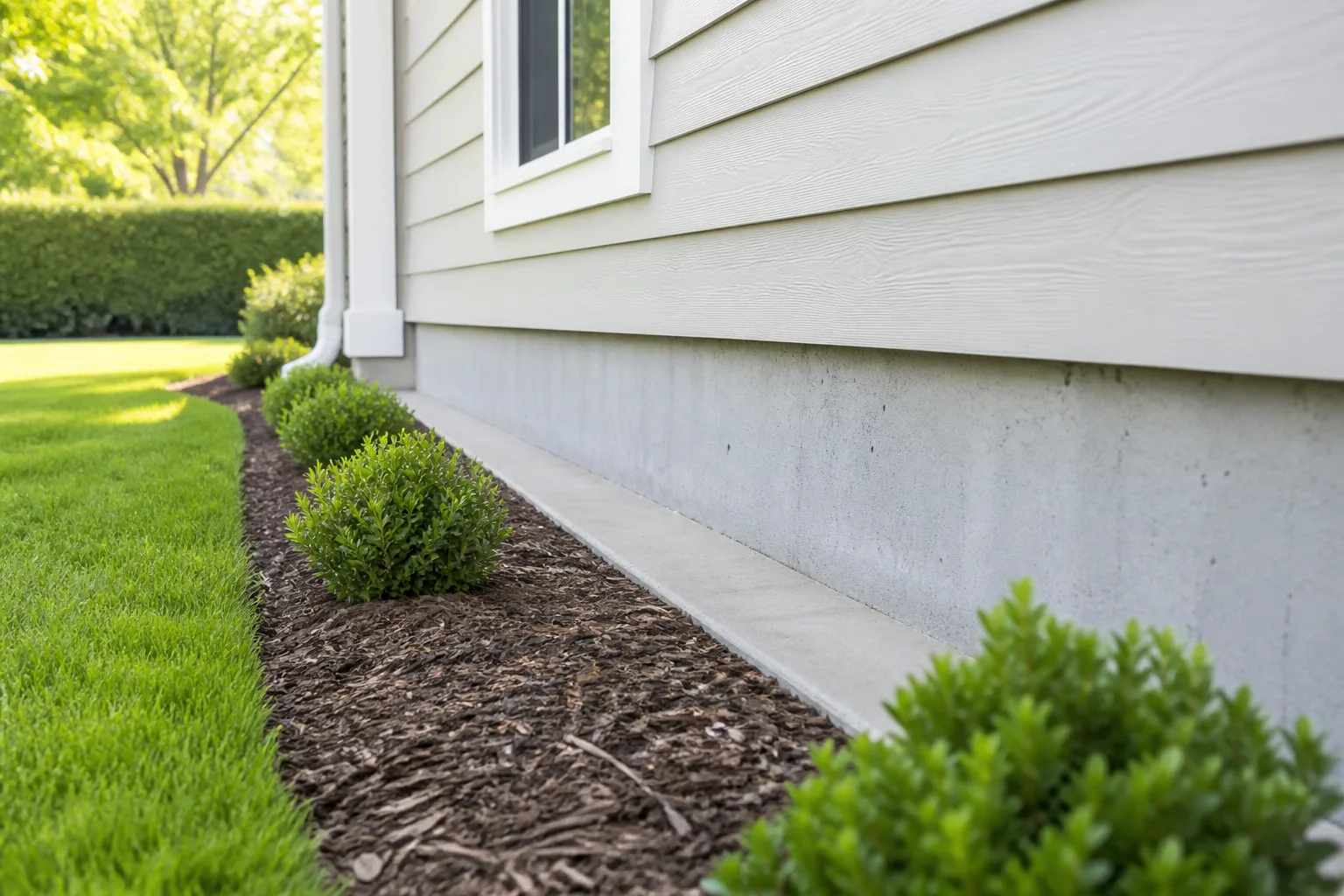
If you have found termites, a mud tube, or fresh damage in a home, a quick spray is not a treatment plan. Termites usually feed and travel inside wood, walls, or soil where a surface product cannot reach them; the useful first move is to preserve what you found and arrange an inspection that identifies the insect, the likely species, and its route into the structure.
Termite damage generally builds over time rather than appearing overnight, so you do not need to panic or start spraying every crack. You do need to treat evidence inside a building seriously: a qualified pest professional can determine whether the activity is current, what kind of termite is involved, and whether the right answer is baiting, a soil treatment, targeted wood treatment, or another approach. The National Pesticide Information Center’s termite guide, updated in 2026, emphasizes that control depends on termite type and that many effective products are for trained, licensed professionals.
First Steps When You Suspect Termites
Take a few clear photographs before you clean, spray, paint, or pull apart anything. Include a close-up of the insect or tube and a wider image that shows where it is in relation to a foundation, sill, window, door, pipe, or other wood; note the date, room, weather, and whether you have seen the same sign again. If you can collect a few insects without touching any pesticide, place them in a closed container for identification, or keep a sharp photo that shows their wings and body shape.
Avoid disturbing a mud tube or damaged wood until you have documented it and arranged an inspection. Breaking a tube does not remove a colony, and spraying a visible opening can kill exposed workers while masking where the insects are traveling. A technician may learn more from an intact tube, active insects, and undisturbed evidence than from a wall that has already been treated with several household products.
If termites are swarming indoors, close interior doors to limit the area, turn off nearby lights if they are drawing insects farther inside, and vacuum or sweep up the insects after taking photographs. Their wings or bodies are evidence, not proof that a whole house is infested; save a few in a sealed bag or container and schedule an inspection, especially if the swarm emerged from a wall, floor, or window frame. If the insects are outdoors near a stump or firewood pile, record the location rather than assuming the house is affected.
Do not use a pesticide unless the exact product is labeled for the site and pest you intend to treat. Keep children and pets away from any treated area as directed by the label, and never pour a lawn or garden insecticide into a foundation, wall void, crawlspace, or bait station. The EPA’s consumer guidance on termites explains that termiticides must be used according to their labels and that many applications require professional training because incorrect soil treatment can contaminate a home or nearby water.
Confirm the Insect and Likely Termite Type
Termite treatment is not one-size-fits-all. Subterranean termites nest in soil and commonly reach buildings through mud or shelter tubes; drywood termites live inside relatively dry wood and do not need a soil connection; dampwood termites are associated with very moist, often decaying wood. A professional needs to identify both the insect and its habitat because a treatment aimed at a soil colony cannot automatically solve insects living in a beam, and a drywood approach may not reach a subterranean nest.
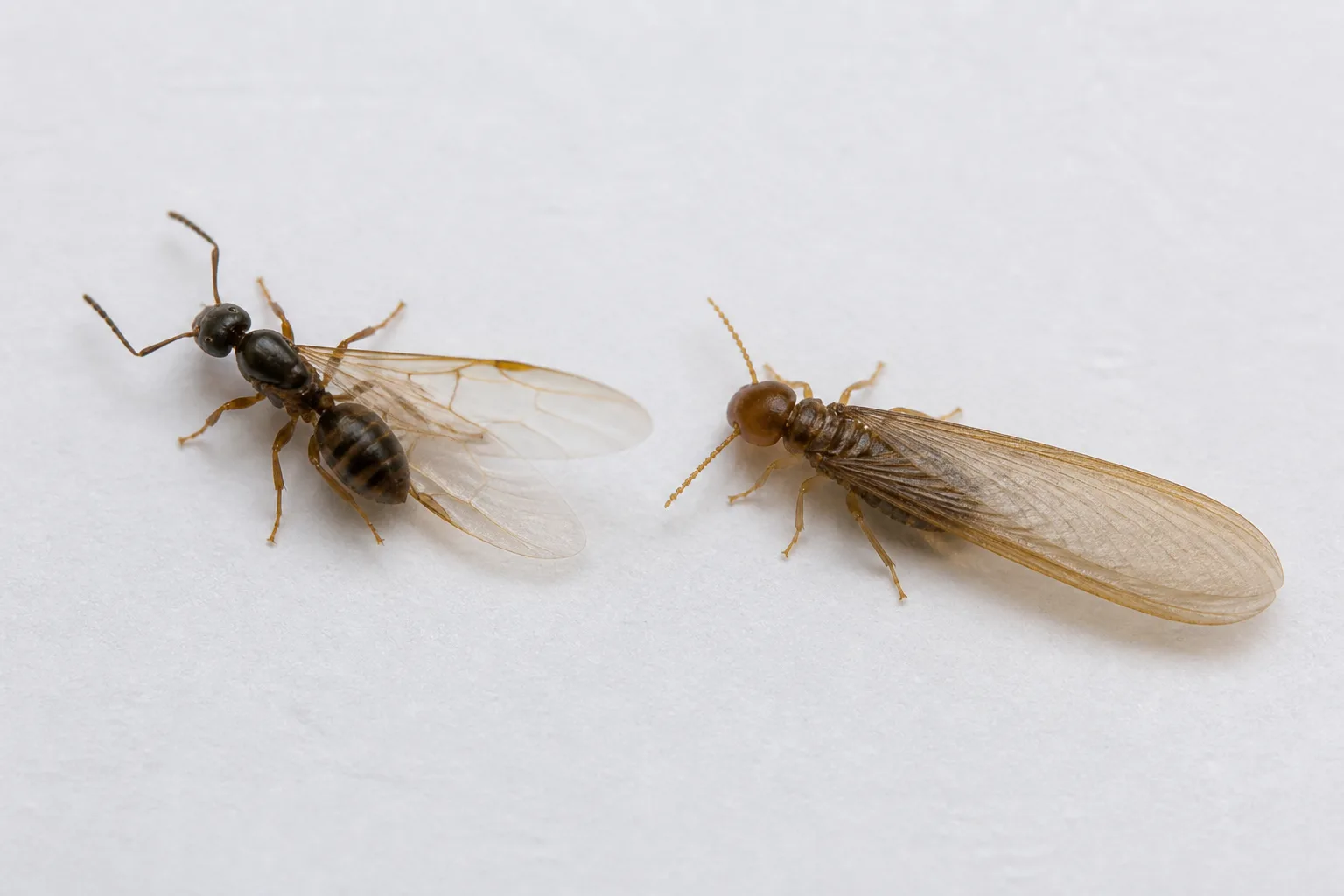
Winged termites and flying ants are easy to confuse. Termite swarmers have a broad waist, straight antennae, and four wings of roughly equal length; ants have a pinched waist, bent antennae, and front wings longer than their hind wings. A photo taken from above beside a ruler or coin can help an extension office or pest professional identify the insect, but do not rely on color alone because it varies by species and life stage. Penn State Extension’s eastern subterranean termite guide explains that wings shed after a swarm can be the only visible clue, while UC IPM’s termite overview stresses that signs and control methods differ among subterranean, drywood, and dampwood termites.
Signs that warrant an inspection
A live termite inside a building, a mud tube that connects soil with structural wood, or workers found inside damaged framing are strong reasons to call for an inspection. Frass—small, hard, often ridged pellets—can point toward drywood termites, while blistered paint, hollow-sounding trim, buckling floors, or stuck doors are weaker clues on their own because moisture, leaks, movement, and wood decay can look similar. Treat a cluster of signs as more meaningful than one symptom in isolation.
A swarm from inside a wall or a pile of shed wings in a room deserves prompt attention, but it still does not tell you exactly where the colony is or how far it has spread. A swarm outside may come from a stump, fence post, or buried wood rather than the building. The distinction matters: a photo and inspection are more useful than ordering a treatment from the appearance of a single insect.
When you meet the inspector, ask them to show you the evidence supporting the diagnosis. A useful report identifies where activity was seen, which areas were inaccessible, whether the evidence appears active or old, the likely termite group, and what additional inspection or monitoring is needed. If the proposal names a chemical method without explaining how it addresses the source, ask for the reasoning in writing.
Why Sprays and Home Remedies Rarely Solve an Infestation
A spray can kill the termite it touches. That does not mean it reaches the rest of the colony, stops workers from entering elsewhere, or protects the structure. Subterranean colonies may be hidden below ground and forage through multiple routes; drywood termites may occupy galleries inside wood. Killing a few exposed insects is therefore different from stopping the infestation or establishing a protective barrier.
Vinegar, dish soap, orange oil, neem oil, bleach, essential oils, and food-grade diatomaceous earth are not reliable substitutes for a labeled structural termite program. Even if a substance injures an exposed insect, it cannot be assumed to penetrate a beam, reach a soil nest, or provide lasting protection; applying a household mixture can also damage paint or finish and make the eventual inspection harder. “Natural” does not mean safe for pets, people, building materials, or the environment, and a product’s presence in a home does not establish that it is registered and labeled for termite control.
The same limitation applies to a can of foam or a powder injected into a visible hole. Localized products may have a specific labeled use, but they generally cannot establish the continuous soil barrier or colony monitoring needed for an unseen building-wide problem. The EPA distinguishes products that kill termites on direct contact from products that have demonstrated structural protection; the label must explicitly support the intended termite use. That is why an inspection is the sensible step before treating a wall, foundation, or crawlspace yourself.
What Professional Termite Treatments Actually Do
A treatment should be selected after the inspector considers species, where the colony is likely to be, how termites enter, how the house was built, and whether wells, drains, pipes, crawlspaces, slabs, or additions affect safe access. There is no single “strongest” method for every house. Ask the company to explain the target and limits of its recommendation, not just the name of a product.
| Method | Main purpose | What to expect | Main limitation |
|---|---|---|---|
| Liquid soil treatment | Create a treated zone between a soil-based colony and the structure | May require trenching, rodding, or drilling to reach soil beside or under parts of a foundation | Gaps, inaccessible areas, wrong placement, or later construction can weaken coverage |
| Bait system | Let foraging termites feed on a slow-acting bait that can affect colony members | Stations are inspected and maintained on a planned schedule | Takes monitoring; a station that is never checked is not a complete program |
| Localized wood treatment | Treat a confirmed termite gallery or piece of infested wood | Useful for some accessible, limited areas as part of a wider plan | A spot treatment may miss connected or hidden activity |
| Drywood treatment | Reach termites living within dry wood | May involve targeted treatment, wood replacement, heat, or fumigation, depending on extent and location | Soil barriers alone do not reach colonies that live entirely in wood |
Liquid soil barriers
A liquid soil treatment is designed to form a treated zone around a structure so termites moving from the soil encounter the product. Depending on the building, applicators may need to trench near the foundation, inject product into soil through a rod, or drill through a slab, porch, or patio to reach a treatment zone below. This is not simply spraying the visible side of a foundation; continuity and safe placement matter.
The approach may fit a building with subterranean termites, but soil type, construction, utilities, and water sources can change what is practical. EPA guidance warns that improper application can lead to contamination and may fail to protect a structure; Penn State Extension likewise cautions against homeowner application because creating a continuous soil barrier requires specialized equipment and experience. Before work begins, ask which areas will be treated, which will remain untreated, and how the contractor handles wells, drains, heating ducts, plumbing, and any inaccessible section.
A barrier is not a promise that no termite can ever appear again. New construction, disturbed soil, untreated additions, landscaping changes, or a missed access point can alter the treatment picture. The proposal should say what the product is intended to do, how long the service is warranted, what follow-up is included, and what event would require another inspection.
Bait stations
Bait systems use stations placed where termites forage. A monitoring station may first help a technician detect activity; if termites are feeding, the service plan may use a slow-acting bait that workers consume and share with other members of the colony. Unlike a liquid barrier, baiting depends on termites finding and feeding on the stations, so monitoring and maintenance are part of the treatment rather than an optional extra.
Baits can be a good fit when a liquid soil application is difficult or undesirable, but no bait is an instant “trap” that kills every termite the moment it is installed. Results vary with species, station placement, competing wood or cellulose nearby, weather, and the inspection schedule. UC IPM notes that bait programs may take months or longer and require continuing monitoring; the company should explain what counts as feeding, how often stations will be checked, how depleted bait is replaced, and how progress will be documented.
Be cautious if an estimate describes bait stations only by their number or spacing. Ask for the map, station type, monitoring plan, what happens if no feeding is detected, and whether the agreement covers return visits and bait replacement. A well-explained plan tells you what the company will observe and how that observation changes the next step.
Drywood termite treatments
Drywood termites nest above ground in the wood they consume, so the problem may be isolated to one piece of furniture or a localized section of framing—or widespread across a structure. A professional may recommend replacing infested wood, a targeted treatment for accessible galleries, heat, or whole-structure fumigation, depending on how extensive the infestation is and what parts of the building are affected. Soil trenching alone cannot reach a colony living inside dry wood.
If fumigation is proposed, ask which items must be removed or protected, how long occupants and pets must leave, what the re-entry instructions are, and whether the service controls only the termites present or includes future protection. Treatment details and re-entry times depend on the exact product and label; never use a generic timeline from another company or another home. Localized treatments may have less disruption, but they only make sense when inspection shows the target can be reached and the rest of the infestation is accounted for.
Dampwood activity points to a different first question: why is the wood wet? Repairing a roof or plumbing leak, correcting drainage, and replacing badly decayed material may remove the conditions that let dampwood termites persist, but a professional should still determine whether other termite types or active structural damage are present.
What Homeowners Can Safely Do Themselves
You can collect photographs, preserve a sample, note where and when signs appeared, move stored firewood away from the house, repair a known leak, and make the foundation easier to inspect. These actions reduce confusion and remove favorable conditions; they do not replace treatment of an active colony. If a room or deck feels structurally weak, keep people off the affected area and get a building professional to assess it rather than probing or prying at load-bearing members.
Consumer termite products vary by label and intended use. Some products are meant only to kill exposed insects; a few are intended for particular homeowner uses, while other termiticides or application methods are restricted to licensed professionals. Before buying anything, read the entire label—including the pest, site, method, protective equipment, storage, disposal, and re-entry directions—and confirm that the product is permitted where you live. If the label does not explicitly cover termites in or around a structure, do not improvise by applying it to a wall, soil trench, crawlspace, or foundation.
Avoid drilling into walls or slabs, trenching around a home, injecting chemicals into wall voids, placing poison bait made from household materials, or combining products. Those steps can expose occupants, pets, workers, or water sources, damage hidden utilities, and still leave untreated routes. For a suspected structural infestation, a licensed inspection is a safer and more useful investment than repeatedly buying small products that address only what you can see.
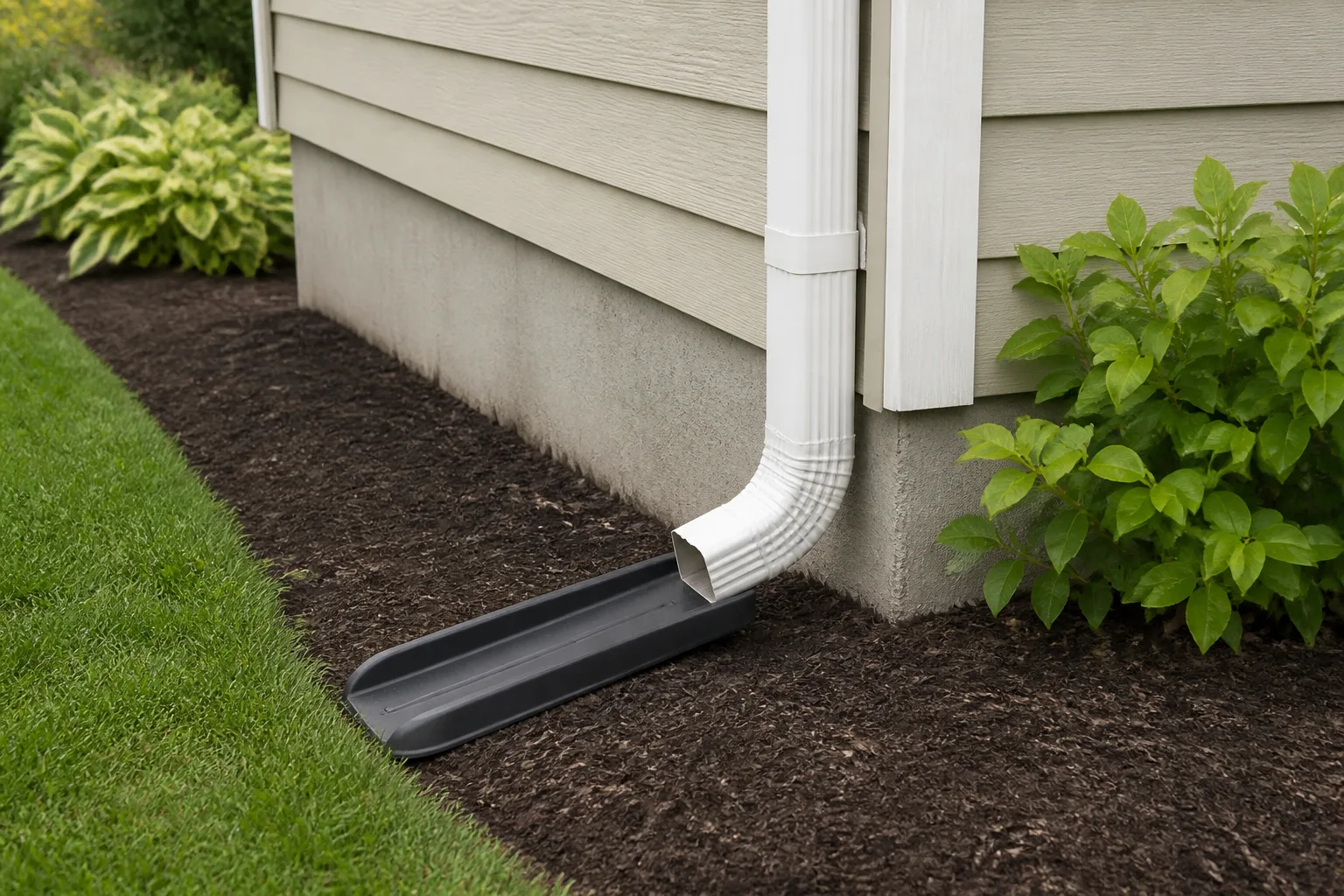
Some low-risk prevention work can start while you wait for the appointment. Divert a downspout that is spilling beside the foundation, fix a leaking hose bib, and move cardboard or scrap lumber away from the house if you can do so without disturbing suspected activity. Leave visible tubes and damaged framing intact until photographed and documented; ask the inspector whether they want the evidence preserved before you remove it.
How to Choose a Termite Professional
Termite treatment is a substantial home-maintenance decision, so compare written inspection findings and proposals rather than choosing solely by a low headline price or a promise of permanent elimination. The company should have the pest-control license required in your state, explain who performs the inspection and treatment, and identify any subcontractors. Ask for the treatment product label and a copy of the service agreement before you sign.
Getting at least three estimates can reveal whether companies agree on species, activity, and access points; if recommendations differ, ask each provider to explain the inspection evidence and the reason for its method. Do not assume that the longest warranty or the greatest quantity of chemical is automatically the better offer. An inexpensive spot treatment may simply exclude the rest of the structure, while a more involved proposal may be justified by slab access, a well, or multiple active areas.
Questions to ask before accepting an estimate
Ask the company to answer these questions in writing:
- What evidence confirms active termites, and which species or group is most likely?
- Which rooms, foundation sections, crawlspaces, additions, or detached structures were inspected? What could not be accessed?
- Is the goal to control a soil colony, protect the structure from entry, treat a localized gallery, or address drywood termites?
- Which product and method will be used, and can I read the complete label?
- What areas will be treated, and why are any areas excluded?
- Are drilling, trenching, moving furniture, or temporary evacuation required? What is the exact re-entry instruction?
- How many follow-up visits are included, how will activity be measured, and who do I call if I see new signs?
- What does the warranty cover: retreatment, repair of new damage, or only a service visit? What is excluded, what is the renewal cost, and how can remodeling affect coverage?
A treatment warranty is not necessarily a repair guarantee. Read whether it covers the cost of retreatment only, whether it covers repair of future damage, how long the term lasts, and what annual renewal costs. Confirm how a deck addition, landscaping project, plumbing repair, or slab work could affect coverage, and keep the inspection report, product label, contract, maps, and later monitoring records together.
What to Expect After Treatment
Do not judge success by whether you see a few live termites immediately after work or by whether a swarm returns the following season. Contact treatments can leave insects visible for a time, while bait systems rely on monitoring and colony feeding; a drywood treatment may have a different verification method again. Ask the professional what activity is expected after that exact method and when to schedule the next inspection.
Keep the service record and a simple log of any new wings, frass, tubes, or damage. Photograph the new sign in place and call the provider rather than applying another product over the treated area. The technician can compare it with the original map, determine whether it is new or old evidence, and decide whether bait needs replenishment or a barrier has been disturbed.
If a company says the treatment is complete but provides no written follow-up plan, ask for one before the final payment or during the warranty period. The plan should state when a technician returns, what they inspect, how bait stations are serviced if applicable, how new evidence is reported, and which repairs or maintenance tasks are your responsibility. Lack of new visible activity is encouraging, but it is not the same as an independent structural inspection or a lifetime guarantee.
Reduce Conditions That Make a Home Easier to Reach
After evidence is documented and the treatment plan is agreed, reduce moisture near the foundation. Repair plumbing and roof leaks, clear gutters, extend downspouts so they do not empty at the wall, and adjust irrigation that repeatedly soaks one part of the perimeter. Keep crawlspaces dry and ventilated according to local building requirements, and have drainage or grading problems corrected without directing water toward a neighbor or undermining a foundation.
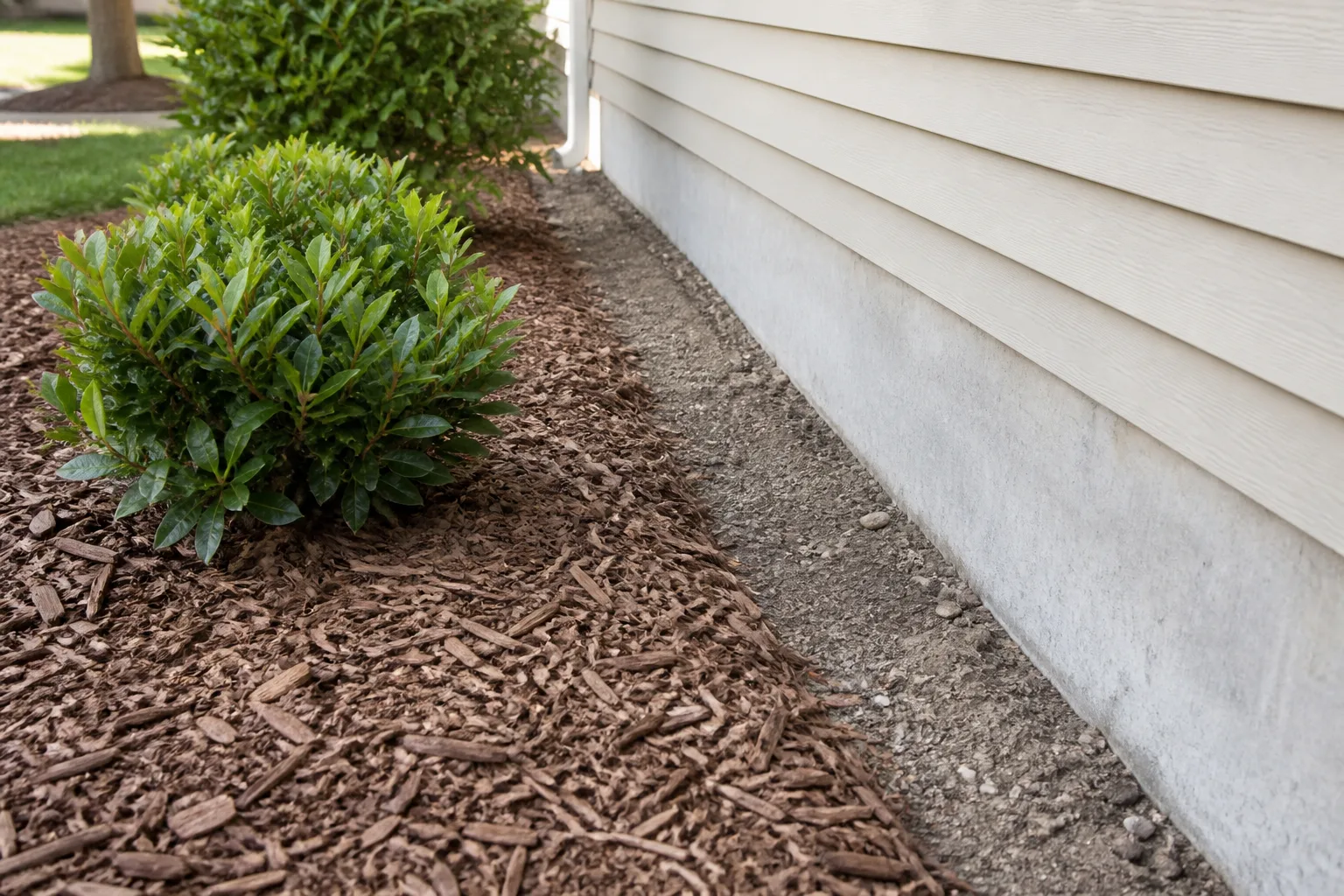
Keep structural wood and siding visible above grade where the building design allows; remove soil or mulch that covers inspection gaps, and do not let wood, lattice, or stored lumber touch the house. Termites can still cross small gaps and build shelter tubes, so a visible clearance helps inspection but is not a termite-proof barrier by itself. Mulch does not create a termite colony on its own, and you do not need to strip every garden bed; keep it below siding and framing, avoid piling it against the foundation, and maintain a clear inspection strip.
Store firewood, cardboard, scrap wood, stumps, and dead roots away from the structure and off damp soil when practical. Do not assume pressure-treated wood is immune to termites: cuts, cracks, fasteners, and nearby untreated wood can still provide access. These measures lower conducive conditions and make signs easier to spot; they are preventive maintenance, not a substitute for an active infestation treatment.
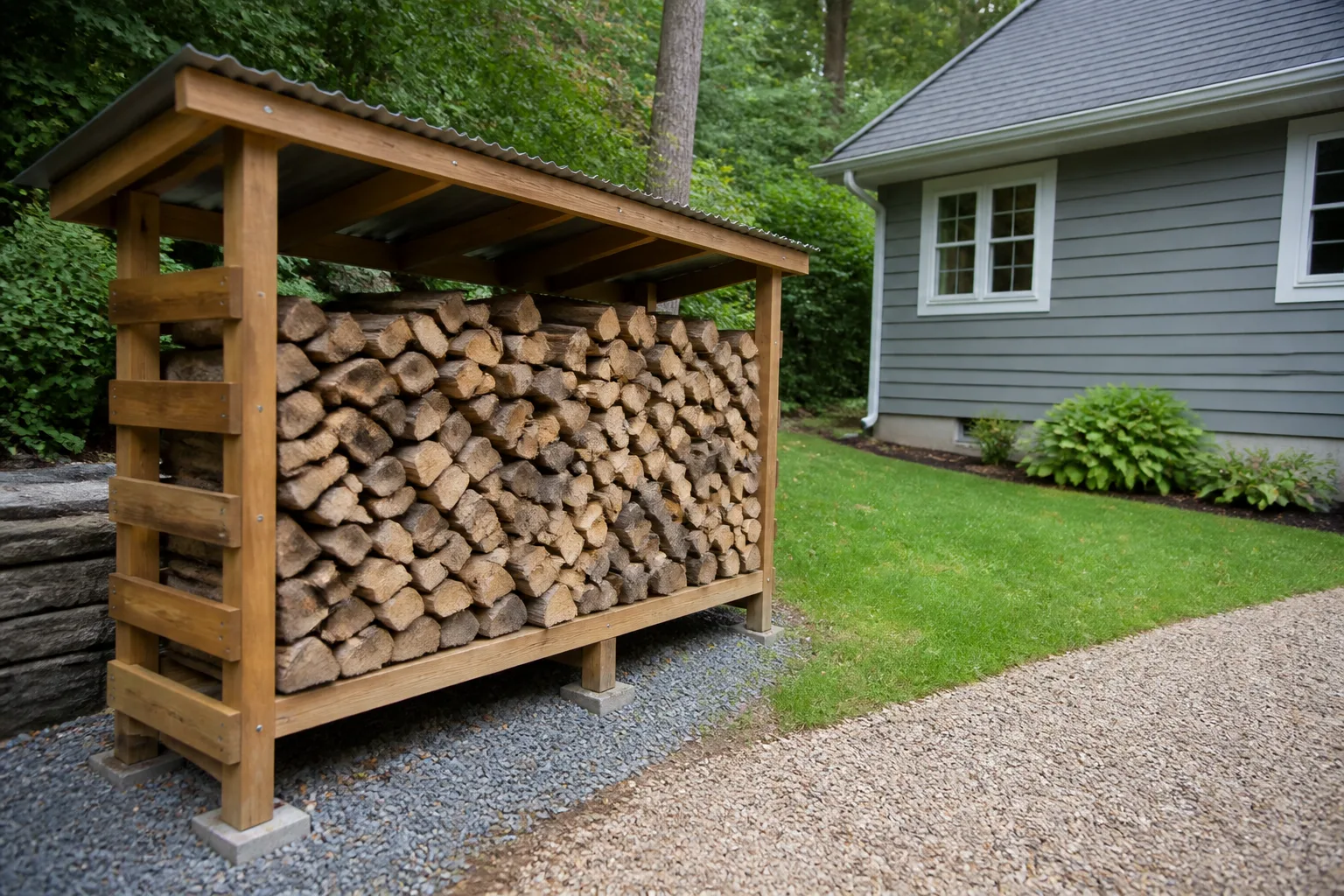
Use yard-maintenance checklists as inspection and moisture cues, not as a guarantee that a building is protected. This Old House’s termite detection and deterrence guide recommends keeping mulch from obscuring foundation areas, storing firewood away from the structure, and directing water away from the house. Follow local building details for the appropriate clearances; visible inspection space and dry surroundings can make conducive conditions easier to correct, but they do not eliminate an established colony.
When Termite Damage Needs a Building Professional
Pest control and structural repair answer different questions. The pest professional determines where termites are active and what treatment is warranted; a qualified contractor or structural engineer evaluates whether damaged framing, a joist, sill, stair, or floor can safely carry loads and what must be replaced. Do not cover damaged wood with trim, paint, or a new floor before the extent of damage is recorded and the treatment plan is clear.
A hollow sound does not tell you how much strength remains, and pushing a screwdriver into a beam is not a structural assessment. If a floor sags, a stair moves, a ceiling dips, or a supporting post is visibly damaged, keep people and heavy items off the affected area and seek an appropriate building professional promptly. Ask the pest company to distinguish active termite galleries from old damage and to document the boundary of the observed damage for the repair contractor.
Repairing the wood does not automatically remove termites, just as killing exposed termites does not restore structural strength. Plan treatment, drying or leak correction, and repairs in the right order with the responsible professionals; keep the before-and-after documentation for future inspections, insurance questions, and any home sale.
Conclusion
The dependable way to get rid of termites is to identify the termite type and the route into the structure, then use a treatment that reaches the colony or the infested wood and includes a clear follow-up plan. A surface spray may kill insects you can see, but it cannot establish that hidden activity is controlled; unlabelled household remedies are even less reliable and can create safety or inspection problems.
Photograph the evidence, avoid disturbing it, and arrange an inspection by a licensed termite professional if you have signs inside a building. Compare written proposals, understand the treatment’s target and warranty limits, follow the product label and re-entry instructions, and correct moisture and wood-contact conditions once the evidence is documented. That sequence protects your household while giving the treatment a realistic chance to work.



