How to Wash Bamboo Clothes, Sheets, and Towels Safely
Learn how to wash bamboo fabric, clothes, sheets, and towels with label-first settings for detergent, stain treatment, drying, and fewer snags or shrinkage.
The safest quick routine for washable bamboo fabric
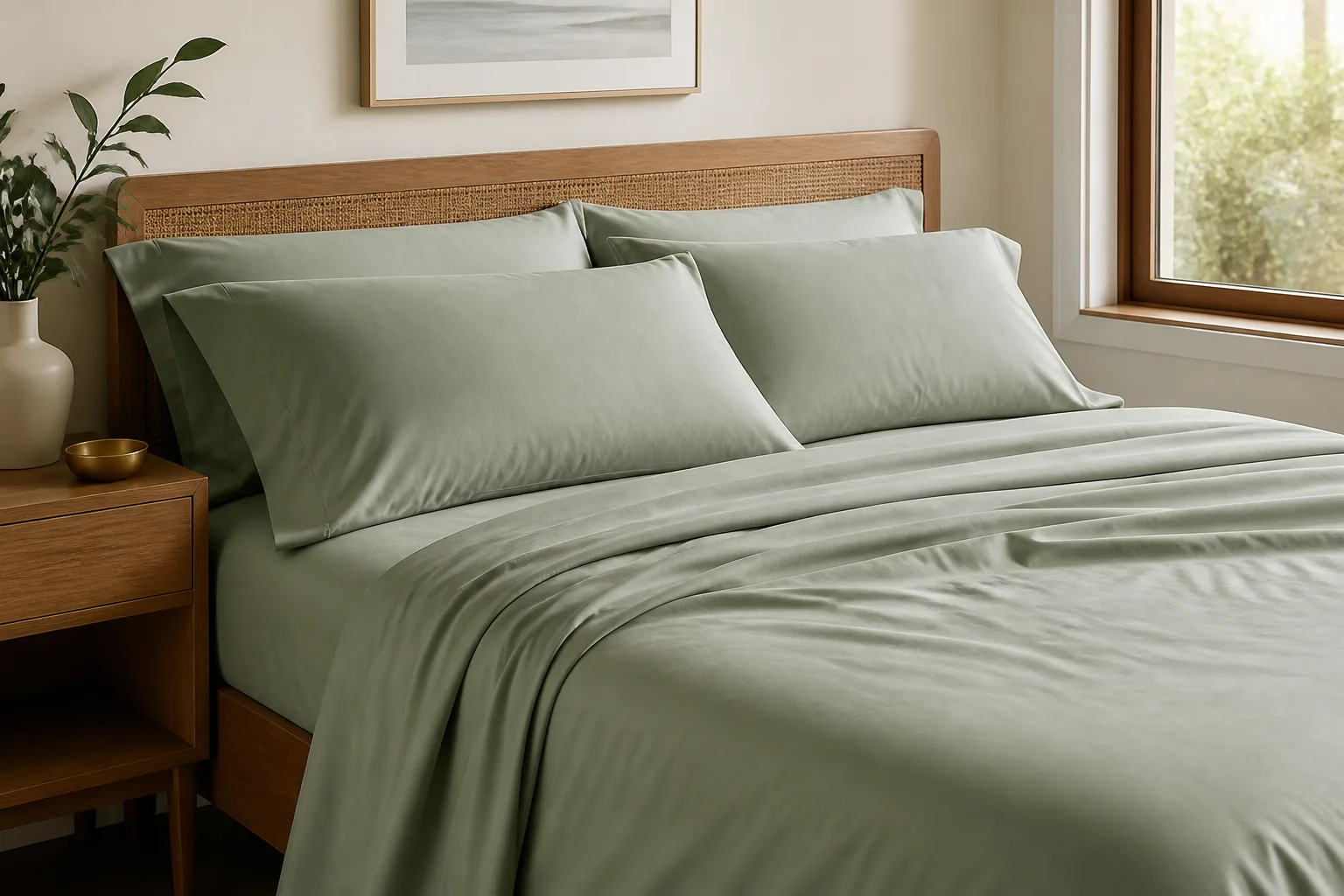
For a washable bamboo-derived garment or household textile, start with its care label. If it permits machine washing and gives no more restrictive instructions, use cool water, a gentle or delicate cycle, a correctly measured regular detergent, and low spin; air-dry or tumble-dry on low only if the label allows it. Keep the load loose, turn clothing inside out, and avoid bleach or fabric softener unless the manufacturer specifically permits the product for that item.
That is a cautious default, not a rule for every item sold as “bamboo.” A silky viscose blouse, a stretch jersey top, a lyocell duvet cover, and a cotton-bamboo terry towel can have different dyes, finishes, seams, elastic, and construction. The U.S. care-label regulation requires covered apparel manufacturers and importers to provide regular care instructions and warnings; the label is meant to describe the actual product, so it should outrank a generic fiber tip (Electronic Code of Federal Regulations, 16 CFR Part 423).
Read the fiber name and care label before choosing settings
“Bamboo” usually identifies the plant source of cellulose, not a single finished textile with a predictable wash behavior. The Federal Trade Commission explains that when bamboo is processed into a manufactured fiber, it should be identified by its generic fiber name, such as rayon or “rayon made from bamboo”; the finished textile should not be assumed to retain properties of the living plant (FTC guidance on bamboo textiles). On a tag, you may see rayon, viscose, lyocell, modal, or a blend that also lists cotton, polyester, or elastane.
The FTC rule also helps explain why the care instructions matter more than a front-of-package phrase. Under the regulation, care information for covered apparel should state the regular procedure and include relevant restrictions; symbols and words describe washing, drying, ironing, and bleaching limits (care-label requirements). In practice, the garment’s cut and finish matter too: a knit can stretch when wet, a lined jacket may lose shape in water, and a printed or dark-dyed item may bleed even when its base fiber tolerates washing.
What “bamboo,” viscose, rayon, and lyocell mean
Rayon and viscose are commonly used names for regenerated cellulose fibers. Lyocell is another manufactured cellulose fiber, made through a different production process; a fiber name does not tell you the weave, dye, finish, or exact care limits. For example, a smooth bamboo-derived knit with spandex needs attention to the stretch fiber and seams, while woven bedding may tolerate a routine that would distort a fitted or structured garment.
Read the full care tag and look for the strongest restriction, not just the first phrase. “Machine wash cold” with a crossed-out dryer symbol means wash at the stated temperature and do not tumble-dry. “Dry clean” on a shaped garment is a reason not to experiment with a home wash simply because the fiber content sounds washable. If the label has only symbols, a laundry-symbol reference can help decode them; Good Housekeeping’s guide distinguishes wash, hand-wash, do-not-wash, bleach, and dryer symbols (laundry-symbol guide).
What to do if the care label is missing
First check the maker’s care page for the exact garment or bedding set, not just another product made from the same fiber. A brand may use “bamboo” across several constructions, and the care advice for a woven sheet is not automatically right for a stretch-knit shirt or a lined robe. If the maker cannot confirm care, use the garment’s seams and details to judge the risk: unlined, simple, washable-looking clothes are more suitable for a conservative cold hand-wash test than pleats, glued trims, structured shoulders, coatings, or delicate embellishments.
A hidden-area color test only tells you whether dye transfers under that small test; it does not prove that the full item will keep its shape, shrink evenly, or tolerate agitation. If the piece is expensive, fitted, or difficult to replace, do not use a wash cycle as an experiment. Ask the retailer or a professional cleaner, and describe the fiber-content label, construction, and any stain or odor you need treated.
Prepare bamboo clothes, sheets, and towels for washing
Empty pockets, close hooks and zippers, fasten buttons loosely, and separate light colors from dark or new saturated colors. Turn tees, leggings, pillowcases, and other pieces with printed or brushed surfaces inside out. A mesh bag can keep a light blouse or lingerie away from zippers, drawstrings, and rough seams; it also makes the item easier to find in a mixed load.
Separate bamboo fabric from abrasive laundry. Denim, towels with rough loops, items with hook-and-loop fasteners, and garments with exposed metal hardware can rub a smooth rayon or viscose surface and encourage snags or pilling. Do not pack the washer to the top: fabric needs room to move through detergent and rinse water, and crowded sheets can twist into a heavy rope that cleans and rinses unevenly.
Check the care tag for colorfastness warnings before pretreating or soaking. If a new dark garment is important, test a hidden seam with a damp white cloth; visible dye transfer is a reason to wash it separately in cool water. Avoid leaving wet bamboo fabric bunched in a hamper or washer, because prolonged dampness can create musty odor and make creases harder to release.
Machine-wash bamboo fabric with low friction
Choose a gentle, delicate, or hand-wash cycle when the label permits machine washing. Use the water temperature on the tag; if it gives no temperature and the textile is washable, cool water is a sensible starting point for protecting color and reducing heat exposure. Do not select a sanitize or high-agitation setting just because the item is bedding or a towel—those settings can exceed the garment’s permitted heat or mechanical action.
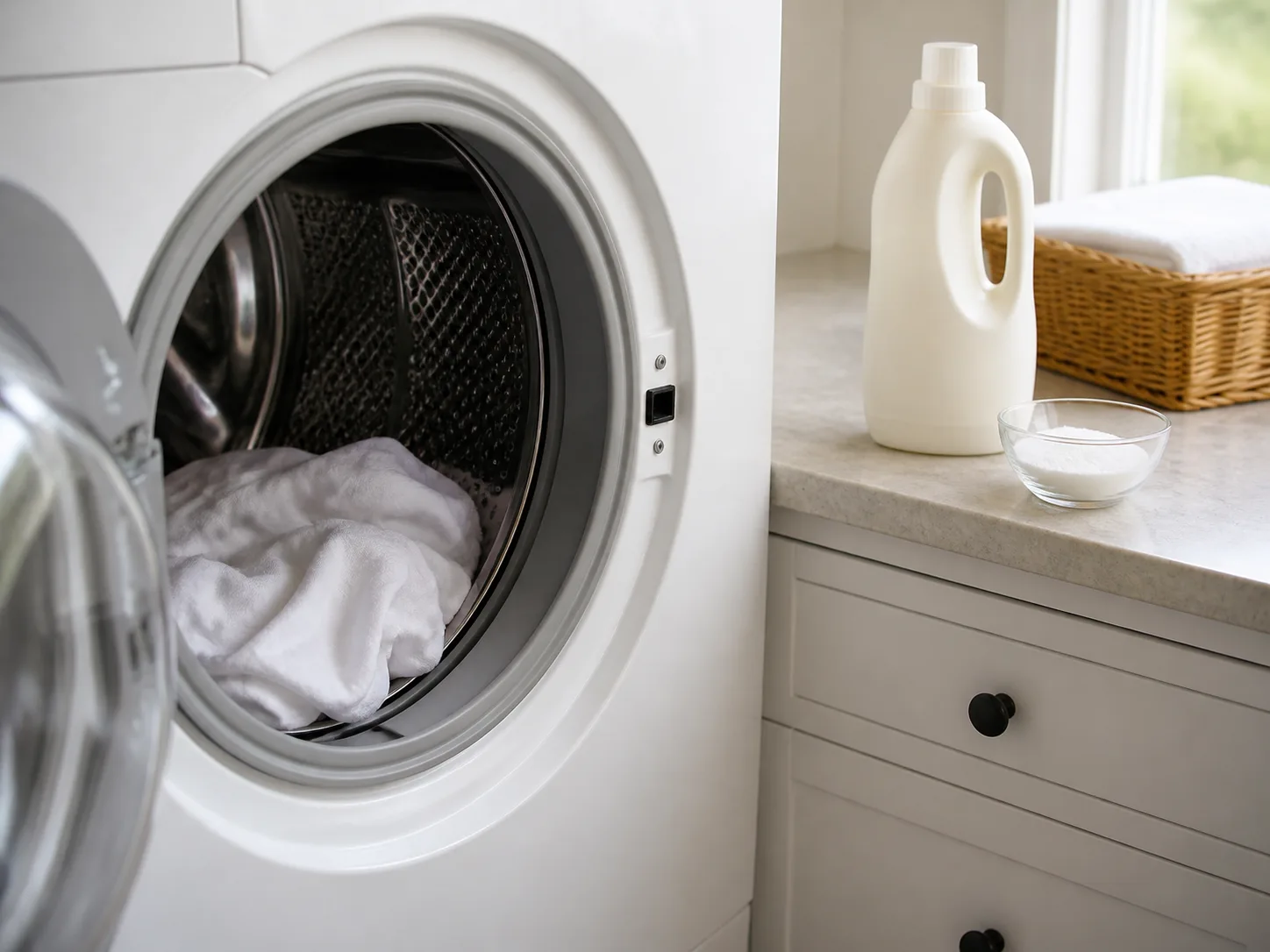
A gentle cycle does not mean the machine should barely rinse. The item still needs enough water and a complete rinse to carry away soil and detergent; if the machine offers a low-spin option and the fabric is delicate, use it to reduce creasing and stretching. For a heavily soiled piece, pretreat the soil and use a longer suitable cycle rather than jumping immediately to hot water or aggressive agitation.
Choose detergent and dose it correctly
A regular detergent made for washable clothing is usually enough. Measure it for the load size and soil level using the package directions, and make sure the product dissolves or disperses as intended in cool water. More detergent does not make the fabric cleaner when the washer cannot rinse it away; an overly large dose may leave stiffness, dullness, or a slippery residue that feels like a fabric problem.
For a small stain, apply a small amount of liquid laundry detergent to the spot only if the care label allows pretreatment. Press it in gently with fingertips or a soft cloth rather than scrubbing the surface, wait the product’s stated time, then wash. Avoid pouring concentrated detergent directly onto a broad area of dark or delicate fabric, and do not mix cleaning products in the same treatment.
Skip routine fabric softener and dryer sheets, particularly on bamboo towels. Their conditioning ingredients can leave a surface film that reduces how readily a towel absorbs water; they do not repair a worn fiber or compensate for over-drying. If a piece feels stiff, first check for detergent buildup, an overloaded washer, incomplete rinsing, or hard-water residue rather than adding more coating.
Fix detergent residue or stiffness
A slippery feel, pale streaks, or a stiff patch after washing may come from undissolved detergent, too much product for the load, softener, or a crowded drum—not from bamboo itself. If the item is otherwise clean and the label permits another wash, run a rinse cycle or a short cool wash without adding more detergent. Do not scrub the marks dry or use vinegar, bleach, or a stripping recipe as a first response; those treatments can affect dyes, elastic, and finishes.
For the next load, reduce detergent to the amount recommended for its size and soil level, select a cycle that rinses fully, and leave more room around sheets and garments. If the same residue appears on many loads, check whether the machine’s dispenser is clean and whether the detergent is intended for your washer type and water temperature. Change one variable at a time so you can tell whether detergent, loading, or the machine’s rinse is causing the issue.
Hand-wash delicate bamboo garments without stretching them
Hand-wash only when the label permits it or when a delicate washable piece would be safer with less machine agitation. Fill a clean basin with cool water and a small amount of suitable detergent, then submerge the garment and move it gently through the water. Let soil release without rubbing fabric against itself; a short soak can help ordinary dirt, but a long unattended soak may cause dye transfer or uneven color on an untested item.
Drain the basin and rinse with fresh cool water until the suds are gone. Support the garment with both hands as you lift it, since a waterlogged knit can sag under its own weight. Do not twist or wring it; press water out gently, then roll the garment in a clean towel and press again before shaping it flat to dry. Good Housekeeping gives a similar low-friction sequence for hand-wash garments: immerse, rinse, and use a towel to remove excess water rather than twisting the item (hand-wash symbol guidance).
Dry bamboo fabric while limiting shrinkage and distortion
Heat and repeated tumbling create avoidable risk for many rayon-family fabrics, but the care tag still decides whether machine drying is allowed. If it permits a dryer, choose low heat or the lowest effective setting, avoid an overlong cycle, and remove the item while it is just dry rather than leaving it to bake in the drum. High heat can shrink some textiles, set wrinkles, fade dyes, or stress elastic and trims, while rough tumbling can abrade a smooth surface.
When the label permits air-drying, hang woven shirts from a broad hanger or dry them flat if their weight pulls the shoulders out of shape. Lay sweaters and stretch knits flat on a rack or clean towel, reshape their hems and seams while damp, and turn them once if needed so air reaches both sides. Do not hang a heavy wet knit by its shoulders, and do not wring a sheet or garment into a tight twist to speed drying.
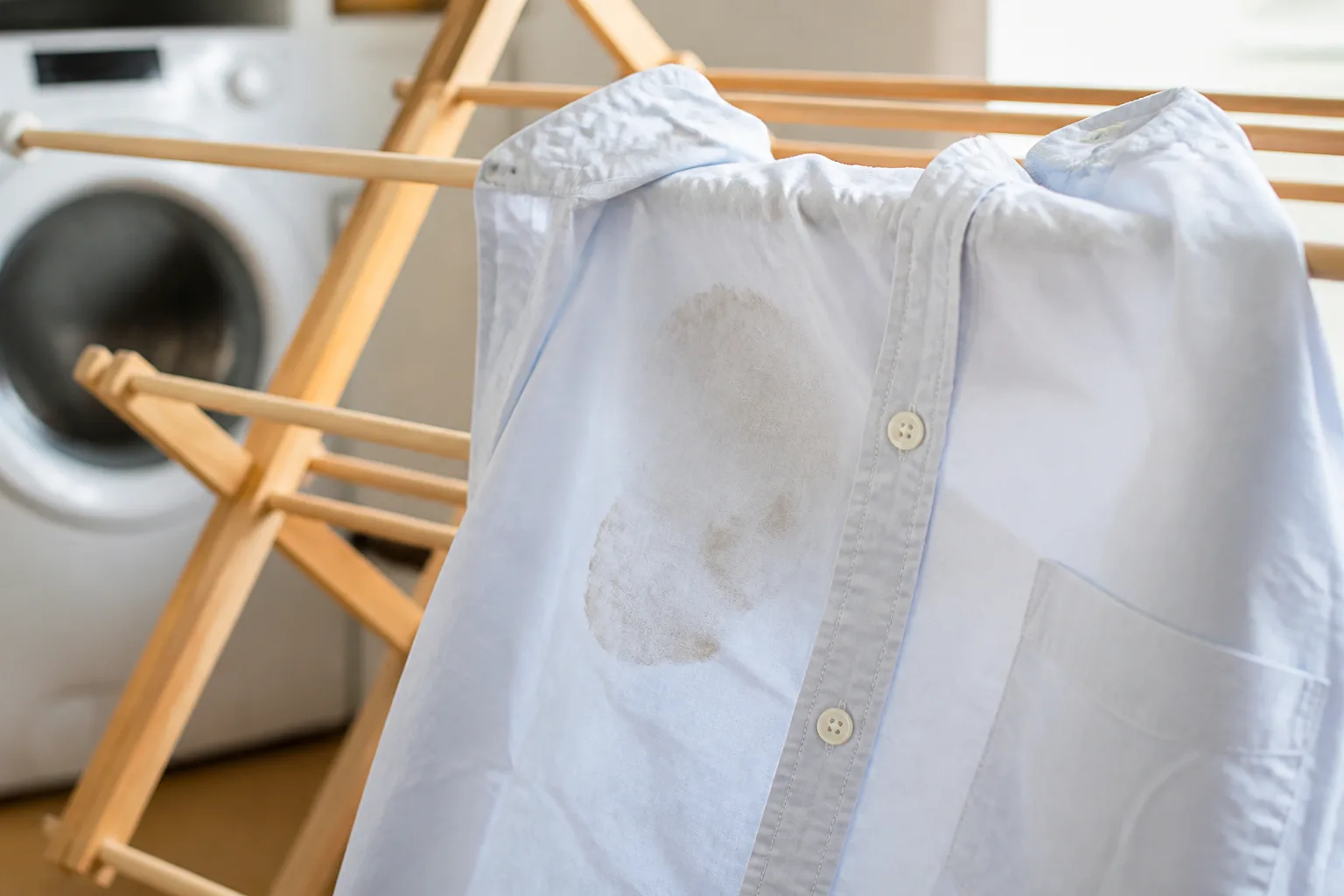
Dry colored fabric away from strong direct sun if fading is a concern. Before folding, storing, or making the bed, confirm that seams, cuffs, and thick hems are fully dry; a cool, damp interior can hold odor even when the surface feels dry. If a garment is still wrinkled after air-drying, smooth it by hand while slightly damp or use an iron only at the labeled setting.
Give bamboo sheets and towels a separate routine
Sheets need enough room in the drum to unfold and rinse. Wash a fitted sheet and pillowcases with similar lightweight bedding, not with jeans or a large load of terry towels; if a bulky sheet set fills the washer, split it into two loads. Use the temperature and drying method printed on the set’s label, because elastic corners, sateen finish, color, and cotton or polyester blends can change the limits.
Wash new sheets before use if the care label allows, using the same conservative settings you expect to use later. For routine laundering, base frequency on use, body oils, sweat, pets, allergies, and illness rather than a claim that a particular plant-derived fiber stays clean longer. A bamboo label does not remove skin cells or soil from bedding. Good Housekeeping’s general household-care advice recommends regular sheet washing and notes that frequency may need to increase with sweat, pets, or allergies; bamboo bedding should follow that practical logic while staying within its own care limits (sheet-washing guidance).
Towels need to rinse freely and dry completely, so wash them in a smaller load than sheets and avoid pairing them with lint-prone or snag-prone items. Skip softener and dryer sheets when absorbency matters. If the tag allows tumble drying, low heat can soften a towel without the high-temperature exposure that may damage a blend; remove it promptly and ensure it is fully dry before putting it in a closet.
Remove stains without scrubbing or setting them with heat
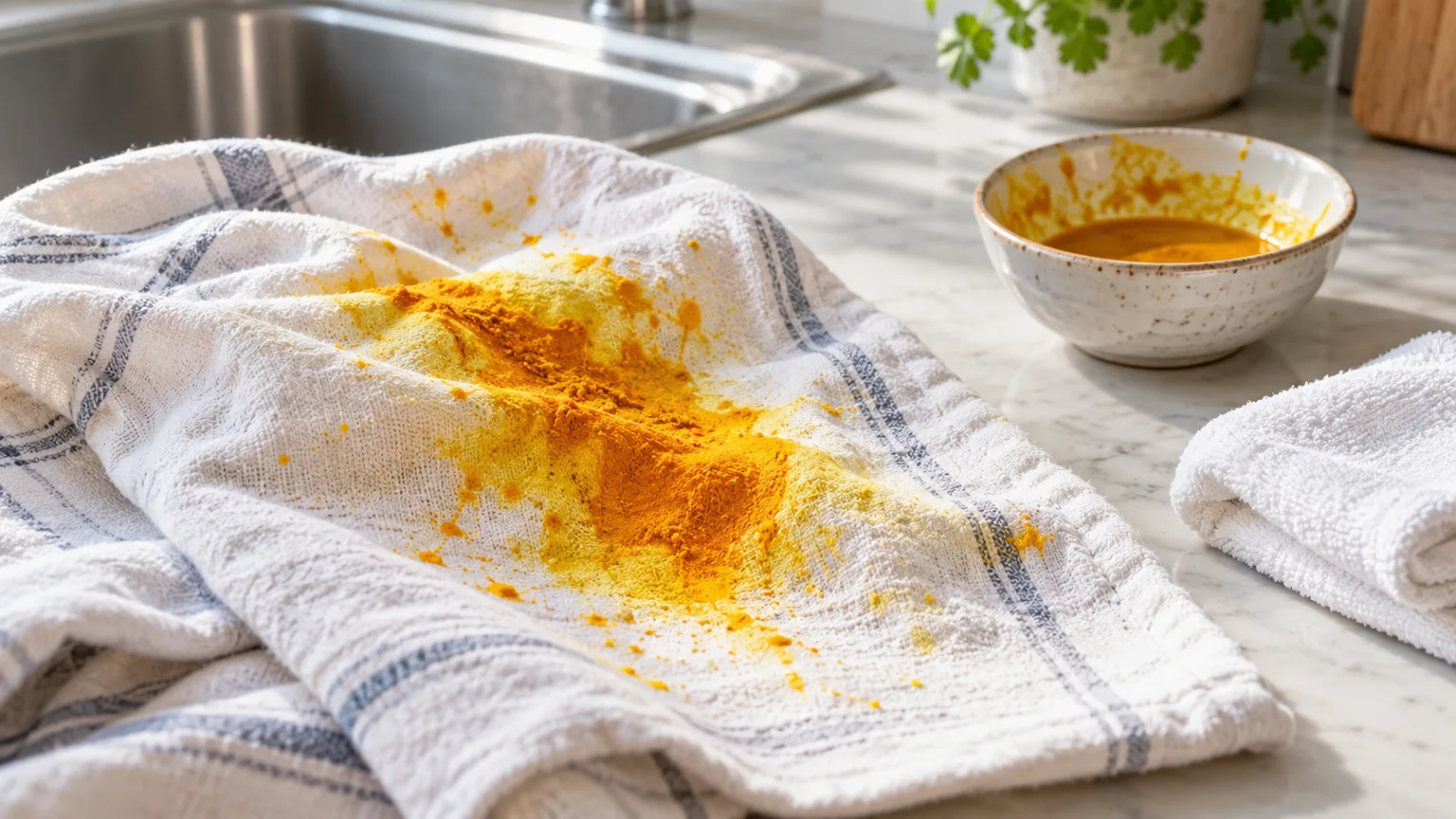
Treat stains as soon as practical, but use the least forceful method that suits the stain and the care label. Blot fresh liquid from the outside edge toward the center with a clean, white cloth; rubbing can push soil deeper or roughen a smooth surface. Check the garment label and the stain-remover label, test any product on an inconspicuous seam, and keep the treated area away from a hot iron or dryer until you know the mark is gone.
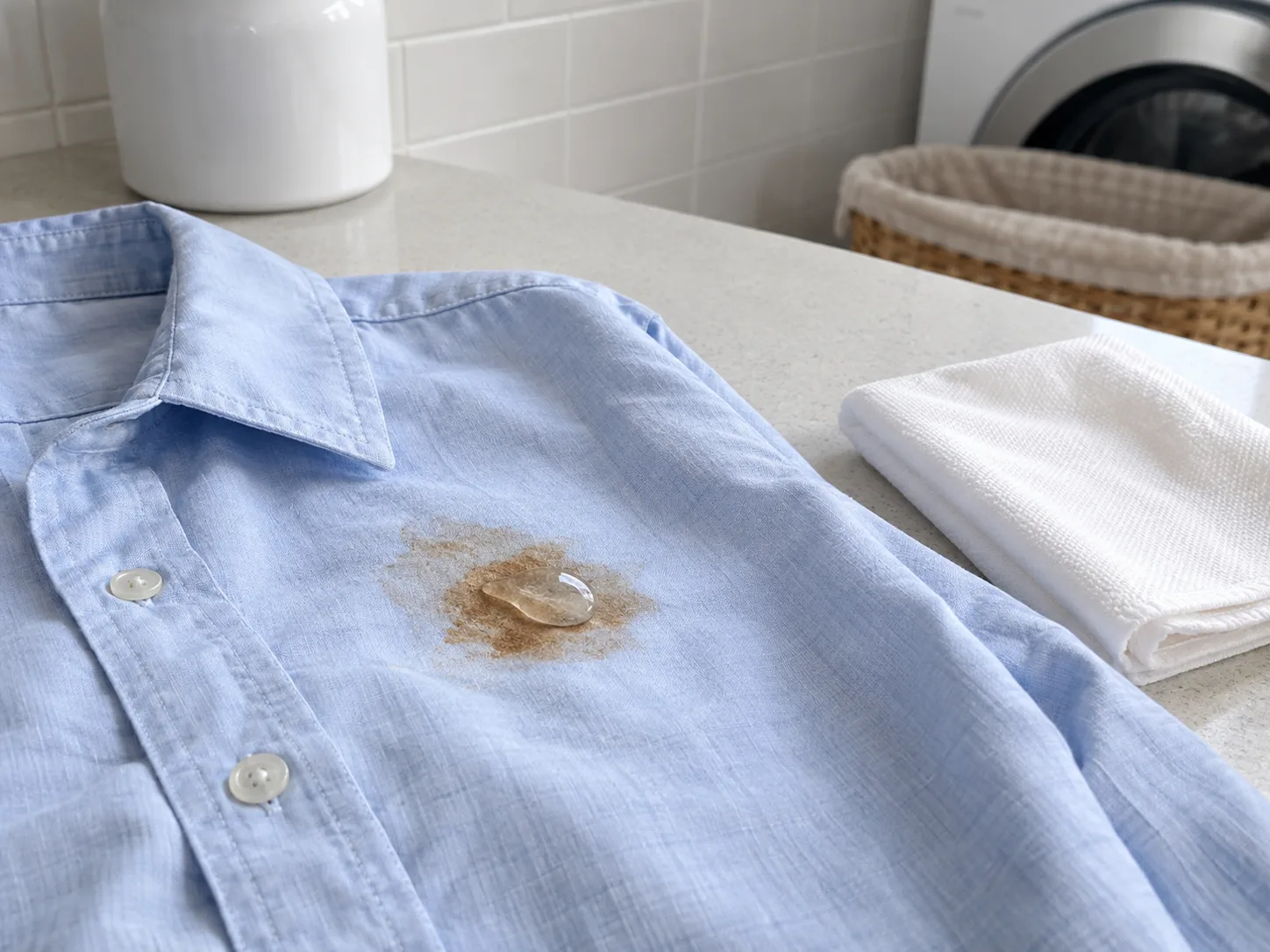
For a general food or body-oil mark on a washable item, work a drop of liquid laundry detergent gently into the spot, allow the product’s labeled contact time, then rinse or wash as directed. Do not use dish soap as a universal stain remover: some formulas contain dyes, fragrance, or degreasers that may be hard to rinse from delicate fabric. Likewise, vinegar, peroxide, oxygen bleach, and chlorine bleach are not interchangeable “natural” fixes; use only a treatment compatible with the fabric, color, and product labels.
Match the first treatment to the stain
For blood or other protein-based stains, begin with cool water and avoid heat until the mark lifts; hot water can make protein stains harder to remove. Good Housekeeping’s blood-stain guidance also starts with prompt cold-water treatment and cautions against setting the stain in a dryer (blood-stain removal guidance). If the stain remains, use a labeled laundry product that is safe for the garment and test first, especially on dyed viscose.
For oil and lotion, blot up excess without spreading it, then try a small amount of laundry detergent if permitted. For coffee, tea, or colored food, flush from the reverse side with cool water when possible and pretreat with a fabric-safe product. For unknown stains, do not layer remedies; identify the source if you can, rinse gently, and ask a cleaner before escalating on a valuable or structured piece.
After washing, inspect the stain in good light while the fabric is still damp. If it remains, repeat a compatible treatment or take the item to a professional cleaner before heat dries it in. A stain that has already been ironed or tumble-dried may be more difficult to remove, and no home method can guarantee recovery without risking color or finish.
Prevent stiffness, pilling, and lost absorbency
Softness depends on the finished textile, weave, detergent residue, drying, and friction—not just the name on the package. Use a moderate detergent dose, avoid overloading, and keep smooth garments away from rough fasteners. Inside-out washing, a mesh bag, and a low-spin cycle can reduce rubbing for lightweight knits and satin-like surfaces.
If a bamboo towel stops absorbing well, remove routine softener, measure detergent accurately, and run a normal rinse according to the care tag. Do not strip every textile in a strong alkaline soak or add a harsh chemical without checking the item’s fiber blend and dye; aggressive “laundry reset” recipes can damage finishes and elastic. A fabric shaver may remove pills from a sturdy surface, but first test an inconspicuous area and keep the tool away from thin jersey, seams, and loose loops.
For a new snag, do not pull the thread. Push a small loop to the reverse side with a blunt needle or snag tool, then check whether the surrounding knit has runs or broken yarns. If the fabric is thinning, repeated abrasion is the cause to solve; shaving the surface may make the weak patch worse.
Iron or steam only when the label allows it
Many bamboo-derived fabrics drape smoothly when they are removed promptly and hung or folded carefully, so ironing may not be necessary. If the label permits ironing, start at its lowest setting, turn the item inside out, and test a hidden area first. A pressing cloth can reduce shine on a smooth surface, while a moving iron is safer than holding heat in one place.
Use steam only if the care instructions allow it. Steam may relax wrinkles, but it cannot restore a scorched finish or reverse fibers damaged by excessive heat. If the label is missing and the textile is expensive, dark, embellished, or structured, choose a professional cleaner rather than testing a hot iron on the visible face.
Know when to wash and when to use a cleaner
A washable tee, simple pillowcase, or unlined sheet set is different from a tailored jacket, pleated garment, lined dress, embellished top, or item labeled “dry clean.” Interfacing, shoulder structure, adhesives, trims, dyes, and pleats may fail even when the main fabric can tolerate water. Follow a “dry clean” instruction for a valuable structured garment; do not infer washability from the word rayon, viscose, or lyocell alone.
For ordinary washable clothing, wash when it is visibly soiled, sweaty, or carries body odor, then let use and season guide the schedule. Underwear and workout clothing need more frequent washing than an outer layer worn briefly. Sheets and towels collect different kinds of soil, so keep their normal household schedule rather than extending it because of an advertised antimicrobial or moisture claim.
Choose a professional cleaner when a care label requires it, a stain is large or unknown, color is transferring, a garment is structured or valuable, or a home treatment has not worked. Tell the cleaner what caused the stain and what products have already touched it. That detail helps avoid repeating a failed treatment or applying an incompatible solvent.
Store, mend, and retire bamboo textiles thoughtfully
Store textiles clean and fully dry in a cool, dry place with enough room for air to move. Hang woven clothes on broad hangers if they crease easily; fold knit tops and sweaters rather than stretching them over narrow hangers. Avoid crushing linens into overfilled drawers or sealing a slightly damp item in plastic, since trapped moisture can cause odor and discoloration.
Repair a loose seam before it opens into a larger tear. For a small hole, match thread and needle size to the garment’s weight, stabilize the area from the reverse side, and avoid pulling stitches tight enough to pucker the fabric. A thin, worn spot across a broad area may be beyond a neat repair; patching can extend its use at home, but it may not restore the original drape or strength.
Conclusion
The best way to wash bamboo fabric is to treat “bamboo” as a clue to the cellulose source, then follow the care label for the actual rayon, viscose, lyocell, or blended textile. For a washable item with no conflicting instruction, use cool water, gentle movement, measured detergent, a loose load, and low heat or air-drying where permitted.
Protect the fabric by separating it from rough laundry, blotting rather than scrubbing stains, inspecting before heat, and skipping routine softener on absorbent towels. When the garment is structured, valuable, dyed and bleeding, or marked dry-clean-only, stop experimenting and use a cleaner. A label-first routine keeps everyday bamboo clothing, sheets, and towels cleaner while reducing the most preventable damage.