Best Leaf Blowers and Vacuums (2026 Buying Guide)
Compare nine leaf blowers and vacuums by CFM, MPH, power source, noise, and yard size so you can pick battery, gas, corded, or backpack with confidence.
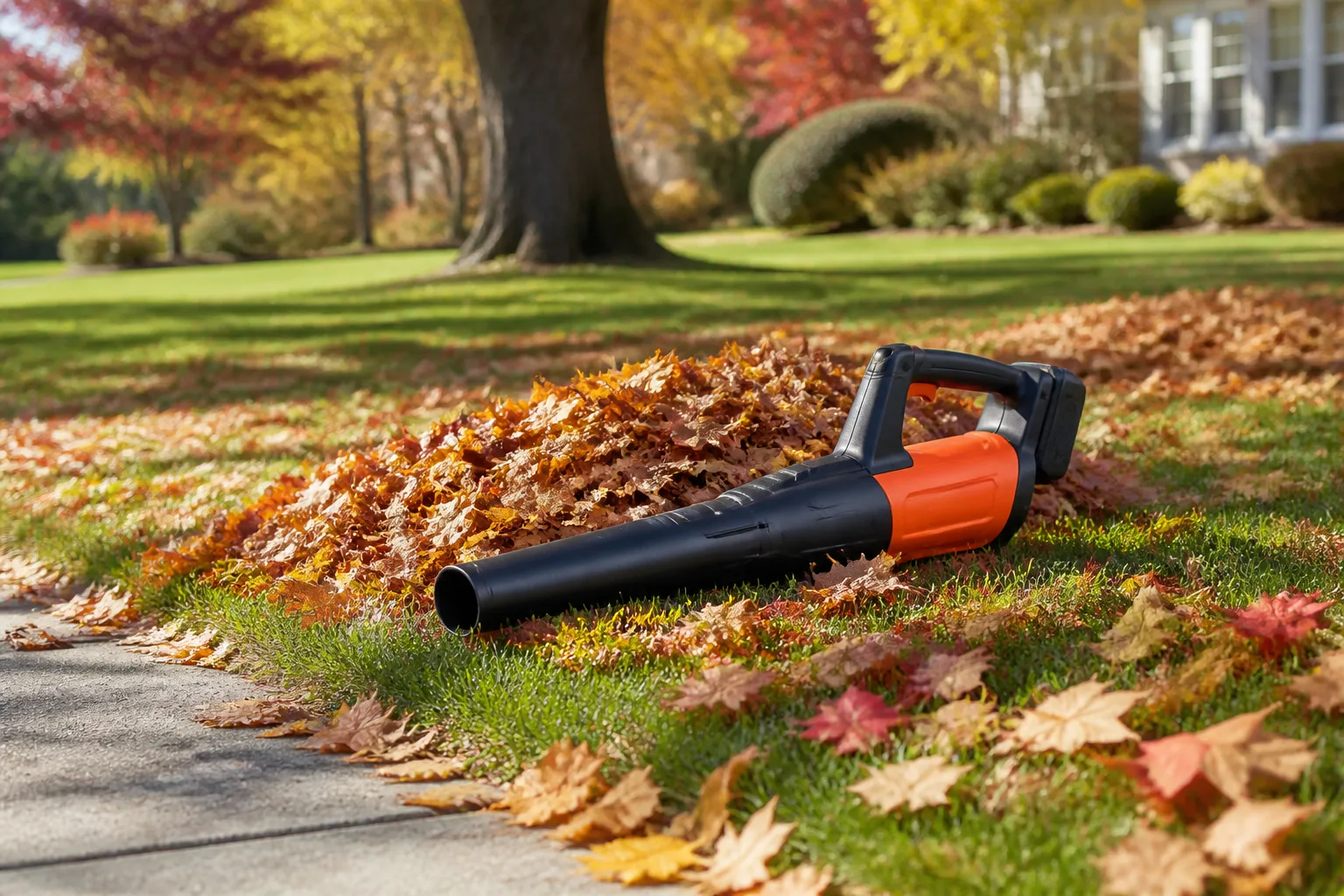
The best leaf blower is the one that matches your leaf load, surfaces, and tolerance for noise, weight, and maintenance—not the one with the highest CFM on the shelf. A 360 CFM cordless unit can be perfect for a townhome patio, while a half-acre lot buried in wet oak leaves may justify a gas backpack or a 900 CFM battery brute. Buying the wrong power source is the most common mistake: a light 20V blower will frustrate you on mats of wet leaves, and a 51 cc gas backpack is overkill if you only clear a 20-foot walkway twice each fall.
This guide compares nine leaf blowers and vacuums across battery, gas, corded, handheld, and backpack formats. Specs and feature claims come from manufacturer listings and editorial buying research; it does not add fresh hands-on test results. Use the quick-pick table to narrow the field, then read the CFM/MPH, power-source, and noise sections before ordering—those details matter more than a 20 MPH difference on the box.
Quick Picks by Yard Size and Cleanup Job
The “best for” label is a decision aid. Tree species, wet vs dry leaves, battery amp-hours, and whether you need vacuum mode will change the answer on your property.
| Cleanup job | Best fit | Listed specs | Why it makes sense | Main compromise |
|---|---|---|---|---|
| General suburban fall cleanup, dry to damp leaves | Ego Power+ LB6703 | 56V; 250–530 CFM; 180 MPH; 9.5 lb. | Variable CFM dial plus turbo for heavy piles; strong battery platform | Heavy with battery; turbo drains pack faster |
| Medium-to-large yard, wet leaves, unlimited runtime | Echo PB-2520 | 25.4 cc gas; 453 CFM; 170 MPH; 8.6 lb. | Lightweight gas handheld with strong real-world airflow | Loud (~106 dB); fuel mixing and maintenance |
| Small yard, patio, vacuum/mulch into bags | Greenworks 24322 | 40V; 340 CFM; 185 MPH; 5.6 lb. | Converts blower/vac/mulcher; light and affordable | Low CFM for big leaf carpets; awkward in vac mode |
| Budget cordless for walkways and light lawn | WORX WG547 | 20V; 360 CFM; 75 MPH; 4.4 lb. | Very light, often under $100 | Short high-speed runtime; slow recharge |
| Big yard, wet leaves, maximum handheld push | Toro 60V 51827 | 60V; 900 CFM; 165 MPH; 15.9 lb. | Highest CFM in this list for stubborn mats | Very heavy; no shoulder strap |
| Small yard with nearby outlet | Toro PowerJet F700 | 12 amp corded; 725 CFM; 140 MPH; 7 lb. | Unlimited runtime; strong CFM for the price | Extension cord management |
| Half-acre+, commercial pace, gas power | Husqvarna 150BT | 51 cc backpack; 765 CFM; 270 MPH; 22 lb. | Top airspeed and volume; comfortable harness | Very loud; heavy to lift; gas upkeep |
| Noise-sensitive neighborhoods | Milwaukee M18 Fuel | 18V; 500 CFM; 120 MPH; 5.4 lb.; ~57 dB | Quiet enough for conversation nearby | Wide nozzle; less precision; battery drains fast |
| Large yard without gas fumes | RYOBI 40V HP Backpack | 40V; 850 CFM; 180 MPH; 21.4 lb. | Backpack comfort; dual-battery LCD | Expensive; one charger for two batteries |
Start by walking your property once in peak leaf drop: note lawn area, hardscape, mulch beds, gravel, and where leaves must end up (compost, bags, woods, curb). Then check whether you already own batteries in a compatible platform. That usually points to the right row faster than comparing motor cc and volt numbers in isolation.
What a Leaf Blower Does—and When a Rake Still Wins
A leaf blower moves debris by pushing a high-volume stream of air through a nozzle. It excels at herding dry leaves across open lawn, blasting grass clippings off driveways, and clearing light debris from patios and walkways faster than a broom. Greenworks explains the core physics simply: CFM (cubic feet per minute) is how much air the tool moves, while MPH (miles per hour) is how fast that air travels—both matter, but volume is what relocates piles. (Greenworks CFM vs MPH guide)
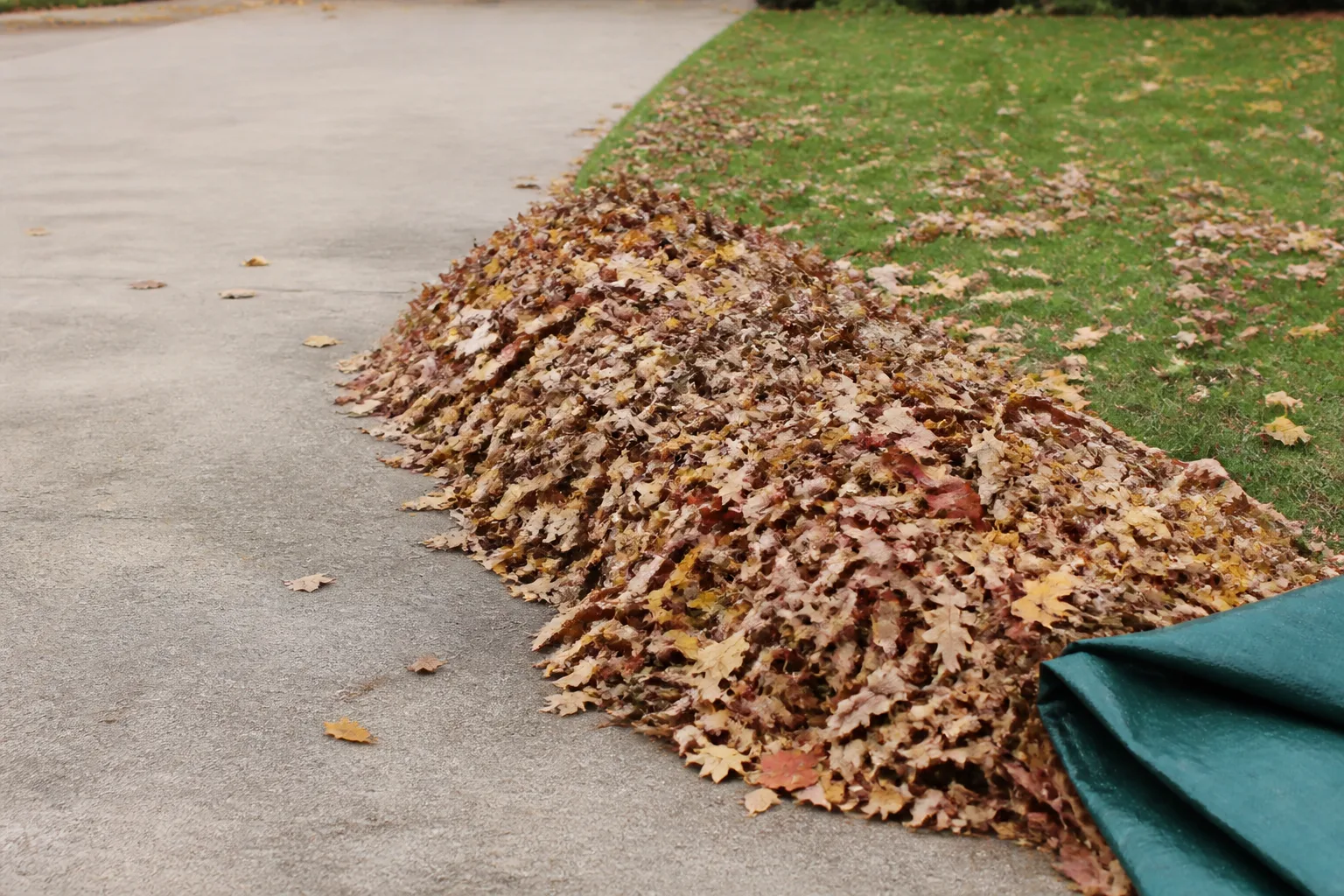
A blower is not always the right tool. Rake or tarp when leaves are matted under shrubs you cannot reach without blasting mulch into the bed, when gravel or decorative stone would scatter under air pressure, or when municipal rules restrict blower use during dry, dusty conditions. Leave leaves in place on parts of the lawn you do not mow if you are building pollinator habitat—shredded leaf litter supports overwintering insects and returns organic matter to soil without bagging.
Blowers also throw rocks, acorns, and grit at speed. Wear eye protection every session, keep pets and bystanders out of the debris plane, and angle the nozzle so you are not blowing material toward windows, cars, or open doors.
Blower vs Vacuum vs Mulcher
A blower pushes; a vacuum pulls leaves through a narrower intake into a collection bag, often shredding them at a 10:1 to 16:1 ratio for compost or curbside pickup. Most combo units swap tubes in a minute or two, but vacuum mode is slower, clogs on twigs and pine cones, and fills bags quickly on oak-heavy yards. Buy vacuum capability if you routinely bag leaves or feed a compost pile from shredded material. Skip it if you corral leaves to the woods or curb with a blower and rake only.
Nine Leaf Blowers and Vacuums Matched to Real Jobs
These nine models cover the most common homeowner scenarios. Prices shift by retailer and season; treat listed weights and CFM ranges as specification anchors, not guarantees of comfort on your body type.
Best Overall Battery: Ego Power+ LB6703
The Ego Power+ 670 CFM Cordless Leaf Blower (LB6703) is the best default cordless choice when you want strong airflow without fuel mixing. Its listed 56V platform, variable 250–530 CFM output, 180 MPH airspeed, and 9.5-pound weight (with battery) target medium suburban cleanup—driveways, lawn leaf carpets, and damp piles that frustrate light 20V tools. (Ego LB6703 listing)
The variable-speed dial matters more than a single turbo button on paper. You can dial back for garage dust and porch debris, then ramp up—or hold turbo—for thick fall mats. Ego’s 56V batteries also power mowers, trimmers, and chainsaws in the same ecosystem, which reduces charger clutter if you are building out cordless yard tools.
Trade-offs are weight and runtime. The battery pack is a significant fraction of total mass, and turbo mode drains packs in roughly 20–25 minutes on heavy work in editorial testing reports—plan a second battery if you own multiple Ego tools. Ego also sells a higher-CFM 765 CFM sibling with longer listed runtime if you routinely clear large lots.
Choose it if: you want one cordless platform for fall leaves, grass clippings, and year-round hardscape cleanup on a typical suburban lot.
Think twice if: you need all-day gas runtime on remote acreage or want the lightest possible 20V tool for quick porch sweeps.
Best Overall Gas: Echo PB-2520
The Echo PB-2520 2-Stroke Handheld Leaf Blower is the gas benchmark for homeowners who need reliable push through wet grass clippings and heavy leaf drop. Its listed 25.4 cc two-stroke engine, 453 CFM, 170 MPH, and 8.6-pound weight sit in the sweet spot between underpowered consumer gas models and heavy commercial units. (Echo PB-2520 listing)
Gas still wins uninterrupted runtime and torque for all-day sessions. Echo includes starter oil and a straightforward control layout; pull-start can be stiff when cold but eases once warmed. The noise rating near 106 dB means hearing protection is not optional—NIOSH treats repeated exposure above about 85 dB as a hearing-loss risk. (CDC NIOSH noise and hearing loss)
You manage 50:1 fuel mix (or buy pre-mixed fuel), accept exhaust fumes, and perform seasonal spark-plug and filter service. California and several municipalities restrict new gas-powered outdoor equipment sales; the LA Times reported state approval of rules phasing out new gas lawn mowers and leaf blowers with implementation timelines affecting small off-road engines. (LA Times California gas OPE phaseout)
Choose it if: you need maximum handheld push and unlimited runtime on medium-to-large properties.
Think twice if: you live where new gas OPE sales are restricted, hate fuel maintenance, or have close neighbors sensitive to noise.
Best Vacuum Combo: Greenworks 24322
The Greenworks 40V Cordless Blower/Vacuum (24322) is the sensible pick when you want blower, vacuum, and mulch modes in one light package. Listed at 340 CFM, 185 MPH, and 5.6 pounds, it targets patios, walkways, and small lawns where bagging shredded leaves beats raking into tarps. (Greenworks 24322 listing)
Tube swaps are quick, and the included collection bag handles grass clippings well on hardscape. On large leaf carpets, however, airflow feels modest and batteries deplete faster than dedicated high-CFM blowers. Vacuum mode is awkward to balance and clogs if you suck up sticks wider than about three-quarters of an inch—clear the intake before resuming.
Choose it if: you have a small property, want bagged mulch for compost, and prioritize light weight over raw CFM.
Think twice if: you face half-acre oak drops or need to move wet mats quickly without stopping to empty bags.
Best Budget: WORX WG547
The WORX 20V Cordless Leaf Blower (WG547) is the entry point for light-duty clearing. Listed at 360 CFM, 75 MPH, and 4.4 pounds, it is easy to store and maneuver around beds and mailboxes, often selling near or under $100. (WORX WG547 listing)
The low/high switch is simple, and the tool handles dry leaves on walkways convincingly. High speed drains the small battery in about 15 minutes in editorial testing summaries, with multi-hour recharge times—budget for a second 20V pack if your cleanup spans the whole yard. MPH is low relative to premium models, so wet, matted leaves take patience.
Choose it if: you want an affordable cordless blower for porches, sidewalks, and small lawns.
Think twice if: you need high MPH for stuck wet leaves or more than 15 minutes of continuous high-speed work.
Most Powerful Handheld: Toro 60V 51827
The Toro 60V Max 900 CFM Leaf Blower (51827) is the handheld muscle pick for big, wet leaf loads. Listed at 900 CFM, 165 MPH, and 15.9 pounds, it peels mats off decks and lawns faster than most cordless handhelds. (Toro 51827 listing)
Weight is the story. Toro balances the large battery well, but there is no included shoulder strap, and long sessions will tax your arms compared with a backpack. The wide outlet trades precision for volume—excellent for open lawn, less ideal for tight gravel beds.
Choose it if: you have heavy leaf drop and want maximum handheld CFM without gas fumes.
Think twice if: you fatigue quickly with heavy tools or need pinpoint nozzle control.
Best Corded: Toro PowerJet F700
The Toro PowerJet F700 Electric Leaf Blower is the value play when you have outdoor power near the work area. Listed at 725 CFM, 140 MPH, 12 amps, and 7 pounds, it delivers corded unlimited runtime and strong volume for the price. (Toro PowerJet F700 listing)
Three speed settings help finesse porch dust vs lawn piles. The trade is cord management: you need an outdoor-rated extension cord of adequate gauge, a GFCI-protected circuit, and a route that does not snag on shrubs or unplug at the outlet. CPSC identifies poorly constructed extension cords as substantial shock and fire hazards—inspect for damage before each use. (CPSC extension cord FAQ)
Choose it if: you have a compact yard, reliable outdoor outlets, and want high CFM without buying batteries.
Think twice if: your cleanup area requires more than 100 feet of cord or lacks GFCI protection.
Best Gas Backpack: Husqvarna 150BT
The Husqvarna 150BT Gas Backpack Blower is the professional-grade gas option for large properties. Listed at 51 cc, 765 CFM, 270 MPH, and 22 pounds, it moves more air than any other pick here and carries weight on a padded harness instead of your wrists. (Husqvarna 150BT listing)
The joystick tube control lets you redirect airflow while adjusting speed—useful when rounding piles around trees and fences. Noise near 110 dB and flying grit on hardscape demand ear and eye protection. Assembly and 2-stroke fuel mixing are more involved than battery tools, but runtime is limited only by fuel on hand.
Choose it if: you maintain half-acre or larger lots with heavy leaf load and want maximum airspeed.
Think twice if: storage is tight, neighbors enforce strict noise limits, or you dislike gas maintenance.
Best Quiet: Milwaukee M18 Fuel
The Milwaukee M18 FUEL Handheld Blower targets buyers who need power without gas-level noise. Listed at 500 CFM, 120 MPH, 5.4 pounds, and roughly 57 dB in manufacturer materials, it clears maple and birch leaves while staying quiet enough for normal conversation nearby in editorial comparisons. (Milwaukee M18 Fuel blower listing)
The wide blower tube lacks a narrow crevice nozzle, so precision along bed edges suffers. Battery life can drop quickly on turbo-heavy sessions—kits with two 6.0 Ah packs help if you clear front and back yards in one go.
Choose it if: you already own Milwaukee M18 batteries or need a quieter cordless blower for suburban lots.
Think twice if: you need maximum CFM for wet oak mats or already invested in another battery platform.
Best Electric Backpack: RYOBI 40V HP Backpack
The RYOBI 40V HP Brushless 850 CFM Backpack Blower brings backpack ergonomics to battery power. Listed at 850 CFM, 180 MPH, 21.4 pounds, with dual batteries and an LCD fuel gauge, it suits large yards where handheld fatigue sets in before the leaves do. (RYOBI 40V HP backpack listing)
Padded straps and a flexible tube improve control when corralling leaves around trunks and steps. Max-power mode delivers roughly 18 minutes per battery in long-term user reports—plan swaps or a second charger because the kit includes one charger for two packs. Price is premium compared with gas backpacks, but you avoid fumes and many local gas-sale restrictions.
Choose it if: you want backpack comfort and high CFM without 2-stroke exhaust.
Think twice if: budget is tight or you only clear a small hardscape strip.
CFM vs MPH: The Specs That Actually Move Leaves
CFM measures air volume—how many cubic feet of air exit the nozzle each minute. High CFM provides the “push” that slides piles across lawn and lifts wet leaves off grass. MPH measures airspeed—how fast that air travels. Higher MPH helps strip stuck leaves from cracks, pavers, and tight corners.
Greenworks notes that manufacturers often highlight one number on the box; you need both. A high MPH rating with low CFM feels like a narrow jet that does not move bulk. A high CFM with moderate MPH still relocates heavy mats. For fall work, editorial yard guides commonly suggest roughly 400–600 CFM for typical suburban lots and 600+ CFM for large properties or wet conditions, with about 150–180 MPH as a practical minimum for matted leaves. (Greenworks CFM vs MPH guide)
Variable-speed dials and turbo modes let you match output to the job: low CFM for dusting porches, high CFM for lawn carpets. Do not chase the highest CFM on the shelf if you only maintain a patio—extra power adds weight and noise without saving time.
Gas, Battery, or Corded: Choosing Your Power Source
Power source drives startup, noise, weight, runtime, and maintenance more than any single CFM figure.
| Factor | Battery cordless | Corded electric | Gas two-stroke |
|---|---|---|---|
| Runtime | 15–45 min typical per battery on heavy leaf work; second pack extends session | Unlimited while plugged in | Unlimited with fuel |
| Weight | Light tool, heavy battery on high-voltage models | Lightest overall | Handheld moderate; backpack heavy |
| Noise | Low to moderate; battery models often quieter than gas | Moderate motor whine | High; hearing protection advised |
| Emissions | None at point of use | None at point of use | Exhaust; local sales restrictions emerging |
| Maintenance | Battery care, occasional tube cleaning | Cord inspection, tube cleaning | Fuel mix, filters, spark plug |
| Best fit | Most suburban fall cleanup | Small yards near outlets | Large lots, wet leaves, all-day sessions |
Peer-reviewed work comparing gas and battery lawn equipment found battery electric blowers operate at substantially lower sound levels than gas equivalents at similar work settings—one motivation behind municipal blower ordinances and consumer shift toward cordless. (Pollock et al., lawn equipment noise comparison)
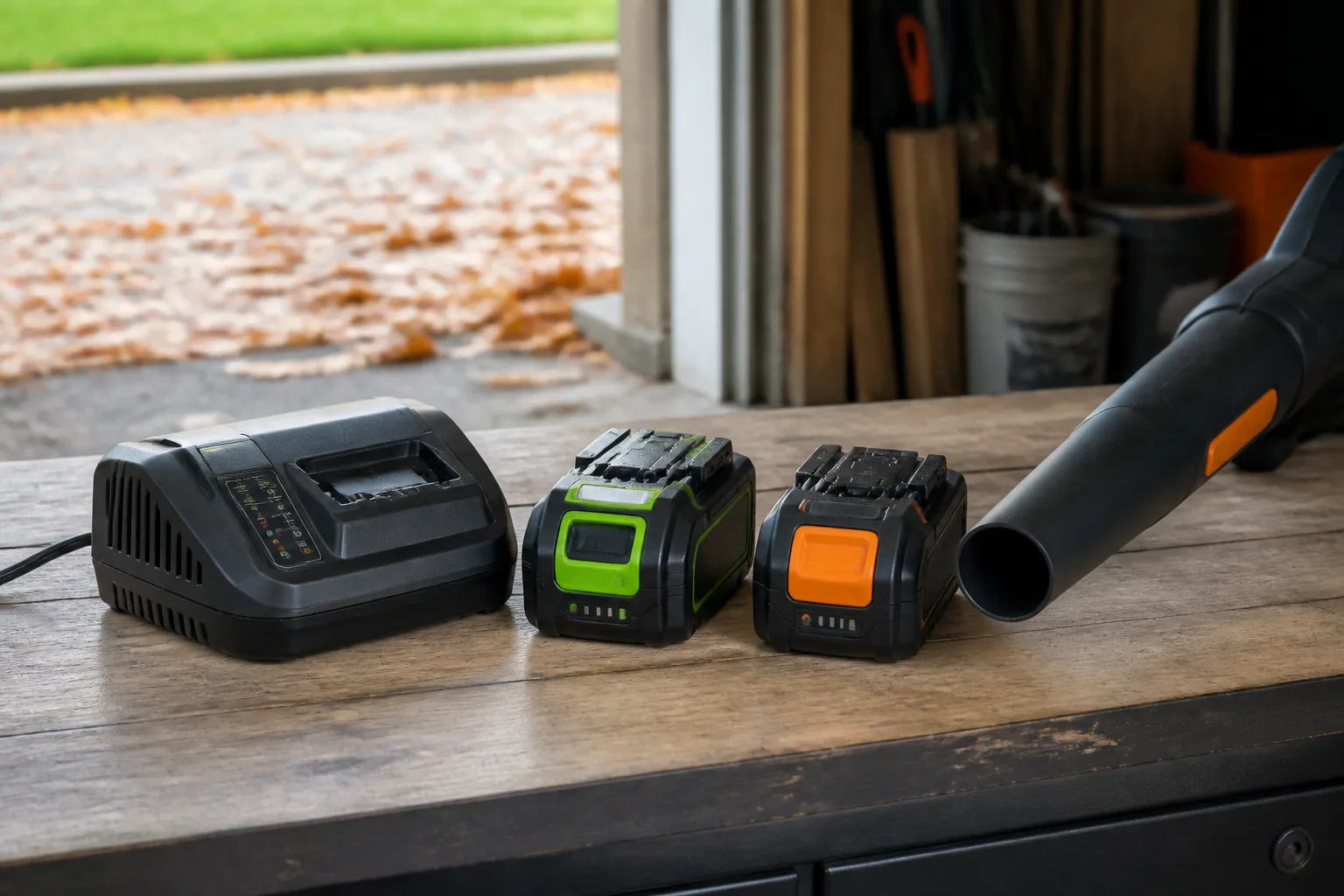
Battery buyers should think in platforms: a 40V or 56V ecosystem that already powers your trimmer or mower makes a second battery easier to justify. Corded buyers should think in gauge and GFCI, not just cord length—a 12-amp blower on a long, undersized cord loses power and overheats the cord.
Handheld vs Backpack: When Weight Beats Raw Numbers
Handheld blowers are easier to store, faster to grab for a 10-minute porch sweep, and sufficient for many quarter-acre lots with mid-tier CFM. Fatigue shows up when you hold 9–16 pounds at arm’s length for 30-plus minutes or when high CFM models lack straps.
Backpack blowers move engine or battery weight to your hips and shoulders, freeing your hands to aim a flexible tube for long sessions. They shine on half-acre-plus properties, commercial pacing, and anyone who finishes fall cleanup in one long pass. The downside is storage bulk, higher price, and—on gas models—significant noise.
If you are borderline between a 900 CFM handheld and a backpack, choose based on session length, not peak CFM. A lighter 500 CFM backpack can feel faster over an hour than a powerful handheld you have to set down every ten minutes.
Noise, Hearing Protection, and Local Restrictions
Leaf blowers range from roughly 57 dB on quiet cordless models to 110 dB on gas backpacks in manufacturer ratings. CDC NIOSH emphasizes that loud noise at work—or repeated weekend yard sessions—can cause permanent hearing loss that is preventable with lower exposure and protection. (CDC NIOSH noise and hearing loss) Wear hearing protection for gas models and for any tool that makes normal conversation difficult at arm’s length. Add eye protection always; blowers launch debris.
Many cities cap decibel levels, ban gas blowers seasonally, or restrict hours of use. California’s approved phaseout of new gas-powered small off-road engines—including categories covering leaf blowers—means buyers in regulated states should confirm current sales and use rules before investing in gas. (LA Times California gas OPE phaseout) Check your municipality’s yard-equipment ordinance; courtesy matters even where rules are loose—early morning blower sessions are a fast way to annoy neighbors.
Technique and Responsible Leaf Disposal
Good technique saves time and keeps leaves out of places they should not go.
Work with the wind when possible, blowing leaves toward a collection tarp or low spot in the yard rather than back and forth across the same ground. Use a rolling U pattern on open lawn: blow from the perimeter inward to a central pile instead of chasing individual leaves across the whole property. On hardscape, lower speed reduces ricocheting gravel and dust.
Never blow leaves into storm drains, street gutters, or neighbor properties. For beds, blow outward from plant crowns so you do not strip mulch or bury perennials. If you vacuum/mulch, empty bags before they are packed tight—overfull bags stress zippers and motors.
After piling, decide disposal deliberately: compost shredded leaves, mow-mulch thin layers into lawn per your turf program, or bag for municipal pickup where required. Whole leaves smother turf if left in thick mats all winter; a thin layer or compost pile puts that carbon to work instead of landfill.
Conclusion
For most suburban homeowners who want cordless convenience with strong fall performance, the Ego Power+ LB6703 is the best starting point thanks to its variable CFM and 56V platform. Choose the Echo PB-2520 when wet leaves and unlimited runtime trump noise and fuel chores. The Greenworks 24322 fits small yards that bag and mulch, while the WORX WG547 covers light cleanup on a budget.
The Toro 51827 is the handheld power pick for heavy mats, the Toro PowerJet F700 solves small corded yards, and the Husqvarna 150BT handles the biggest gas jobs. The Milwaukee M18 Fuel keeps noise down in tight neighborhoods, and the RYOBI 40V HP Backpack delivers backpack ergonomics without 2-stroke exhaust. Before you buy, map your cord or battery strategy, match CFM to your real leaf load, and gather eye—and likely hearing—protection. Then plan where those leaves land: compost, beds, or bags beat blowing them down the storm drain every time.