How Long Before You Can Walk on New Grass?
Sod can handle light traffic in about 2–3 weeks; seeded lawns need 4–8 weeks. Learn the tug test, footprint test, and pet rules before anyone steps on new grass.
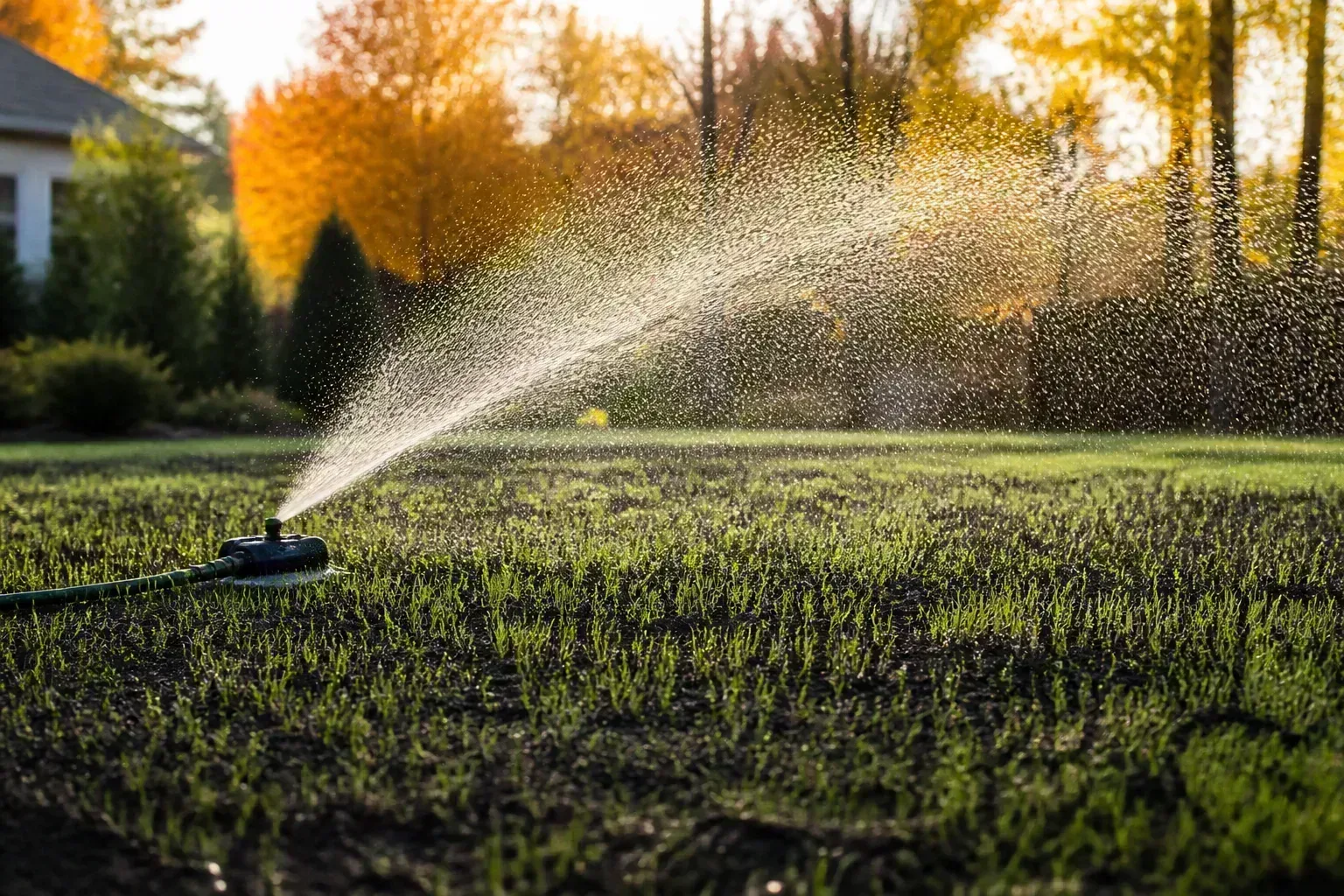
A new lawn looks finished long before it is strong enough to carry weight. Sod is pre-grown turf laid in strips; seed is a shallow layer of embryos that must germinate, root, and knit into a mat. Both fail the same way when traffic arrives too early: roots tear out of moist soil, seedlings crush flat, and compaction closes the air spaces roots need to breathe.
The useful answer is not one number for every yard. Most new sod can handle brief, careful crossing after about 14 to 21 days of rooting in favorable weather—sometimes sooner for warm-season grass in summer heat, sometimes longer for cool-season sod laid in cool soil. Seeded lawns usually need four to eight weeks before foot traffic is safe, and overseeded areas on existing turf often sit between those extremes. Until you pass the field tests below, treat the lawn like wet paint: necessary crossings only, no games, no furniture, and no shortcutting across seams.
The Quick Answer
New sod: Wait until corners resist a gentle tug, soil feels firm underfoot, and blades are tall enough that a first mow would remove no more than one-third of the leaf. For many installs that lands near two to three weeks in spring or fall, about two weeks in warm summer weather with steady irrigation, and up to three weeks or more when soil is cold or days are short.
New seed on bare soil: Stay off until seedlings cover the ground, the soil surface is firm, and grass springs back after you press it with your palm—not just until the first green specks appear. Plan on at least four weeks for fast species like perennial ryegrass in ideal fall weather, and six to ten weeks when slow species such as Kentucky bluegrass dominate the mix or soil stays cool.
Overseeded lawns: Existing grass carries some weight, but new seedlings in thin areas are as fragile as bare-soil seed. Limit traffic for three to six weeks after germination, longer if the lawn was heavily thinned.
| Installation type | Typical light-traffic window | What “ready” really means |
|---|---|---|
| Sod (cool season, mild weather) | 14–21 days | Tug test passes; firm soil; ready for first mow soon |
| Sod (warm season, summer) | 10–18 days | White roots visible at seams; heavy roller weight still risky |
| Bare-soil seed (fast mix) | 4–6 weeks after sowing | Even cover; footprint test passes |
| Bare-soil seed (bluegrass-heavy) | 6–10+ weeks | Blades knit; several mows completed |
| Overseeding thin turf | 3–6 weeks after sprouts | New grass fills gaps; no muddy prints |
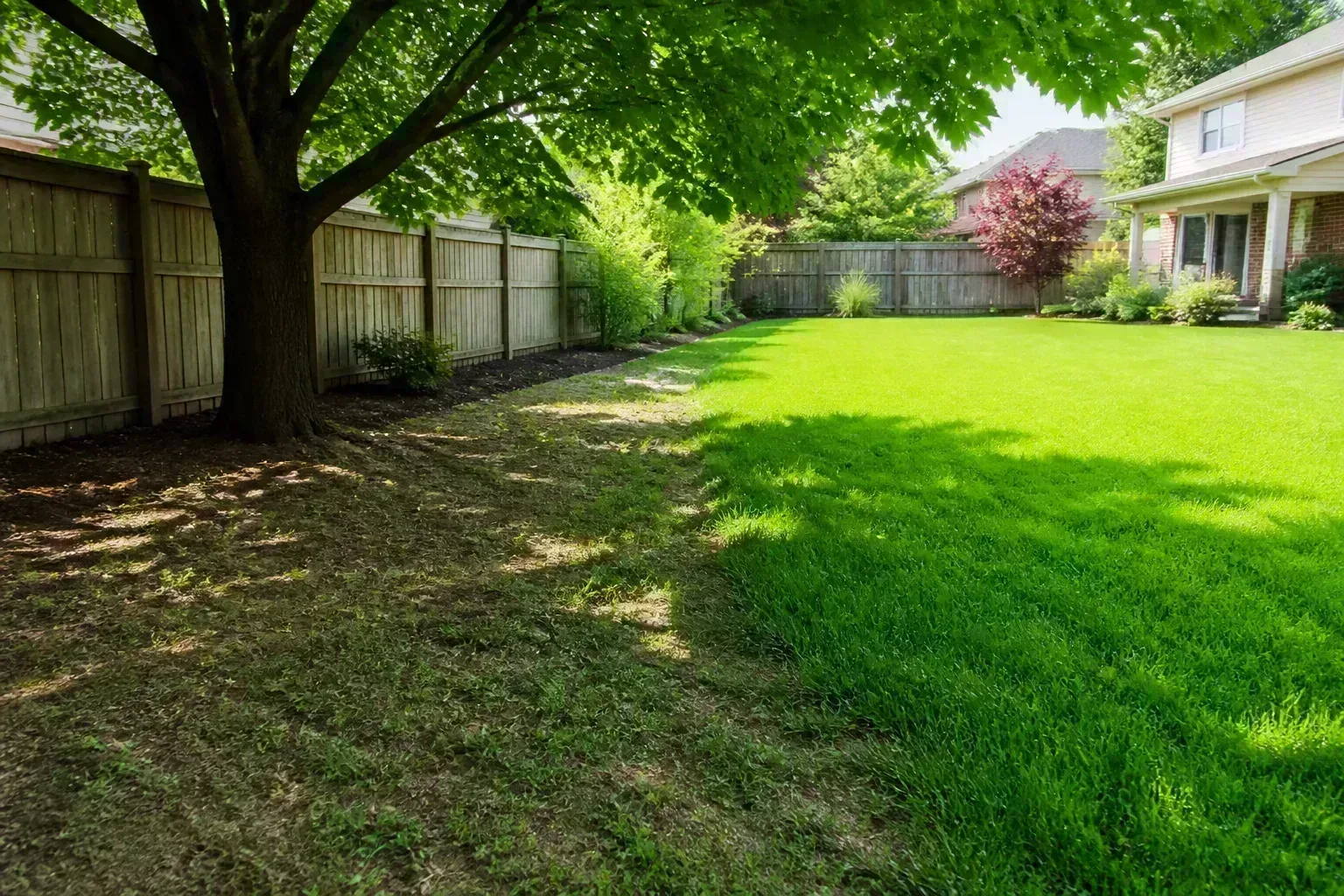
Sod vs Seed at a Glance
Sod gives you an instant green surface, but the roots are still a transplant. They must grow from the sod layer into your native soil. Walking on unanchored sod shifts strips, opens seams, and can leave footprints that persist as ruts once the soil dries.
Seed gives you nothing to peel, but every footstep moves seed and compacts the seedbed. A single dog run across a freshly raked patch can erase an afternoon of work. Germination might take seven to fourteen days in good conditions; traffic-ready is weeks later, when blades are tall and roots hold soil when you tug a handful of grass.
Why Calendar Guesses Fail
Install date, species, soil type, slope, shade, irrigation discipline, and weather all move the timeline. NC State Extension’s lawn establishment guide notes that warm-season sod will not root until soil temperature stays above about 55°F for several weeks—walking on dormant or slow-rooting sod in early spring does not speed anything up. Cool-season seed sown in late summer may germinate quickly in warm soil; the same mix sown in a cool, wet spring can lag for weeks.
Use calendars as a range, then confirm with tests. If irrigation was inconsistent, roots will be shallow even on day twenty. If you laid sod on heavily compacted clay without prep, three weeks may not be enough. The tests in this guide matter more than the date on your phone.
Why Walking Too Soon Ruins Establishment
Turfgrass survives traffic through roots in aerated soil and leaf tissue that photosynthesizes. Young plants have neither in surplus. Weight on wet soil squeezes pore spaces shut. That is compaction: water and oxygen cannot move, and roots grow sideways or stall instead of anchoring deep.
On sod, shear force from shoes and mower wheels lifts the mat before roots have glued it down. You see peeled corners, widening seams, and yellow strips where roots tore. On seed, compaction creates a crust that seedlings cannot punch through; foot traffic also displaces seed into clumps and bare lines.
Penn State Extension’s lawn establishment guidance treats establishment as a phase where mowing, fertilizing, and irrigation must match root development—not where the lawn is ready for normal backyard use. Traffic is a stress you add only after that foundation exists.
Compaction and Displaced Seed
Compaction shows up as shiny, hard soil that holds footprints after the surface dries, thin grass in paths, and water running off instead of soaking in. On new seed, you may see comet-shaped bare streaks where someone cut across the yard to the garage. On sod, compaction plus lift produces stepped-on seams that never knit.
Heavy equipment is worse than sneakers, but repeated light traffic on the same line—a daily path to the hose bib, a dog patrol along the fence—does cumulative damage. During establishment, vary your crossing point or use temporary protection.
Wait Times for New Sod
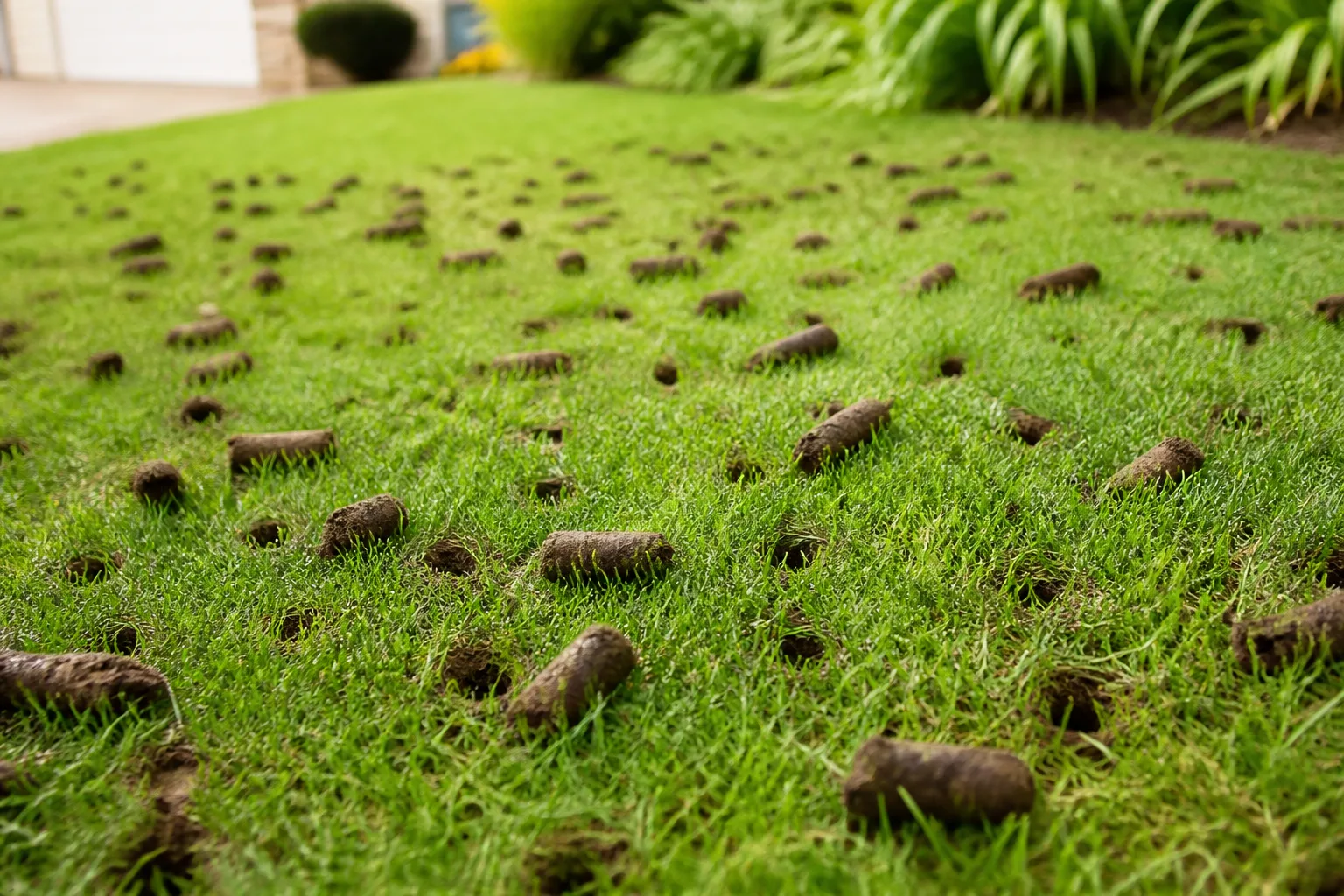
Think in phases, not a single open day.
Days 1–7: Irrigation is frequent; soil is soft. Cross only for watering checks and seam adjustments. No games, furniture, or mower traffic except what the installer requires.
Days 8–14: Roots should begin grabbing soil. Sod Solutions’ St. Augustine establishment schedule recommends checking for fresh white roots at seams around day 9–10 by lifting a corner gently—if you see new roots sticking to soil, rooting is underway. Still limit traffic to essential crossings.
Days 14–21: Many lawns pass the tug test and approach first-mow height. Light foot traffic for setup tasks is often acceptable if soil is firm. This is not permission for a soccer game.
After first successful mow: Walking for normal household use usually improves, but sustained play, pets, and riding mowers should wait until you have mowed two to four times without lifting sod or leaving deep prints. Our when to mow new sod guide covers height and mower choice; mowing readiness and foot-traffic readiness overlap but are not identical.
Season and Grass-Type Adjustments
Warm-season sod (bermuda, zoysia, St. Augustine, centipede) laid in late spring or summer with warm soil and steady water can root faster than cool-season sod laid the same week. Active growth builds roots quickly when nights are warm.
Cool-season sod (Kentucky bluegrass, tall fescue, ryegrass blends) laid in fall often roots well before winter, but walking on partially frozen or saturated sod in late fall can peel strips. Winter installs may look green while roots are nearly idle—extend the wait.
Slope and shade delay rooting on every type. Sod on a hill should be staked at install; traffic before anchoring causes slip and gap. Shade slows photosynthesis, so roots lag behind a sunny section even on the same install date.
The Tug Test
At several spots—corners, seams, and the center—gently lift a corner or edge of one sod piece with both hands.
- Not ready: The piece lifts easily, feels floppy, or peels back with little resistance. Soil may stick to roots but the mat moves as a unit.
- Ready for light traffic: The sod resists lifting; you feel tension; only shreds of root may tear if you pull hard. The piece stays flat when released.
- Ready for mowing soon: Same as above, plus blade height is about one-third above target mowing height for that species.
Run the test on dry-ish soil after irrigation has soaked in and the surface has firmed for several hours. Testing immediately after watering falsely suggests roots are weaker than they are.
Wait Times for Seeded Lawns
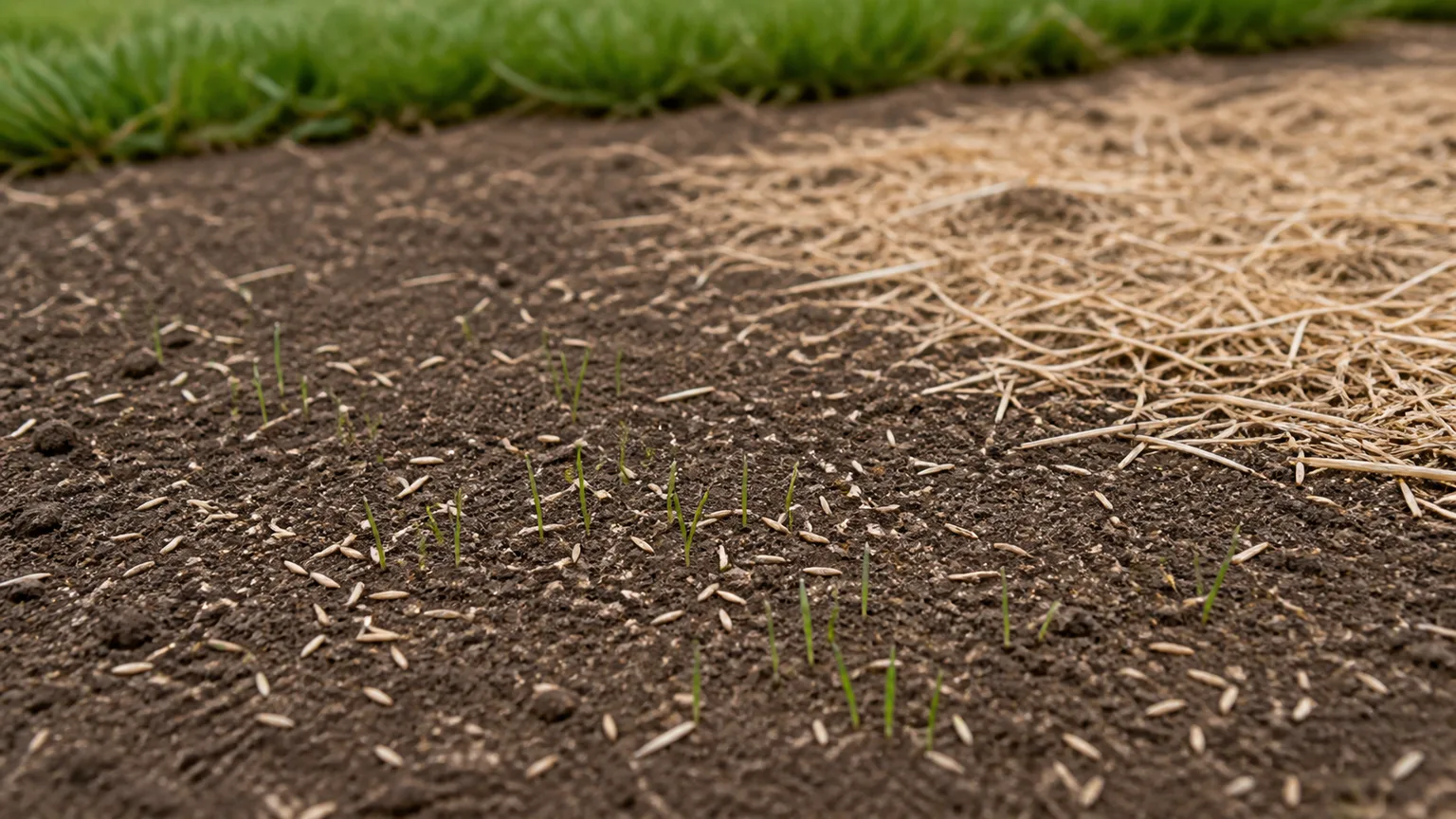
Seeded lawns hide progress underground longer than sod. You are waiting for germination → cover → rooting → mowing, not just green dots.
Week 1–2 (germination window): Stay completely off the seedbed except to move sprinklers. Soil should stay moist in the top inch. Footprints create craters and move seed.
Week 3–4 (sprouting and fill-in): Seedlings may be one to three inches tall but still shallow-rooted. You might see cover without strength. Still avoid traffic.
Week 4–6 (early establishment): Fast mixes in fall may allow careful, single-file crossings on firm soil if the footprint test passes. Slow bluegrass-heavy lawns are often still off-limits.
Week 6–10+ (mowing approach): When grass is tall enough for a first cut and springs back after light pressure, limited household traffic is usually fine. See our how to plant grass seed guide for sowing depth and species timing; see how often to water new grass seed for the moisture schedule that keeps seedlings alive through this window.
Germination Is Not the Finish Line
Perennial ryegrass may sprout in five to ten days in warm, moist fall soil. Kentucky bluegrass in the same blend might need fourteen to twenty-one days or more. The lawn looks “started” while half the species is still underground.
Do not interpret first sprouts as permission to walk. Wait until the intended area is evenly covered and a gentle tug on a clump meets resistance. UC IPM’s turf germination resources emphasize that species in a blend establish at different rates—traffic should follow the slowest species in high-traffic plans.
Overseeding vs Bare Ground
Overseeding spreads seed into existing turf. Living grass blades shield some seed, but thin areas are still bare soil for traffic purposes. Mow existing grass short before overseeding, keep traffic minimal while new seedlings emerge, and avoid heavy use until new blades fill the gaps. Our how to plant grass seed on an existing lawn guide covers prep that improves seed-to-soil contact.
Bare-ground seeding has no cushion. Treat the entire area as off-limits until establishment tests pass. Straw or erosion blanket helps, but does not turn a seedbed into a sidewalk—cross on boards if you must.
Three Tests Before Anyone Walks On
Use all three. Passing one is not enough.
1. Tug test (sod, plugs, and mature seedlings): Described above for sod. On seeded lawns, grasp a small clump at the base and pull upward gently. Ready turf resists; seedlings that pull out like sprouts in a garden are not ready.
2. Footprint and firmness test: Walk slowly across the area in soft shoes when soil is moist but not muddy. Ready soil supports your weight with shallow or no lasting prints. If you sink to the sole, hear squishing, or leave deep craters that hold water, stay off. Purdue Turfgrass Science warns that traffic on wet, soft turf causes ruts that persist—risk is higher on new grass than on mature lawns.
3. Mowing readiness test: If the lawn is not tall enough for a proper first mow at the high end of the species range, it is not ready for sustained foot traffic. Mowing readiness means anchored roots, firm soil, and enough leaf area to tolerate a trim—see when to mow new sod for sod and the foot-test guidance in how to plant grass seed for seed.
Footprint and Soil Firmness
Perform the footprint test in multiple zones: sunny middle, shady edge, near downspouts, and along seams on sod. Weak zones reveal themselves before you host guests. If only a path to the side door passes, route traffic there and keep the rest roped off for another week.
Mowing Readiness as a Traffic Signal
The first mow is a stress event. If you should not mow yet, you should not play on it yet. After the first successful mow on firm soil without lifting turf or uprooting seedlings, light daily use is usually reasonable. Heavy use—running, pivoting sports, large gatherings—should wait until after several mows and when footprints no longer linger.
Pets, Kids, and Shortcuts During Setup
Dogs concentrate force on four small pads and love the same fence line every day. Keep dogs off new sod and seed for at least the same window as humans, often longer. Urine on young seedlings burns tissue that cannot yet outgrow damage. Sod that peels at a seam often starts with a dog pulling at a loose corner.
Kids are not lighter than adults over time—they take more steps and turn harder. A “quick” trip across new sod for a forgotten backpack can peel a seam. Set visual boundaries: stakes and twine, temporary fencing, or obvious paths.
Delivery drivers and contractors will walk the shortest line unless you stop them. Rope off the lawn, redirect to driveway or plywood paths, and schedule heavy deliveries before sod arrives or after establishment.
Temporary Paths and Boards
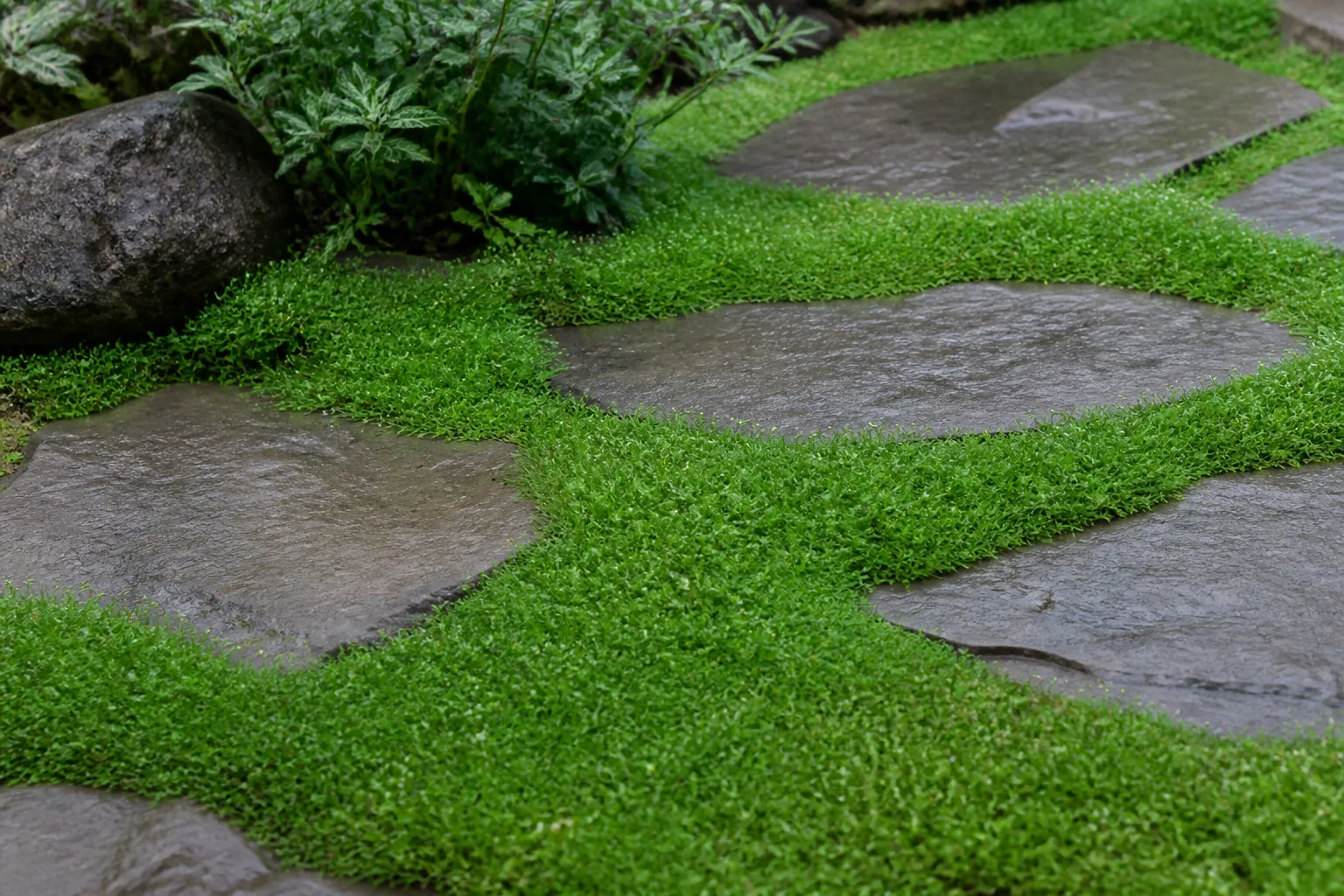
When you must cross repeatedly, lay plywood sheets or wide walkway boards on sod that has passed the tug test to spread weight. Move boards so one line does not mat grass. On seed, boards protect only if seedlings are not glued to the wood—use them for installer access, not daily family routes.
For essential crossings on firming sod, step on seam overlaps where two pieces meet rather than the center of a single strip, and avoid pivoting on heels.
When Heavy Use Can Return
Divide traffic into tiers:
Tier 1 — Necessary crossing: Watering, adjusting sprinklers, inspecting seams. Allowed early with care on firming sod; still avoid on wet seedbed.
Tier 2 — Normal household walking: Paths to doors, light yard work, supervising sprinklers. Usually OK after tug and footprint tests pass and often after the first mow.
Tier 3 — Play and entertaining: Running, tag, sports, trampolines, patio furniture dragged across turf, party crowds. Wait until the lawn has been mowed multiple times, footprints do not persist, and you cannot peel sod at seams. For seed, wait until cover is dense and you have mowed at least two to three times without pulling plants.
Tier 4 — Equipment: Riding mowers, utility carts, and trailers belong off new turf until roots are deep and soil is consistently firm—often several weeks after the first successful walk-behind mow. Our when to mow new sod guide recommends walk-behind mowers for early cuts for good reason.
Furniture legs punch through soft sod. Set chairs on patios or hardscape until tier 3 is met. If you must stage items on grass, use wide pads and move them daily.
Damage Signs and Recovery Steps
Peeling sod or open seams: Press sod back down immediately, roll lightly if soil is not saturated, and peg edges if on a slope. Water to keep roots moist. Stay off until the tug test passes again. Severely dried or torn pieces may need replacement patches.
Bare strips in seeded areas: If traffic moved seed, rake lightly, add seed to bare zones, and restart the off-limits clock for those patches. Do not assume the rest of the lawn’s timeline applies to repaired spots.
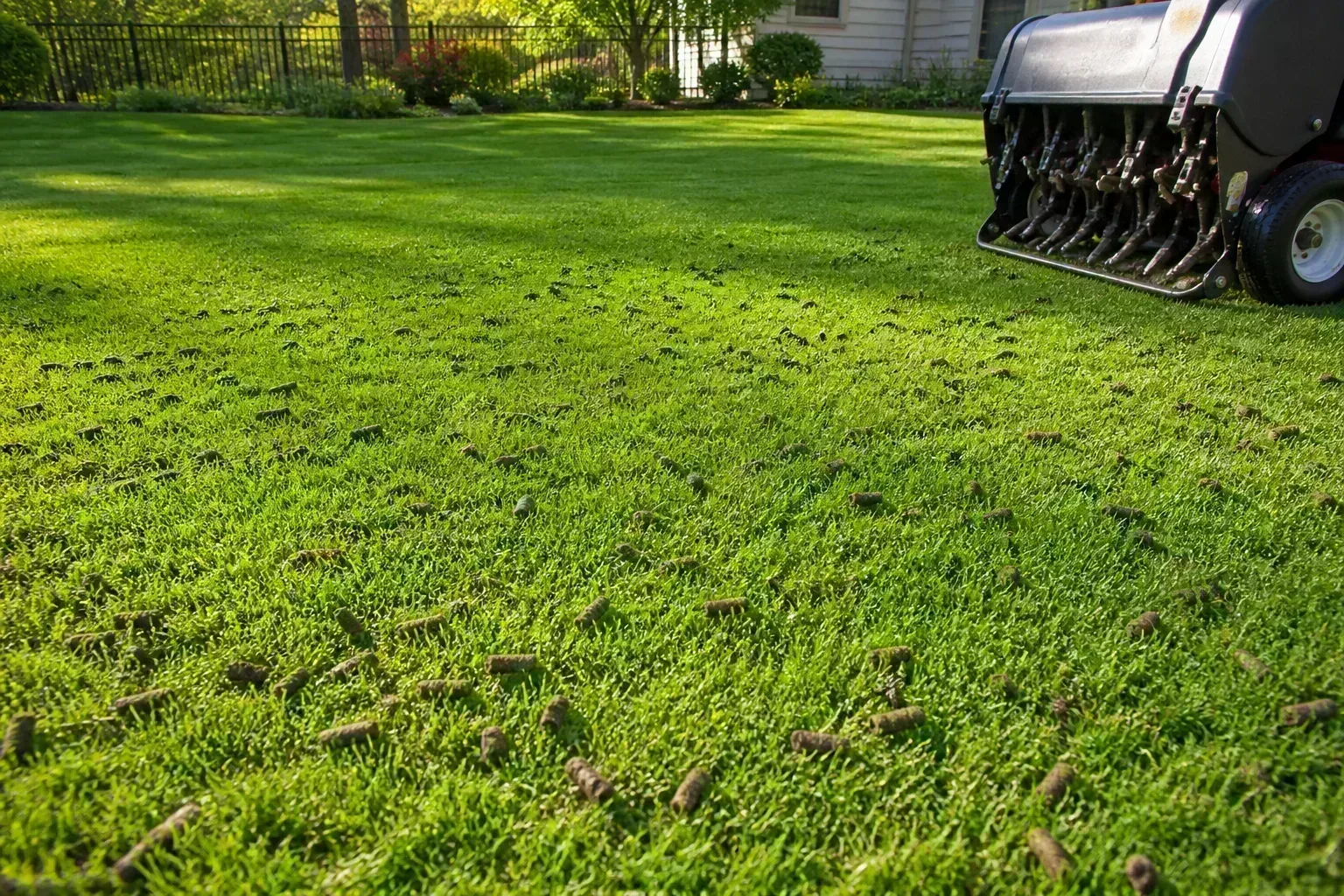
Persistent footprints and thin lines: Compaction may need core aeration after the lawn is established enough to survive it—usually not in the first month. Our does aeration create a thicker lawn guide explains when aeration helps versus when it tears young roots.
Yellowing after early traffic: Often stress plus torn roots. Reduce traffic, keep moisture consistent without flooding, and wait for regrowth. Fertilizer on stressed new turf can burn—follow establishment fertilizer schedules from soil tests rather than guessing.
If more than a small corner failed, honesty matters: partial recovery is common; full recovery without reseeding or re-sodding is not guaranteed when roots were ripped in hot, dry weather.
Conclusion
Walking on new grass too soon is one of the fastest ways to turn a fresh install into patchy, compacted trouble. Sod is usually ready for careful crossings after about two to three weeks of rooting in favorable weather—confirmed with the tug test, firm soil, and approaching first-mow height—not on install day. Seed needs weeks longer: germination is only the opening act; traffic waits until cover is even, roots hold, and footprints no longer sink in.
Run the three tests, match traffic to the tier your lawn has earned, and keep pets and shortcuts off the mat until the slowest section of the yard passes. When in doubt, wait another week and check seams again. A lawn that roots without interruption will repay the patience with a surface that actually stays green—not one you re-buy next spring.