How to Plant Grass Seed: Step-by-Step Lawn Guide
Learn how to plant grass seed for bare patches or thin lawns: timing by region, soil prep, seed rates, watering, mulch, and first mow rules that protect germination.
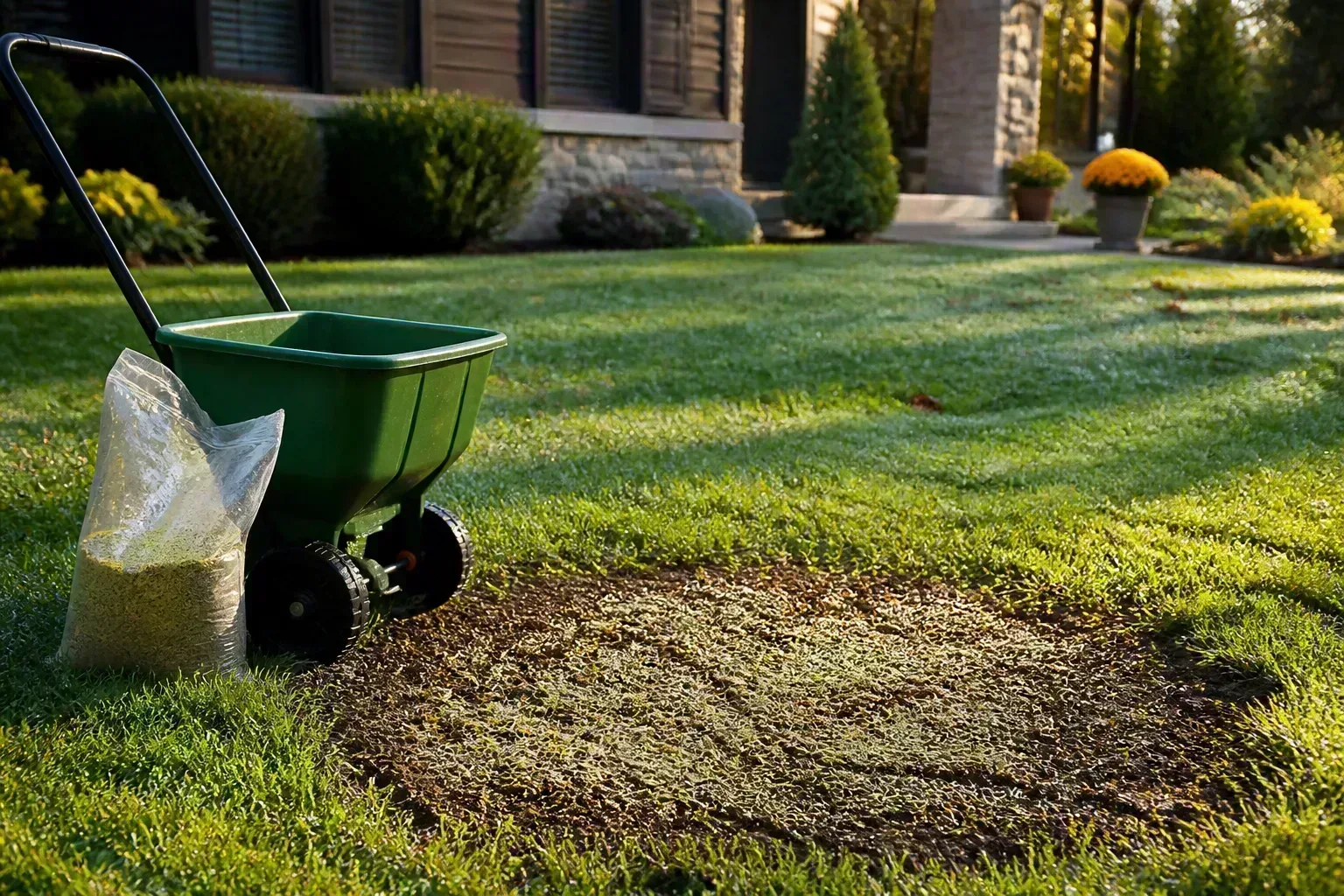
Bare dirt does not become a lawn because you bought a bag of seed on Saturday. Grass seed needs seed-to-soil contact, the right soil temperature, even moisture for weeks, and a species that matches your sun and traffic—otherwise you get a patch of sprouts that vanish by July. This guide walks you through the full job: figuring out whether you are patching, overseeding, or starting fresh; picking timing and seed; preparing soil; sowing at the correct depth; and keeping seedlings alive until they can handle a mower.
Patch Repair, Overseeding, or a Brand-New Lawn?
Match the project to the damage. Patch repair targets a fist-size to several-foot bare spot while the rest of the lawn is healthy. Overseeding spreads seed over existing turf to thicken thin areas, improve species mix, or fill small gaps—our when to overseed bare patches guide covers fall timing in detail. Full renovation or new lawn is for large dead zones, wrong grass type for the site, or new construction where you need to grade and amend soil before any seed hits the ground.
Patch jobs need aggressive soil prep in the bare zone only. Overseeding needs mowing short, raking, and often aeration so seed reaches soil—not just thatch. Full lawns need 4–6 inches of quality topsoil, grading for drainage, and often tilling amendments through the profile. Using patch shortcuts on a whole dead yard wastes seed; using renovation machinery on a single dog-urine spot is overkill.
When Reseeding Fixes the Problem—and When It Does Not
Reseed when the underlying issue is fixable: seasonal thinning, minor compaction, a worn path, or a grass type that never matched the shade level. Do not seed over unresolved problems. Active grub or chinch-bug infestations, chronic dog urine zones without soil replacement, deep shade without shade-tolerant species, and drainage that ponds after every rain will kill new seedlings the same way they killed the old turf.
If more than about 40 percent of the lawn is dead or weedy, renovation—often kill-off, dethatch, aerate, then seed—usually beats repeated patch jobs. When in doubt, fix the cause first, then seed. Spreading seed on compacted, acidic, or shade-mismatched soil is the most common reason grass seed fails to germinate.
Best Time to Plant Grass Seed by Region
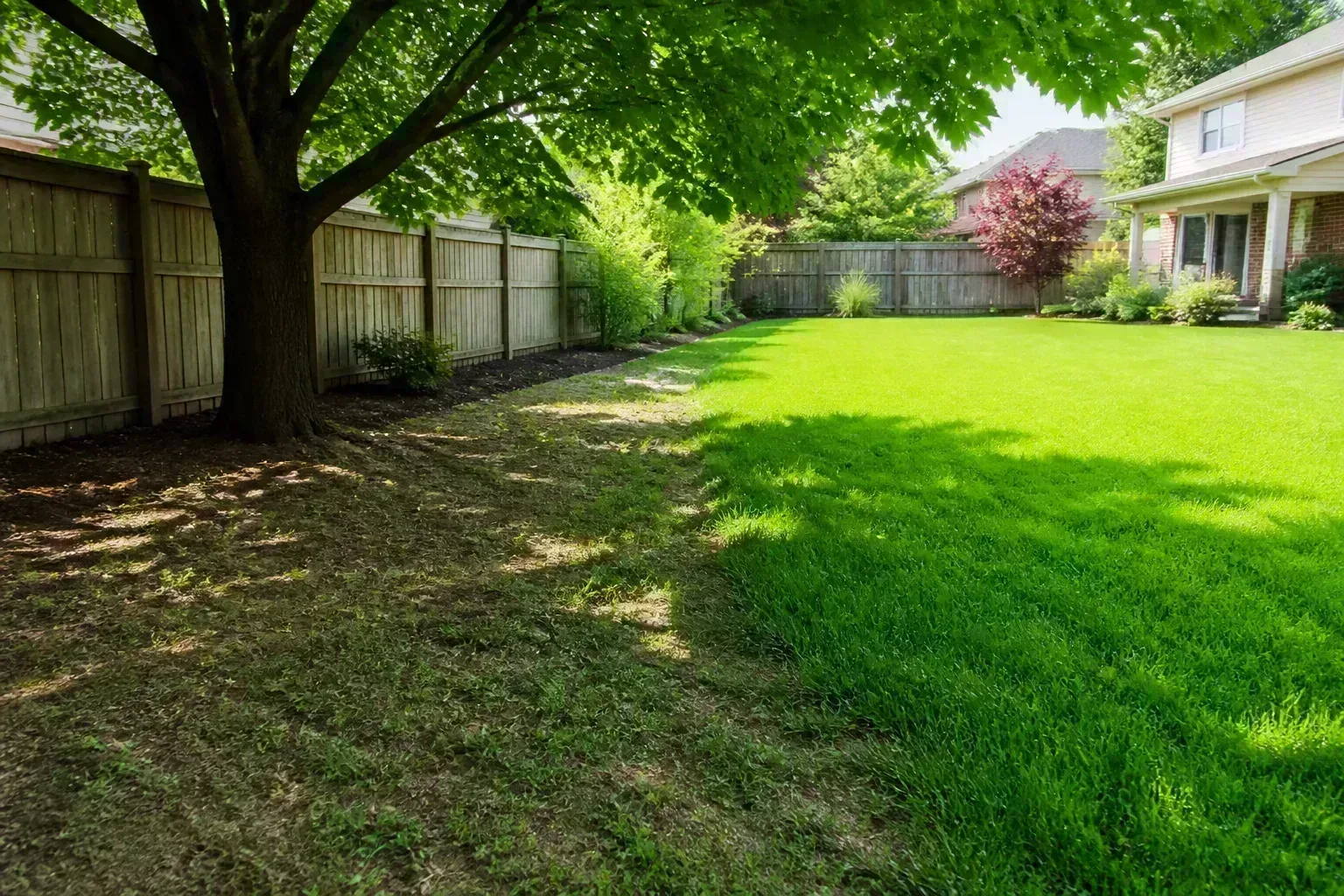
Calendar dates matter less than soil temperature at 2 inches and your ability to irrigate through establishment. Cool-season grasses (ryegrass, fescues, Kentucky bluegrass) germinate best when soils sit roughly in the 50–65°F range. Warm-season grasses (bermuda, zoysia, centipede, buffalograss) want soils 65°F and rising, often mid-spring through early summer in the South.
For most of the northern U.S., late summer to early fall is the sweet spot for cool-season seeding. Soils are warm enough for fast germination, weed pressure is lower than in spring, and seedlings get fall plus spring to root before summer stress. Penn State Extension lists late August through early September as optimum in Pennsylvania; the same logic applies across much of the cool-season belt.
Spring seeding can work if you start early enough and can water through summer—but summer heat and drought kill shallow-rooted seedlings fast. In the South, sow warm-season seed from late spring into summer when nights stay warm. Avoid seeding right before a forecast downpour that can wash seed into gutters; a light rain after sowing is helpful because it settles seed without your first irrigation pass.
Cool-Season vs Warm-Season Planting Windows
| Grass type | Best planting window | Soil temp target | Main risk if mistimed |
|---|---|---|---|
| Perennial ryegrass, tall fescue, fine fescue, Kentucky bluegrass | Late summer–early fall; early spring second choice | 50–65°F | Summer heat drought |
| Bermudagrass, zoysia, centipede | Late spring–summer | 65°F+ and rising | Winter kill if sown too late |
| Overseeding thin cool-season lawn | Early fall primarily | 50–65°F | Competing leaves block light |
Never apply pre-emergent crabgrass preventer in spring if you plan to seed within the product’s exclusion window—it stops your grass seed too. If you already applied pre-emergent, check the label reseeding interval or wait until fall.
Tools and Materials You’ll Need
For a typical home patch or overseed: measuring tape, leaf rake, garden fork or shovel for small bare spots, drop or broadcast spreader, hose with fan nozzle or sprinklers, starter fertilizer, and mulch or bird netting. Larger jobs add a wheelbarrow, compost or topsoil, core aerator rental, and possibly a lightweight roller.
Materials: certified grass seed matched to sun and region (see our fast-growing grass seeds comparison), compost if soil is poor, lime or sulfur only if a soil test says so, straw (not hay) or erosion blanket for slopes, and starter fertilizer in the 0.5–1 lb nitrogen per 1,000 sq ft range. Skip mystery “lawn repair mix” without a label—you need species, purity, and germination percent on the bag.
Step 1: Diagnose Why the Lawn Failed
Walk the bare zone before you shop. Map sun hours, foot traffic, pet habits, and whether water pools. Dig a small hole: is topsoil thinner than 4 inches? Are roots from a nearby tree stealing moisture? Is the thatch layer thicker than half an inch?
Common fixable causes include mowing too short, drought stress, fertilizer burn, and minor compaction. Causes that need action beyond seed include tree-root competition (consider mulch beds instead of turf), heavy shade (fine fescue or shade groundcovers—not sun-loving bermuda), and repeat fungal patches (fix drainage and species before reseeding). Matching seed to the site beats repeating the same failure.
Soil Tests, pH, and Nutrient Fixes Before You Seed
A soil test through your county extension office or a certified lab tells you pH, phosphorus, potassium, and organic matter needs—guessing leads to lime when you do not need it or skipped phosphorus when seedlings starve. Collect samples from 3–6 inches deep across the repair zone, mix, and mail the kit three to four weeks before you plan to dig.
Most lawn grasses prefer pH 6.0–7.0. Apply lime or sulfur per the report and till or rake it into the top 4–6 inches when possible. Phosphorus and potassium are usually incorporated pre-seed; nitrogen goes down as starter at sowing, not buried weeks early where it can leach. If pH is wildly off, fix it before seed—new roots will not thrive in acidic or alkaline extremes.
Step 2: Choose the Right Grass Seed
Buy seed for your climate band and light level, not the prettiest bag photo. Northern sunny lawns often use turf-type tall fescue or Kentucky bluegrass blends; high-traffic areas benefit from perennial ryegrass in the mix for fast germination. Shady sites need fine fescues. Southern full-sun lawns lean on bermuda or zoysia; transition zones may blend species.
Read the label for cultivar names, not just “premium mix.” Cheap seed high in weed seed and inert coating costs more once you account for failed germination. For patch repair in an existing lawn, choose seed that blends visually with your current grass—or accept a temporary color mismatch until the new turf matures.
Reading the Seed Label and Pure Live Seed Math
The label lists purity, germination percent, weed seed, and crop seed. Pure live seed (PLS) tells you how much seed will actually sprout:
PLS = (purity % × germination %) ÷ 100
Example: 92% pure × 80% germination = 73.6% PLS. If the bag recommends 4 lb per 1,000 sq ft at 100% PLS, you need 4 ÷ 0.736 ≈ 5.4 lb of that lot. A “bargain” bag at 60% germination can cost more per viable seed than certified seed at full price. Prefer certified seed with named cultivars when quality matters.
Step 3: Prepare the Soil for Seed Contact
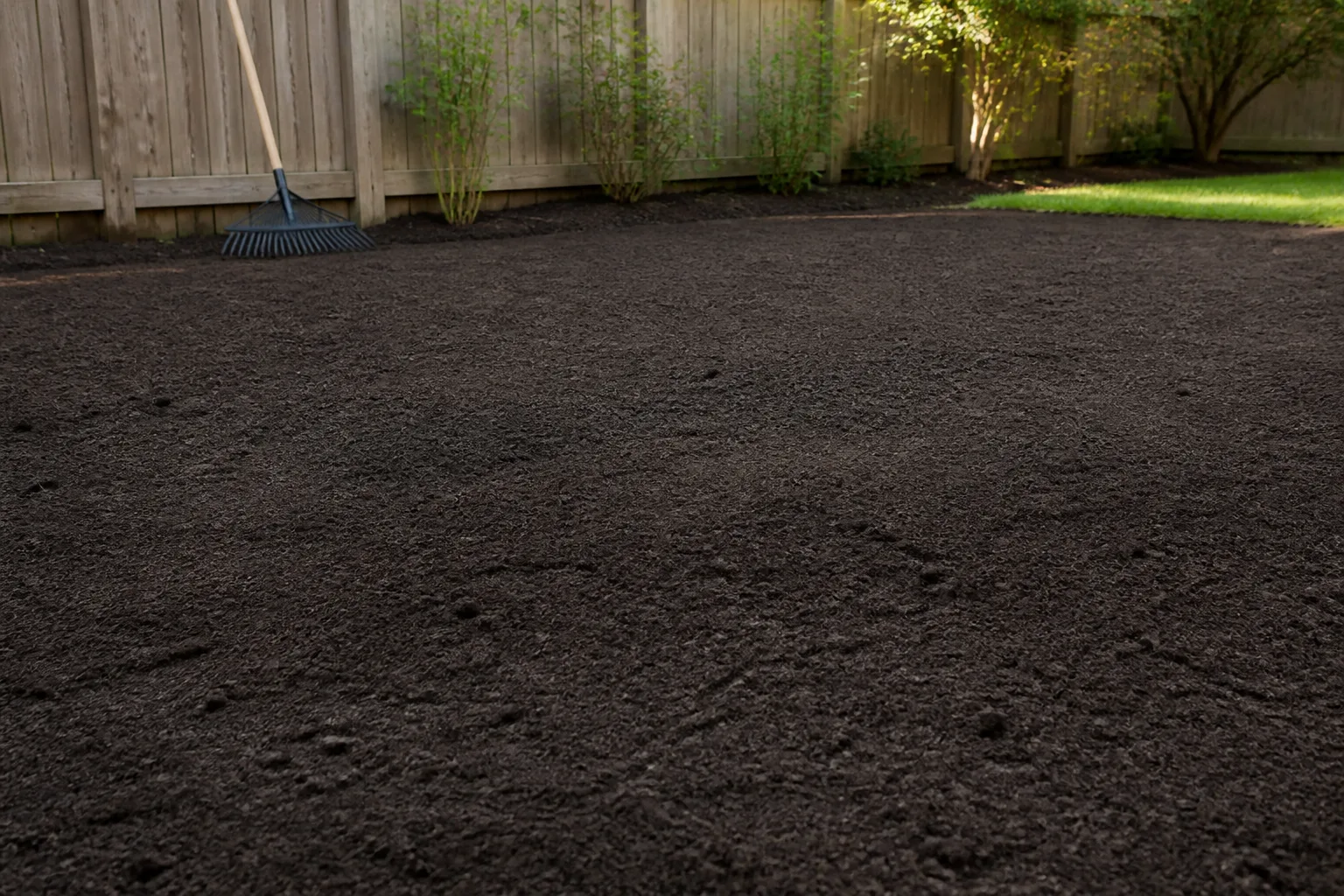
Seed on top of thatch or hardpan mostly feeds birds. For bare patches, remove dead grass, weeds, and rocks. Loosen the top 6 inches in the patch with a fork or shovel; break clumps and rake smooth. If soil is dust-dry, irrigate lightly and wait a day so you work moist—not muddy—soil.
Work ½–1 inch of compost into poor patches to improve water holding and aeration. Do not bury living tree roots under deep soil; a thin skim of topsoil is the maximum over exposed roots. For overseeding, mow existing grass to about 1.5–2 inches, rake to expose soil, and core-aerate if compaction is likely—our guide on whether aeration creates a thicker lawn explains when coring helps seed entry.
Grade so water drains away from structures at roughly 1–4% slope. Firm the surface with a light roller or foot traffic when dry; footprints should not sink deeply. A loose, crumbly seedbed beats powder-fine dust that crusts after rain.
Step 4: Calculate How Much Seed to Buy
Measure length × width of the target area. For irregular shapes, break the space into rectangles and add them. Use overseeding rates on the label when thickening existing turf; use new lawn rates for bare soil.
Typical cool-season new lawn rates per 1,000 sq ft (adjust for PLS):
| Species | lb per 1,000 sq ft (new lawn) | Overseeding rate |
|---|---|---|
| Perennial ryegrass | 4–5 | 4–6 |
| Turf-type tall fescue | 6–8 | 4–6 |
| Kentucky bluegrass | 2–3 | 1–2 |
| Fine fescue | 4–5 | 2–4 |
More seed is not always better—excess density can increase disease and mower scalping. On slopes, budget extra mulch, not double seed.
Step 5: Sow Seed Evenly at the Correct Depth
Grass seed is tiny; depth target is about ¼ inch of soil contact. Broadcast with a spreader calibrated to half the total rate, walking in two perpendicular directions to avoid stripes. Mixing seed with dry sand or sawdust can help even distribution on small patches.
After spreading, lightly rake or drag a mat so most seed sits under a thin soil veil—some seed visible on the surface is normal. A light roller on a dry seedbed presses seed into contact without burying it deep. Extension guidance warns against planting too deep; seed buried an inch down will not reach light.
Apply starter fertilizer (examples: 10-10-10, 16-8-8, or similar) at 0.5–1 lb nitrogen per 1,000 sq ft at sowing—not a substitute for soil-test phosphorus if the report called for incorporation. More than ~1.5 lb N per 1,000 sq ft can burn seedlings.
Step 6: Water for Germination Without Washouts
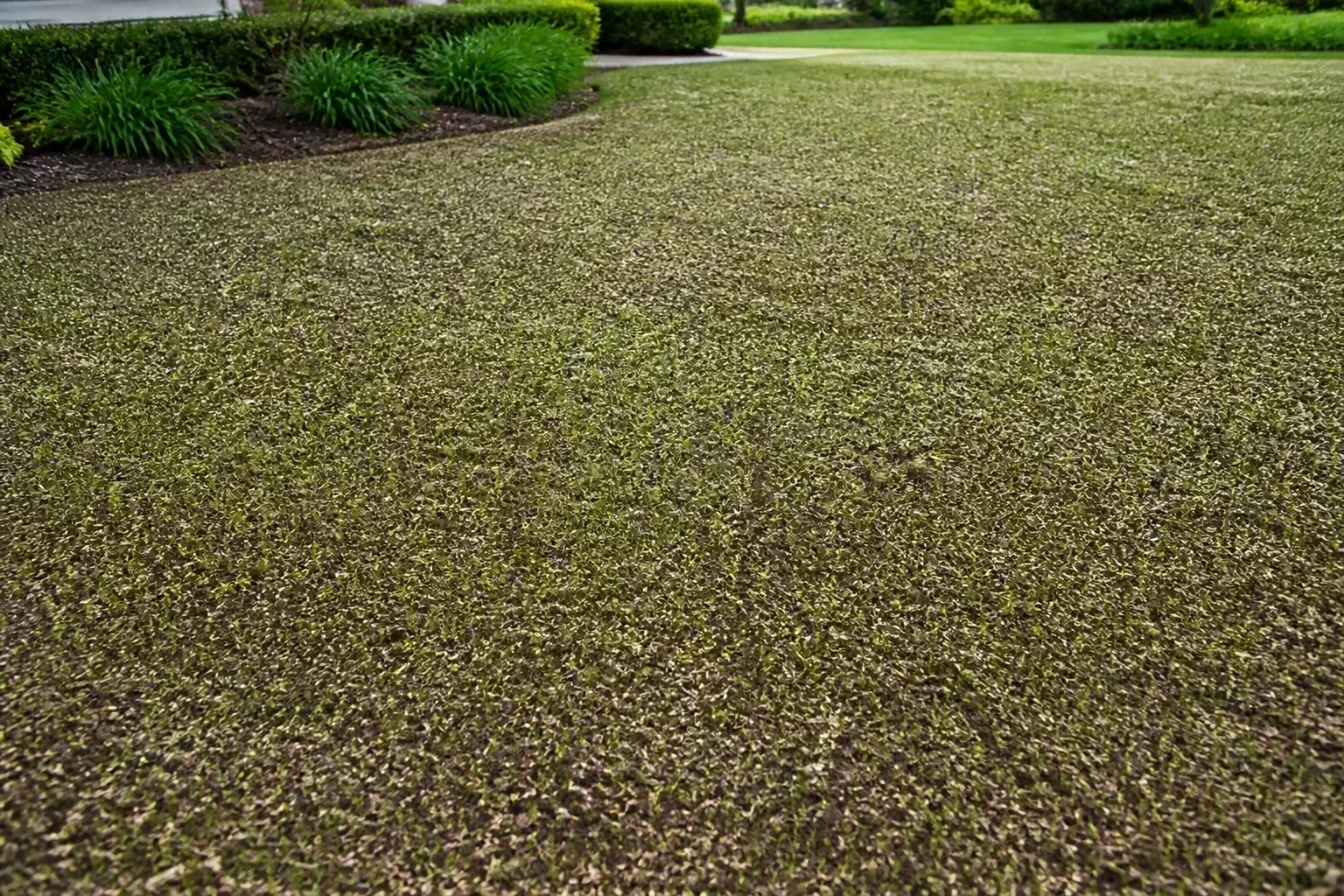
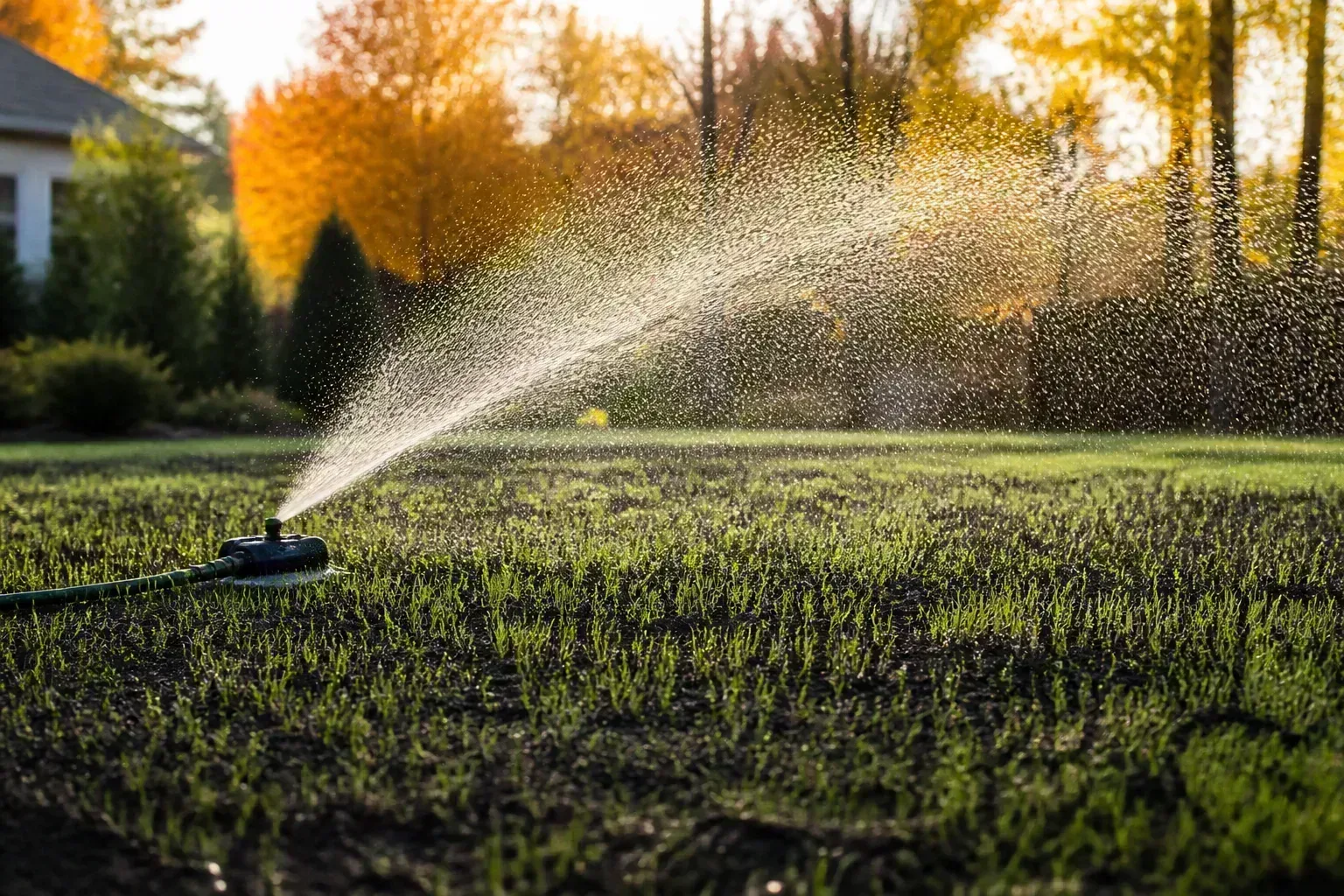
New seed needs the top inch moist constantly until sprouts cover the ground—usually 5–21 days depending on species and temperature. Our how often to water new grass seed guide details the phases; the short version: light, frequent irrigation (often 2–4 short sessions daily in dry weather) beats one daily flood that floats seed.
Use a fan nozzle or misting sprinklers to avoid gouges. If water runs off, you are applying too much too fast. After uniform sprouting, stretch intervals and water deeper to encourage roots. Cut back when grass blades fold and the soil still holds moisture an inch down. Heavy rain right after sowing can redistribute seed—see what heavy rain does to grass seed if a storm hits your project.
Step 7: Protect Seed From Birds, Wind, and Erosion
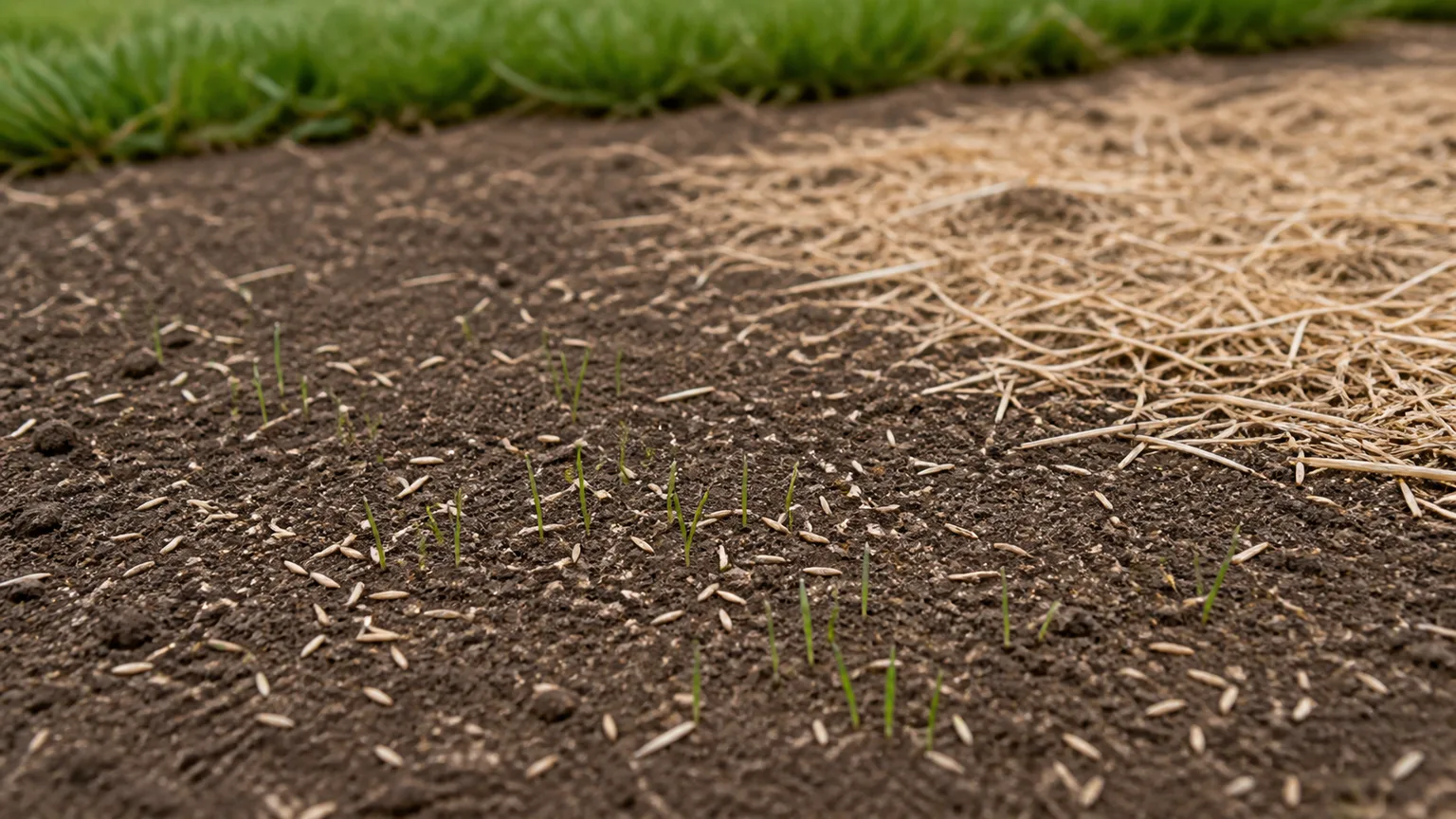
Birds can erase a fresh sowing in an afternoon. Straw mulch—not hay, which carries weed seed—is the classic fix: about one bale per 1,000 sq ft on level ground, spread thinly enough that you still see 30–40% soil through the strands. On slopes, increase mulch or use a biodegradable erosion blanket.
Bird netting raised 2–3 inches off the soil on stakes allows light and air while blocking feeding; remove it before the first mow. Pelletized paper mulch from a spreader works on small patches but is costly at scale. Skip thick straw layers that smother sprouts or hold disease.
First Mow, Fertilizer, and When the Lawn Is “Established”
Germination is day one; establishment is when turf tolerates foot traffic and routine mowing. That often takes 6–10 weeks for cool-season lawns—longer for warm-season species in late plantings. Track progress in our how long grass seed takes to grow timeline.
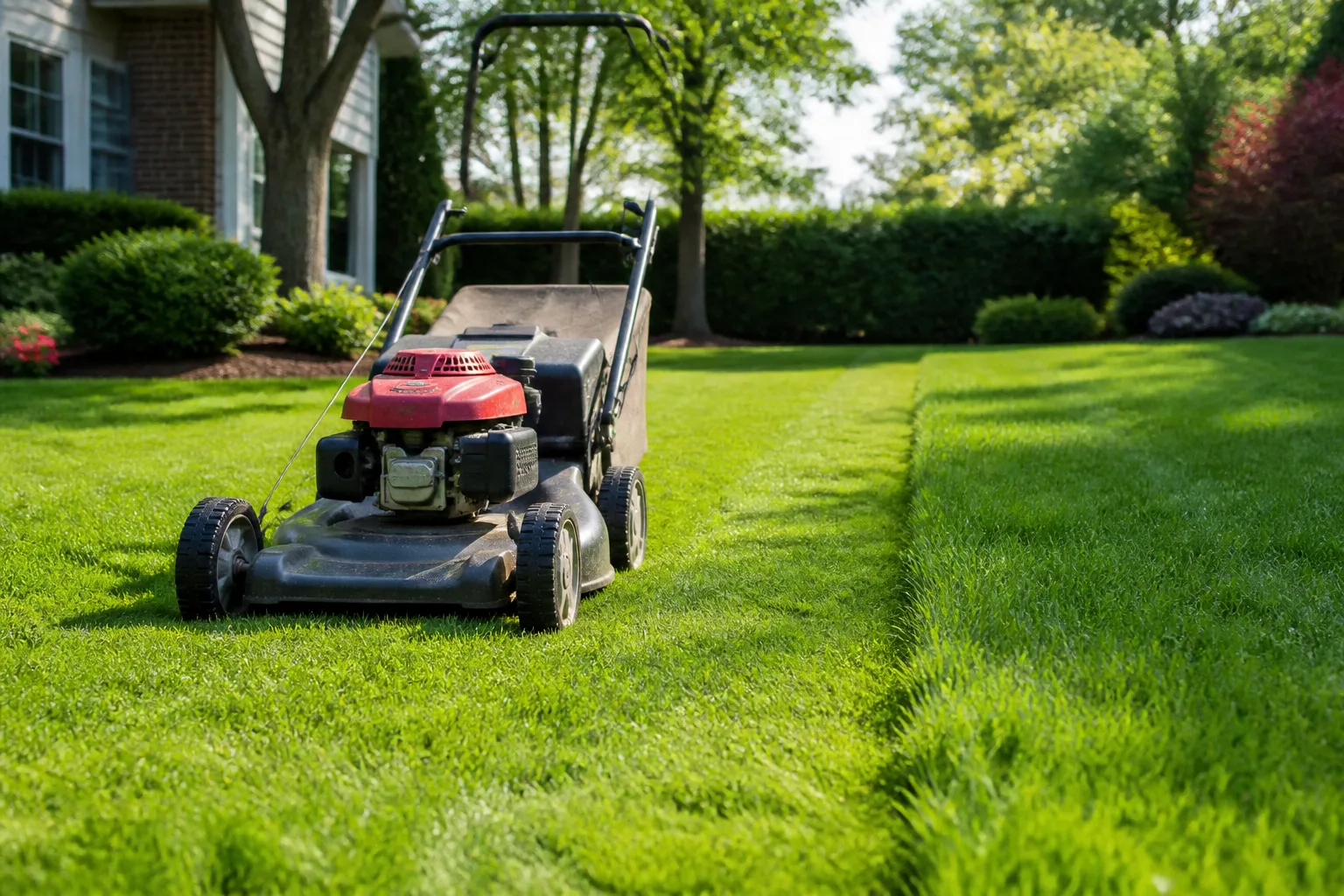
First mow when grass reaches about one-third above your target height—if you mow at 3 inches, cut near 4 inches. Use a sharp blade on dry grass. Step on the turf first: if plants spring back upright, the soil is firm enough. If footprints stay crushed, wait. Remove straw that shades new growth once most seedlings are up.
Four to eight weeks after starter fertilizer, a light follow-up of ½ lb nitrogen per 1,000 sq ft can thicken thin stands if the label allows. Delay broadleaf herbicides until the lawn has been mowed several times—often four to six weeks minimum; seedlings are sensitive. Keep kids, pets, and wheels off the area until you have mowed three to four times without damage.
Common Grass-Seeding Mistakes and Quick Fixes
Scatter without prep → rake to soil, reseed, mulch, restart watering. Wrong season → if summer killed seedlings, wait for fall soil temps or irrigate aggressively through heat. Pre-emergent conflict → seed will not sprout; wait for fall or label interval. Overwatering → pause until surface dries slightly, then mist. Shade mismatch → replace with fine fescue or reduce lawn area. Mowing too soon → let roots anchor; patch torn areas by hand.
If sprouts appear then stall, read grass seed taking too long—usually water, temperature, or depth. One skipped step in the chain fails the whole project.
Grass Seed vs Sod: Which Path Fits Your Yard?
Seed costs less, covers large areas affordably, and lets you pick exact species—but needs weeks of irrigation and weeks without heavy use. Sod delivers instant green and faster erosion control on slopes but costs more, requires the same soil prep, and still needs daily watering until roots knit—often three to four weeks.
Choose seed when budget, area size, or timing flexibility matter and you can guard the zone. Choose sod when you need immediate curb appeal, a small area, or cannot keep seed moist on a steep bank. Neither fixes bad soil; both fail on the same unresolved drainage or shade issues.
Conclusion
Planting grass seed successfully is a chain: diagnose the bare spot, seed at the right season for your grass type, prep soil to ¼-inch depth, spread the correct PLS-adjusted rate, keep the surface moist, mulch against birds, and delay traffic until mowing proves the roots hold. Skip any link and you will be back with another bag next year. Fix the site, match the species, and treat establishment like a six-week irrigation project—not a one-afternoon chore—and the lawn fills in denser than scatter-and-hope ever managed.



