8 Fast-Growing Grass Seeds for a Lush Spring Lawn
Compare eight fast-germinating grass seeds by climate, shade, and traffic. Get germination timelines, label tips, and planting steps that protect speed.
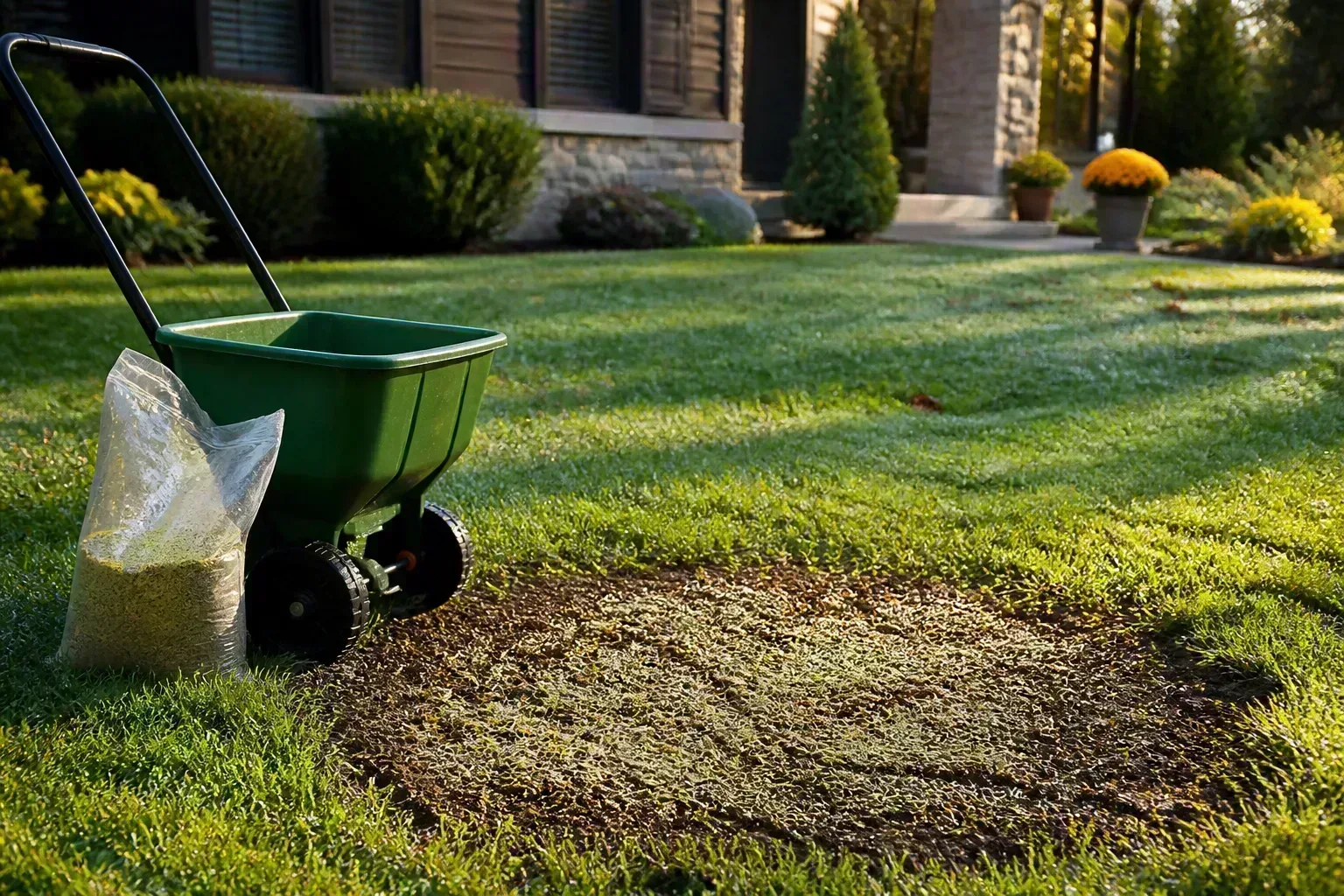
A bag that says “quick green” is useless if the species cannot survive your sun, your soil temperature, or your foot traffic three weeks from now. Fast grass seed is not one winner for every yard. It is a short list of species that germinate quickly when moisture and soil warmth cooperate—and each one comes with a different permanence story.
The eight grasses below are the ones turf managers reach for when they need visible sprouts in days, not months. Some are permanent lawn grasses. Some are temporary bridges. One is fast enough that you may already have it in your mix whether you meant to or not. Read the job first, then the species.
Quick Picks: Match Fast Seed to the Job
If you are standing in the garden center aisle, start here:
- Fastest green on cool soil: perennial ryegrass — often visible in 5–10 days when soil is in the 50–65°F range and the surface stays moist.
- Temporary cover or erosion control: annual ryegrass — similar speed, dies out when its season ends; plan to overseed or renovate.
- Shade and low fertility: fine fescue or red fescue — typically 7–14 days to sprout; red fescue spreads by rhizomes on slopes.
- Heat, traffic, and transition-zone stress: turf-type tall fescue — 7–14 days with deeper roots than fine fescues; bunch-type habit means damaged patches need reseeding.
- Warm, sunny, high-traffic southern lawns: bermudagrass — 7–14 days once soil holds above about 65°F; aggressive spread requires edging discipline.
- Low-water plains lawns: buffalograss — germinates after soils warm, often 14–30 days, then rewards you with drought tolerance—not the fastest sprout, but fast savings on water once established.
Germination speed is not the same as a finished lawn
Germination is the day you see green. Establishment is when roots knit the soil and blades thicken enough to survive a mower. For most species, plan on three to eight weeks before a careful first mow, and longer before kids, dogs, or weekend games. Our guide on how long grass seed takes to grow breaks that timeline down by species and season.
How We Ranked “Fast” Grass Seeds
“Fast” here means visible sprouting under favorable soil temperature and consistent surface moisture, not a promise that your entire yard will look like sod by Memorial Day. Two seeds in the same bag can behave differently if one needs light on the surface and the other tolerates light burial.
Typical germination windows by species
| Grass | Type | Typical sprout window | Best soil-temp range |
|---|---|---|---|
| Perennial ryegrass | Cool | 5–10 days | 50–65°F |
| Annual ryegrass | Cool (annual) | 5–10 days | 50–65°F |
| Fine fescue | Cool | 7–14 days | 45–60°F |
| Red fescue | Cool | 7–14 days | 45–60°F |
| Turf-type tall fescue | Cool | 7–14 days | 50–65°F |
| Rough bluegrass | Cool | 7–14 days | 50–65°F |
| Bermudagrass | Warm | 7–14 days | 65–80°F |
| Buffalograss | Warm | 14–30 days | 60°F and rising |
Soil temperature at 2 inches matters more than the air temperature on planting day. A soil thermometer—or local extension soil-temp reports—beats guessing from the calendar.
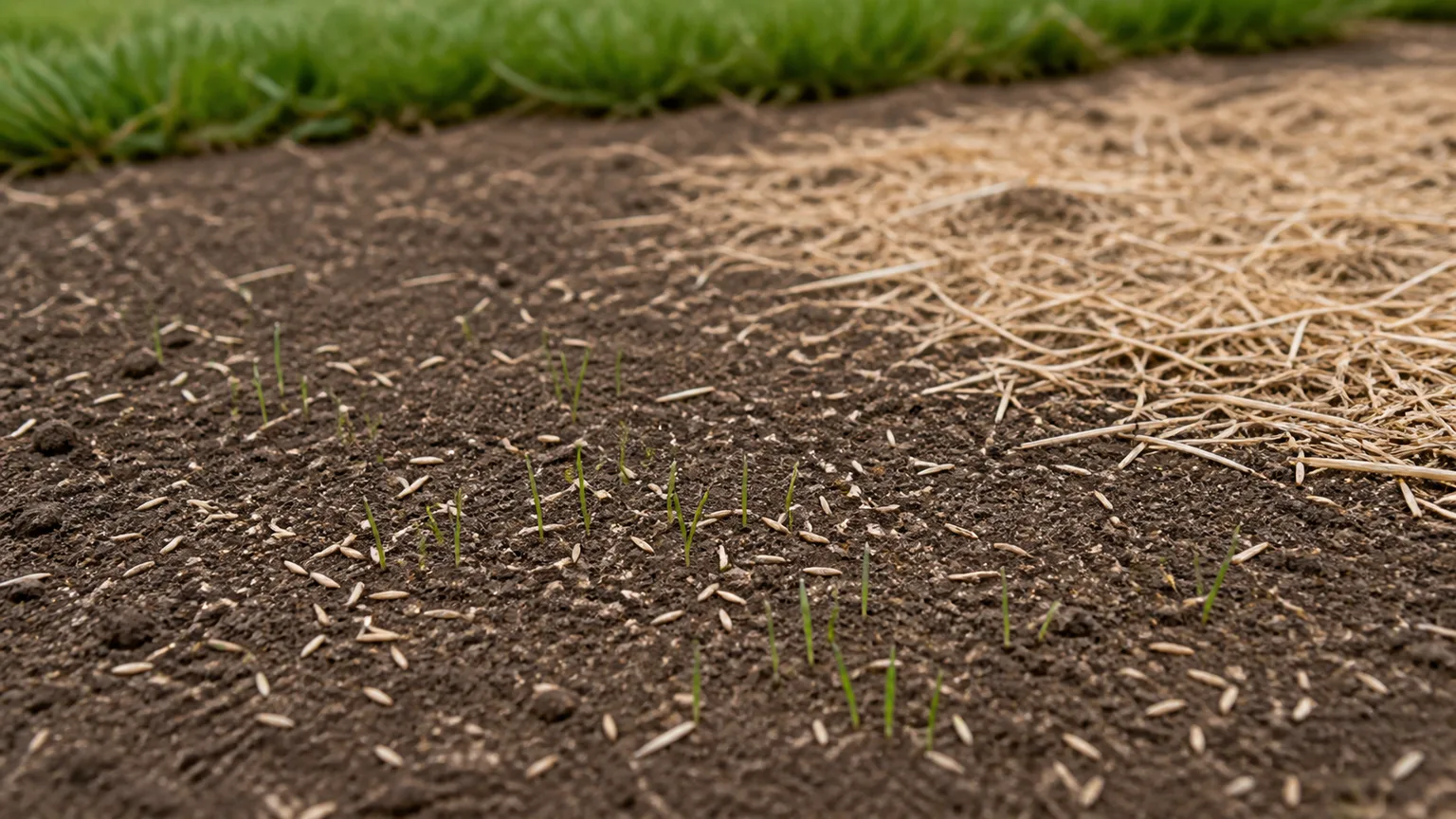
Cool-Season vs Warm-Season: Plant on Soil Temperature, Not the Calendar
Cool-season grasses (ryegrasses, fescues, rough bluegrass) peak in spring and fall. They can germinate quickly in cool soils and then struggle in midsummer heat if roots are shallow or water is inconsistent. Virginia Cooperative Extension notes that perennial ryegrass has little drought tolerance and often fades in nonirrigated summer lawns, while fine fescues tolerate dry periods better because of lower water demand.
Warm-season grasses (bermuda, buffalograss) wait for warm soil. Seed bermudagrass into cold ground and you get a long, frustrating pause—not because the seed is dead, but because biology is on hold until temperatures rise.
Spring seeding windows that actually work
For cool-season lawns, late winter through late spring can work if soil is warming and you can keep the seedbed moist. Penn State Extension ranks late summer to early fall as the optimum window in Pennsylvania because soils are warm enough for quick germination yet weeds face cooler competition—but spring remains a valid choice when you need fast cover and can irrigate through summer stress.
For warm-season seed, wait until frost risk is past and 2-inch soil temperatures stay above about 65°F, often late spring through early summer depending on latitude. Buffalograss seed can be spread earlier in spring, but it will not germinate until soils reach roughly 60°F.
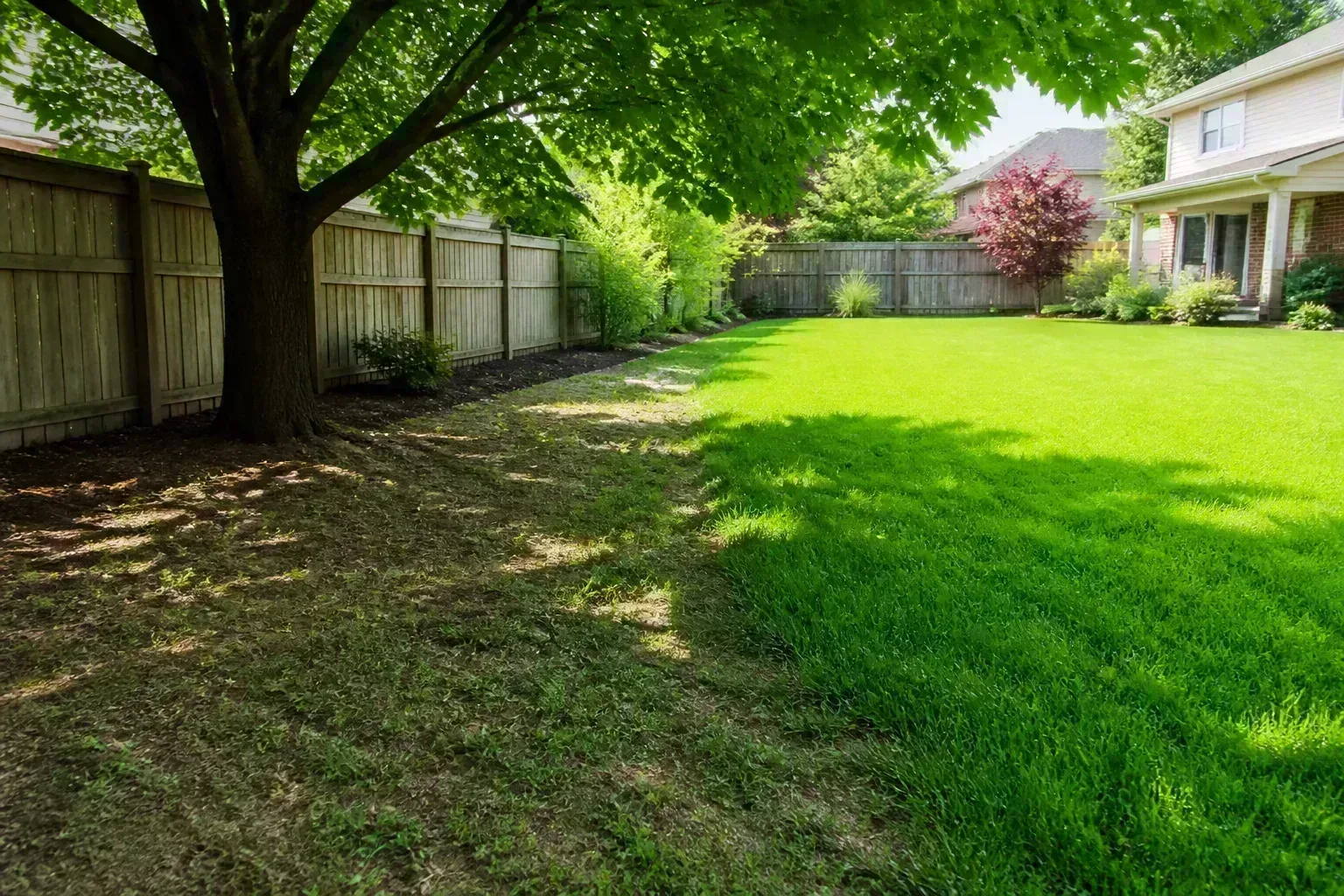
1. Perennial Ryegrass — Fastest Common Cool-Season Sprout
Perennial ryegrass is the sprinter of northern lawns. Under good conditions it can show green in five days, which is why it anchors many “quick repair” and sun–shade mixes. Penn State Extension recommends it for renovation because it establishes quickly and its roots can penetrate slightly compacted topsoil better than some other cool-season species.
Best for: overseeding thin cool-season lawns, high-traffic family yards, quick bare-patch repair mixed with slower Kentucky bluegrass, sports-style wear when combined with other species.
Trade-offs: It wants consistent moisture and tolerates summer heat and drought poorly compared with tall fescue or fine fescues. It is also less cold-hardy than some northern staples, so do not assume it replaces a full bluegrass lawn in the coldest zones without a plan.
Pro move: Blend perennial ryegrass at 10–20% with Kentucky bluegrass so you see fast color while the slower bluegrass fills in underneath. Straight perennial ryegrass is fine for short-term repair; for a permanent monoculture, confirm your climate and irrigation match its needs.
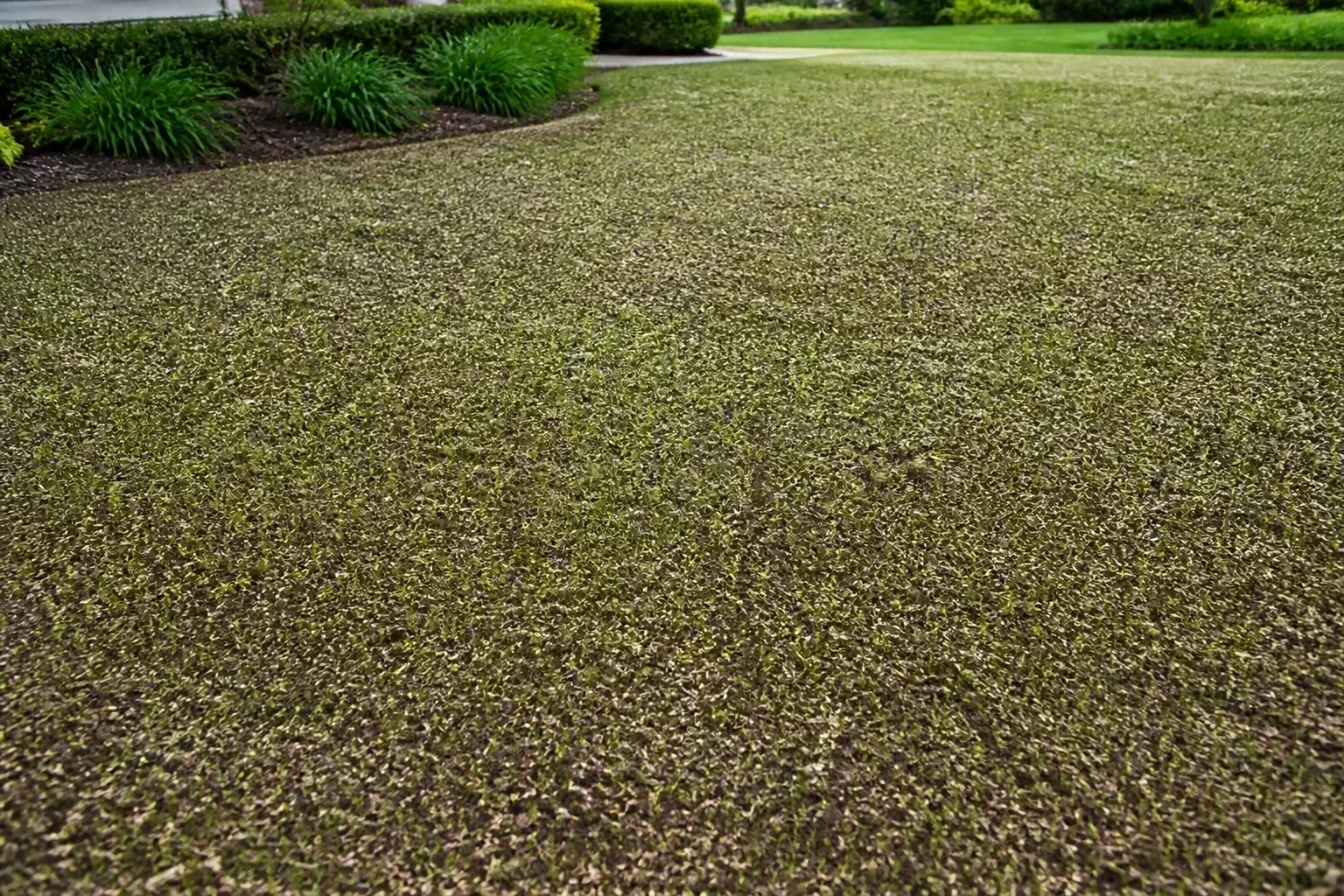
2. Annual Ryegrass — Quick Color, Temporary Cover
Annual ryegrass—sometimes sold as Italian ryegrass—germinates as quickly as perennial ryegrass and can paint a yard green while slower work happens underneath. It is coarse, light green, and dies at the end of its growing season rather than returning from crowns the way perennial turf does.
Best for: erosion control on disturbed soil, winter overseed on dormant warm-season lawns in mild climates, nurse crop while permanent seed establishes, construction-site stabilization.
Trade-offs: It is not a forever lawn. If you seed only annual ryegrass in spring expecting a summer carpet, you may watch it fade just as heat arrives. Drought and temperature swings kill it faster than perennial species.
When to skip it: Permanent home lawns where you do not plan a follow-up overseed with perennial grass within the same season.
3. Fine Fescue — Fast Shade Fill With Low Feed Needs
Fine fescue is a group—chewings, hard, sheep, and creeping types—not a single plant, but they share fine blades and a talent for germinating in seven to ten days when the seedbed stays moist. They are the cool-season answer for dry shade where ryegrass would fry and bluegrass would stall.
Best for: under trees, north-facing yards, low-input lawns that should not demand heavy fertilizer, mixing into shade blends.
Trade-offs: Fine texture means less tolerance for soccer games and mower ruts. They can go heat-dormant and brown in summer even when alive. Traffic-heavy paths need tall fescue or perennial ryegrass instead.
Site tip: Because seedlings are small, surface drying is fatal. Pair fine fescue seeding with light mulch or a peat-free tackifier on slopes, and read our watering schedule for new grass seed before you guess at sprinkler timing.
4. Red Fescue — Rhizome Mat for Slopes and Partial Shade
Creeping red fescue is a fine fescue with an extra skill: rhizomes that stitch soil together. That makes it a favorite for erosion-prone banks, berms, and lightly shaded slopes where you want a mat, not just individual tufts.
Best for: hillside stabilization, naturalized edges, low-maintenance shade lawns, mixing into eco or low-mow blends.
Trade-offs: Rhizomes can wander into beds if you do not maintain borders. Some gardeners find it overly aggressive near ornamentals. It still dislikes heavy foot traffic and summer heat stress.
Pairing note: Red fescue shines in blends—not always as a 100% lawn in hot, sunny front yards. Combine with chewings or hard fescue for texture diversity and disease resilience.
5. Turf-Type Tall Fescue — Transition-Zone Speed and Heat Tolerance
Modern turf-type tall fescues are not your grandfather’s roadside clump grass. They germinate in roughly seven to fourteen days, develop deep roots, and handle heat and drought better than ryegrass or fine fescues—which is why they dominate many transition-zone lawns. NC State Extension describes tall fescue as a bunch-type grass that performs well in full sun to moderate shade and tolerates a range of soils when properly managed.
Best for: family lawns in the upper South and lower Midwest, yards that see summer heat but not deep southern winters, areas needing traffic tolerance without bermuda’s invasiveness.
Trade-offs: Bunch-type growth means thin or damaged spots do not self-repair the way rhizomatous grasses do—you reseed patches. Seed is larger than bluegrass, so label rates look higher; that is normal.
Seeding rate reminder: Penn State Extension lists 6–8 pounds per 1,000 square feet for turf-type tall fescue on a prepared seedbed. Skimping to save money often costs you the very speed you bought the bag for.
6. Rough Bluegrass — Fast, but Usually on Purpose Only
Rough bluegrass (Poa trivialis) germinates quickly and can produce a dense, light-green turf that outcompetes weeds—when you meant to plant it. It is also a notorious contaminant in inexpensive seed mixes, showing up as patchy, glossy lime-green islands in an otherwise darker lawn.
Best for: wet, shady, cool microclimates where other grasses fail; specialized shade or native-meadow edges; deliberate monoculture where its color is acceptable.
Trade-offs: Poor heat tolerance, aggressive spread, and visual mismatch in standard Kentucky bluegrass lawns. If your “mystery fast grass” looks lighter and softer than the rest, rough bluegrass is a prime suspect.
Decision rule: If you did not choose it on the label, treat contamination as a renovation problem—not a free speed boost.
7. Bermudagrass — Warm-Season Fill-In Power
Hulled bermudagrass seed is the southern sprinter: seven to fourteen days once soil temperatures sit in the 65–80°F band. It loves sun, recovers aggressively from wear, and can creep into beds and walks if you skip edging. Virginia Cooperative Extension groups bermudagrass with the warm-season grasses that use water more efficiently than cool-season turf when properly managed.
Best for: full-sun southern lawns, athletic wear, quick fill on warm soil, sites where winter dormancy (brown turf) is acceptable.
Trade-offs: Winter color loss in frost zones, higher fertilizer appetite than buffalograss, and invasive spread into adjacent plantings. It will not germinate reliably in cold spring soil—patience or a soil thermometer prevents wasted seed.
Maintenance reality: Fast fill does not mean low maintenance. Plan on edging, scheduled fertility, and summer irrigation during establishment.
8. Buffalograss — Slower Sprout, Fast Payoff in Dry Plains Lawns
Buffalograss is native to the central plains and behaves like a warm-season perennial with exceptional drought tolerance once established. Seed often needs fourteen to thirty days to germinate and prefers soils at or above 60°F, so it is not the fastest green on this list—but it is the fast choice for low-water lawns where bermuda’s appetite would sting.
Best for: sunny, open yards in arid and semi-arid regions, sites with water restrictions, homeowners who accept a shorter, softer turf palette.
Trade-offs: Slow establishment compared with bermuda, weed pressure while young, poor shade performance, and limited availability of high-quality seed in some markets.
Timing tip: Sow from late spring through summer when warmth is steady. Seed spread on cold soil simply waits—much like bermuda, but with a longer post-germination establishment curve.
Read the Seed Label Before Speed Becomes a Bargain
Fast germination on the marketing bag means nothing if the container holds low-viability seed, weed seed, or the wrong cultivar for your zone. Every bag should list variety, purity, germination percentage, weed seed, and inert matter, plus the date of the last germination test. Penn State Extension explains that purity and germination together predict real-world performance better than price per pound alone.
Pure live seed math in one minute
Pure live seed (PLS) = (purity % × germination %) ÷ 100.
Example: 92% pure × 80% germination = 73.6% PLS. If the label recommends 1 pound per 1,000 square feet at 100% quality, you need about 1.36 pounds of this lot to deliver the same live seed. A “cheap” bag with 51% PLS can cost more per viable seed than a premium lot once you do the math.
Also check the variety names. “Perennial ryegrass” and “turf-type tall fescue” are categories; named cultivars signal breeding for disease resistance and finer texture.
Planting Steps That Protect Germination Speed
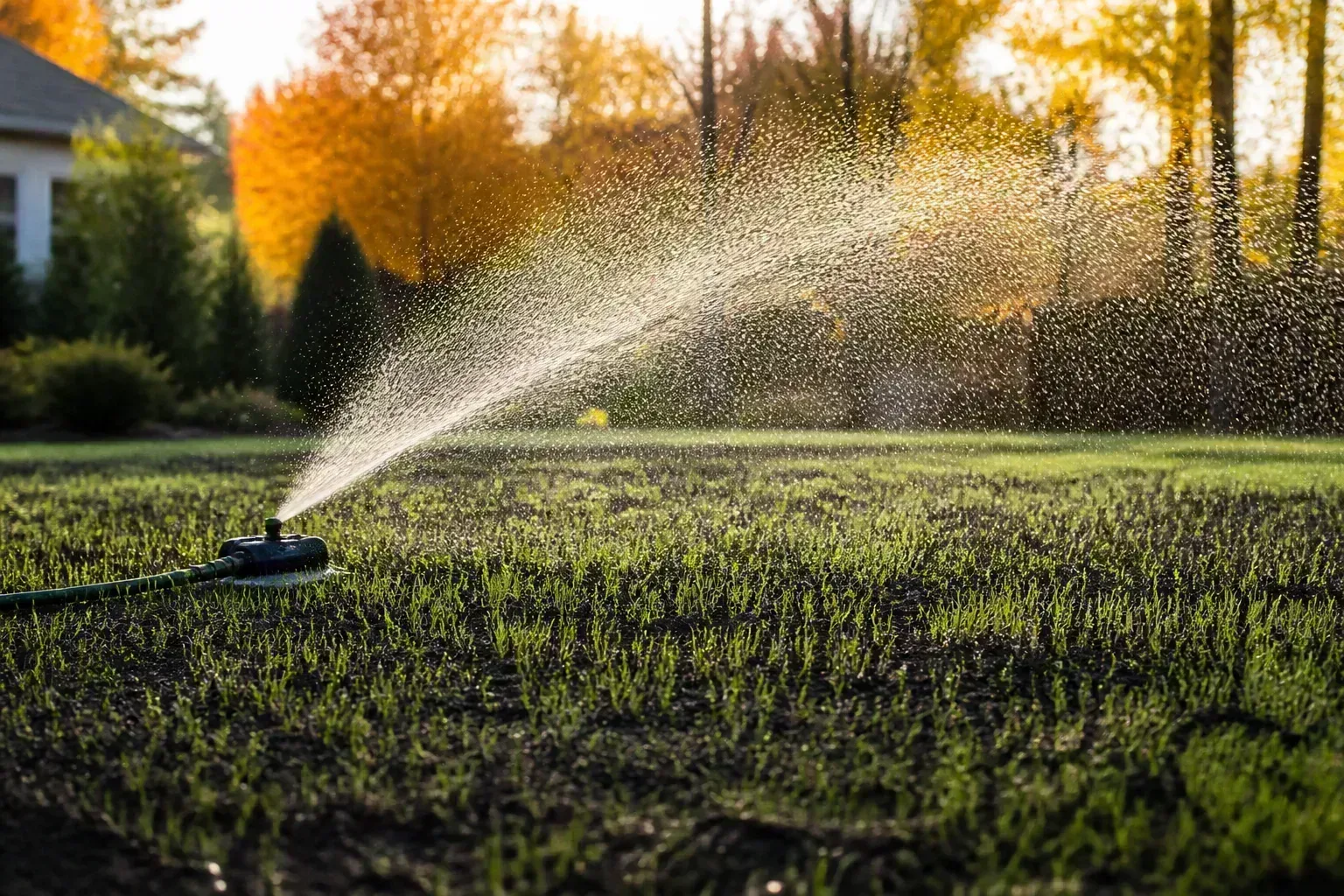
Speed comes from seed-to-soil contact, not from extra seed thrown on unprepared ground.
- Kill existing weeds with a non-residual herbicide where needed, then rake or dethatch so seed reaches soil—not thatch.
- Loosen the top quarter-inch on bare areas. A light roller or foot press after spreading improves contact; burying most species deeper than ¼ inch slows or blocks sprouting.
- Spread at label rate for your chosen species. Doubling ryegrass does not fix shade or heat problems—it crowds seedlings and invites disease.
- Mulch lightly on slopes with straw or a seed-starter mulch rated for lawns. Remove or break up heavy mats once grass is up.
- Water for moisture, not mud. Keep the top inch consistently damp with two to three light cycles daily in dry weather until seedlings root, then transition to deeper, less frequent irrigation as described in how often to water new grass seed.
- Delay traffic and mowing until blades reach about 1.5 times your target mowing height and the soil is firm enough that footprints do not sink.
If you are patching rather than renovating, see when to overseed bare patches for season-specific timing that pairs with these species.
Mistakes That Make Fast Seed Look Slow
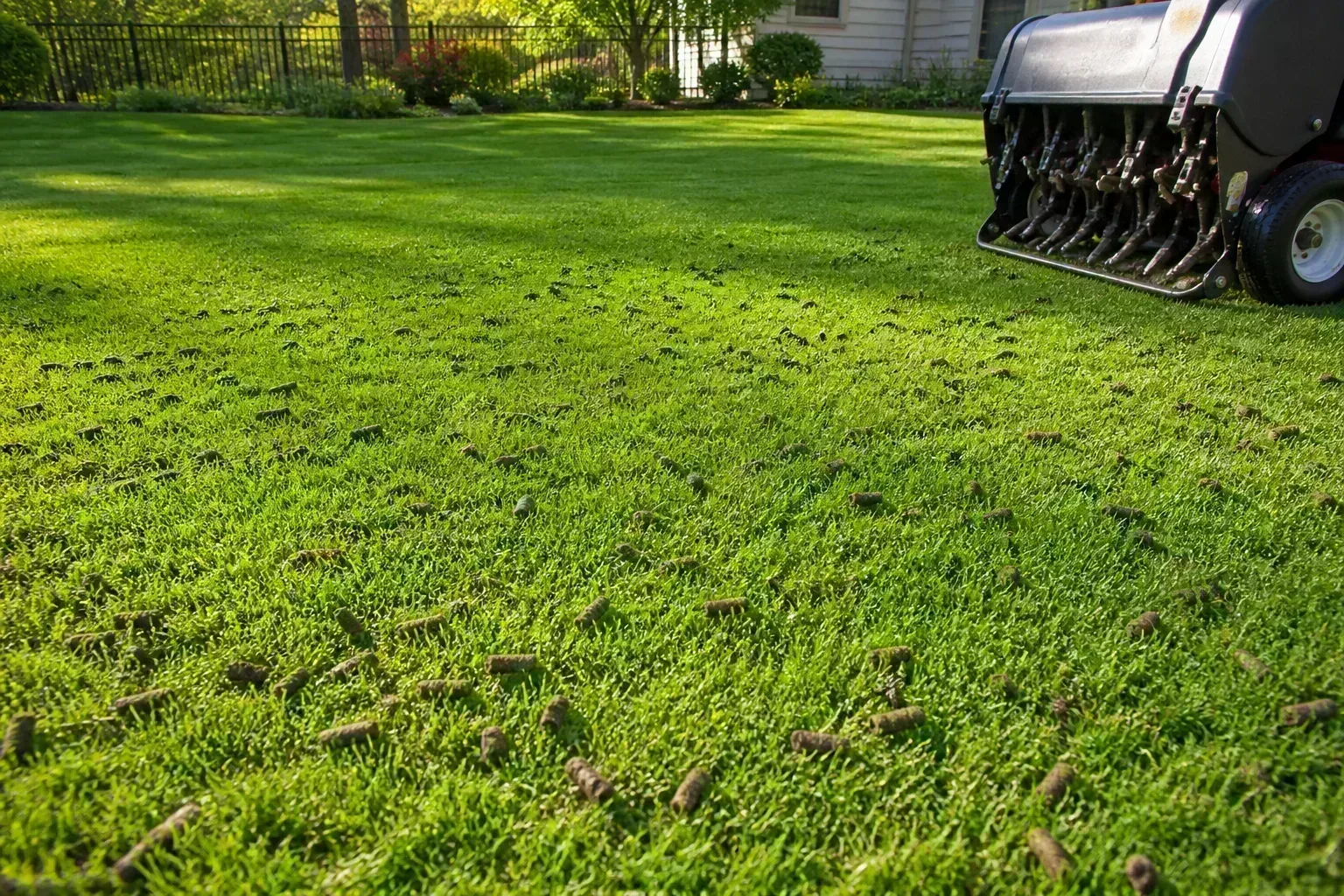
Even the quickest ryegrass will stall if the environment fights it. Watch for these:
- Planting on calendar date alone while soil is still cold or, for warm-season seed, still cool at depth.
- Letting the surface dry between mid-morning and afternoon on windy, sunny days—the most common kill switch for fine fescue and bluegrass companions in mixes.
- Assuming sprout day equals lawn day and walking on tender seedlings before roots anchor.
- Buying “sun and shade” without reading cultivars and discovering rough bluegrass or annual ryegrass dominated the cheap fill.
- Skipping fall opportunity on cool-season lawns: spring speed is real, but Penn State Extension still favors late-summer establishment where weeds and summer drought cause fewer losses.
When sprouts never appear, work through why grass seed is not germinating before you reseed on top of viable seed that was simply waiting for warmth.
Conclusion
The fastest grass seed for your spring lawn is the one that matches your soil temperature, sun, water, and traffic—not the boldest claim on the bag. Perennial ryegrass and annual ryegrass win the sprint on cool soil; fine and red fescues earn their keep in shade and on slopes; turf-type tall fescue balances speed with summer stress tolerance; bermudagrass dominates warm, sunny recovery; buffalograss trades sprout speed for long-term drought savings; and rough bluegrass belongs only when you choose it eyes open.
Read the label for pure live seed, prepare soil for contact, irrigate through the vulnerable first weeks, and pick a species you are willing to maintain after the green flush fades. Do that, and “fast” will mean a lawn that still looks intentional at midsummer—not just a two-week photo opportunity.
For the full establishment calendar after germination, continue with how to help your lawn grow faster and grass seed taking too long to come in if your timeline stalls.