5 Ways to Help Your Lawn Grow Faster This Season
Help your lawn grow faster with five pro-backed steps: fix soil, overseed, water deeply, mow high, and fertilize on a grass-type schedule.
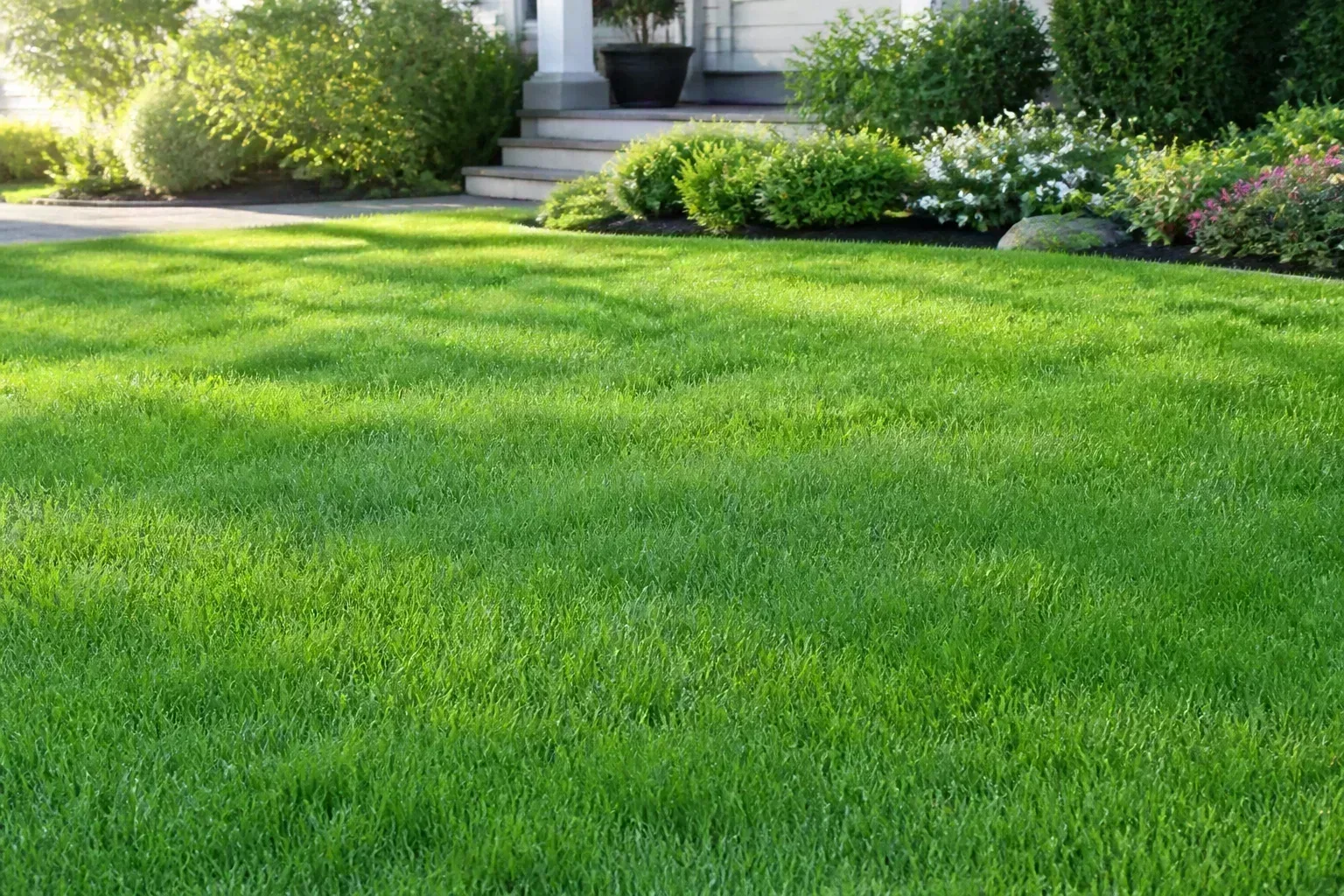
A lawn does not grow faster because you want it to. It grows faster when roots have air, water, and nutrients in the right place, when the grass type matches the site, and when mowing and feeding support leaf area instead of stripping it away. The five tactics below are the levers turf professionals reach for first because they address the real bottlenecks: thin stands, poor soil, shallow roots, scalping, and mistimed fertilizer.
This is not a promise of overnight carpet. It is a practical sequence you can run this season—test and improve soil, overseed gaps, water to measured depth, mow for thickness, and feed on a calendar that matches your grass. Do them in roughly that order when the lawn is actively growing and the underlying site problems are manageable.
The Short Answer: Five Levers That Actually Speed Growth
If you need a working plan today, use these five moves in sequence:
- Improve soil so roots can breathe, drink, and take up nutrients.
- Overseed thin or bare areas so grass—not weeds—owns the open space.
- Water deeply to roughly one inch per week total, measured, not guessed.
- Mow high and never remove more than one-third of the blade at once.
- Fertilize on schedule for your grass type, not every month by habit.
Each step supports the next. Compost and aeration help seed contact soil. Good seeding fails without even moisture. Proper mowing keeps new tillers alive. Fertilizer pushes growth only when the plant can use it without burning.
Before You Chase Fast Growth
Pushing a stressed lawn to grow faster is like flooring the accelerator with the parking brake on. You may get a brief green flush followed by disease, weed invasion, or brown patches. Before you spread seed, compost, or fertilizer, decide whether the lawn is in a growth window and whether the site can support it.
Cool-season vs warm-season timing
Cool-season grasses—Kentucky bluegrass, tall fescue, fine fescue, and perennial ryegrass—grow most vigorously in cool spring and fall weather. Their roots and shoots slow in summer heat. If you live in a northern or transition-zone climate and your lawn is mostly cool-season turf, late summer through early fall is often the best window to overseed and rebuild density. Spring is the second-best window, but young seedlings then must survive summer stress.
Warm-season grasses—bermudagrass, zoysiagrass, St. Augustinegrass, and centipedegrass—green up as soils warm and peak in summer. Their fastest recovery usually comes after spring green-up and through early summer, not during winter dormancy. Feeding or overseeding warm-season turf in cold soil wastes effort because the plant is not ready to use it.
Match your calendar to the grass under your feet. A cool-season fertilizer plan applied to dormant bermudagrass in March does nothing useful. A warm-season push in October on Kentucky bluegrass may encourage tender growth that winter damage will erase.
Signs the lawn needs repair first
Pause the “grow faster” plan if you see any of these patterns:
- Water pools or stays muddy for days after rain. Fix drainage and grade before seeding.
- The soil is rock-hard and footprints linger on the turf. Aerate and amend before expecting roots to expand.
- Grass lifts like a loose carpet. Check for grubs or severe root loss before adding nitrogen.
- Expanding brown circles or greasy patches suggest disease. Identify the problem; fertilizer can make some diseases worse.
- Deep shade under trees where grass has never thrived. Shade-tolerant seed or a non-turf groundcover may be the realistic answer.
- The same bare strip returns every year along a dog route or shortcut. Change traffic or hardscape before reseeding again.
If several areas look more dead than thin, read our guide on repairing bare patches and signs of an unhealthy lawn before you invest in a full-season push.
1. Improve the Soil Your Grass Roots Into
Healthy grass starts below the blade. Turf roots need oxygen, moisture, and nutrients in the top 6 to 8 inches of soil. Compacted, acidic, or nutrient-poor ground limits how fast any species can tiller and spread—no matter how much fertilizer you pour on top.
Penn State Extension stresses that you cannot tell what a lawn needs simply by looking at the surface. A soil test should guide lime, phosphorus, potassium, and organic-matter decisions before you chase fast top growth.
Start with a soil test
Collect samples from several spots in the yard, mix them, and send them to your county or state extension lab. The report tells you whether pH is too low for good nutrient uptake, whether phosphorus or potassium are deficient, and how much lime or sulfur might help.
Testing matters because guessing leads to expensive mistakes. Lime on already-neutral soil will not speed growth. High phosphorus when soil levels are adequate does not help and can harm waterways. Nitrogen is rarely included in a pre-plant soil test recommendation because it moves quickly; you add it based on growth stage instead.
Retest every three to five years, or sooner if you are renovating a problem lawn.
Add compost, aerate, and fix compaction
Compost top-dressing is one of the safest ways to improve soil structure on an existing lawn. Spread a thin layer—about one-quarter to one-half inch—across thin areas and rake or drag it so particles settle near the soil surface rather than burying the crowns. Good compost improves water-holding capacity in sand, opens air space in clay, and feeds soil biology that supports roots.
Do not smother the turf. A heavy dump that shades every blade will stall growth rather than speed it. Work compost in spring or fall when cool-season grass is actively growing, or during warm-season green-up for southern lawns.
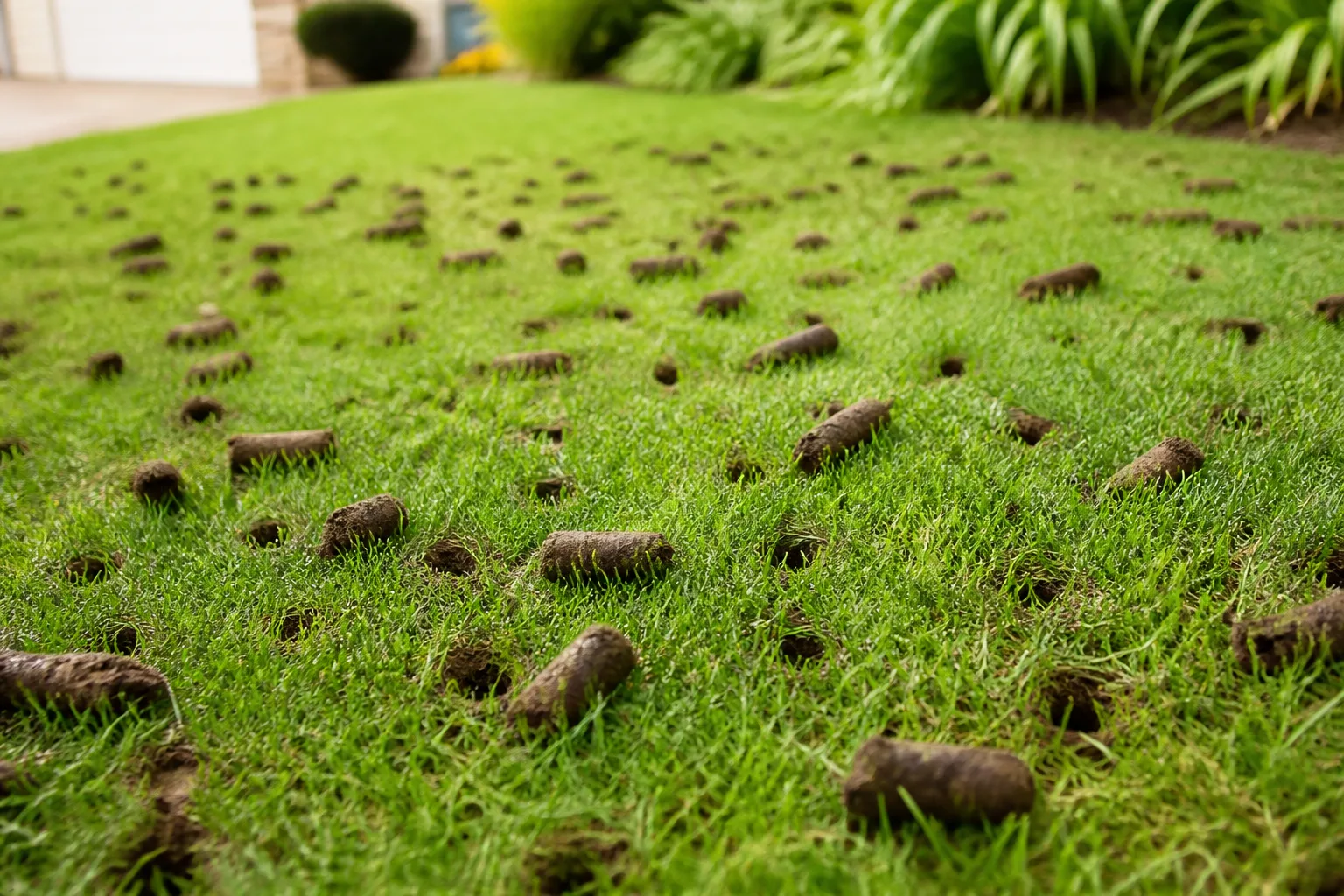
Core aeration pulls small soil plugs and opens channels for air, water, and roots. It is especially valuable on compacted clay, high-traffic paths, and lawns that puddle after rain. Aerate when grass is actively growing so holes heal quickly—early fall for cool-season turf, late spring to early summer for many warm-season types.
Dethatching is different. Thatch is a layer of living and dead stems between soil and blades. A thin layer is normal; more than about half an inch can block water and encourage shallow roots. If a spade shows a thick spongy mat, dethatch or aerate before overseeding. If thatch is thin, skip aggressive power raking that tears healthy crowns.
Together, testing plus compost and aeration create the seedbed quality that makes every later step work harder.
2. Overseed Thin Areas Before Weeds Win
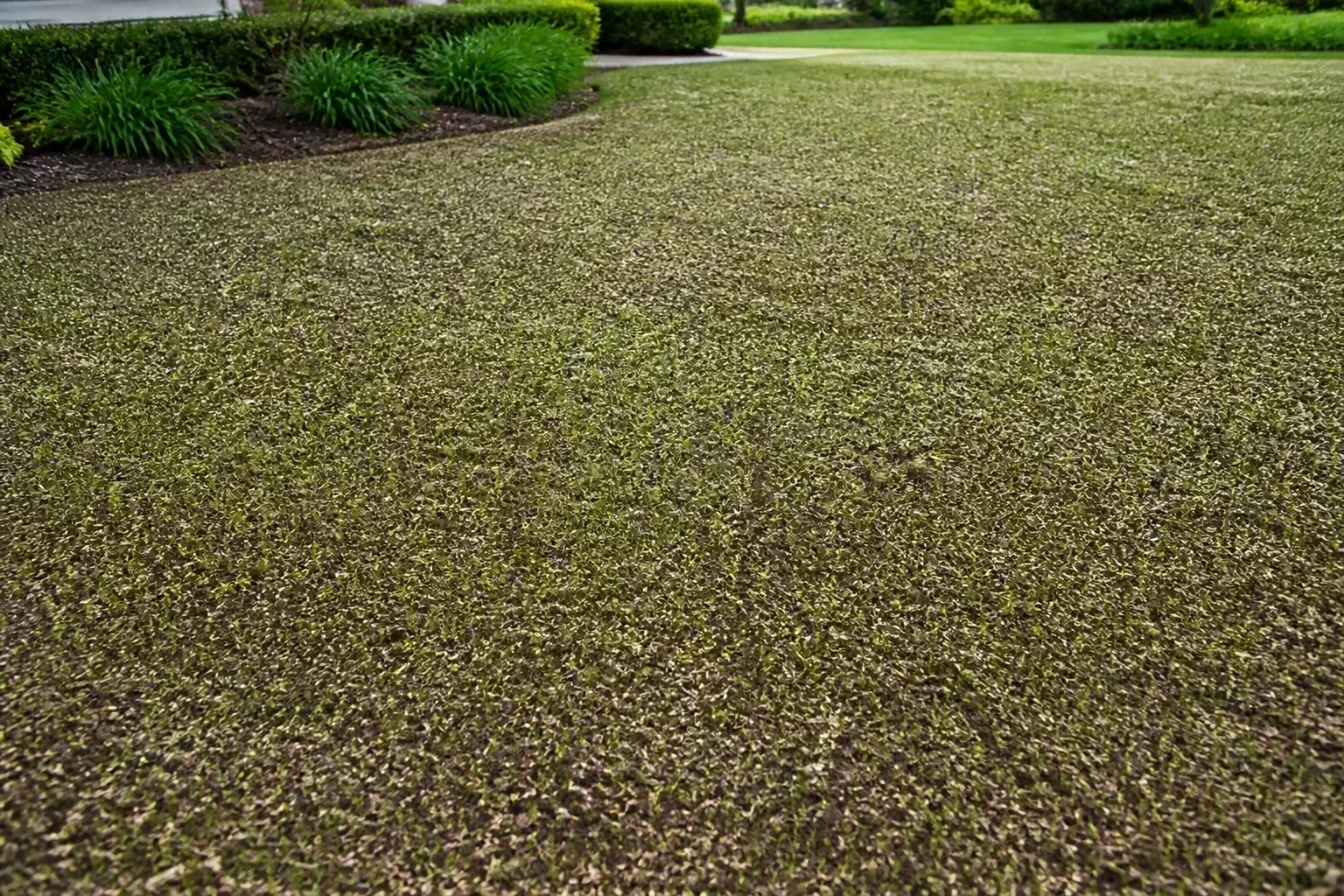
Overseeding spreads grass seed over an existing lawn to thicken weak areas before weeds exploit the gaps. It is one of the highest-return ways to help a lawn grow faster in appearance and competition—not because each blade grows quicker, but because more plants fill the space.
Weeds and grass fight for the same light, water, and nutrients. A thin lawn loses that fight. Overseeding supplies reinforcements while conditions still favor establishment.
Match seed to sun, shade, and traffic
Read the seed label. Look for named cultivars, high germination percentage, and low weed-seed content. Penn State Extension recommends choosing mixtures suited to sun, partial shade, or heavy shade rather than using one bag everywhere.
Useful starting points:
- Full sun, heat, and drought: turf-type tall fescue or appropriate warm-season sod or seed for your zone.
- Mixed sun and shade: blends with fine fescue, Kentucky bluegrass, and a small amount of perennial ryegrass for quick cover.
- Deep shade: fine fescue or shade-labeled mixes; accept that no grass thrives in dense dark shade under low branches.
If you do not know what grass you already have, overseed with a compatible blend rather than a single coarse species that will look patchy later.
Timing and aftercare for faster fill-in
For cool-season lawns, late summer to early fall is the prime overseeding window. Soils are still warm, autumn rains are more reliable, and weeds face less advantage than in spring. Penn State Extension notes that seedlings from late-summer seeding get two cool growing seasons—fall and spring—to establish before summer heat.
Spring overseeding is possible but riskier. Weeds germinate aggressively, and summer drought can kill young plants. If you must seed in spring, choose fast-germinating perennial ryegrass for quick cover and protect seedlings from heat.
For warm-season lawns, overseed bermudagrass or similar species after the soil warms in late spring through midsummer, following local extension timing for your cultivar.
Prep steps that speed fill-in:
- Mow slightly lower than usual and bag clippings so seed reaches soil.
- Aerate or lightly rake thin areas to break the surface crust.
- Spread seed with a drop or broadcast spreader in two perpendicular passes for even coverage.
- Apply starter fertilizer at label rates—typically about 0.5 to 1 pound of nitrogen per 1,000 square feet. More can burn seedlings.
- Keep the seedbed evenly moist until germination, then gradually shift to deeper, less frequent watering. Our new grass seed watering guide covers that transition.
Perennial ryegrass may germinate in five to ten days; Kentucky bluegrass can take two to three weeks. Full density takes several mowings. Stay off new areas until roots hold.
3. Water to Depth, Not to a Clock
Grass grows fastest when roots can access moisture several inches down without sitting in soggy soil. Too little water stalls photosynthesis. Too much invites shallow roots, disease, and runoff.
The familiar starting point is about 1 inch of total water per week from rain plus irrigation during active growth. Virginia Cooperative Extension uses that figure for many turf situations, but the right amount still depends on soil, slope, sun, wind, and grass type.
Measure weekly water with catch cans
Do not rely on “30 minutes twice a week” unless you have measured your sprinkler. Different heads, pressure, and overlap produce wildly different outputs.
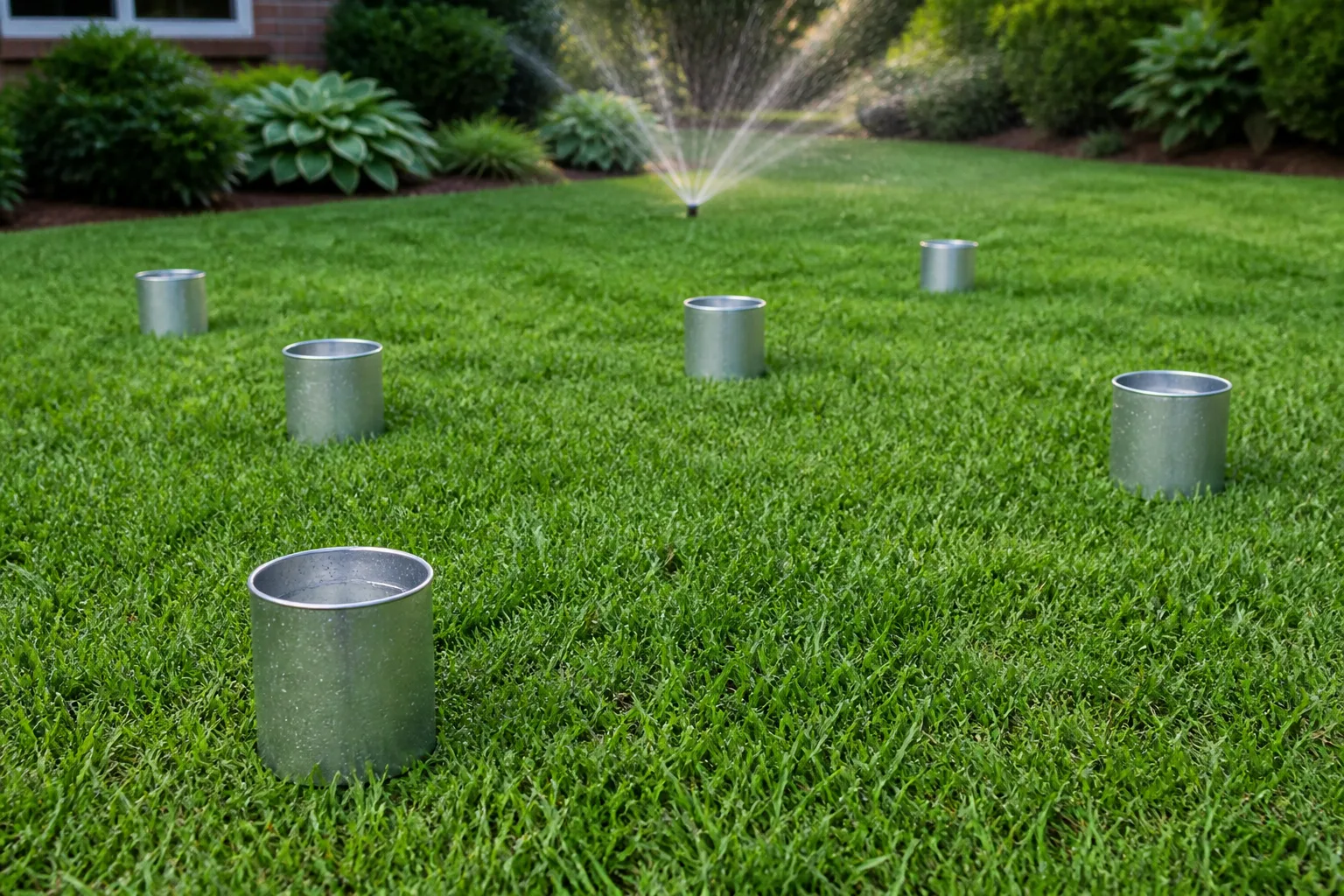
Run a catch-can test: place identical straight-sided containers across one zone, irrigate for 10 to 15 minutes, measure the depth in each can, and average the results. Multiply to estimate how long it takes to apply one inch. If water runs off before the soil accepts it, use cycle-and-soak—run shorter cycles with breaks in between.
Water in the early morning when evaporation is lower and blades have time to dry before night. Evening watering that keeps foliage wet for hours can encourage fungal problems that slow growth.
Aim to wet the root zone, roughly the top 6 to 8 inches, then let the surface dry slightly before the next irrigation. Probe with a screwdriver or soil probe. If it slides in easily to several inches, roots likely have access; if it stops at a hard dry layer, your schedule is too shallow or too infrequent.
For a full measured-watering system, see how long and how often to water your lawn and common lawn watering mistakes.
Adjust for rain, heat, and new seed
Subtract useful rainfall from your weekly target using a rain gauge. A short downpour that runs off the driveway does not count as an inch on the lawn.
During heat waves or drought, growth may slow even with adequate water because the plant prioritizes survival. Chasing bright green color with extra nitrogen then is risky. Sometimes the better goal is crown survival until weather moderates. Our summer lawn guide explains that trade-off.
New seed needs light, frequent moisture until roots anchor. Established turf needs deeper, less frequent irrigation. Treat those as different jobs on the same property.
4. Mow High Enough to Build Density
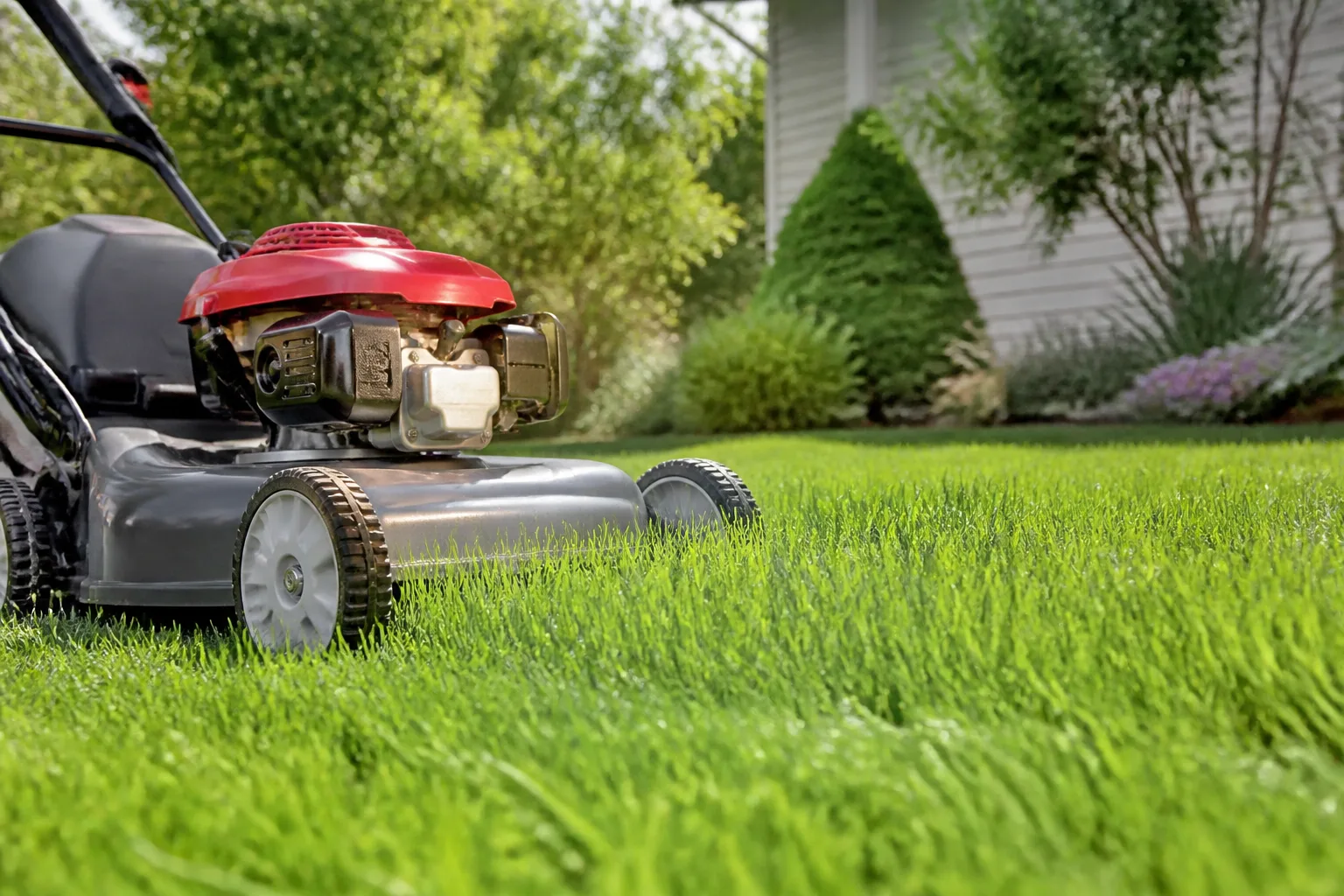
Mowing does not make grass grow faster in the biological sense, but it strongly controls how fast you lose leaf area—and leaf area is the engine of growth. Scalping removes the photosynthetic tissue the plant needs to recover, invites weeds through open soil, and stresses crowns.
Turf experts at Purdue emphasize mowing when grass is actively growing, keeping blades sharp, and never removing more than one-third of the leaf height in a single pass.
Use the one-third rule every cut
If your target height is 3 inches, mow by the time the grass reaches about 4.5 inches. Cutting from 4 inches down to 2 inches in one session shocks the plant and slows fill-in for weeks.
Height starting points:
| Lawn type | Useful mowing height | Why it helps growth |
|---|---|---|
| Cool-season mix (tall fescue, Kentucky bluegrass) | 2.5–4 inches | More leaf area, deeper roots, better shade on soil |
| Warm-season turf (bermuda, zoysia) | 1.5–3 inches per species | Species-specific; too low scalps, too high thins some cultivars |
| Recovering or overseeded areas | Highest practical setting | Protects young tillers until established |
Raise the deck during heat, drought, shade, or after overseeding. Lower it only when grass is healthy and you are correcting an overgrown stand gradually over multiple cuts.
Leave dry, fine clippings when they scatter without clumping; they return nitrogen to the soil. Bag wet clumps or diseased material.
For blade height, timing, and direction changes, use the full how to mow a lawn guide.
5. Fertilize on a Grass-Type Calendar
Fertilizer supplies nitrogen for leaf growth, phosphorus for early root development, and potassium for stress tolerance. Used well, it accelerates the growth windows your grass already has. Used poorly—too much, too often, or at the wrong time—it burns turf, feeds weeds, and leaches into groundwater.
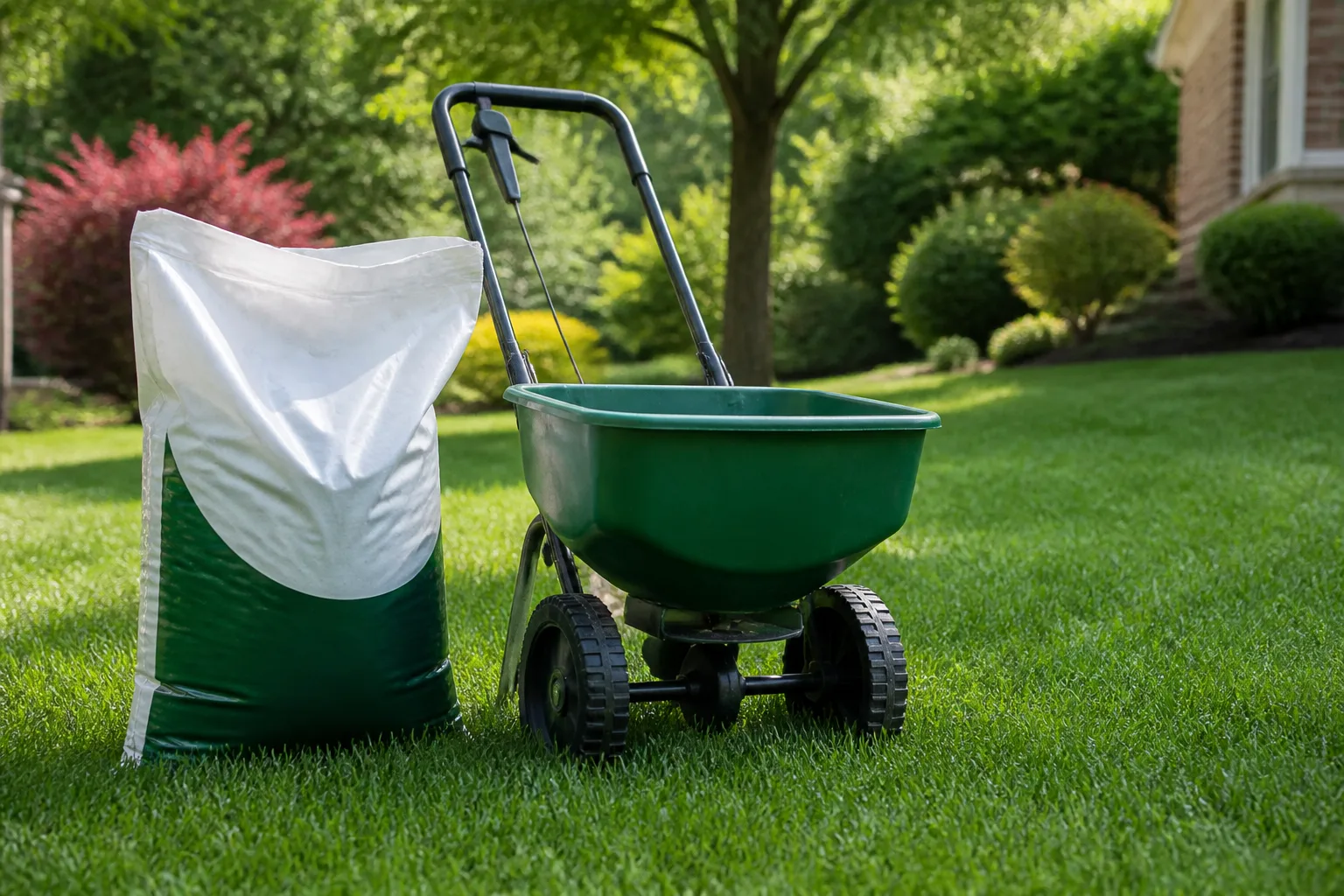
Always follow label rates and local regulations. More is not faster.
Cool-season feeding windows
Cool-season lawns often benefit from two to four applications per year, depending on soil test results and how intensely you manage the turf:
- Early fall (primary window): As growth resumes after summer, apply nitrogen to support tillering and root storage before winter. This is often the most important feeding of the year for northern lawns.
- Late fall (optional winterizer): A lighter nitrogen application while grass is still green can improve early spring color without forcing tender late growth in some climates. Skip if your extension office advises against late feeding in your area.
- Late spring: After the spring growth surge, a balanced or slow-release product can carry the lawn into summer. Avoid heavy nitrogen right before heat stress.
- Early spring: Only if fall feeding was missed and the lawn is thin—not as a default habit. Heavy spring nitrogen can weaken drought tolerance and feed annual weeds.
Do not fertilize dormant cool-season grass in midsummer drought unless you are irrigating consistently and the label allows it.
Warm-season feeding windows
Warm-season turf grows fastest when nights are warm. Feed after full green-up in spring, then on a lighter schedule through summer as label and local extension guidance recommend. Many southern lawns receive most nitrogen between late spring and late summer, then little or none while dormant in winter.
Avoid fertilizing warm-season grass too early in spring while soil is still cool; the nutrients will not be used efficiently.
Starter fertilizer belongs with new seed at modest rates. Maintenance fertilizer belongs on established turf on the calendar above. They are not interchangeable.
If weeds are thick, fix density and competition first. Fertilizer grows weeds too. See how to get rid of weeds in your lawn before you feed a weedy stand heavily.
Build a Seasonal Action Plan
Translate the five levers into a season you can actually execute.
Early spring (cool-season regions): Soil test if you have not recently. Rake debris, spot-treat weeds if needed, sharpen mower blades, and mow high as growth resumes. Hold major nitrogen until the lawn is actively growing and soil is not saturated.
Late spring: First maintenance feeding if soil tests support it. Begin measured irrigation as rainfall drops. Overseed only small areas you can keep moist through summer.
Summer: Prioritize deep watering and high mowing. Avoid aggressive fertilizing during heat. Accept slower growth on cool-season lawns; do not scalp to “force” green.
Late summer to early fall (best renovation window for cool-season turf): Aerate, top-dress with compost if needed, overseed thin areas, apply starter fertilizer, and keep seed moist. This is when cool-season lawns rebuild density fastest.
Fall: Continue mowing until growth stops. Late-season feeding if appropriate. Remove leaves that smother turf.
Warm-season lawns: Shift the same logic to green-up through summer—soil test in spring, aerate after active growth begins, overseed or plug thin bermuda or zoysia when soils are warm, water deeply, mow at species height, and feed after the lawn is fully green.
Write the jobs on a calendar. Growth speeds up when the right task happens in the right month, not when every product in the shed goes down at once.
When Growth Stalls Despite Good Care
If you have improved soil, seeded, watered, mowed, and fed—but the lawn still will not thicken—look for a blocker rather than another bag of fertilizer.
Compaction and thatch restrict roots. Aerate again in the correct season. Too much shade requires shade seed or a design change, not more nitrogen. Wrong grass species for your climate will always look sluggish. Insects or disease need diagnosis before blanket treatments. Irrigation gaps—dry corners near trees or slopes—show up as chronic thin strips even when the rest of the yard looks fine. Pet urine and road salt create repeating dead spots that seed alone cannot fix.
Walk the lawn after irrigation and note dry or wet patterns. Pull a plug or dig a small wedge to inspect root depth and soil color. Match the fix to the pattern instead of repeating the last product that did not work.
Sometimes the fastest way to a better yard is to stop forcing grass where it has failed three seasons in a row and convert the area to mulch, groundcover, or permeable path.
Conclusion
Helping your lawn grow faster this season is less about a secret product and more about removing the limits on healthy turf: poor soil, open space for weeds, shallow watering, low mowing, and mistimed fertilizer. Test and improve the ground first, overseed while your grass type is in its establishment window, water to measured depth, mow high with the one-third rule, and feed on a calendar that matches cool-season or warm-season growth.
Do those five jobs in order on a lawn that is ready for them, and you give grass what it needs to tiller, shade soil, and outcompete weeds—the kind of “fast” growth that still looks good after the first heat wave. If progress stalls, diagnose the site before you push harder. A thicker lawn is built season by season, not by one weekend of shortcuts.



