Peace Rose Care: Planting, Pruning, and Growing Guide
Grow the Peace hybrid tea rose with practical advice on soil, watering, pruning, repeat blooms, black spot, containers, and winter care.
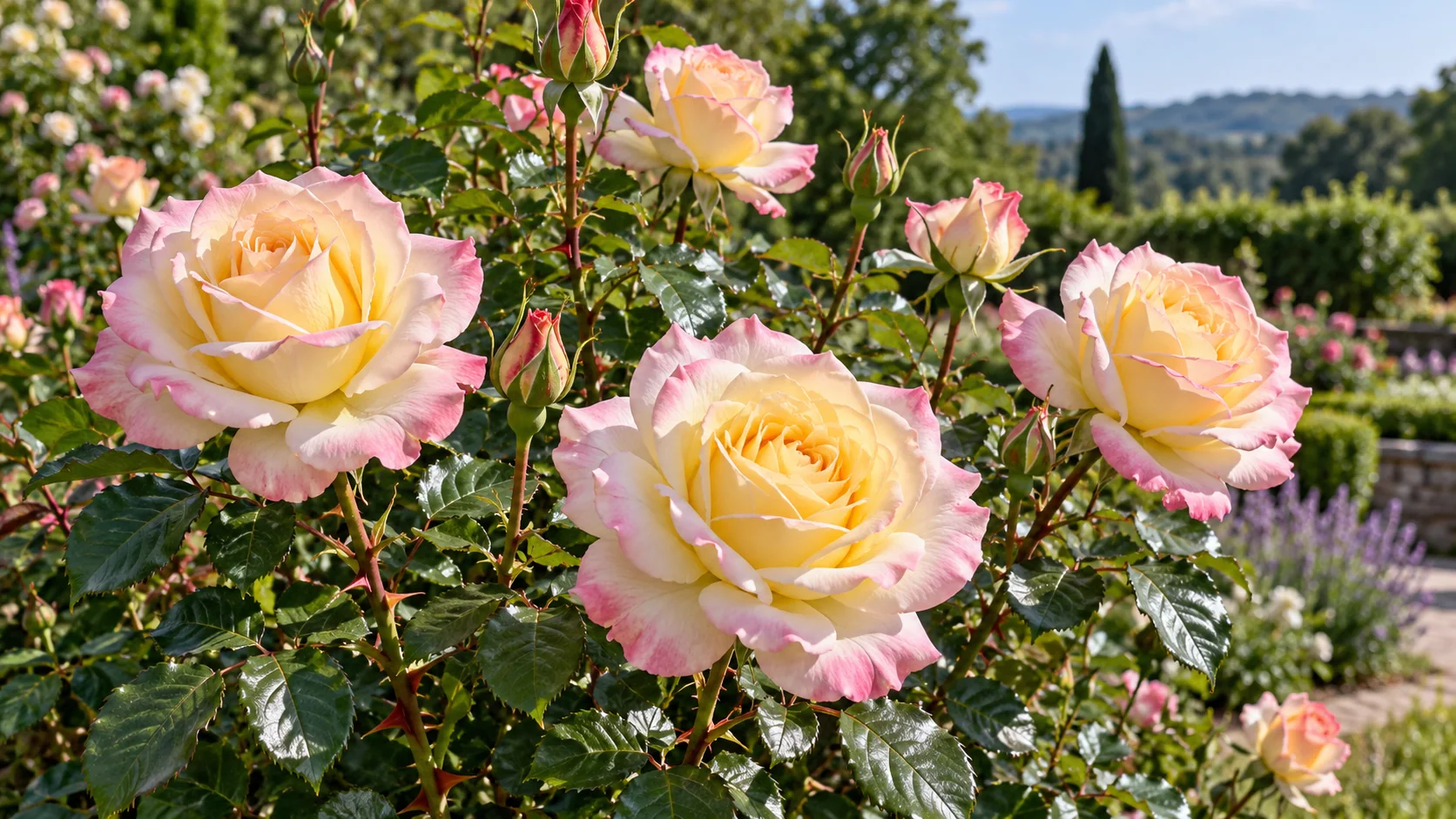
The Peace rose earns its place in a garden through the flowers: large, high-centered blooms that open creamy yellow and often develop pink to red edges as they age. Its long stems make it useful for cutting, but this is a hybrid tea rose, so it rewards a little more attention to pruning, airflow, and winter protection than a low-maintenance landscape shrub rose.
The key is to grow the plant you actually have. “Peace” usually refers to the classic hybrid tea Rosa ‘Peace’, also sold as Rosa ‘Madame A. Meilland’; Chicago Peace and Climbing Peace are distinct forms with different habits. Once you confirm the label, give the rose sun, room for air to move through its canes, and soil that drains after a deep watering. Then let the weather and the plant’s growth—not a rigid calendar—set the details.
What Makes the Peace Rose Distinct
Rosa ‘Peace’ is an upright, bushy hybrid tea rose with glossy foliage and large, fully double, fragrant flowers. The Royal Horticultural Society describes creamy-yellow blooms tinted pink, with color often intensifying toward red as flowers mature; it lists a typical mature height of about 1 to 1.5 meters and a spread of 0.5 to 1 meter. Plants can vary with rootstock, climate, pruning, and growing conditions, so treat catalog dimensions as a useful range rather than a promise. The RHS cultivar profile is the best starting point for checking identity and traits.
The name can cause confusion. Chicago Peace is a sport with stronger pink coloration, while Climbing Peace is sold for its longer, climbing canes; neither should automatically be pruned like the standard bush form described here. The Rose Society of South Australia’s cultivar note explains how color sports differ from the original Peace rose. Check the full cultivar name on the nursery tag, especially before pruning or choosing a support. A grafted plant also has two identities: the named rose above the bud union and a rootstock below it, which can send up shoots that do not have Peace’s flowers.
Peace is a repeat-flowering garden rose rather than a single-season novelty. In suitable conditions it can flower over summer and into autumn, with flushes separated by periods when it builds new shoots and buds. That rhythm is why steady light, moisture, and healthy leaves matter more than forcing a burst of growth with extra fertilizer.
Site and Climate: Give It Sun and Air
Choose a spot with at least six hours of direct sun, ideally with morning light. Early sun helps dry dew from the leaves, while afternoon shade can be useful in very hot locations where intense heat fades or scorches petals. Give the mature shrub enough room that its leaves do not stay crowded against walls or neighboring plants; better airflow reduces the time foliage remains damp and makes disease management easier. University of Missouri Extension’s rose guidance recommends full sun, good drainage, and spacing that allows air movement.
Avoid low pockets where water collects or places where a roof drains onto the canes. If your garden has heavy clay or a high water table, a raised bed can be a better correction than adding a little sand to an individual planting hole. Grass and large shrubs also compete with roses for water and nutrients, so keep the root zone clear rather than letting lawn grow to the crown.
Hardiness labels need local interpretation. The Missouri Botanical Garden plant record lists Peace for USDA Zones 5–9, but a number alone does not tell you whether a grafted plant will survive an exposed winter or a late freeze. Use your local extension service or rose society’s advice for the graft union, and account for wind, snow cover, freeze-thaw cycles, and whether the plant is own-root or grafted. In warmer climates, morning sun and good air circulation become especially valuable when humid nights favor leaf disease.
Planting a Bare-Root or Container Rose
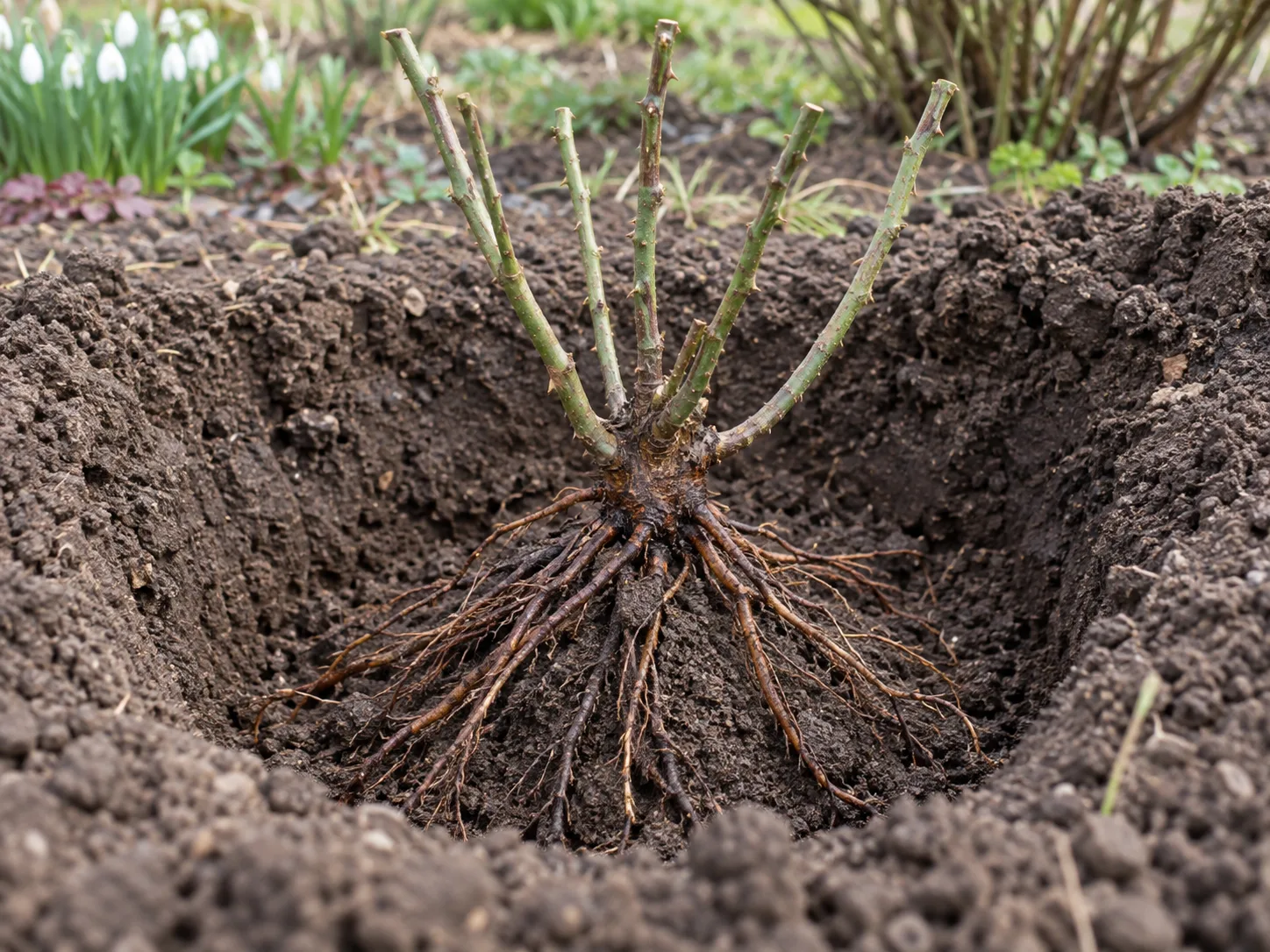
Plant bare-root roses while dormant in the locally recommended planting window, often early spring in cold-winter regions. Before planting, keep roots shaded and moist; soak a dry bare-root plant for a few hours if its supplier recommends it, then plant promptly. A container-grown rose can usually be planted while actively growing if you can water consistently and avoid transplanting into extreme heat.
Prepare the whole bed when possible, loosening the soil beyond the planting hole and incorporating mature organic matter if the soil needs it. Dig a hole wide enough to spread the roots without bending them sharply. Set the plant at the depth recommended for your climate and rootstock: the bud union may be near grade in mild regions and somewhat below grade in colder areas, so follow local extension guidance and the nursery’s instructions rather than applying one depth everywhere. Missouri Extension’s planting steps explain how to spread bare roots over a mound and settle the soil with water.
Backfill with the soil you removed, firm gently to close large air gaps, and water slowly until the root zone is thoroughly moist. Do not place concentrated fertilizer or fresh manure against the roots at planting. Keep new plants evenly moist while they establish, and remove only broken or clearly dead canes at first; a recently planted rose needs healthy foliage to build roots before you shape it aggressively.
Watering Without Overwatering
Water deeply enough to moisten the active root zone, then allow the surface to begin drying before the next irrigation. A practical check is to feel the soil a couple of inches below the surface: if it is dry there during active growth, water slowly at the base; if it is still damp, wait and check again. The schedule will change with rainfall, heat, wind, soil texture, and plant size, so a fixed weekly volume is only a rough starting estimate, not a reliable rule for every garden.
Newly planted roses need more frequent checks because their roots have not spread into surrounding soil. Established bushes can usually go longer between waterings, but a long hot spell, sandy soil, or a container can shorten that interval. Apply water at ground level with a soaker hose, drip line, or watering wand, and aim for a thorough soak rather than a quick sprinkle. Missouri Extension suggests wetting roughly the upper 6 to 9 inches of soil and avoiding overhead watering where possible; this balances root moisture with reduced leaf wetness. Its rose-care guidance also recommends adjusting for soil type.
If leaves wilt during the hottest part of the day but recover by evening, check soil moisture before adding water; temporary midday droop in heat is not enough to diagnose drought. Persistent wilt with dry soil calls for a deep drink, while wilt with wet soil points toward poor drainage or root stress. Containers dry much faster than beds and should be checked more often, but never leave the pot standing in water.
Soil, Mulch, and Bed Preparation
The rose needs both moisture and oxygen around its roots. Fertile loam with organic matter is convenient, but soil type is less important than drainage: after watering or rain, excess water should move away instead of sitting around the crown. If a test hole remains waterlogged, use a raised bed or another site rather than trying to fix a poorly drained location with amendments in a small hole. The RHS lists Peace as adaptable to several soil types when moisture is available and drainage is adequate.
A soil test is more useful than guessing at pH or adding amendments by habit. General rose guidance often favors slightly acidic soil, yet Peace can tolerate a wider range; correct a documented deficiency or unsuitable pH rather than assuming the plant needs an acidifier. Add compost to improve soil structure, but avoid piling rich material against the canes or burying the graft union unintentionally.
After planting, spread an organic mulch about 2 to 3 inches deep over the root area, leaving a small clear ring around the stems. Mulch slows evaporation, moderates temperature swings, and limits weeds that compete for moisture. Refresh it as it breaks down, and pull away any layer that has become matted or is holding constant moisture against the crown.
Fertilizing for Repeat Flowers
A rose that has just been planted should establish roots before it receives a strong feeding. After it begins active growth, use a complete rose or flowering-shrub fertilizer according to its label, or use soil-test results to correct a specific shortage. More fertilizer does not mean more flowers: excessive nitrogen can push soft leafy growth, worsen aphid pressure, and delay the plant’s transition toward dormancy.
For established plants, time feeding to the local growing cycle. Many gardeners apply a balanced fertilizer after spring growth starts and, if the plant is growing and flowering strongly, another modest application after the first flush. Stop feeding early enough that the rose can slow down before the usual first frost; local guidance matters because frost dates and growth seasons differ. The RHS Peace profile suggests balanced feeding in late winter or early spring and again in early summer, while Illinois Extension’s regional rose-care advice cautions against late-season feeding so roses can harden off.
Water before applying granular fertilizer if the soil is dry, distribute it over the root zone rather than against the stems, and water it in as directed. Avoid fertilizing drought-stressed, newly transplanted, or dormant roses. If a plant grows vigorously but flowers poorly, check light and pruning first; fertilizer cannot compensate for shade, old unproductive canes, or a hard spring prune that removed the season’s flowering structure.
Spring Pruning for Strong Canes
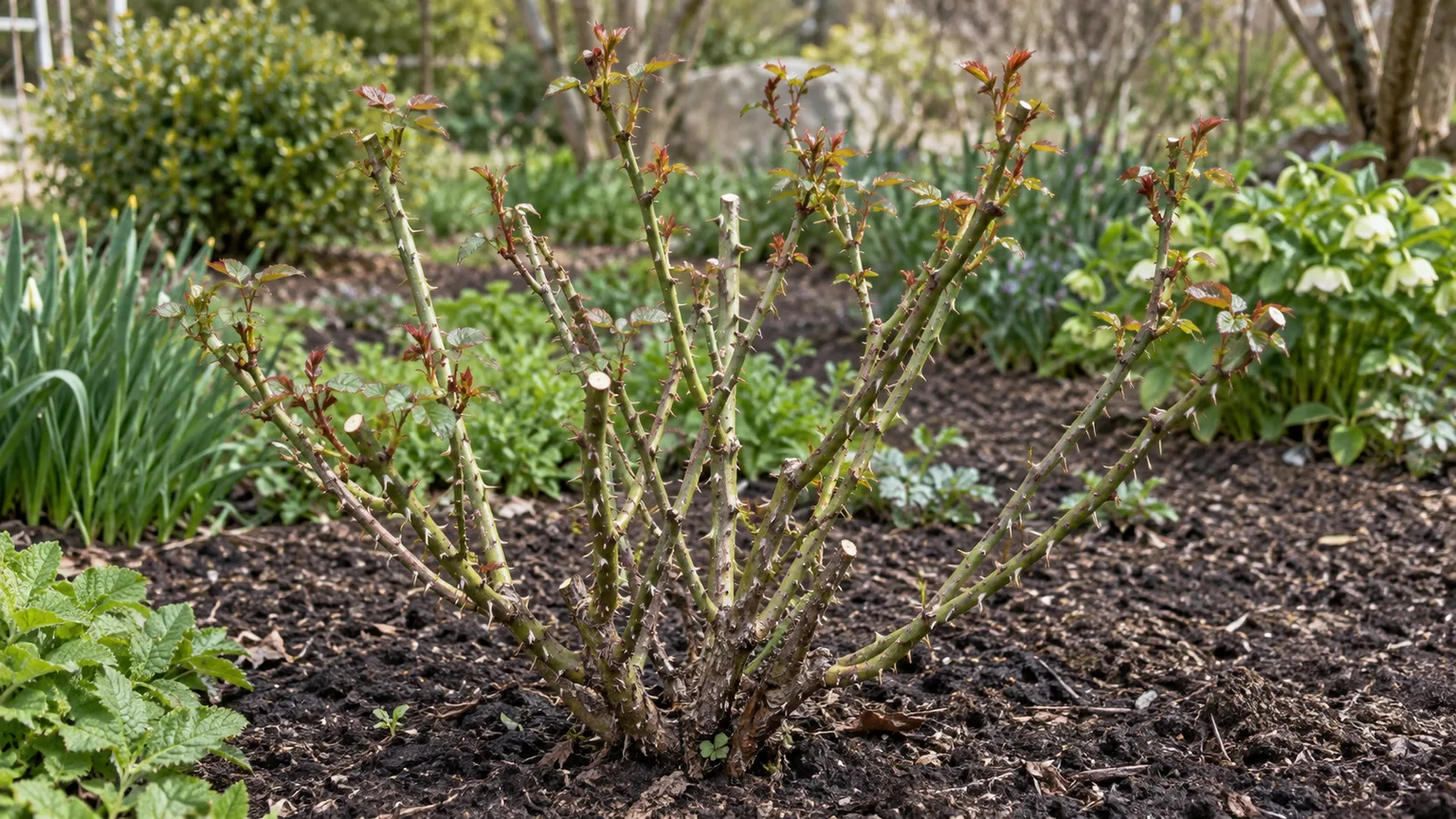
Prune the standard Peace hybrid tea in late winter or early spring, when the most severe cold has passed and buds begin to swell, but before vigorous new shoots lengthen. The exact month varies by region. Start by removing dead, blackened, broken, or diseased wood, cutting back to healthy tissue; then remove thin, weak, crossing, or inward-growing canes that crowd the center. Wear sturdy gloves and use sharp bypass pruners, cleaning them between plants when disease is present.
Keep a few strong canes spaced around the plant and shorten them to outward-facing buds so new growth opens the shrub rather than filling its center. How low to cut depends on cane health, winter injury, local rose practice, and the size you want. Some extension recommendations for hybrid teas call for reducing vigorous plants substantially; the useful principle is to retain healthy, well-spaced framework rather than cutting every Peace rose to an identical height. Illinois Extension’s hybrid-tea pruning sequence and the RHS pruning guide both distinguish structural cuts from indiscriminate trimming.
Make clean cuts just above a healthy bud, slanting away from it so water does not collect on the cut. Remove pruned debris and old leaves from around the base, especially if black spot affected the plant last season. A practical demonstration by rose expert Peter Kukielski in Fine Gardening’s hybrid-tea pruning guide likewise starts with weak interior growth and favors a balanced, outward-facing framework. If you inherited an overgrown bush, rejuvenate it over a season if the framework is healthy; removing every large cane at once can sacrifice much of the coming bloom.
Deadheading and Cutting Flowers
During the growing season, remove faded flowers if you want the plant to redirect energy into another flush and keep the shrub tidy. Follow the spent flower stem down to a healthy leaf and make a cut just above a strong leaf or outward-facing bud. Many gardeners cut back to a leaf with five leaflets, but the more important target is a healthy bud and enough foliage to support new growth.
For cut flowers, choose buds that have begun to open and cut long stems early in the day when the plant is hydrated. Use clean pruners, take no more than about a third of the plant’s flowering growth at one time, and leave enough leaves on young or recently planted bushes to keep them building roots. Remove spent flowers in a way that does not leave a long bare stub, which can die back and provide an entry point for cane problems.
In climates with a real winter, taper deadheading toward the end of the growing season if local rose guidance recommends allowing hips to form and growth to harden. In mild climates where the plant continues active growth, deadheading can continue longer. Either way, do not strip every leaf from the plant; it needs healthy foliage to replenish the energy required for repeat bloom.
Seasonal Care Through the Year
Spring: Uncover winter-protected roses only after the danger of severe cold has eased, inspect canes for winter injury, prune, refresh mulch, and begin watering as new leaves expand. Feed only after active growth begins, and start checking undersides of leaves and tender shoots for early pest activity. This is also the best time to correct a crowded site or move a young plant before summer heat.
Summer: Water according to soil moisture and weather, deadhead after a flush, and remove fallen or diseased leaves. Inspect the plant weekly for black spot, aphids, and sawfly larvae rather than waiting for severe defoliation. During prolonged heat, prioritize consistent root moisture and avoid heavy pruning or strong fertilizer applications that prompt tender new growth.
Autumn: Stop late-season fertilizer at the time recommended in your region, clean diseased debris, and reduce routine deadheading as winter approaches. Keep watering during dry weather until the ground freezes; drought-stressed roots enter winter in poorer condition. Avoid major structural pruning in fall, when cuts can stimulate growth or expose canes to wind and freezing.
Winter Protection for Hybrid Tea Roses
Winter planning depends on local cold, wind, and whether the rose is grafted. A grafted plant can lose its named cultivar if the bud union is killed, while an own-root plant may regrow true to type from its roots after top dieback. Ask a local extension service or rose society how deeply to protect the union in your climate; recommendations differ because winter severity and soil freezing differ.
Wait until the plant is dormant and the soil is cooling before adding protective mulch or soil around the base. In cold regions, a loose mound of clean soil or compost over the graft union can buffer freeze-thaw cycles; in milder areas, a normal mulch layer may be enough. Avoid using a wet, airless wrap tightly around canes, and do not pack mulch against the stems through a warm, wet winter.
Container-grown roses need extra attention because their roots are less insulated than roots in the ground. Move the pot to a sheltered unheated area, sink it into soil, or insulate the container according to local practice, while preventing the root ball from drying completely. The American Rose Society’s container-winterizing guidance explains why roots in pots can suffer even when the cultivar is hardy in a garden bed.
Growing Peace in a Container
You can grow a Peace rose in a pot, but it is a large hybrid tea and usually performs more reliably in the ground. Choose a substantial container with several drainage holes and enough soil volume to support a mature shrub; a pot that is barely larger than the nursery container will dry quickly and restrict roots. Use a free-draining container mix rather than heavy garden soil, and set the pot where the plant receives strong sun and air movement.
A container changes the care rhythm. Check moisture frequently in warm weather, water until excess drains freely, and empty any saucer so roots are not left standing in water. Nutrients leach from pots more readily, but follow a rose fertilizer label conservatively and avoid repeated feeding when growth is slow. Replace or refresh some potting mix when the soil compacts or the plant becomes difficult to water evenly.
The trade-off is maintenance: a pot can be moved and enjoyed on a patio, but it dries faster and exposes roots to winter cold. If your priority is dependable long-term growth rather than a focal patio plant, plant Peace in a prepared bed. The RHS container-rose guide notes that compact patio and miniature roses are generally easier container choices than large rose types.
Common Pests and Rose Diseases
Check leaves, buds, and cane tips regularly so a small problem does not become a defoliated shrub. Aphids cluster on soft growth and flower buds; a light infestation can often be rinsed off or left for beneficial insects, while severe distortion may justify further action. Rose sawfly larvae can skeletonize leaves, and spider mites are more likely in hot, dry conditions; identify the pest before using a treatment and follow any pesticide label exactly.
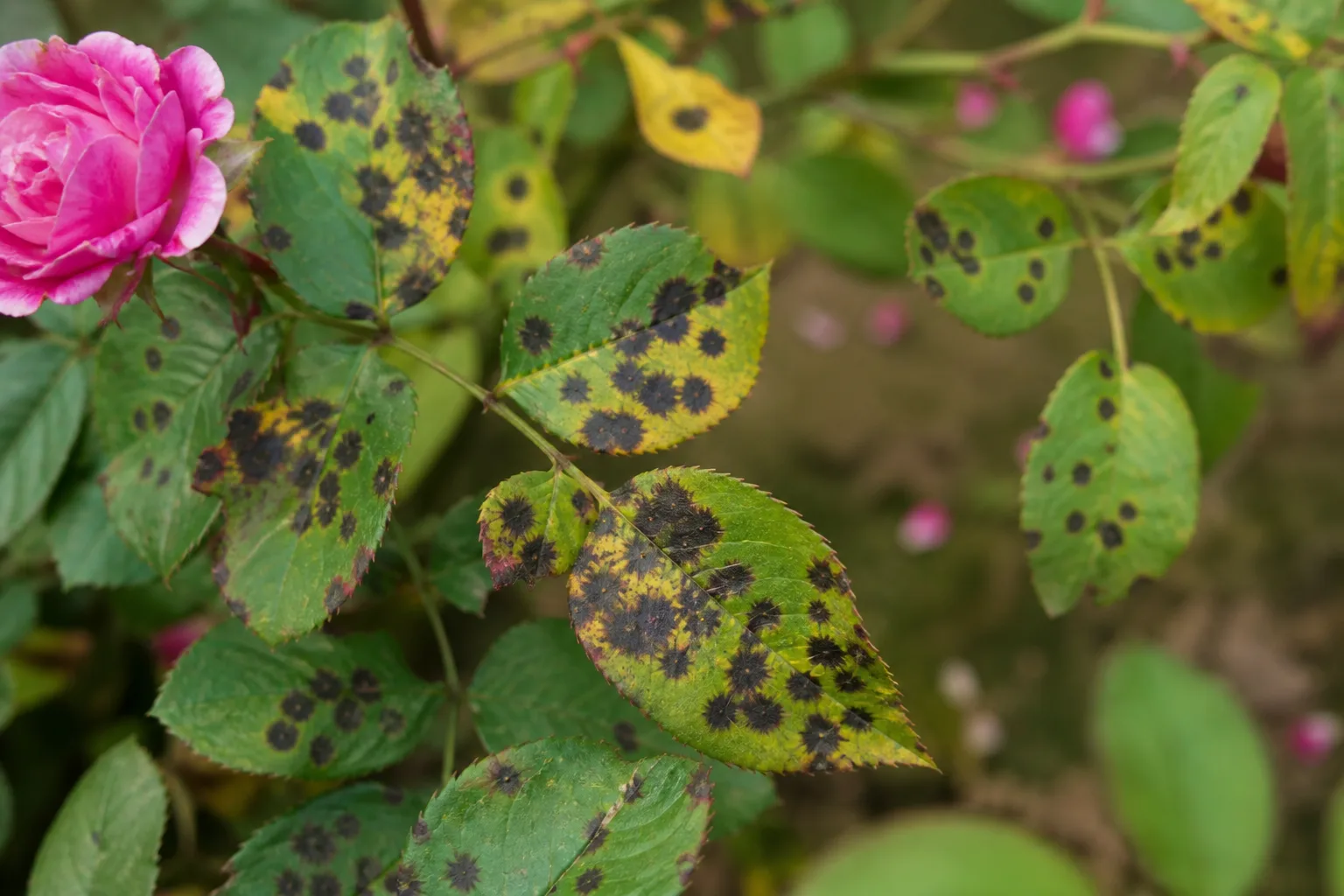
Black spot is a common concern for hybrid tea roses. It produces dark round spots with irregular or feathery margins, often followed by yellowing and leaf drop; it tends to worsen when foliage stays wet and fallen leaves remain around the plant. Remove affected leaves and debris, water at soil level, and improve airflow by pruning crowded growth. Penn State Extension’s rose disease table describes the characteristic spots and leaf drop, while the American Rose Society disease guide explains sanitation and leaf-wetness reduction.
Powdery mildew appears as a white coating on foliage or young stems, while rust can produce orange pustules, often on leaf undersides. Both can resemble other problems, so look at the whole plant and the pattern of affected leaves before treating. If disease recurs every year or symptoms are severe, consult a local extension diagnostic service; fungicides generally protect healthy tissue rather than restoring leaves that are already infected.
Why a Peace Rose May Not Bloom
Start with sunlight. A plant getting only a few hours of direct light may stay leafy but produce fewer flowers, and nearby trees can gradually cast more shade as they mature. If shade is the issue, moving the rose or reducing competition is more effective than feeding it more often.
Next, consider pruning and age. A hard cut after new growth starts can remove developing flower shoots, while a young rose may need one season to establish a strong root system before it gives a full display. A grafted rose with winter-damaged canes may also need time to rebuild, especially if the surviving shoots are weak. Look for vigorous new growth above the graft; shoots emerging below it are rootstock growth and will not recreate the named flower.
Finally, check water, drainage, and leaf health. Repeated drought, waterlogged roots, severe black spot, or excessive nitrogen can all reduce bloom indirectly by weakening the plant. Make one correction at a time—improve light, restore even root moisture, or address disease—then evaluate the next flush instead of changing fertilizer, pruning, and watering all at once.
Propagation and Staying True to the Cultivar
The most dependable way to keep the Peace name and flower characteristics is to propagate it vegetatively. The RHS lists hardwood cuttings and chip budding as propagation methods for this cultivar. Cuttings can root on their own roots, but success varies with timing, cane maturity, humidity, and aftercare; budding is a more technical method commonly used by experienced propagators and commercial growers.
Seeds are different. A rose seed results from sexual reproduction, so seedlings are not clones of the parent and may not repeat Peace’s flower color, form, fragrance, or growth habit. If you want a plant true to name, buy a correctly labeled plant or try a cutting from a healthy, correctly identified rose. Do not assume a shoot from below the graft is a Peace cutting: it belongs to the rootstock.
If experimenting with cuttings, take material from healthy, disease-free growth and use a clean blade and sterile rooting medium. Keep humidity high without leaving the medium saturated, and expect some cuttings to fail. Check local rules before moving plant material across regions, and avoid propagating a patented cultivar when legal restrictions apply; Peace is an old cultivar, but newer sports or related roses may have separate protections.
Common Growing Mistakes to Avoid
The most damaging mistake is planting into soil that stays wet. Roses need regular moisture, but roots also need air, so persistent saturation can cause decline that looks like drought stress. Confirm soil moisture before watering again and fix drainage before adding fertilizer or spraying leaves.
Another frequent error is following the same pruning height or watering interval every year. Winter dieback, cane strength, soil texture, rainfall, and local climate change what the plant needs. Use the cultivar’s hybrid-tea habit as a starting point, then prune back to healthy wood and water when the root zone is drying rather than obeying a calendar.
Finally, do not expect the Peace rose to behave like a disease-proof landscape rose. Keep fallen leaves out of the bed, provide enough light and airflow, and intervene early when a problem is identifiable. Avoid spraying a product simply because a leaf is yellow or spotted: nutrient stress, drought, black spot, mites, and natural aging require different responses, and unnecessary treatments can harm beneficial insects or the plant.
Conclusion
Peace is a striking, fragrant hybrid tea rose that can flower repeatedly when its roots have well-drained soil, its foliage gets ample sun and airflow, and its canes are pruned at the right seasonal moment. Plant it with the local graft-union guidance, water deeply when the soil begins to dry, feed moderately during active growth, and keep diseased leaves and debris from accumulating around the base.
Expect some adjustment in the first season and through changing weather. If the rose struggles, check the simplest variables first—sun, soil moisture, drainage, cane health, and leaf symptoms—before adding more water or fertilizer. With those basics in place, Peace can be both a garden focal point and a reliable source of long-stemmed blooms.



