Choose a Gardening Newsletter That Fits Your Garden
Before signing up for a gardening newsletter, check its topics, frequency, local fit, privacy terms, and unsubscribe options. Use this guide to judge the fit.
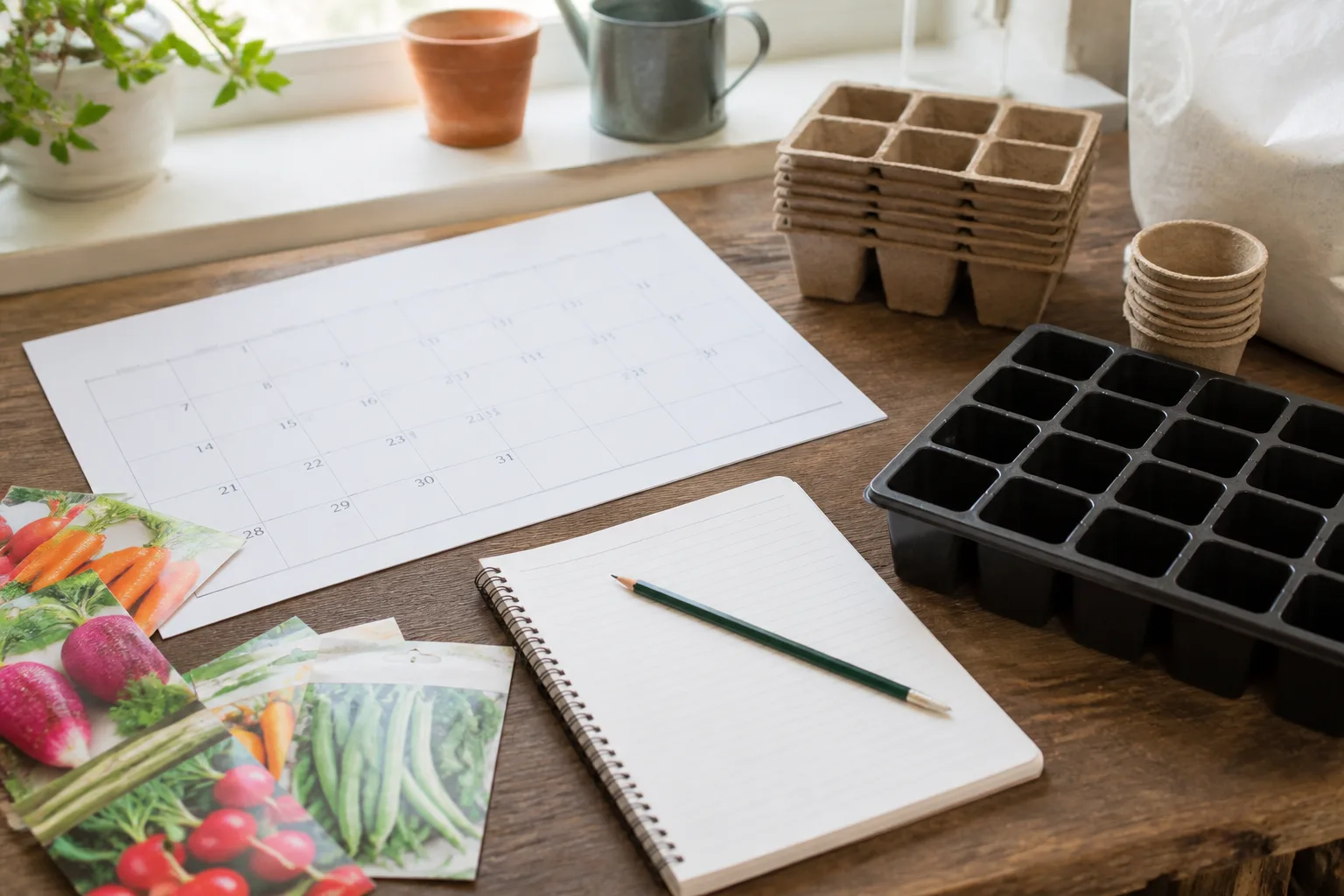
A gardening newsletter can be a useful nudge at the right moment: a reminder to start seeds, a seasonal pruning note, or a link to a clear explanation of a pest problem. It can also become one more stream of generic promotions in an already crowded inbox. The difference usually comes down to fit: what you grow, where you grow it, how much detail you want, and how often you want to hear from the sender.
Before you enter your email, look for a sample issue or archive, read the signup promise, and check the privacy notice and unsubscribe path. A few minutes of review can tell you whether the newsletter is likely to make your gardening easier and how to leave if it does not.
What a gardening newsletter can—and cannot—do
A strong gardening email is a delivery format, not a guarantee of expertise. It can collect timely ideas, explain what to do next, point to longer instructions, and bring a source’s new advice into your routine without requiring you to remember to visit its website. The best issues help you recognize a relevant task and then give enough context to decide whether that task applies to your own garden.
A newsletter cannot see your soil, weather, plant maturity, irrigation, or recent pest pressure. Even a reliable article may be written for a different climate or a general audience. Treat email as a useful prompt and a path to fuller information, not as a personalized diagnosis or a substitute for checking local conditions.
It also helps to separate an editorial newsletter from other kinds of email. A sender may offer a weekly gardening newsletter, occasional event announcements, account messages, and product promotions through separate lists—or combine several of them. Read the signup wording closely so you know whether you are choosing practical garden advice, marketing offers, or both. A discount or free guide can be a fair exchange, but the promised benefit should be clear and the ongoing messages should match what you agreed to receive.
Start with your garden and the problem you want solved
“Gardening” covers a lot of ground. A person tending houseplants has different questions from someone planning a vegetable plot, maintaining a native border, growing fruit, or caring for a community garden. Start with the job you would actually welcome help with, rather than signing up because a page promises general inspiration.
A useful test is to finish this sentence before you subscribe: “I would open an email if it helped me ___.” Your answer might be plan this month’s edible garden, troubleshoot pests without reaching for a spray immediately, find plants for a shady yard, or learn more about soil and compost. If you cannot name the kind of help you want, a broad newsletter may be pleasant but is less likely to change what you do.
Match the subject to your garden
Look at the newsletter’s recent issues, not just the signup headline. Do the links and examples focus on the kinds of plants you grow? Does it explain beginner tasks if you are new, or offer deeper plant profiles and design ideas if you already know the basics? A newsletter that covers vegetables, ornamentals, houseplants, and lawn care may be broad by design; that is useful if you enjoy variety, but noisy if you only want one subject.
Inspect a few issue titles or article previews and count how many feel relevant to you. One useful method is to look at the last four to six published items in the archive, if the publisher provides one. If only one seems relevant and the rest are outside your interests, check whether the sender offers topic-specific subscriptions or preference controls before joining.
Also decide whether you want task reminders, research explainers, event notices, plant identification, or design ideas. An inspiration email can be enjoyable without functioning as a step-by-step how-to, so choose the format you will actually read.
Match the advice to your place
Gardening timing is local. A spring planting reminder that suits a mild coastal garden may be premature where frost is still likely, while advice for a humid region may not account for a dry summer or a different pest season. A newsletter that asks for a broad location, states its intended region, or links to local resources gives you more context than one that presents every date as universal.
A hardiness zone can help compare winter minimums, but it does not tell the whole story. Elevation, slope, wind, shade, reflected heat, soil drainage, and the date of the last frost can shift what works in two gardens assigned the same zone. Use regional recommendations as a starting point, then compare them with current weather and local extension guidance before acting on a time-sensitive instruction.
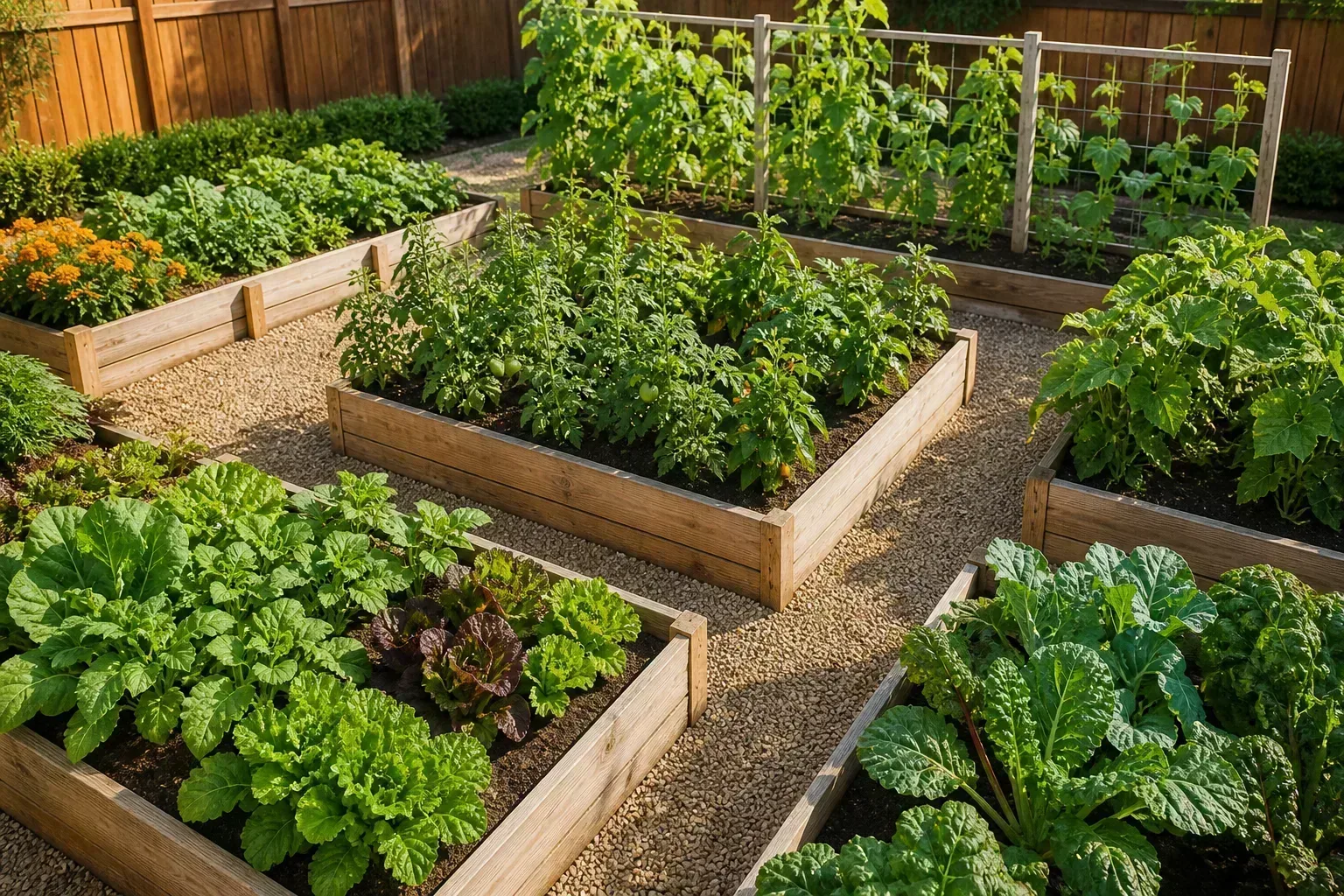
If the newsletter is not local, it can still be valuable for general principles, plant profiles, or design ideas. Keep a separate local source for date-sensitive tasks, invasive-plant guidance, and pests or diseases that vary by region. The Oregon State University Extension Service, for example, describes its gardening newsletter as a monthly way to receive new gardening information and training updates; that kind of stated scope helps you judge whether a regional source matches your interests. Oregon State University Extension Service
Judge an issue by what you can use
A signup form tells you what a publisher hopes you will receive. A sample issue tells you more about what arrives in practice. If an archive is available, open one or two recent editions and ask whether the content helps you make a gardening decision or simply sends you toward a long list of loosely related links.
A practical issue should make its purpose clear. It might say which task is timely, who it applies to, and what to check before acting. It should also link to enough detail for the job: a short reminder may be enough to clean a tool, but a disease diagnosis or pruning method needs a fuller explanation and appropriate cautions.
Look for practical detail, not just attractive ideas
Useful garden advice explains more than the action. If a newsletter says to sow or prune, it should make clear what kind of plant or situation the advice fits, what timing cue matters, and what a reader should check first. “Prune now” is hard to use without the plant name, season or growth stage, and a note about local variation; “remove damaged stems after flowering, but check the species’ pruning window” gives a better route to the full instructions.
Look for advice that names trade-offs and failure conditions. A seed-starting tip should tell you whether it assumes a heated indoor space or a particular light setup. A pest article should distinguish identification from treatment and avoid treating every insect as harmful. A water-saving suggestion should explain which plants and conditions it covers. Small qualifications like these are signs that the writer understands the work behind the headline.
Notice whether the email’s links lead to substantial articles, research-based resources, or useful reference pages. If every issue is mostly a teaser for a product or a series of generic headlines, the subscription may not offer much beyond what you can find with a targeted search. That does not make a promotional newsletter automatically worthless; it means you should evaluate it as shopping or entertainment content instead of expecting it to serve as a dependable gardening reference.
Check who stands behind the advice
A trustworthy newsletter makes its publisher easy to identify. Look for an organization or author name, a way to learn about the editorial team, and clear disclosure when a piece is sponsored or tied to a product. If a health, pest-control, or pesticide claim appears, follow the link to the supporting source before acting; a newsletter summary may not include all of the label directions, legal limits, or safety conditions.
This matters especially when recommendations could affect beneficial insects, pets, children, edible crops, or water. A gardening email should not make a dramatic claim about a product and then hide the actual source. It should link to a source with the right expertise, explain uncertainty where evidence is limited, and encourage label and local guidance for regulated products.
Check dates as well as names. Some gardening principles remain useful for years, but weather alerts, pest reports, plant availability, and local restrictions can change. A page with a recent update date and links to relevant local authorities is a better basis for a time-sensitive decision than a recycled message with no date or location. You can still save older articles for background, but verify current details before applying them.
Choose the source type that fits your needs
Different organizations publish different kinds of email. An extension service may focus on research-based regional education; a horticultural society may combine gardening advice with events and organizational news; a magazine or independent writer may offer a wider mix of inspiration, how-tos, product links, and personal perspective. None is automatically best for every gardener.
| Source type | Often useful for | Check before subscribing |
|---|---|---|
| University or extension program | Regional growing guidance, classes, research-based information | Whether its service area and climate match yours |
| Horticultural society or public garden | Seasonal advice, plant knowledge, events, garden inspiration | Whether the email also promotes membership, tickets, or events |
| Gardening publisher or independent creator | Regular ideas, practical stories, plant profiles, broad topic coverage | Sponsorships, product links, cadence, and topic controls |
Extension and university newsletters
Extension programs connect horticulture information to a particular state, province, or region. Their newsletters can be especially helpful when local weather patterns, common pests, soils, or growing calendars affect the answer. Check who the program serves; a university extension page can be highly credible while still being outside your growing region.
Official pages show how much these newsletters can differ. Oregon State Extension describes its gardening newsletter as monthly and says it shares new gardening information and training updates. Penn State Extension describes its monthly Home Garden News as covering vegetable, herb, and fruit production, garden and landscape maintenance, pest and disease identification and management, and Master Gardener activities. Those examples make the offer concrete, but they do not mean the newsletters share the same audience or that either one replaces advice from your local extension office. Penn State Extension’s Home Garden News signup
If a local university has a newsletter for a county Master Gardener program, look for details about its service area and whether it answers questions or simply shares articles and events. A county-focused email may offer more relevant timing than a national roundup. On the other hand, if you want houseplant design ideas or gardens from other climates, a regional service may be too narrow for your interests.
Horticultural societies, botanic gardens, and public gardens
A horticultural society or botanic garden can offer more than weekly tasks. Its newsletter might include seasonal growing advice, plant collections, scientific or community work, garden visits, classes, or show announcements. That mix can be a good fit if you enjoy horticulture as a hobby and want both learning and event news; it may be a poor fit if you only want a concise checklist for your own beds.
For example, the Royal Horticultural Society describes its regular email as including garden and event highlights, gardening advice, seasonal jobs, website content, science and community updates, and flower-show information. This is a clear example of a broad organizational email rather than a narrowly focused local task list. Before signing up, decide whether you welcome event and membership news alongside advice, then review the signup choices and privacy information offered to you. Royal Horticultural Society email information
Public gardens may also send regional bloom updates, classes, and openings. These can inspire your garden and give you a reason to visit, but a calendar of events is not the same as a care guide. Look at the recent issues and signup page to understand how much of the email is advice, local programming, advocacy, fundraising, or ticket information.
Gardening publishers and independent creators
Commercial publishers and independent writers can be useful when their style, topics, or experience match what you want. Their emails may arrive more often than an institutional bulletin and can include a mix of articles, product recommendations, sponsored content, or promotions. Read the offer as a whole: the subscription may be free, but your attention is part of what the publisher receives.
Follow a sample link and see whether it gives the depth the email implies. Is there an author or editorial page? Are sponsored recommendations labeled? Does advice point to primary sources when the stakes warrant it? If you like the writing but dislike the promotional mix, check for separate lists or use an email filter rather than assuming every email from the publisher serves the same purpose.
A useful comparison is to choose one or two sources that complement rather than duplicate each other. For instance, a local extension email could cover timing and regional pests while a design-focused newsletter supplies planting combinations. Two subscriptions with different jobs may be more useful than several broad emails repeating the same seasonal headlines.
Check the offer before you subscribe
A signup box should give you enough information to make a real choice. Look for the name of the sender, what type of email you are agreeing to receive, an expected cadence if the publisher states one, and a privacy notice. If the form combines a gardening newsletter with unrelated offers, see whether those are optional and whether you can decline them without losing the newsletter.
The signup wording is part of the product. A good offer makes the exchange understandable: what messages are planned, which organization will send them, and how you can change your mind. If the form is vague, the privacy page is missing, or the button seems to sign you up for several lists at once, pause and look for a clearer signup route.
Frequency, format, and separate lists
There is no ideal newsletter frequency for every gardener. A monthly digest may suit someone who wants a short list of seasonal priorities, while a weekly email may suit a person who enjoys regular reading during the growing season. Daily messages can be welcome for event or deal alerts and overwhelming for a reader who only wants a few well-timed reminders. The right question is whether you will read the number and type of messages being promised.
Check whether the stated cadence applies year-round or only during a particular season. A newsletter that is seasonal, weekly, or occasional should explain that clearly; if it does not, look at its recent archive or ask the publisher before joining. A signup page may also use “regular updates” without a fixed interval, which leaves room for the pace to change. Treat frequency language as an estimate unless the publisher makes a specific commitment.
Some senders let you choose separate topics such as vegetables, flowers, events, or houseplants. That can reduce irrelevant email, but a preference center may not be available for every newsletter. If the form offers categories, select only the ones you want and save a note of your choices; if you cannot tell whether a box is optional, do not assume it is.
Privacy, optional fields, and clear consent
An email address is personal information, and asking for a ZIP or postal code, gardening interests, or a name should have a clear purpose. A location can help a publisher send more relevant advice, but it is reasonable to ask whether the field is optional and whether it will be used for personalization, event invitations, or something else. Give only the information needed to receive the content you want.
Read the privacy notice for the specific publisher. The U.S. Federal Trade Commission advises consumers to check how a company says it will use an email address because practices differ and an address may be shared or sold to third parties. A privacy notice helps you understand the stated practice; it is not a promise that the organization will never change a service or have a data incident. If the policy is hard to find or does not explain who may use your information, you can choose a different source. FTC advice on reducing email spam
Consent expectations depend on where you live and on the type of message. In the UK, the ICO says consent for electronic mail marketing should be freely given, specific, informed, and unambiguous, and that people must be able to withdraw it; that is one jurisdiction’s guidance, not a universal rule for every reader or every kind of email. The practical subscriber test is simpler: the form should name the sender and explain the emails, and you should take an affirmative action to join rather than be silently enrolled. ICO guidance on electronic-mail consent
You can use an email alias or a separate inbox for subscriptions if your provider supports it. That can help you sort messages and recognize which signup a mailing list is connected to, but it does not make the address anonymous or erase what the publisher already received. Avoid giving a newsletter your password, payment information, or unrelated personal details; a routine gardening email subscription should not need them.
Make the subscription easy to manage
Set one simple reading habit: open each issue when it arrives, scan it weekly, or search the archive when a question comes up. If keeping up feels like another chore, narrow your preferences or leave.
Try a short evaluation period rather than making a permanent commitment. Read the first few emails and note whether they meet the promise, whether the links are worth opening, and whether the frequency feels comfortable. One attractive issue is not enough to establish a pattern, but you do not need to keep a newsletter that is obviously irrelevant while you wait for it to improve.
Confirm the first message and test the fit
Some publishers send a confirmation email after signup; others add the address immediately. If a confirmation arrives, check that the sender and newsletter match what you requested before clicking. Do not follow a link in a message you did not expect if its sender or destination looks suspicious. A confirmation step should complete your request, not ask for a password or payment for a free newsletter.
If no issue arrives within the time the signup page promised, check your spam or promotions folder and search for the sender’s name. A welcome message may also explain what you signed up for, how often the email is expected, or where to update topics; save it if it contains useful subscription information. If the publisher sends nothing after the stated window, use the contact information on its official site rather than entering your address again through a search result or a third-party form.
After two or three issues—or a month for a monthly email—ask whether it earned your attention. Did you save an article, change a task, learn something you did not know, or feel more confident about what to check? If the answer is no, you have learned that the subscription is not a match. A newsletter does not need to be bad to be wrong for your garden or reading habits.
Use inbox controls to keep useful issues findable
A newsletter that is worth keeping can still disappear among receipts and notifications. Email providers usually offer folders, labels, filters, or rules; a filter can route one verified sender into a “Gardening” folder or label without sending it to spam. If you tend to forget email that is automatically filed, leave it in the inbox and use a visual label instead.
For a useful issue that lands in spam by mistake, open the folder, confirm the sender and links, and mark the message as not spam. Gmail’s help page explains that people can unsubscribe from a newsletter through the sender controls it displays, and that verified messages may be moved out of spam or handled with filters. The exact steps differ by email service, so use your provider’s help page if the controls look different. Gmail guidance for reporting spam and managing messages
You can also keep a small gardening folder for articles that contain durable instructions, but save the source and publication date with the link. An old article about pruning or pests may be useful background, yet local restrictions, product labels, and current conditions can change. Search the newsletter archive when it is current and check an authoritative local source before following time-sensitive advice.
Unsubscribe, report, or block as needed
If a newsletter no longer helps, use its unsubscribe link or your email provider’s unsubscribe control. A legitimate subscription may take a few days to stop; Gmail notes that messages can continue during that processing window. Some senders make you visit a website, and one unsubscribe action may cover only one list, so read the confirmation and check whether event or promotional emails are separate subscriptions. Gmail instructions for unsubscribing
For U.S. readers, the FTC’s CAN-SPAM guidance says senders of commercial email must honor an opt-out within ten business days and cannot make the recipient pay or provide information beyond an email address to complete it. In the UK, ICO guidance says people must be able to withdraw consent and that organizations should act promptly. These are jurisdiction-specific rules with exceptions and different scopes; if you need to assess a legal issue, consult the relevant regulator or a qualified adviser rather than applying one country’s rule everywhere. FTC CAN-SPAM compliance guide ICO guidance on respecting preferences
Use judgment before clicking any unsubscribe link. If you knowingly signed up and the latest message comes from the sender you expect, the unsubscribe link or provider control is the right first step. If the email is unsolicited, has a spoofed sender, requests credentials, or looks like phishing, do not click its links; mark it as spam or phishing through your mail provider. Gmail specifically advises people not to open links in suspicious messages when the sender cannot be verified.
If a trusted sender keeps mailing after you used its unsubscribe control and allowed the stated processing time, save the confirmation and try the provider’s report-spam or block controls. Blocking usually affects delivery to your inbox, not the underlying subscription; it is a containment step for your mailbox rather than proof that the sender has removed your address from a list. If the sender is legitimate but you may want its event notices later, check whether its preference page lets you pause or narrow messages instead of canceling every list.
Conclusion
Choose a gardening newsletter by reading what it actually sends, matching its subject and geography to your garden, and checking the cadence and privacy terms before you opt in. A good issue should make a useful next step easier to understand, while still leaving room for local conditions and judgment.
After signup, give the subscription a short trial, route useful messages where you can find them, and leave if the content or frequency no longer fits. Use unsubscribe for a known subscription, and spam or phishing controls for suspicious messages. You are in charge of which gardening advice gets a place in your inbox.



