Garden Drought: What Happens and How You Can Respond
See how garden drought affects flowers, vegetables, trees, and lawns, then learn how to check soil, prioritize water, and judge recovery without overwatering.
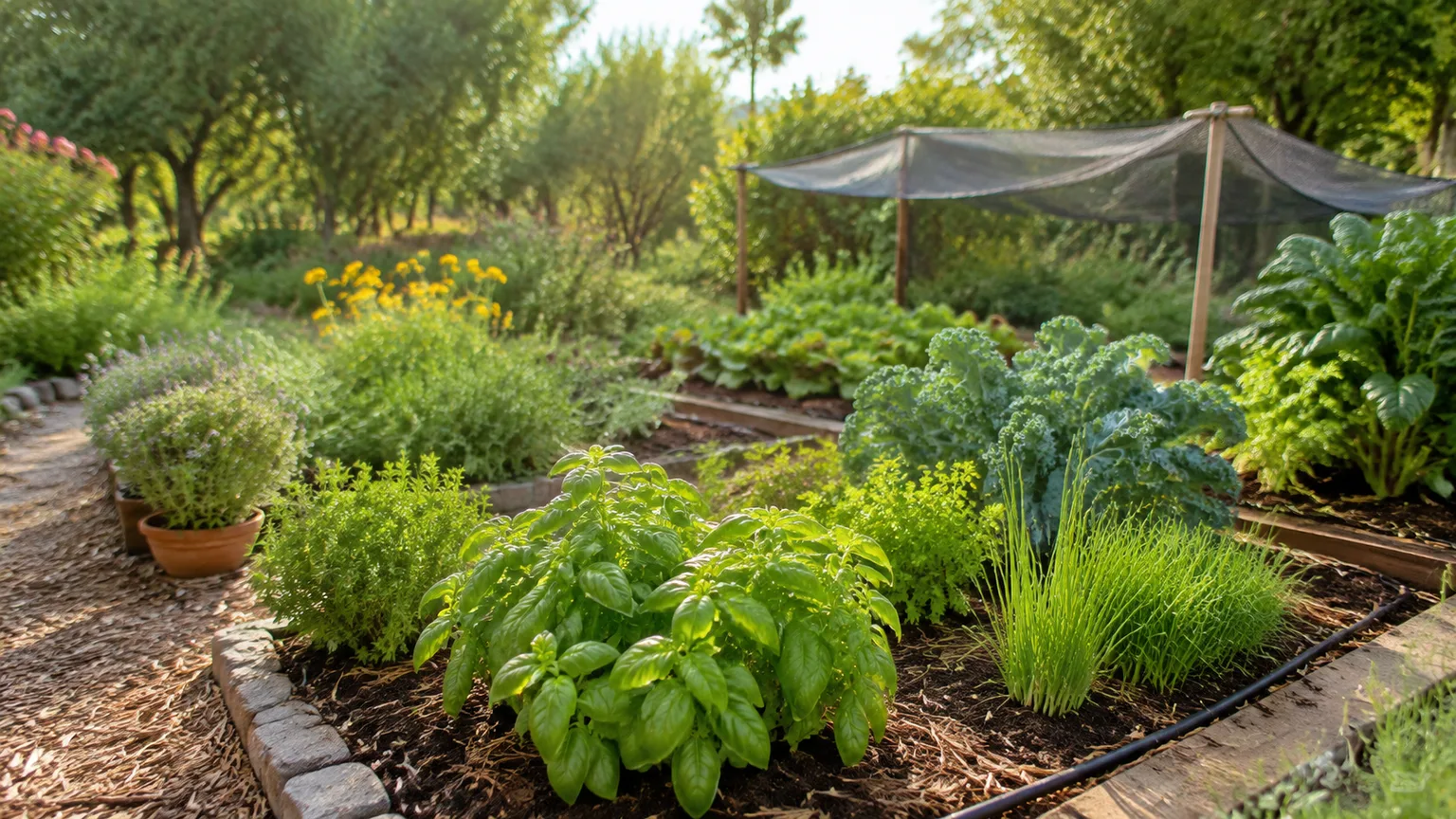
A drought does not make every garden plant fail at once. It creates a growing mismatch: roots take up less water than leaves, stems, and developing fruit lose to heat and wind. The first signs may be subtle—slower growth, dull foliage, or grass that stays flat after you walk on it—before leaves scorch or branches die back.
A plant can look dramatically wilted and still recover, while a tree that remains green may already be losing fine roots. Your best response depends on the plant, its age, the soil beneath it, and whether water is still reaching the root zone. Use the symptoms as a prompt to check conditions, not as a diagnosis by themselves.
What drought stress actually means
A garden is under drought stress when available soil water is too limited to meet a plant’s needs over time. A few hot afternoons do not necessarily add up to a drought: wind, intense sun, reflected heat, shallow soil, and a newly disturbed root ball can make a single bed dry faster than the rest of the yard. Conversely, a gray surface can hide damp soil below.
Drought also describes a weather pattern, not a uniform condition in every bed. Rainfall can miss one neighborhood, run off a compacted slope, or fail to soak beneath a dense canopy. That is why “it rained yesterday” and “the soil is hydrated” are not the same statement.
How plants respond when roots cannot replace lost water
Roots need water to keep cells firm and move dissolved minerals into the plant. Leaves release water through tiny openings as they exchange gases; when the root zone cannot replace that loss, many plants reduce water loss by closing those openings, slowing growth and photosynthesis. The visible result may be drooping leaves, curled edges, or a pause in new growth rather than an immediate collapse.
Plants differ in how they manage a deficit. Some annuals wilt quickly and may recover after a careful soak; some perennials reduce top growth while roots and crowns persist; woody plants can shed leaves or sacrifice fine roots before a gardener sees major branch dieback. These are survival responses, not proof that a plant will rebound fully or on a predictable schedule.
Think of symptoms as a progression rather than a countdown. Slower growth and temporary leaf movement can be early ways to reduce water loss; repeated stress may lead to leaf-edge scorch, dropped foliage, or poor flowering; prolonged stress can kill fine roots and branches. The stages do not arrive in a fixed order, and a plant in intense heat can cross from a reversible response to tissue damage faster than one in a cooler, sheltered bed.
Signs of drought stress across a garden
Look for a pattern across the plant and the bed. Common signs include leaves that lose their gloss, curl or fold, wilt during the day, develop dry brown margins, turn yellow early, or drop before the usual season. Flowering and fruiting may decline, and tender new growth can stall because the plant is conserving resources.
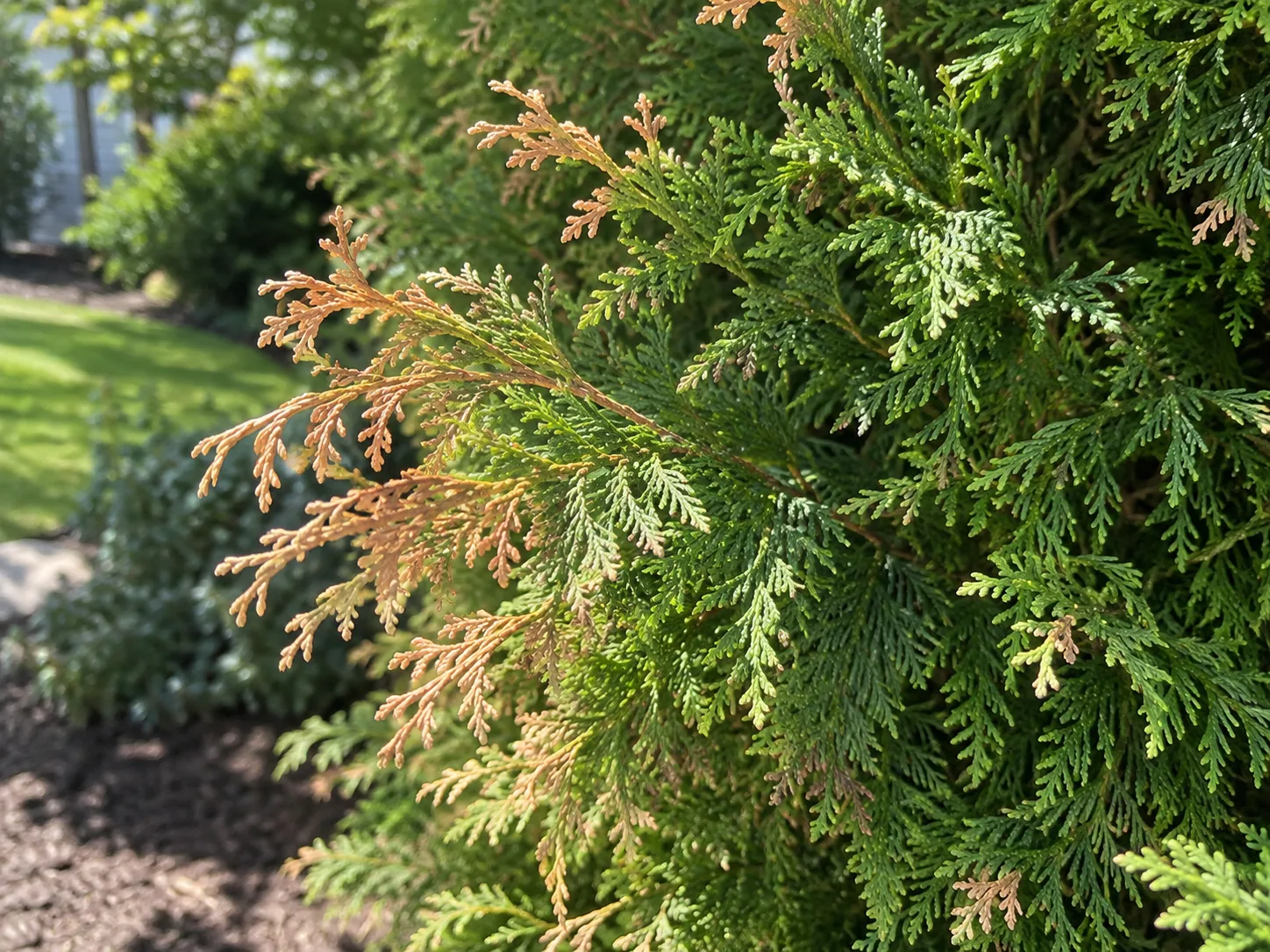
In trees and shrubs, drought can show up as a thinning canopy, smaller leaves, early fall color, premature leaf drop, dead twig tips, or bare spots in groundcover. Evergreen foliage may brown from the tips or inner canopy; that damage is harder to replace because evergreen leaves or needles often remain for more than one season. Missouri Botanical Garden notes that drought symptoms vary by species and can resemble pest, disease, or overwatering problems, so assess soil and site conditions before treating a presumed diagnosis.
A useful distinction is whether damage is still flexible and green or has become dry, brittle, and dead. A wilted stem can regain some firmness after water reaches its roots; a leaf with crisp, scorched tissue will not turn green again. Recovery means later growth is healthy, not that old damaged leaves reverse their injury.
How symptoms differ in flowers, crops, trees, and lawns
Annual flowers and vegetables may show the effects quickly because they have shallow roots and are actively producing leaves, blossoms, or fruit. A dry vegetable bed can drop flowers, produce smaller fruit, or stop setting new growth; even if plants survive, harvest quality and timing may be reduced. Containers are especially vulnerable because the limited volume of potting mix heats and dries faster than open ground.
Perennials may wilt, fold leaves, or stop flowering, then return from living crowns or roots after conditions improve. That does not mean every perennial is drought-proof: young divisions and recent transplants are less established than mature plants, and plants adapted to moist shade may suffer sooner in a sunny, windy bed. If the top growth dies back, check for living growth at the base before removing the plant.
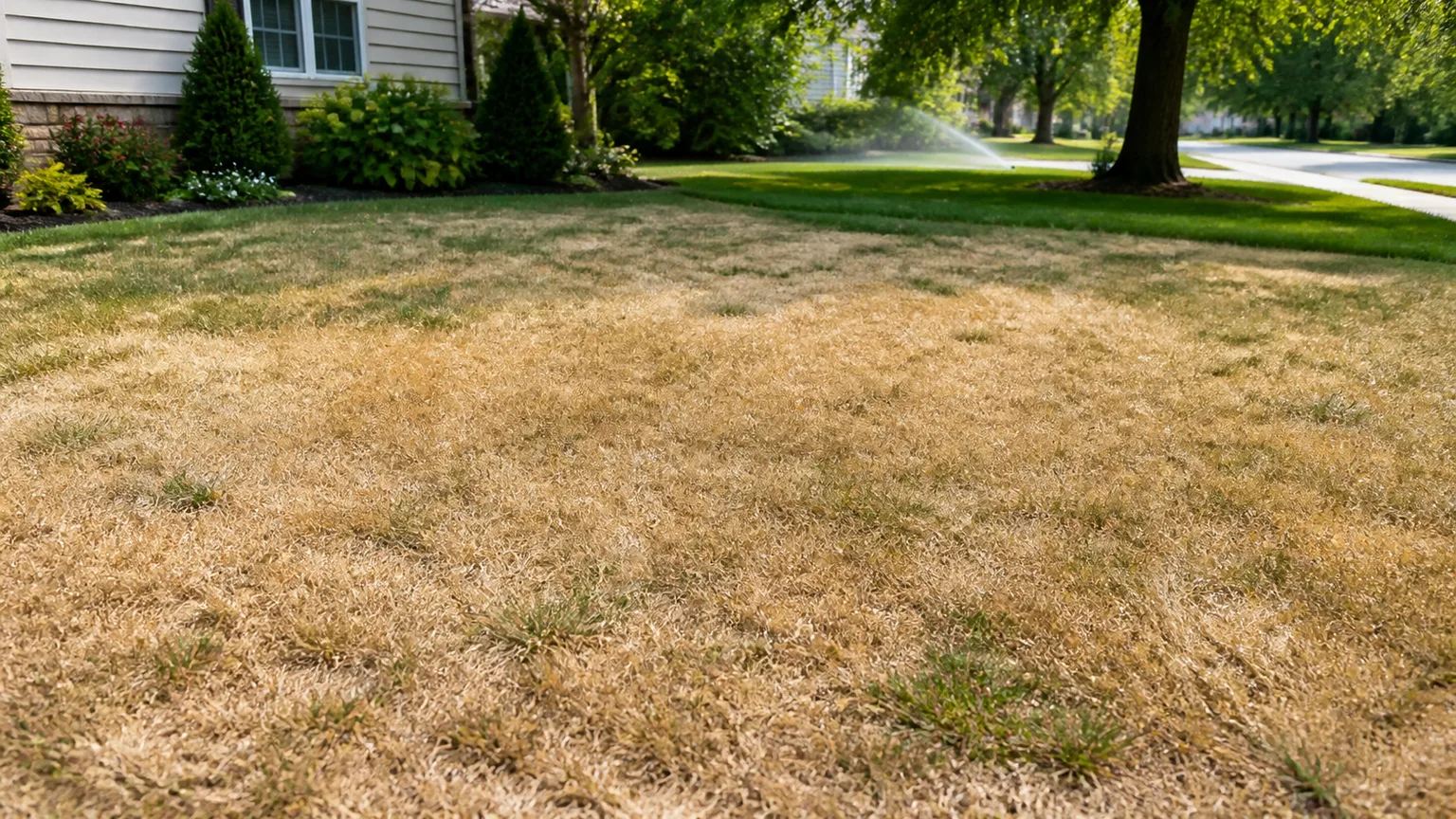
Turfgrass often signals dry soil before nearby shrubs do. In a drought-stressed lawn, footprints can linger because blades do not spring back; the grass may turn straw-brown and stop growing. Established lawns can enter dormancy and green again after rain, but not every brown patch survives—damage to crowns, repeated severe stress, disease, or uneven irrigation can leave dead areas.
Where the color changes can help you decide what to check. A narrow stripe that follows a sunny edge or slope may reflect faster drying; repeated dry arcs can point to a sprinkler that misses or is blocked; a low, persistently soggy section is not automatically thirsty. Use those patterns to guide a soil check before raising the entire irrigation schedule.
When a wilted plant may have a different problem
Wilting is not synonymous with thirst. Roots damaged by waterlogged soil, transplant shock, root disease, or physical injury may fail to supply water even when the soil is wet. Heat can also cause temporary midday droop: if the leaves firm up as the day cools and the root zone is moist, adding more water may create a second problem.
Before watering, check the soil a few inches down near the plant’s active roots, not just the crust at the surface. Compare a struggling plant with a nearby healthy one of the same type, and look for clues such as soggy soil, a blocked emitter, recent digging, chewing, spots, or a spreading pattern that follows a sprinkler zone. Missouri Botanical Garden recommends checking below the surface because a dry-looking top layer is not a reliable measure of moisture deeper down.
If symptoms continue despite suitable moisture, stop changing several things at once. Note which leaves were affected first, whether damage is on one side or throughout the plant, and how quickly it is progressing. A local extension office or certified arborist can help identify a serious tree decline when the cause is unclear or branches are dying back.
Which plants face the greatest risk
The plants most likely to need help are not always the most dramatic-looking. A recently planted tree may still have a compact root ball that dries while the surrounding soil feels damp; a mature tree can draw from a far larger area. Newly installed shrubs and perennials, seedlings, container plants, vegetables in active production, and shallow-rooted plants generally deserve earlier attention than an established, drought-adapted planting.
There is no single priority list for every yard. If water is limited, consider which plants are hardest to replace, which still have months of growth ahead, and which can reasonably survive a temporary pause. A vegetable crop with fruit still forming may justify water; an annual flower nearing the end of its season may not. Local water restrictions and household well capacity matter too, so do not jeopardize essential water supplies to keep ornamental beds lush.
Why age, roots, soil, and exposure change the outcome
A plant’s ability to reach moisture depends partly on its root system. Newly planted trees and shrubs have not yet spread roots through surrounding soil, while older established specimens may have a wider network but can still suffer in a long drought. Container roots have no way to chase moisture beyond the pot, and raised beds often dry sooner than deeper in-ground beds.
Soil texture changes the pace and pattern of drying. Sandy soil drains quickly; heavy clay can resist slow infiltration or stay wet in some areas while drying and cracking in others. Compaction, slope, roof overhangs, paving, and competition from tree roots can further limit how much water reaches a plant.
Two plants of the same species can therefore respond differently within the same yard. One may sit in deep soil with afternoon shade, while its neighbor grows in a raised bed beside paving and a roof overhang. If only the exposed plant struggles, that is evidence to investigate the location and root-zone moisture before concluding the species cannot live in your garden.
Sun and wind add another layer. A bed beside a hot wall or on an exposed slope can lose moisture faster than a sheltered border, even when both contain the same species. RHS drought-prone garden guidance stresses matching plants to shade, soil, exposure, and local microclimate rather than relying on a generic “drought tolerant” label.
What to do while drought conditions continue
Start with a short triage walk. Check the forecast and any municipal watering limits, identify which plants are new or producing food, then probe the soil in those root zones. This prevents spending water on a plant whose soil is already moist or on an established plant that can safely slow down for a while.
Set watering priorities before the garden looks uniformly thirsty
Give first attention to new plantings, seedlings, containers, and vegetables or fruiting plants that still have a useful growing season ahead. UConn Extension’s advice during a fall drought is to water plants that still have green leaves so they can keep functioning as they enter winter; it also emphasizes the extra vulnerability of new plantings and shallow roots. In a summer drought, the same principle applies, but crop timing, heat, and local climate alter how frequently those plants need checking.
Newly planted trees and shrubs deserve special care because the original root ball can dry separately from the surrounding soil. Probe both the root ball and the soil just outside it; if one is dry and the other is damp, water where the roots actually are rather than soaking the entire bed by habit. The Morton Arboretum also recommends giving young trees focused, slow watering and checking soil moisture instead of relying only on a calendar.
Established lawns and large, established shrubs often have more room to find water. You may choose to let a lawn go dormant rather than trying to keep every blade green through a prolonged drought, especially if local restrictions are in effect. Protect high-value plants first; accept that irrigation reduces stress but cannot recreate normal rainfall across an entire property.
Water the root zone slowly and check the depth
When water is available, apply it where roots can use it. Direct a gentle stream to the base of a plant, or use drip irrigation or a soaker hose to wet a bed slowly; a fast spray can run off compacted or sloped soil before it sinks in. If water begins to pool or travel across the surface, pause and let it infiltrate before continuing.
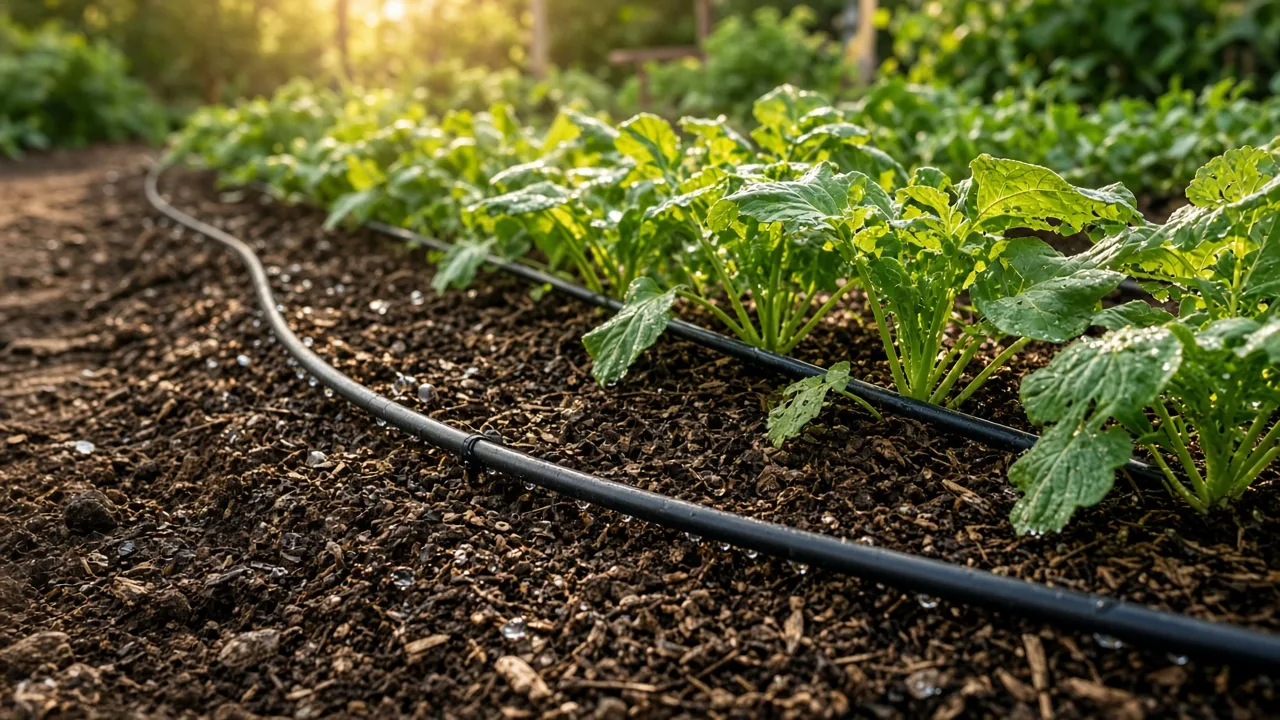
After watering, wait briefly and dig or probe again near the roots. The aim is to moisten the active root zone, not merely darken the soil surface, but the appropriate depth depends on what you are watering. A vegetable bed, new perennial, shrub, and mature tree do not share the same root distribution, so a single timer setting or weekly volume is a starting point rather than a universal prescription.
A deep soak followed by a moisture check is usually more useful than repeated light sprinkles that wet only the top layer. But do not interpret “water deeply” as “keep the soil saturated”: roots also need air, and prolonged waterlogging can cause wilting that looks like drought. In clay soils, on slopes, or wherever runoff begins, divide the watering into shorter passes with pauses.
Lower demand without adding new stress
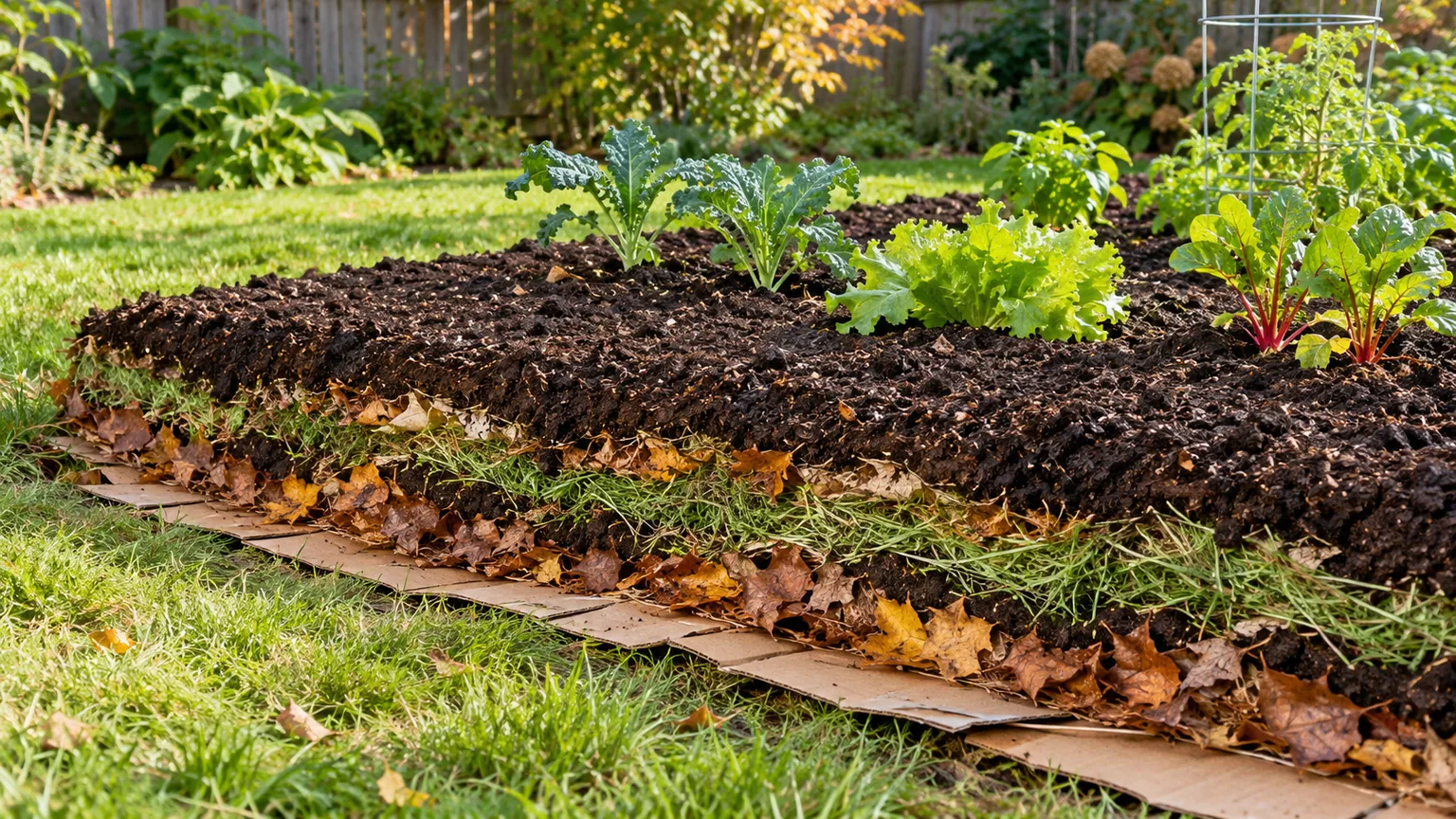
A layer of mulch can slow evaporation and moderate soil temperature, especially around trees, shrubs, and garden beds. Spread it over the root area while the soil is still moist if possible, and keep it pulled back from trunks, stems, and plant crowns so it does not trap excess moisture against living tissue. North Carolina Cooperative Extension recommends roughly 2 to 4 inches for landscape beds; use a thinner layer for small seedlings and avoid burying low crowns.
Pull or cut back weeds that are competing for water, but avoid aggressive cultivation around stressed roots. Shallow hand removal is safer near valuable plants than deep hoeing or digging through the root zone. If a wilted weed is not responding to herbicide, wait until it is actively growing again and follow the product label rather than spraying a plant under severe drought stress; North Carolina Cooperative Extension cautions that herbicide applications may have little effect on wilted drought-stressed weeds.
Skip fertilizer and routine pruning while plants are under severe heat and water stress. Fertilizer can stimulate new growth that demands more water, while pruning healthy foliage removes the very tissue that supports recovery. Remove only clearly dead, broken, or hazardous branches, and postpone major shaping until the plant has recovered enough to show which stems are actually alive.
How to judge recovery after rain returns
Rain is a turning point, not an instant reset. The first shower may wet only leaves and the soil surface, and a heavy downpour can run off dry or compacted ground. Check beneath the mulch and down into the root zone after rain instead of assuming that the garden has been rehydrated.
What can recover quickly and what may take a season
Some reversible symptoms improve within hours or a day once roots take up water: leaves may regain firmness, and curled foliage may uncurl. UConn Extension describes upward-curling dogwood leaves as an early drought clue and notes that they can begin to uncurl the day after deep watering when the roots receive adequate moisture. A scorched leaf margin, dropped leaf, or dead shoot will not repair itself; watch the next flush of growth instead.
Herbaceous perennials may send up new shoots from a living crown or underground roots, but recovery can be delayed until the next favorable growing period. Trees and shrubs can need months or longer to show the full effects of drought because root damage and branch decline may not be obvious immediately. A plant that survives the first rain may still be vulnerable to winter injury, insects, or disease after prolonged stress.
Grass can also take time to reveal whether it was dormant or killed. If an established lawn greens back as rain and temperatures normalize, that brown color was likely dormancy. If a patch remains bare or fails to produce new blades in the next active growth window, the crowns may have died; only then decide whether to reseed, repair, or change the planting.
For trees, shrubs, and perennials, a single good watering is not a reliable recovery test. Check the plant again over the following weeks for firm new growth, stable leaf color, or a halt in branch dieback, and record which parts remain alive. A plant that is still declining despite moist soil may have root injury or another problem, so adding still more water can delay the right diagnosis.
When to prune, replace, or wait
Do not remove a woody plant just because it dropped most of its leaves during a drought. Missouri Botanical Garden advises waiting through the first season and checking a small twig for green living tissue beneath the outer layer; that quick scratch test is a clue, not a guarantee of whole-plant recovery. Avoid making large cuts or scraping the trunk, which can add damage and still cannot predict next year’s growth.
Wait until new growth and branch condition make the dead-versus-living boundary clearer before pruning back drought-damaged wood. If a tree has large dead limbs over a walkway, roof, or play area, keep people away and ask a qualified arborist to assess it; drought-weakened branches can become a safety issue. Replace a plant when it is clearly dead, structurally unsafe, or consistently mismatched to the site, not merely because it looks tired after one dry spell. A practical guide from Blooma Tree Experts by an ISA-certified arborist likewise emphasizes that drought symptoms vary and can overlap with pests or disease.
Build a garden that handles the next dry spell better
After the immediate crisis, use the damage map as planning information. Note which areas dried first, where water ran off, which plants wilted before others, and whether the same irrigation coverage reached each bed. A short record of rainfall, soil feel, and visible changes helps you make better adjustments next time than a fixed calendar does.
Improve the soil gradually rather than trying to amend a whole yard in one emergency. Organic matter can improve soil structure and water holding over time, but it does not remove the need to choose plants suited to the site. Keep the soil covered with appropriate mulch or living groundcover, and avoid compacting beds when they are wet or powder-dry.
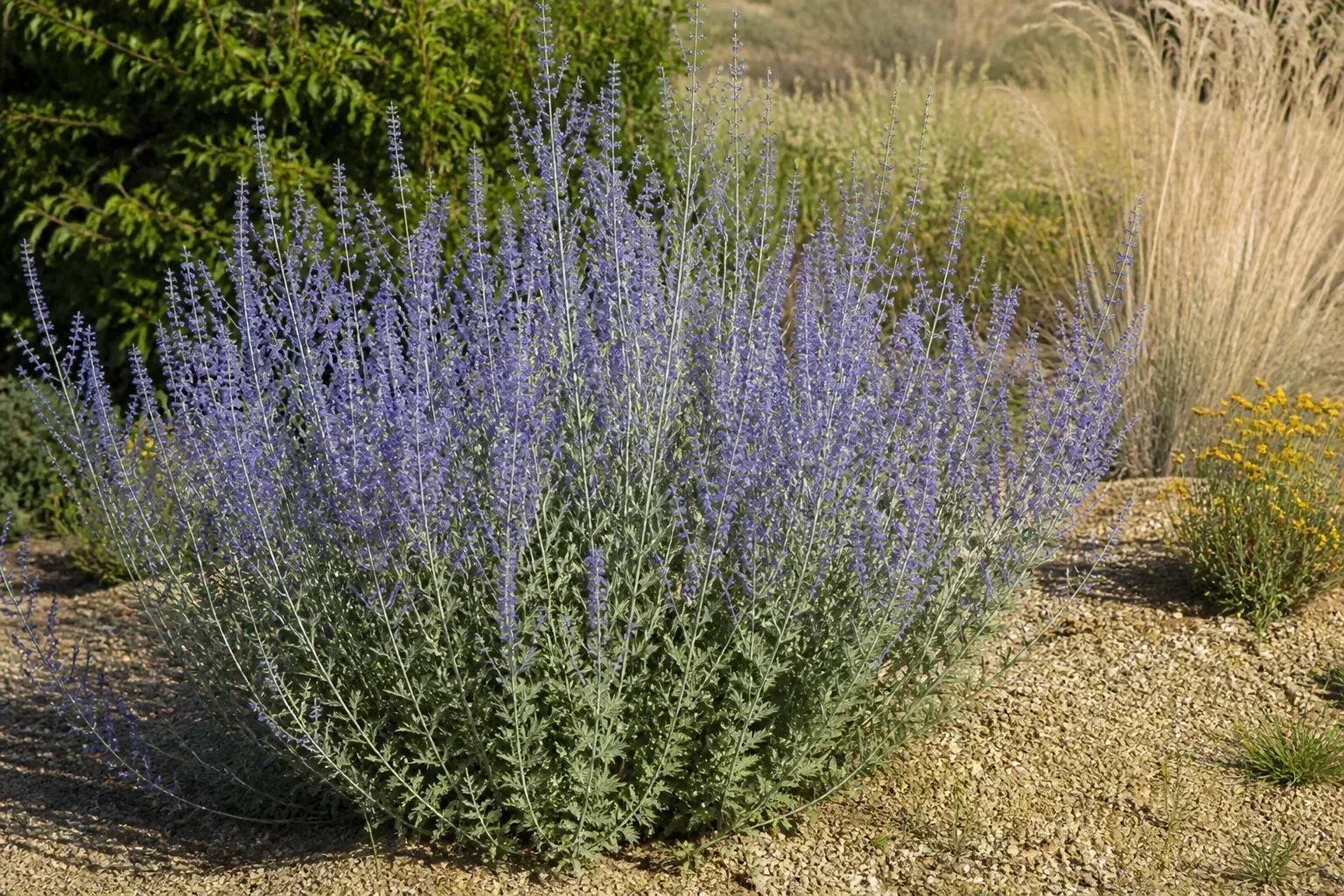
Choose plants according to the conditions you actually have: sun, shade, drainage, soil depth, wind, and the water you can realistically provide. Locally adapted native plants can be a strong option where they fit the site, but “native” or “drought tolerant” does not mean a newly planted specimen never needs establishment watering. RHS drought-prone garden guidance notes that even drought-adapted plants need regular care while their roots establish and can still suffer during extended dry periods.
Improve water capture, soil cover, and plant placement
Group plants with similar water needs so you are not overwatering one area to rescue a thirsty neighbor. Put high-water crops where they can be irrigated efficiently, keep thirsty ornamentals closer to a dependable water source, and leave the driest, sunniest beds for plants that can tolerate those conditions. If you add drip lines or timers, check for clogs and leaks at the start of each dry season and adjust the schedule after meaningful rain.
Take care not to overcorrect after a hard season by stripping out every plant that wilted. Replace only the plants that repeatedly fail in a poor-fit location or cannot be supplied with the water they need, and preserve healthy established roots wherever possible. A mixed planting with different root depths and seasonal demands can spread risk better than a bed where every plant depends on one shallow layer of soil.
Conclusion
A drought can make leaves wilt, scorch, yellow, or drop; slow flowers and fruit; thin tree canopies; and turn lawns brown. Those signs range from temporary water stress to irreversible tissue loss, so the smartest response is to check root-zone moisture, consider plant age and site conditions, and watch how symptoms change rather than diagnosing from color alone.
Water the plants least able to reach moisture first, deliver water slowly to roots, and recheck how far it penetrated. Mulch and careful weed control can reduce competition, while fertilizer, heavy pruning, and indiscriminate watering can make recovery harder. When rain returns, give plants time to show new growth before you replace them; then use the season’s weak spots to design a garden that can live with less water next time.