What Is a Composting Toilet, and Do You Need One?
Learn what a composting toilet does, how systems differ, what emptying involves, and whether the work and local rules fit your home or cabin.
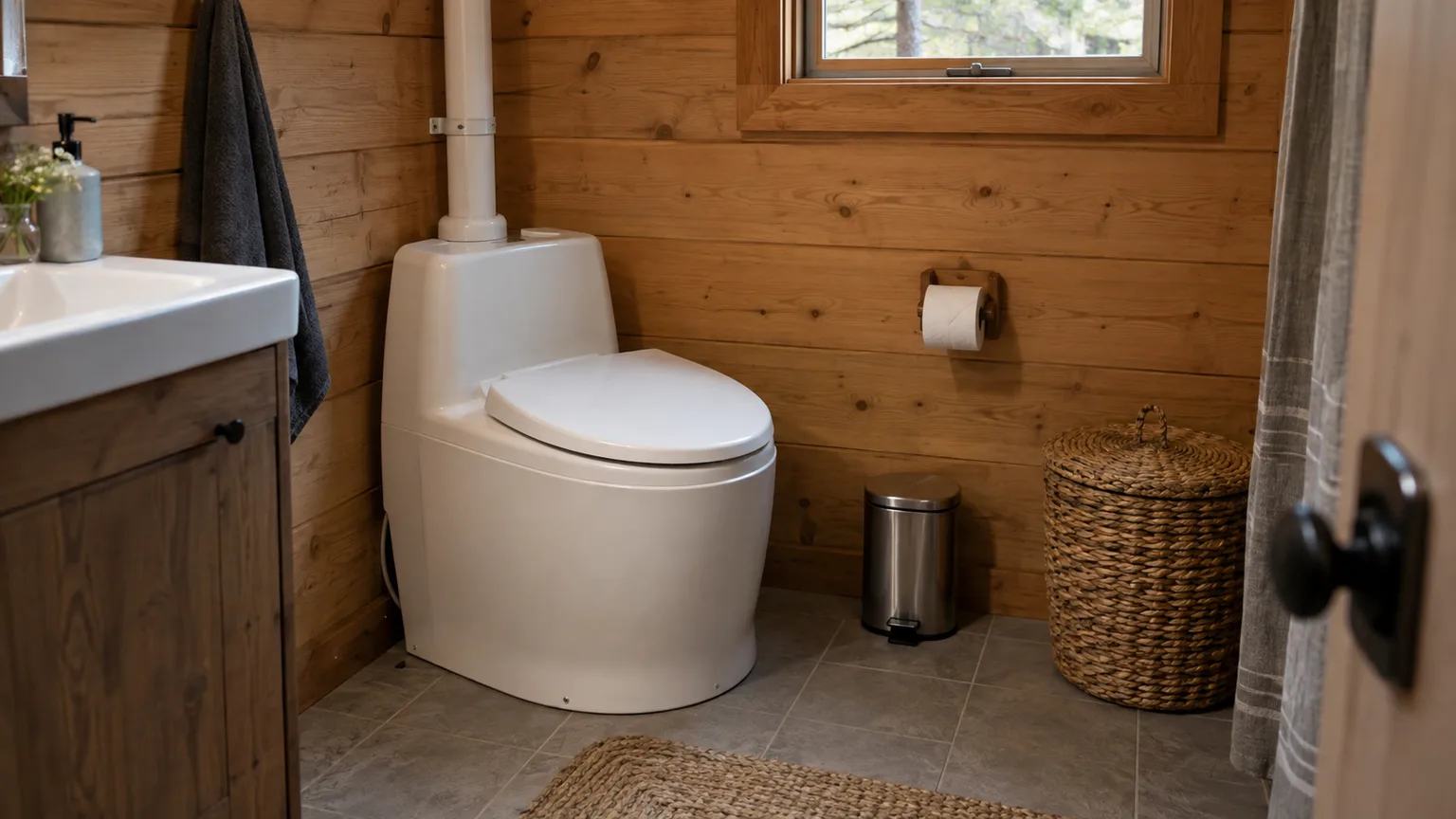
A composting toilet manages human waste on site instead of sending it through a conventional flush-and-sewer route. Depending on its design, it may begin biological decomposition in the toilet, collect waste for later treatment, or support a larger composting process in a separate chamber. Those are not interchangeable outcomes: a dry-looking container is not automatically finished compost.
These toilets can make sense where water is scarce, a sewer connection is unavailable, or a cabin needs a different sanitation plan. They also bring work that a flush toilet hides: someone must monitor the system, service it, and follow local rules for every output stream. Whether you need one depends less on the sustainability label than on your site, household, and willingness to manage that routine.
What a composting toilet actually does
A composting toilet is an on-site sanitation system that uses little or no flush water and generally does not connect to a municipal sewer or septic system. In a properly designed unit, an enclosed chamber supports aerobic decomposition, the process by which microorganisms break down organic material in the presence of oxygen. Some systems add a fan, heater, mixer, or other equipment; others depend more on passive ventilation and user-managed cover material. NSF’s overview of composting toilets describes the category as a wastewater-treatment system and stresses checking whether the selected product does what its claims promise.
The word “composting” can overstate what a small toilet unit accomplishes. A self-contained model may collect solids and start drying or decomposing them, while the material still needs a separate treatment, curing, or approved disposal step. A larger, purpose-built system may manage more of the process on site, but its performance still depends on its design, use, climate, capacity, and maintenance. Read the manual and certification details for the exact model; do not assume every product turns waste into safe soil amendment inside the pedestal.
How waste moves through the system
After use, waste drops or moves into a chamber. The system may keep urine and solids together or separate them at the bowl. Some models call for a dry carbon-rich cover after solid waste; the material can help cover deposits and manage moisture, but the right material and amount are model-specific. Toilet paper may go in the chamber only if the manufacturer allows it.
Airflow and moisture influence aerobic decomposition. Cornell’s composting guidance explains that water-saturated pores limit oxygen movement; overly wet compost can turn anaerobic and develop foul odors. That compost-science principle helps explain why a toilet’s vent, drainage design, and liquid separation matter, but it does not mean household users should adjust a unit by guesswork. Cornell’s guidance on compost moisture and oxygen transport cover the underlying process.
Eventually, the chamber or collection bin reaches its service limit. The waste then has to be removed according to the product instructions and sent through whatever treatment or disposal route local rules allow. That final step is part of the sanitation system, not an optional gardening bonus.
The main composting toilet types
Different models share a broad purpose but differ in where treatment happens, how much waste they hold, and what the household must do. Compare the actual system architecture rather than relying on the category name alone.
Self-contained units
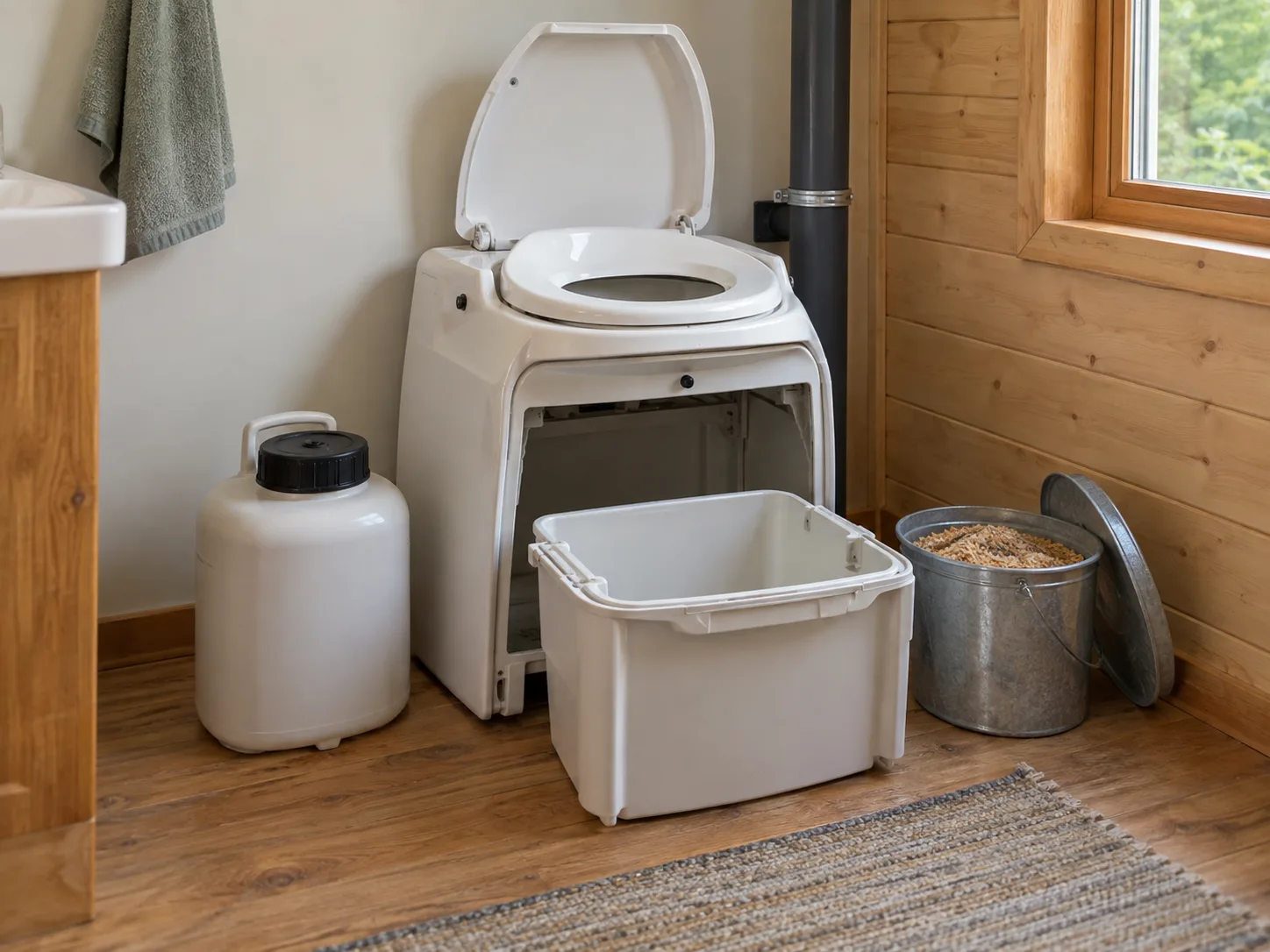
A self-contained composting toilet combines the seat and a collection or treatment chamber in one appliance. It can suit a small cabin, accessory building, tiny home, or some boats and recreational vehicles where there is limited room for plumbing. Before buying, check the rated capacity, how the chamber is accessed, and the path for carrying a full container out of the building. A compact footprint does not guarantee a compact maintenance job.
Small units may have less capacity than a full-time household needs, and the owner may need to empty them frequently during busy periods. Some require electricity for a fan or heater; others have no powered components. Even two models that look similar can have different venting, liquid handling, and cleaning instructions.
Central or split systems
A central system separates the toilet fixture from a larger composting chamber located below, beside, or outside the bathroom. The greater chamber capacity can suit higher use, but installation becomes more involved: the route between seat and chamber, access for service, ventilation, structural layout, and liquid management all need to work together. These are usually planned as part of a building’s sanitation system rather than dropped into a finished bathroom as a simple appliance swap.
Some systems connect more than one fixture to a shared chamber. That can help a suitable property, but it also means the chamber must be sized for actual occupancy and designed for the site. A large tank is not proof that waste is receiving complete treatment.
Batch and continuous systems
In a batch system, a container or chamber rests while another receives new waste. Keeping batches separate can make it easier to follow a defined treatment or resting process, provided there is enough space and the system is operated as directed. A continuous system accepts new material while older material moves through the chamber or is removed in stages. The distinction affects access, maintenance, and how confidently the user can separate newer waste from material that has received additional treatment.
Those terms describe how a system handles material over time; they do not set a universal curing duration. Follow the manufacturer’s specifications and local health requirements instead of borrowing a timeline from a different toilet.
Urine-diverting and mixed-waste designs
A urine-diverting toilet separates liquid near the bowl and sends it to a container, drain, or other route. Keeping excess liquid out of the solids chamber can help control moisture, but it creates a second waste stream that still needs lawful, practical management. The urine container may need frequent emptying, and any drainage or dispersal plan should be approved for the location.
Other models send urine and solids into the same chamber. In those systems, the designed ventilation, absorbent or bulking material, drainage, and maintenance routine are especially important. Separation is not automatically better for every household: weigh its potential moisture-control benefit against the extra plumbing and liquid-handling task.
What composting toilets do well
The clearest advantage is avoiding flush water at the toilet. That can be useful in a remote building without reliable water service, in a setting where a sewer connection is impractical, or where a property owner is planning a broader onsite sanitation system. The toilet can also reduce the amount of flush water entering an existing wastewater setup, though it does not remove the need to manage its own solids and liquids responsibly.
Composting toilets offer options beyond a conventional plumbed fixture. A small seasonal cabin may be easier to equip with an appropriately sized self-contained unit than with a new septic system, if local authorities allow the choice. In a planned building, a central unit may be designed around a known occupancy and service routine. Earth911’s taxonomy of toilet designs is useful for understanding the range of self-contained, central, batch, continuous, and powered approaches.
There can also be a resource-recovery goal: some systems are designed to treat waste so that the finished material can be handled without direct discharge. That goal is not guaranteed by owning the toilet. It depends on the full treatment chain and local rules, as well as whether the chosen product can achieve the performance claimed for it.
The trade-offs to accept
The biggest change is that maintenance becomes visible. Users may need to add cover material, check the fill level, empty a urine container, keep a fan running, inspect a vent, or arrange removal of a solids container. A flush toilet usually sends waste into infrastructure maintained elsewhere; a composting toilet transfers more responsibility to the household.
Capacity is another practical limit. A model that works for a couple’s weekend cabin may be overwhelmed by a family gathering or a full-time household. Cold conditions can slow biological activity, while heat, excess moisture, poor ventilation, or a blocked drain can create operating problems. These conditions affect systems differently, so the manual’s user rating and climate limits matter more than generic advice.
The purchase price is only one part of the project. Vent pipe, roof work, a fan or heater, urine storage or drainage, an outdoor treatment area, and permits may affect the total. If the household is uncomfortable handling the waste or has no allowed destination for it, the toilet is not a practical fit even if the appliance itself seems simple.
Is a composting toilet right for your property?
It is worth investigating if you have a real infrastructure constraint: no sewer connection, limited water, a remote cabin, or a building where a permitted alternative system is easier to install. It may also suit someone willing to check levels, follow directions, and plan waste handling before the first use. A small guest cabin used occasionally and a year-round family home have very different capacity needs.
Think carefully if you want a toilet that requires no regular attention, if several people will use it without learning a different routine, or if the only possible emptying route is awkward or unacceptable to you. A conventional sewer or septic connection, approved holding tank, or another locally permitted sanitation system may be a better match. A composting toilet is not automatically cheaper, simpler, or more environmentally responsible in every setting.
The property matters as much as the toilet. A tight bathroom may not allow the container to be removed; a low roof or complicated vent path may undermine airflow; a freezing climate can affect exposed liquid lines; and a sensitive water source may restrict discharge. Draw a simple layout that shows the toilet, vent, urine route, access path, and final destination before comparing models.
Plan the installation before choosing a model
Start with the rules, not the shopping cart. Ask the local health, building, or environmental authority whether a composting toilet is allowed for the building and intended use, whether a permit or inspection is needed, and what conditions apply to urine, greywater, and solids. Requirements differ by place and project. For example, Vermont’s Agency of Natural Resources publishes a guidance document specifically for composting and incinerating toilets. An approval or certification associated with a product is not a substitute for checking local requirements.
Next, match capacity to use. Count regular users, consider visitors and seasonal peaks, and ask the manufacturer how the rated capacity is defined. Identify how the unit behaves when use is heavier than expected and what the manual says about emptying. A larger chamber may reduce service frequency, but only if it fits the space and the correct treatment process.
Plan ventilation as a system component. Find out whether the model requires a fan, the vent diameter and route, where the exhaust should terminate, and what access is needed for cleaning. A vent that ends inside an attic, crawlspace, or enclosed porch is not a safe substitute for the specified outdoor route. If the unit relies on electricity, determine how it will operate during an outage and whether the fan or heater must run continuously.
Then trace the liquid and solids routes. If urine is separated, decide where it will be collected or discharged and verify that this is allowed at your site. For the solids, confirm how the chamber comes out, where it goes, and whether a second treatment phase is required. Consider the whole path from bathroom to approved destination; carrying a heavy container through a kitchen or down a narrow ladder can turn an apparently easy task into a regular frustration.
Finally, inspect the product’s documentation. Look for its exact certification status, rated use, ventilation requirements, replacement parts, cover-material directions, and detailed emptying steps. NSF says products evaluated under NSF/ANSI 41 must meet requirements that include capacity, odor control, bacterial content of output, and accurate product claims. NSF explains its composting-toilet certification; ask the local authority whether that specific listing satisfies the rules for your installation.
What daily use and maintenance involve
Most systems need more than sitting down and closing the lid. Depending on the design, users may have to sit in a particular position so a urine diverter works, add the specified cover after solid waste, keep the lid closed, and avoid exceeding the chamber’s capacity. If guests or children will use it, simple instructions beside the toilet can prevent a user error from becoming a maintenance problem.
Build a short routine around the manual: check that the fan is on if the design requires one, confirm the vent opening is clear, keep the bulking material dry, inspect the liquid container, and monitor the chamber level. Keep supplies where users can reach them without storing them where moisture can spoil them. A named-author guide from The Tiny house Blog also emphasizes regular attention to moisture, ventilation, emptying, and the manufacturer’s routine.
Emptying intervals vary with capacity, user count, weather, and whether liquids are separated. Use the indicator or instructions for your model and check more often when occupancy rises. Do not wait until a container is difficult to handle or waste begins to obstruct a moving part. Prepare gloves and any other protective equipment required by the manual, use the designated access route, and wash up afterward.
Clean the toilet according to its instructions. A cleaner that is suitable for the exterior may be unsuitable for the treatment chamber, and disinfectants or solvents can interfere with some biological processes or damage components. Don’t assume a vinegar, bleach, or “natural” cleaner recipe is compatible: check the product manual and use only approved products in the relevant parts of the unit.
How to troubleshoot odor and moisture
A persistent odor is information about the system, not a cue to add fragrance. First identify whether the smell is near the bowl, the vent outlet, a urine container, or the solids chamber. That location can point toward a seal, airflow, liquid, or capacity issue.
Check the manufacturer’s troubleshooting steps, then inspect basic causes: a fan that has stopped, a blocked screen or vent, a loose lid or seal, a urine line that is backing up, or a chamber that is too full. If the model uses cover material, confirm that users are adding the correct type and amount. Avoid dumping in chemicals or adding large quantities of water unless the instructions call for it.
Wet, compacted material can restrict oxygen flow, and Cornell notes that excess moisture can shift a composting process toward anaerobic conditions and foul odor. If the manual permits a user adjustment, follow its directions for drainage or cover material; don’t stir, add dry matter, or alter the vent based on another toilet’s advice. A faulty fan, leak, blockage, damaged seal, or persistent odor may need repair or professional help.
Toilet paper, cleaners, and items to keep out
Toilet paper rules depend on the toilet. Some systems accept it in the solids chamber; others recommend a separate covered bin to reduce volume or prevent clogging. The manufacturer may also specify paper type. Follow that instruction rather than assuming “septic-safe,” “biodegradable,” or “RV” wording guarantees compatibility with every composting toilet.
Keep wipes, sanitary products, plastics, floss, medications, and household garbage out unless the model explicitly allows a particular item. Many products marketed as flushable do not break down like toilet paper and may jam or contaminate the material. Human waste is the intended feedstock; other additions can disrupt the system or create a handling hazard.
Treat cleaners similarly. Use a product approved for the seat and bowl, and keep it out of the chamber if the manual says so. Store cover material dry and separate from cleaners. If the unit has a urine-diverting path, use only the cleaning method specified for that line and container.
How to handle toilet output safely
Do not assume that material is safe because it looks dark, smells earthy, or has sat in a chamber for a while. NSF’s certification criteria include demonstrated bacterial-content levels for the output of systems it evaluates, but those criteria apply to the product’s tested performance; they do not turn every toilet, homemade system, or batch of collected waste into verified compost.
Treat removed material as sanitation waste unless the system’s validated treatment process and local rules establish a permitted end use. The World Health Organization’s sanitation safety planning approach looks at hazards across the whole chain, including containment, treatment, transport, and final use or disposal. That is why the answer to “Can I use it in my vegetable garden?” is not a universal yes. Follow local health guidance and the manufacturer’s instructions; if those do not clearly permit food-garden use, do not apply the material there.
Plan for hygienic handling. Keep children and pets away from stored or curing material, avoid contact with skin and clothing, use protective gear as directed, and wash hands and tools after servicing. Do not dump liquids near wells, streams, storm drains, or property lines. If the approved route is a waste facility, licensed hauler, or secondary treatment container, use that route rather than improvising a garden application.
The WHO sanitation safety planning manual is designed to help authorities and operators manage health hazards across sanitation systems. For a household, the practical lesson is to settle the end point before installation: where each waste stream goes, who is responsible, and what proof or process is required before anything is reused.
Compare the full cost, not just the unit
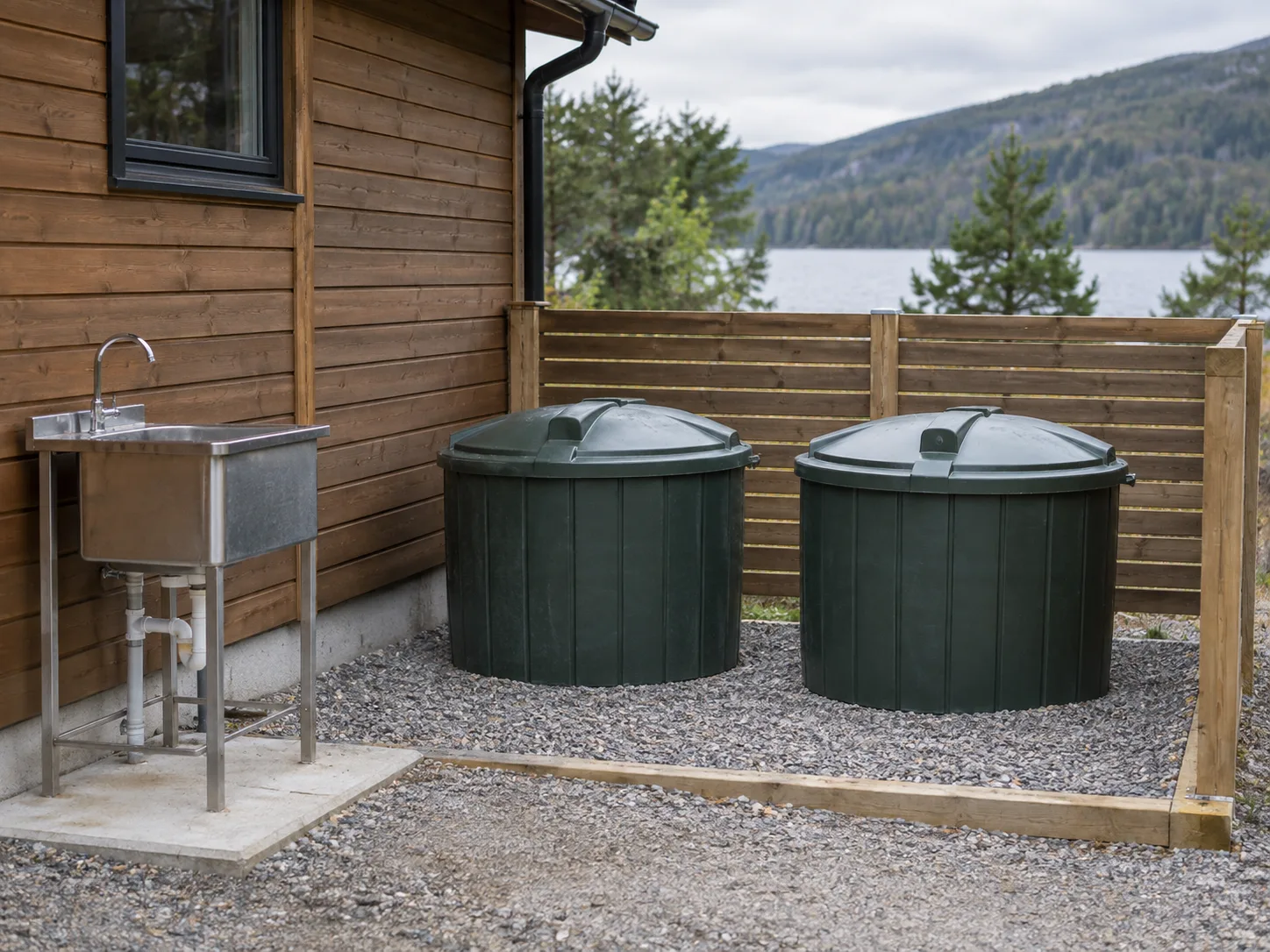
Ask for the installed cost, not only the toilet’s advertised price. A self-contained model may need a vent, roof flashing, urine container, or electrical supply. A central system can require a chamber, access space, a chute, more extensive construction, and a service area. A unit with a modest purchase price can still be expensive if the building needs major alterations.
Include ongoing costs in the comparison: cover material, replacement filters or fans, electricity for powered systems, liners if used, parts, authorized hauling, secondary treatment, and the time required to maintain it. Then compare those costs with the permitted conventional alternative for the same property. Any water or infrastructure savings are site-specific; don’t assume they will offset installation and service costs.
Questions to answer before you buy
Before placing an order, make sure you can answer these questions without guessing:
- Is this system permitted for this building and its intended occupancy?
- What exact capacity and usage pattern does the manufacturer rate it for?
- Where will the vent terminate, and what power does the unit require?
- If it separates urine, where will that liquid go and is the route allowed?
- How is the solids chamber accessed, moved, treated, and finally disposed of?
- Who will maintain and empty the toilet during busy periods or a power outage?
- Are the certification claims independently verifiable, and does local code accept them?
- What is the total installed and ongoing cost compared with another approved system?
If one of the waste streams has no approved destination, pause the purchase and solve that problem first. The toilet is only one part of a sanitation plan; a responsible installation includes the path out of the bathroom and the work required to keep that path functioning.
Conclusion
A composting toilet can be a sensible answer to a specific constraint, especially when a property lacks easy access to water, sewer, or conventional wastewater service. Its benefit is not that waste disappears; it is that the system handles waste on site through a planned collection, treatment, and disposal process.
Choose one only after you understand the model’s capacity, ventilation, daily routine, liquid route, emptying method, and local requirements. If those details fit your household and property, it may serve well. If you want maintenance-free operation or cannot legally and practically manage the output, another approved toilet system is likely a better choice.