Hydroponic Gardening for Indoor Plants: A Beginner’s Guide
Start hydroponic gardening indoors with an easy system, beginner-friendly plants, a clear setup sequence, and practical advice on light, nutrients, and root care.
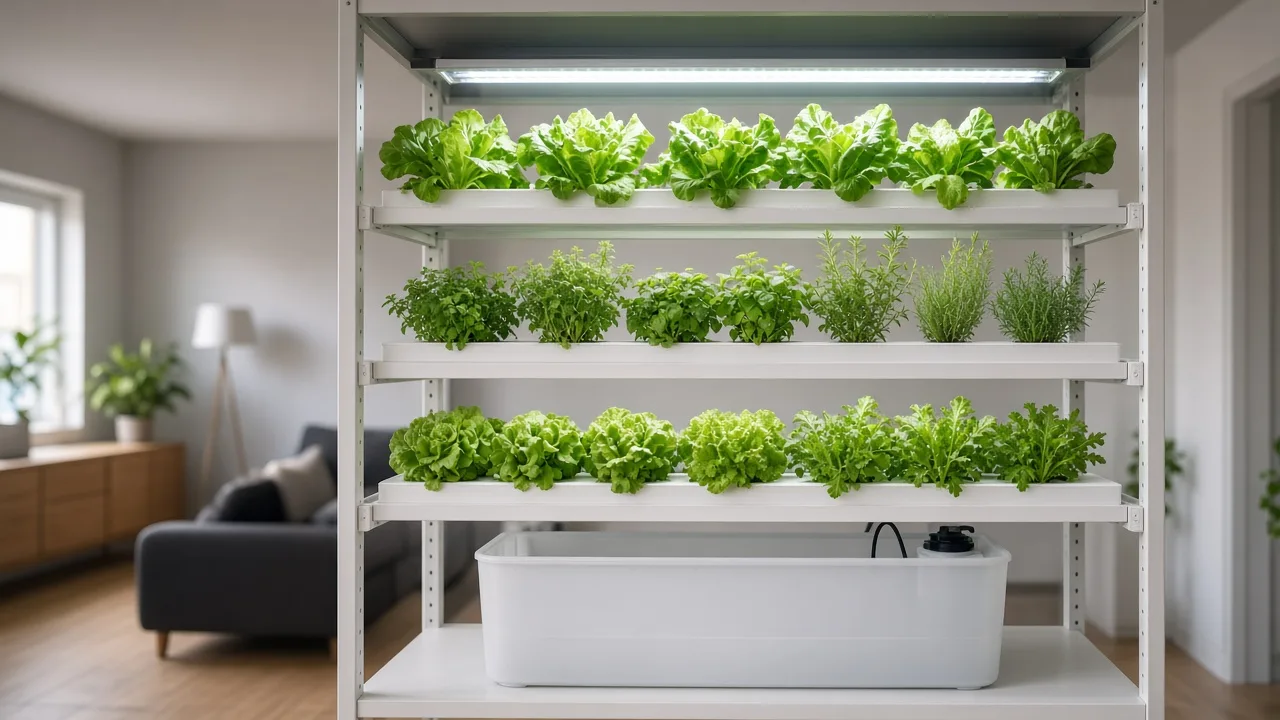
Hydroponic gardening grows plants without soil by supplying their roots with water and dissolved nutrients, either directly or through an inert support such as clay pebbles or perlite. It can bring herbs, salad greens, and some ornamental plants into a compact indoor space, but “without soil” does not mean “without care”: roots still need oxygen, leaves need enough light, and the nutrient solution needs attention.
The best first setup is usually a small one built around a crop you actually want. A few lettuces or herbs in a passive or simple deep-water system are easier to manage than a mixed tower of greens, tomatoes, and houseplants that all want different light, root space, and feeding.
What hydroponic gardening actually changes
In soil, roots take up water and mineral nutrients from the soil solution as air moves through the pores around them. In hydroponics, the grower supplies those minerals in water and gives roots oxygen through an air gap, an aerated reservoir, or an open, well-drained growing medium. The Royal Horticultural Society’s hydroponics guide describes the nutrient solution as dissolved mineral salts and stresses that roots need both moisture and good aeration.
The container may still hold a medium, but that material is there mainly to anchor the plant and maintain air and moisture around the roots. Expanded clay, perlite, coir, and rockwool are common choices; they do not replace a complete hydroponic nutrient formula. Because the plant is not drawing a full supply of minerals from compost, plain water alone will not sustain most crops for long.
This change gives you more control over the root environment, which can be useful where floor space, outdoor access, or clean growing conditions are limited. It also moves work from weeding and soil care to measuring, refilling, cleaning, managing light, and responding quickly when a pump or nutrient balance fails.
Hydroponics is not the same as growing a plant in water
A pothos cutting rooted in a glass of water is being propagated in water; a mature houseplant left indefinitely in plain water is not automatically in a stable hydroponic system. Hydroponics supplies a balanced nutrient solution and keeps enough oxygen around the roots, while a propagation jar usually contains water with little or no nutrient management and is meant to support root formation for a limited purpose.
There is also “semi-hydro” houseplant culture, in which a plant grows in an inert medium such as LECA with a small nutrient reservoir. That can suit some adaptable foliage plants, but it is a different transition from moving a soil-grown plant directly into deep water. Soil roots and water-adapted roots develop under different oxygen and moisture conditions, so wash away soil gently, remove damaged roots, keep the first reservoir conservative, and expect adjustment rather than instant growth.
If your goal is simply to root a cutting, keep a small pothos cutting in water, or reduce the mess from a single ornamental plant, a jar or semi-hydro pot may be simpler than a recirculating food-growing system. Choose full hydroponics when you want repeatable growth, edible harvests, multiple plants, or more control than a container of water can provide.
Is an indoor hydroponic garden right for you?
Hydroponics is useful when you have little outdoor space, want to grow fresh greens through a cold season, or need to keep soil away from a tidy kitchen or work area. A recirculating system can reuse solution instead of letting it drain away, and a closed reservoir can reduce water use compared with some field-growing approaches; the National Park Service notes that hydroponic systems can reuse water rather than lose it to runoff, though actual savings depend on system design, leakage, evaporation, and what you compare it with.
The trade-off is that indoor growing needs a suitable light source, while pumps, air stones, timers, meters, nutrients, and replacement parts add cost and maintenance. A shared reservoir also connects plants: an oxygen or disease problem in the solution can affect more than one pot. The National Park Service’s overview of hydroponics similarly notes that recirculating systems can spread microorganisms and that indoor lighting and pumps add energy use.
| Hydroponics is a good fit when… | A simpler option may fit better when… |
|---|---|
| You want frequent harvests of compact greens or herbs. | You only need to root a cutting or keep one plant temporarily in water. |
| You can provide steady light and check the system regularly. | The room is dim and you do not want to run a grow light. |
| You enjoy learning a controlled growing routine. | You want a low-attention pot that can dry slightly between waterings. |
| Soil is impractical because of space, access, or mess. | A regular pot and potting mix are cheaper and easier for the plant. |
If you are mainly weighing cost against convenience, compare the price of the complete setup and its electricity with the crops you expect to use; the related guide Are Hydroponic Gardens Cost-Effective? walks through that decision. Hydroponics can be rewarding without being the least expensive way to grow every plant.
Choose a system that fits your space and routine
Before buying a kit, decide what you want to grow and how often you can check it. A system for quick lettuce harvests can be compact; a tomato or cucumber needs a larger root zone, brighter light, support, a longer crop cycle, and sometimes help with pollination indoors.
The main distinction is whether solution moves passively or is circulated by a pump. Passive systems have fewer parts to fail, while active systems can feed more plants evenly but depend on power, tubing, and a working pump. Epic Gardening’s comparison of hydroponic systems outlines these different ways of delivering solution; the practical choice is the one that matches the crop and the amount of monitoring you are willing to do.
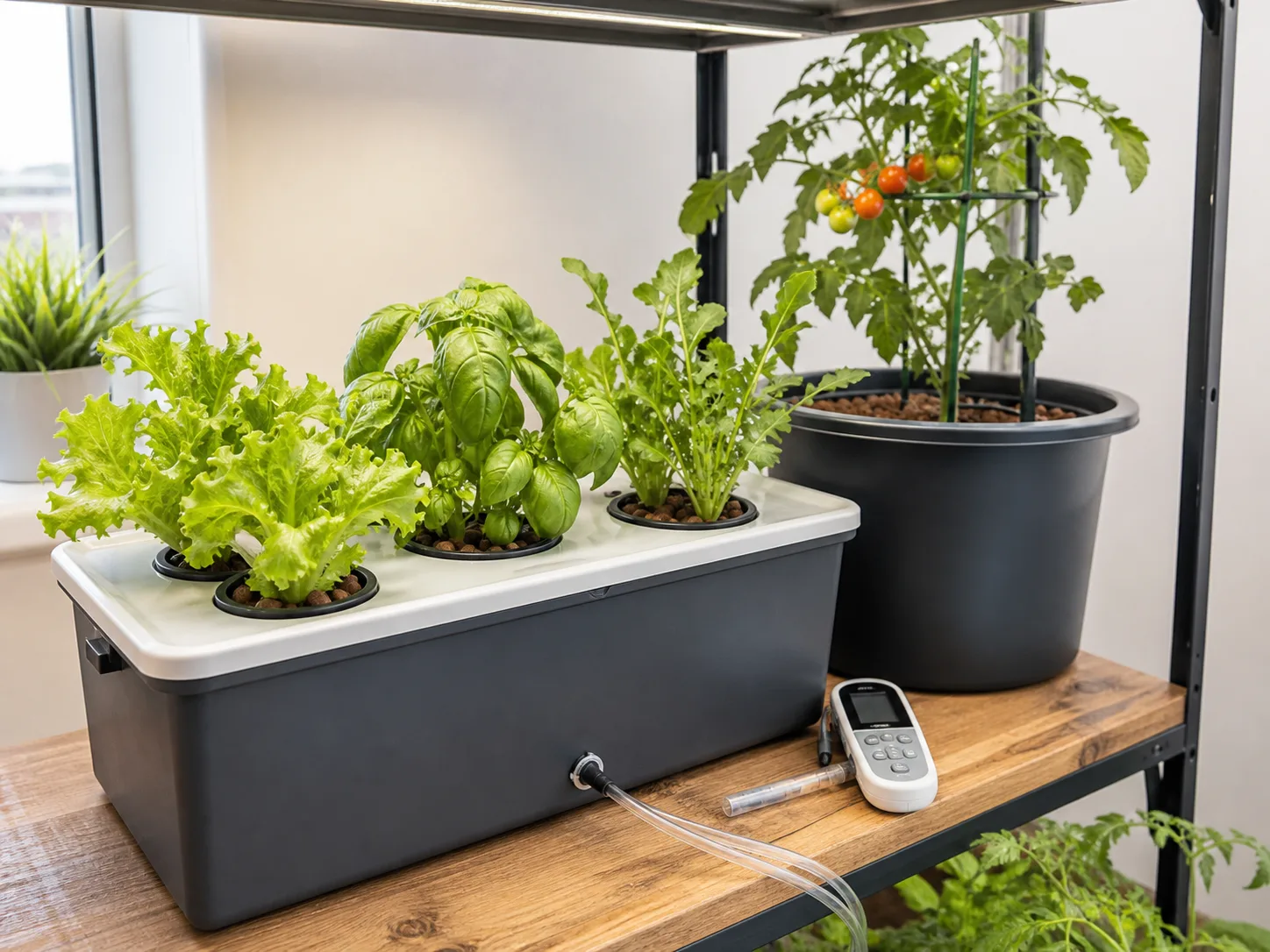
Wick and passive reservoir systems
A wick draws nutrient solution from a reservoir into a moist growing medium by capillary action. It is quiet, inexpensive, and has no water pump, which makes it a sensible starting point for a small herb or foliage plant that does not use water especially quickly.
The limits matter: a wick may not deliver solution fast enough for a large, fast-growing, or fruiting plant, and a saturated medium can still leave roots short of air. Keep the reservoir shaded from light, make sure the wick reaches both the solution and the medium, and leave the root zone some access to oxygen rather than burying every root in stagnant water.
Deep water culture and raft systems
In deep water culture (DWC), a net pot holds the plant above a reservoir while roots extend into nutrient solution. An air pump and air stone bubble the solution to replenish oxygen, so check that the pump runs and the bubbles reach the reservoir instead of assuming the water surface alone is enough.
A raft system is a related arrangement in which plants sit in a floating board and roots hang into aerated water. Both are often used for leafy greens, but they need an opaque reservoir, enough space for the roots, and a plan for what happens during a power cut or pump failure. A small countertop unit can work well for lettuce and herbs; it is not automatically roomy enough for a mature tomato.
NFT, drip, and ebb-and-flow systems
Nutrient film technique (NFT) sends a shallow, continuous stream of solution through channels past the roots and back to a reservoir. It uses little growing medium and suits compact greens, but a blocked channel, dry reservoir, or failed pump can leave roots exposed quickly; the RHS notes that pump interruptions in NFT can damage plants rapidly.
Drip systems feed solution to individual plants, while ebb-and-flow systems periodically flood a tray and then drain it back to the reservoir. These can support larger plants in an anchored medium, but pumps, timers, plumbing, and cleaning add steps. For a first indoor garden, avoid buying a sophisticated tower or automated controller unless its extra sites genuinely fit your light, crop, and routine.
What grows well—and what is harder indoors
Compact, quick-turnover plants are the most forgiving way to learn. Hydroponic systems commonly grow lettuce and other leafy vegetables, herbs, and some ornamental foliage plants; Oklahoma State University Extension’s hydroponics fact sheet describes both vegetable and ornamental uses and compares the main system types.
Plant choice is not just a question of whether a species can grow without soil. Match its adult size, light demand, root behavior, crop duration, and harvest pattern to the reservoir and fixture you have. The guide to plants that grow hydroponically gives a broader crop-by-crop comparison.
The easiest first crops: leafy greens and herbs
Loose-leaf lettuce is a friendly first crop because it stays compact and can be harvested a few outer leaves at a time. Arugula, mustard greens, and many culinary herbs also suit small indoor systems; basil is productive under adequate light, while cilantro can bolt and mint can spread aggressively if several plants share a small reservoir.
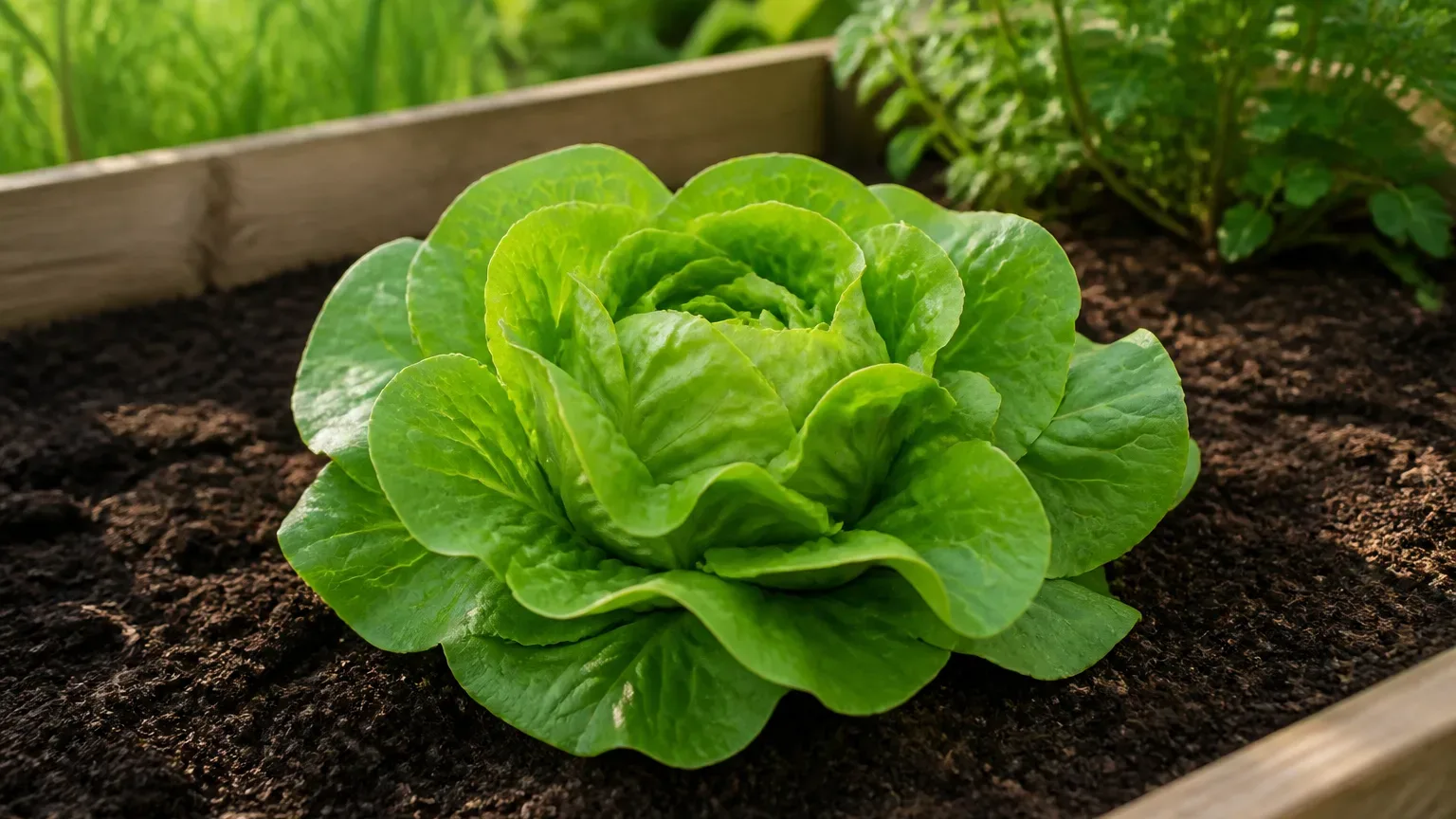
Choose one crop family at first so the plants have similar light and feeding needs. The Gardening Know How guide to indoor hydroponic lettuce describes starting lettuce in a small pod or medium, supporting it in a net pot, and harvesting outer leaves while the center continues growing. Start another small batch before the first one is finished if you want a steady supply instead of a single flush.
Fruiting crops and ornamental houseplants need a closer fit
Tomatoes, peppers, cucumbers, and strawberries can grow hydroponically, but their size and energy needs make them more demanding indoors. Provide a crop-appropriate nutrient plan, a strong light across the whole canopy, root volume, and support; flowering crops may also need air movement or hand pollination if insects are not present.
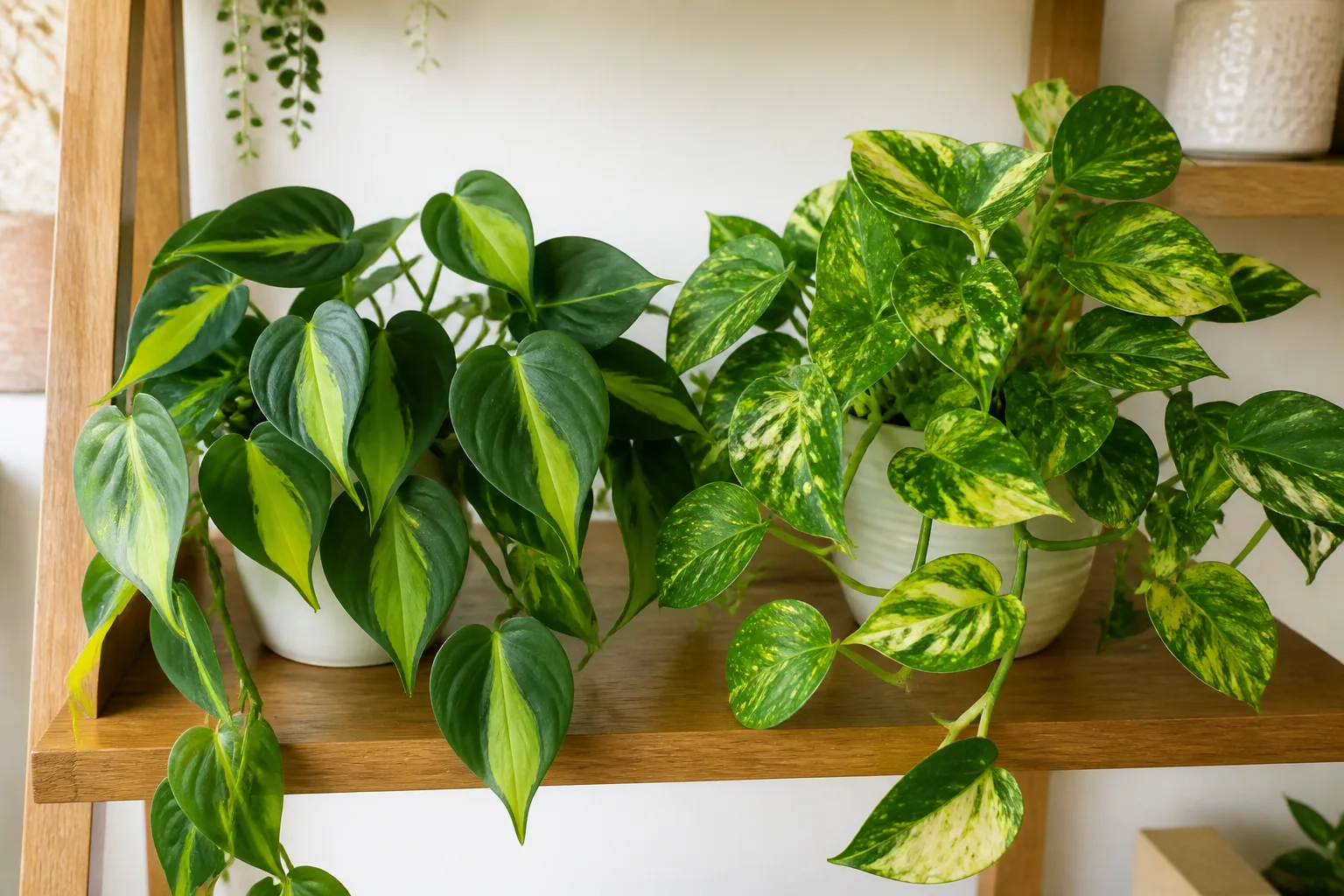
Ornamental plants such as pothos and philodendrons can adapt to inert media or nutrient solution, but do not assume every houseplant will thrive with permanently wet roots. Succulents, plants that need a dry rest between waterings, and plants with delicate roots may be happier in a draining potting mix. For a soil-grown plant, transition a small test plant first and watch for root decline before converting a favorite collection.
Set up a small indoor hydroponic garden step by step
Start with one small system in a place where you can reach the reservoir and adjust the light. Protect floors and furniture from drips, keep electrical connections dry and above any possible leak, and choose an opaque reservoir or cover so light does not reach the nutrient solution and encourage algae.
- Pick one crop, such as loose-leaf lettuce or basil, and check its mature size and light needs.
- Choose a passive wick or simple DWC kit if you are learning; reserve channels and towers for a crop and routine that justify the added equipment.
- Gather a clean reservoir, net pots, an inert medium, seeds or healthy seedlings, hydroponic nutrient, and a light source if the window cannot provide enough.
- Rinse reusable containers and media to remove dust. Do not use a household container that may leach chemicals or has held an unknown substance.
- Mix nutrient solution according to the product label and fill only to the level the system design calls for.
- Place seeds or seedlings in the medium with the crown and stem above the wet zone; roots can reach the solution without submerging the stem.
- Set a timer for consistent lighting if using an LED, then check water level, plant posture, and equipment daily during the first week.
The first week is a calibration period, not a reason to keep changing several things at once. Record the solution level and pH, note how quickly plants use water, and make one adjustment at a time so you can tell whether it helped.
Start from seed or move a plant with care
For edible crops, starting clean seeds in a hydroponic plug or suitable medium avoids bringing soil particles into pumps and channels. Keep the plug evenly moist during germination, then place it in the net pot after roots emerge; add nutrient at the seedling strength recommended by the nutrient maker rather than feeding a tiny seedling at full strength by guesswork.
If you transplant a nursery seedling, loosen and rinse soil from the roots gently, remove only roots that are clearly dead or damaged, and settle the remaining roots into the medium. A plant may pause while it adapts, so do not respond to temporary droop by adding extra fertilizer or submerging the crown. For an established foliage houseplant, test the transition on a cutting or expendable plant before converting the parent.
Give roots enough light, oxygen, and room
Hydroponics does not replace light: plants still need it for photosynthesis. A bright window may support some leafy greens, but winter days, shaded apartments, and fruiting crops often need a suitable LED grow light; Gardening Know How’s indoor hydroponics overview likewise distinguishes window light from the stronger, consistent light needed to flower and fruit.
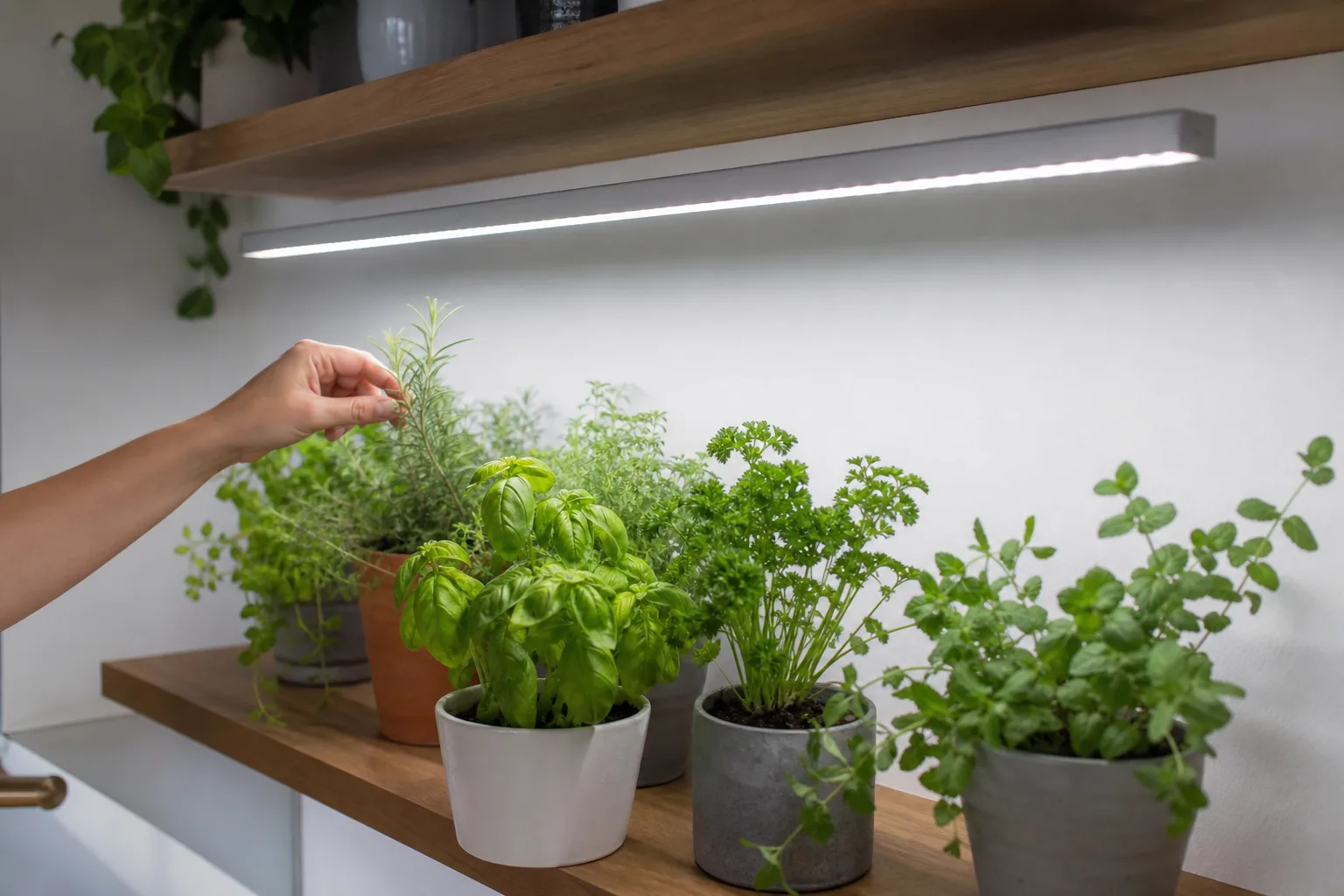
Place the fixture so light reaches the full canopy, then adjust distance using the manufacturer’s guidance and the plant’s response. Stretching stems and widely spaced leaves suggest insufficient light; bleached patches, crisp leaf edges, or a canopy warming noticeably under the fixture can indicate excessive intensity or heat. Use a timer for a stable day-and-night cycle, and give the plants a dark period rather than leaving lights on around the clock.
Roots need air as well as water. In DWC, confirm that the air pump and stone are running; in a medium-based setup, do not keep the substrate waterlogged; in a passive reservoir, preserve the air gap the design depends on. The RHS warns that roots can die in stagnant water, so clear, odor-free solution and firm pale roots are better signs than simply seeing a full container.
Mix nutrients and keep pH steady
Use fertilizer formulated for hydroponics because it supplies a complete mineral mix in a form intended for water culture. Follow its dilution directions, add nutrients to water in the order shown on the label, and do not combine concentrates unless the maker explicitly says to; concentrated products can react before dilution and leave minerals unavailable to plants.
Hydroponic pH affects how available nutrients are to roots. A pH around 5.8–6.2 is a common target in home-growing references, but guidance varies by crop and source: Oklahoma State Extension gives a broad 5.0–6.0 range, while the RHS gives 5.8–6.2. Follow the nutrient manufacturer’s crop guidance and aim for a steady workable range rather than chasing every small reading change.
Test pH with a meter or suitable test kit after mixing and when plants show unexplained problems. If you use pH adjuster, add a small measured amount, mix thoroughly, and retest; repeated large corrections can swing the solution past the target. Do not assume yellow leaves mean “add more fertilizer,” since a poor pH, weak light, root stress, or an exhausted solution can produce similar symptoms.
Electrical conductivity (EC) estimates the total dissolved mineral concentration; it does not identify which individual nutrient is missing. An EC meter can help track whether a solution is getting more concentrated as water is used or weaker after topping up, but crop stage and the nutrient label determine the useful range. The Oklahoma State Extension guide explains EC as an estimate of nutrient content and warns that unmeasured additions can upset a reservoir.
Keep the reservoir and equipment clean
Check a small indoor system briefly each day at first: confirm the pump or air stone is on, the reservoir has not fallen below its safe level, the light timer works, and leaves are not wilting or touching a hot fixture. Once you understand how quickly the plants use water, keep a regular refill and testing schedule; do not let the nutrient solution run dry and then compensate with a highly concentrated mix.
Refresh the solution according to the nutrient directions and the condition of the reservoir. The RHS suggests discarding and mixing fresh solution roughly every two weeks because water uptake changes the concentration and nutrient balance; a small jar or a crop-specific kit may call for a different schedule. Between changes, top up with plain water or prepared nutrient solution as the product instructions indicate, and record what you add.
At each crop change, remove old roots and plant debris, wash the container and reusable parts, and follow the equipment maker’s sanitation instructions before restarting. Keep sunlight out of the reservoir, clean spills promptly, and inspect tubing for deposits or blockages. In a shared recirculating system, isolate and remove a sick plant quickly because organisms in the solution can move to other plants.
Troubleshoot slow growth and unhealthy roots
Look at the whole system before treating a leaf symptom. Check root color and smell, reservoir level, pump or air-stone operation, pH, nutrient strength, light distance, and temperature; change one likely cause at a time so you can see which correction helps.
| What you see | First checks |
|---|---|
| Long, thin stems and pale new growth | Increase usable light or move the fixture closer within its recommended distance; check that faster-growing plants are not shading the rest. |
| Brown, soft, or foul-smelling roots | Check water temperature and oxygen, confirm the air pump runs, remove decaying roots, and clean the reservoir before returning healthy plants. |
| Green film on the reservoir or medium | Block light from the nutrient solution, clean the container, and cover unused openings. |
| Yellowing despite regular feeding | Measure pH and EC before adding fertilizer; also check roots, light, and whether the solution is due for replacement. |
| Sudden wilting in a pumped system | Inspect the power supply, timer, pump, tubing, and reservoir level immediately; roots may dry quickly if flow stops. |
Hydroponic roots are not always pure white: media, nutrient stains, and age can change their appearance. Texture and smell are more useful clues than color alone—healthy roots are generally firm, while slimy, collapsing roots or a sour odor justify prompt inspection of oxygen, temperature, and hygiene.
Avoid the mistakes that derail a first system
Do not grow too many unrelated plants together just because the kit has empty holes. A short lettuce crop, woody herb, and large tomato may differ in root volume, light intensity, lifespan, and nutrient use; separating crops makes it easier to keep each reservoir predictable. Cover empty net-pot openings so light cannot reach the water.
Avoid ordinary potting fertilizer unless its label specifically supports hydroponic use, and do not mix nutrient concentrates together before dilution. Do not make repeated pH corrections from a single questionable reading, and do not mistake a pump-powered system for a low-maintenance one. A cheap passive setup may be more reliable for a few small plants than a complicated system you cannot check.
Finally, account for the room and the backup plan. Keep water away from outlets, secure the light and reservoir so they cannot be knocked over, and know how your crop will fare if electricity or a pump is interrupted. If you cannot provide stable light or regular checks, soil in a pot may be the healthier and simpler choice for that plant.
Conclusion
Hydroponic gardening can help indoor plants thrive when the system supplies what soil normally buffers: water, balanced nutrients, oxygen, and suitable root space. Start with a compact crop such as lettuce or herbs, choose a passive or simple DWC system, and make light and weekly maintenance part of the plan before adding more plants.
Treat the reservoir as a living growing environment rather than a jar of water. Check roots and equipment, measure pH before changing nutrients, clean between crops, and choose soil or water propagation when those methods fit the plant and your routine better. A small system that stays balanced is more useful than a large one that asks more than you want to manage.