20 Zen Garden Ideas to Help You Unwind
Explore 20 Zen garden ideas for paths, gravel, plants, water, and small spaces, plus practical ways to adapt each one to your climate and upkeep.
A quiet garden does not need to be large, expensive, or built around a single style. A path that slows your pace, a carefully placed stone, a comfortable seat, or a small patch of foliage can make an outdoor space feel more inviting. The best design is one that fits the light, soil, climate, budget, and daily habits of the people who use it.
“Zen garden” is a familiar search phrase, but it can flatten a variety of Japanese garden traditions into one look. A dry landscape garden, or karesansui, uses stone and gravel as its main materials; it does not need a pond or a collection of decorative objects. Portland Japanese Garden describes its Sand and Stone Garden as a dry landscape and notes that calling every such space a “Zen garden” is imprecise. Its own garden draws on a specific history and design, rather than a universal code in which each stone has one fixed meaning. (Portland Japanese Garden)
You can borrow practical ideas such as a thoughtful path, layered greenery, or a clear view without claiming to reproduce a historic or religious garden. Use the following ideas as options to adapt to your own site.
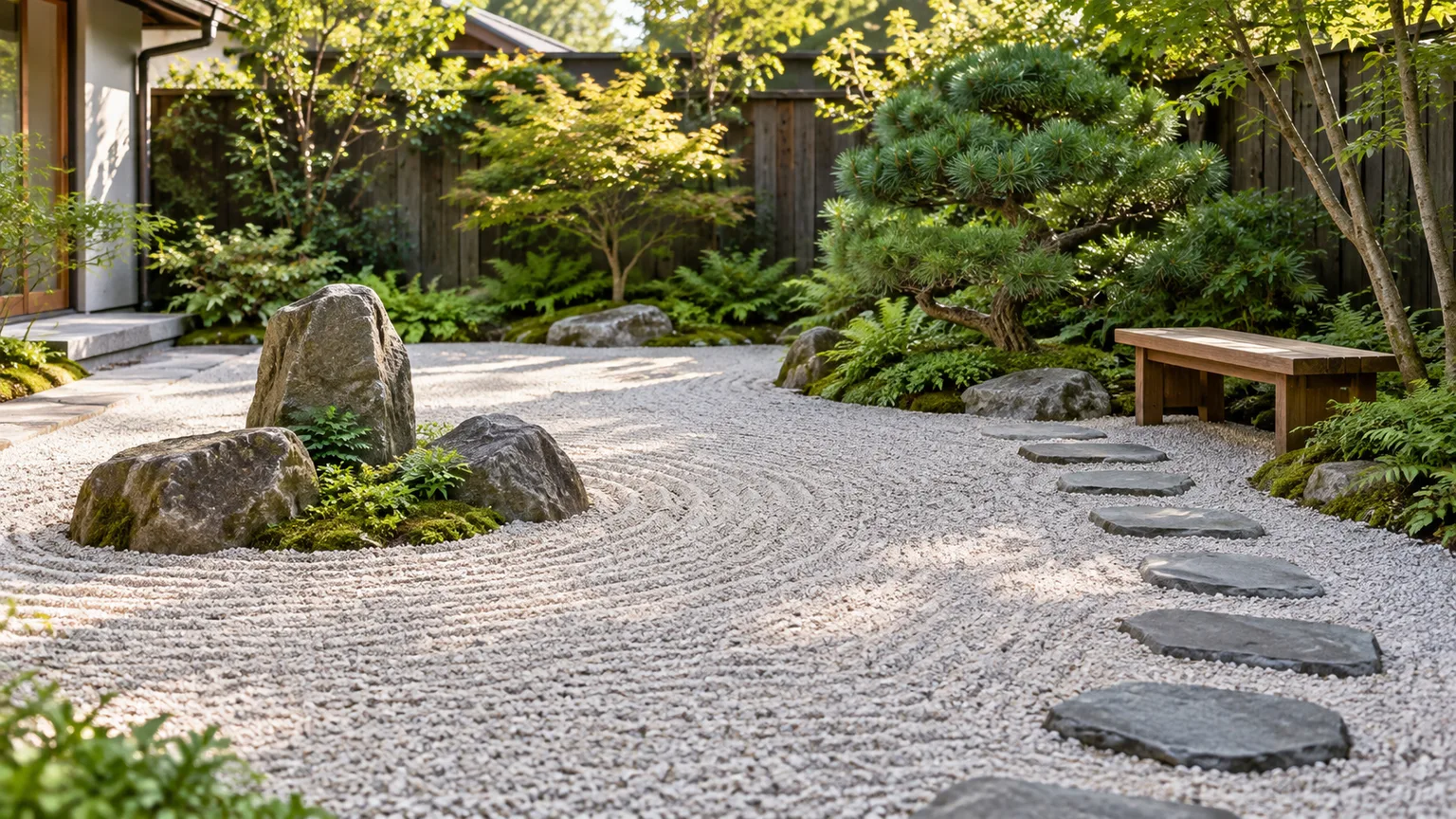
Understand the style and its limits
Japanese gardens include multiple styles and purposes. Some are designed to be viewed from a building; others invite visitors to move along a path or gather beside water. A dry landscape garden uses a spare composition of gravel, sand, and stone, while other gardens may emphasize ponds, plants, bridges, or a sequence of changing views. The label “Zen garden” is sometimes used broadly in contemporary landscaping, so be specific about the feature you want: a raked gravel courtyard, a shaded planting nook, or a small place to sit outdoors.
This distinction matters because cultural symbols do not translate neatly into universal decorating rules. A rock can be chosen for its shape, color, scale, or relation to nearby stones; that does not mean every rock in every garden has a single shared meaning. Portland Japanese Garden describes its own Sand and Stone Garden through a particular story and setting. Duke Gardens likewise emphasizes how design depends on context, including the route visitors take and the relationship between built forms and planting. (Duke Gardens)
For a home garden, start with the experience you want: a shaded pause after work, a route through a narrow side yard, or a view from a kitchen window. Then choose a few materials and plants that suit that purpose. Restraint can make the composition legible, but restraint does not require copying one tradition or removing every flower.
Twenty garden ideas for a quieter outdoor space
The ideas below work at different scales. Each one includes a practical point to help you decide whether it fits your property, rather than treating any element as essential.
Shape an inviting arrival and route
1. Mark a gentle threshold. A low gate, a change in paving, or a short screen can signal that a garden area is separate from the busy parts of the yard. The transition can be subtle: shift from a broad patio to a narrower walk, or place a container beside the entry. Keep the opening wide enough for the people who will use it, and avoid a threshold that traps water or creates a trip hazard. A welcoming entrance helps the garden feel intentional without requiring a formal gate or a large construction project.
2. Frame one view. Pick a single focal point visible from a doorway, window, or seat: a shaped shrub, an interesting boulder, a small basin, or a patch of foliage with contrasting texture. Let surrounding plants and structures frame that view rather than competing with it. If the view is attractive only from one angle, mark that location before planting. A carefully composed sightline can make a compact courtyard feel deeper, while a full view of every feature at once can make even a large yard feel crowded.
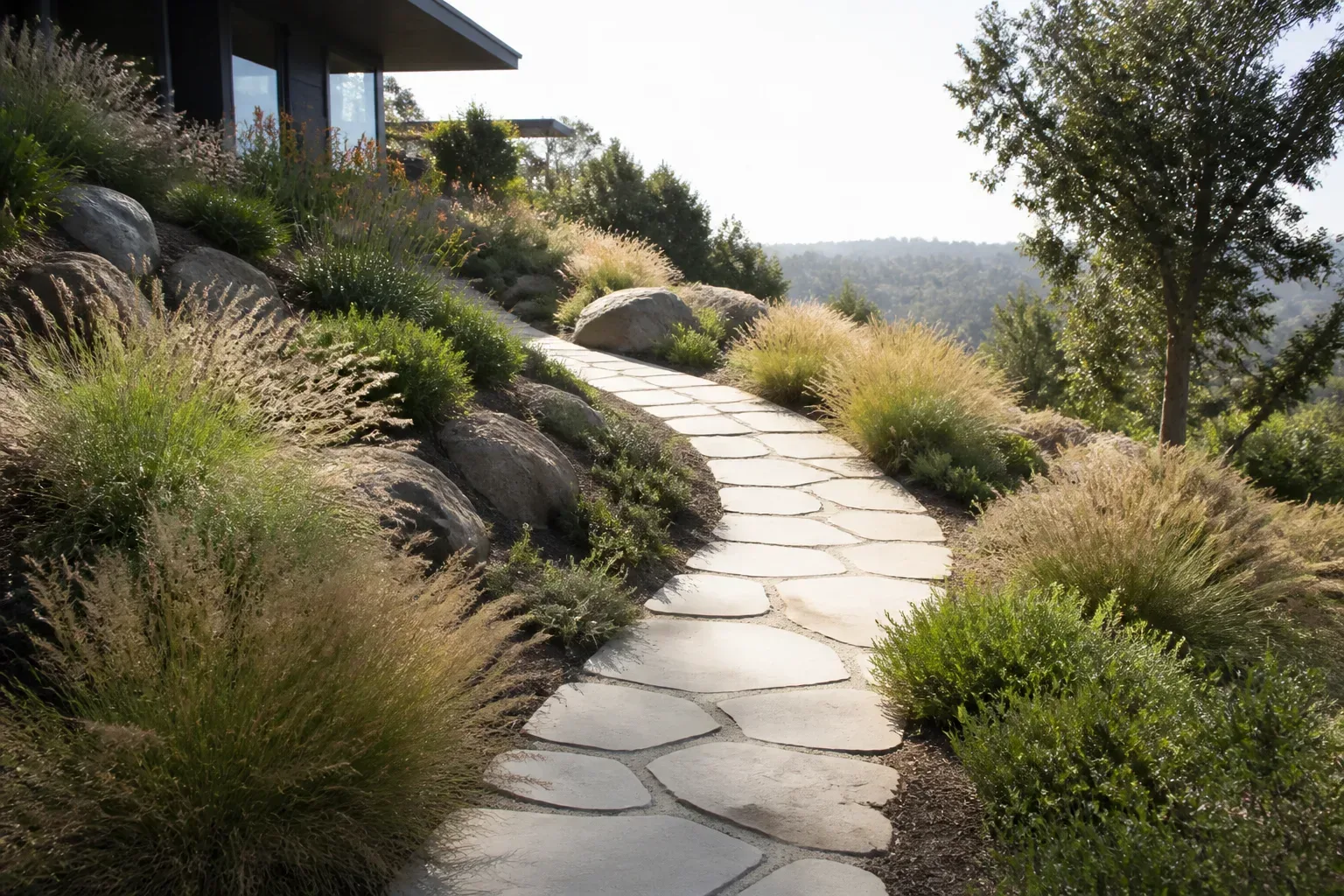
3. Let a path unfold gradually. A route that bends around a planting bed or screen can reveal one section at a time and invite a slower walk. Duke Gardens describes garden design as an experience of movement as well as appearance; the path helps shape that sequence. (Duke Gardens) For a residential garden, a gentle curve is enough. Avoid unnecessary twists that make navigation confusing, and maintain a clear route to doors, sheds, and utilities. Check where rainwater travels so the path does not become the low, muddy channel in the yard.
4. Use stable stepping stones. Broad pavers can guide feet across a planted area or connect a patio to a bench. Set each stone level on a compacted base so it does not rock, and space them to match a comfortable stride. A line of irregular stones may look informal, but uneven gaps and tilted surfaces can be difficult for children, older adults, or anyone using a cane. For a frequently used route, a continuous firm surface is safer and easier to maintain than decorative stepping stones.
Arrange gravel, stone, and open space
5. Define a gravel courtyard. A contained bed of gravel can create a clear surface beside a deck, entry, or planting border. Edge it with stone, metal, or another durable material to keep gravel out of lawns and drains. Use a locally available aggregate that suits the scale of the space; very large stones can overwhelm a small courtyard, while tiny gravel may scatter easily. Before installing it, plan runoff and weed control. Gravel is not automatically maintenance-free, and a deep layer should not be placed against siding or over a poorly draining area.
6. Make a small raking bed. If the activity of raking appeals to you, reserve a shallow, bounded patch for fine gravel or coarse sand. A simple board rake can make lines that you can refresh when leaves fall or wind disturbs the surface. This is a hands-on feature rather than a no-maintenance groundcover: pets, falling leaves, and heavy rain may erase patterns, and weeds can root in the bed. Keep the raking area away from busy circulation so it remains a place to pause rather than a surface constantly crossed by feet.
7. Group stones with intention. Instead of scattering many rocks around the yard, test a small grouping of stones with different heights and profiles. Look at it from the main viewing point and from the path; adjust until the shapes relate to one another and the scale feels right. Use stones found or sold locally when possible, and get help moving heavy pieces. Bury a portion of a large rock for stability, especially on a slope. Treat the composition as a design choice, not a universal symbolic formula.
8. Leave open space. A clear patch of ground, gravel, or low planting gives the eye room to rest and makes a small garden easier to use. Open space can be a view through to a fence, a simple ground plane beside a single tree, or enough room around a seat to move comfortably. It is not wasted space if it provides access, drainage, or a useful place to sit. Resist filling every gap with ornaments. A few distinct elements are easier to appreciate and care for than a crowded collection.
Choose plants and privacy for your site
9. Build an evergreen framework. One or two evergreen shrubs or small trees can keep a garden structured after seasonal flowers fade. Select species that suit your local winter temperatures, mature size, soil, and light rather than choosing solely for an “Asian” appearance. Arrange plants so their mature crowns will not block windows, crowd a path, or press against a building. BBC Gardeners’ World recommends combining evergreen structure with seasonal foliage and flowers in Japanese-style planting; the useful takeaway for any home landscape is to plan year-round form and local growing conditions together. (BBC Gardeners’ World Magazine)
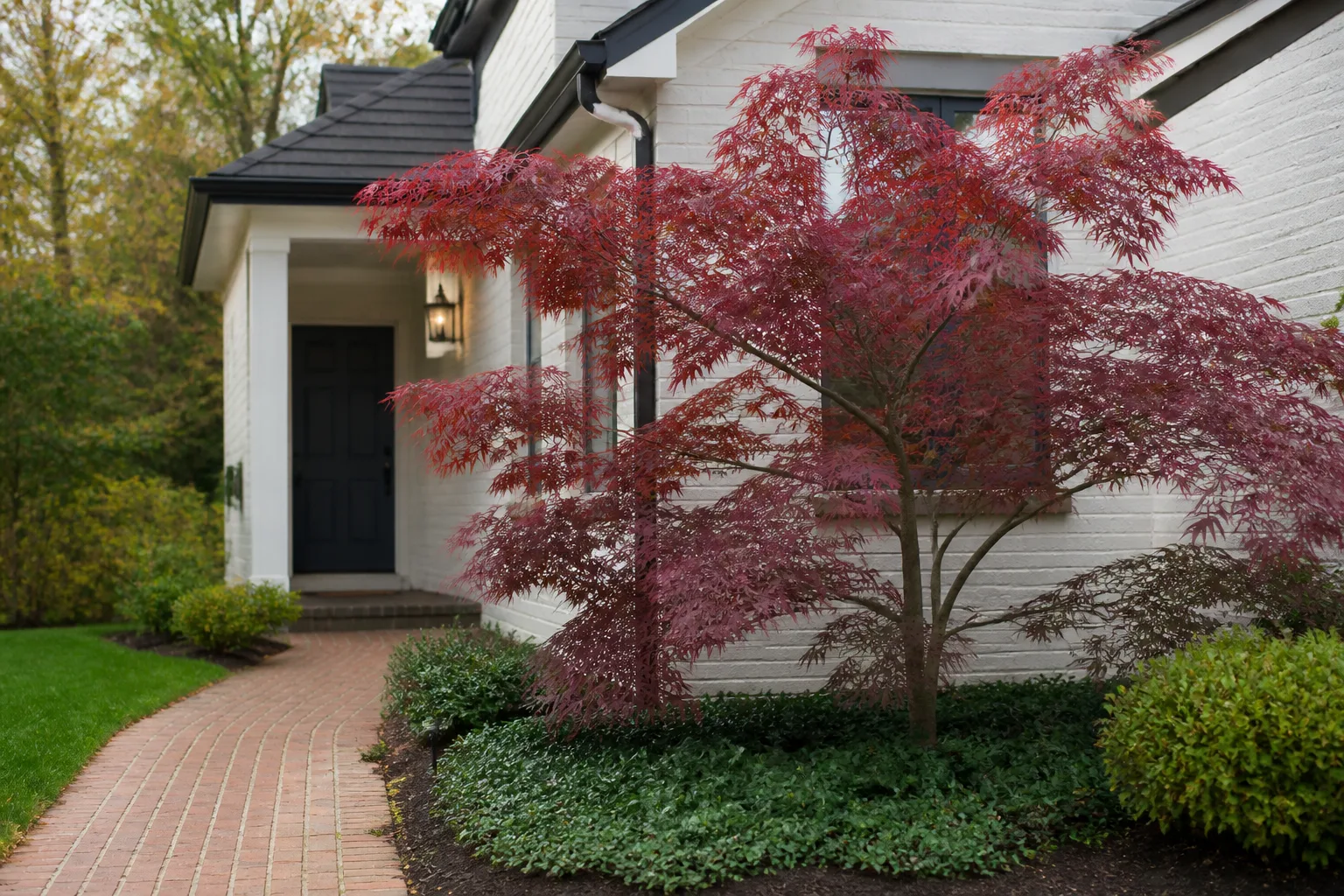
10. Add a Japanese maple only where it can thrive. Japanese maples offer fine branching and seasonal leaf color, and a compact cultivar can anchor a courtyard if its mature size fits. Check the plant label and a local nursery or extension resource for hardiness, sun exposure, wind tolerance, and mature dimensions. Many maples appreciate protection from harsh afternoon sun in hot climates, while dense shade can reduce growth and color. If the tree is not suited to your site, choose a locally adapted small tree with an interesting branching pattern or foliage instead.
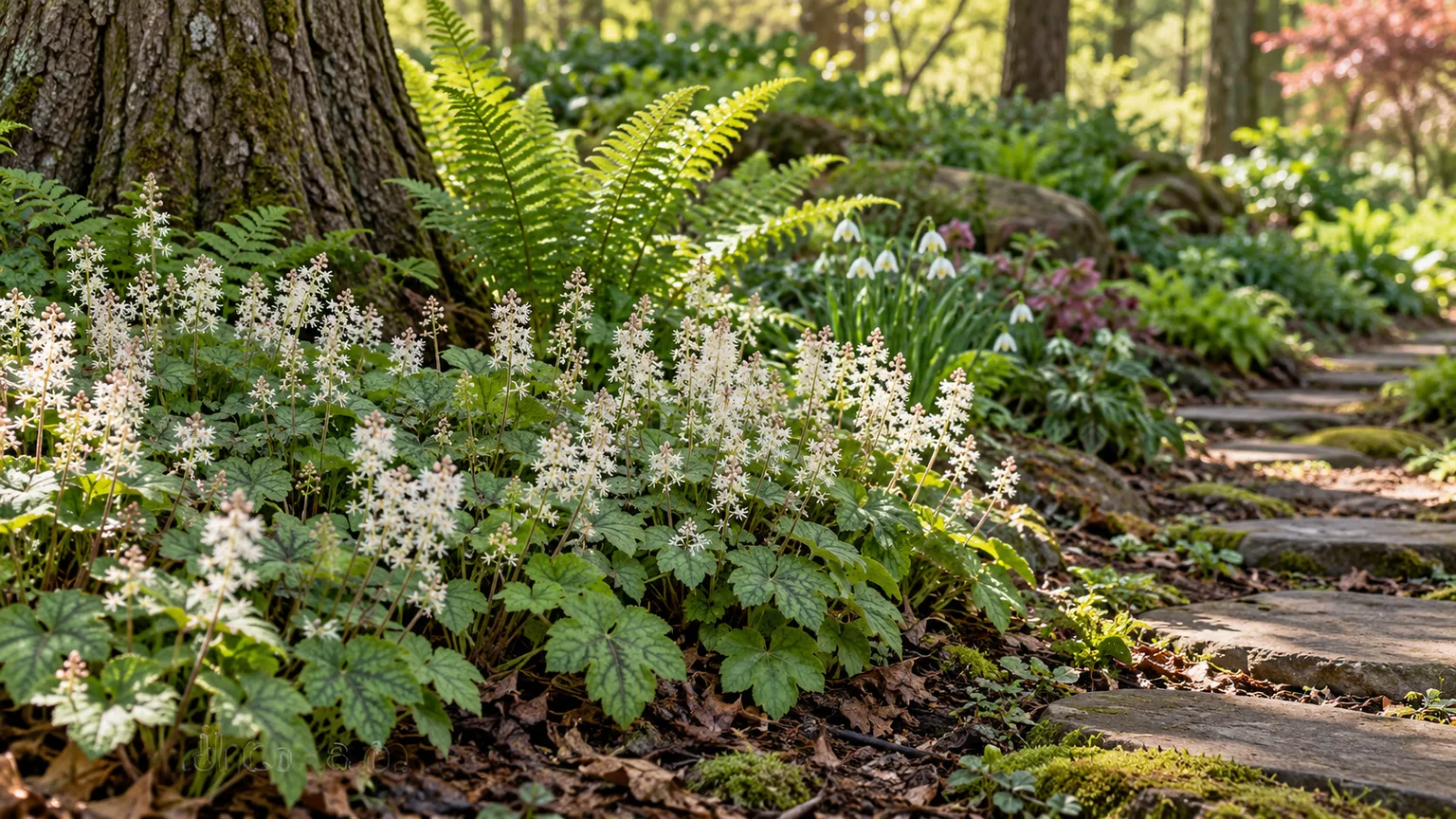
11. Use moss and ferns in the right conditions. Moss can soften stone in a cool, moist, shaded site, and ferns add texture where the soil stays evenly moist. Neither is a universal shortcut: many mosses struggle in hot sun, dry wind, or frequently disturbed areas, while some ferns need more water than a drought-prone garden can provide. Test a small patch first and identify the species before planting. In sunnier or drier spaces, use groundcovers adapted to local conditions instead of trying to force a shade-loving carpet to survive.
12. Add grasses for movement and seasonal texture. A clump of ornamental grass can soften a stone edge and move in a light breeze. Choose a species that stays proportionate to the space and is not invasive in your region. Plant it where it can reach its mature width without leaning into a path. In a tiny courtyard, one pot of compact grass may be enough; in a larger bed, repeat a few plants rather than mixing many unrelated varieties. Cut back only when appropriate for the species and local wildlife, not simply because the calendar says the garden should be tidy.
13. Screen a boundary with suitable plants. A planted screen can soften a fence or reduce views from a nearby window. Clumping bamboo may work in some climates and spaces, but running bamboo can spread beyond its intended area and be difficult to control. Check local invasive-plant guidance and the mature height and width before buying. If bamboo is unsuitable, consider a trellis with a regionally adapted vine, a narrow evergreen hedge, or a staggered row of containers. Screens should preserve airflow and not block sightlines needed for a driveway or street.
Add water, a seat, and gentle light
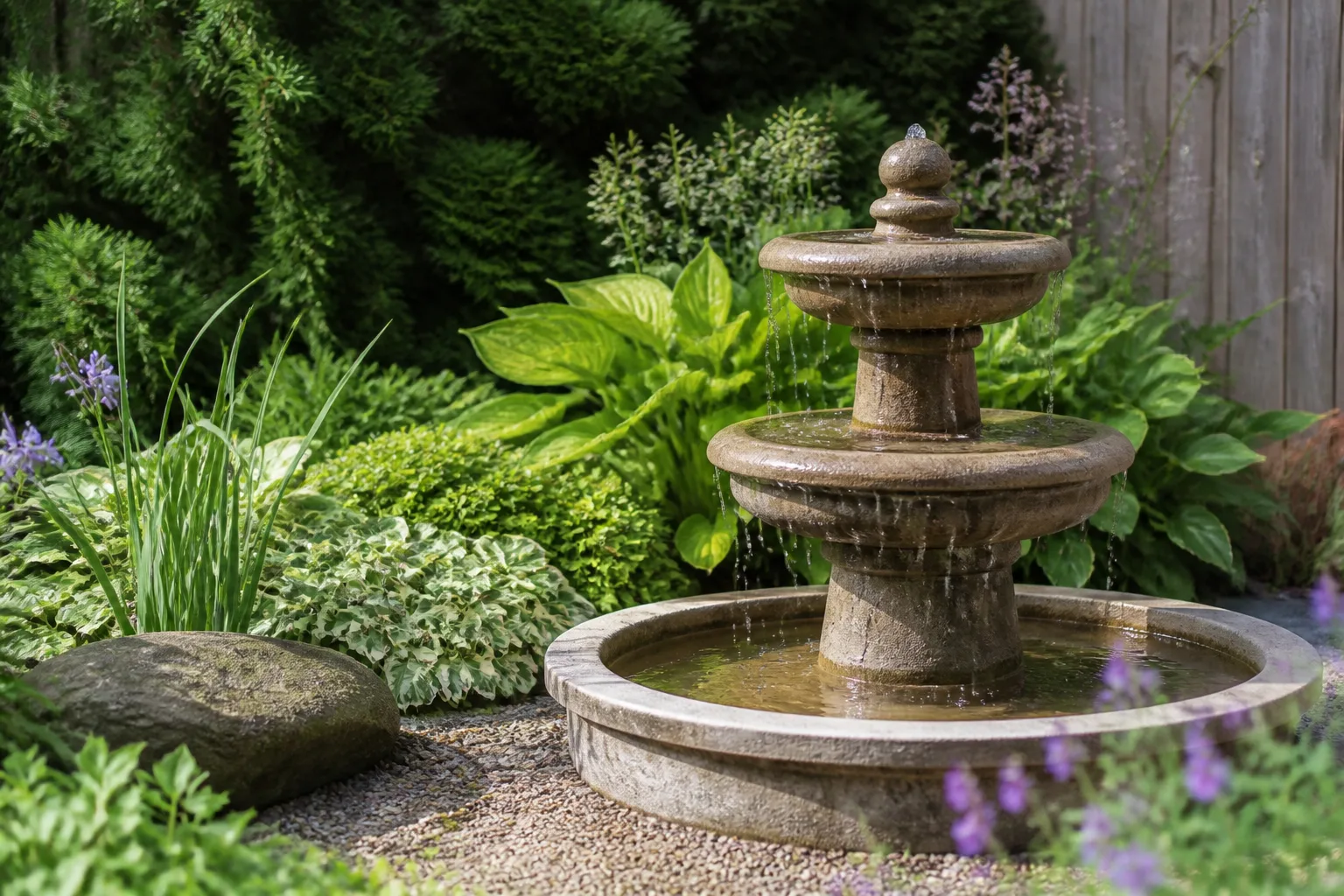
14. Try a simple water bowl. A shallow basin can reflect light and provide a small focal point without a large pond. Choose a stable vessel, refresh and clean the water regularly, and prevent it from becoming a mosquito-breeding site. In freezing climates, drain or protect the container before hard freezes. If wildlife, children, or pets use the yard, consider depth, access, and placement. A basin is optional; a smooth stone, leafy plant, or reflected patch of sky can create a similar point of focus without ongoing water care.
15. Use a small recirculating fountain if you enjoy its sound. A fountain can soften traffic noise, but it adds a pump, electrical needs, cleaning, and water loss through evaporation. Select an outdoor-rated unit and follow the manufacturer’s electrical and installation directions; keep cords and connections protected from water. Place the fountain where you can reach it to remove leaves and mineral buildup. Test the sound before making it permanent: a trickle that feels relaxing at one distance may be distracting beside a bedroom or conversation area.
16. Place a seat toward the best view. A bench, stable chair, or low seat turns a garden into a place to spend time rather than just look at. Face it toward the focal view, with enough space to approach and turn around. Choose weather-resistant materials and a seat height that suits its users; a comfortable back and arms can make longer pauses easier. If the site gets strong afternoon sun, place the seat in shade or add a canopy. A useful seat is more likely to be used than a beautiful one tucked behind overgrown plants.
17. Layer modest outdoor lighting. Low-voltage or solar lights can mark a step, illuminate a path edge, or draw attention to a tree after dusk. Aim light down and shield the source so it does not glare into windows or create bright patches that erase the garden’s quieter atmosphere. Check how solar lights perform in the actual shade and winter conditions before relying on them for safety. Keep fixtures away from mower paths and use outdoor-rated products. A few well-placed lights often do more than a line of identical lights on every edge.
Scale the retreat to a patio or budget
18. Make a container-sized garden. On a balcony or small paved patio, combine one container tree or shrub with a smaller pot of groundcover and a tray of gravel or stone. Leave enough floor space for safe movement and secure pots against wind. Use a container with drainage holes and a saucer or tray that can be emptied, rather than letting water stain the surface or drip onto a neighbor’s balcony. A compact planting can suggest the same calm focus as a larger garden without pretending that it is a full dry landscape.
19. Reuse local materials carefully. Salvaged pavers, a reused bench, or stones already on the property can reduce costs and give the garden a sense of continuity. Check reclaimed wood for rot, splinters, and treatments that may be unsuitable for garden contact. Avoid collecting stones, plants, or moss from parks and natural areas; use legally sourced materials. Reuse works best when the pieces share a limited palette and have a clear job. A mismatched pile of objects can add visual noise even if every item was free.
20. Begin with one quiet corner. Choose a spot visible from a room you use often, clear out distractions, and add just one focal object, a comfortable place to sit, and a plant suited to the site. Live with that arrangement before expanding it. Notice where you naturally pause, whether the spot is too hot or exposed, and what maintenance feels pleasant rather than burdensome. Starting small lets you learn from the actual space before paying for a patio, pond, or mature specimen tree.
Match ideas to climate, space, and upkeep
A design image cannot tell you whether the plants will survive your winter, whether a gravel bed will drain, or whether a path will be comfortable to walk. Before buying, note the hours of direct sun, how the site behaves after rain, the type of soil, wind exposure, winter lows, and the space available at mature plant size. Gardeners’ World lists plants such as Japanese maples, ferns, azaleas, and Hakonechloa for Japanese-style gardens, but these are starting points to check against your own conditions, not a universal shopping list. (BBC Gardeners’ World Magazine)
Adapt planting to sun, shade, heat, and rain
In a shady, moist corner, ferns and moss may be practical if the chosen species tolerate your climate. In a dry, sunny courtyard, a moss carpet is unlikely to be low-maintenance; use locally adapted, water-wise groundcovers or keep more of the surface as gravel, with drainage and erosion control designed for the slope. In regions with heavy rain, avoid placing a gravel bed where runoff will carry aggregate into a storm drain. In hot climates, protect sensitive maples from reflected heat and afternoon sun, or choose a local small tree with a comparable form.
Plant choice also affects maintenance. Evergreen shrubs may hold a clean outline but still require pruning and sufficient space. Flowering plants can add seasonal interest without spoiling a restrained composition. If you prefer fewer chores, choose plants that naturally stay near the size you need, group species with similar water requirements, and avoid a lawn-like edging that demands frequent trimming. Ask a local extension service or reputable nursery to confirm soil, hardiness, and invasive status before planting.
Make the route comfortable and accessible
Decorative gravel can be difficult for wheelchairs, walkers, strollers, and even ordinary garden carts. If someone needs a stable route, use a firm, compacted, slip-resistant surface designed for the expected traffic, with enough width and gentle slope for safe movement. Keep roots from lifting the surface and avoid abrupt level changes. A stepping-stone path can remain as a visual accent beside a continuous accessible route, rather than serving as the only way to reach the bench.
Think about reach as well as walking. Put water controls, tools, and container plants where they can be reached without leaning over a pond or crossing loose gravel. Provide a place to sit at the point where someone might want a rest, and leave space to turn around. Accessibility can make the space more comfortable for everyone and can simplify maintenance, too.
Plan a small project before buying materials
Begin by watching the yard at different times of day. Where does morning sun reach? Which window gives the view you want? Where do people already walk, and where does rain collect? Take a few photos from the main viewpoint and note fixed elements such as doors, downspouts, fences, and utilities. A design can feel calm only if it works with the way the site is actually used.
Map a view and test a simple layout
Draw the area to scale, even if the sketch is rough. Mark existing plants and circulation first, then try one focal point, a route, and one area of open ground. Use a garden hose, chairs, or cardboard shapes to test the route and seat before excavating. Look from the house as well as from the path. Duke Gardens’ discussion of Japanese garden design highlights how the visitor’s movement and viewing position shape the experience; at home, a few minutes spent testing sightlines can prevent a costly misplaced feature. (Duke Gardens)
For a small garden, use fewer, appropriately scaled elements. A large boulder may become the whole composition; a row of many miniature lanterns and ornaments may feel cluttered. Choose one material to repeat and one plant form to echo it. If the first layout does not feel restful, remove an element before adding another. Simple cardboard markers can approximate mature shrub size, helping you avoid planting too close to a path or fence.
Estimate cost, drainage, and maintenance
Write down the cost of base preparation, edging, delivery, plants, and seating, not just the visible gravel or stone. Heavy materials may require delivery and help to place safely. Calculate how water will move before covering soil with hardscape, and confirm that a path or gravel bed will not direct runoff toward a foundation or neighboring property. If the project changes grading or involves buried utilities, check local requirements and use qualified help where needed.
Include an honest maintenance estimate. A pond needs more attention than a dry bowl; a raked bed needs regular refreshing; a hedge needs trimming; and containers need watering. A good design is not the one with the most features. It is the one whose upkeep still feels reasonable after the first season.
Maintain the garden without making it a chore
A quiet garden benefits from light, regular attention. Remove leaves before they mat over small gravel or smother young groundcovers, check that drains and path edges stay clear, and pull weeds while they are small. Reposition any stones that rock or shift. Prune only when a plant needs it, and follow species-specific timing so you do not remove flowers or damage the plant for the sake of a rigid shape.
Follow a seasonal rhythm for gravel, plants, and water
In spring, inspect winter movement in pavers, refresh mulch where needed, and look for plants that suffered from cold or waterlogged soil. In summer, check containers and new plantings more often during heat, and adjust irrigation to the actual soil rather than a calendar. In autumn, remove heavy leaf buildup from gravel and basins, but leave beneficial plant stems where they support wildlife and do not obstruct paths. Before winter, drain vulnerable fountains or bowls, store pumps as directed, and protect containers that can crack in freezing weather.
If you rake gravel, keep the pattern simple enough to refresh in a few minutes. For a fountain, clean the pump and basin on the schedule the manufacturer recommends. For a pond, account for the specialized water quality and animal-care needs before adding fish; a pond is a substantial commitment, not just a decorative accessory. Every feature should earn its place by being enjoyable and manageable.
Common design mistakes to avoid
The first mistake is treating “Zen” as a shopping list: gravel, a lantern, bamboo, and a Buddha statue do not automatically create a meaningful garden. Religious imagery should not be used as generic decoration; if you are considering an object with cultural or religious significance, learn its context and decide whether it belongs in your space. Japanese garden institutions describe particular gardens through specific histories and intentions, so avoid attaching the same meaning to every rock or bridge. (Portland Japanese Garden)
A second mistake is choosing plants for their association rather than their needs. A Japanese maple that is scorched by reflected heat or a fern that dries out every week will create more work, not more calm. A third is using loose gravel as an all-purpose path when people need a firm walking surface. A fourth is adding water without thinking about cleaning, electricity, freezing, or mosquitoes. Solve the site’s drainage and access issues first; then add features that are suited to the conditions.
Finally, avoid building too much at once. Installing a path, pond, screen, and several specimen plants in one weekend leaves little time to see how the space functions. Start with a small, reversible change, notice what you enjoy, and expand only when the first step works.
Conclusion
A restful garden grows from fit and intention more than from a prescribed look. Use a clear route, a small stone or gravel composition, plants suited to your climate, and a seat that invites you outside. Keep symbolism specific, plan for drainage and access, and be honest about maintenance. You can begin with a single quiet corner and let the garden develop as you learn how you want to use it.