Pale Leaves on Pictum Tricolor Aglaonema: Light & Root
Quick answer
Pale leaves on Aglaonema Pictum Tricolor often mean too little light for ribbon-like silver veining on a dark green base, nitrogen shortage on older foliage, or root stress from a chronically wet pot. First step: decide whether fading is on new growth only or across the whole plant, then check top half of soil moisture.
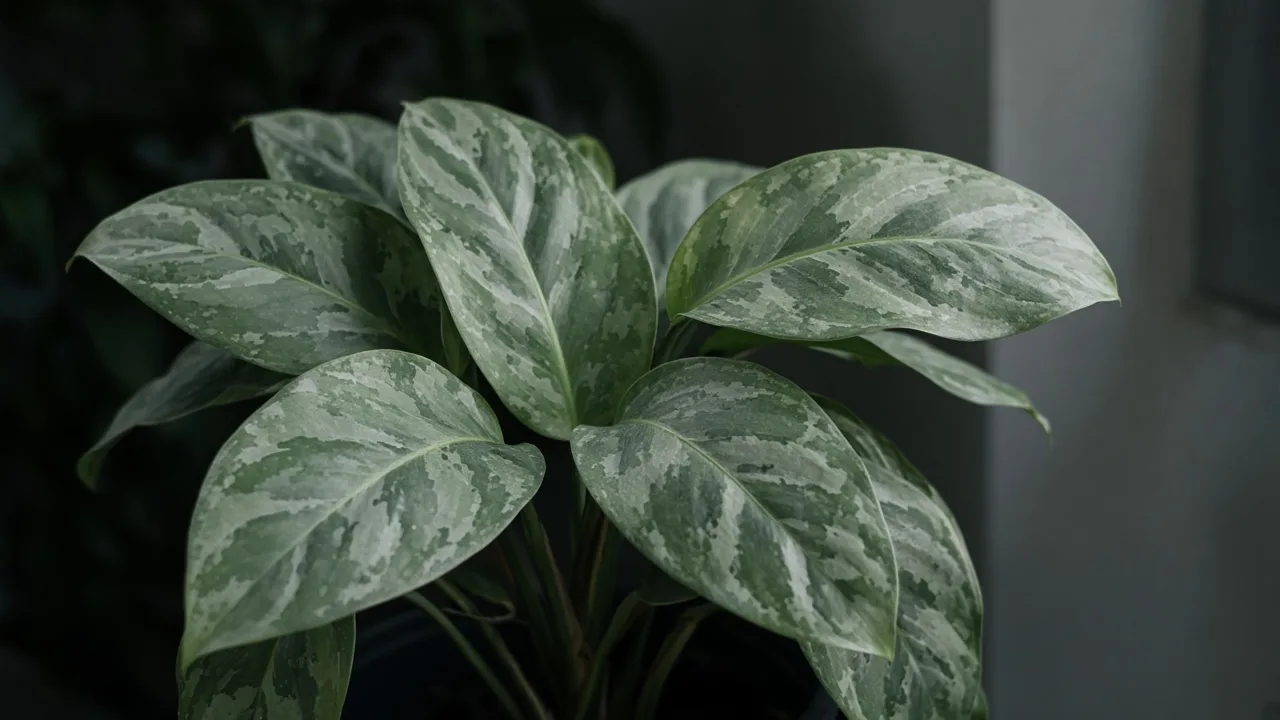
Pale Leaves on Aglaonema Pictum Tricolor: Causes, Checks & Fixes
This guide covers pale leaves on Aglaonema Pictum Tricolor. See also the general Pale Leaves guide, watering, and light pages for this plant.
Pale Leaves on Aglaonema Pictum Tricolor: Causes, Checks & Fixes
Quick answer
Pale or washed-out leaves on Aglaonema Pictum Tricolor usually mean too little light for ribbon-like silver veining on a dark green base, nitrogen loss on older foliage, or root stress from wet soil. See our pale leaves guide. On Pictum Tricolor, distinguish pattern fade from true chlorosis by comparing new vs old leaves.
First step: check whether fading is on new growth only or across the plant, then probe top half of soil moisture.
When to use this page vs other Pictum Tricolor guides
| Pattern | Read next |
|---|---|
| Dim room, new leaves washed | Not enough light |
| Lower leaves yellow-green | Nitrogen deficiency |
| Wet heavy pot | Overwatering |
| Brown tips only | Brown tips |
| Cupped, not pale | Curling leaves |
What pale leaves look like on Pictum Tricolor
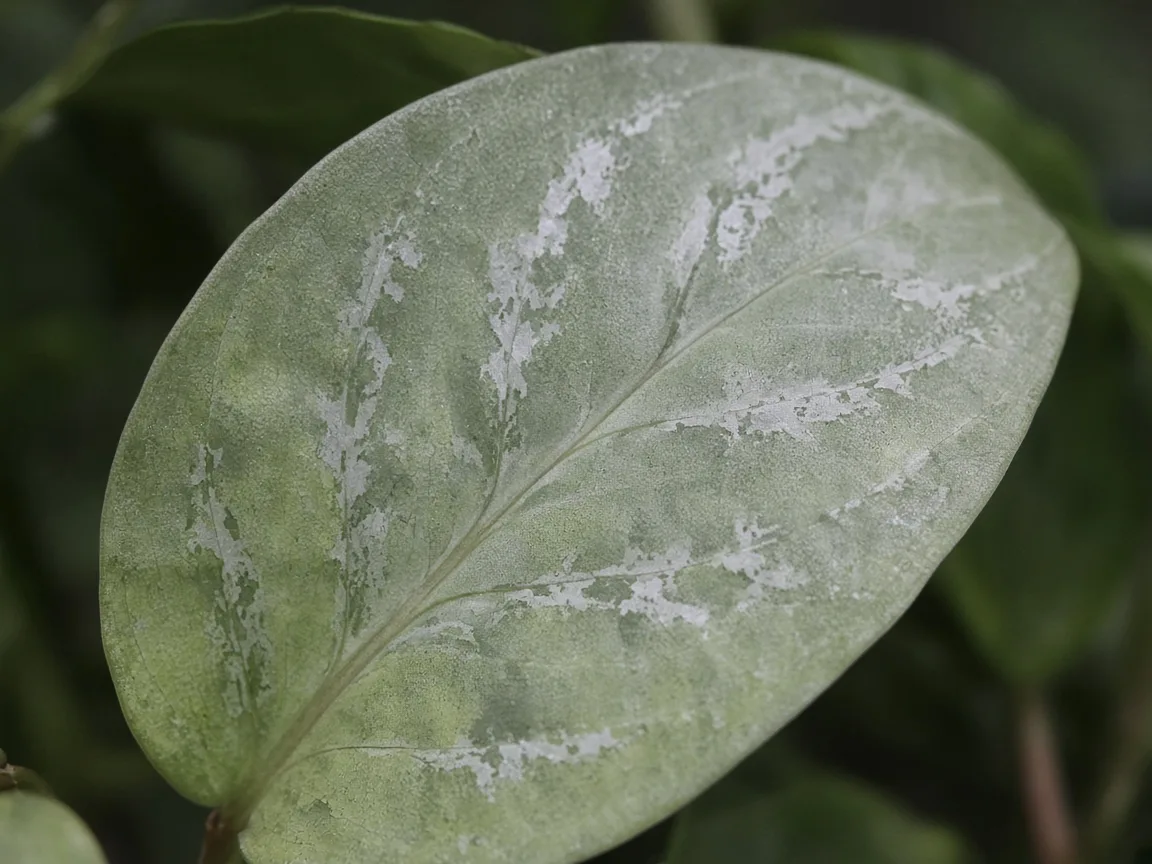
Faded variegation on Pictum Tricolor—compare with older leaves that still hold ribbon-like silver veining on a dark green base.
Low-light fade: ribbon-like silver veining on a dark green base; new leaves open lighter; stems stretch toward window.
Nitrogen wash: older leaves yellow-green from bottom up; veins may stay green initially.
Root-stress pale: whole plant dulls with wet soil and soft lower stems.
Sun bleach: pale scorched patches on tissue pushed into direct sun—rare indoors but possible on ribbon-like silver veining on a dark green base.
Pictum Tricolor is a camouflage-pattern ribbon aglaonema prized for silver veining.
Why Pictum Tricolor gets pale leaves
ribbon-like silver veining on a dark green base needs low to medium filtered indirect light—Chinese evergreen tolerates low light but variegated cultivars fade without enough brightness.
Chronic overwatering in dim corners starves roots. NC State warns root rots occur with overwatering on Aglaonema.
Nitrogen deficiency shows on oldest leaves first while crown stays small.
Fluoride or salt burn can bleach margins on pale zones—common on Thai hybrids if tap water is unrested. See brown tips if margins crisp rather than evenly pale.
Spider mite stippling looks pale on houseplants but shows fine dots but shows fine dots and webbing—see spider mites before increasing light.
Lookalike symptoms
| Pattern | Check | Likely cause |
|---|---|---|
| New leaves lighter; stem stretches | Dim placement | Low light fade |
| Bottom leaves yellow-green first | Dry soil, no pests | Nitrogen deficiency |
| Whole plant dull + wet pot | Soft lower stem | Overwatering |
| Fine speckles + webbing | Paper tap test | Spider mites |
| Brown tips only | Tap water / low humidity | Brown tips |
How to confirm
- Compare newest vs oldest leaves—light fade hits new flush; nitrogen hits bottom first.
- Probe top half of soil—chronic wetness with pale wash suggests root stress, not hunger.
- Measure placement—if the plant sits more than 2 m from a window in a dim hall, light is the prime suspect for ribbon-like silver veining on a dark green base.
- Check for stippling before moving to brighter light—mites worsen in sun.
- Review feeding history—pale after heavy fertilizer may be salt stress, not deficiency.
First fix for Pictum Tricolor
If the plant sits in a dim hallway and only new leaves look washed out, move it to low to medium filtered indirect light for two weeks per the light guide—do not fertilize yet. If soil stays wet and lower leaves yellow-green, stop watering until top half of soil dries.**
Gradual light increases prevent scorch on ribbon-like silver veining on a dark green base—move one metre closer to the window every few days, not into direct sun.
Mistakes to avoid
- Do not fertilize a pale plant in a wet pot—burns variegated tissue.
- Do not confuse natural silver pattern on camouflage-pattern leaves feathered in dark green, silver, and light green with chlorosis—compare against the plant’s own older leaves.
- Do not move into direct afternoon sun—pale zones scorch on Aglaonema.
Recovery timeline
New leaves can regain color within three to six weeks after brighter placement. Already-bleached blades may stay light. Pictum Tricolor grows slowly—allow one full crown flush before judging.
Prevention
- low to medium filtered indirect light year-round per light guide
- Water when top half of soil dries—see watering guide
- Dilute feed only when actively growing and soil is dry
- Rotate pot quarterly for even light on camouflage-pattern leaves feathered in dark green, silver, and light green
- Use filtered or rested tap water if margins brown on pale tissue
Related Pictum Tricolor guides
Conclusion
Pale Pictum Tricolor foliage is a light or root signal—brighten placement or dry the pot before fertilizing.