Best Soil Mix for Aglaonema Snow White (DIY + Ready-Made)
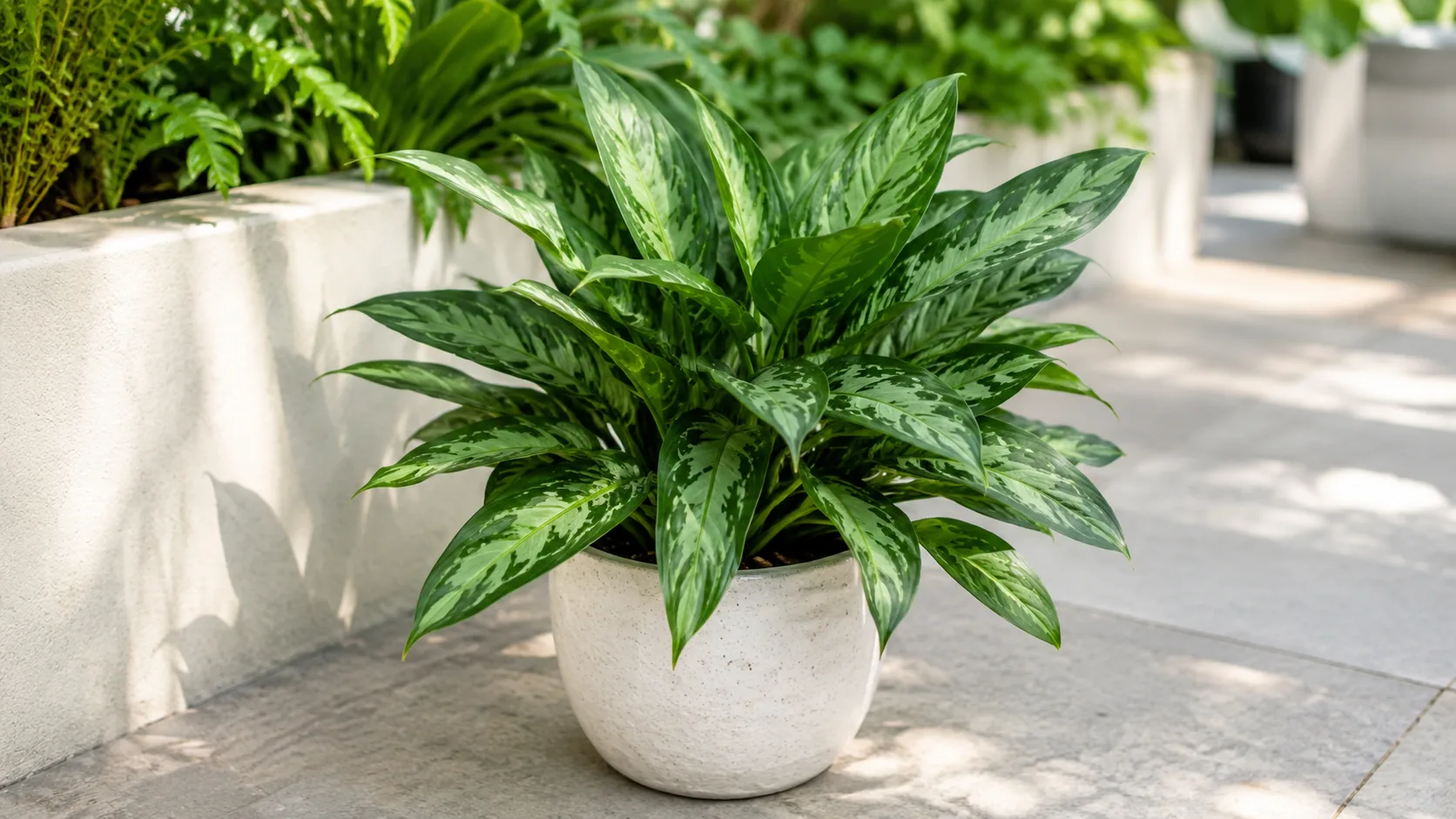
Best Soil Mix for Aglaonema Snow White (DIY + Ready-Made)
Best Soil Mix for Aglaonema Snow White (DIY + Ready-Made)
Author: sai-ananth · Reviewed by: LeafyPixels Review Board · Updated: 2026-06-15
Aglaonema Snow White soil is not a generic aroid recipe with a white label slapped on the bag. The cultivar’s broad rosy panels carry far less chlorophyll than the green margins, which changes how fast the plant uses water, how loudly it protests compacted mix, and how quickly white can wash out when roots are stressed. This page owns substrate decisions for ‘Snow White’ - mix ratios, pH, drainage QC, and failure diagnosis tied to white tissue biology. For whole-plant care framing, see the Snow White overview. For genus-wide cultivar comparisons, see the Chinese evergreen soil guide.
A fully green Chinese evergreen can limp along in dense peat-heavy mix for months before consequences show. Snow White grown in the same conditions tends to lose white intensity first, then yellow, then send up a mushy stem weeks after the soil went anaerobic. Soil cannot create white - the genetics are fixed - but the wrong substrate can make a stable white cultivar look washed out and tired while roots struggle. Pair this guide with the light guide and watering guide; substrate, light, and moisture form one system.
What Makes Snow White Different From Other Aglaonemas
Aglaonema ‘Snow White’ is a tissue-cultured cultivar of Aglaonema commutatum, the species commonly called Chinese evergreen. Unlike solid-green office types such as ‘Silver Bay’ or ‘Maria’, Snow White carries large white-to-red fields sustained by anthocyanin pigments over tissue with reduced chlorophyll. Research on ‘Snow White’ itself, published in Frontiers in Plant Science, showed that light strongly promotes anthocyanin accumulation by upregulating structural and regulatory genes in the leaves - which is why white expression is tightly coupled to placement, not just fertilizer hype.
That biology changes root demand. White cells photosynthesize poorly; the plant routes more work through green tissue. When mix compacts and root hairs die back, the plant reroutes limited energy into survival, and white cells are often the first to dull. A green Aglaonema may tolerate a slightly dense plug; Snow White surfaces the problem on the very trait you bought it for.
The Core Soil Requirements (Drainage, Aeration, Moisture Retention)
Forget recipes for a moment and focus on function. Ideal Snow White medium must do three things at once: drain rapidly, hold enough moisture to bridge several days between waterings, and stay porous long after establishment.
Drainage should be fast enough that water exits a 6-inch (15 cm) plastic pot within roughly 15 to 25 seconds after a thorough watering - a practical home benchmark, not a laboratory standard. Terracotta and very chunky bark mixes may drain faster; glazed cachepots slower. Adjust expectations by pot material.
Aeration stops root rot on Aglaonema Snow White before it starts. When nearly all pores stay water-filled for more than 48 hours, oxygen drops, beneficial microbes decline, and water-mold pathogens like Pythium multiply. Clemson HGIC notes that Chinese evergreens need well-drained soil and are vulnerable to root rot when overwatered.
Moisture retention is the part most guides undervalue. Aglaonema roots evolved in loose, humus-rich tropical forest floors where moisture lingers around root hairs for several days. A mix that flashes dry in 24 hours is as problematic as a soggy one. The art is balancing retention and drainage so the blend still pours freely, breathes, and stays gently moist for a week in typical indoor conditions.
NC Farms vs UF IFAS Production Targets
Commercial finishing specs help anchor home recipes. NC Farms’ Snow White liner protocol calls for well-drained soil at pH 5.5–6.0, low feed at 100–150 ppm nitrogen with a 3-1-2 NPK ratio, 65–80°F temperatures, and about nine months to finish a 6-inch container from one rooted plug. The University of Florida’s EP160 cultural guidelines for Aglaonema production specify media pH 6.0–6.5, total porosity 50–75%, moisture content 50–75%, and air space 10–20% for finishing potted plants.
| Target | NC Farms (Snow White finish) | UF/IFAS EP160 (Aglaonema production) | Home-grower takeaway |
|---|---|---|---|
| Media pH | 5.5–6.0 | 6.0–6.5 | Aim 5.5–6.5; test leachate, not dry surface |
| Drainage character | Well-drained | Porosity 50–75%, air space 10–20% | Chunky amendments throughout the root zone |
| Nitrogen at finish | 100–150 ppm N, low feed | Soluble salts 1–2.5 dS/m pour-through | Half-strength balanced feed; avoid high-N boosters |
| Container benchmark | 6-inch, ~9 months | Commercial shade-house finish | Repot every 2–3 years when structure fails |
Home growers are not running a greenhouse, but the overlap is clear: slightly acidic, aerated, well-drained mix with modest nutrition.
pH Range, Nutrient Availability, and Why Slightly Acidic Wins
Target pH 5.5–6.5, with many growers landing near 6.0. NC Farms targets the lower band; Clemson HGIC and UF/IFAS cluster the wider range for Chinese evergreen culture. In this band, iron, zinc, manganese, and phosphorus stay plant-available; above 6.5, micronutrient uptake slows, and below 5.0, aluminum toxicity risk rises.
A cheap digital pH meter is enough for occasional checks if you calibrate monthly and test leachate (water draining from the bottom) rather than dry surface mix. Cheap probes often misread dry peat; leachate testing is more reliable for container culture. If readings drift above 6.5, flush with rainwater and refresh the top inch with acidic mix. If below 5.0, repot into a blend with a small amount of dolomite or water once with dilute lime solution.
The Five Core Components of a Snow White Soil Mix
Functional Chinese evergreen mix combines five building blocks: peat-free base or coco coir for moisture retention; coarse perlite or pumice for drainage; orchid bark for structure; horticultural charcoal for buffering; worm castings or compost for slow nutrition. Adjust ratios to your room, but do not skip categories.
Peat-Free Base or Coco Coir
The base holds moisture and supplies a baseline of nutrition. Coco coir has largely replaced sphagnum peat in modern aroid mixes because it rewets easily, resists compaction, and stays near pH 6.0 for extended periods. Peat can work in high-quality low-dust grades but often shrinks and becomes hydrophobic when dry, causing water to channel down the pot wall without wetting the root ball. Clemson indoor soil guidance recommends sterile commercial potting mixes for houseplants rather than garden soil.
Coarse Perlite vs Pumice
Both improve drainage and create air pockets. Coarse #3 perlite (3–6 mm) is lighter and cheaper but floats during watering and breaks down into dust after a year or two. Pumice is heavier, has higher cation exchange capacity, and stays structurally intact longer - useful in humid rooms or large pots. For Snow White in 6-inch plastic, perlite is the default; pumice wins when you want mix structure to last multiple years without refresh.
Orchid Bark and Horticultural Charcoal
Medium-grade fir bark (¼ to ½ inch / 6–12 mm chips) is the best amendment for keeping mix from collapsing into mud. Bark decomposes slowly indoors - usually 18–24 months - and creates macro-pores drainage depends on. Use fir bark; avoid dyed or aromatic pine/cedar with phytotoxic phenols. Horticultural charcoal (3–5 mm granules) at 5–10% of total volume adsorbs excess salts, buffers pH swings, and can inhibit some fungal pathogens. Never substitute BBQ charcoal.
Worm Castings or Compost for Slow-Release Nutrition
Well-aged compost or sifted worm castings at 10–20% by volume supply nitrogen, calcium, and beneficial microbes without forcing heavy feeding schedules. More than that risks overloading a slow-growing plant. Fresh or hot compost continues breaking down in the pot, generates heat, and ties up nitrogen - avoid it in houseplant containers.
Proven DIY Soil Recipes With Exact Measurements
Recipes below scale to a 6-inch (15 cm) pot holding roughly 8 cups (1.9 L) of mix. Multiply for larger containers.
The Standard 40/30/20/10 Mix
The workhorse formula for most indoor conditions:
- 4 cups (960 mL) high-quality peat-free potting base
- 3 cups (720 mL) coarse #3 perlite or ¼-inch pumice
- 2 cups (480 mL) aged coconut coir or fully decomposed compost
- 1 cup (240 mL) medium-grade fir bark or horticultural charcoal
Pre-moisten coir and potting base. Dry-blend perlite, bark, and charcoal separately, then fold into the moist base without pulverizing structure. Water should exit a test pot’s drainage hole in 15–25 seconds; if it pools beyond 45 seconds, add another half cup of perlite per gallon and retest.
The Lighter 50/30/20 Indoor Mix
For bright rooms with low humidity and a tendency to underwater:
- 5 cups (1.2 L) peat-free base or coco coir
- 3 cups (720 mL) coarse perlite
- 2 cups (480 mL) aged compost or worm castings
Skip bark and charcoal here. Structure will not last as long - expect refresh every 12–18 months - but the mix stays moist a few days longer, which helps dry apartments. In 8-inch+ containers or high-humidity rooms, push chunkier: 3 cups coco chips, 3 cups perlite/pumice, 2 cups coco coir, 1 cup worm castings, 1 cup charcoal - closer to forest-floor texture, with faster dry-down and slightly more frequent summer watering per the watering guide.
Ready-Made Aroid Mixes Worth Buying
If you prefer bagged mix, choose products that match Snow White’s fine-root structure and moderate moisture band - not desert cactus soil and not pure orchid bark.
Editorial selection criteria: peat-free or low-peat base, visible perlite/pumice/bark fractions, no water-retaining polymer crystals, and drainage that passes the 60-second test in a 6-inch pot without amendment.
- Wekiva Foliage Professional Aglaonema Mix - includes coarse perlite, aged bark, lime, gypsum, and slow-release nitrogen tailored to Chinese evergreen production. Closest off-the-shelf match to species-specific finishing specs.
- Rosy Soil Aroid Mix - biochar-based, peat-free blend with pine bark fines, pumice, worm castings, and mycorrhizae. Chunky enough for aeration; sift largest pieces for 4-inch pots or blend 1:1 with peat-free houseplant base if the bag feels too open.
If a commercial mix feels dense in the bag, amend 30–40% perlite or bark by volume before potting Snow White. Disclosure: LeafyPixels does not sell these products; selections are based on ingredient transparency and alignment with extension drainage targets, not affiliate partnerships.
Substitutes and What Never to Use
Swaps that work: coco coir for peat 1:1; pumice for perlite at roughly ¾ part per 1 part perlite; vermiculite for coir at half volume (holds more water); rinsed biochar for charcoal 1:1; coarse horticultural sand for perlite in equal parts only with extra bark to offset weight.
Never use: garden soil or topsoil (compacts, carries pathogens); pure peat (hydrophobic when dry); cactus/succulent soil alone (too lean - 50/50 with coir and castings only as a short-term fix); potting mix with polyacrylamide water crystals; uncomposted bark or sawdust (ties up nitrogen); gravel drainage layers (raises perched water table and worsens saturation at the root zone). For symptom deep-dives, see wrong soil mix.
Watering Rhythm Tied to Your Soil Choice
Soil and watering are one system. A well-draining Snow White mix in a 6-inch pot in bright indirect light often needs water every 7–10 days in summer and 14–20 days in winter - but bark-heavy mixes dry faster, dim rooms slower. Water when the top 1–2 inches feel dry, then soak until liquid exits the drainage hole. Cold tap water shocks roots; room-temperature water is safer. Bottom-watering works if you do not leave the pot standing in water more than 30 minutes.
NC State Extension advises keeping Chinese evergreen mix moist during active growth while reducing water in winter and avoiding cold conditions. “Moist” means available water in aerated pores - not permanent saturation.
The 60-Second Drainage Test
Fill a sample pot halfway with your finished blend, water as you would the plant, and time drainage through the hole.
- Target: 15–25 seconds for a 6-inch plastic pot (editorial home benchmark)
- Too slow (>45 seconds): add half cup perlite/pumice per gallon; retest
- Too fast (<5 seconds): fold in another cup of coir or compost
Plastic pots drain differently from terracotta, which wicks moisture through walls. Re-test when you change pot material or room humidity materially.
Repotting Snow White: Timing, Technique, and Soil Refresh
Plan to repot every 2–3 years, or sooner when roots circle the surface, exit drainage holes, or water runs straight through without soaking in. Spring and early summer are best windows. Choose a pot only 1–2 inches (2.5–5 cm) larger in diameter - oversized pots hold wet soil roots cannot dry, the most common post-repot rot trigger.
Water a day before the move. Tip the pot, support stems, tease circling roots, and prune black mushy tissue. Repot at the same depth, fill with fresh mix, water to settle. For four weeks: bright indirect light, no direct sun, no fertilizer week one, resume normal rhythm week two, half-strength balanced feed week three if actively growing. Full workflow detail lives in the repotting guide.
Safety during soil work: Aglaonema contains insoluble calcium oxalate crystals that irritate skin and mucous membranes. Wear gloves when handling broken stems or root pruning, wash hands after repotting, and keep refreshed mix away from pets and children.
Common Soil Mistakes and Quick Fixes
Yellow lower leaves + damp soil: classic overwatering - unpot, trim mushy roots, repot into faster mix, halve watering frequency for a month. Cross-check overwatering if gnats or sour odor appear.
Brown crispy tips + white crust: salt buildup - flush with three pot volumes of distilled or rainwater; reduce fertilizer per the fertilizer guide.
Mix pulling from pot edges: hydrophobic shrinkage - soak root ball 20 minutes, add worm castings at next refresh.
Fungus gnats: surface stays wet too long - top-dress with coarse sand or pumice, let surface dry, consider chunkier mix.
Heavy pot days after watering: mix holds too much water or pot lacks drainage - drill holes, switch to terracotta, or refresh at next repot.
How Soil Choices Affect White Coloration
White in Snow White is anthocyanin over reduced-chlorophyll tissue. Genetics set the pattern; environment controls expression. Compacted, waterlogged, or high-pH media stress roots, forcing the plant to prioritize green chlorophyll production and dull white panels. Well-drained, slightly acidic mix with modest nutrition supports the root system that lets color show - but light is the primary driver. UF/IFAS notes that high-color Aglaonema selections need bright indirect light to retain color; soil alone cannot replace insufficient photons.
Nitrogen matters: NC Farms specifies low nitrogen at finish (100–150 ppm N). Excess nitrogen pushes fast green vegetative growth and can reduce contrast in variegated and anthocyanin-rich tissue - which is why experienced growers feed Snow White at half strength with balanced formulas, not high-nitrogen “green growth” boosters.
White fade diagnostic - soil vs light vs genetic reversion:
| Symptom pattern | Likely cause | First fix |
|---|---|---|
| White washes out on new leaves in a dim corner; soil wet 2+ weeks | Low light + slow dry-down | Improve placement per light guide; increase aeration |
| White dulls after repot into dense bagged mix; lower leaves yellow; soil sour | Substrate too wet/compact | Repot into 40/30/20/10 or amended aroid mix; verify drainage hole |
| Entire new leaves emerge solid green in good light with healthy roots | Genetic reversion or tissue-culture drift | Not fixable with soil; propagate from stems showing stable white; see overview |
| White fades summer-to-winter with same mix | Seasonal light drop | Supplement light or accept winter paler tone; do not acidify soil chasing color |
Do not chase white by making mix excessively acidic when light is insufficient - you risk micronutrient imbalance without fixing the actual bottleneck.
Snow White vs Silver Bay vs Genus Default on Moisture
| Cultivar / baseline | White tissue load | Typical 6-inch dry-down (moderate home) | Bark fraction vs 40/30/20/10 |
|---|---|---|---|
| Genus default (solid green) | Low | Top third–half dry ~5–10 days | Standard recipe |
| Silver Bay (silver-green) | Low–medium | Similar to green types | Standard; slightly more base in very dry bright rooms |
| Snow White (broad white panels) | High | Top half dry ~7–14 days bright; 14–21+ dim | Equal or more aeration in dim rooms; never denser than green types |
Snow White should not use chunkier mix than Silver Bay in bright, warm rooms where it transpires steadily. In low light, Snow White often needs more perlite/bark, not less, because white-variegated leaves use water slowly while organic base still holds moisture.
Related Snow White Care
- Overview - cultivar biology and genetic vs cultural white loss
- Light - primary driver of anthocyanin expression
- Watering - moisture depth and seasonal rhythm
- Repotting - refresh workflow and pot sizing
- Fertilizer - half-strength feeding after soil is stable
- Genus soil guide - cultivar comparisons and semi-hydro notes
- Wrong soil mix - symptom-to-fix when substrate is the bottleneck
How we reviewed this guide: Recommendations were checked against NC Farms Snow White production specs, UF/IFAS EP160, Clemson HGIC Chinese evergreen, Clemson indoor soil mixes, Missouri Botanical Garden, NC State Aglaonema, UF/IFAS FP025, anthocyanin research in Frontiers in Plant Science, and LeafyPixels Snow White care data. Drainage timing targets are labeled practical heuristics where formal cultivar pot trials are unavailable.
Conclusion
A well-chosen soil mix is the biggest lever you control for how Snow White performs day to day. Target slightly acidic, chunky, well-drained medium in the 40/30/20/10 ballpark (or a curated aroid bag amended to pass the drainage test), keep pH between 5.5 and 6.5, refresh every 2–3 years, and pair substrate with adequate light from the light guide. When structure, container, watering, and placement work together, Snow White holds white more reliably, pushes clean new growth, and tolerates the occasional missed watering that every houseplant parent eventually delivers.
When to use this page vs other Aglaonema Snow White guides
- Aglaonema Snow White overview - Start here for whole-plant context before deep-diving this topic.
- Aglaonema Snow White problems hub - Jump to symptom-specific fix guides when this care topic does not resolve the issue.
- Root Rot on Aglaonema Snow White - Escalate here when soil adjustments are not enough.
- Mold on Soil on Aglaonema Snow White - Escalate here when soil adjustments are not enough.