Watering Aglaonema Snow White: When, Soil Checks & Mistakes
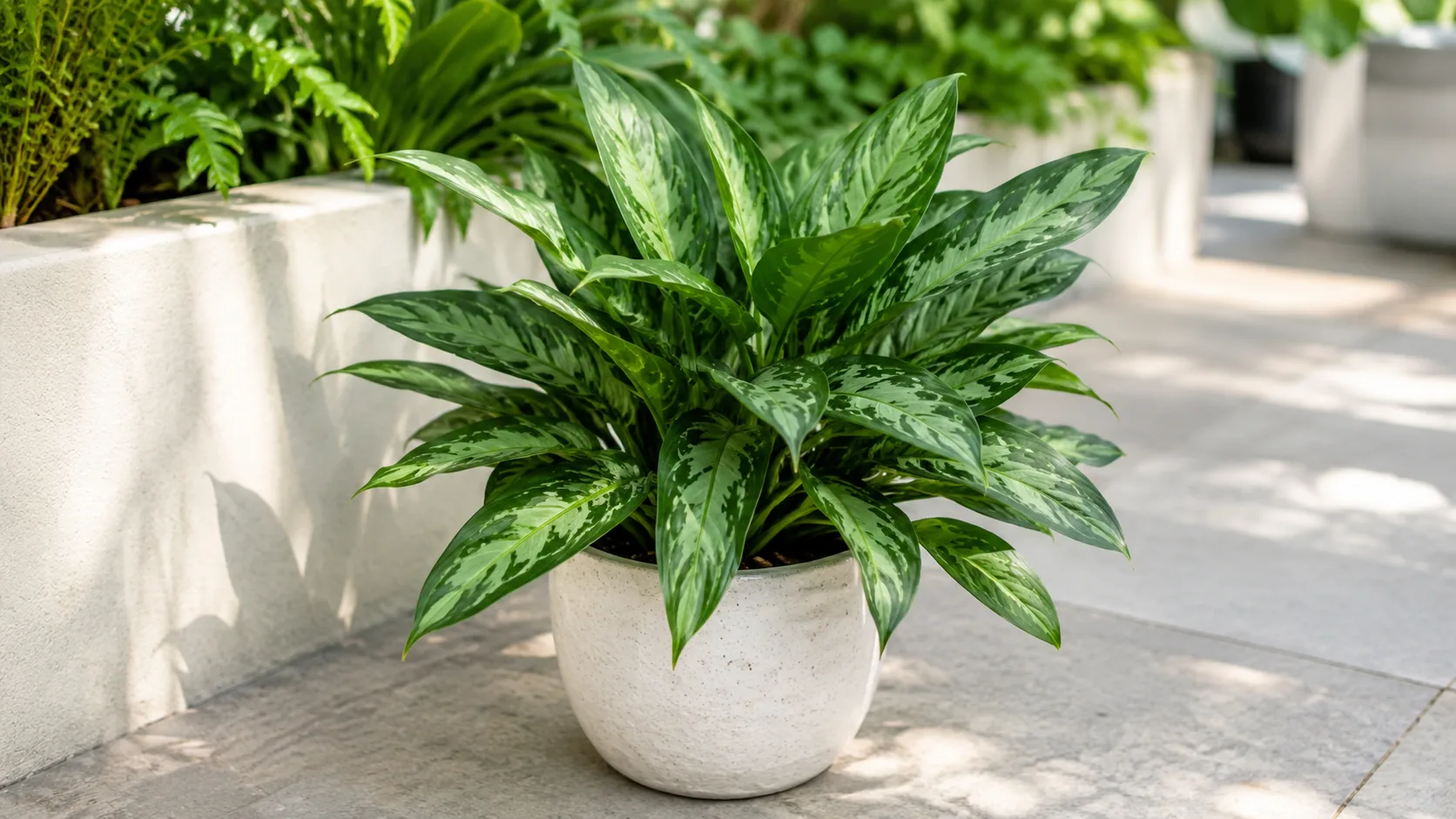
Watering Aglaonema Snow White: When, Soil Checks & Mistakes
Watering Aglaonema Snow White: When, Soil Checks & Mistakes
By sai-ananth · Reviewed by LeafyPixels Review Board · Last expert review: June 2026
Aglaonema ‘Snow White’ is a slow-growing, white-variegated Chinese evergreen that punishes calendar watering more than it punishes an occasional dry spell. The cultivar’s broad leaves and fleshy Araceae roots store some resilience, but they cannot survive weeks in oxygen-starved, saturated mix. The practical goal is simple: let the upper root zone dry partially, then water the entire ball thoroughly and drain it completely. Everything else-light band, pot size, retail peat, season-changes how fast that cycle runs. For species context, toxicity, and placement, start with the Snow White overview.
Quick Answer: Check the Mix, Not the Calendar
Water Aglaonema Snow White when the top 1 to 2 inches of potting mix feel dry and the pot is noticeably lighter than after the last watering, while the deeper root zone is no longer saturated. (Clemson Cooperative Extension) Then apply room-temperature water evenly until excess drains from the holes, and empty any saucer or cachepot. A calendar can remind you to check the plant every few days; it should not decide whether water is added.
Snow White is not a desert succulent. (University of Florida IFAS) It needs moist-but-aerated soil between waterings, not bone-dry substrate or permanently wet peat. Because variegated cultivars often grow more slowly than solid-green Chinese evergreens, the same pot can stay wet longer in a dim office than a green Aglaonema would in brighter filtered light-so checking weight and depth matters more than copying a neighbor’s weekly habit.
How Often to Water Snow White (Baseline Ranges by Light)
There is no honest single-day schedule for every home. Use these check intervals as starting points, then adjust when you move the plant, repot, or enter a new season. Always confirm dryness before watering.
| Light situation | Typical check rhythm | What “ready to water” often looks like |
|---|---|---|
| Bright filtered east or sheer-curtained south/west | Every 5–8 days in warm active growth | Top 1–2 in dry; pot light; lower mix lightly moist |
| Medium office or north window | Every 10–14 days in growth season | Top dry; skewer cool but not wet at mid-depth |
| Low light or cool room | Every 14–21+ days; longer in winter | Surface dry slowly; weight drop is the main cue |
These ranges are baselines for a 6-inch nursery pot in well-drained mix-not rules. A root-bound plant in bright light may dry faster; an oversized fresh repot in shade may take three weeks to need water.
Bright filtered light and warm rooms
In medium to bright indirect light-the range UF/IFAS associates with high-color Aglaonema selections-Snow White transpires more and may need water roughly every 7 to 10 days during spring and summer. Check more often after heat waves or when air conditioning cycles off and room warmth rises. New white-flushed leaves are a sign of active growth, not permission to keep the mix constantly wet.
Medium office light
Under typical fluorescent or LED office lighting without a nearby window, water use drops sharply. Many Snow White plants in this band need water only every 10 to 14 days in the growing season, sometimes longer if the HVAC runs cool. In a 6-inch pot, the top 1–2 inches drying while the center stays lightly moist matches NC State Extension guidance for Chinese evergreen: keep mix moist spring through fall, but verify dryness at depth before each soak.
Low light and winter slowdown
In dim corners or during short winter days, Snow White may use so little water that the surface looks unchanged for days while the center remains wet. Extend the interval and lean on pot weight. NC State Extension recommends reducing watering in winter even without full dormancy. Expect some checks to end with “wait” for two weeks or more; that is normal when light and temperature are low.
Best Moisture Checks (Finger, Skewer, Pot Weight)
Surface color alone is unreliable. Retail peat can look pale and dry on top while the root zone stays saturated-a common reason variegated aglaonemas rot in their first month home. Combine at least two methods below before every major watering.
Finger, skewer, and pot-weight methods
Finger test: Insert a finger 1 to 2 inches into the mix. If it feels cool, clings, and leaves moisture on your skin, wait. (Clemson Cooperative Extension)
Skewer test: Push a plain wooden skewer to mid-depth, wait a few seconds, and withdraw. Dark, cool wood with adhering mix means moisture remains. A mostly clean dry skewer supports watering-especially in deep pots where a finger cannot reach.
Pot-weight test: Lift the nursery pot right after a thorough watering to learn the “wet” weight. During checks, a clearly lighter pot usually means the root zone has dried enough for another soak. This is the fastest method when the plant sits inside a decorative cover you cannot see into easily.
Moisture meter caveats
Inexpensive analog meters estimate conductivity, not perfect moisture. Fertilizer salts, dense peat, and poor probe contact can read “dry” on wet mix or vice versa. Use a meter as one clue alongside weight and a skewer. If the display says dry but the pot is heavy and a skewer pulls up wet material, trust the physical checks and investigate whether the probe needs cleaning or replacement.
How to Water Thoroughly and Drain Correctly
Take the nursery pot to a sink or tub. Pour room-temperature water slowly across the entire surface so the mix absorbs rather than channeling down one gap. Continue until water runs freely from drainage holes, then let the pot drain for several minutes. Empty saucers and cachepots completely before returning the plant to its spot.
Thorough watering is not the same as overwatering. Overwatering usually means watering too often, using a pot without drainage, or leaving roots in standing runoff-not giving a properly drained plant one complete drink. (University of Florida IFAS) Avoid splashing the crown if you are concerned about leaf spotting; sink-watering at the soil line keeps foliage dry. Snow White contains insoluble calcium oxalate crystals like other Chinese evergreens-keep trimmings and runoff away from pets when you water at the sink.
If water races through the sides and the center stays dry, the mix may be hydrophobic. Reapply in slow passes or bottom-water briefly (see below), then verify the center with a skewer before assuming the plant is hydrated.
Top watering versus bottom watering
| Method | Strength | Limitation | Best practice |
|---|---|---|---|
| Top watering | Flushes salts; confirms drainage | Can channel if poured too fast | Apply slowly until runoff |
| Bottom watering | Rehydrates dry, repelling mix | Does not flush salts; easy to oversoak | Remove after upper mix moistens; drain fully |
Top watering should be your default. Bottom watering helps when peat has dried and repels water, or when the canopy blocks the soil surface. Set the drainage pot in shallow water for 10 to 30 minutes until moisture rises, then remove and drain. Do not leave Snow White standing in water for hours.
Seasonal Watering Adjustments
Spring and summer often shorten the dry-down interval when days lengthen and new leaves appear. Check more frequently, but still verify dryness before adding water. Air-conditioned rooms can slow drying even in summer, so do not assume July always means weekly watering.
Fall and winter usually lengthen the interval. In practice that means the same check schedule with far fewer actual waterings-sometimes half as often as midsummer in the same pot. Reduce frequency, not soak size: when the root ball is ready, water thoroughly rather than giving tiny sips that wet only the top inch.
Indoor heating dries leaf tips but can leave the root zone cool and wet near a window. Do not compensate for crispy air by watering more often. Address humidity separately and keep using soil checks.
Signs You’re Watering Too Much
Overwatered Snow White often shows lower-leaf yellowing, soft or translucent stems, a heavy pot that stays damp for weeks, sour-smelling mix, and fungus gnats in consistently wet organic soil. Leaves may droop while the mix is still wet-a critical distinction from drought wilt. (Clemson Cooperative Extension) Root rot develops when soil does not drain quickly or watering is too frequent.
One yellow lower leaf is not a diagnosis. Old foliage ages out naturally. Pattern matters: several yellowing leaves at once, soft base tissue, and wet soil together point to excess moisture or failing roots. If white sections look dull and stems feel soft in a dim, wet pot, inspect roots before fertilizing or moving to brighter light.
Signs You Waited Too Long
Underwatered plants develop limp leaves, slight curling, very light pots, and mix pulled away from the pot wall. Snow White may show crisp margins on white tissue before green sections because pale variegation loses water faster at the edges. Rehydrate with a full soak and complete drainage; most moderate wilt recovers within hours to a day.
Repeated severe drought damages fine roots and makes the plant react poorly when water returns. If you have let the plant collapse more than once, shorten the check interval slightly while still allowing the top 1–2 inches to dry-do not swing to constant moisture.
Snow White–Specific Notes (White Tissue and Symptom Visibility)
Snow White carries large white-green leaf sections that make stress visible early: fading white on firm leaves is often a light issue, but chronic overwatering can also produce pale, soft new growth on a plant that is not using water. Slow variegated growth means fewer new leaves to “use up” moisture, so retail peat in a fresh nursery pot can stay wet long after the tag’s weekly watering schedule would have you adding more.
Compared with solid-green Chinese evergreens, Snow White in the same light and pot often dries more slowly because it photosynthesizes less aggressively. That is why two plants on the same shelf can need different intervals. For shared genus mechanics-drainage, pot sizing, and general Araceae root behavior-see the genus Aglaonema watering guide.
Common Watering Mistakes
Following a fixed weekday regardless of pot weight is the most common error. Tiny daily sips wet the surface while the center stays dry or salty. Decorative pots without drainage trap runoff even when the inner pot has holes. Oversized containers hold a volume of wet mix that slow roots cannot use quickly after purchase or repotting.
Misting is not watering-it does not rehydrate the root zone meaningfully. Ice cubes distribute cold, uneven moisture unsuitable for tropical roots. Using wilt alone fails because wet-root rot and drought both droop leaves; always check the mix. Changing placement, repotting, and watering heavily the same day makes later symptoms impossible to interpret-stabilize one variable at a time.
Self-watering pots and wick reservoirs are risky for Snow White in dim offices. The reservoir keeps the lower mix continuously moist while slow variegated growth uses little water-exactly the profile that leads to sour peat and fungus gnats. If you must use one, choose a model with a visible water gauge, keep the reservoir empty until skewer and weight checks support watering, and never treat “full” as automatic permission to refill.
Ignoring the retail peat trap: greenhouse-grown plants in dense peat dry slowly in cooler homes. If the pot stays heavy ten days after purchase in medium light, check depth before watering again; reassess soil structure if drainage remains poor.
Root Rot: When to Pause and Inspect
Pause scheduled watering when leaves droop on wet soil, the mix smells sour, or the stem base feels soft. Slide the plant from its pot: healthy Aglaonema roots are firm and pale to tan; rotten roots are dark, mushy, and slip apart. (Clemson Cooperative Extension) Trim clearly rotten tissue with clean scissors, repot into fresh airy mix in a snug pot, and water only enough to settle the medium-then resume check-based watering after growth stabilizes.
For step-by-step recovery and symptom photos, see overwatering on Snow White and root rot. If decline continues after correction, isolate the plant and sanitize tools between pots.
Symptom Decision Table: Wet Droop vs Dry Wilt vs White Fade
Use this table when leaves look unhappy but you are unsure whether to water, wait, or unpot today.
| Symptom pattern | Pot weight / skewer | Most likely cause | Next step |
|---|---|---|---|
| Limp leaves, mix dry 1–2 in down, very light pot | Dry at mid-depth | Underwatering | Full soak + drain; shorten check interval |
| Limp leaves, heavy pot, wet skewer, sour smell | Wet at mid-depth | Overwatering / root stress | Stop watering; inspect roots same day if soft base |
| Lower leaves yellowing, gnats, heavy pot for weeks | Wet at mid-depth | Chronic overwatering | Pause water; open overwatering guide |
| White fading on firm leaves, soil moisture normal | Neutral | Too little light | Check light guide before adding water |
| Pale soft new growth, wet heavy pot | Wet | Overwatering masking as “color loss” | Inspect roots; do not move to brighter light on soggy roots |
| One old lower leaf yellow, firm stem, normal moisture | Normal | Natural senescence | No action unless pattern spreads |
Water Quality, Self-Watering Pots, and After Repotting
Most potable tap water is acceptable if it is not unusually hard or sodium-softened. Clemson Cooperative Extension notes that brown leaf tips on Chinese evergreen can indicate fluoride in water and suggests distilled or rainwater if local tap is fluoridated and tips persist despite correct moisture. Use room-temperature water rather than icy tap.
After routine repotting into a slightly larger pot, water once to settle mix, then expect slower dry-down until roots explore the new volume. After root-rot surgery, use a smaller pot and water sparingly while new roots form-warm, stable filtered light helps more than frequent soaking.
Snow White is native to the Philippines and Sulawesi as an understory perennial; indoors it depends on you to recreate brief drying cycles rather than constant rainforest saturation.
A Practical Watering Decision Checklist
Before adding water, run through these five questions:
- Are the top 1 to 2 inches dry, and is the deeper mix no longer saturated?
- Is the nursery pot clearly lighter than right after the last watering?
- Has light, temperature, or pot size changed since the last cycle?
- Can excess water exit through open drainage holes-and will you empty the saucer?
- Is the plant drooping because the mix is dry, or drooping while the mix is still wet?
If the first two answers support dryness and drainage is clear, water thoroughly. If the pot is heavy or a skewer shows wet material at mid-depth, wait even when the surface looks pale. If the plant wilts on wet soil, inspect roots rather than adding more water. UF/IFAS Gardening Solutions lists Chinese evergreen among durable houseplants that still depend on correct watering-not neglect of drainage.
Worked example: bright east window vs dim office
Imagine two 6-inch Snow White plants purchased the same week. Plant A sits 3 feet from an east window with sheer curtain; Plant B lives on a desk under ceiling LEDs, no window. In midsummer, A may need a full soak every 7 to 10 days after checks show dry top inch and lighter weight. B may stay heavy for 14 days or more because slow variegated growth and low transpiration keep the retail peat wet longer. Copying A’s calendar on B is a common route to yellow lower leaves and sour soil. Record check dates for a month in your own home before trusting any day count.
Related Snow White Care
Watering connects directly to other care choices:
- Light - brighter filtered light increases dry-down; dim light lengthens intervals
- Soil - perlite-rich mix drains faster than heavy peat
- Repotting - fresh mix in a larger pot dries more slowly until roots fill in
- Fertilizer - feed only on moist soil, never as a substitute for correcting watering
- Underwatering and wilting - when limp leaves persist after a proper soak
How We Wrote and Verified This Guide
This page targets indoor growers who need check-based Snow White watering-light-band intervals, moisture-check toolkit, symptom branching, and rot escalation without calendar guesswork. Recommendations were checked against Clemson Cooperative Extension Chinese evergreen guidance, UF/IFAS FP025, UF/IFAS Gardening Solutions, NC State Extension, POWO native range data, and the ASPCA Chinese evergreen toxicity listing, then aligned with LeafyPixels Snow White overview data.
Author: sai-ananth - plant-care content editor focused on tropical foliage diagnostics
Reviewer: LeafyPixels Review Board - editorial review against extension references
Methodology: Claims verified against primary horticultural sources before publication.
FAQs
How long can Snow White go without water in a dim office?
In low to medium office light, a healthy Snow White in a 6-inch pot may need water only every 14 to 21 days during the growing season and even longer in winter if the mix stays cool and the plant is not pushing new leaves. Always verify with pot weight and a skewer rather than a fixed day count-plants near heat vents or in brighter corners dry faster.
Is my Snow White losing white from overwatering or too little light?
Fading white on firm leaves with normal soil moisture usually points to insufficient light-see the light guide before changing watering. Chronic overwatering can produce pale, soft new growth and lower-leaf yellowing that makes white look washed out. If the pot is heavy and a skewer pulls wet material at mid-depth, treat it as a moisture problem and inspect roots rather than moving to brighter light on soggy soil.
Should I water Snow White less in winter?
Yes. Reduce watering frequency in fall and winter when light is low and growth slows, while still watering thoroughly when the top 1 to 2 inches are dry. The same plant may need half as many waterings as in midsummer even though check visits stay on a similar schedule.
Why is my Snow White drooping with wet soil?
Wet-soil droop usually means roots lack oxygen or have begun to rot, so adding more water makes the problem worse. Confirm the mix is wet at mid-depth, smell for sourness, and inspect roots for mushy brown tissue. If rot is present, trim failed roots, repot into fresh airy mix, and pause fertilizer until new growth appears.
Is bottom watering safe for Aglaonema Snow White?
Yes, for occasional use when dry peat repels top water or the canopy blocks the soil surface. Set the drainage pot in shallow water for 10 to 30 minutes until moisture rises, then remove and drain completely. Use top watering as the routine default so salts flush downward, and never leave the pot standing in water indefinitely.
Conclusion
When Snow White wilts on wet soil, stop the calendar and inspect roots today-do not add another soak. Open the root rot guide if the stem base is soft or the mix smells sour; if roots are firm and only the surface was wet, pause water and improve drainage before the next check. When leaves are limp on dry soil, one thorough drink with complete drainage is the right move.
When white fades on firm leaves with normal moisture, check light before assuming a watering problem-color loss on a heavy, soggy pot is a different branch entirely. Track skewer depth, pot weight, and check dates through one full wet-to-dry cycle this month; that single observation teaches more than a year of weekly reminders and keeps this slow white cultivar out of the retail peat trap that sends so many variegated aglaonemas to an early rot diagnosis.
When to use this page vs other Aglaonema Snow White guides
- Aglaonema Snow White overview - Start here for whole-plant context before deep-diving this topic.
- Aglaonema Snow White problems hub - Jump to symptom-specific fix guides when this care topic does not resolve the issue.
- Overwatering on Aglaonema Snow White - Escalate here when watering adjustments are not enough.
- Underwatering on Aglaonema Snow White - Escalate here when watering adjustments are not enough.
- Root Rot on Aglaonema Snow White - Escalate here when watering adjustments are not enough.
Related Aglaonema Snow White guides
- Aglaonema Snow White overview
- Aglaonema Snow White light
- Aglaonema Snow White soil
- Aglaonema Snow White propagation
- Aglaonema Snow White fertilizer
- Aglaonema Snow White repotting
- Overwatering on Aglaonema Snow White
- Underwatering on Aglaonema Snow White
- Root Rot on Aglaonema Snow White
- Wilting on Aglaonema Snow White
- Drooping Leaves on Aglaonema Snow White
- Mold on Soil on Aglaonema Snow White