Epipremnum Pinnatum Repotting Guide: Timing, Soil & Pot Size
Epipremnum Pinnatum Repotting Guide: Timing, Soil & Pot Size
Epipremnum Pinnatum Repotting Guide: Timing, Soil & Pot Size
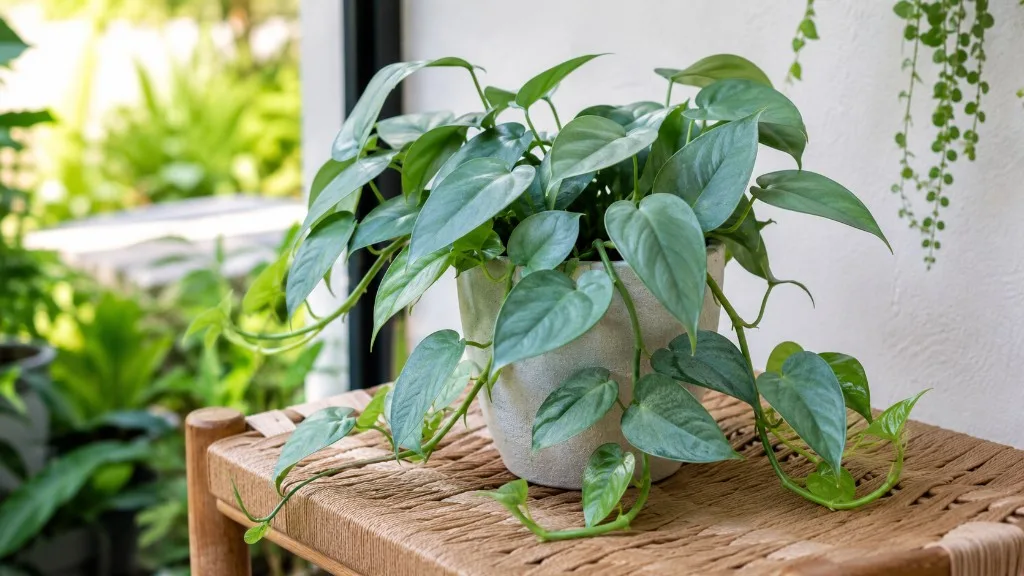
Epipremnum Pinnatum (Epipremnum pinnatum) is the climbing aroid behind labels like Dragon Tail Plant, Centipede Tongavine, and the popular Cebu Blue cultivar — not Golden Pothos (Epipremnum aureum), which botanists now treat as a separate species after years of taxonomic confusion. In the wild this vine climbs rainforest trunks from India through the Philippines to the Pacific, often becoming fully epiphytic with roots exposed to air between rain events. Indoors it can reach 8 to 10 feet on a support and push juvenile blue-green leaves that fenestrate and enlarge only when the plant climbs a moist moss pole in bright filtered light.
That growth habit makes repotting more than a calendar chore. When roots circle the pot, peat-based mix compacts, and drainage collapses, even a forgiving Epipremnum pinnatum stalls — new leaves stay small, lower foliage yellows, and water runs through without wetting the root ball. Repotting refreshes the substrate, restores oxygen around roots, and is your best chance to install or reset a moss pole before the next growth push. This guide covers how often to repot, readiness signs, seasonal timing, pot and mix choices, step-by-step workflow, root-rot rescue, and the first-month aftercare that keeps transplant shock short.
Why Epipremnum Pinnatum Eventually Needs a Bigger Pot
Repotting is root maintenance, not decoration. Over time Epipremnum Pinnatum fills its container with roots, and the airy mix that started in the nursery pot compacts into something closer to wet cardboard. Compacted soil holds water longer, drives out oxygen, and makes every watering a gamble — the pattern that leads to root rot on Epipremnum Pinnatum even when you think you are being careful.
Because E. pinnatum is climbing and epiphytic in nature, its roots evolved to grip bark and breathe between showers — not to sit in dense peat for three years. A healthy repot supplies fresh, chunky aroid mix with perlite and orchid bark, flushes salt buildup from tap water and fertilizer, and lets you inspect circling or rotting roots before leaves tell the full story. If your goal is mature fenestrated foliage on a pole, exhausted soil in a tight pot cannot support that transformation no matter how good your Epipremnum Pinnatum light placement is.
How Often to Repot Epipremnum Pinnatum
Plan a full repot every 1 to 2 years when the plant is actively growing in bright indoor light. Fast climbers with regular feeding often hit the one-year mark before roots circle the bottom or emerge from drainage holes. In cooler, dimmer rooms you may stretch toward two years — but NC State Extension notes that repotting may be required about every 2 to 3 years even for slower specimens, and waiting beyond that invites salt buildup and structural collapse of old mix.
Epipremnum pinnatum tolerates being slightly root-bound better than a peace lily, which is why growers sometimes delay without immediate disaster. That tolerance has limits. Keeping the same pot for four years produces yellowing lower leaves, stunted juvenile foliage, and soil that dries in hours because roots displaced the volume that used to hold moisture. Between full repots, a top-dress — replacing the top 2–3 cm of tired mix — can bridge one season if roots are not yet circling heavily.
Six Signs Your Epipremnum Pinnatum Is Ready for a New Pot
You do not need every sign at once. Two or more together usually mean repot within the next active growth window — spring or early summer unless it is an emergency.
- Roots visible at drainage holes or creeping across the soil surface.
- Water runs straight through within seconds, barely wetting the root ball — collapsed soil structure or roots displacing substrate.
- The pot dries much faster than it used to, sometimes needing water every two or three days when it formerly lasted a week.
- Growth has slowed or stopped despite good light, consistent Epipremnum Pinnatum watering, and seasonal feeding.
- Yellowing lower leaves that persist after you adjust water — often root stress or fertilizer salts in old mix.
- The container feels top-heavy or unstable because the root ball is dense relative to pot width.
If unsure, slide the plant out for inspection. A firm white or cream root mass circling the outside edge confirms binding. Black, mushy roots or a sour smell mean you are past a routine upgrade — treat it as root-rot rescue and repot immediately into fresh, barely moist mix.
Best Time of Year to Repot Epipremnum Pinnatum
Timing matters because repotting breaks root hairs and disturbs the soil interface. Epipremnum Pinnatum recovers fastest when it is already growing, not when short days and cool room temperatures have slowed metabolism.
Why spring and early summer work best
Spring and early summer align with active indoor growth. Days lengthen, temperatures sit in the species comfort zone of roughly 18–29°C (65–85°F), and new roots and leaves are already moving. A repot in April or May gives six months of favorable conditions before winter slowdown. The RHS philodendron growing guide — a useful proxy for climbing aroids — recommends spring as the best time to repot when roots become densely packed.
Peak-summer repotting is acceptable if you keep the plant out of hot direct sun afterward and maintain humidity around 50–70%. Avoid repotting during a heat wave when transpiration is already high.
Emergency repots that cannot wait
Some situations override the calendar. Active root rot, severe binding with collapsing leaves, or a pot that no longer drains because mix has turned to mud all demand immediate action — even in winter. The trade-off is slower recovery and more leaf drop. If you must repot off-season, keep the plant warm, in bright indirect light, and on the dry side of normal watering until new growth appears. Do not fertilize. Do not relocate again for at least a month.
Fall repotting is a middle ground for mildly bound plants; otherwise top-dress in autumn and schedule the full repot for spring.
Choosing the Right Pot — Size, Material, and Drainage
The new pot controls drying speed, oxygen delivery, and how easily you overwater after the move.
The one-size-up rule (1–2 inches wider)
Go up only 1 to 2 inches (about 2.5–5 cm) in inside diameter from the current pot. That is the most important sizing rule for Epipremnum pinnatum repotting. Jumping from a 10 cm nursery pot to a 20 cm decorative cachepot creates a large volume of wet soil a small root system cannot colonize quickly. The RHS warns that when the pot is much bigger than the rootball, compost stays wet longer and roots can rot.
Measure the inside rim diameter, not the outer lip. Mildly bound plants in moderate light: one inch is safer. Densely circling roots in bright light: two inches is reasonable. Every pot needs at least one drainage hole; cachepots must be emptied after every watering.
Plastic, terracotta, and clear nursery pots
Plastic nursery pots retain moisture slightly longer — useful in dry homes or for underwaterers. Terracotta breathes through walls, dries faster, and reduces overwatering on Epipremnum Pinnatum risk in humid rooms. Clear orchid-style pots let you monitor root color without disturbing the plant — healthy aroid roots look white to pale green when hydrated; brown mush signals trouble.
For moss-pole setups, choose a base heavy enough that the pole will not tip the container. Install the pole during repotting so it anchors in fresh mix, not old exhausted substrate.
The Best Soil Mix for Repotting Epipremnum Pinnatum
Epipremnum pinnatum wants chunky, well-draining, airy soil that holds some moisture without staying wet. Bagged indoor mix alone is usually too dense; garden soil compacts and suffocates epiphytic roots in closed containers. NC State Extension lists preferred conditions as moist, well-drained, organically rich with slightly acidic pH — align your repot mix with the Epipremnum Pinnatum soil guide recipe you already use so watering cues stay predictable.
A reliable DIY aroid blend
- 2 parts quality peat-based potting soil or coco coir
- 1 part perlite (drainage and aeration)
- 1 part medium-grade orchid bark (structure, anti-compaction)
- Optional: small handful of horticultural charcoal per gallon of mix
Target pH 6.0–6.5. The blend should drain within a minute or two of watering yet feel lightly moist a finger’s depth down two days after a thorough drink. In humid homes or for heavy waterers, shift toward 1:1:1 soil, perlite, and bark. Do not reuse old substrate — it loses structure, may harbor pathogens, and often carries salt buildup.
Prepping Your Plant 24–48 Hours Before Repotting
Water lightly one day before so the root ball holds together when you slide it out, but avoid soaking into a soggy mess. Gather the new pot, fresh mix, sterilized shears, a chopstick for settling soil, and optionally dilute hydrogen peroxide if you suspect rot. Sterilize blades with 70% isopropyl alcohol before any root cuts.
Coil long trailing vines gently so they do not snap during handling. If installing a moss pole, pre-moisten it so aerial roots have a humid surface to contact immediately after repotting. Accept that a few older leaves may yellow afterward — the plant reallocates resources to roots first.
Step-by-Step: How to Repot Epipremnum Pinnatum
- Prepare the new pot. Add a shallow layer of fresh mix so the crown sits at the same depth as before — never bury stems deeper; aroid stems rot in wet mix.
- Remove the plant. Tip the pot sideways and ease the root ball out with gentle pressure. Squeeze flexible plastic pots or run a knife around the inside rim if stuck. Lift from the base, not dangling vines.
- Inspect roots. Healthy tissue is firm, white to cream, and smells earthy. Loosen circling roots at the bottom and outer edge with fingers; keep some original mix around the core if roots are healthy.
- Trim only dead tissue. Cut black, mushy, or hollow roots with sterilized shears. Avoid bare-rooting the entire plant unless treating severe rot.
- Position and pole. Center the root ball. Set a moss pole beside it now if climbing mature foliage is the goal; backfill as you go so the pole is stable.
- Backfill. Work fresh mix into gaps with a chopstick; do not compact heavily. Leave about 2–3 cm below the rim for watering.
- Water lightly to settle. Enough to remove large air voids — not a flood. Drain fully and empty saucers.
- Recover in bright indirect light. Skip fertilizer for weeks. New white root tips or fresh leaves within two to four weeks signal success.
Trimmed healthy vines with nodes can become Epipremnum Pinnatum propagation cuttings — NC State Extension lists stem cutting as the recommended propagation method for this species.
Root Pruning — When to Trim and When to Leave Alone
Most routine repots need only loosening circling roots at the bottom, not aggressive pruning. Trim when you see dead mushy tissue, a tight mat that will not tease apart, or you are refreshing soil in the same pot size — shave the outer layer of circling roots and replace all mix. Leave healthy white roots alone; over-trimming a fast vine in a new pot removes the tissue that will anchor the plant during recovery.
If you remove more than 25–30% of root mass, treat the plant as a rescue case: same-size or only slightly larger pot, very light watering, no fertilizer for six weeks, and slightly reduced light stress until new growth balances top and root capacity.
Dealing With Root Rot During Repotting
Root rot is usually a drainage and watering problem, not a mystery disease. Soil that stays anaerobic weakens roots; Clemson HGIC identifies Pythium, Phytophthora, and related pathogens when overwatering decreases oxygen available for root growth.
If you find black, slimy, foul-smelling roots:
- Rinse the root ball gently with room-temperature water to expose all tissue.
- Cut away all mushy roots back into firm white tissue. Leftover rot spreads.
- Rinse survivors in a 1:3 hydrogen-peroxide-to-water dip to reduce lingering spores.
- Replant in fresh, barely moist aroid mix in a clean drained pot — same size or one step up only.
- Water sparingly for two weeks; fewer roots mean less uptake.
- Hold fertilizer 6–8 weeks.
Pet safety: Epipremnum pinnatum is toxic to cats, dogs, and humans if chewed, with calcium oxalate crystals causing oral irritation, drooling, and vomiting — the same class of risk as Golden Pothos per ASPCA guidance. Wear gloves if sap irritates skin, wash hands after handling cut stems, and bag trimmings away from pets during cleanup.
Aftercare — The First 4–6 Weeks After Repotting
The first month decides whether E. pinnatum settles or sulks.
Watering: After the initial settling drink, let the top 3–5 cm of mix dry before watering again — same cue as normal watering but err slightly dry. Fresh aroid mix drains faster than aged soil; check with a finger, not a calendar.
Light: Keep bright indirect light and avoid direct sun for seven to ten days. Return to the usual bright spot once new growth appears.
Humidity and temperature: Aim for 50–70% humidity after root loss. Avoid drafts below 15°C (59°F) and hot heating vents.
Moss pole: Keep moss lightly moist — not dripping — so aerial roots can attach. Delay aggressive re-tying until growth resumes.
The no-fertilizer window
Do not fertilize for 4 to 6 weeks after repotting. Fresh mix carries starter nutrients; disturbed roots are vulnerable to salt burn. NC State Cooperative Extension notes recently repotted plants may not need supplemental feed for two to three months while roots re-establish. Resume at half strength during active growth only — see the Epipremnum Pinnatum fertilizer guide for seasonal rhythm.
Mild wilting or a brief growth pause for one to two weeks is normal transplant shock. Sustained collapse, spreading yellow leaves, or sour soil after three weeks usually means oversizing, overwatering, or incomplete rot removal.
Common Epipremnum Pinnatum Repotting Mistakes to Avoid
- Oversizing the pot — more than 2 inches wider creates a wet zone roots cannot colonize fast enough.
- Plain potting mix or garden soil — dense substrate suffocates epiphytic roots; use perlite and bark.
- Bare-rooting healthy plants — stripping all soil removes fine absorptive root hairs and extends shock.
- Skipping drainage holes — decorative pots without holes are standing-water containers.
- Winter repot without cause — off-season stress lingers; wait for spring unless rot forces your hand.
- Fertilizing in the first month — salt burn on healing roots is worse than temporary hunger.
- Heavy first watering — flooding fresh mix before roots re-establish repeats rot conditions.
- Burying stems deeper than before — aroids rot from buried nodes; keep the crown at the same depth.
- Compacting new mix — pressing soil removes air pockets; tap the pot gently instead.
- Immediate direct sun — stressed leaves scorch; recover in filtered light first.
- Upsizing without fixing rot — bigger wet pots accelerate decline; trim, rinse, dry mix, modest upgrade.
Conclusion
Epipremnum Pinnatum repotting works when you respect how the species grows in the wild: airy roots, quick drainage, modest pot upgrades, and timing that matches active growth. Repot every 1 to 2 years — or sooner when roots escape drainage holes, water runs through untouched, or growth stalls on a moss-pole project. Choose spring or early summer when you can, use a pot only 1–2 inches wider with a drainage hole, and fill it with chunky aroid mix targeting pH 6.0–6.5. Water lightly after the move, keep the plant in bright indirect light, and skip fertilizer for 4–6 weeks while roots settle.
If you open the root ball and find black, mushy tissue, treat it as rescue: trim aggressively, rinse with dilute hydrogen peroxide, replant in fresh barely moist mix, and resist compensating with a huge pot or heavy feeding. Done right, repotting is the quiet reset that lets juvenile blue-green leaves keep trailing — or mature into the fenestrated foliage that makes Epipremnum pinnatum worth climbing in the first place.
When to use this page vs other Epipremnum Pinnatum guides
- Epipremnum Pinnatum overview — Start here for whole-plant context before deep-diving this topic.
- Epipremnum Pinnatum problems hub — Jump to symptom-specific fix guides when repotting alone does not resolve the issue.
- Root Rot on Epipremnum Pinnatum — Escalate here when repotting adjustments are not enough.