Watering Monstera Albo: Schedule, Soil Checks & Rot
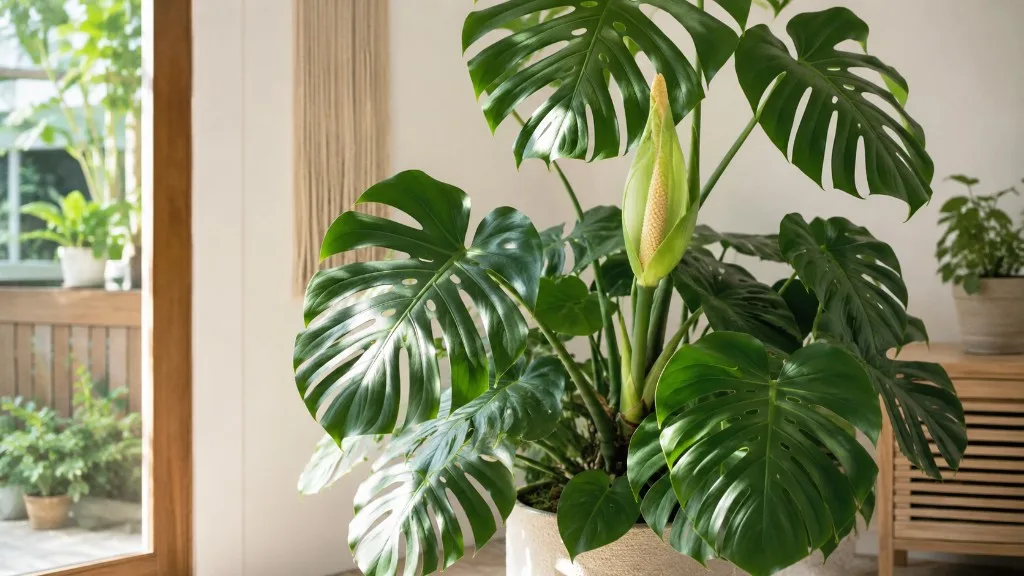
Watering Monstera Albo: Schedule, Soil Checks & Rot Prevention
Watering Monstera Albo: Schedule, Soil Checks & Rot Prevention
You are standing over a variegated Monstera with one limp leaf and a pot that still feels heavy. That is the moment this guide is for. Monstera Albo watering is not about picking a weekday; it is about separating thirst from wet-root stress before one expensive white-and-green leaf becomes a root-rot problem.
Monstera deliciosa ‘Albo Variegata’ is a variegated form of the same climbing woody vine sold as Swiss cheese plant. It has thick stems, aerial roots, and the same need for a chunky, oxygen-rich root zone, but the white sectors change your margin for error. The RHS light guide explains that white areas of variegated leaves do not contain chlorophyll and that variegated plants tend to grow more slowly. That does not prove a universal Albo watering interval, but it does support the practical rule: do not assume a vigorous green Monstera schedule fits a slower variegated vine.
The safest baseline is source-backed and simple: water thoroughly, then let the upper root zone dry before watering again. NC State Extension says to water Monstera deliciosa thoroughly and allow the top quarter to one-third of the container to dry between waterings. Penn State Extension gives a smaller-pot version of the same idea: let the top 1 to 2 inches dry out, and avoid overwatering because it can cause root rot.
Author: sai-ananth · Reviewer: LeafyPixels Review Board · Reviewed: 2026-07-04
Quick answer: water by dry-down, not by date
Water Monstera Albo when the top 3 to 5 cm of mix is dry in small to medium pots, or when the top quarter to one-third of a larger container has dried. Then soak until water drains freely and empty the saucer. Do not give small daily sips, and do not water again because the surface looks pale if the middle of the pot is still damp.
In bright spring and summer growth, many indoor Albo plants land near a 7 to 10 day check rhythm. In cooler, dimmer winter rooms, the same pot may need 10 to 21 days between soaks. Treat those numbers as calendar reminders to inspect the pot, not instructions to water.
Why Monstera Albo dries differently from green deliciosa
Albo is not a fern that wants constant moisture and not a succulent that wants long drought. It is a climbing aroid that wants a full drink followed by air returning to the root zone. The difference from green Monstera deliciosa watering is not the basic method; it is how quickly your plant uses the water after the method is correct.
White variegated tissue has less usable chlorophyll, and the RHS notes that variegated plants tend to grow more slowly and need brighter positions. That makes slower dry-down common on Albo, especially in low light, oversized pots, or dense mix. Still, bright filtered light can raise transpiration and speed the pot up. This is why the correct answer is not “water less than green Monstera” but measure this pot before every soak.
The second Albo-specific issue is recovery. Green deliciosa can often replace damaged roots and leaves faster. Albo usually grows slower, so wet-root damage can show as months of stalled growth, smaller leaves, or cosmetic loss on white sectors. Pair this guide with Monstera Albo soil and Monstera Albo light because watering only works when the mix drains and the plant receives enough filtered brightness to use water.
How often to check Monstera Albo
Use this order every time the plant looks tired or the calendar reminder fires:
- Lift the pot or tilt it slightly to compare weight.
- Probe the mix at mid-depth with a clean skewer, chopstick, or finger if the pot is small enough.
- Water only if the upper root zone has dried enough and the pot feels meaningfully lighter.
- Soak the mix evenly until runoff drains, then empty the saucer or cachepot.
- Record the date, light condition, and how dry the skewer was.
Clemson HGIC is clear that there is no single answer to “how often” because watering depends on species, growth stage, location, pot type and size, soil mix, and conditions. That is exactly why Albo owners should log intervals for two or three cycles instead of copying a social-media schedule.
Dry-down examples to calibrate your own pot
| Setup | Light and season | Mix and pot | Typical check rhythm | What to learn from it |
|---|---|---|---|---|
| Small rooted Albo, 10-12 cm nursery pot | Bright east window, active growth | Chunky aroid mix in plastic | Check every 5-7 days; water often around day 7-10 | Small pots dry fast, but young roots still rot if kept constantly damp |
| Established 15 cm Albo on a short moss pole | Bright filtered south/west window, summer | Bark-perlite mix in nursery pot inside cachepot | Check every 5-7 days; water when skewer is dry at upper half | Empty the cachepot; strong light can make Albo dry closer to green deliciosa |
| 20-25 cm floor Albo with dense old mix | Moderate room light, winter | Older peat-heavy mix in plastic | Check weekly; water may wait 14-21 days | Large deep pots can look dry on top while staying wet near the roots |
| Post-rot recovery cutting | Bright indirect shelf, any season | Small pot, sparse root system | Check every 5-7 days; water only after deeper dry-down | Fewer roots use less water; overpotting is the main risk |
If your plant falls outside these ranges, trust the pot check. Terracotta, high airflow, a warm room, and a root-bound plant speed drying. Plastic cachepots, cool rooms, dense peat, and low light slow it down.
How to test if your Albo is ready for water
The surface is the least reliable part of a Monstera pot. A dry crust can sit over a wet lower root zone, especially in large containers. Missouri Botanical Garden warns that a dry surface is not always a sign of water need because the surface dries first.
Use a skewer test for large Albo pots. Push a dry wooden skewer halfway down between the stem and pot wall, leave it for a few seconds, then pull it out. Damp crumbs or a darkened skewer mean wait. A clean, dry skewer plus a lighter pot means the plant is ready for a soak.
Use pot weight as the second check. Lift the pot right after a thorough watering so you learn the heavy baseline. As the mix dries, the pot becomes noticeably lighter. This is especially useful when the top looks dry but the lower root ball is still holding moisture.
How to water thoroughly without keeping roots soggy
When the pot is ready, water the whole surface slowly until water runs out of the drainage holes. Clemson HGIC recommends watering thoroughly until water runs from the bottom because that reaches the lower root zone and helps wash out excess salts. Let the pot drain, then empty every saucer or decorative cachepot.
Avoid the two common extremes. A tiny splash that wets only the top inch encourages shallow roots and leaves the lower root ball dusty. A second full watering while the pot is still heavy keeps oxygen out of the root zone. Albo needs the full wet-to-dry cycle, not a permanently damp compromise.
If water runs through in seconds and the root ball stays dry, the mix may be hydrophobic or compacted. Water once, wait, then water again lightly after the mix has begun to accept moisture. If channeling repeats, move to the Monstera Albo repotting guide because watering technique cannot fix collapsed soil structure forever.
Moss-pole watering without flooding the pot
Monstera uses aerial roots to climb, and Wisconsin Horticulture Extension recommends a moss-covered support for aerial roots and says to water the support so those roots can obtain water and nutrients. On Albo, that support matters because heavy variegated leaves need stability as the vine matures.
Treat the moss pole and pot as two connected but different moisture zones. When the pot is ready for water, soak the pot and moisten the pole surface. If the pot is still damp but the pole is bone dry, lightly mist or trickle water onto the pole only where aerial roots are attached. Stop before water streams down the pole and re-soaks the root ball.
If aerial roots have not attached yet, do not obsess over pole moisture. Tie the vine gently, keep the root-zone rhythm correct, and let future aerial roots find the support. A soggy pot harms Albo faster than a dry pole.
Seasonal watering changes
Spring and summer usually mean more light, warmer rooms, and faster dry-down. Check more often, especially after moving the plant closer to a bright filtered window. Do not increase water just because growth is active; increase checking frequency, then water only when the pot says yes.
Fall and winter are the danger months. Wisconsin Horticulture Extension says to water Monstera less in winter, and RHS Monstera details align with reducing winter care intensity. In a dim room, Albo photosynthesizes less, growth slows, and wet mix can linger long enough to suffocate roots.
After a light upgrade, re-check the schedule. Brighter filtered light can make the pot dry faster within one or two cycles. After repotting, go slower because fresh mix and disturbed roots change how much water the plant can use.
Overwatering vs underwatering vs light burn: quick diagnosis
| Symptom pattern | Pot check | Most likely issue | First action |
|---|---|---|---|
| Limp leaves, wet cool mix, yellow lower leaf | Heavy pot, damp skewer | Overwatering or root stress | Stop watering, improve bright indirect light and airflow, inspect roots if smell or yellowing spreads |
| Limp leaves, dry skewer, light pot | Light pot, dry upper half | Underwatering | Soak thoroughly, drain, then shorten the next check interval |
| Brown crispy white sectors, pot correctly dry | Normal pot rhythm | Light burn or heat stress | Filter the window; do not add extra water unless the pot is dry |
| Brown tips plus white crust | Variable moisture, mineral crust | Salt buildup or fertilizer stress | Flush when pot is ready, review fertilizer, avoid softened water |
| Sweating/guttation and constantly damp mix | Heavy pot for many days | Too-wet medium | Extend interval and assess mix drainage |
This table prevents the expensive reflex of watering every sad-looking leaf. Clemson HGIC notes that overwatering and underwatering can look similar because both harm roots. Always diagnose the pot before treating the foliage.
Overwatering signs on variegated Monstera
Overwatering is not simply “too much water once.” It is water staying around the roots long enough to displace oxygen. Missouri Botanical Garden explains that roots in waterlogged soil may die because they cannot absorb the oxygen needed to function normally, and damaged roots then fail to supply leaves with water and nutrients.
On Monstera Albo, the warning pattern is usually limp leaves while the pot is still damp, yellowing lower leaves, a sour smell from the mix, soft tissue near the soil line, or stalled new growth after several wet weeks. Fungus gnats are not proof of root rot, but they often tell you the surface is staying wet too long.
At the first reliable pattern, stop watering and check depth moisture. Move the plant into brighter indirect light if it is in a dim corner, but do not place white sectors in harsh direct sun. If the stem softens or the mix smells rotten, unpot and inspect roots.
Underwatering signs on white tissue
Underwatered Albo usually has a light pot, a dry skewer, and limp leaves that recover within hours after a thorough soak. White sectors may crisp along margins faster than green tissue, especially in dry air. That visible browning makes underwatering easy to suspect, but it is not the only cause.
If white tissue browns while the pot is still damp, do not water again. Check light exposure, salt crust, recent fertilizer, and root health. The Monstera Albo light guide is the better next step when crispy white patches appear after a window move or grow-light change.
Water quality, temperature, and salt buildup
Most established Albo plants tolerate ordinary tap water if the pot drains and the mix is flushed occasionally. The bigger water-quality problems are softened water, cold water, and fertilizer salts accumulating in a pot that never drains freely. Clemson HGIC advises against hot or cold water and gives 62 to 72 F as an appropriate range.
Use room-temperature water when practical. If you see white crust on the pot rim or leaf tips brown soon after feeding, water thoroughly the next time the pot is genuinely ready so runoff carries excess salts away. Do not flush a pot that is already wet; that solves salt while worsening oxygen stress.
Common Monstera Albo watering mistakes
The most common mistake is copying a green deliciosa schedule. Albo may dry at a similar pace in bright filtered summer light, but it may dry much slower in moderate light or a large decorative pot. Check the pot, not the plant’s price tag or a calendar.
The second mistake is treating every brown white sector as thirst. White tissue can brown from sun, heat, age, salt, or root stress. Water only fixes the dry-root version. Extra water makes the wet-root version worse.
The third mistake is letting a cachepot hold runoff. Decorative pots hide the problem well: the nursery pot drains, then the root ball sits in a shallow reservoir for hours. Empty the cachepot every time.
Recovery after overwatering or root rot
If you caught the issue early and roots are not mushy, let the mix dry to the proper depth, move the plant to bright indirect light, and resume a conservative soak-and-dry rhythm. Do not fertilize a plant with stressed roots. Do not repot, prune, and relocate in the same weekend unless the roots are clearly rotting.
If the pot smells sour, stems soften, or yellowing spreads while the mix stays wet, inspect the root ball. Trim black mushy roots with clean shears, repot into fresh chunky aroid mix, and use a pot sized to the remaining root system. Sparse roots need less water than a full root ball, so recovery watering should be lighter and less frequent until new growth confirms uptake.
When to use this page vs other Monstera Albo guides
- This page — Use it for when to water, how to test dry-down, moss-pole moisture, wet-soil droop, and rot prevention.
- Monstera Albo light — Use it when white sectors brown, new leaves revert green, or a light change alters water use.
- Monstera Albo soil — Use it when the pot stays wet too long, water channels through, or dense mix undermines your watering rhythm.
- Monstera Albo repotting — Use it when roots circle, the mix smells sour, or a post-rot plant needs a smaller root-appropriate pot.
- Monstera Albo fertilizer — Use it only after watering and light are stable; fertilizer does not fix wet roots.
- Monstera Albo propagation — Use it for cuttings and post-rooting transitions, where sparse roots change watering behavior.
Related Monstera Albo guides
- Monstera Albo overview — Full plant profile, buying checks, variegation basics, and whole-care context.
- Monstera Albo light — Bright filtered placement, white-sector burn, reversion, and grow-light setup.
- Monstera Albo soil — Chunky mix, drainage, pH, pot materials, and soil failure signs.
- Monstera Albo repotting — Pot sizing, root inspection, and post-repot watering constraints.
- Monstera Albo fertilizer — Feeding only after moisture, light, and roots are stable.
- Monstera Albo propagation — Node cuttings, sparse-root aftercare, and rooting-to-soil transition.
Conclusion
Monstera Albo watering succeeds when you make the pot prove it is ready. Let the top 3 to 5 cm dry in smaller pots, use the top quarter to one-third dry-down rule for larger containers, soak thoroughly, empty runoff, and slow down whenever light, temperature, root mass, or season slows growth. The Albo-specific skill is not giving less water forever; it is reading a slower variegated vine carefully enough that white-sector browning, wet-soil droop, and root rot do not get the same treatment.