Pruning Peppermint: When and Where to Cut Stems
Pruning Peppermint: When and Where to Cut Stems
Pruning Peppermint: When and Where to Cut Stems
Quick answer: harvest and pinch stems above leaf pairs
Peppermint needs light, regular trimming more than elaborate pruning. Pinch a stem just above a pair of leaves to encourage side shoots, or cut a whole leafy stem for harvest. NC State Extension notes that pinching branch tips promotes bushier, leafier growth in its Peppermint Plant Toolbox profile. Use clean scissors for a larger harvest and leave plenty of green growth so the plant can keep making new stems.
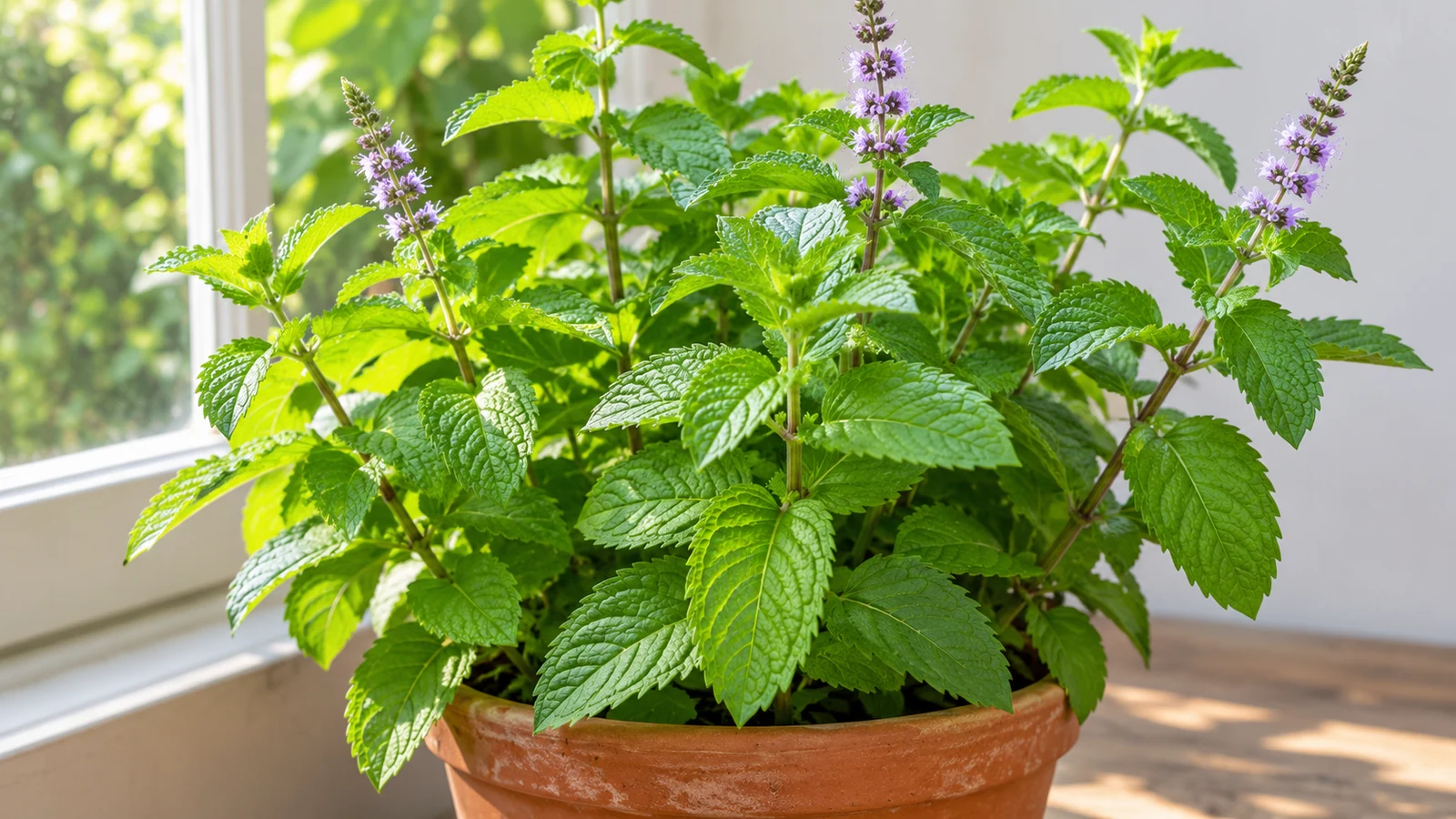
If the clump becomes too tall or flowers heavily, trim it back in stages. You can remove flower spikes for more leaf-focused growth, or leave some blooms for pollinators. The Missouri Botanical Garden profile describes shearing large plantings after bloom to stimulate new vegetative growth.
Why peppermint benefits from regular trimming
Peppermint grows quickly and can become lanky or crowded if stems are left untouched. Harvesting or pinching the tips encourages branching and gives you a steady supply of leaves. It also helps keep a potted plant within its container rather than allowing stems to lean over the sides and root in nearby soil.
Regular trimming does not stop underground rhizomes from spreading. It manages the top growth, while containment requires checking runners and root edges. The University of Delaware Cooperative Extension mint guide notes mint’s spreading habit and that frequent cutting can encourage bushier growth. Keep these two jobs separate: cut stems for shape and harvest, then inspect the pot boundary for runners.
Where to make a pruning cut
For a stem you want to branch, cut just above a leaf pair or node. New side shoots can emerge from the buds at the remaining leaves. Use a sharp pair of clean scissors and avoid leaving a long bare stub above the node. For a damaged stem, cut it back to the healthy base rather than leaving a ragged section.
If you are harvesting several stems, cut them low enough to remove the leafy section you need but leave other stems intact. Gardener’s Path describes regular harvesting and cutting stems above a leaf joint for regrowth. A clean cut heals more predictably than tearing or pinching a thick stem with your nails.
Pinching young stems
Once peppermint has several healthy stem pairs, pinch the growing tips to encourage a fuller shape. Start with a few stems rather than removing every tip at once. The plant needs foliage to keep growing, and a young division should first establish roots before you shape it heavily.
Use your thumb and forefinger on soft tips or small scissors for firmer stems. Recheck the plant after new side shoots form, then pinch only the longest stems. The NC State Plant Toolbox specifically notes that tip pinching promotes bushier, leafier growth and increases harvestable foliage.
Harvesting leaves and shoots
Pick a few leaves at a time for immediate use, or harvest leafy stems for drying. Cut above a leaf pair so the remaining stem can branch. Avoid stripping one side of the plant bare; harvest across several stems and leave enough green growth for recovery. The University of Florida IFAS mint guide says leaves can be harvested as needed and dried for later use.
For a larger harvest, cut stems as flower buds begin to appear if your goal is fragrant leaves. University of Delaware Extension recommends taking leaves for drying as flowering begins, and GrowHoss also discusses harvesting before bloom in field production. Home growers can harvest lightly throughout the season rather than waiting for a single cut.
How much to remove at once
For a healthy established clump, harvest a portion of the stems and leave the rest to continue photosynthesizing. If the plant is young, recently divided, or stressed by heat, take only a small amount. A severe cutback can be appropriate for a large healthy patch, but split it across more than one session if the plant is already weak.
Watch for new growth before cutting again. If stems are regrowing vigorously, you can harvest more often. If the plant remains sparse, improve light, water, or root space first. The University of Delaware Cooperative Extension guide notes that frequent cutting encourages fuller mint growth, but it does not mean every stem should be removed at once.
Managing flower spikes
Peppermint produces small flowers in spikes during its growing season. If you want a leafy shape, cut the flower stems back to a leaf pair before seed forms. If you want to enjoy the blooms or support pollinators, leave some spikes and trim only those that are spent or leaning.
Flowering is a normal stage, not a sign that the plant is dying. The Missouri Botanical Garden Plant Finder describes pink-to-lavender summer flowers and notes that large plantings may be sheared after bloom. A container plant usually needs a few selective cuts rather than a full mechanical shear.
Cutting back after flowering
After flowering, remove spent spikes and any stems that have become woody, damaged, or untidy. Cut healthy stems back to a node or a leafy side shoot. If the whole clump has become shaggy, trim it moderately and allow new stems to fill in; avoid removing every green leaf unless the plant is strong and conditions favor rapid regrowth.
The RHS species page lists pruning guidance alongside growing information for peppermint; see the RHS profile. For a large outdoor patch, post-bloom shearing can refresh the top growth, as described by Missouri Botanical Garden. Do not apply that whole-patch approach to a weak pot with only a few stems.
Trimming an overgrown container
If stems spill over the pot, first cut back the longest shoots and remove any runners trying to root beyond the container. Then inspect the root ball. If it is tightly packed and dries rapidly, pruning the top alone will not solve the problem; divide or repot the clump. Use the Peppermint repotting guide to refresh a crowded root system.
Keep the pot on a hard surface rather than directly on soil where a runner can take root. The RHS peppermint profile recommends restricting the root run in a deep container, and NC State Extension explains the plant’s aggressive rhizomatous spread. Stem pruning controls height; physical containment controls where peppermint grows.
Managing runners and rhizomes
Check the soil surface and drainage holes for new runners. Cut an unwanted runner where it connects to the parent plant, then remove it before it roots in a neighboring bed. If you want another plant, keep a section with roots and pot it separately. Do not toss viable rhizomes onto a compost pile that may not heat thoroughly.
For a garden patch, trim the edges several times through the growing season and remove shoots that cross the boundary. A root barrier or dedicated container is more reliable than pruning stems alone. UF/IFAS recommends containers to help prevent mint from spreading; see its mint guide.
Pruning indoor peppermint
Indoor peppermint can be pinched as stems grow toward a window. Rotate the pot occasionally, then cut the longest tips above leaf pairs to encourage a balanced shape. Do not cut the plant back hard if the room is dim; improve light first so new growth will not repeat the same stretched form.
Harvest just what you need and avoid leaving a few bare stems. Indoor containers may grow more slowly than outdoor plants, especially in winter, so leave more foliage between cuts. The Gardening Know How peppermint guide notes the plant’s vigorous growth and harvest potential; indoors, light is often the limiting factor for replacing removed stems.
Seasonal pruning schedule
Pinch actively growing stems through spring and summer, and remove spent flowers if you want to focus growth on leaves. In cooler seasons, reduce harvesting as growth slows. Remove dead stems in spring when new shoots appear, but do not mistake dormant stems for dead ones until you can see where the plant is resprouting.
If winter has damaged the top growth outdoors, wait until the weather moderates and new shoots show the boundary between live and dead tissue. Trim dead stems back to the base without cutting into new growth. Indoor plants under low winter light need lighter trimming than vigorous summer plants.
Tools and clean cuts
Use small scissors for tender stems and pruning shears for thicker growth. Wipe blades clean between plants, especially if you see disease symptoms. Make a smooth cut just above a node rather than crushing the stem. Remove cuttings from the pot surface so they do not root in a place you did not choose.
For edible harvests, use clean tools and rinse leaves before use. Avoid cutting wet foliage when you can, and give the canopy airflow after trimming. If you remove a large number of stems, do not immediately apply fertilizer; let the plant recover and check that the root zone is moist.
Common pruning mistakes
Cutting every stem to the soil at once can leave a weak plant without enough leaf area to regrow. Pinching below all leaf pairs leaves bare stubs that produce little branching. Removing flowers is optional, not mandatory. And pruning above ground does not stop peppermint rhizomes from escaping a pot.
If the plant looks sparse, do not prune it harder in the hope that it will become bushy. Check light, moisture, and root crowding first. Use selective cuts after conditions improve, then give the plant time to produce side shoots.
When to use this page vs other Peppermint guides
Use this guide to harvest, pinch, and shape stems. If the pot is crowded or drying too fast, read repotting Peppermint before trimming more foliage. The watering guide explains how to support recovery, while Peppermint light covers stretched growth caused by dim placement.
For more about how cuttings become new plants, see Peppermint propagation. The fertilizer guide covers feeding after the plant resumes growth, and the overview explains root containment.
Related Peppermint guides
- Peppermint overview covers the full setup and rhizomes.
- Peppermint light needs covers placement and leggy growth.
- Watering Peppermint covers moisture after harvest.
- Peppermint soil explains drainage and growth conditions.
- Fertilizing Peppermint explains when feeding is useful.
- Repotting Peppermint covers root-bound plants and division.
- Propagating Peppermint covers stem cuttings and runners.
Conclusion
Pinch peppermint above leaf pairs, harvest stems regularly, and remove flower spikes only if you want to prioritize leaves. Leave enough foliage for recovery, then inspect the roots if the pot keeps overflowing or drying too fast. Pruning shapes the top growth; a dedicated container or root barrier is what controls the rhizomes.