How to Propagate Peppermint: Division, Runners and Cuttings
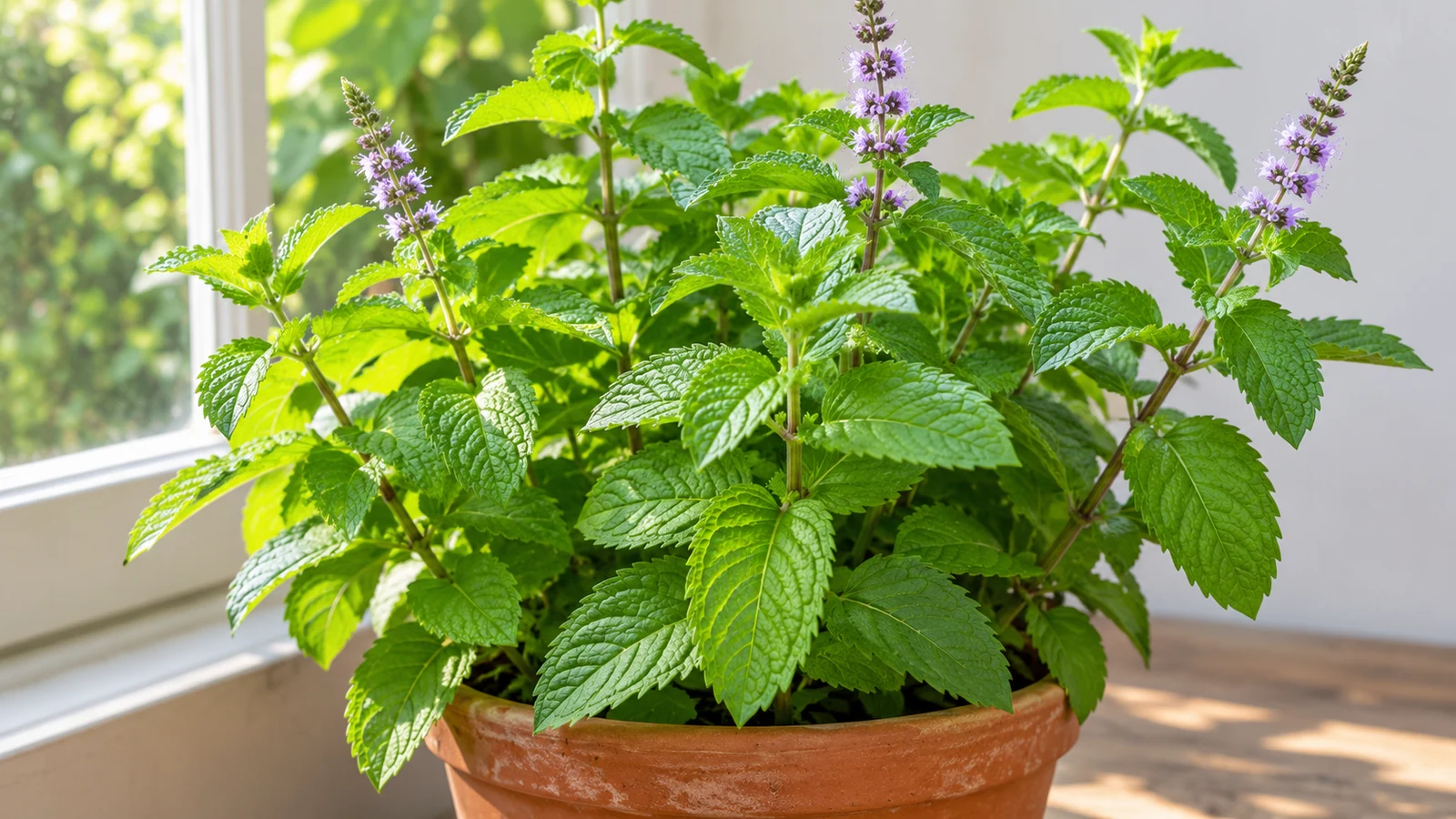
How to Propagate Peppermint: Division, Runners and Cuttings
How to Propagate Peppermint: Division, Runners and Cuttings
Quick answer: division is the fastest dependable method
The easiest way to make more peppermint is to divide a healthy clump or pot up a rooted runner. Stem cuttings are also reliable when you want a small new plant from a healthy shoot. Peppermint grows by rhizomes and spreads readily; NC State Extension lists division and stem cuttings as suitable methods, while UF/IFAS notes that runners can be removed and transplanted.
Choose division when the pot is crowded, a rooted runner when one has already formed, and a cutting when you only have a small healthy stem. Keep the new roots lightly moist while they establish, but use a potting mix and container that drain freely. New plants need containment just as much as the original one.
Which propagation method to choose
Division is best for a mature clump that has filled its pot. It creates a substantial plant with existing roots and usually establishes faster than a small cutting. A rooted runner works when peppermint has already sent a stem across the soil and formed roots at a node. A stem cutting is useful when you want a compact start or to share a plant without lifting the whole root ball.
The Royal Horticultural Society profile recommends spring or autumn division, while the University of Delaware Cooperative Extension mint guide notes mint’s vegetative propagation methods. Pick the method that matches the material already available rather than forcing a weak plant into propagation.
Best time to propagate Peppermint
Spring and early autumn are convenient times for division because temperatures are often moderate and the plant is not under intense summer heat. You can root a stem cutting during active growth whenever you can keep it in a bright, sheltered place. Avoid taking many cuttings from a small or drought-stressed parent; it needs enough foliage to keep growing.
For outdoor planting, wait until the division or rooted cutting has healthy new growth and can handle the local weather. If you are growing in a hot region, keep new plants in bright shade at first and increase sun gradually. The RHS peppermint profile specifically names spring or autumn for division.
Propagating by division
Water the parent plant before lifting if the soil is dry. Slide the root ball from its container or dig around a section of the garden clump. Separate a piece that has firm roots or rhizomes and at least one growing point. Use your fingers for a loose clump or a clean knife for a dense one. Discard soft, dark, or foul-smelling tissue.
Pot each division at its previous depth in fresh, moist but well-drained mix. Firm the soil gently around the roots, water until excess drains, and place the plant in bright indirect light or gentle morning sun while it settles. Gardener’s Path describes root divisions for peppermint, and NC State Extension lists division as a recommended propagation method.
Separating a rooted runner
Peppermint runners can root where a node touches moist soil. Look for a small shoot with its own roots rather than cutting an unrooted runner and expecting it to establish immediately. Trace the runner back toward the parent, then sever it between the new plant and the main clump with clean scissors or a knife.
Lift the rooted section with a small amount of soil around its roots and move it into a pot or prepared bed. Keep the root zone evenly moist as it adapts. UF/IFAS describes removing and transplanting mint runners in its mint guide. Because runners spread quickly, place the new plant in a dedicated container or a location where its growth is welcome.
Taking stem cuttings
Select a healthy, non-flowering stem with several leaf pairs. Use clean scissors to cut a section about four to six inches long, then remove the leaves from the lower half so none sit below the rooting medium. Keep the top leaves intact; they help the cutting continue to grow while roots form.
Take more than one cutting if you have enough parent growth, since not every cutting will root. Avoid stems with pests, disease spots, or very soft new tips. The University of Delaware Extension mint page and Gardening Know How both describe cuttings as a propagation option for mint and peppermint.
Rooting cuttings in water
Place the lower leafless portion of a cutting in a clean glass of water, keeping leaves above the surface. Set it in bright, indirect light and replace the water every few days if it becomes cloudy. When roots become visible and begin branching, move the cutting into potting mix rather than leaving it in water indefinitely.
Transition gently: water the new potting mix, insert the rooted cutting, and keep it evenly moist while roots adapt from water to soil. Avoid direct hot sun during this stage. Gardener’s Path describes water-rooting stem cuttings and moving rooted stems into soil; treat its timing as a guide rather than a guarantee because temperature and stem condition change rooting speed.
Rooting cuttings in potting mix
You can root a cutting directly in a small pot of clean, lightly moist potting mix. Make a hole with a pencil, insert the bare lower stem, and firm the mix around it. Covering the pot loosely with a clear bag can slow moisture loss, but air it regularly so condensation does not keep the foliage wet.
Keep the pot warm and bright without direct midday sun. Check the mix with a finger and add water only when the surface begins to dry. Tug gently after a couple of weeks; resistance and new leaves suggest roots are forming. GrowHoss describes peppermint propagation by plant material in a production context; the small-pot method is a home-scale way to root one or two stems.
Moving rooted cuttings into a pot
Move water-rooted cuttings when roots are visible and have started to branch. Use a pot with drainage and a moisture-retentive potting mix that still drains freely. Plant the cutting at a depth that supports the stem without burying its leaves, then water to settle the mix around the roots.
Keep the new plant in bright indirect light until it begins making fresh leaves, then acclimate it to stronger sun. Do not feed immediately; fresh mix may contain nutrients, and small roots are still adapting. The RHS peppermint profile recommends moist, well-drained conditions that also suit newly potted cuttings.
Why seed is less predictable
Peppermint is a hybrid of watermint and spearmint. Seed may germinate, but offspring can differ from the parent in growth and aroma, so it is not the dependable choice when you want the same peppermint plant. Use vegetative methods—division, a rooted runner, or cuttings—to preserve the parent’s characteristics more reliably.
The NC State Plant Toolbox identifies peppermint as a cross between M. aquatica and M. spicata, while Missouri Botanical Garden treats it as a rhizomatous perennial commonly propagated through vegetative growth. If seed is all you have, grow the seedlings and assess them as individual plants rather than expecting exact copies.
Light and moisture for new plants
New divisions and cuttings need bright conditions but can wilt under harsh midday sun while roots are limited. Start them in bright shade or gentle morning light, then increase exposure as fresh leaves appear. Keep the mix lightly moist; small containers can dry fast, but saturated soil may damage young roots.
Do not water on a fixed schedule. Check the surface of the mix and the weight of the pot. A cutting under a humidity cover will dry more slowly than an uncovered division on a sunny patio. The University of Florida IFAS guide says mint prefers moisture-retentive soil; pair that moisture with good drainage for new roots.
Signs propagation is working
Fresh leaves or upright new shoots are the clearest signs a division or cutting is establishing. A rooted cutting should resist a gentle tug once its new roots anchor in the mix. Some older leaves may droop or fade after the move; remove only dead tissue and look for healthy growth at the nodes.
If a cutting remains limp in a wet pot, check that the medium is not saturated and that the cover allows airflow. If it wilts in dry mix, rehydrate it and reduce exposure temporarily. Avoid disturbing the cutting every day to inspect roots; stability helps it establish.
Common propagation failures
Cuttings can fail when stems are flowering, too soft, dried out before planting, or buried with leaves below the mix. Divisions can fail when a section has no growing point, when roots are damaged too severely, or when a new plant is left in harsh sun before it reestablishes. Use healthy material and keep the process simple.
Mold or rot often points to excess moisture and insufficient airflow. Let the surface begin to dry slightly between watering and open any humidity cover daily. If a division has dark, mushy roots, trim the damaged portion with a clean tool and replant healthy tissue in fresh mix.
Containing new plants
Each new peppermint plant can spread by rhizomes, so choose its destination before it becomes established. Use an individual pot or a contained bed rather than placing it in a mixed herb planter. A runner can escape through drainage holes or across soil if a container sits directly on a garden bed.
Inspect the pot edge and underneath it periodically. The University of Delaware Extension guide and Missouri Botanical Garden profile both describe mint’s spreading habit. Containment is part of propagation: one new plant can become many if its roots are allowed to travel.
When to use this page vs other Peppermint guides
Use this guide when you want to make new peppermint plants. For a crowded parent pot, see repotting Peppermint to decide whether to divide or move the whole plant. The pruning guide explains how to take harvest cuttings and manage stems, while the watering guide covers moisture for new roots.
For placement, read Peppermint light; for a suitable rooting medium, see Peppermint soil. The overview explains why each new plant needs its own containment plan.
Related Peppermint guides
- Peppermint overview covers its growth habit and containment.
- Peppermint light needs covers where to grow new divisions.
- Watering Peppermint explains moisture checks for cuttings.
- Peppermint soil covers the mix for new roots.
- Fertilizing Peppermint explains when to feed established plants.
- Repotting Peppermint covers division of a crowded clump.
- Pruning Peppermint covers stem cuts and harvest.
Conclusion
Use division or rooted runners for the quickest new peppermint plants, and stem cuttings when you want a smaller start. Keep new roots lightly moist in a draining mix, give them bright but gentle light, and move them to stronger sun after they resume growth. Plant each one where its rhizomes can be contained.