Wilting on Philodendron Brasil: Causes, Checks & Fixes
Quick answer
Wilting on Philodendron Brasil usually means roots cannot supply water-either because the mix is bone dry or too wet and roots are failing. Lift the pot and check soil 3–5 cm deep before you water.
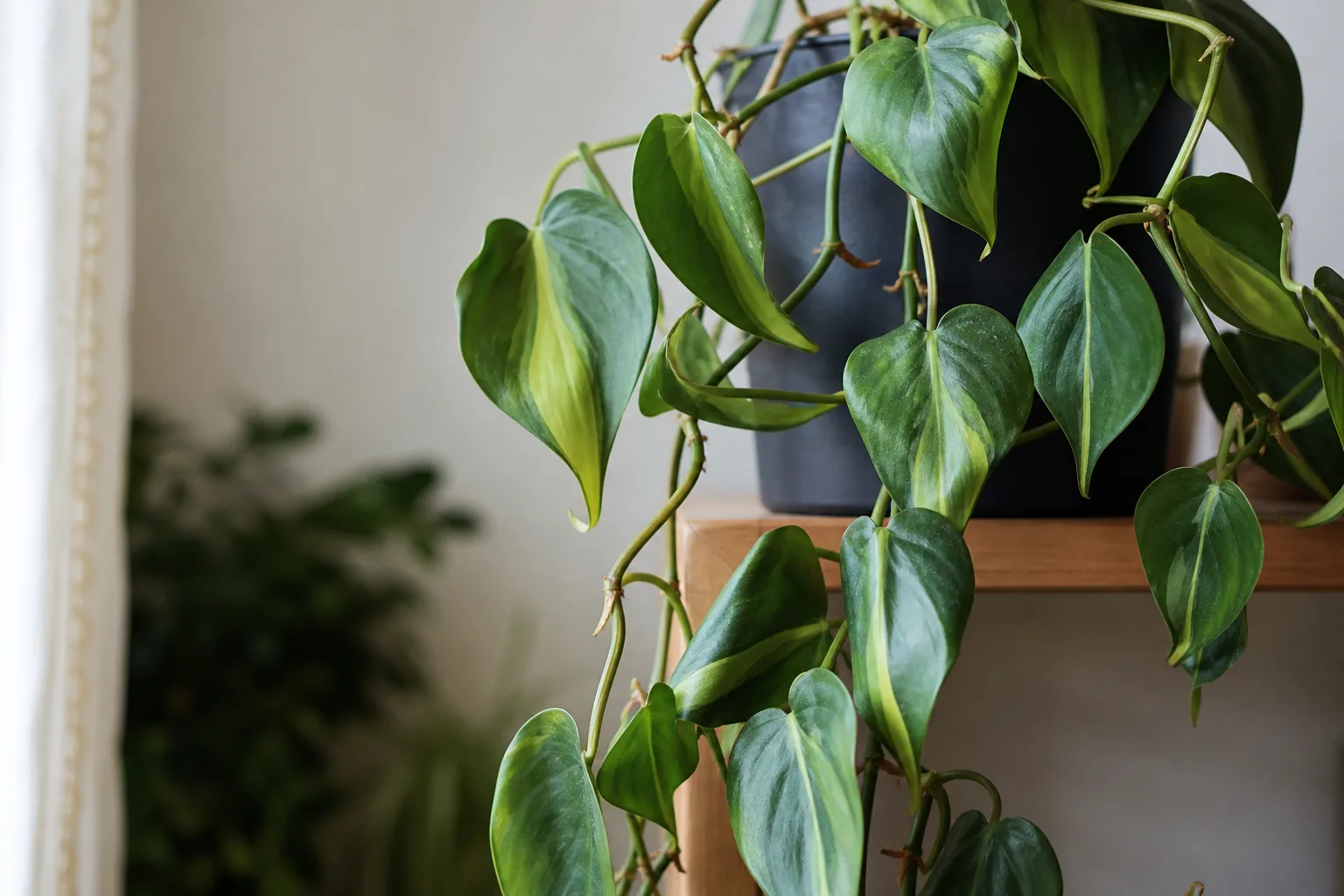
Wilting on Philodendron Brasil: Causes, Checks & Fixes
This guide covers wilting on Philodendron Brasil. See also the general Wilting guide, watering, and light pages for this plant.
Wilting on Philodendron Brasil: Causes, Checks & Fixes
Quick answer
Wilting on Philodendron Brasil (Philodendron hederaceum ‘Brasil’) is one of the most misleading symptoms in houseplant care because limp heart-shaped leaves look identical whether the mix is parched or waterlogged. This rapidly growing trailing vine with thin lime-and-green foliage loses turgor fast when roots cannot move water-but the cause can be opposite problems.
First step: lift the pot and push your finger 3–5 cm into the mix before you reach for the watering can. A light, dry pot with firm stems needs water. A heavy, wet pot with softening stems means roots are failing despite moisture-and wilted leaves with wet soil often mean rotting roots cannot take up water. Adding water to the second scenario speeds decline.
What wilting looks like on Philodendron Brasil
Brasil wilting shows up on the vines you see first-the long trailing stems and heart-shaped leaves-rather than as a single collapsed crown. Typical patterns:
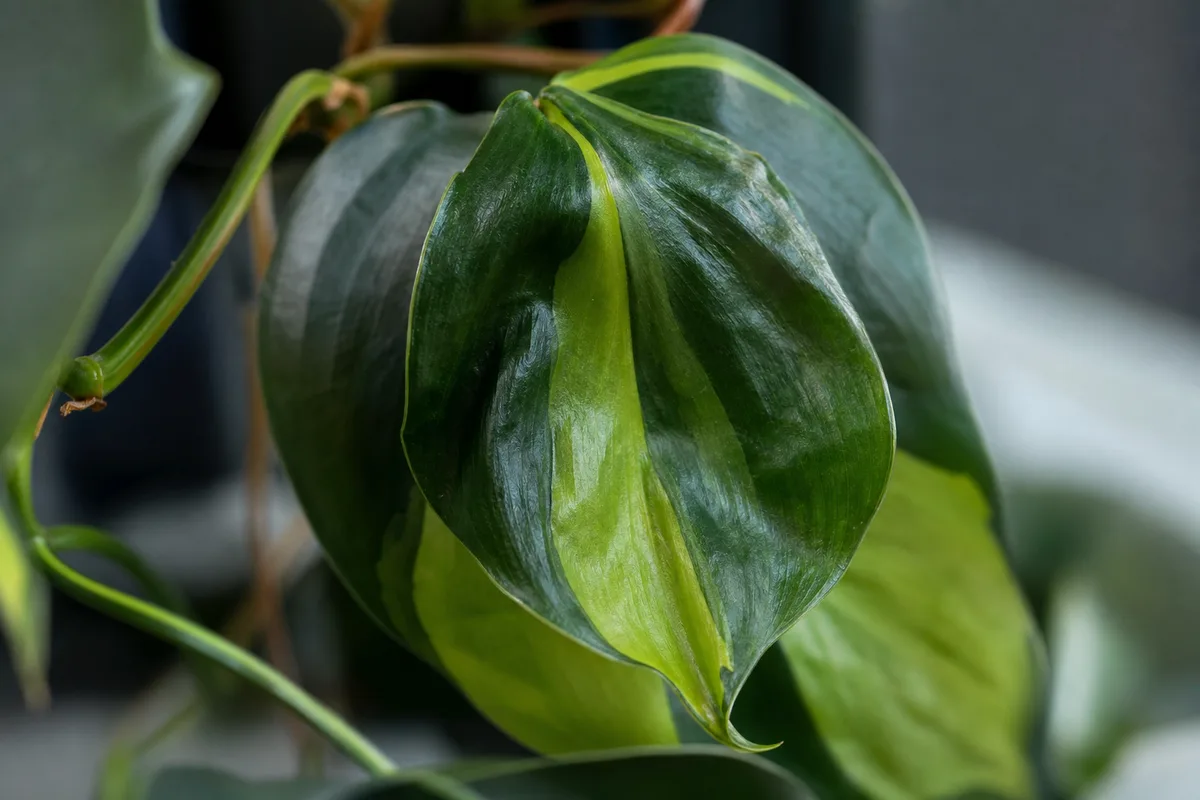
Wilting symptoms on Philodendron Brasil - compare with healthy tissue on the same plant.
Dry wilt (underwatering on Philodendron Brasil):
- Heart leaves hang limp along the full length of trailing stems
- Pot feels light; mix is dry several centimeters down
- Leaf edges may curl slightly before full collapse
- Stems stay firm when you pinch them near the soil line
- Lime variegation may look dull but is not the primary clue
Wet wilt (overwatering on Philodendron Brasil or root rot on Philodendron Brasil):
- Vines droop even though the surface or deeper mix feels wet
- Pot stays heavy days after the last watering
- Lower leaves may yellow while tips still wilt
- New lime-streaked growth stalls or looks pale
- Stems at the soil line feel soft or mushy in advanced cases
- Mix may smell sour or rotten on inspection
Temporary heat or light stress:
- Wilt appears on warm afternoons or right after a sudden move to a hotter window
- Stems remain firm; soil moisture reads normal
- Vines often recover overnight or once light is filtered
Brasil’s thin leaves wilt faster than thick rubber-plant foliage, so the symptom looks dramatic even when the underlying stress is moderate. Judge the root zone, not just how sad the trailing stems look.
Why Philodendron Brasil wilts
Underwatering on a fast vining philodendron
Brasil grows quickly when it has bright indirect light and warm room temperatures. Long trailing stems increase leaf surface area, so a hanging basket can dry from top to bottom within a few days in summer. Missed watering cycles, a pot that has become too root-bound to hold moisture evenly, or a heater or AC draft pulling humidity off leaves all strip turgor from heart leaves before roots shut down.
Overwatering and root oxygen loss
The opposite failure is more common indoors. Roots growing in waterlogged soil may die because they cannot absorb the oxygen needed to function. Brasil tolerates missed drinks better than chronic sogginess, but many growers water on a calendar because trailing vines look thirsty. Dense peaty mix without perlite, pots without drainage, oversized containers, and low light that slows water use while you keep summer Philodendron Brasil watering guide all keep roots submerged.
Once roots decay, the plant cannot transport water even though the mix is wet-the classic wilt paradox. Stunted slow growth with yellowing leaves is another symptom of over-watering that often appears alongside wet wilt on philodendrons.
Root rot progression
Root rot follows prolonged oxygen starvation or fungal attack in wet mix. Root rot causes wilting despite moist soil. On Brasil, rot often starts at the base of crowded vines in a full pot before you notice wilt on the longest trailing stems.
Heat and transpiration stress
Brasil prefers the same comfortable indoor temperatures people enjoy. Temperatures below 50°F are too cool for heartleaf philodendron, and sudden heat against a south window can push transpiration past what roots supply on a hot afternoon. This temporary wilt differs from root failure because stems stay firm and recovery follows once light or temperature stabilizes.
Recent Philodendron Brasil repotting guide or relocation shock
Disturbed roots after repotting may underperform for a week or two, especially if the plant was watered heavily right after the move or sat in hot dry air. Temporary wilt on firm stems with evenly moist-not soggy-mix often traces to shock rather than rot.
How to confirm the cause
Work through these checks in order:
- Pot weight - Lift the container off the saucer. Light weight after several days without watering confirms dry wilt. Heavy weight with limp vines points toward wet wilt.
- Deep moisture - Push your finger 3–5 cm into the mix. A dry surface is not enough; check moisture near the root zone rather than only at the surface.
- Stem firmness - Pinch stems at the soil line. Firm stems with dry mix = underwatering. Soft stems with wet mix = root damage likely.
- New growth check - Inspect the newest lime-streaked leaves at vine tips. Stalled or pale new growth with wet soil supports overwatering. Firm new tips on a dry pot support thirst.
- Drainage test - Water should exit drainage holes within seconds of a soak. Blocked holes or a full saucer keep the root zone saturated.
- Smell and root peek - Sour odor or persistent wet wilt after a dry-down cycle means unpot and inspect. Healthy roots are firm and white or tan; rotted roots are brown, mushy, or translucent.
If stems are firm, soil moisture is even, and wilt only appears mid-afternoon, suspect heat or light stress first-not emergency root surgery.
First fix for Philodendron Brasil
For dry wilt: water thoroughly once, then drain completely.
Set the pot in a sink or tub, soak until water runs from drainage holes, and let excess drain for several minutes before returning it to its spot. Do not leave the pot standing in a full saucer. Brasil’s thin leaves often perk within hours once the root ball is evenly moist again.
For wet wilt: stop watering immediately.
Do not add water because vines look limp-that deepens oxygen loss. Move the plant to brighter indirect light so the mix dries faster. If stems stay firm and no sour smell appears, wait until the top 3–5 cm is dry before one cautious soak.
For wet wilt with soft stems or sour smell: unpot, trim, and repot.
Knock the plant out of its container, rinse away old mix, and cut mushy roots with clean scissors. Plants with partial rot may be salvaged by pruning out the rotted part. Repot into fresh standard potting mix with 20–25% perlite in a pot sized to the remaining root mass-not a much larger one. Wait about a week before the first light watering.
Never water a wilting Brasil without confirming soil moisture first. That single mistake converts mild underwatering into severe overwatering-or turns early root stress into full rot.
Step-by-step recovery
After the first fix:
- Dry wilt path - Resume watering only when the top 3–5 cm dries. Judge recovery by vine tips firming up, not by calendar days.
- Wet wilt path without rot - Let the mix dry through the full root zone. Empty saucers after every future drink. Improve light if the pot has been drying too slowly.
- Rot path - Keep the plant in bright indirect light, avoid fertilizer, and water lightly only when the top of the fresh mix dries. Trim any stems that stay collapsed and necrotic to reduce stress load.
- Heat-stress path - Filter harsh sun, keep even moisture without saturating mix, and avoid moving the plant repeatedly while it stabilizes.
- Salvage option - If most roots are gone but firm nodes remain on trailing stems, take stem cuttings with at least one node and root them in water. Brasil roots easily from cuttings and is often faster to rebuild from healthy cuttings than from a collapsed root ball.
Reassess within 24–72 hours. Rapid improvement suggests reversible stress; no improvement with wet soil signals deeper root failure.
Recovery timeline
Mild dehydration on a healthy Brasil often shows firmer leaves within a few hours to one day after proper rehydration. Wet wilt without rot may take one to two weeks of dry-down and corrected watering before new lime-streaked growth looks normal again.
Severe root rot recovery spans several weeks and is judged by firm new leaves at vine tips, not by old wilted blades re-tightening. Fully collapsed heart leaves rarely return to perfect form; new growth tells you the root system is working again.
If wilt worsens across multiple stems while soil stays wet after corrective care, the plant may not be saveable except through cuttings.
Lookalike symptoms to rule out
Drooping without full wilt - Slight sag on long trailing stems can be normal gravity on heavy vines. True wilt involves limp tissue that does not spring back when lifted.
Yellow leaves - Yellowing with wet soil points to overwatering overlap; yellow lower leaves on dry mix can mean underwatering or natural renewal. Read the moisture pattern, not leaf color alone.
Leggy pale growth - Weak light produces stretched vines with smaller leaves, not sudden collapse. Wilt is acute turgor loss, not slow stretch.
Pest damage - Spider mites cause stippling and fine webbing; mealybugs show white cottony clusters. Neither typically causes whole-vine wilt unless feeding is severe and the plant is already water-stressed.
Mistakes to avoid
Do not water repeatedly because trailing leaves look dramatic-check soil first every time.
Do not move a wilted Brasil into harsh direct sun hoping it will “dry out.” Direct sunlight can burn philodendron leaves.
Do not fertilize a wilted plant. Fertilizer on stressed roots worsens salt stress and pushes growth the plant cannot support.
Do not repot into a much larger container “to help recovery.” Extra wet mix around a damaged root ball prolongs oxygen loss.
Wear gloves when cutting mushy tissue-heartleaf philodendron contains insoluble calcium oxalate crystals toxic to cats and dogs.
Philodendron Brasil care cross-check
Wilting prevention on Brasil is mostly about matching water to how fast this vine uses it:
- Light - Bright indirect light in a well-drained potting mix keeps growth steady and soil drying predictable.
- Water - Water when the top inch of soil becomes dry or when the top 3–5 cm dries in your home; philodendrons prefer evenly moist but not soggy soil.
- Mix - Standard potting mix plus 20–25% perlite; refresh when mix compacts and holds water too long.
- Season - Reduce watering frequency in winter when growth slows and the pot dries more slowly.
How to prevent wilting next time
Use moisture-guided watering year-round instead of a fixed calendar. Hang baskets dry faster than pots on shelves-check the actual pot, not the schedule you use for a floor plant.
Ensure drainage holes flow freely and saucers are emptied after every drink. Pair consistent bright indirect light with a perlite-amended mix so Brasil uses water at a steady rate.
After travel or a missed watering week, rehydrate dry plants thoroughly once rather than sprinkling small amounts daily, which wets only the surface while deeper roots stay dry.
Scout weekly during active summer growth. Fast vines hide root problems until several stems wilt together-early pot-weight checks catch trouble before collapse spreads.
When to use this page vs other Philodendron Brasil guides
- Philodendron Brasil watering guide - Use for routine moisture checks before assuming wilting is the main issue.
- Philodendron Brasil problems hub - Browse all 46 common issues on this species.
- Underwatering on Philodendron Brasil - Different entry point when symptoms overlap with wilting.
- Overwatering on Philodendron Brasil - Different entry point when symptoms overlap with wilting.
- Root Rot on Philodendron Brasil - Different entry point when symptoms overlap with wilting.