Slow Growth on Rhaphidophora Tetrasperma: Causes, Checks &
Quick answer
Slow growth on Rhaphidophora Tetrasperma means almost no new nodes for six or more weeks in warm months-not vines that keep reaching with long gaps. First step: check light at the leaf canopy and move to brighter indirect light before changing water, fertilizer, or pot size.
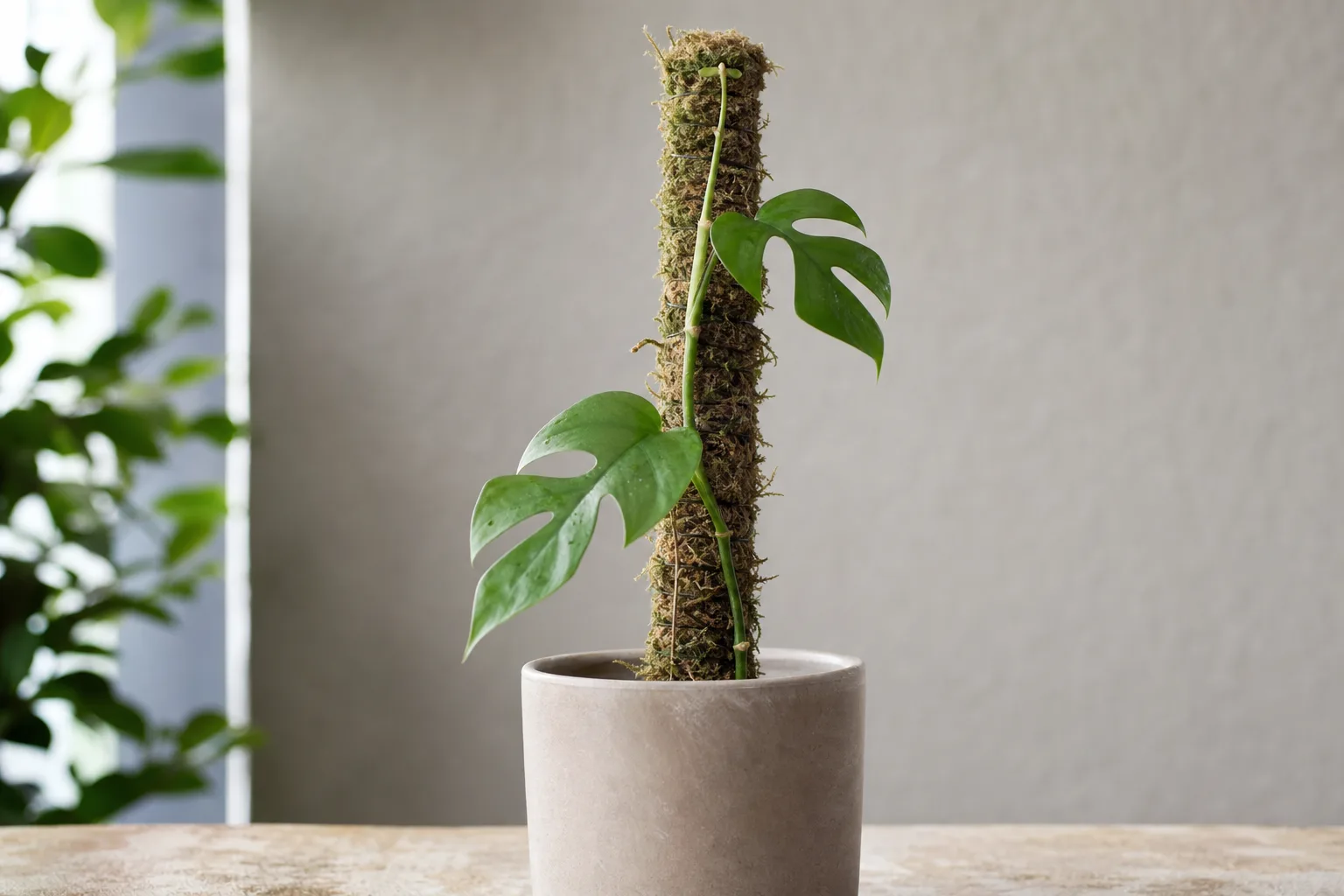
Slow Growth on Rhaphidophora Tetrasperma: Causes, Checks & Fixes
This guide covers slow growth on Rhaphidophora Tetrasperma. See also the general Slow Growth guide, watering, and light pages for this plant.
Slow Growth on Rhaphidophora Tetrasperma: Causes, Checks & Fixes
Quick answer
Rhaphidophora Tetrasperma is marketed as easy, but it is not a slow-growing houseplant when conditions are right. NC State lists a rapid growth rate for this tropical climbing vine from Thailand and Malaysia. In a typical home, a stalled Mini Monstera in spring or summer almost always means light, roots, temperature, or water-not genetics.
First step: check light at the leaf canopy and move the plant to brighter indirect light. Do not repot, fertilize heavily, or change watering on the same day. Fix the most likely limiter first, then watch new node spacing for three to four weeks before stacking more changes.
Winter slowdown is normal. A vine that sits unchanged from November through February in a cool, dim room may simply be resting. Concern starts when growth stays minimal through March into June while days lengthen and indoor temperatures climb.
Is this slow growth or a different problem?
This page is for true stalls-the vine adds almost no new nodes for weeks while existing foliage stays mostly green. Three sibling problems overlap on Mini Monstera but need different fixes:
| Pattern | What you see | Likely cause | Go to |
|---|---|---|---|
| Slow growth (this page) | No new leaves for 6+ weeks in warm months; static vine length; pot weight unchanged | Light, roots, temperature, or chronic wet mix | Stay here - start with light at canopy |
| Leggy growth | Vine keeps reaching; long bare internodes; tiny unsplit new blades | Etiolation from low light while still elongating | Leggy growth guide |
| Not enough light | Dim placement diagnosis; soil stays damp; yellow lower leaves | Overall insufficient brightness before stretch or stall | Not enough light guide |
| Root rot / wet soil | Yellowing climbs vine; sour smell; mushy roots; soil wet 7+ days | Overwatering relative to light; root decline | Root rot guide |
| Winter rest | Little change Nov–Feb; firm roots; stable green foliage | Short days and cool room temps | Monitor - resume checks in March |
For proactive window bands, lux context, and grow-light setup, see the Rhaphidophora Tetrasperma light guide. For dry-down rhythm once placement improves, see watering. Our overview explains species ID and the full care hub.
What slow growth looks like on Rhaphidophora Tetrasperma
Slow growth here is less about one yellow leaf and more about the pace of new nodes. On a healthy plant you expect regular unfurling in warm months-often a new split leaf every few weeks when light and roots are aligned. When growth stalls, patterns include:
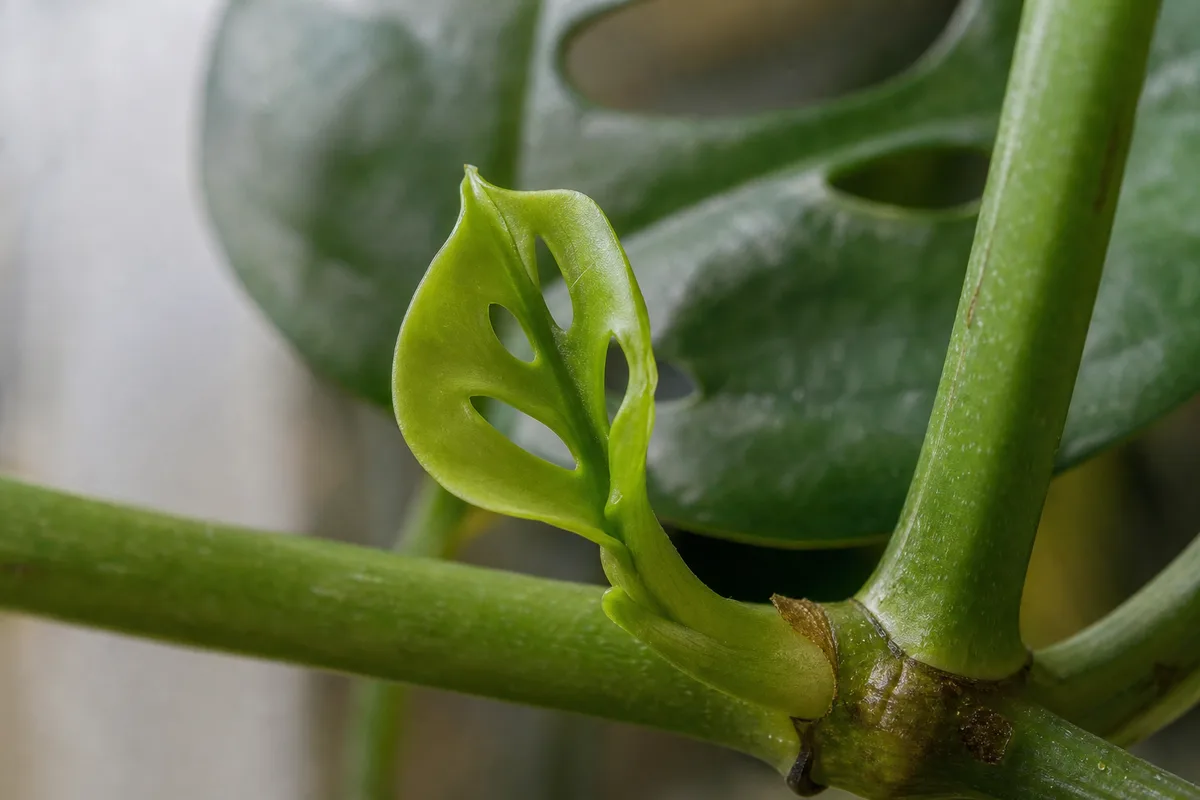
Slow Growth symptoms on Rhaphidophora Tetrasperma - compare with healthy tissue on the same plant.
- No new leaves for weeks during spring or summer despite stable care
- Tiny new blades when leaves do appear-often with fewer fenestrations than older foliage on the same stem
- Static vine length - the tip does not advance; unlike leggy growth, internodes do not keep lengthening
- Static pot weight and soil that stays damp for a week or more in a dim spot
- Pale or dull green new growth without the crisp color of earlier leaves
- Roots visible at drainage holes or circling tightly when you slip the plant from the pot
The plant may still look alive-firm stems, no widespread collapse-but it stops adding length or leaf mass. That is different from leggy growth, where the vine keeps reaching with thin spacing. Slow growth means the whole system is throttled.
Juvenile leaves vs light-throttled mature growth
Young Mini Monstera vines often produce small, mostly unsplit leaves on the first few nodes even in adequate light-that is normal juvenile form, not a diagnosis by itself. On a mature climbing section that previously pushed fenestrated blades, a sudden stop in node production or a drop to tiny pale new leaves with long gaps on the same stem strongly suggests a culture limit-usually light, roots, or temperature.
Tracking tip: Mark the newest node with a small tie or photo date. If no unfurling follows within six weeks during March through September in a room above 18°C (65°F), treat it as slow growth and work through the checks below-not as a young plant still finding its form.
Observation case (February 2026): A three-year-old Mini Monstera on a moss pole in a north-facing room 2 m from glass produced zero new nodes from mid-January through late March while older fenestrated leaves stayed green. Pot weight stayed heavy; top 2–3 cm of mix remained damp for 10+ days. After moving to a filtered east sill 40 cm from glass and letting the mix dry properly between soaks, the first new leaf unfurled in week four with tighter internodes. The stall was light–water coupling, not genetics.
Why Rhaphidophora Tetrasperma grows slowly
Insufficient light is the usual indoor limiter
This species prefers bright, indirect light and partial shade-not a dark shelf or far corner. Light drives photosynthesis, and low light reduces the energy available for new tissue. Rhaphidophora Tetrasperma uses water quickly when light is strong; in shade the same watering rhythm can leave roots soggy while growth flatlines. See not enough light for full placement diagnosis.
Unlike true low-light tolerant plants such as ZZ plant or snake plant, Mini Monstera does not settle into a permanent crawl in dim conditions-it stalls, stretches, or both.
Cool temperatures and winter rest
NC State notes tolerance of 65 to 80 degrees Fahrenheit. Below that range, metabolic activity drops. Drafty windows, unheated rooms, and AC blasts can hold a tropical aroid in partial dormancy even when you expect summer growth. Seasonal slowdown from November through February in short-day months is normal; chronic chill through April is not.
Root problems-too wet, too bound, or both
Fast-draining aroid mix dries quickly in good light. When light is weak, soil stays wet longer, which raises root rot risk. Iowa State Extension links chronic wet soil to damaged roots and poor overall growth. Conversely, a root-bound pot in bright light may dry in a day or two without producing new leaves because there is no room for fresh roots to support foliage. See root rot when mushy roots or sour soil accompany the stall.
Nutrient depletion in old mix
Chunky epiphyte-style mixes leach nutrients with frequent watering. Nutrient deficiency can show as poor growth and pale leaves. This matters only after light and roots check out-fertilizer cannot replace photons or fix rotted roots. See fertilizer for half-strength timing after the bottleneck clears.
Recent repotting or care whiplash
Repotting, moving homes, or changing light and water on the same week diverts energy to recovery. A newly repotted Mini Monstera may pause for two to four weeks even when culture is correct. That pause is temporary if roots stay firm and the pot is appropriately sized. See repotting for one-size-up rules.
Hidden pests sapping vigor
Spider mites and scale are listed problems on this species. UC IPM notes that sap-sucking pests including spider mites can injure houseplants and that low indoor humidity favors mite activity, often showing as stippling before obvious webbing. Dry winter air favors mites on thin aroid leaves. See spider mites if stippling appears on undersides.
Hanging basket vs moss pole stall patterns
A trailing Mini Monstera in a hanging basket may stall when lower nodes receive little light while only the basket rim sees the window. On a moss pole, the top canopy outpaces shaded lower sections-growth can look slow overall even when the tip is active. Climbing toward light on a moss pole or totem often restores node pace faster than letting vines sprawl horizontally across dim furniture.
How to confirm the cause
Work through these checks in order. Stop when one pattern clearly fits.
- Season and temperature - Is it late November through early February, or is the plant in a spot below about 18°C (65°F)? If yes, seasonal or cold slowdown may explain the stall without an emergency.
- Light at the canopy - Stand where the plant sits at midday. If you would need a lamp to read comfortably, light is likely too low for a rapid grower. East or filtered south/west within a few feet of glass is the usual target indoors. Use the light guide for window bands.
- Soil moisture rhythm - Water when the top 2–3 cm is dry per our watering guide. If mix stays wet seven or more days in a dim corner, suspect overwatering relative to light-not underwatering.
- Pot weight and root peek - Lift the pot after a week without water. Heavy and soggy suggests root stress. Slide the plant out: white firm roots and loose mix point away from rot; brown mushy roots with sour smell confirm decline-see root rot.
- Root-bound signs - Roots circling the outer edge, drying within two days of watering, or stalling despite good light suggest repotting-not fertilizer first.
- New leaf quality - Small, pale, or minimally split new leaves with long internodes on a still-elongating tip point to leggy growth. Static length with small pale blades on a mature stem may mean nutrients after light is fixed.
- Pest scan - Inspect leaf undersides and stem joints with a hand lens. Stippling, webbing, or flat brown scales explain slow growth without obvious wilt.
If light is dim and roots are firm, brighten placement before any other intervention. If soil is wet and roots are soft, address drainage and root health before fertilizer or upsizing the pot.
The first fix to try
Move Rhaphidophora Tetrasperma to brighter indirect light and observe new node spacing for three to four weeks.
Relocate within a few feet of an east window or behind sheer curtains on south or west exposure. Avoid harsh afternoon sun directly on thin leaves-too much direct light can burn foliage. Add a trellis, totem, or moss pole so the vine climbs toward light instead of sprawling across a shelf.
Do not repot on day one unless roots are clearly rotting or the pot is absurdly oversized and staying wet. Do not apply full-strength fertilizer to a dark, stressed plant. Light is the lowest-risk change with the highest payoff for this species.
Step-by-step recovery after light improves
Once placement is brighter, adjust in this order based on what your checks showed:
If soil stayed wet too long
Let the top half of the mix dry before the next thorough water. Confirm the pot has drainage and is not sitting in a full saucer. If roots were mushy, trim affected tissue, repot into fresh airy mix, and wait for new growth before feeding-follow root rot steps if decline is advanced.
If the plant is root-bound in good light
Repot one size up in spring or early summer using well-draining aroid mix with bark and perlite. NC State recommends moist, well-drained potting mix with good drainage. Water once after repotting, then resume the dry-top finger test per repotting guidance.
If new leaves stay small but internodes tighten
After four weeks of improved light, feed balanced liquid fertilizer at half strength monthly during active growth. Stop if the plant was recently repotted or if soil was chronically wet. See fertilizer for species timing.
If pests are present
Isolate the plant, rinse leaf undersides, and treat confirmed mites or scale before expecting growth to resume. Pests and fertilizer do not mix on stressed foliage.
If winter light is insufficient
Supplement with a full-spectrum LED per our light guide grow-light section-typically 12 to 18 inches above the top leaves for 10 to 12 hours daily through short-day months. Insufficient light causes poor growth and leggy stretch; consistent supplementation prevents another stall next winter.
Recovery timeline
Expect measurable change on new growth, not old stems.
- Light correction alone: tighter internodes and a new unfurling leaf often appear within three to six weeks in warm months
- Root-bound repot: one to three weeks of pause, then renewed pushing if roots were healthy
- Mild root rot recovery: four to eight weeks before consistent new leaves; judge by firm white root tips
- Winter rest: little change until day length and warmth increase-do not force growth with heavy feed
Old elongated sections do not shorten. Recovery shows as better spacing and larger blades on nodes produced after fixes.
Lookalike symptoms and causes to rule out
Leggy growth vs slow growth: Leggy vines keep adding length with long gaps between small leaves-they are reaching for light. True slow growth adds almost no new nodes at all. Both often share low light; leggy plants need brighter placement plus support-see leggy growth.
Dormancy vs culture failure: Winter pause with firm roots and no yellowing from November through February is normal. Stall through June with yellow lower leaves and wet soil is not dormancy-it is likely root or light stress.
Underwatering vs low light: Chronic drought causes drooping and dry curling leaves with fast-drying pot weight. Low light with wet soil produces static growth without obvious wilt. Check moisture before watering more-see underwatering.
Overfertilization vs deficiency: Excess feed can damage roots and stall growth with burned leaf tips. Deficiency more often shows pale small new leaves on an otherwise stable vine in bright light with old leached mix. Flush salts if you fed heavily in winter; feed lightly only after light and roots check out.
Mistakes to avoid
- Stacking repot, fertilizer, and pruning on the same weekend when the only issue is dim light
- Oversizing the pot to “encourage growth”-excess soil stays wet and slows roots further
- Feeding a dark, wet plant to force speed-damaged roots cannot use nutrients
- Ignoring seasonal context and panicking during normal winter rest
- Judging progress daily instead of tracking new node count monthly
- Placing in direct hot sun to compensate for low light-thin aroid leaves scorch quickly
Rhaphidophora Tetrasperma care cross-check
Slow growth usually means one pillar of the care system is out of sync:
| Check | Healthy baseline for this species | Slow-growth red flag |
|---|---|---|
| Light | Bright filtered daylight most of the day | Dim corner, north room far from glass |
| Water | Top 2–3 cm dry before soak | Soil wet 7+ days in low light |
| Temperature | 18–27°C (65–80°F), no cold drafts | Below 18°C for weeks |
| Roots | Firm, white tips; room to expand | Mushy, sour, or circling for years |
| Support | Moss pole or trellis for vertical climb | Sprawling vine with no attachment |
| Feed | Half strength monthly in active growth only | Heavy feed in winter or on stressed roots |
Align the whole row, not just one cell. This fast climber rewards boring consistency more than dramatic rescue attempts.
How to prevent slow growth next time
Keep bright indirect light year-round and add a grow lamp when days shorten-see the light guide for fixture placement. Repot every one to two years-or when roots circle and the pot dries in two days per repotting. Maintain high humidity near 60% if you want larger fenestrations, though humidity alone will not fix dim light.
Water to the pot’s dry-down speed in current light, not a fixed calendar. Feed lightly during active growth; flush occasionally with plain water to prevent salt buildup in small containers. Scout leaf undersides monthly-mites on Mini Monstera spread quickly in dry winter air.
When to worry
Slow growth alone is rarely fatal. Escalate when:
- Yellow lower leaves spread while soil stays wet and smells sour
- Stems soften at the base or collapse despite watering
- No new growth after eight weeks in bright warm conditions post-fix
- Roots are entirely brown and mushy after inspection
In those cases, propagate firm stem cuttings above healthy nodes if any exist, and treat the root issue as primary-not a light tweak. If the plant still stalls after eight weeks with confirmed bright indirect light, firm roots, and corrected watering, contact your local cooperative extension office or a master gardener helpline with photos of node spacing, root condition, and your watering rhythm for a second opinion.
Conclusion
Rhaphidophora Tetrasperma should feel lively in warm months. When it does not, match the symptom to the right guide-stall here, stretch on leggy growth, wet soil on root rot-then fix one bottleneck at a time. Watch new nodes, not old vines, and this rapid aroid usually finds its pace again within a few weeks.
Related Rhaphidophora Tetrasperma guides
- Light requirements - window bands, grow lights, and fenestration goals
- Watering - dry-down rhythm after you brighten placement
- Not enough light - full dim-placement diagnosis
- Leggy growth - when vines keep reaching with long gaps
- Root rot - sour soil, mushy roots, yellowing climb
- Repotting - one-size-up when roots circle
- Overview - species ID and full care hub
Related tool
Use the Plant Problem Diagnosis Tool to narrow causes for slow growth on this plant before changing multiple variables at once.