Slow Growth on Zinnia: Causes, Checks & Fixes
Quick answer
Slow growth on zinnia is unusual for this fast annual-usually cold soil, too much shade, root-bound containers, powdery mildew, or chronically wet roots. First step: confirm soil temperature above 21°C (70°F) and move the plant to the sunniest spot with good drainage.
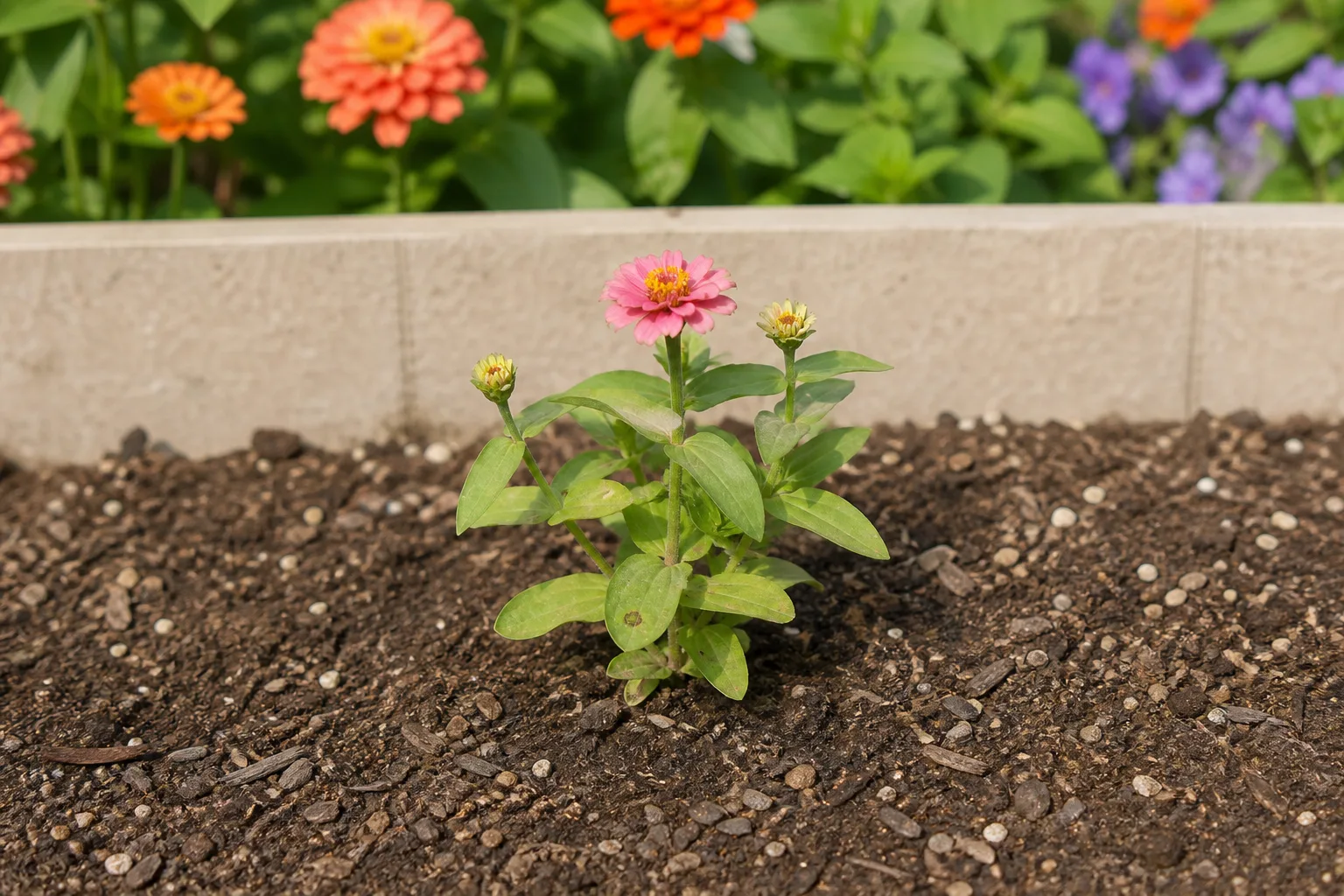
Slow Growth on Zinnia: Causes, Checks & Fixes
This guide covers slow growth on Zinnia. See also the general Slow Growth guide, watering, and light pages for this plant.
Slow Growth on Zinnia: Causes, Checks & Fixes
Quick answer
Slow growth on zinnia (Zinnia elegans and hybrids) is a red flag-this is one of the fastest summer annuals when conditions are right. Missouri Botanical Garden describes continuous summer-to-fall bloom in good culture. Seedlings started in warm soil often bloom within six to eight weeks from sowing in Michigan trials. A zinnia that stays thumb-high through midsummer is telling you something is wrong with warmth, light, roots, or disease-not that it is “just a slow plant.”
First step: confirm soil temperature above 21°C (70°F) and move the plant to Zinnia light guide with good drainage. Do not pile on fertilizer before fixing light and warmth.
What slow growth looks like on zinnia
Healthy zinnias push visible new leaves and stem length weekly in summer. Stalled plants show:
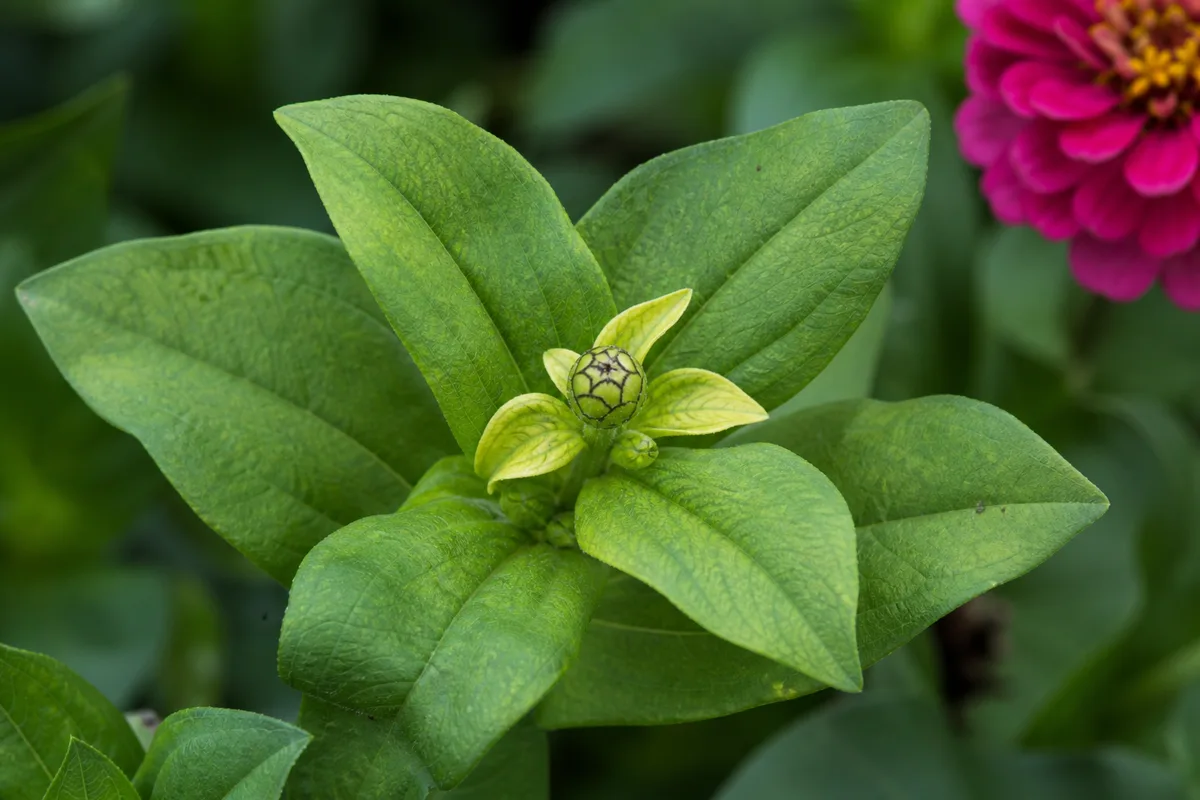
Slow Growth symptoms on Zinnia - compare with healthy tissue on the same plant.
- Little or no height gain over two to three weeks despite warm calendar dates
- Small pale leaves on thin stems-often partial shade, not nutrient deficiency
- No buds while neighboring plants in the same bed bloom
- White powdery patches on leaves with reduced vigor-powdery mildew sapping energy
- Yellow lower leaves on wet soil-root stress slowing uptake
- Roots circling a container bottom with dry outer soil and wilt-root-bound stall
Zinnias are not slow-growing by nature. Compare your plant to others sown the same week; lagging far behind confirms a problem.
Why zinnia grows slowly
Cold soil and cool weather
Zinnias are warm-season annuals. MSU Extension recommends planting after danger of frost when soil has warmed. Soil below 16°C (60°F) stalls seed germination and seedling growth. Indoor starts kept on cold windowsills or planted too early in wet spring beds sit dormant for weeks.
Insufficient sun
Zinnias need full sun-at least six hours of direct sun daily. Partial shade produces pale, stretched, slow plants that bloom late or not at all. A pot that moved from sun to shade after a layout change is a common hidden cause.
Powdery mildew stress
Mildew-resistant varieties help, but humid summers still challenge zinnias. Heavy mildew coating leaves reduces photosynthesis. Plants stay short and stop producing buds even when watered well.
Root-bound containers
Fast root growth fills small pots by midsummer. Bound roots cannot explore fresh soil; top growth stalls despite fertilizer. Lift the plant-white circling roots at drainage holes confirm crowding.
Chronic wet soil
Zinnias want consistent moisture but not soggy roots. Cold wet soil after rain or overwatered containers reduces oxygen at roots. Lower leaves yellow; new growth nearly stops. See overwatering on zinnia if wet feet dominate.
Nutrient depletion (secondary)
Annual flowers are relatively hungry by midsummer in containers. Pale plants in full sun with good drainage may need light feeding-but pale plants in shade need light before fertilizer.
How to confirm the cause
Work through these checks:
- Soil temperature - Below 18°C (64°F) at root depth explains stall in spring. Warm air with cold wet soil still slows zinnias.
- Sun hours - Count direct sun on the pot or bed. Less than six hours means shade is the limiter.
- Mildew scan - White powder on leaf tops or stems? Treat mildew before fertilizing.
- Root crowding - Slide plant from pot. Circling dense roots mean repot or plant out.
- Moisture rhythm - Wet soil for days with yellow lower leaves points to root stress, not drought.
- Peer comparison - Same-age plants elsewhere growing fast rule out “slow cultivar” and confirm local conditions.
The first fix to try
Move to the sunniest well-drained spot and ensure soil temperature supports warm-season growth. For containers, shift to full sun and check drainage holes. For cold spring beds, wait for soil to warm or use black plastic mulch to raise temperature before planting.
Do not fertilize until light and warmth are adequate.
Step-by-step recovery
- Maximize sun - Relocate pots to full sun. Trim overhanging branches that cast midday shade on beds.
- Warm the root zone - In cool springs, delay transplanting or use mulch to raise soil temperature.
- Treat mildew - Improve airflow, remove heavily coated leaves, and choose resistant varieties for replanting. Mildew must be controlled before growth resumes strongly.
- Repot or plant out - Move root-bound container zinnias to larger pots or into the ground with compost-amended soil.
- Fix drainage - Stop watering on calendar in cool cloudy weeks. Let containers dry slightly between soakings.
- Light feed after recovery - Half-strength balanced fertilizer every two to three weeks once new growth accelerates-annual flowers need nutrients through bloom season.
- Deadhead - Removing spent blooms redirects energy from seed production to new shoots and flowers.
Recovery timeline
| Stage | What to expect |
|---|---|
| 1–2 weeks | Visible stem elongation and new leaf size once sun and warmth improve |
| 3–4 weeks | Bud formation on recovered plants in midseason |
| 6–8 weeks from seed | Normal timeline to first bloom in warm sun from a fresh sowing |
Severely mildew-damaged or root-rotted plants may never catch up-reseed or replant rather than waiting all summer.
Lookalike symptoms
| Pattern | What you see | Likely cause |
|---|---|---|
| Cold stall | No growth in cool wet spring soil | Soil temperature too low |
| Shade stall | Pale thin stems, no buds | Insufficient sun |
| Mildew stall | White powder, stunted buds | Powdery mildew |
| Root-bound | Circling roots, wilt despite water | Container too small |
| Wet feet | Yellow lower leaves, wet soil | Overwatering or poor drainage |
Mistakes to avoid
- Fertilizing shaded cold plants - Nutrients cannot replace sun and warmth.
- Waiting all summer on a spring-stalled seedling - Resow in warm soil if May plantings never grew.
- Ignoring mildew as “cosmetic” - It stops bloom.
- Keeping zinnias in partial shade “to prevent wilting” - Shade causes worse stall than afternoon thirst in sun.
- Overwatering cool cloudy weeks - Wet roots in cold soil stop growth entirely.
When to worry
Escalate when:
- Stems soften at the base in wet soil-possible rot
- Mildew coats new buds before they open
- Entire rows stall after heavy rain in cold clay soil
- No growth after four weeks in confirmed full sun and warm soil-check for hidden pests or residual root damage
How to prevent slow growth next time
Plant zinnias after soil warms in full sun with good air circulation. Choose mildew-resistant cultivars for humid regions. Space plants so leaves dry after rain. Deadhead regularly. Flush-feed containers through summer but fix light and warmth first-zinnias are built for speed when culture matches their seasonal biology.
When to use this page vs other Zinnia guides
- Zinnia watering guide - Use for routine moisture checks before assuming slow growth is the main issue.
- Zinnia problems hub - Browse all 38 common issues on this species.
- Not Enough Light on Zinnia - Different entry point when symptoms overlap with slow growth.
- Leggy Growth on Zinnia - Different entry point when symptoms overlap with slow growth.
- Yellow Leaves on Zinnia - Different entry point when symptoms overlap with slow growth.