10 Flower Trends in Full Bloom in 2025, Gardeners Say
See ten flower trends gardeners expected in 2025, from muted palettes and native blooms to loose containers, plus ways to adapt them to your climate and space.
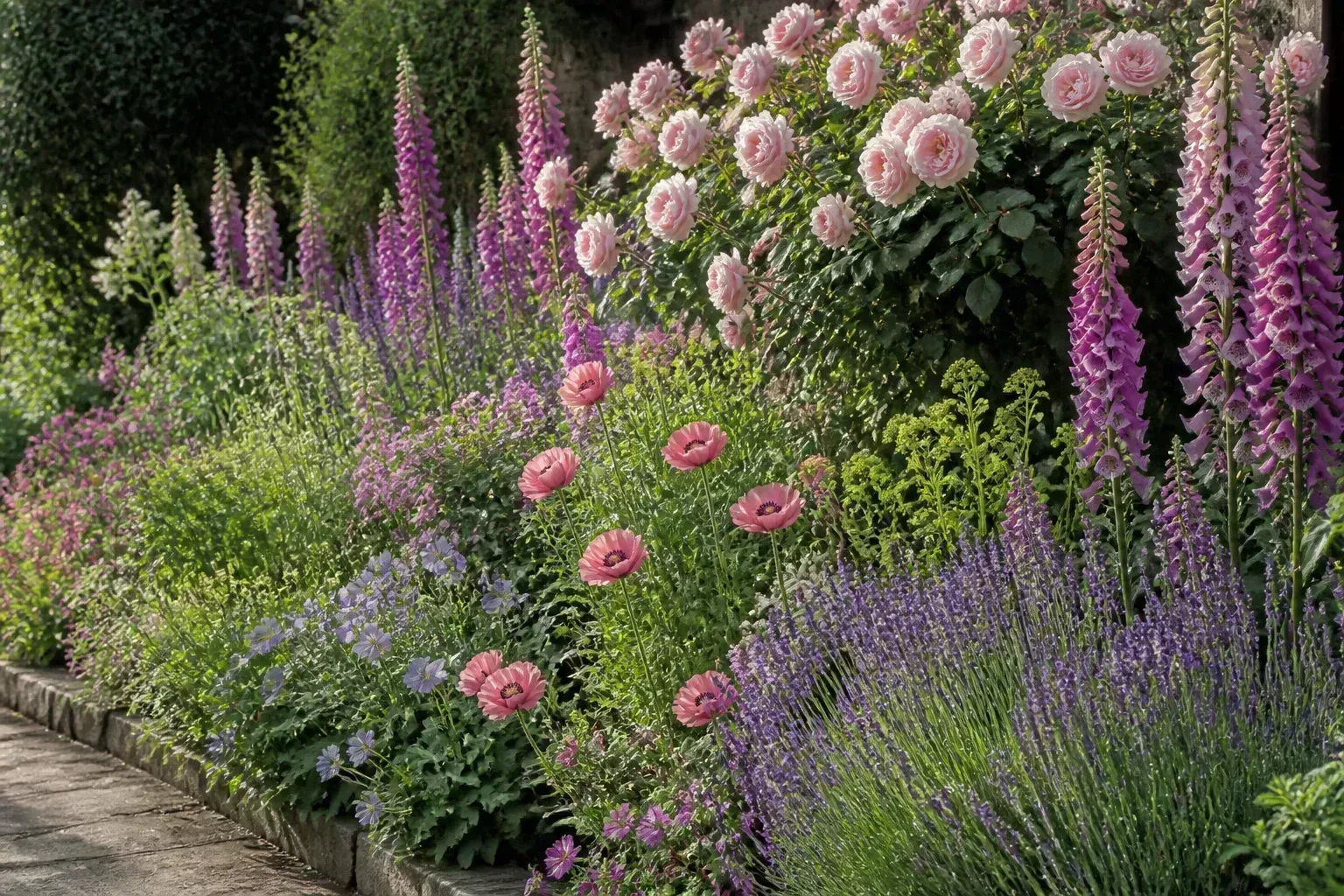
The 2025 flower forecast points toward gardens that feel softer, more layered, and more connected to local wildlife. Its ten themes range from muted palettes and native plants to shrub roses, loose containers, and flowers for hummingbirds. They are design ideas to consider, not proof that every gardener adopted the same look.
Because the year is part of the prompt, this guide keeps the original 2025 forecast frame. It does not recast the list as a new prediction or claim that all ten ideas came true; instead, it explains how to use each one as a practical design choice. The best trend for your garden is the one that fits its light, soil, climate, and the amount of care you want to give it.
Muted, Earthier Palettes
Dusty pink, lavender, soft peach, cream, and warm white make a flower bed feel quieter than a mix of highly saturated colors. These shades sit comfortably beside weathered brick, timber, stone, and green foliage, which is why they suit cottage borders and relaxed, layered planting. A palette does not have to be dull: flower shape, leaf color, and seed heads provide contrast even when the blooms stay soft.
Start with two or three related flower colors, then let foliage and structure do some of the visual work. For instance, pale peach blooms can sit against silvery leaves and upright purple flowers, while a few white flowers help the bed read clearly at dusk. Repeat each color in more than one place so the garden feels connected rather than like separate clusters of whatever was available at the nursery.
The main risk is low contrast. In a shady bed, very pale flowers can disappear against a light fence, while several similar pastel tones may blur into one another from across the yard. Before buying a full set of plants, arrange a few color samples or nursery pots where you plan to use them and view them in morning and afternoon light.
Think about the color of the whole plant, not just the open flower. Silver foliage, burgundy leaves, green seed heads, and dry stems can keep the composition legible after petals fade, while repeated leaf shapes make a mixed planting feel calmer. This is especially useful in a border where flowering times do not overlap perfectly.
Native Plants and Flowers
The useful version of a native-plant garden begins with geography. A plant native to one state, watershed, or ecoregion may not be native to another, so regional planting lists are more helpful than a generic national list. The National Park Service’s pollinator cards organize small planting recipes by region and feature flowers selected for local growing conditions and pollinator needs; that is a practical model for choosing plants at home, too.
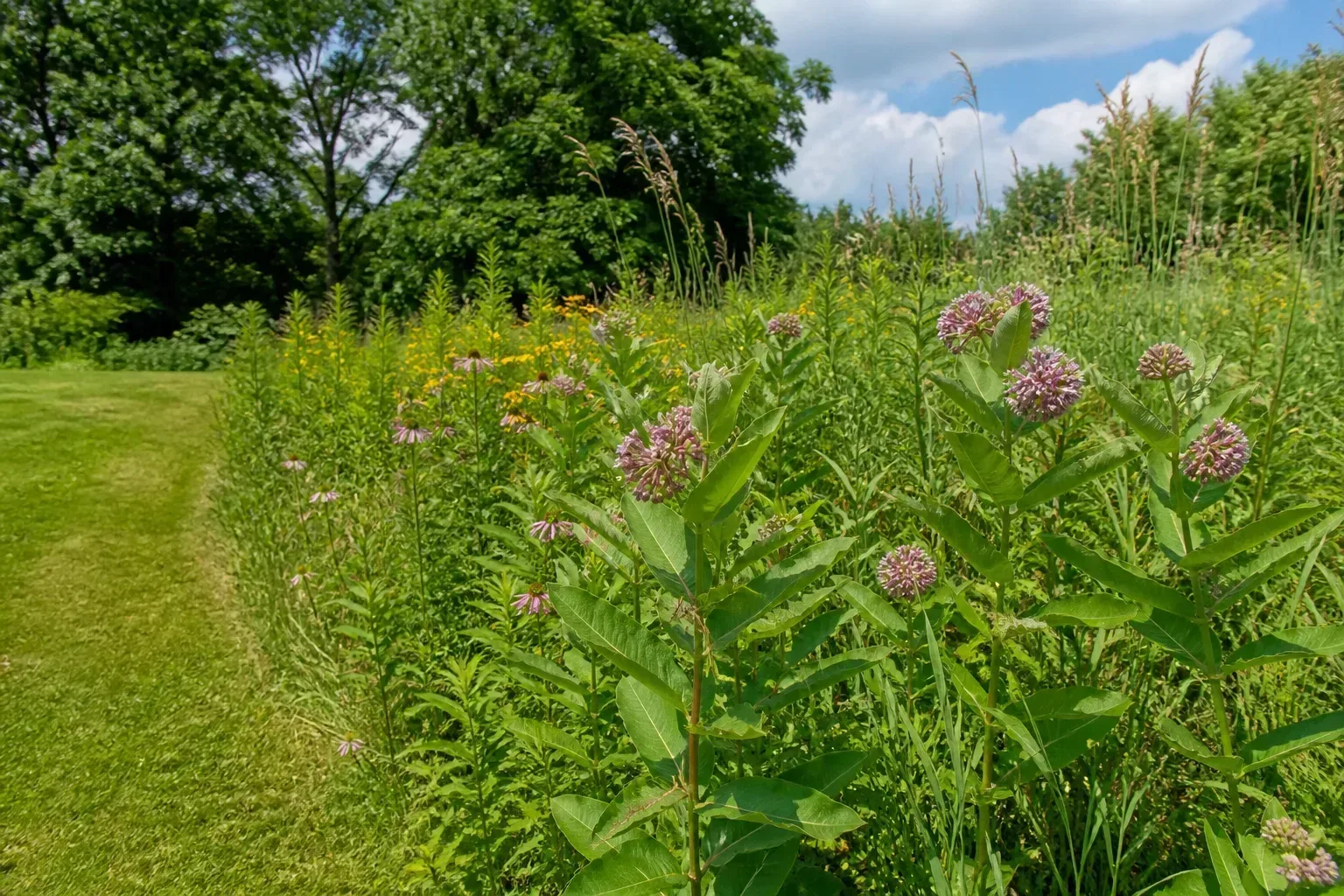
You can build around locally native perennials, grasses, or shrubs and mix in other climate-compatible flowers where they serve a clear purpose. The RHS pollinator guidance notes that gardens can support pollinators with a range of native and non-native plants that flower across the year, while its drought-border guidance also shows how compatible plants with different forms can work together. A native garden does not have to be all or nothing, but the more a wildlife goal matters, the more carefully you should check which species and cultivars provide the food or habitat you intend.
Before planting, confirm mature size, soil moisture, and whether a species is invasive or restricted in your area. Ask a local native-plant nursery, extension service, or conservation group for alternatives when a named trend plant is not a regional fit. This avoids the common mistake of treating “native,” “pollinator-friendly,” and “low-water” as interchangeable labels; a plant may meet one of those goals without meeting all three.
When wildlife support is your priority, begin with the locally recommended species and then look at cultivars with clear information about flower form and bloom time. Avoid assuming a plant is ecologically useful solely because its label says “native” or “pollinator-friendly.” A nursery label is a starting point; your regional plant list is the better tie-breaker when a plant’s origin, spread, or wildlife value is unclear.
Drought-Resistant Flowers
Plants such as Russian sage, catmint, agastache, yarrow, and coneflower are often used to give a sunny border color and texture while reducing routine watering once they are established. The important phrase is “once established.” The RHS drought-tolerant pollinator border guide explains that drought-adapted plants still need watering while their roots develop, and that matching plants to the site helps them cope better with dry conditions.
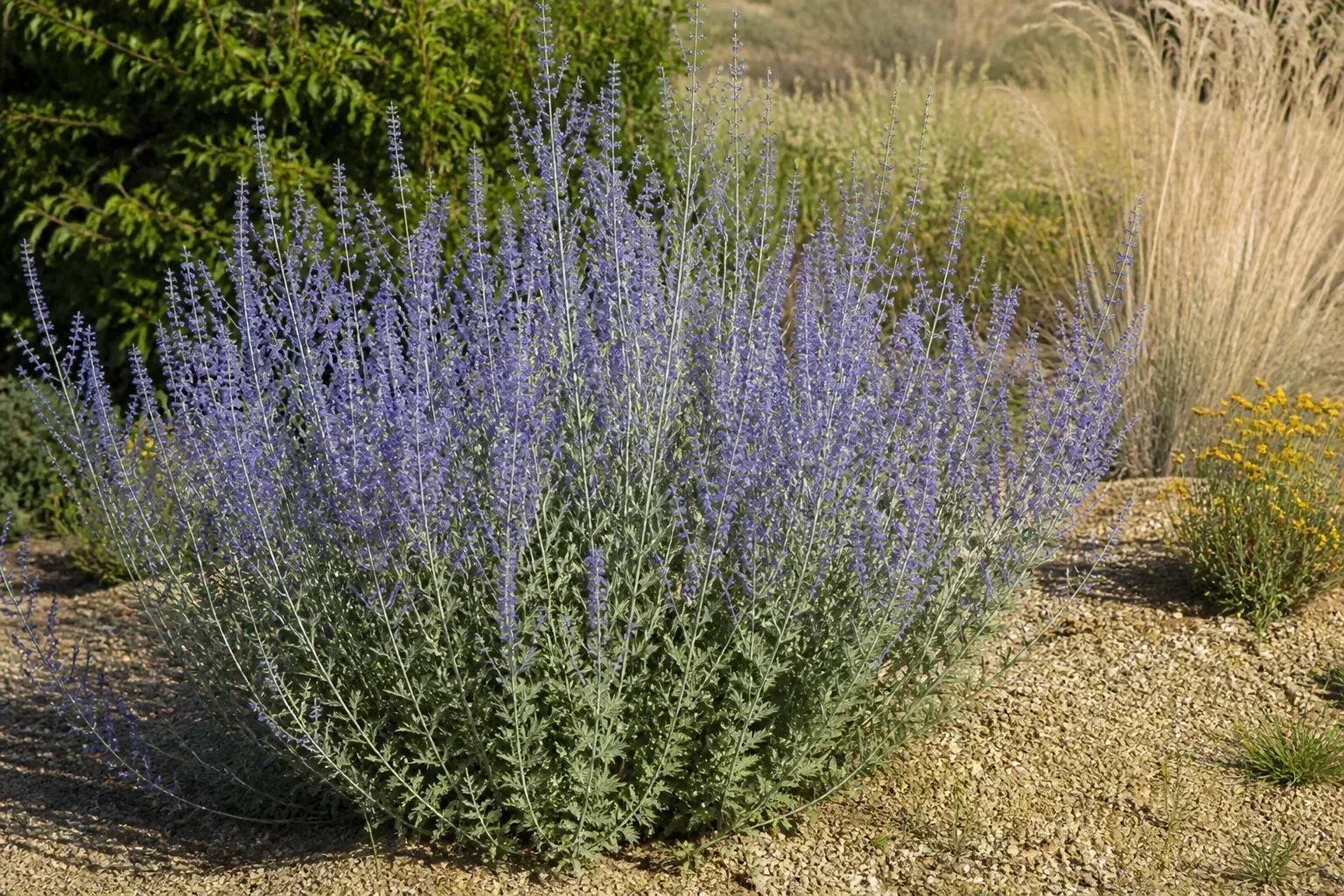
Group plants with similar water needs instead of placing thirsty annuals between dry-garden perennials. Deep, less frequent watering is generally more useful to establishing roots than a quick sprinkle that wets only the surface; check the soil and the plant’s response rather than following a rigid calendar. A moisture-retaining organic mulch can help while plants fill in, but keep it clear of stems and crowns.
Drought tolerance is not a promise of zero care, especially in the first season, during an extreme heat wave, or in a pot that dries faster than a garden bed. It also does not mean every dry-climate plant will thrive in heavy, poorly drained soil. Use the trend to reduce the mismatch between a garden and its conditions, not to plant a water-wise label into a spot where its roots will stay wet.
If one part of the yard is dry and another stays damp, let those areas have different plant palettes instead of trying to make one list work everywhere. A dry sunny slope might suit a locally appropriate sage or yarrow, while a low spot needs plants that tolerate periodic moisture. That small bit of zoning saves water and avoids replacing plants that were doomed by the site from the start.
Roses as Landscape Shrubs
Treating roses as flowering shrubs changes how you place them. Instead of isolating each rose as a specimen that needs a formal ring of bare soil, use a suitably sized shrub rose as part of a border, with compatible perennials and low groundcover around it. The rose supplies a strong flowering mass; neighboring plants soften its outline and can extend color before or after its main flush.
Choose by mature height and width, flowering habit, disease resistance, fragrance, and the amount of pruning you are prepared to do. A compact repeat-flowering rose may work near a path, while a larger shrub needs room for its natural shape and airflow. Check the plant label and local rose advice before buying: “landscape rose” does not mean every cultivar needs no pruning, never develops disease, or blooms continuously in every climate.
Keep the composition simple at first. One rose variety repeated in a few places often looks more intentional than a row of unrelated cultivars, and a small set of companion plants gives the shrub room to show. If you already have established roses, start by underplanting one section rather than disturbing the roots across the whole bed.
Leave a reachable route for pruning, tying, and inspecting the shrub, especially if it sits against a wall or fence. Low perennials can soften the front edge, but crowding stems tightly around the rose can make routine care harder and obscure signs of stress. Think of the rose as a woody plant that needs space, not as a temporary burst of color.
Wildflower Meadows
A meadow-inspired garden looks loose, but the planting is planned. A drift is a repeated group of the same plant that reads as a broad patch; irregularly repeating those groups makes a border feel more natural than spacing every flower evenly or scattering single plants at random. Garden Ninja’s practical prairie-border guide uses repeated blocks of plants and grasses to create color, movement, and a more natural flow, while the National Park Service’s regional pollinator recipes show how a small area can still be planted with local species.
For a home garden, start with a short plant list chosen for the site rather than a large packet labeled “wildflower.” Mix flower forms and heights, include grasses only when they suit your region, and choose species with different bloom periods so the scene has more than one brief peak. A narrow strip can use three or four repeated groups along a path; a larger sunny bed can make the drifts broader and less symmetrical.
Meadows need management. Seedlings must establish, unwanted weeds may need removal, and some plants will spread or self-seed more than you expect. Better Homes & Gardens notes that ornamental grasses can escape cultivation and recommends checking invasive status locally; apply the same caution to any wildflower mix. If a full meadow is too much, use the same clustered planting idea inside a conventional border, where edges and paths make the garden easier to maintain.
The first season often looks patchier than the finished design because young plants have not filled their allotted space. Keep a simple edge, remove unwanted plants before they set seed, and give the intended plants enough time to establish. In a larger yard, a mown path through the planting can make access easier and signal that the meadow is a deliberate part of the landscape.
Loose, Imperfect Containers
The relaxed container look mixes height, movement, and a little asymmetry instead of arranging each pot as a clipped, evenly spaced ball. A tall flower spike or airy grass can rise above mounded blooms, while one trailing plant softens the rim. The result can look spontaneous while still using a simple plan: choose plants that share sun and moisture needs, then vary their shape rather than collecting unrelated colors.
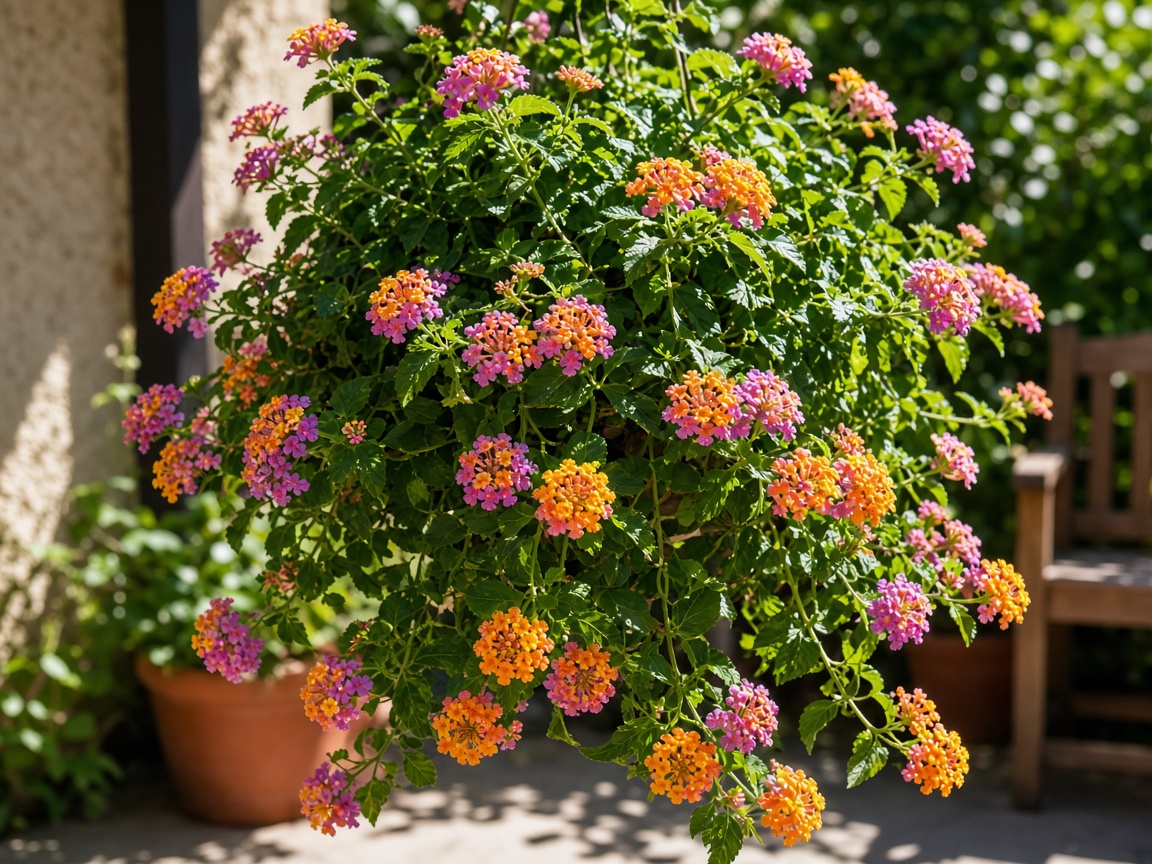
Use one larger container as an anchor near an entrance or seating area, or group a few pots of different heights. A restricted palette helps the arrangement feel deliberate, and repeated foliage or flower colors can link separate pots. If you prefer a “thriller, filler, spiller” recipe, treat it as a guide to plant shape, not a rule that requires exactly three plants or a perfectly balanced triangle.
Containers ask for more attention than many in-ground beds because a limited volume of potting mix can dry quickly, especially in hot sun or wind. Select a pot with drainage, use a suitable mix, and check moisture often enough to catch drying before plants wilt. Tender annuals, perennial roots, and grasses also differ in winter hardiness, so decide whether the display is seasonal or whether you can protect or replace plants when cold weather arrives.
Size the pot for the mature root systems, not just the nursery pots on planting day. A very crowded container may look full immediately but can become thirsty and difficult to keep balanced, while a larger pot gives roots more room and makes a substantial focal point. For a one-season display, plan for replacement; for a lasting arrangement, choose plants with compatible hardiness and a realistic shared watering schedule.
Pops of Bold Color
Bold purple, vivid pink, orange, or chartreuse foliage can bring energy to an otherwise muted garden. Think of a strong color as an accent with a job: draw the eye to an entry, mark a turn in a path, or create a focal patch against quieter flowers. A small container is a low-commitment place to try a saturated combination before repeating it through a larger bed.
Repeat a bold shade at least once elsewhere in the view so it feels connected to the overall design. For example, a magenta flower near the gate can be echoed in a planter farther down the walk, while orange flowers can be balanced by green or deep-purple foliage. When every plant is a focal point, none stands out; keep the most intense color to a few deliberate groups and let supporting plants provide texture.
Color intensity changes with light, season, and distance. A vivid bloom may look warmer in direct afternoon sun and darker against a shaded hedge, so check the site before planting a large block. If you are unsure, trial one container or a short section of border and see how it looks through a full flowering cycle.
Bold color can also come from foliage, not only petals. Purple-leaved plants or a small patch of lime-green grass can hold their visual role when flowers pause between flushes, but check how their leaves change over the season. Pairing a bright accent with a calmer background lets you enjoy the color without turning every part of the bed into a focal point.
Pollinator-Friendly Designs
A pollinator-friendly design is more than a photograph of one flower with a bee on it. Aim for a mix of flower shapes and overlapping bloom periods so different visitors can find flowers through more of the growing season. The RHS pollinator guidance recommends variety in flower type and structure and a succession of blooms; its drought-border guidance also cautions that drought-prone planting needs species suited to those conditions.
Select a few locally useful plants for early, middle, and late parts of the season, then repeat them in clusters so the planting reads clearly. Include flowers with different shapes rather than relying on a single ornamental variety, and leave enough room for plants to mature instead of packing seedlings so tightly that they compete. The National Park Service’s regional cards are a useful starting point when the goal is to support pollinators with native plants.
No flower list can guarantee that a particular bee, butterfly, or other insect will visit your yard; local species, weather, and nearby habitat all matter. Choose plants suited to your area and think of the flower bed as one part of habitat rather than a stand-alone fix. If you want a more formal look, repeat the same pollinator-supporting plants in a crisp border instead of letting the whole yard grow wild.
Do not confuse “pollinator-friendly” with “all pollinators use all flowers.” Flower shape, timing, and local species affect which visitors can use a bloom, so variety is more dependable than building the garden around one showy plant. You can still keep the composition orderly: repeat a few plant groups, leave room for foliage, and let the changing bloom sequence provide interest.
Hummingbird-Attracting Flowers
Hummingbirds bring a vivid, moving focal point to a garden, but the best plant list depends on where you live. An Illinois Department of Natural Resources garden guide recommends native plants, tubular red or orange flowers, and continuous summer bloom for its regional hummingbird planting; it also organizes plant suggestions by dry, medium, and moist soil. Use that as an example of how to plan, not as a universal list for every hummingbird species and climate.
In the forecast, lantana, salvia, and agastache are examples to investigate, not automatic choices for every yard. Check whether a particular species or cultivar is hardy and non-invasive in your area, then select several plants with staggered flowering times rather than expecting one shrub to attract birds all season. A sunny location and some wind protection can also make a planting more usable; an Illinois DNR guide recommends six or more hours of sun for its plan, but local recommendations may differ.
The same Illinois guide also says to plant nectar sources in clumps rather than rows or scattered singles, because hummingbirds use visible color as they forage. That grouping advice works well as a design principle even if your local plant list differs. Add a water source only if you can keep it clean and safe, and avoid treating a feeder as a substitute for a varied garden with flowers and insects.
Monochromatic Flower Schemes
A monochromatic bed uses one color family, such as purple, rather than one identical flower repeated everywhere. Combine lighter and darker shades with differences in height, leaf shape, bloom form, and flowering time. A purple scheme might pair upright salvia with lower lavender-blue flowers and dark foliage, while white or silver leaves can create separation without introducing a competing flower color.
Plan for the moments when flowers are not open, too. Evergreen or persistent foliage, ornamental seed heads, and a small number of architectural plants prevent a single-color border from becoming a flat block after its main blooms fade. The main trade-off is that a strict palette can reduce the range of plants you are willing to use, so do not reject a well-suited local species only because its flower falls outside a narrow color rule.
Use the hue as a filter, not a test that every plant must pass. Several shades of the same color family can make depth, but repeating identical flower heads at one height tends to flatten the view. A little variation in leaf texture and plant silhouette gives the eye something to follow when the bed is seen up close or from a window.
How to Choose Which Trends Fit Your Garden
Start with the Site and Local Plant Guidance
Before choosing a trend, note the hours of direct sun, soil drainage, summer moisture, and available width. Check local planting resources for native and drought-tolerant alternatives, then compare the mature size and conditions on plant labels. This simple sequence prevents a common design mismatch: choosing a beautiful plant for its color, then discovering it needs more water, sun, or space than the site can provide.
Give the Palette a Focal Point
Decide whether the garden should feel calm, lively, or somewhere between those extremes. A muted base with one bold color works well when you want a clear focal point, while a monochromatic scheme depends more on texture and value differences. Repeat the chosen colors in several areas and keep the number of competing accents limited; the garden will feel more intentional without requiring an expensive full redesign.
Plan for a Succession of Flowers
Draw a rough season-by-season calendar before you buy. Mark when each plant flowers in your climate and look for gaps, especially between early spring and midsummer or between late summer and fall. The RHS pollinator guidance emphasizes overlapping bloom and a variety of flower forms; the same planning habit also keeps a purely ornamental border from looking finished for only a few weeks.
Match the Look to the Work You Can Maintain
Low maintenance is not no maintenance. Newly planted drought-tolerant perennials need establishment water, containers may need frequent checks in heat, shrub roses still need pruning and monitoring, and meadow-style beds need occasional editing. Choose the version that fits your routine: a few repeated perennials may be more realistic than a large meadow, and one well-planted container may be easier than six small pots.
Test One Bed or Container Before Reworking the Yard
Treat a trend as an experiment with a clear boundary. Try one color scheme in a pot, replace one short strip of lawn with a drift, or add a few native plants to an existing border and observe how they perform through the season. Keep what suits the site and your taste, and adjust the rest; a garden becomes coherent through repetition and editing, not by copying every forecast at once.
Conclusion: Use the Forecast as a Flexible Design Guide
The ten 2025 flower themes share a practical idea: gardens can look designed while allowing more variation in color, plant form, and wildlife value. Muted palettes, drought-tolerant plants, shrub roses, meadows, loose containers, bold accents, and monochromatic borders each offer a different route to that effect, but none is a requirement. The right choice depends on local conditions and the work you are willing to do.
Start with a site-fit plant, a limited palette, and a planting area small enough to manage. Build in repeat groups and staggered bloom, then expand only after you see what thrives. That approach keeps a forecast useful: it gives you ideas to adapt without asking your garden to follow a trend at the expense of its climate, ecology, or your own preferences.