6 Front Yard Landscaping Trends to Try
See which 2025 front yard trends fit your sun, soil, space, and maintenance budget before you buy plants or dig a new bed.
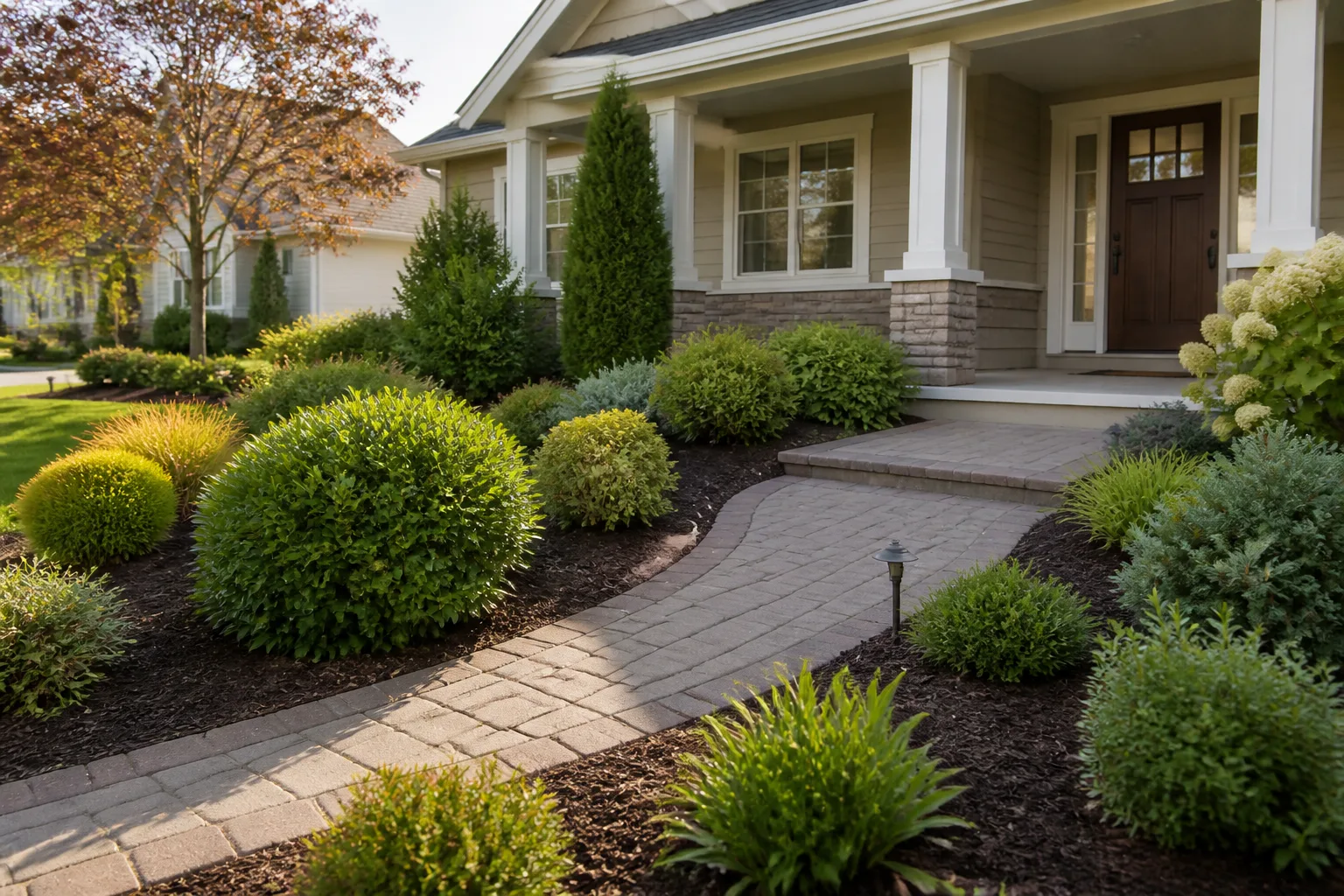
The strongest front yard trends for 2025 are less about a particular color or fashionable plant and more about making the space work harder. Homeowners are shrinking thirsty lawn, choosing plants that suit local conditions, giving wildlife a better reason to visit, and using the front yard for food, shade, structure, or stormwater management.
That does not mean every front yard should become a meadow, a rain garden, or a blueberry hedge. The right trend is the one that fits your light, soil, slope, water supply, mature-space limits, and willingness to maintain it. Use the six ideas below as a menu, then borrow the part that solves a real problem on your property.
Read front yard trends as design shifts, not shopping lists
A trend becomes useful when it changes a decision. “Drought tolerant,” for example, should prompt you to ask how much sun the bed receives, whether the soil drains, and how often you can water new plants during their first season. “Pollinator friendly” should mean a succession of flowers and habitat, not just one ornamental feeder placed beside a porch.
Before buying anything, spend one day watching the yard. Note where snow melts first, where a downspout sends water, which windows need year-round screening, and how many hours of direct sun reach each bed in summer. Check your hardiness zone, measure the mature width of any tree or shrub you are considering, and look up local rules for front-yard structures, edible gardens, plant height, and stormwater work.
Savvy Gardening’s front-yard design guidance makes the same practical case for planning before removing turf: large changes can affect grade, drainage, utilities, and local bylaws. A sketch and a small test bed are cheaper than correcting a new slope or relocating a tree that was planted too close to the walk.
1. Water-wise planting replaces thirsty default beds
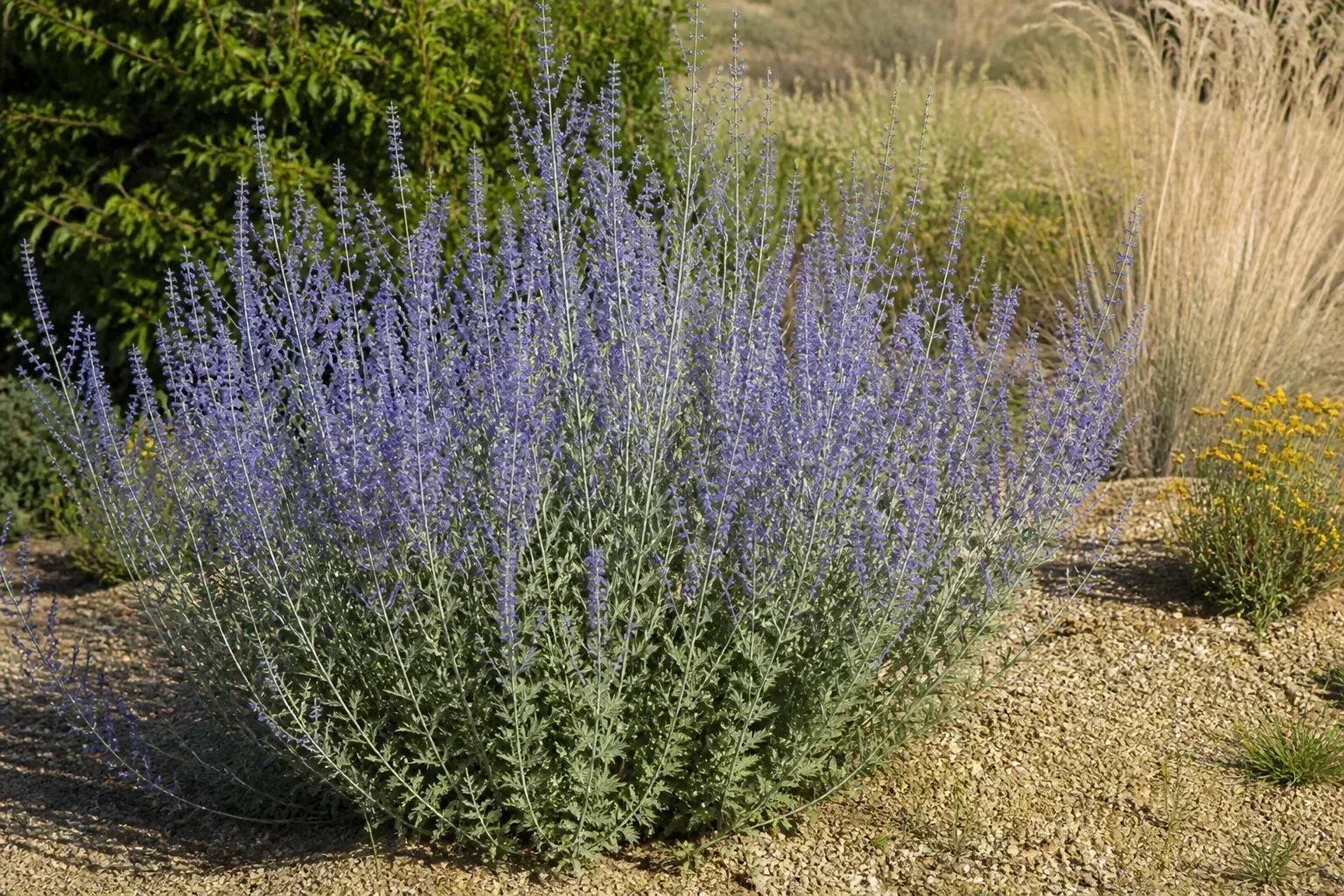
Water-wise planting is moving from specialty xeriscape yards into ordinary foundation beds. The look can be soft and colorful rather than gravel-heavy: ornamental grasses, yarrow, Russian sage, coneflower, salvia, catmint, Agastache, and regional shrubs can provide movement, flowers, and seedheads while reducing the need for routine irrigation once established.
The key phrase is once established. A plant adapted to summer drought still needs regular, deep watering after planting while its root system expands. Penn State Extension’s rain-garden guidance also emphasizes matching plants to site condition, soil, and sun exposure; “native” and “drought tolerant” are not interchangeable labels. A wetland native can fail on a hot, reflected-heat strip, while a dry prairie plant can languish beside a downspout.
Choose plants by drought, sun, and establishment needs
Start with the harshest part of the bed. Is it a west-facing foundation strip that bakes against masonry, a dry tree-root zone, or a sunny slope where water runs off? Group plants with similar needs so one irrigation schedule does not force a moisture-loving plant and a drought-adapted plant into the same compromise.
For a sunny, sharply drained bed, combine a structural grass with flowering perennials and a low edge plant. For a heavier soil that stays damp after storms, choose plants that tolerate periodic moisture instead of adding gravel and hoping drainage improves. In shade, prioritize foliage, berries, bark, and seasonal flowers rather than copying a full-sun palette.
The first-year watering rule still applies
Mulch the root zone without piling it against stems, water slowly enough to wet the planting hole and surrounding soil, and check the soil below the surface rather than relying on a dry-looking mulch layer. A drought-tolerant bed that is neglected during its first summer can lose plants and weeds will fill the gaps, making the “low-maintenance” design more work than a conventional bed.
Avoid fertilizing heavily to force quick growth. Fast, soft growth often needs more water and can make plants flop. Water-wise design is a long game: good spacing, deep roots, and a complete canopy are more valuable than a packed bed that looks finished on planting day.
2. Looser, layered planting makes formal lawns feel alive
Front yards are becoming less symmetrical and more naturalistic, with cottage-garden and meadow influences replacing isolated foundation shrubs surrounded by bare mulch. The best versions are not accidental. They use repeated plant groups, clear edges, a readable path, and layers that move from low groundcovers to mid-height perennials, shrubs, and one or two taller anchors.
The University of Minnesota Extension’s pollinator planning guidance recommends thinking about bloom periods and installing several compatible plant types for early, middle, and late seasons. That principle also improves the view from the street: the bed does not peak for one week and then collapse into green leaves.
Make a naturalistic bed look intentional
Use drifts rather than a checkerboard. Repeat two or three plants across the bed, then add a few accents for height or a different bloom season. A zigzag or staggered layout usually looks more relaxed than straight rows while still giving each plant enough room to mature.
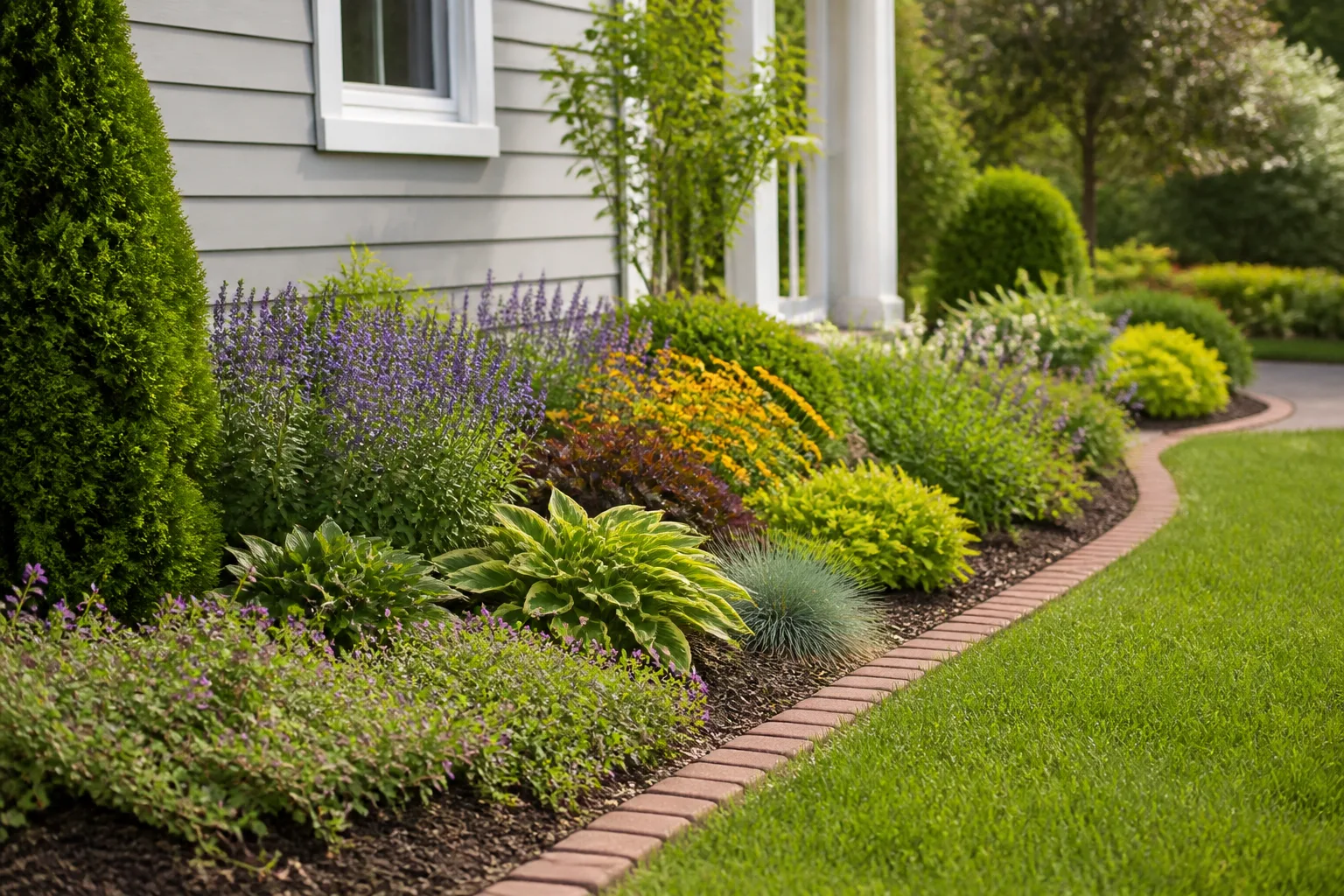
Keep one visual signal of order. It might be a crisp path edge, a consistent mulch zone, a low hedge, or a repeated shape near the front door. Savvy Gardening’s examples of front-yard gardens show why layered planting and biodiversity can work in a small space, but the practical lesson is more important than the style: keep the lawn or path that people actually use, and convert only the area that can be maintained.
Leave room for seasonal change. Ornamental grasses and seedheads can hold a bed together in winter, but only if they do not block sight lines at a driveway or sidewalk. If a plant spreads by runners or self-sows freely, use it in a contained area or choose a better-behaved cultivar. A natural look still needs editing.
3. Pollinator stations become small habitat systems
A pollinator station is more useful when it is a small habitat system rather than a birdbath or feeder dropped into an otherwise empty lawn. Combine nectar and pollen plants, a safe water source, shelter, and a planting pattern that gives insects room to forage without constant disturbance from a busy doorway.
University of Minnesota Extension notes that pollinators need food, water, and nesting places, and that a successful installation takes planning for site preparation and maintenance. It also recommends covering early, midseason, and late bloom periods with compatible species. This is a better framework than choosing one “pollinator plant” by flower color.
Build habitat instead of adding a decorative prop
Choose flowers with different shapes and bloom times, and include host plants where they make sense for local butterflies and moths. A clump of coneflower, salvia, or Agastache can offer more value than a single specimen, especially when it is paired with a later-blooming aster or goldenrod. Regional native-plant lists are more reliable than a national “best pollinator plants” list because the best choices depend on climate and local insect relationships.
Put the station where you can see it, but not where it is constantly brushed by people, pets, or a door. A shallow birdbath needs fresh water and cleaning, and a feeder needs thoughtful placement and spilled-seed cleanup. Do not use pesticides routinely in a bed whose purpose is to host insects; if treatment is unavoidable, follow the product label and avoid spraying open flowers or active pollinators.
Keep the front-yard scale in mind. You do not need a large meadow to help wildlife. A 4-by-8-foot bed with a few repeated species, a shallow water dish with stones, and undisturbed mulch or stems can be a sensible beginning. The station should also respect sight lines, neighbors, and local ordinances; wildlife habitat works best when it is designed as part of the property rather than presented as a nuisance beside the sidewalk.
4. Rain chains connect front yards to runoff plans
Rain chains are becoming a visible way to make downspouts feel more intentional. They can guide water from a gutter toward a receiving bed, rock apron, rain barrel, or other planned destination, and they add movement during a storm. But a rain chain is a conveyance detail, not a complete stormwater system.
The distinction matters because a free-hanging chain can concentrate water at the foundation or erode the soil below it. Savvy Gardening’s front-yard guidance describes rain chains alongside rain gardens, swales, and downspout diversions as parts of a broader water-capture design. Treat the chain as the last section of the route, then decide where that water should go.
Know when a rain chain is enough
A chain can be a reasonable choice when the discharge point is already well away from the house, the soil absorbs water, the receiving area is protected with stone or dense planting, and overflow will not cross a path or enter a neighbor’s lot. Watch the first few storms. Look for splash, bare soil, standing water, and water running back toward the foundation.
Do not install one at a downspout simply because it looks attractive. Use a solid extension or buried conveyance when water needs to travel farther, and keep the discharge away from basement walls, steps, and slippery walkways. A rain chain should make the route easier to observe, not hide a drainage problem.
When a rain garden is the better tool
A rain garden is a shallow, planted depression designed to capture and infiltrate runoff from roofs, driveways, sidewalks, or other impervious surfaces. Penn State Extension’s rain-garden overview describes typical rain gardens as three to eight inches deep and says they should drain within about 12 to 24 hours rather than remain permanently wet.
Test the site before digging. Penn State recommends observing flow during rain, checking the soil’s infiltration, and keeping a rain garden at least 10 feet from a building foundation. Avoid septic systems, wells, utility corridors, waterlogged areas, and steep slopes; the extension guidance flags slopes over 10 percent as poor sites. Size also depends on the drainage area, soil, and ponding depth, so a decorative bowl is not automatically a functional rain garden.
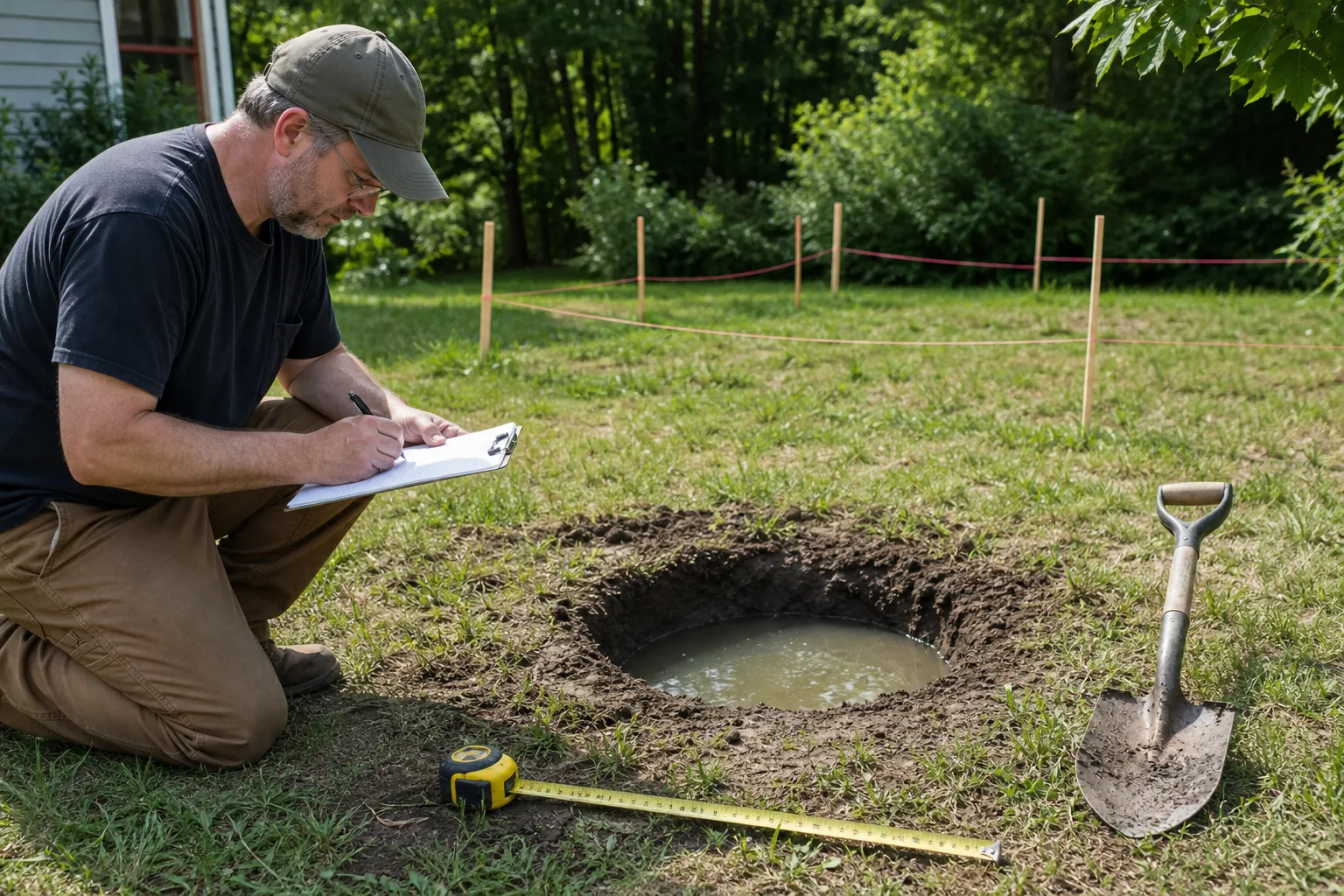
If the test hole still holds water after a day, the site may need a different design or professional advice. If the yard has a steep grade, a large roof, or a history of basement seepage, do not improvise with a deep basin beside the house. A correctly sited small swale or planted receiving bed is more useful than a trendy feature that moves water toward a problem.
5. Edible landscaping moves into the front yard
Edible landscaping is turning food plants into part of the ornamental design rather than hiding every vegetable behind the house. Herbs can edge a path, fruiting shrubs can form a low hedge, and a few vegetables can fill gaps among flowers. The result can be productive and attractive, but it needs more attention to access, harvest, watering, and local rules than a purely ornamental bed.
Blueberries are a good example because they offer flowers, fruit, fall color, and a shrub-like shape. Epic Gardening’s overview notes that they work as accents, borders, clusters, and hedgerows, but also highlights the details that determine success: full sun, acidic soil, regular watering in containers, and the value of planting compatible varieties together when cross-pollination is needed.
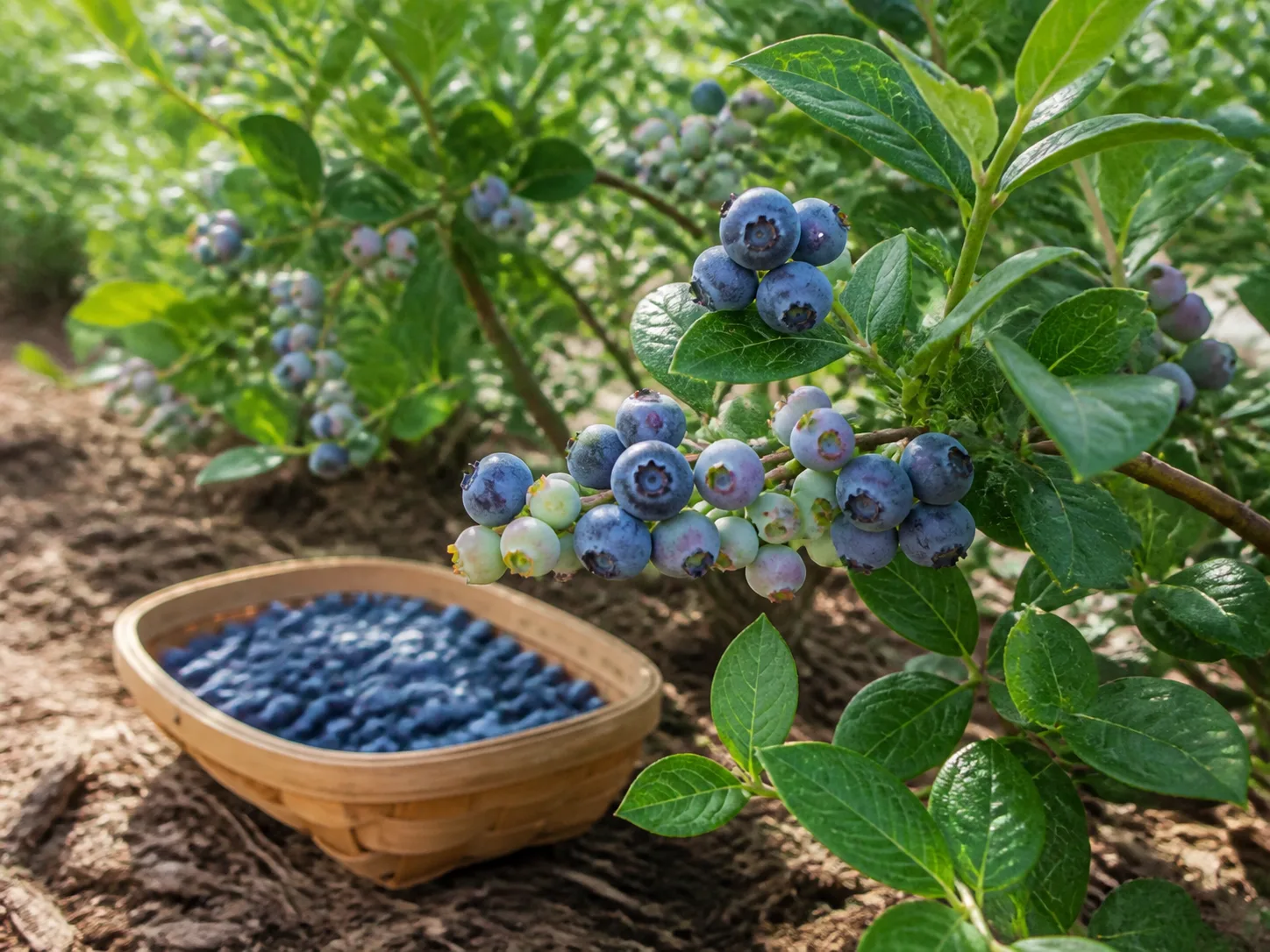
Make a foodscape attractive and workable
Give food plants a clear role. A blueberry cluster can sit where you can reach it without stepping into the bed. Culinary herbs can live near the walk, but avoid locations exposed to road splash or runoff if you plan to eat them. Keep taller crops from blocking windows, sight lines, or the front door, and use edging or a low hedge to signal that the bed is intentional.
Match plants to their actual requirements. Blueberries need acidic soil and consistent moisture; they are not a universal low-water shrub. Container food plants dry faster than in-ground plants, and fruit can attract birds or fall onto paving. Those are manageable trade-offs, not reasons to avoid edible landscaping, but they should be part of the design from the start.
Check city, county, and HOA rules before converting a visible lawn to vegetables or building raised beds in a setback. Start with one productive corner or a few shrubs rather than removing the whole lawn. A small edible trial also shows whether you will keep up with pruning, harvest, watering, and pest checks before expanding.
6. Conifers add year-round structure without a formal hedge
Conifers are returning to front yards because they provide shape and winter presence without requiring a wall of clipped shrubs. Their colors range from deep green to blue, silver, and gold, and their forms can be upright, spreading, mounded, or narrow enough for a side entry.
The useful trend is not “plant a conifer anywhere.” It is using a carefully chosen evergreen to keep the garden legible after perennials go dormant. Gardening Know How’s evergreen guide highlights Eastern red cedar as a low-maintenance, drought-tolerant choice for dry, sunny locations and notes that its cones support birds. Other conifers may need different soil, moisture, or space, so use the plant’s profile rather than assuming all evergreens behave alike.
Choose for mature size, not nursery height
Read the tag for mature height and width, then measure from the foundation, walk, windows, and driveway. A narrow conifer can still become too tall for a window or too wide for a path. Avoid planting a fast-growing tree where you are counting on annual shearing to keep it small; pruning cannot permanently overcome a poor site choice.
Use one conifer as a focal point, repeat a compact form along a path, or combine an evergreen with deciduous shrubs and perennials so the yard does not become visually heavy. In a shady front yard, a conifer chosen for full sun may thin out and disappoint. In a hot, dry bed, a moisture-loving evergreen can struggle even if its label says “easy care.”
Give new evergreens deep, consistent watering during establishment, protect the root zone with mulch, and leave enough space for airflow. “Low maintenance” means fewer recurring interventions after the plant fits the site; it does not mean no watering, no cleanup, or no pruning in the first years.
How to choose the right trend for your yard
Start with the problem you want to solve, then choose the trend that solves it with the fewest new demands. If your water bill and a hot south-facing bed are the problem, test a water-wise planting. If stormwater crosses the walk, investigate a rain garden or a better downspout route before adding a chain. If the yard feels empty in winter, add one correctly sized evergreen rather than a row of oversized shrubs.
Use this quick filter:
| If your yard has… | Start with… | Watch for… |
|---|---|---|
| Hot sun and fast-draining soil | Water-wise plants | First-year irrigation and winter interest |
| A blank lawn and good sun | Layered or edible planting | Local rules, paths, and mature spread |
| Flowers but little wildlife activity | Pollinator habitat | Bloom gaps, pesticides, and water hygiene |
| Downspout erosion or a soggy low spot | Runoff testing, then a rain garden | Foundation distance, slope, and infiltration |
| No year-round shape | One or two conifers | Mature width, sight lines, and shade |
You can combine trends, but do not combine incompatible site requirements. A blueberry shrub is edible and wildlife-friendly, but it does not belong in the same dry gravel bed as drought-adapted perennials. A rain garden can be pollinator-friendly, but its lowest zone needs moisture-tolerant plants. The design should follow the yard’s conditions first and the trend label second.
A 30-day plan for trying one trend safely
In week one, observe the site and draw the limits. Mark utilities before digging, measure the bed, record sun at morning and afternoon, and watch where water moves after rain. Photograph the area from the street and from the front door; the two views often reveal different height and sight-line problems.
In week two, choose plants from local extension, native-plant, or nursery references. List mature height, mature width, sun, soil moisture, drainage, bloom period, wildlife value, and establishment watering. Price the project in phases, including mulch, edging, irrigation, soil testing, and a replacement allowance for plants that prove poorly matched.
In week three, test the idea at small scale. Lay out a hose to mark a new bed, place empty pots where shrubs might go, or use stakes to show the height of a future conifer. For a runoff project, test infiltration and overflow before purchasing a rain chain or digging a basin. For an edible project, place a container where you would actually harvest it and see whether watering and access are convenient.
In week four, install only what you can maintain. Water new plants deeply as needed, keep the planting area weeded, and record what changes after the first rain or heat wave. Wait before expanding. A front yard that establishes cleanly over one season will look more deliberate than a rushed makeover that needs to be rebuilt next year.
Conclusion
The front yard trends of 2025 point toward landscapes with more purpose: plants that tolerate the local climate, beds that support wildlife, runoff that is directed thoughtfully, food that is grown in view, and evergreen structure that carries the design through winter. Their shared lesson is not to copy a photograph. It is to match a visible design choice to a real need on your property.
Choose one small test area, measure before digging, and give new plants the establishment care they need. When the first project works, repeat its best design language elsewhere; when it fails, the small scale makes the lesson affordable.