6 Gardening Trends Gardeners Expected to See
Revisit six gardening trends forecast for 2025, with practical ways to adapt native planting, meadows, living fences, and water-wise design to your yard.

A retrospective on the 2025 outlook
In early 2025, gardeners were looking toward six ideas: sustainable landscaping, less manicured planting, living fences, low-water yards, sanctuary gardens, and flowers gathered for homegrown bouquets. Those were forecasts about the year ahead, not a survey proving that every gardener adopted them. Read this as a retrospective guide to what those ideas meant and how to judge their usefulness in a real yard.
The themes overlap, but they solve different problems. A meadow planting may support pollinators and reduce mowing, while a hedge may give privacy but take years to fill in. A water-wise bed can still need regular irrigation while roots establish, and a peaceful garden can be a single chair beside a fragrant border rather than a costly backyard renovation. The practical question is not which trend is most fashionable; it is which change improves the way you use your own space.
1. Sustainable landscaping means solving more than one yard problem
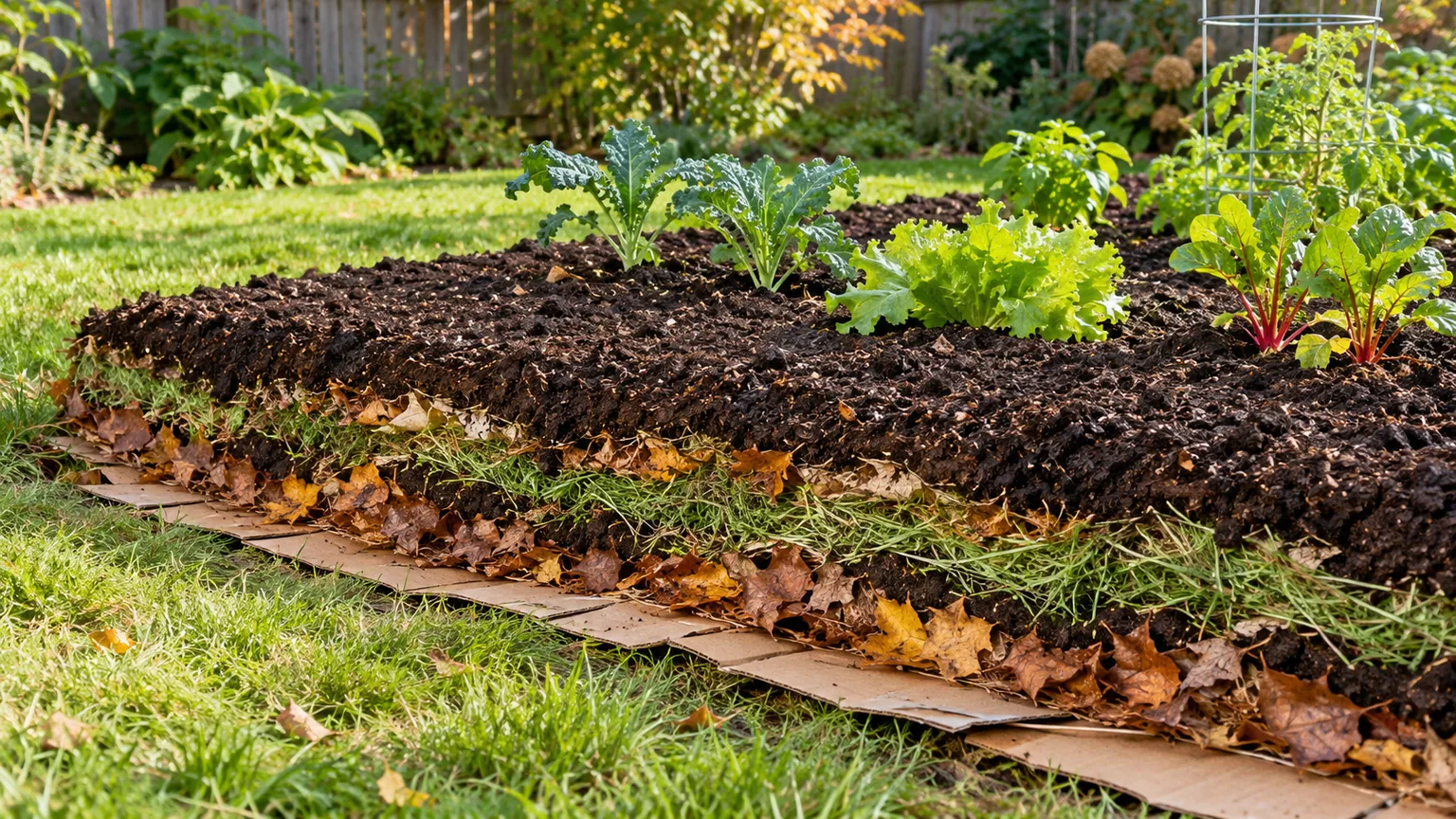
Sustainable landscaping is a way of arranging plants, soil, water, and hard surfaces so the yard needs fewer avoidable inputs and does more useful work. That might mean replacing a thirsty strip of lawn with locally adapted plants, routing roof runoff into a planted basin, keeping leaves as mulch, or connecting a flower bed to a habitat area. The strongest design choices often answer two needs at once: a rain garden can manage runoff and add planting space, while a mixed shrub border can screen a view and provide shelter.
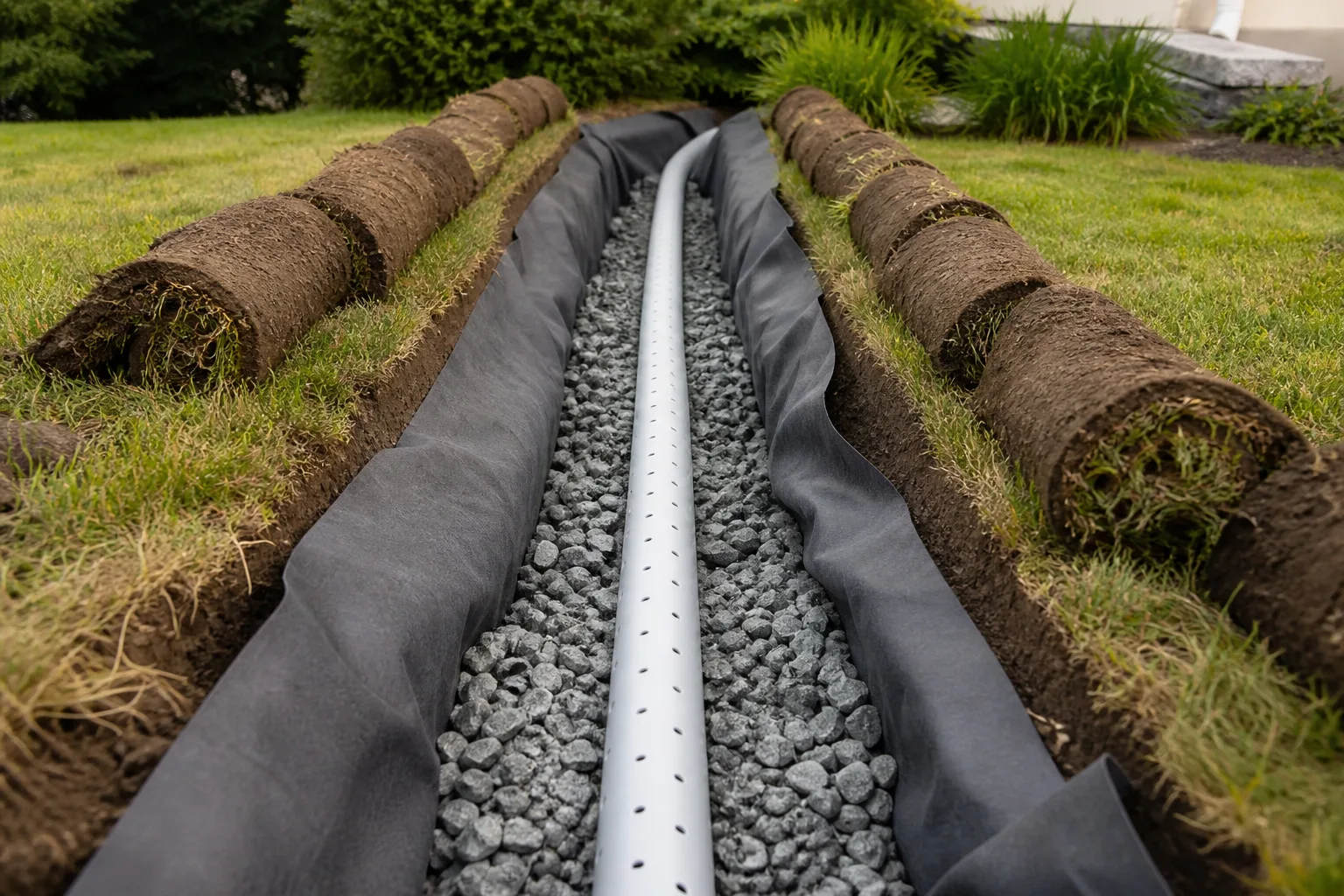
Begin with the site rather than a shopping list. Watch where water moves after rain, note which areas bake in afternoon sun or stay damp, and identify the spots you need for play, access, or a clear view from the house. Before digging or redirecting a downspout, check underground utilities, drainage patterns, local requirements, and whether water could be pushed toward a foundation or a neighbor. A rain garden is a designed feature with a suitable location and overflow plan, not simply a low spot filled with plants; use regional instructions such as University of Minnesota Extension’s rain-garden guide and adapt them to local soil and rainfall.
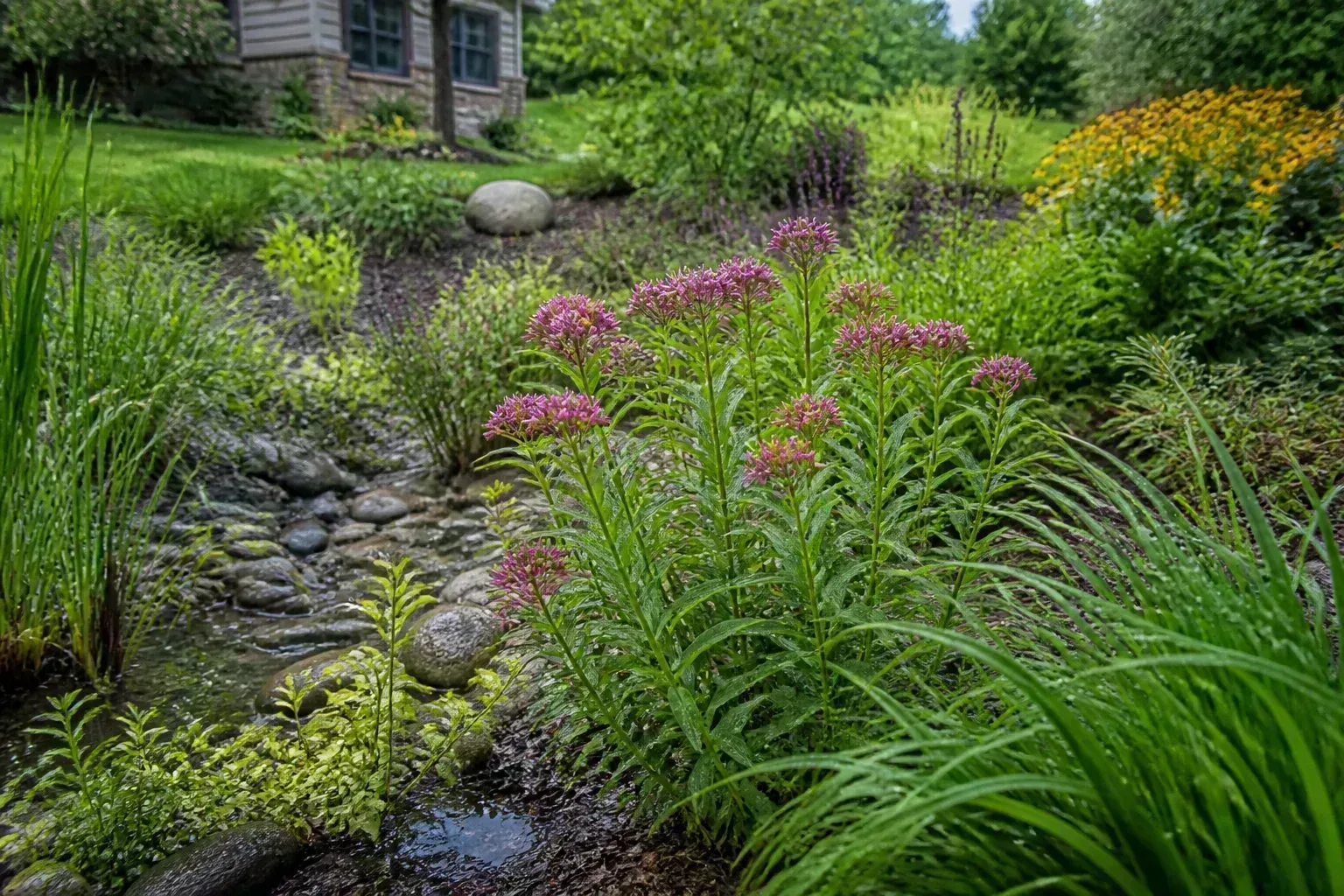
Turn one useful feature into a working system
Native plants can be a good starting point when they are native to your region and matched to the light, moisture, and soil in the planting area. They are not automatically maintenance-free: newly planted roots need attention, and even a locally native plant can struggle in the wrong spot. For a habitat planting, plan the season as well as the species. University of Minnesota Extension’s pollinator-planning guidance emphasizes site preparation, ongoing care, and plants that provide resources across different bloom periods; its recommendations were written for growers, but the planning principle transfers well to a home garden. UMN Extension’s pollinator habitat guidance is a useful reference.
You do not have to redesign the whole property to make a more sustainable landscape. Start with one awkward slope, a sunny strip beside a walk, or the patch that already collects runoff. Keep paths and edges where people need them, choose plants from a local extension or native-plant list, and observe the area through a full growing season before expanding. A smaller planting that establishes well is more valuable than a grand plan that strains your water budget or becomes difficult to maintain.
2. Less manicured gardens still need deliberate edges
The less-manicured look includes cottage-style borders, flowering lawns, meadow patches, and beds where stems and seedheads remain after bloom. It can make room for more seasonal change and reduce the demand for a uniformly clipped lawn, but “natural” should not be confused with “leave everything alone.” A relaxed garden still needs a plan for where plants may spread, where people walk, and how the yard will look outside peak bloom.
The easiest trial is often a small section of lawn rather than the entire yard. Mow a clear border and one or two paths through a longer patch, or let a section of existing turf flower before deciding whether to convert it. That creates a visible frame, keeps access simple, and gives you a low-cost way to learn which plants are already present. Check neighborhood rules and local weed or fire guidance before letting a front yard grow tall, especially near sidewalks, driveways, or dry-season vegetation.
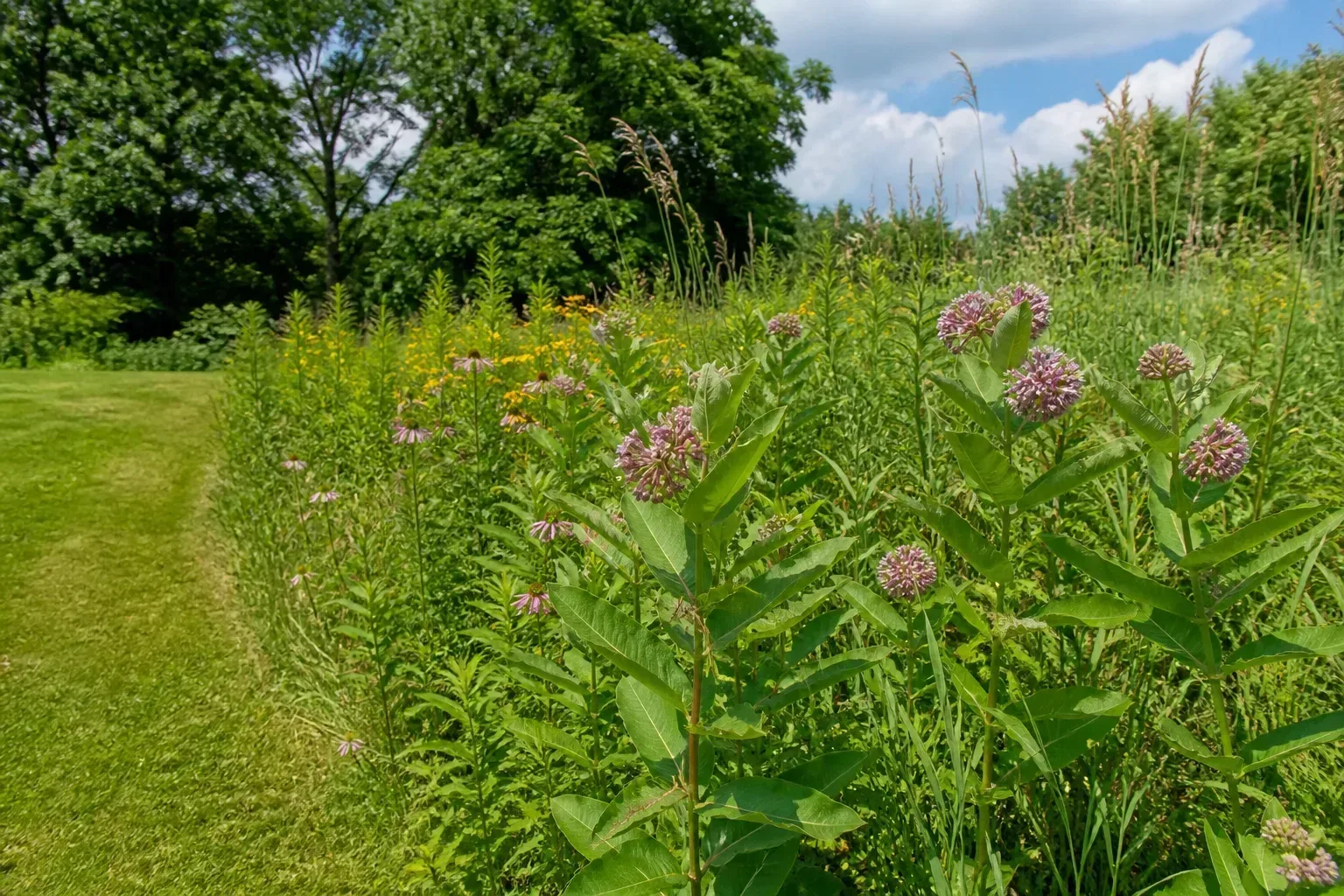
Make the wilder area intentional
A flower-rich meadow and a cottage border are not the same project. A meadow usually depends on a mix suited to the site and often includes grasses; a cottage border can be more densely composed around preferred flowers, paths, and repeated color. In either case, scattering a packet of seed over established grass is unlikely to create an instant meadow because seedlings must compete with turf. The RHS guide to creating wildflower meadows recommends choosing a mix for the soil and location, and explains that perennial meadows can take at least two years to flower well from seed. Those timings come from UK conditions, so use local sowing windows and species lists where you garden.
“Low maintenance” is a later-stage possibility, not a promise for the first season. New plantings need establishment care, weeds may need selective removal, and an established meadow still needs a well-timed cut or mow to keep shrubs and vigorous grasses from taking over. The RHS meadow-maintenance guide and Garden Design’s meadow guide both emphasize that a natural-looking planting benefits from preparation and ongoing management. Keep clippings from building up where a leaner meadow is the goal, and leave a portion of stems or seedheads when it suits local wildlife and does not create a safety or access problem.
3. Living fences trade instant screening for a growing boundary
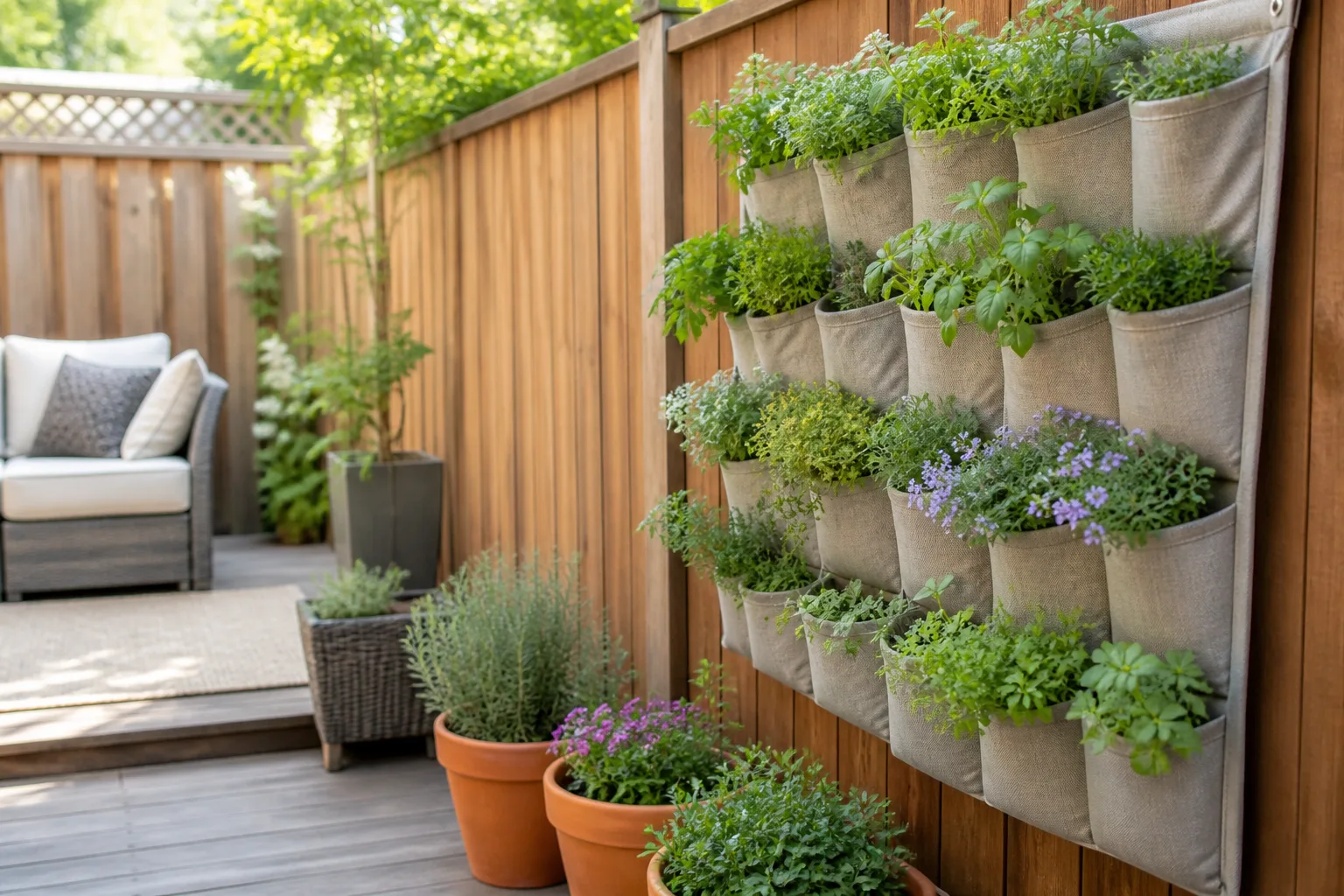
A living fence is a boundary made from plants: a clipped hedge, a loose mixed shrub row, small trees, vines trained on a trellis, or—in a very small space—containers arranged as a green screen. Compared with a solid fence, it can soften a property line and add seasonal flowers, berries, or shelter. The trade-off is time. A young hedge will not provide immediate privacy, and a deciduous screen may lose much of its coverage in winter.
Start by defining what you want the boundary to do. If you need year-round visual privacy, choose a suitable evergreen or combine evergreen structure with deciduous plants; if you mainly want to blur a view or mark a border, a looser mix may be enough. Measure the available width and check mature height, root spread, light, drainage, and maintenance needs before choosing plants. A mixed planting can provide more seasonal interest, but it may need more space and selective pruning than a single clipped row.
Match the planting to the job
In a narrow side yard, a trellis with a non-invasive climber may fit where a shrub hedge would not. Along a wider boundary, staggered shrubs can form a deeper screen and avoid the flat wall effect. For a wildlife-friendly hedge, choose regionally appropriate species and stagger bloom or fruit timing where practical; do not assume a plant sold as “privacy” or “fast growing” is suitable for every climate or property line. The image below shows one kind of evergreen hedge, not a universal plant recommendation.
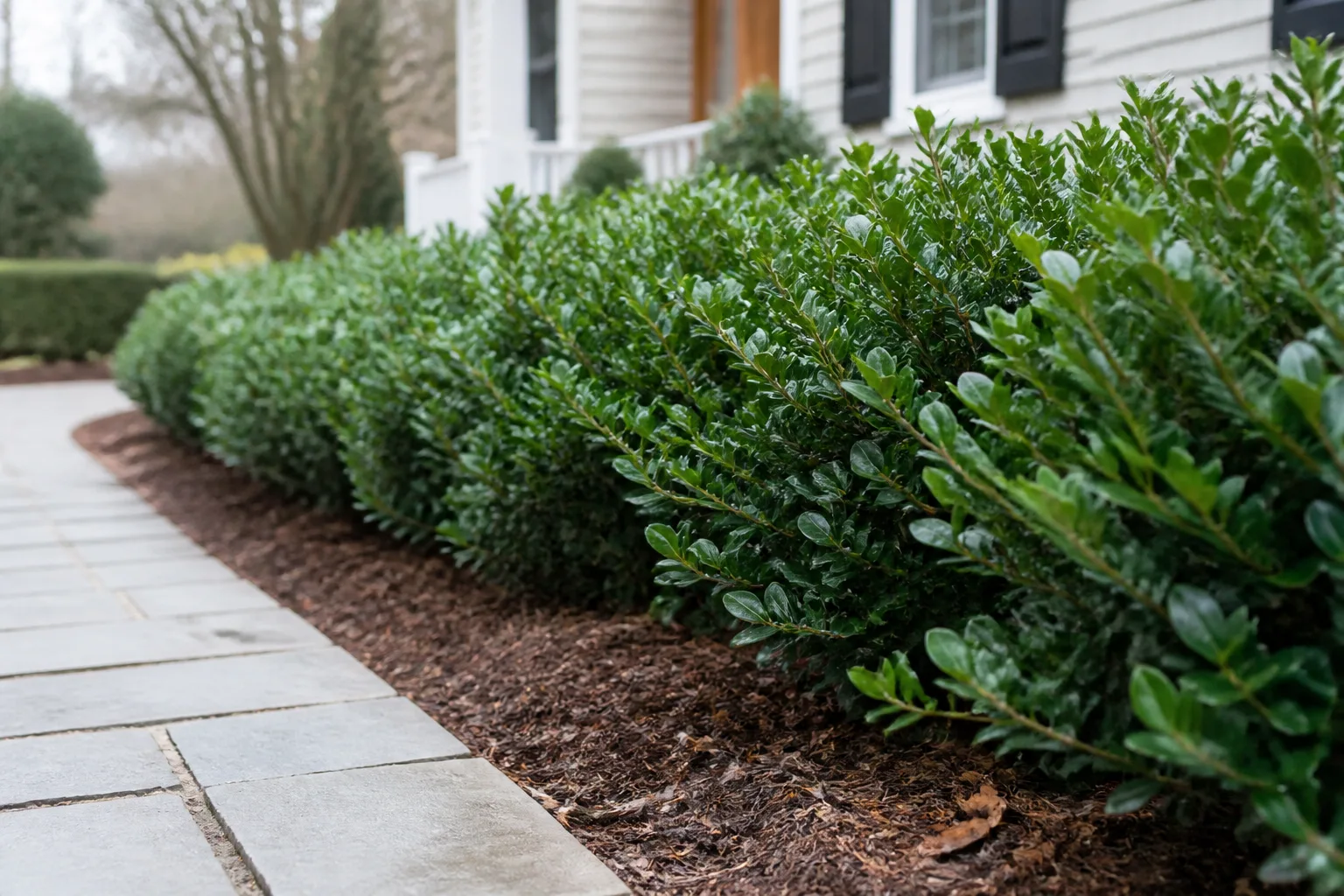
Living fences also need establishment watering, weed control around young roots, and pruning that matches the plant’s natural habit. Avoid placing woody plants where mature branches will block access, tangle with utilities, or encroach on a neighbor’s space. If you need a complete screen this season, keep an existing fence or use a temporary screen while the planting grows; the living fence can become the longer-term layer rather than carrying a job it cannot do yet.
4. Low-water landscaping starts with demand, not gravel
Low-water landscaping means reducing how much supplemental irrigation the yard needs while keeping the plants and outdoor uses you value. It does not mean that every drought-tolerant plant can survive without water, or that a new bed can be planted and ignored. Even well-adapted plants need enough moisture to establish, and drought tolerance varies with soil, exposure, plant maturity, and the length of a dry spell.
First decide which parts of the yard genuinely need frequent watering. Keep vegetables, new trees, and favorite containers where you can reach them; reduce the area of lawn or high-water ornamental beds that provide little use. Then group plants with similar water needs, cover bare soil with an appropriate mulch, and deliver water close to the root zone rather than wetting paths and foliage. In Garden Design’s drought-gardening account, a gardener describes a 55-gallon rain barrel as a modest supplement that emptied quickly, a useful reminder that rain capture can help but may not supply a large landscape on its own.
Lower demand before changing irrigation
Plant choice matters, but so does the ground around the plants. A permeable path or small gravel area can reduce lawn that needs mowing, yet covering broad areas with stone can increase heat and does little to create habitat. Keep hardscape to places where it improves access or use, and retain planted soil where roots, infiltration, or shade matter. In some gardens, a compact lawn patch is more practical than eliminating turf entirely; the goal is to right-size it, not to meet an arbitrary zero-lawn rule.
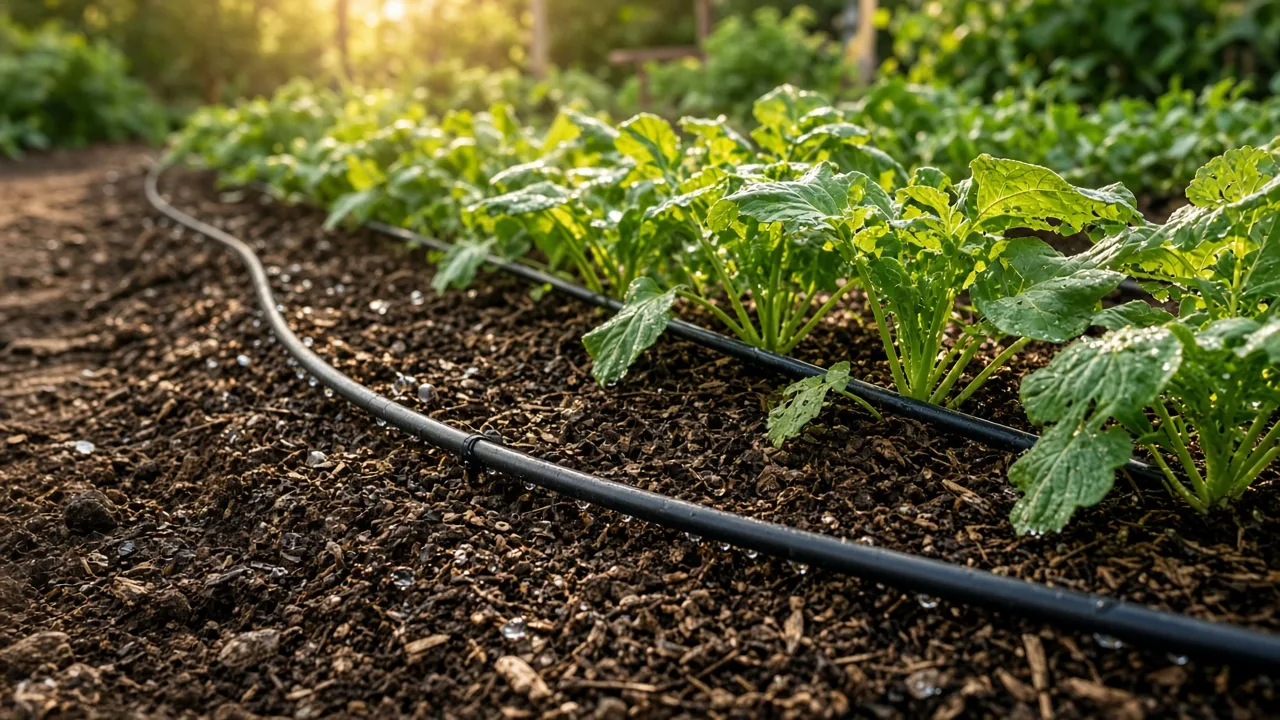
When irrigation is needed, use a method and schedule that fit the site. Soaker hoses or drip lines can place water near roots, while checking soil below the surface helps avoid shallow, frequent watering. Rain barrels are best treated as supplemental storage, and local water restrictions or runoff rules may limit when and how you irrigate. For a detailed starting point, see this existing guide to conserving water in the garden.
Plant tags that say “drought tolerant” are a screening clue, not a site guarantee. Check winter hardiness, salt exposure, mature width, and whether the plant needs regular water during establishment; a species adapted to a desert region may still perform poorly in a humid or cold location. Let local planting lists guide the species, then adjust irrigation to weather and soil rather than following a fixed calendar.
5. Sanctuary gardens should fit the way you actually rest
A sanctuary garden is an outdoor area designed for a particular kind of pause: morning coffee, reading in shade, listening to birds, or stepping outside between work and home. It can be a whole backyard retreat, but it can also be a balcony chair screened by a planter. Think first about the activity and the time of day. A seat that catches harsh afternoon sun or sits beside a noisy air conditioner will not feel restful just because it is surrounded by lavender.
Build the space around comfort and access. Give the seat stable ground, a clear route, and enough room to move around it; use shade or a wind break if the site needs one. Then add one or two sensory details—a fragrant plant near the path, soft grasses that move in a breeze, textured leaves, or a small water sound—rather than layering on decorative features that need constant upkeep. Fragrance and sound are personal, and strong scents or plants that trigger allergies may make a space less comfortable for some people.
Build a small sensory route
Use a short path or a visible edge to make the retreat feel separate from chores, even if it is only a few steps from the back door. A container near a chair can provide scent at arm’s length; a shrub or trellis can soften a view without closing the space in. If the garden is shared with children, pets, or people with mobility needs, choose plants and surfaces with those users in mind and keep the main path easy to navigate.
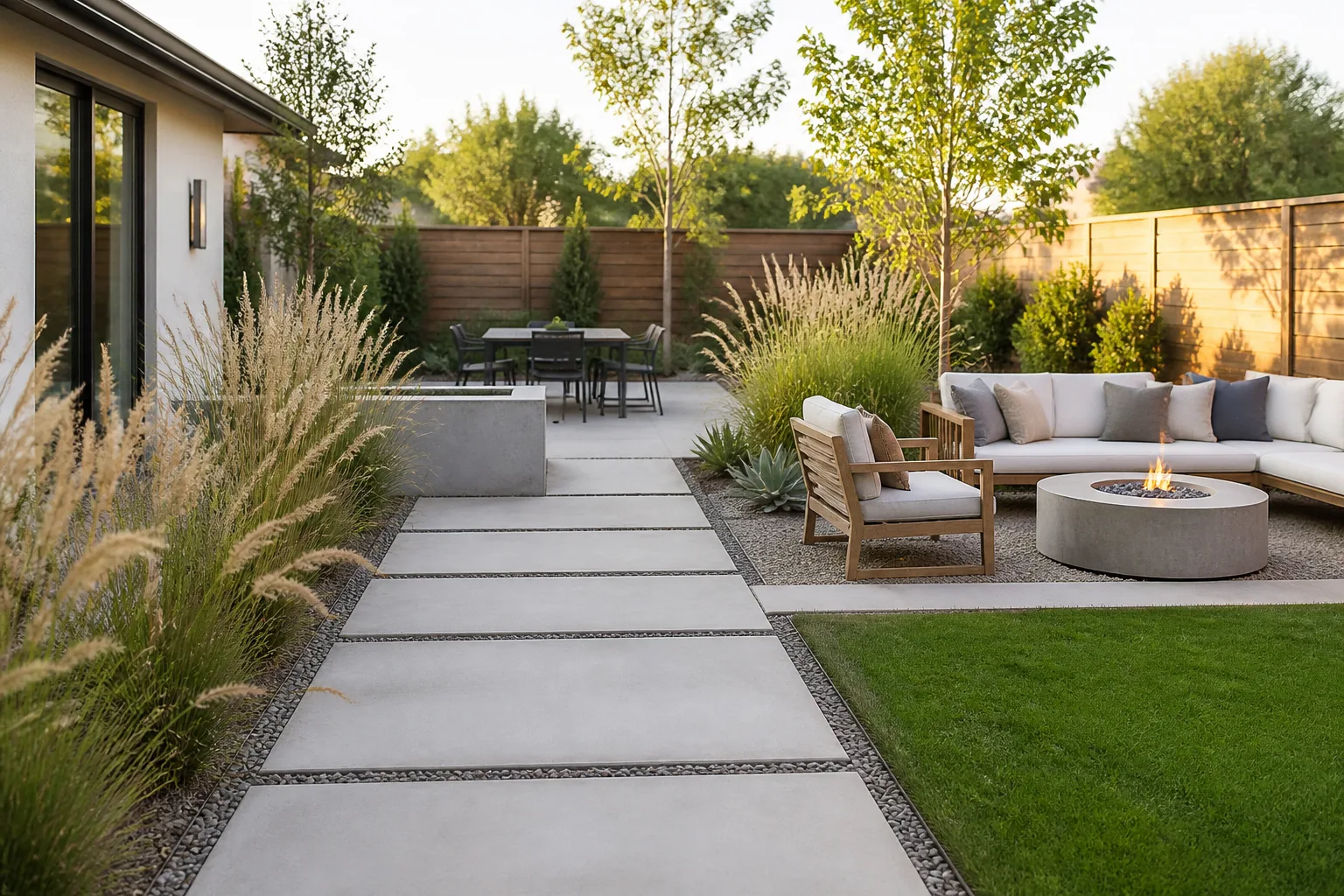
The practical test is whether you use the spot. Try one chair and one planted edge for a few weeks before adding a pergola, pond, or built-in seating. If the area feels exposed, add screening; if it feels hot, add shade; if you never sit there, move the seat closer to the route you already take. Designing around your habits makes a sanctuary more personal and usually less expensive.
6. Foraged flowers are most sustainable when you grow them
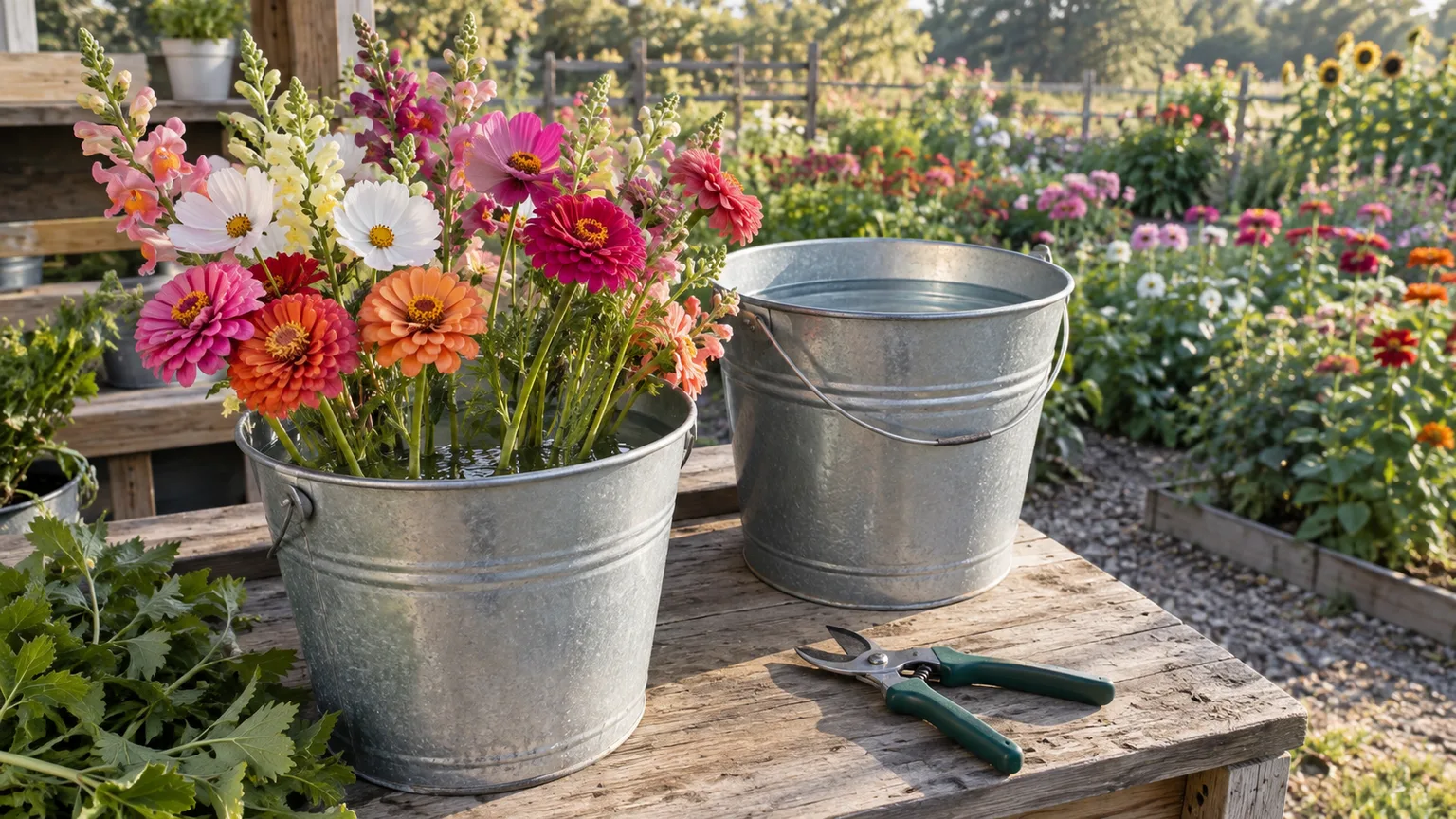
Foraged flowers can mean gathering stems from a garden to make a loose bouquet, rather than buying a uniform bunch. The most reliable and considerate source is a planting you own or have permission to harvest. Do not assume that a flower growing beside a road, trail, park, or other public place is available to take: land rules differ, and wild plants may be important for wildlife or locally protected. RHS guidance likewise cautions against removing wild plants without permission; its legal examples are UK-specific, so check the rules that apply where you live.
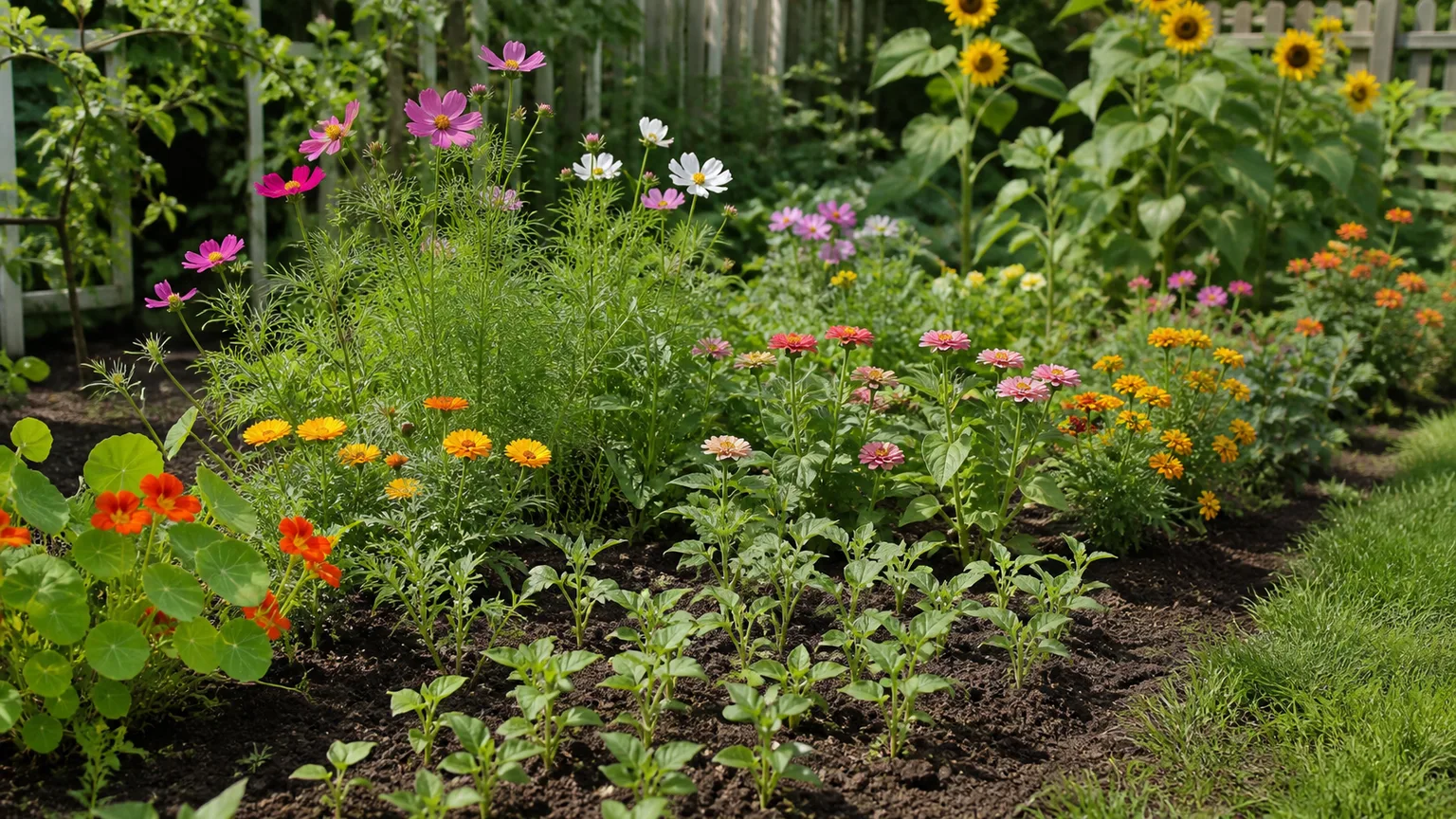
You can make a small cutting patch work inside an existing border. Choose a few flowers with different bloom periods, leave enough open flowers and seedheads for pollinators and birds, and cut only what you will use. For compact yards, use a sunny bed edge or large containers; for a larger garden, a short row of annuals can sit behind the main path so harvesting does not trample other plants. A bouquet garden need not be separate from an ornamental garden, but it helps to reserve some stems specifically for cutting.
Plan for flowers to share
Think in seasons rather than planting everything for one dramatic week. The University of Minnesota Extension pollinator-planning guidance recommends considering resources across early, middle, and late bloom periods and notes the need to plan for site preparation and ongoing care. That article addresses farm habitat, so its crop-specific advice does not automatically apply to every home garden; its broader lesson is useful: stagger flowering and choose plants that suit local conditions. A wildflower gardening guide can help you explore a more naturalistic planting.
For cutting, use clean tools and learn the right stage for each flower instead of cutting every stem at full bloom. Keep a small notebook of what lasted in a vase, what attracted pollinators, and what self-seeded too aggressively. The result is a more useful garden over time: some stems for the house, some flowers left in place, and fewer impulse purchases of plants that do not fit your conditions.
Which 2025 idea fits your yard?
Use the main job you want the garden to do as your filter. These choices are starting points, not mutually exclusive plans; a low-water border can also support pollinators, and a living hedge can frame a quiet seating area.
| Your main goal | A good first experiment | Check before expanding |
|---|---|---|
| Improve habitat and handle runoff | One planted area suited to the site’s water movement | Soil drainage, overflow, utilities, and local guidance |
| Reduce mowing and add seasonal flowers | A clearly edged meadow patch or flowering lawn section | Seed mix, sunlight, establishment time, neighborhood rules |
| Add privacy with more greenery | A short section of mixed hedge or trellised screen | Mature width, winter coverage, water, pruning, and boundaries |
| Use less irrigation | Right-size lawn and group plants by water need | Establishment watering, restrictions, and the source of runoff |
| Create a place to pause | One seat with shade, a clear path, and a sensory planting | Actual sun, noise, access, and who will use it |
| Bring more flowers indoors | A small cutting row or container patch | Bloom timing, pollinator needs, and permission to harvest |
Choose one area small enough to change without remaking the whole yard. Record its sun, soil moisture, and current maintenance; set a budget and decide what success would look like after one season. Then check the plant list with a local extension office, native-plant group, or knowledgeable nursery. Regional advice matters because a species that thrives in one state or country can be invasive, poorly adapted, or simply thirsty in another.
Before buying, separate the cost of the design from the cost of getting plants established. A hedge may need years of watering and pruning before it screens a view, while a meadow may need weed control and a second round of plants if seedlings fail. Compare seed, plugs, and larger container plants against the amount of preparation and aftercare you can realistically provide; the cheapest purchase is not always the least expensive project.
Also decide what you will measure. For a water-wise bed, note how often you irrigate and which plants need rescue; for a privacy planting, record how much of the view it blocks through the seasons; for a sanctuary, notice whether you actually sit there. This turns “I like the look” into a useful test of whether the change earned its space and care.
Finally, keep one part of the yard flexible. A front-yard meadow may need a crisp edge to read as intentional, a rental patio may call for movable planters instead of digging, and a small child- or pet-used lawn may be more valuable than a complete conversion. A good trend adapts to those constraints rather than asking the household to work around a photograph.
Conclusion
The six ideas gardeners forecast for 2025—sustainable landscapes, looser planting, living fences, lower-water design, sanctuary spaces, and homegrown bouquets—are best treated as tools, not rules. Their value depends on whether they solve a real problem in your yard and whether you can support the plants through establishment and seasonal care.
Start with one measurable change: a smaller lawn edge, a hedge trial, a rain-ready planting, a better-placed seat, or flowers grown for cutting. Keep what works for your climate and routine, adjust what does not, and let the garden evolve through observation rather than a one-season makeover.