8 Houseplant Trends to Watch
See which 2025 houseplant trends are practical, which need extra care, and how to choose plants, pots, and displays that fit your home.
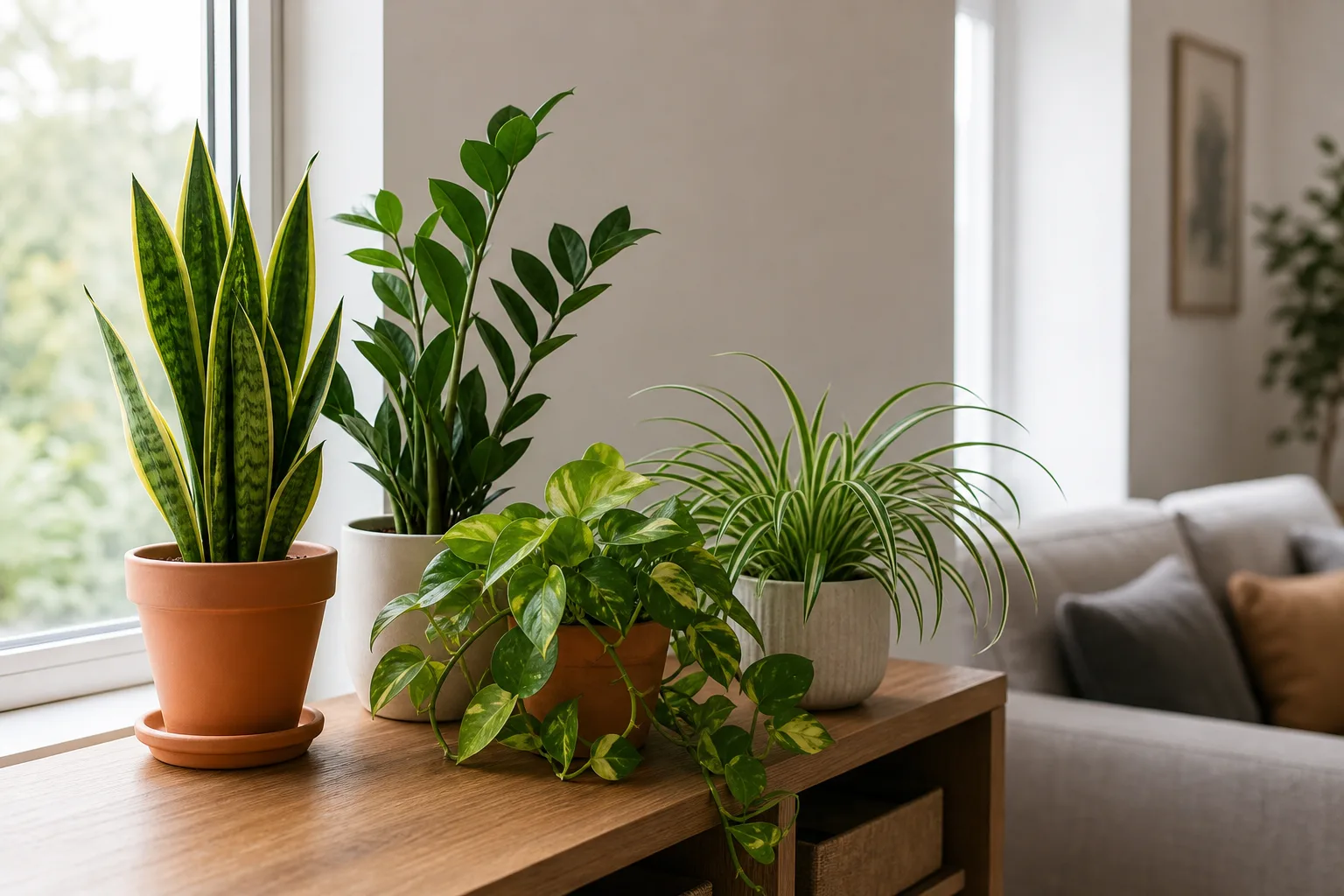
The most useful houseplant trends for 2025 are not really about chasing a new species. They are about making a plant collection work harder in the home: asking less of busy owners, using vertical space, treating a pot as part of the room, and choosing plants that can handle the light that is actually available.
That distinction matters because a beautiful display can still be a poor plant decision. The right trend gives you a visual idea and a care plan; the wrong one gives you a stressed plant, a wet pot, or an expensive impulse purchase. Use the eight ideas below as directions to test, not rules that every home has to follow.
What These Houseplant Trends Have in Common
Three forces sit underneath most of the 2025 houseplant conversation. People want plants that survive busy schedules, displays that fit smaller homes, and more personality than a matching row of neutral pots. At the same time, experienced growers are getting better at separating a genuinely useful innovation—such as a better placement or a more suitable container—from a decorative idea that ignores the roots.
The strongest displays also mix time scales. A mature snake plant or ZZ plant provides structure now, a trailing pothos fills a shelf over time, and a tiny peperomia or orchid supplies detail without taking over the room. Homes & Gardens describes this combination as using classic plants for structure while experimenting with wilder growth, terrariums, hydroponic displays, and mismatched planters; that is a useful way to read the trend rather than treating novelty as the goal. Homes & Gardens’ 2025 houseplant trend roundup is a helpful example of that broader shift.
Trend 1: Low-Maintenance Plants That Forgive Busy Schedules
The move toward forgiving plants is likely to last because it solves a real problem: people want greenery even when they travel, work long hours, or are still learning how quickly a particular pot dries. ZZ plants, snake plants, and pothos remain strong choices because they tolerate a range of indoor conditions, recover from occasional missed watering, and are easy to find in many sizes.
“Low maintenance” does not mean “put it in a dark corner and forget it.” NC State’s Plant Toolbox describes the ZZ plant as especially easy to grow because its fleshy rhizomes store water, but it still recommends well-drained soil and letting the mix dry between waterings. The same source notes that a ZZ can tolerate very low light but grows best with bright, indirect light, which is the distinction a trend list often leaves out. Read the NC State ZZ plant profile before treating it as a no-care plant.
Pothos is more flexible about light but becomes less vigorous and less colorful as light drops. It also benefits from a support if you want mature climbing leaves rather than a long, juvenile vine; NC State recommends bright indirect light, a well-drained medium that dries between waterings, and occasional pruning to keep the plant full. The NC State pothos profile gives the practical version of why this familiar plant keeps returning to trend lists.
Snake plants make a different promise. They tolerate low light and low humidity, but the roots still need a fast-draining mix and a dry interval; NC State specifically warns that overwatering can cause root rot and recommends much less winter watering. The NC State snake plant profile is a reminder that the easiest plants are often the ones most damaged by a well-meaning weekly watering routine.
Match an Easy Plant to Your Actual Light
Start by measuring your room, not by choosing a plant name. A bright east window, a few feet from a sunny south window, a shaded shelf, and a windowless office are four different growing environments, even if they all look “indoors.” Low-light tolerance is usually a survival advantage, not a promise of fast growth, dense foliage, or strong variegation.
Use this quick match: choose a ZZ or snake plant when you want a slower, upright anchor and are likely to forget watering; choose pothos when you want a trailing or climbing shape and can provide moderate to bright indirect light; choose a brighter-window plant when you want colorful leaves or flowers. If pets or children may chew the foliage, check the species before buying rather than assuming a popular plant is safe.
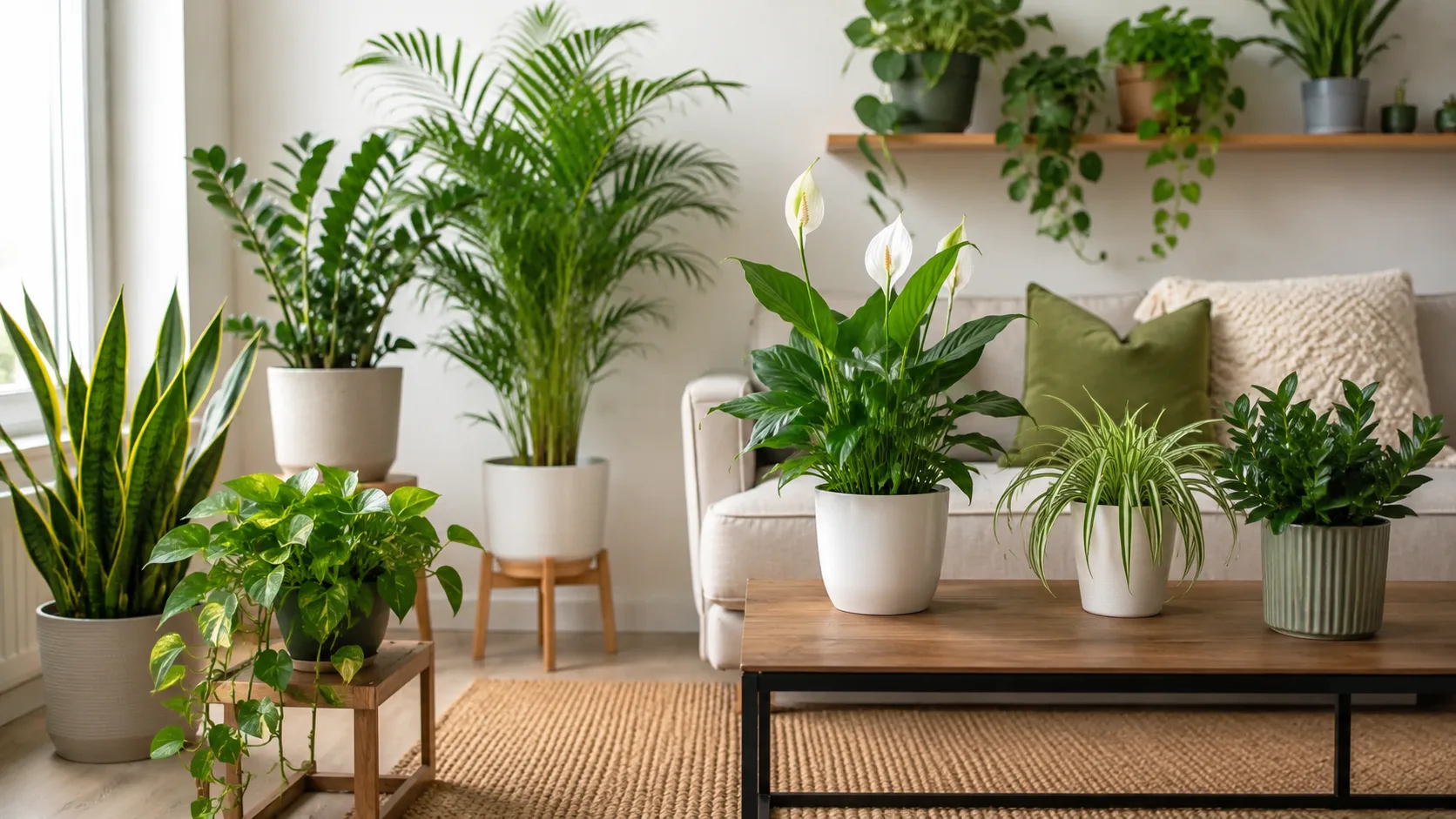
Trend 2: Cabinet Terrariums and Glass Gardens
Glass gardens are becoming more ambitious. A small jar is still a satisfying project, but plant lovers are also turning glass-front cabinets, cloches, and illuminated shelves into miniature humid environments. The appeal is obvious: a cabinet can turn a collection into a focal point and let you grow humidity-loving plants in a controlled pocket of the room.
The cabinet itself is not the ecosystem. You still need to manage heat, air movement, light, standing water, and plant growth. A sunny window can turn glass into a greenhouse, a sealed cabinet can trap too much moisture, and a crowded shelf makes it difficult to spot pests or remove a failing plant. Begin with one shelf or one small enclosure, keep a thermometer and hygrometer nearby if the cabinet is large, and leave room between leaves and the glass.
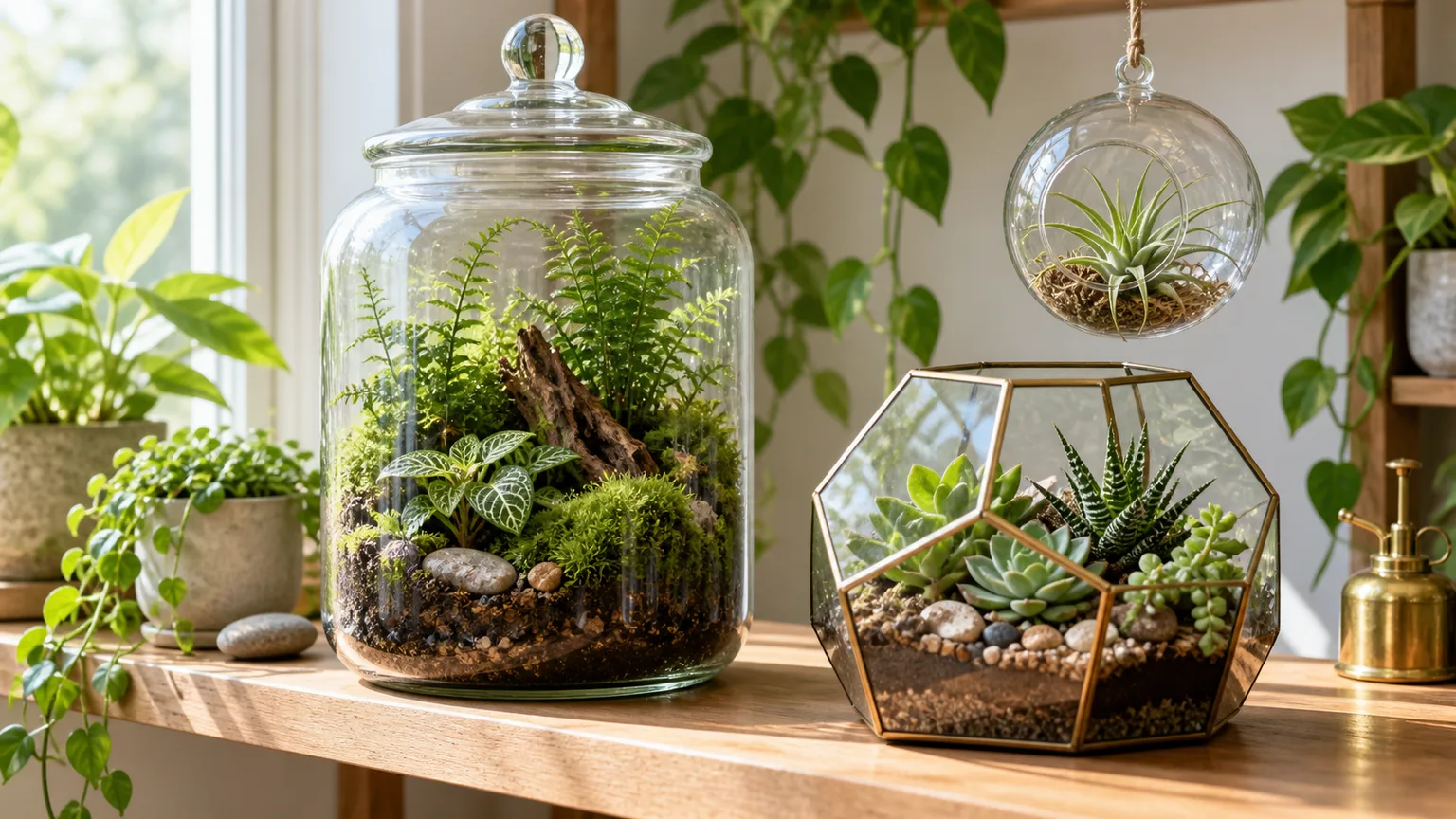
The Royal Horticultural Society’s terrarium guidance supports the low-maintenance appeal but adds the boundaries: closed terrariums suit small, slow-growing tropical plants and mosses, while open terrariums are better for succulents and cacti. The RHS also recommends bright indirect light, warns against direct summer sun, and says to remove dead leaves promptly so mold does not gain a foothold.
Choose Between a Closed and Open Terrarium
Choose a closed terrarium when you want high humidity and are happy to grow small, slow-moving foliage plants such as fittonia, peperomia, miniature ferns, or moss. Condensation is useful information: a light film can be normal, while constantly dripping glass, sour-smelling soil, or collapsing leaves suggests too much moisture and too little ventilation.
Choose an open terrarium when you want succulents, cacti, or other plants that need faster drying. Its open top makes watering and pruning easier, but it also means the container is a display vessel rather than a self-contained moisture cycle. A cabinet can combine both styles only if you create separate zones; do not put a dry-loving haworthia beside a humidity-loving fern and water them as a group.
For a cabinet conversion, use the least permanent setup first. Put plants in individual nursery pots inside removable trays, install a plant-appropriate light if the shelves are away from windows, and vent the doors until you understand how quickly the space heats and dries. A cabinet is successful when it makes care more predictable—not when it is sealed so tightly that every small mistake becomes a fungal problem.
Trend 3: Orchids Beyond the Grocery-Store Moth Orchid
Orchids are moving from a single flowering gift plant toward a wider collecting category. That does not mean the familiar moth orchid is finished; it means more shoppers are noticing jewel orchids, dancing ladies, slipper orchids, and unusual flower forms that make the plant interesting even when it is not in bloom.
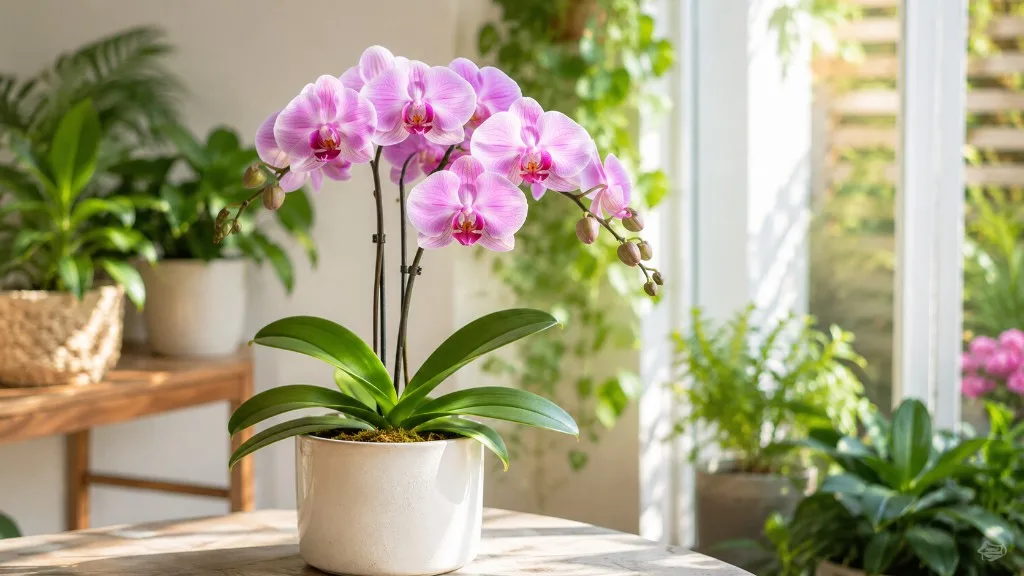
The RHS calls moth orchids the easiest and most popular indoor orchids, while Missouri Botanical Garden describes Phalaenopsis as the easiest orchid to grow at home, with long-lasting flowers and an east-window preference. Those are strong beginner credentials, but they still come with conditions: orchids need the right light, an airy orchid medium, regular but not stagnant moisture, and no pot sitting in water. Compare the RHS indoor orchid guide with the Missouri Botanical Garden’s orchid profiles when you move beyond a grocery-store plant.
Start With the Orchid Your Window Can Support
An orchid is a better trend purchase when you choose it by growing conditions rather than flower color. A bright east window often suits a moth orchid; a very bright room may need sheer-curtain protection; a dim room may support foliage but not reliable rebloom without a grow light.
Look for firm leaves, a stable crown, healthy roots, and a pot that drains. Clear plastic pots can make root and moisture checks easier, but the important feature is airflow and drainage, not the color of the container. Water thoroughly, let excess drain, and avoid leaving the plant in a decorative cachepot full of runoff.
Newer orchid varieties may be more rewarding than a standard plant, but “different” does not automatically mean “hard.” Jewel orchids are often grown for foliage and can prefer conditions unlike an epiphytic moth orchid; some genera want brighter light, cooler nights, or a more even moisture supply. Read the label and keep the name, because “orchid care” is not one uniform routine.
Trend 4: Colorful, Mismatched Planters
Color is taking over the container layer of plant styling. Instead of buying every pot in one finish, growers are using saturated blue, tomato red, butter yellow, or mixed patterns to make a shelf feel collected and personal. Mismatched planters also let you refresh the room without replacing healthy plants.
The safest version separates the decorative job from the root-zone job. Keep the plant in a properly sized nursery pot with drainage, then place that pot inside a colorful cachepot. You can still style the outside container, but you can remove the inner pot to water at a sink, inspect the roots, or empty runoff instead of guessing what is happening at the bottom.
Homes & Gardens notes that mixed containers work best when the plants sharing a display have compatible care requirements. That is more important than matching their leaf colors: a sun-loving succulent, thirsty fern, and slow-drying orchid should not be forced into one watering schedule simply because their pots look good together. The magazine’s trend coverage makes the useful point that personality works best when the plants still have compatible needs.
Keep the Style Playful and the Drainage Serious
Before buying or repainting a pot, check three things: the drainage plan, the mature size, and the surface that will touch water. A decorative pot without a drain hole can work as an outer cover, but it is a risky primary container unless you are disciplined about watering and emptying it. A pot that is too large also holds moisture longer than a small root ball can use.
Use color as a placement cue. A warm pot can pull a flowering orchid or red-veined fittonia into focus; a dark pot can make a silver or lime-green plant stand out; a repeated accent color can connect plants across a room. Keep the visual rhythm varied, but repeat one shape, material, or color so the display looks deliberate rather than like a collection of leftovers.
Trend 5: Petite Plants for Small Spaces
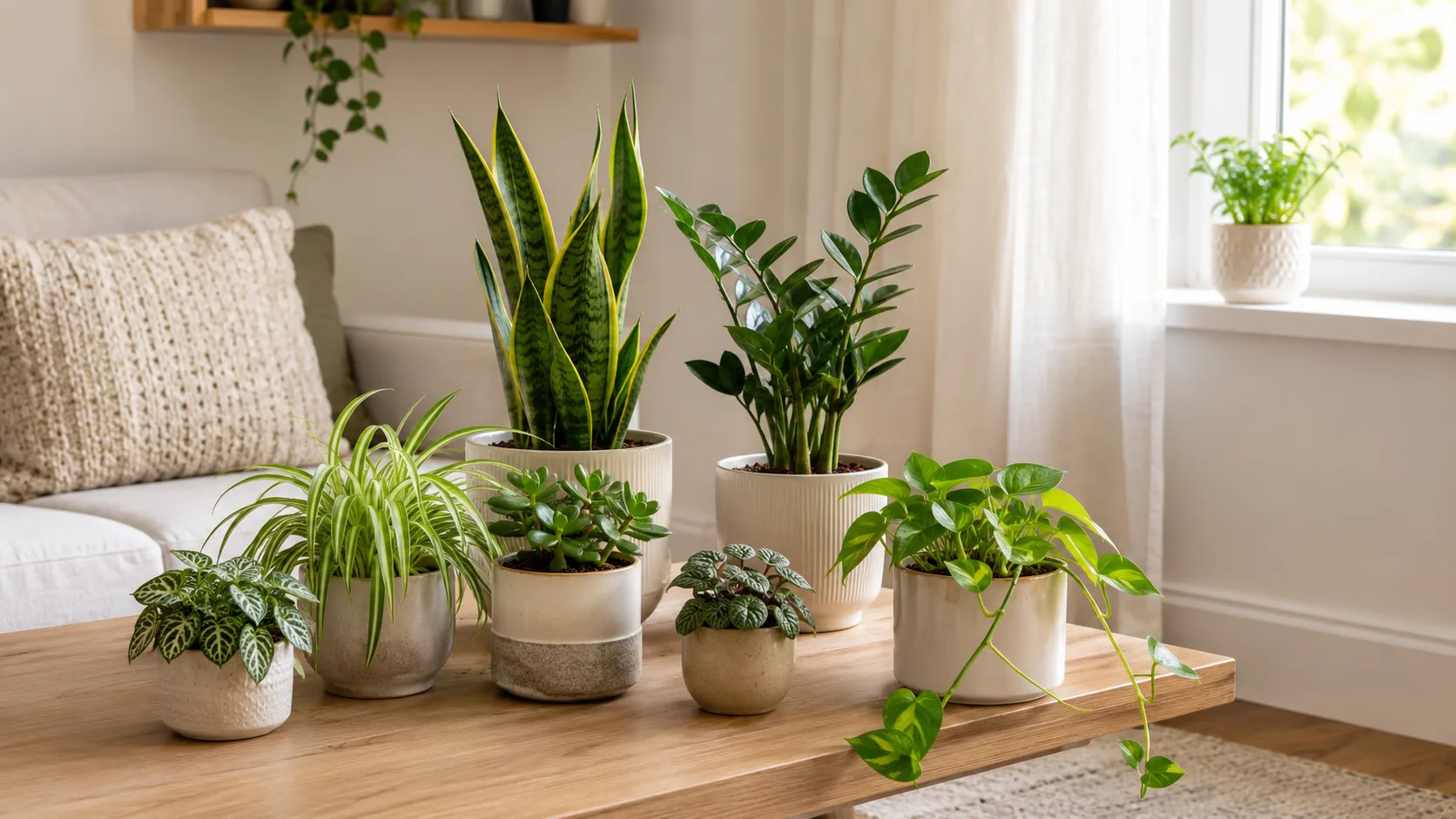
Petite plants are more than miniature versions of large plants. Their real advantage is that they give a small apartment, desk, kitchen sill, or bedside table a living detail without demanding floor space. A little peperomia, compact fern, fittonia, haworthia, or small hoya can create a satisfying display when the pot and the plant are scaled together.
The trap is buying a small plant for a tiny container and never planning for growth. A nursery plant may be petite because it is young, recently propagated, or temporarily compact, not because it will stay that size. Check the mature height and spread, then leave a little visual and physical room around it so air can move and watering does not become a cramped balancing act.
Layer petite plants instead of lining them up like products. Put one low plant on a shallow stand, one trailing plant on a higher shelf, and one textured plant where its leaves can be seen close up. Small-space styling also benefits from rotation: keep a spare spot for a plant that needs brighter light or a sink day, rather than packing every surface so tightly that care becomes inconvenient.
Trend 6: Large Statement Plants With Structure
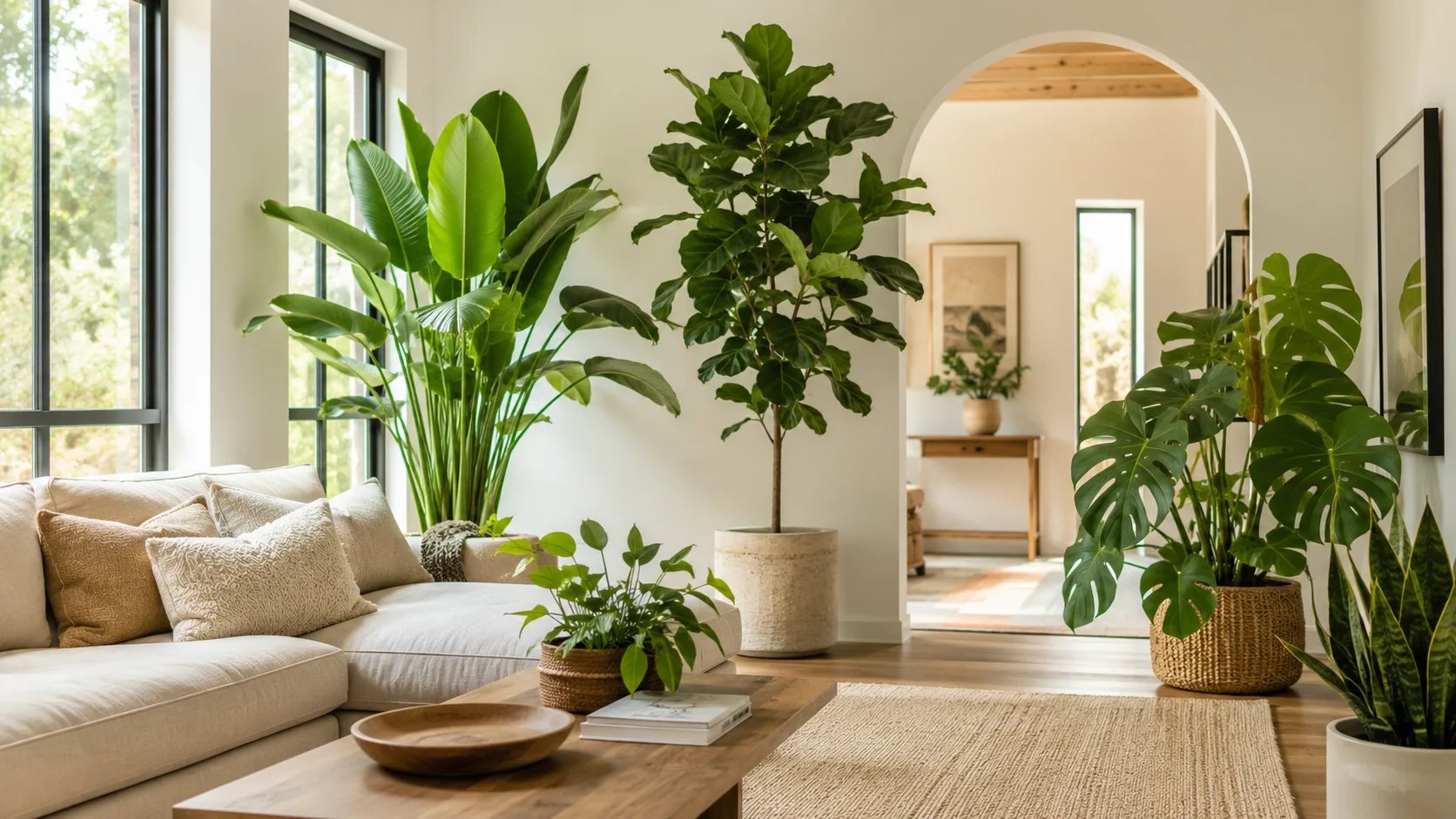
Large plants are not disappearing as petite plants gain popularity. A single tall plant can define an empty corner, soften a hard line, or give a room a sense of height; Livingetc’s houseplant trend coverage describes statement trees and layered plant elevations as enduring design tools rather than short-lived novelty. Read Livingetc’s houseplant styling examples for the design logic behind using height and placement.
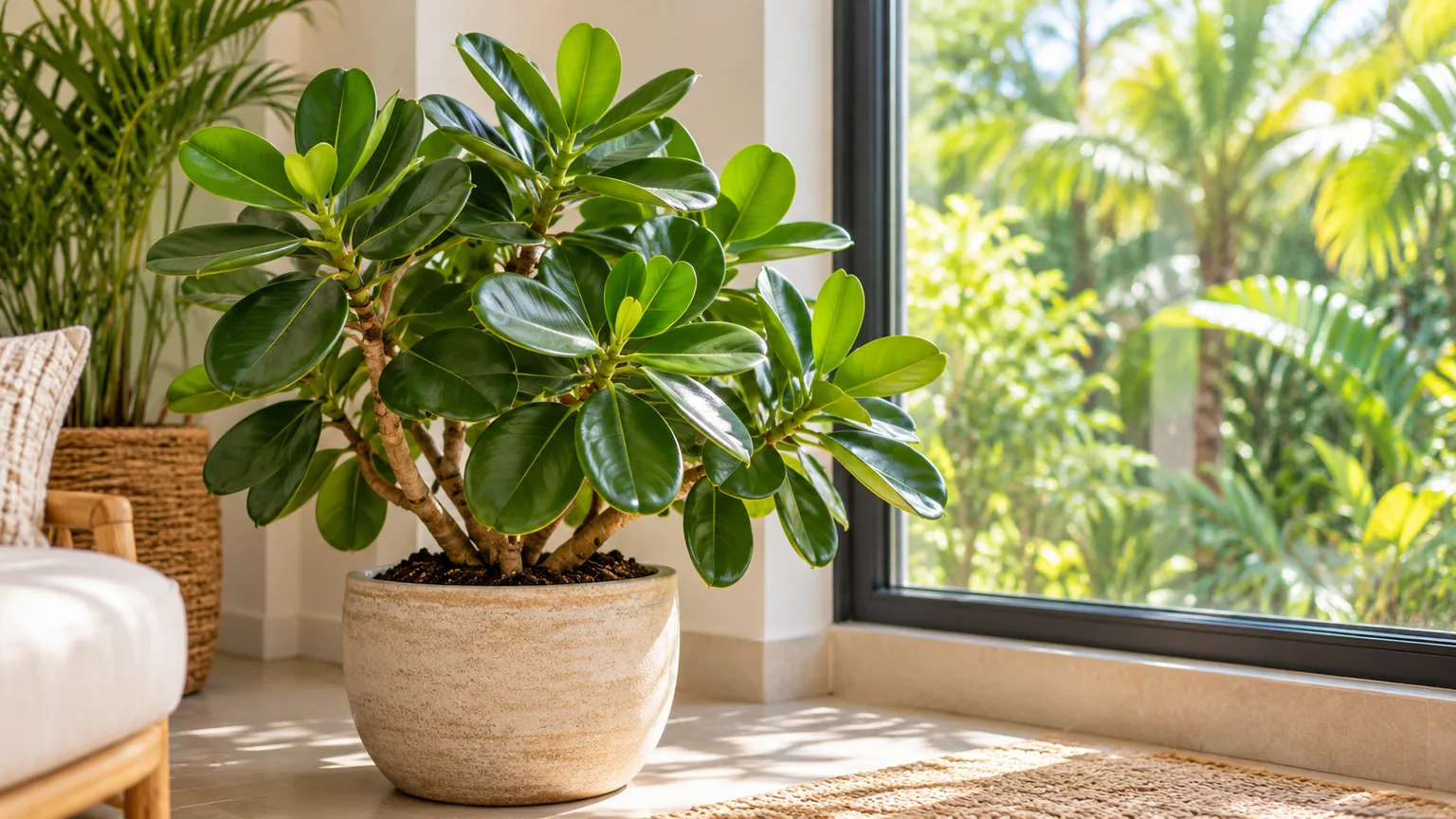
The practical question is not whether a plant looks impressive at the store. It is whether your home can supply enough light, floor clearance, ceiling height, and safe weight capacity after the plant is watered. Measure the route through doors and stairs, the pot’s final footprint, and the distance to the nearest window before choosing a ficus Audrey, monstera, palm, or other large specimen.
Start with structure, then add drama. A snake plant or ZZ plant gives a vertical outline with a manageable care load; a monstera brings broader leaves but needs more room and may eventually need support; a ficus Audrey can become a strong tree-like anchor but dislikes abrupt environmental changes. Keep large plants on stable stands or directly on the floor, rotate them gradually, and do not move them weekly just to chase a perfect photograph.
Trend 7: Rare-Looking Plants Without Collector Pressure
The rare-plant wave is changing shape. Some people still want unusual variegation, bonsai forms, arid silhouettes, or a species that looks unlike the standard garden-center inventory, but more buyers are questioning whether scarcity, unstable variegation, and a high price actually add value to their home.
That is a healthy shift. A plant can look distinctive without being rare, and a widely available plant may be the better purchase if you want a mature specimen, reliable replacement, or straightforward care. Treat rarity as one attribute to verify, not as evidence of quality.
Evaluate Rarity Before You Buy
Ask for the botanical name, not just a trade name or a social-media nickname. Then check the plant’s mature size, light requirements, known growth pattern, propagation method, and whether the unusual feature is stable or likely to fade on new growth.
Inspect the plant for active pests, damaged roots, mushy stems, and abrupt environmental stress. If you bring it home, quarantine it from the rest of the collection for a few weeks and watch new growth before placing it in a cabinet or among prized plants. A rare plant is a poor bargain if one unexamined purchase exposes the entire shelf to pests.
Budget for the care system, not only the plant. A species that needs a grow light, humidifier, climbing support, or specialized medium may cost more over the first year than its purchase price suggests. For a lower-risk experiment, choose one unusual plant with a clear care profile and buy from a seller who can identify it and explain how it has been grown.
Trend 8: Hoyas on Trellises and Hanging Displays
Hoyas fit the current appetite for plants that are both collectible and architectural. Their thick leaves, trailing or climbing habits, and clusters of star-shaped flowers give a shelf or hanging planter a different texture from the usual broad-leaved tropical. They can also grow into a long-term project: a young plant may look modest while it settles, then become a dramatic trellised display.
The best reason to try a hoya is not that it is fashionable. It is that its growth habit fits the space you have and you are willing to let it dry somewhat between waterings. A bright window, an airy potting mix, and a container with drainage are more important than a decorative pole. Do not keep a hoya constantly wet just because its leaves look tropical; thick leaves often signal that the plant can store some water, not that its roots want stagnant soil.
Give Trailing Plants a Display Plan
Decide whether you want the hoya to trail, climb, or stay compact before you place it. A trellis or hoop gives the stems a route upward and makes a small plant look fuller; a high shelf or hanging basket lets the vines fall, but it also makes watering, pest checks, and pruning harder.
Leave the stems flexible while they are young and guide them loosely rather than tying them tightly. Keep the pot where you can reach it, turn it occasionally for even growth, and resist moving it when buds appear. Hoya flowers can take time, and a stable position is usually more helpful than constant rearrangement.
How to Choose a Trend Without Creating a Care Problem
The safest way to use a trend is to run it through a five-question filter before you buy:
| Question | What it protects you from | A useful first test |
|---|---|---|
| How much usable light reaches the spot? | Slow growth, leaf drop, weak color, failed bloom | Observe the spot through a full day or use a light meter app as a rough comparison |
| How often am I away? | Repeated drought or panic-watering | Choose a forgiving plant and use a moisture check instead of a calendar |
| How much floor, shelf, or ceiling space is real? | Crowding, unstable stands, blocked windows | Mark the mature footprint with tape before buying |
| Will the plant and display be safe around pets or children? | Chewing, tipped pots, inaccessible runoff | Verify the species and place heavy or toxic plants out of reach |
| What maintenance am I willing to learn? | An attractive system that becomes a chore | Try one plant, one cabinet shelf, or one colorful cachepot first |
Then choose one visual direction and one plant that proves it. If you want the cabinet look, begin with a vented shelf and two compatible plants instead of filling a sealed cabinet; if you want a collector look, start with one unusual but well-identified plant; if you want color, change the cachepot before repotting a healthy plant.
Pay attention to the first month. New plants often need a quarantine period, a slower transition into brighter light, and a watering rhythm based on the new pot and room rather than the store’s schedule. A trend has earned a permanent place when the plant is putting out healthy growth and the routine still feels manageable after the novelty wears off.
Conclusion
The houseplant trends worth trying in 2025 are the ones that connect style to conditions. Low-maintenance plants, glass gardens, orchids, colorful planters, petite displays, large anchors, rare-looking specimens, and hoyas can all work—but only when the light, pot, space, and care rhythm agree with the choice.
Start with the room you have, not the photograph you saved. Test one trend with one well-identified plant, keep drainage and mature size in view, and add complexity only after the first plant is stable. That approach gives you a collection that feels current without becoming disposable.