5 Backyard Trends for 2025 That Are Worth Trying
Explore five backyard trends for 2025, from outdoor rooms and forest gardens to flexible containers and managed wild planting—with practical ways to try each.
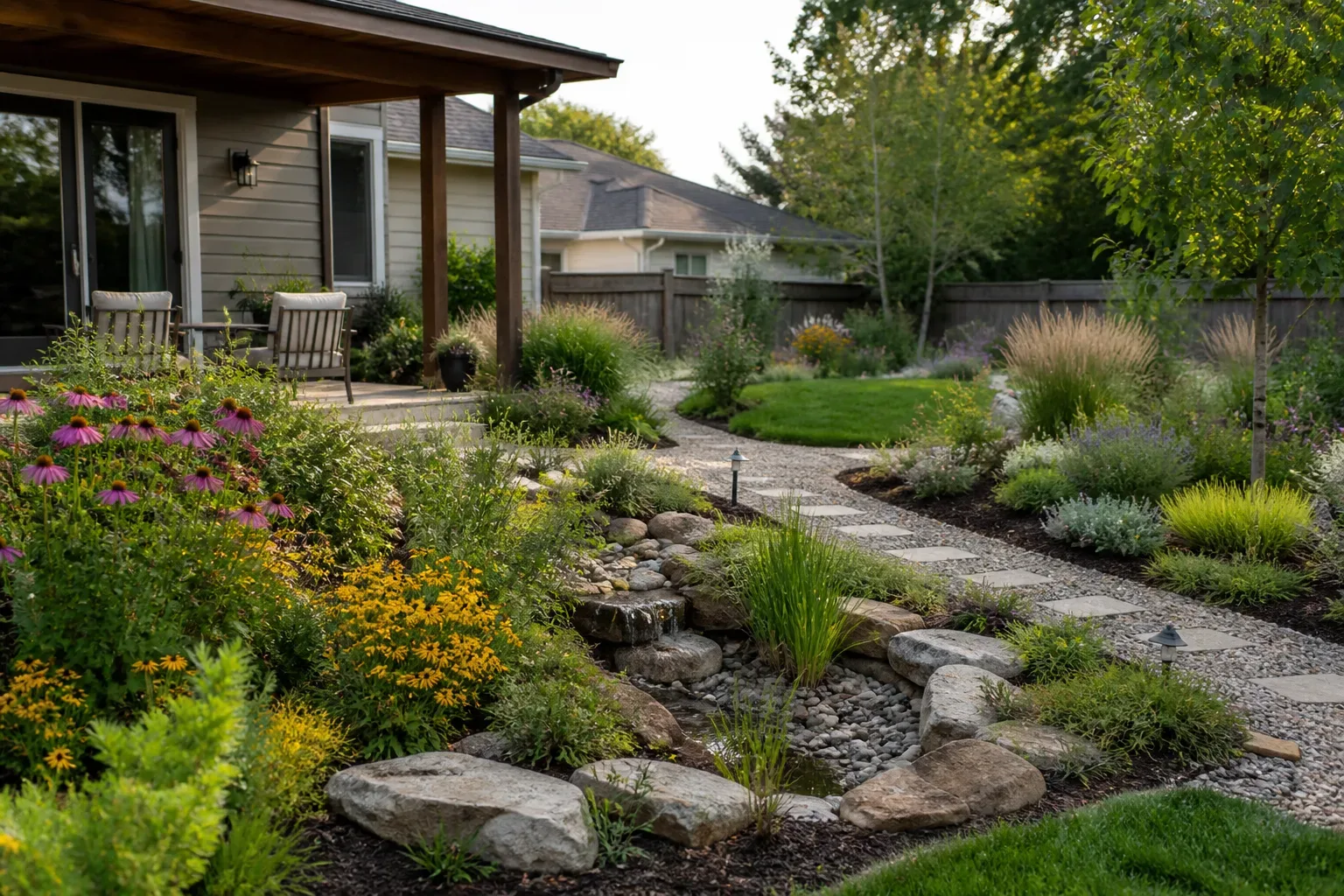
The most useful backyard trends for 2025 are less about a particular color of cushion or a new piece of patio furniture and more about what a yard is expected to do. Outdoor spaces are becoming places to eat, pause, grow food, support wildlife, and make room for plants that suit the climate instead of fighting it.
That does not mean every new idea belongs in every yard. A fire pit can be a poor choice under a low tree, a native plant can still be wrong for a wet or shaded corner, and a “wild” garden can become a weed problem if its edges and maintenance plan are missing. Use the five trends below as design directions, then test one small version before committing your whole backyard.
How to use these trends without turning your yard into a trend board
Start with three observations: where you spend time, where water collects or disappears, and what kind of care you can repeat every week. Photograph the yard at morning, noon, and late afternoon so you can see the real sun pattern rather than guessing from a single visit. Also note views from the kitchen and the route people actually walk; the best project usually improves one of those daily experiences.
Then choose one job for the first phase. “Make the yard nicer” is too vague to guide purchases, while “create a shaded breakfast spot,” “replace the dry strip beside the driveway,” or “give butterflies a small bloom sequence” is specific enough. A strong trend works because it solves a problem; the visual style is the bonus.
1. Outdoor rooms built around how you actually spend time
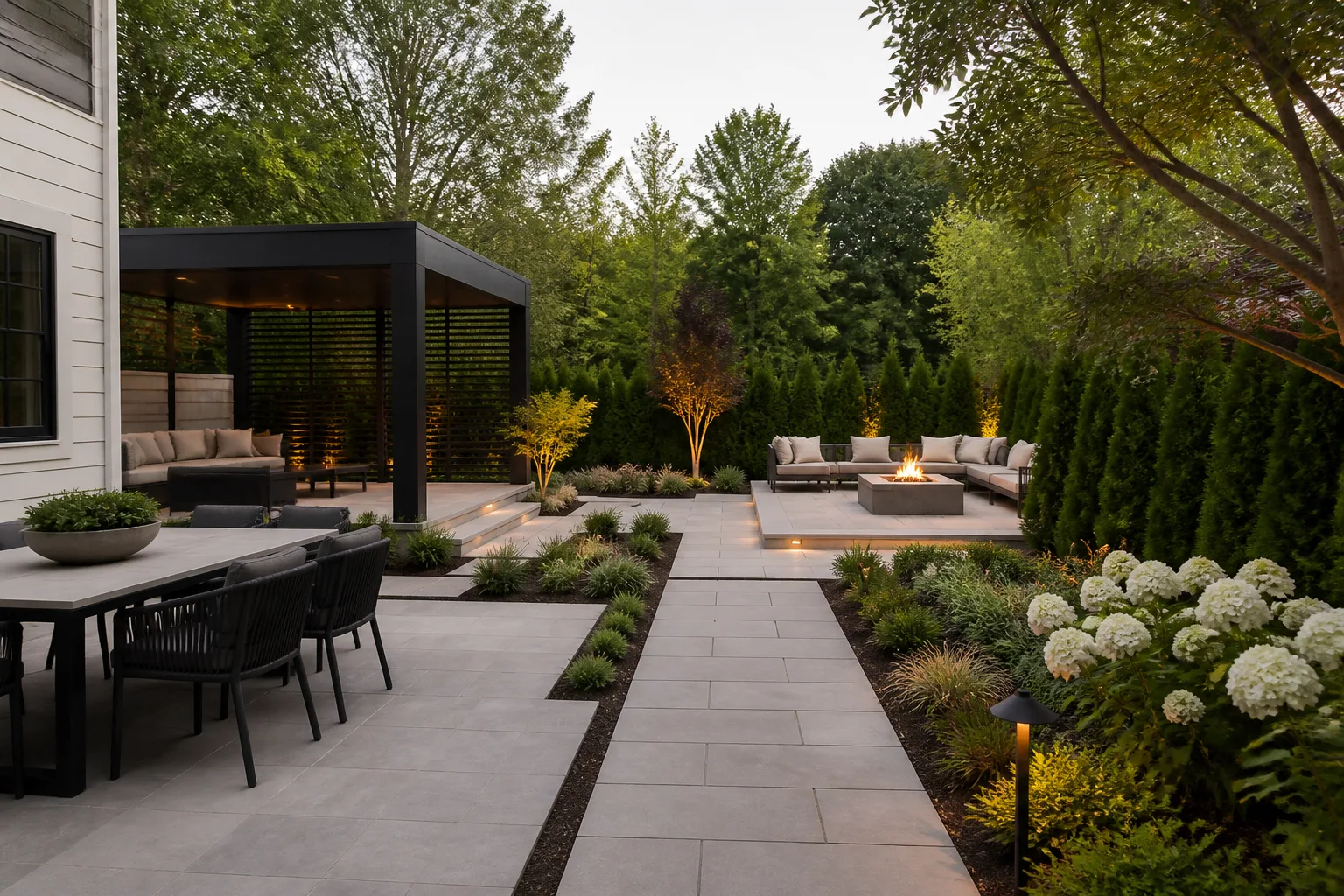
The backyard is increasingly being planned as a set of outdoor rooms rather than one undifferentiated lawn. Garden Design’s 2025 garden trends report describes outdoor spaces that serve people and wildlife, while practical home-and-garden coverage is also moving toward seating, cooking, shade, and circulation as connected parts of the same yard.
The useful shift is not simply installing an outdoor kitchen. It is deciding what you want to do outside and giving that activity a comfortable, obvious place. A small table near the kitchen may be more valuable than a large cooking station used twice a year; a reading chair under a tree may need shade and a path more than it needs a built-in structure.
Start with the activity, not the appliance
Write down the activity, the number of people, and the season in which you will use the space. For outdoor meals, plan a level surface, a table with enough elbow room, a route for carrying dishes, and lighting that reaches the table without shining into the house. For lounging, prioritize comfortable seating, a place to set down a drink, shade at the hottest time, and a view that is worth facing.
Next, check the practical constraints before ordering anything. Keep a cooking or fire feature away from combustible walls, overhanging branches, dry mulch, and narrow escape routes; follow local fire rules and the appliance manufacturer’s clearances. A shade sail, pergola, or mature tree also changes rain, wind, and light patterns, so do not place moisture-loving plants beneath a roof edge that never receives rain and do not put a sun-loving container where the new shade makes it stretch.
Add comfort in layers
An outdoor room feels finished when several modest layers work together. Use a durable surface to define the zone, a chair or bench arrangement to face the view, a shade layer for the uncomfortable part of the day, and plants to soften the boundary. Low-voltage lighting can make a path legible, but avoid aiming bright lights into beds where they disturb nighttime wildlife; warm, downward-facing fixtures are usually less intrusive than a yard washed in glare.
You can build this trend in stages. Start with movable furniture and a large container to test the location. If the spot is comfortable after several weekends, add a permanent path or shade structure. This order protects your budget and reveals whether the yard’s wind, afternoon heat, drainage, or neighbor sightlines make the original idea impractical.
2. Forest-style gardens that stack habitat
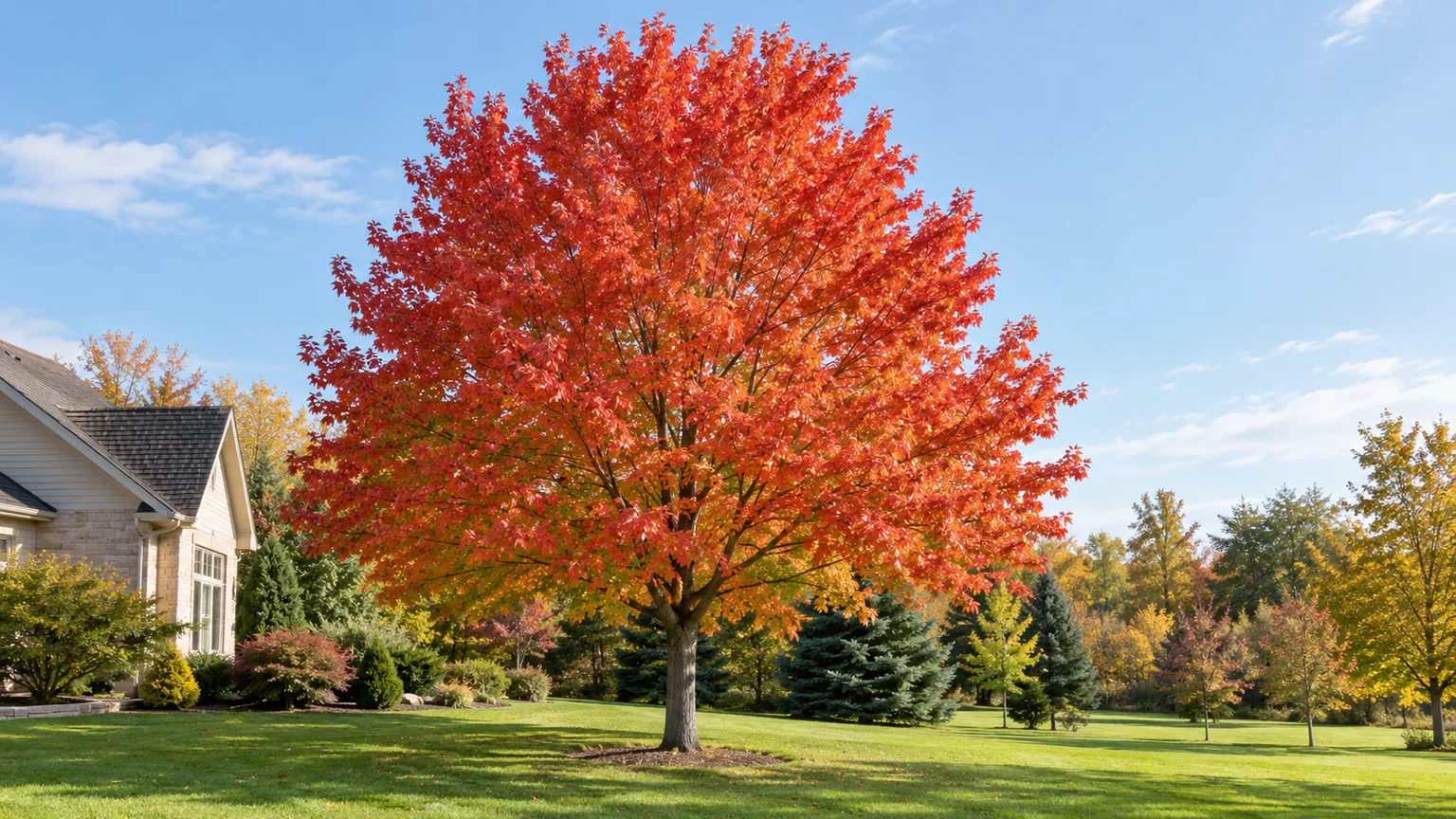
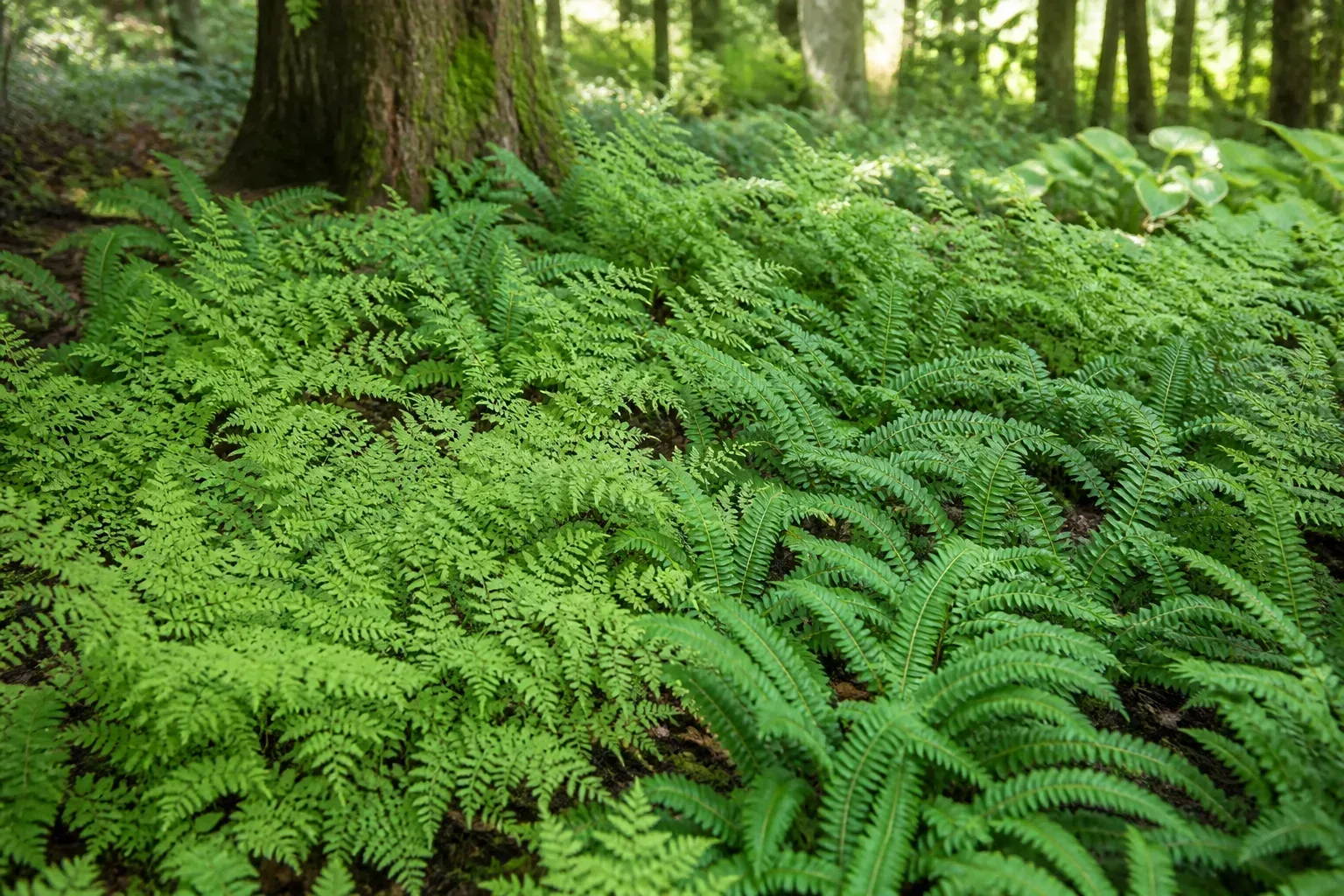
Forest gardening brings a layered woodland structure into a residential space: a canopy or small tree, shrubs, herbaceous plants, groundcovers, and sometimes vines or fallen-leaf cover. The result is not a miniature forest planted at random. It is a composition that uses height, shade, root competition, seasonal interest, and habitat together.
The model fits a backyard with existing trees, dappled shade, or a hot edge that would benefit from a living screen. It is a poor fit for a narrow area that must stay clear for a foundation, utility access, or children’s active play. The first question is not “Which forest plants are popular?” but “What light and moisture will this layer receive after the upper layer matures?”
Build the layers from the site outward
Keep an existing healthy tree or choose a small, regionally appropriate tree before filling the ground. Observe its mature spread, root competition, and the shadow it will cast. Underplant with shrubs that tolerate the same conditions, then add perennials and groundcovers only after you understand the dry pockets beneath the canopy and the wet pockets near downspouts.
Native plants are a strong starting point because local wildlife evolved with regional plant communities, but “native” is not a magic maintenance label. Select plants from a reputable local nursery, check the species against your state or regional invasive-plant guidance, and match each plant to the site. A regional plant that needs constant irrigation in your dry front slope is not a resilient choice simply because it is native somewhere nearby.
For pollinator value, plan more than a summer flower show. The National Park Service’s ecoregional planting cards give small, region-specific recipes of roughly 3 by 6 feet, while Pollinator Partnership’s garden cards emphasize diverse blooms across the growing season plus shrubs, trees, bunch grasses, sedges, leaf litter, and woody debris for nesting and overwintering habitat. That layered timing is more useful than buying a single tray of flowers that all bloom for two weeks.
A small-space version works too
You do not need acres or a mature canopy. A small backyard can borrow the forest-garden logic with one multi-season small tree or tall shrub, two or three shrubs, a group of shade-tolerant perennials, and a defined mulch or groundcover layer. In a rental or paved yard, use a tall container plant, a shrub-sized pot, and lower pots to create height without planting permanent roots.
Leave a clear path and a service zone around the planting. Forest-style does not mean branches scraping the house, leaves blocking drains, or vines climbing siding. Keep mulch away from trunks, preserve visibility at steps and gates, and prune only when a plant blocks circulation, crowds another plant, or becomes a safety problem.
3. Garden art that does a job
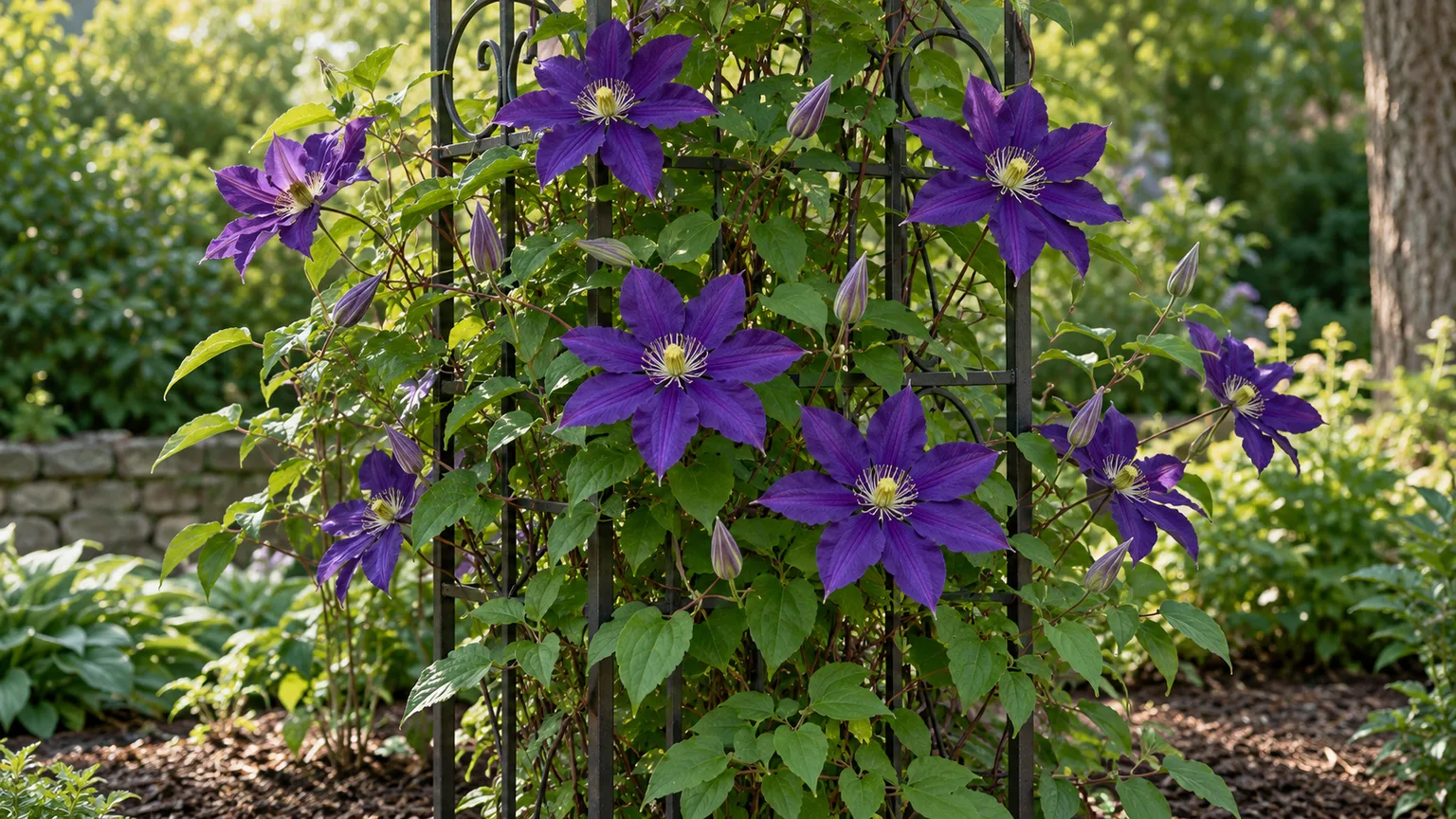
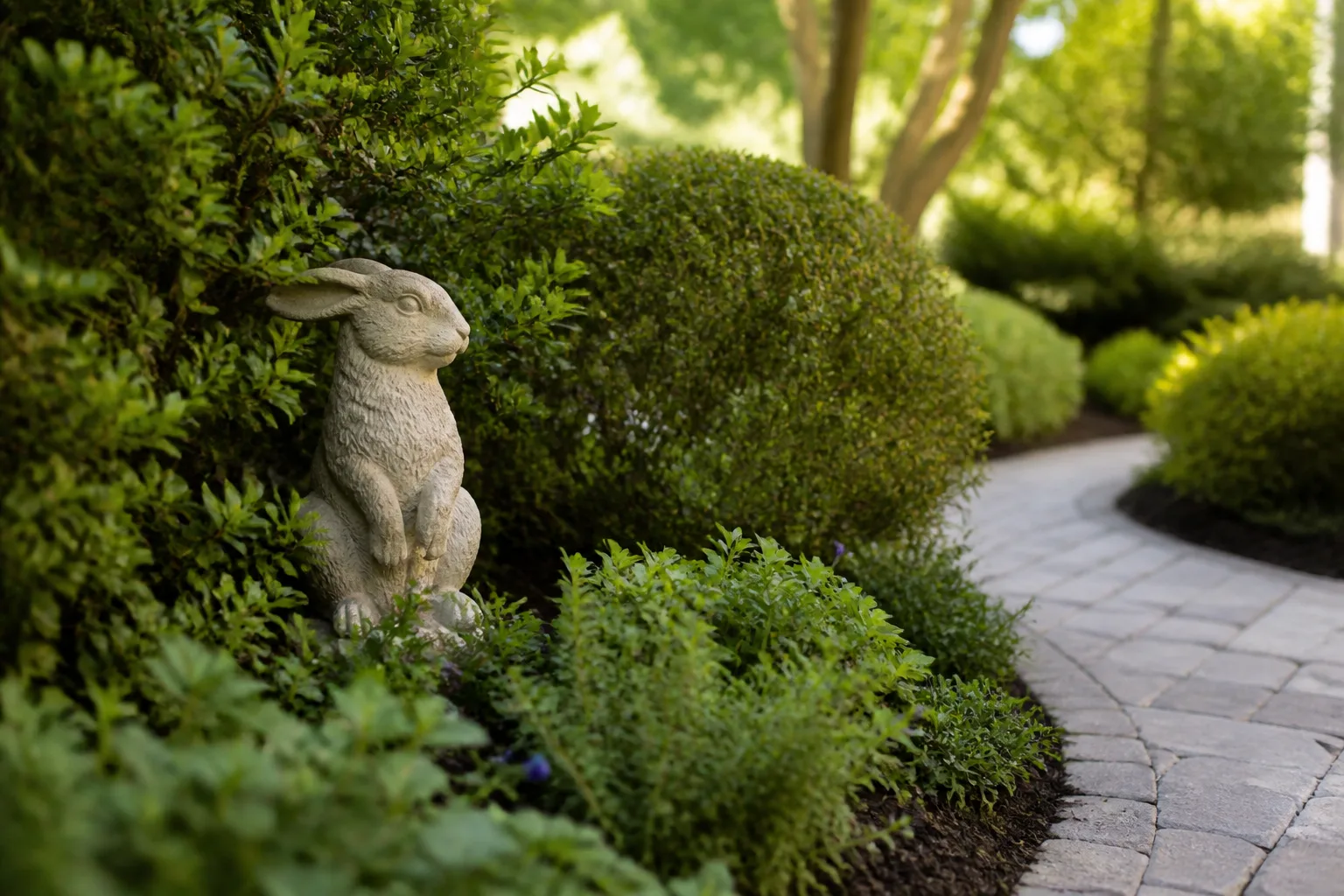
Outdoor art is moving beyond an object placed in an empty lawn. The more durable version combines beauty with structure: a trellis supports a climber, an obelisk gives a soft plant a vertical destination, a gate frames a view, or a sculpture marks a turn in the path. Garden Design’s 2025 coverage links garden-making with personal expression, while the practical lesson is simple: the best ornament earns its space twice.
Choose structure with a garden task
Before buying an arch or obelisk, name the task. Do you need privacy, shade, a support for a vine, a visual stop at the end of a path, or a way to make a small garden feel taller? Choose a structure sized for the plant at maturity, anchor it for wind, and leave room for pruning and repainting. A lightweight trellis overloaded with a mature vine can lean, break, or pull against a wall.
Found materials can work, but inspect them for rot, sharp edges, peeling paint, and unknown treatments before placing them in a bed or near edible crops. Stones and driftwood can make a quiet focal point when they look as if they belong to the site. Avoid scattering many unrelated decorations; repetition, a limited material palette, and one strong pause usually create more impact than a collection of small objects.
Place one focal point with restraint
Use the sightline from a window, doorway, or seating area to find the focal point. A sculpture at the end of a path can pull someone forward; a trellis beside a patio can give the eye a vertical edge; a bright pot can mark a dark corner. If the object is meant to be noticed at night, light the surrounding planting softly rather than spotlighting the object harshly.
The planting around the art should support it, not hide it. Repeat one nearby texture or color, then leave enough negative space for the silhouette to read. This approach is inexpensive to test: move a pot, stake a temporary frame, or place a stone where you are considering permanent art and live with the view for a week before buying.
4. Container gardens that make patios flexible
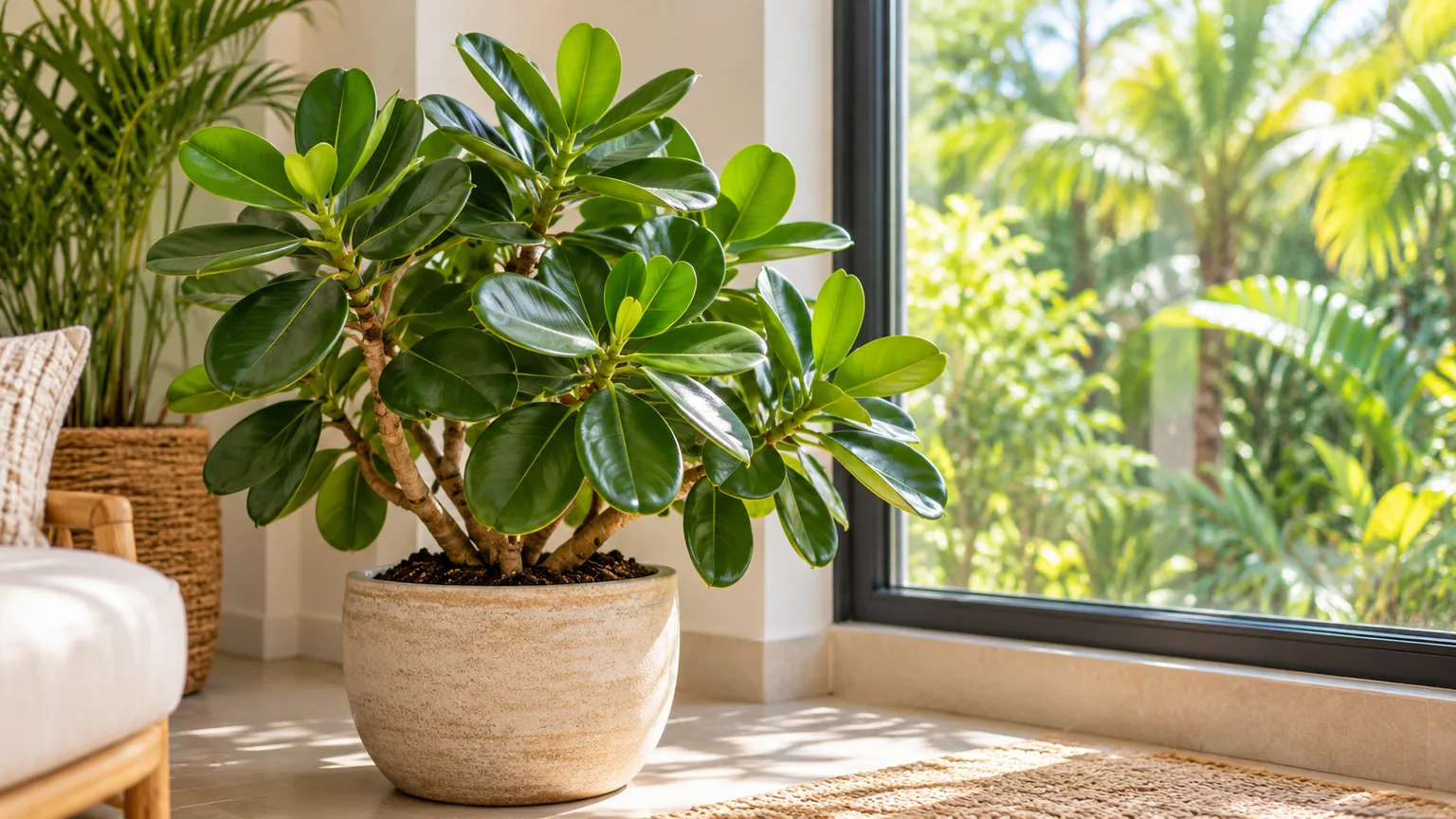
Container gardening keeps expanding because it gives renters, small-yard gardeners, and people with difficult soil a movable way to grow. It also gives established gardeners a tool for seasonal color, edible crops near the kitchen, and plants that need a different soil or drainage regime than the ground provides. Garden Design calls portable plants a 2025 direction, and Gardeners’ World’s container plant guidance shows how pots can hold everything from herbs and fruit to flowering shrubs and climbers.
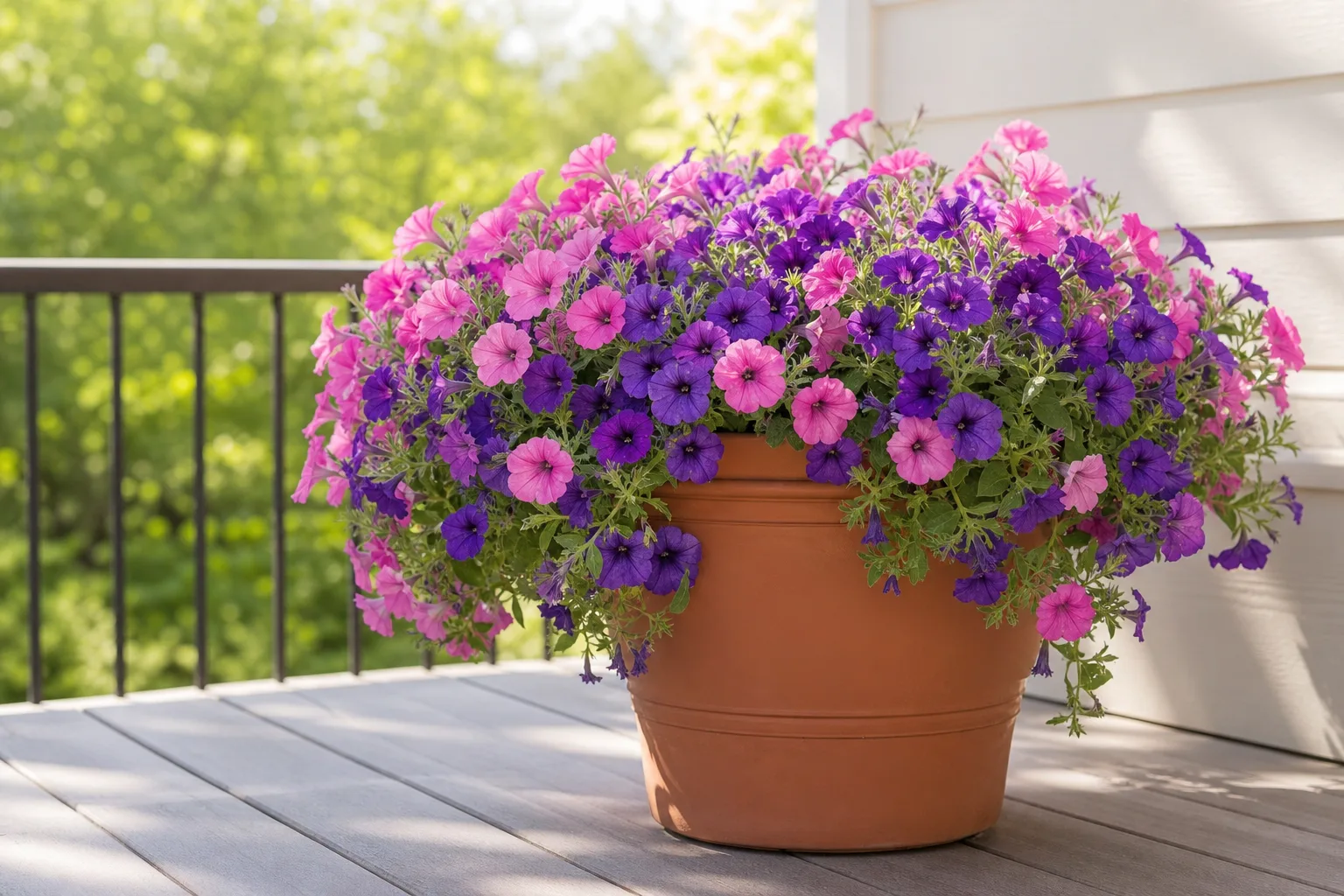
Use the thriller-filler-spiller idea with real site logic
The familiar thriller-filler-spiller formula is a useful shape, not a rule to follow blindly. Start with the site: hours of direct sun, reflected heat from a wall, wind on a balcony, available water, and how heavy the container will be after watering. Then choose plants with compatible light and moisture needs. A tall grass with a sun-loving flower and a trailing herb can share a pot; a drought-tolerant succulent and a thirsty annual usually should not.
Use one strong vertical element, several supporting plants, and a trailing plant only when the container’s proportions and the viewing angle make that arrangement useful. For a narrow patio, repeat two or three containers in a line rather than making every pot a different miniature garden. Repetition makes a collection look intentional and makes watering and seasonal replacement easier.
Make containers easier to keep alive
Choose a pot with a drainage hole, enough root volume for the mature plant, and a stable base for the site’s wind. Dark containers on a hot wall can heat root zones quickly; porous pots can dry faster; small pots need more frequent checks. Put saucers where runoff will not stain or pool, but never let a pot sit in standing water for long periods.
Container plants generally need more attentive watering than plants in the ground because the root zone is small and exposed. Check the mix with a finger or moisture meter and water the whole root ball slowly until excess drains, then adjust for heat, wind, plant size, and rainfall. Grouping pots can reduce wind exposure, but a dense cluster can also hide a leaking saucer or spread pests, so leave enough room to inspect leaves and move one pot when conditions change.
5. Managed chaos: relaxed planting with boundaries
“Chaos gardening” is a memorable name for a looser, more naturalistic garden: mixed heights, self-sowing plants, volunteer seedlings, native species, and less obsession with a perfectly clipped lawn. The valuable part is the permission to notice what thrives and to leave some seasonal change in place. The dangerous misunderstanding is that every plant gets to stay.
Garden Design’s 2025 report describes a less tidy garden aesthetic that can leave seed heads and fallen leaves for habitat. The Backyard Habitat Certification Program likewise frames a yard as part of a larger wildlife corridor built from native plants and habitat features. Both ideas point toward intentional habitat, not a refusal to manage the site.
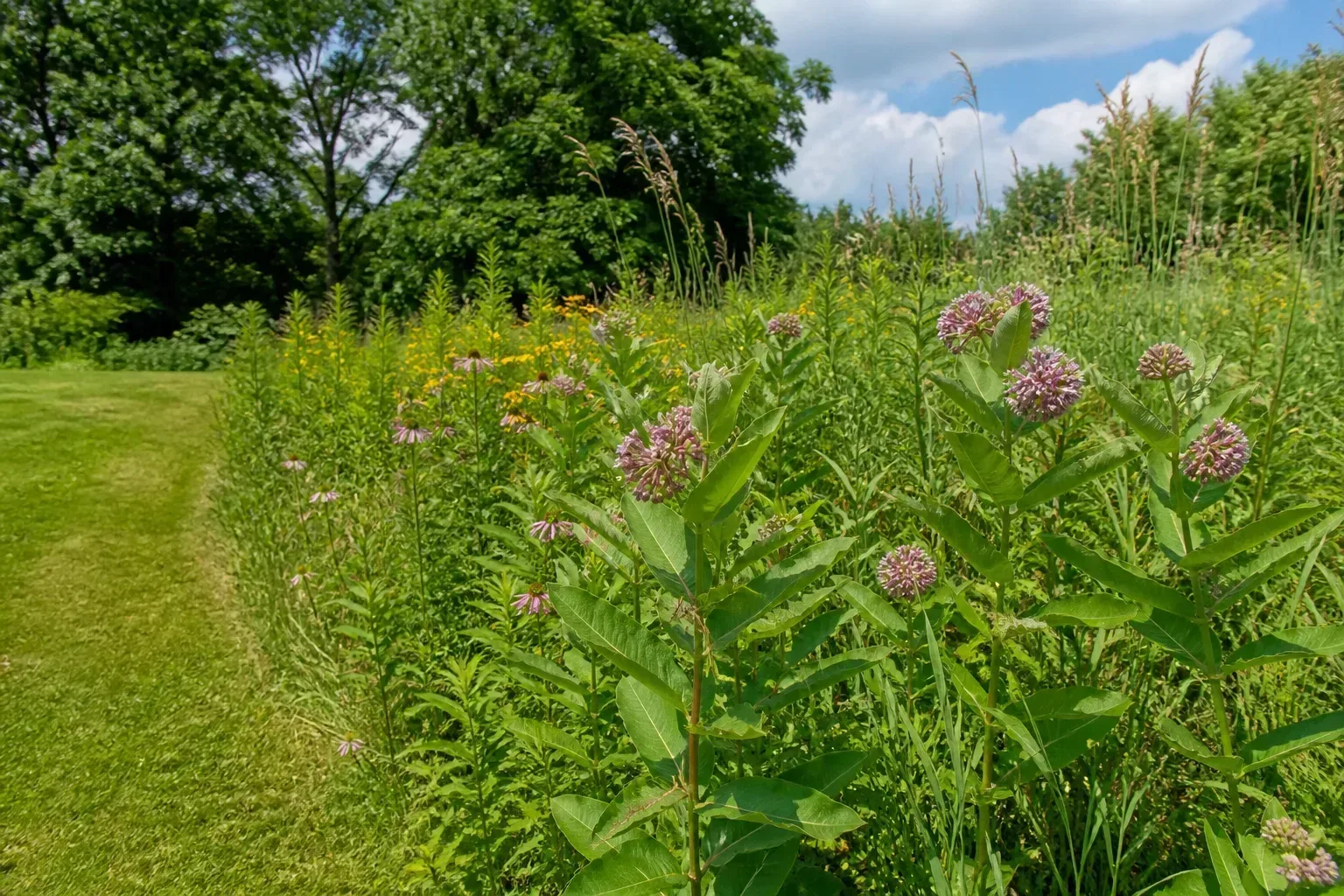
Define the edge before you loosen it
Choose where the relaxed planting begins and ends. A mown strip, path, edging, low hedge, or change in mulch can signal that a meadow is intentional rather than abandoned. Keep sightlines clear at drives, steps, sidewalks, and property lines. If the garden borders a neighbor’s lawn, a crisp edge is considerate and makes your own maintenance much easier.
Start with a small bed rather than scattering a wildflower mix across the entire yard. Remove or suppress existing turf, identify the soil and light, and sow or plant a mix suited to the region. Avoid generic seed packets that promise a universal meadow; some contain nonnative or invasive species, and a mix can fail if it does not match the site’s moisture and winter conditions.
Replace “wild” with a maintenance rhythm
The right question is not whether the garden needs maintenance. It is what maintenance it needs and when. Walk the bed every week during the growing season to remove aggressive weeds before they seed, check that desired plants are not being smothered, and note which species bloom next. Water new plantings until roots establish, then reduce irrigation when the plants and weather allow it.
Leave seed heads and stems through winter when they are safe and attractive, but cut back diseased material and anything that blocks a path or creates a fire hazard. In dry or fire-prone areas, follow local defensible-space guidance and do not treat a meadow aesthetic as permission to let dense, dry vegetation touch structures. The relaxed look works best when the gardener decides what stays, what spreads, and what gets removed.
What these trends have in common: useful, resilient yards
All five trends trade a purely decorative yard for a yard with a job. Outdoor rooms support daily life, forest layers support habitat and shade, functional art gives plants structure, containers make growing portable, and managed chaos makes room for seasonal change. Together they also encourage a more resilient approach: choose plants for the actual site, keep water where roots can use it, and design maintenance before the planting fills in.
This is why copying a photograph rarely works. A backyard can look beautiful online because it has a different climate, soil, mature canopy, irrigation system, or maintenance crew. The better strategy is to borrow the principle and translate it: a full outdoor kitchen may become a small grill-and-table zone; a forest garden may become one shade bed; a meadow may become a six-foot pollinator border with a mown edge.
A practical 2025 refresh plan
Use a four-weekend test before making a large purchase. On the first weekend, map sun, wind, water, views, and circulation. On the second, mark one project with pots, chairs, cardboard, or a garden hose so you can experience its footprint. On the third, install the smallest version that can answer your question: one container grouping, one trellis, one outdoor seat, or one native bed.
On the fourth weekend, record what actually happened. Did you use the seat at the time of day you expected? Did the pot dry out in one day? Did the structure make the path feel narrower? Did the new bed attract attention but require more watering than you can provide? Keep the idea if it improves daily life, revise it if the maintenance is wrong, and expand only after the first version has survived real weather.
Conclusion
The backyard trends of 2025 are strongest when they help a yard become more livable, more adaptable, and more supportive of local life. You do not need an outdoor kitchen, a forest canopy, a meadow, or a collection of garden art to participate. Pick one clear job, match the idea to your site, build a small version, and give yourself a maintenance plan.
If you want the fastest reversible change, start with a container grouping or one piece of functional garden art. If you want a deeper ecological shift, replace a small, unhelpful lawn section with a regional planting and a defined edge. The trend worth keeping is the one that still feels useful after the novelty has gone.