How to Grow Truffles: Trees, Soil, and Timing
Learn what growing truffles involves: inoculated trees, climate and soil tests, years of care, harvest training, and the risks behind uncertain yields.
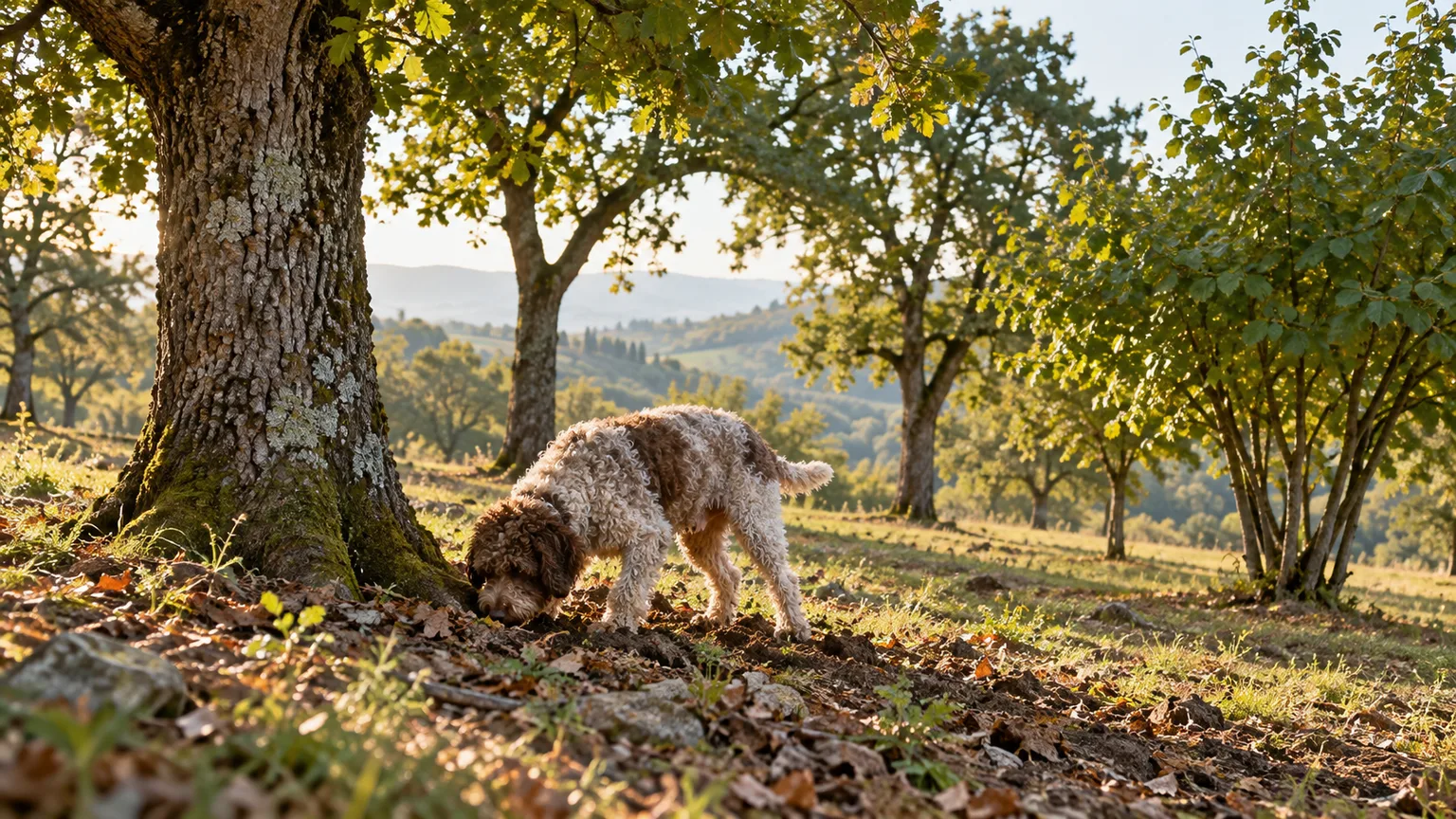
A truffle orchard is a long-term partnership between a fungus, a compatible tree, and a site that suits both. The truffle itself grows underground, but you do not cultivate it like a mushroom in a bucket: the fungus must colonize living tree roots, then continue growing in soil that meets its species-specific needs. Even a carefully planned planting can take years to fruit, and some never produce a harvest.
That makes the first step a feasibility check, not a seedling order. Start by identifying the truffle species you want to grow, then match its climate and host-tree needs to a professionally tested soil profile and the history of the land. If any one of those pieces is a poor fit, changing the site or choosing another crop is usually wiser than trying to correct everything after planting.
Decide Whether Truffle Cultivation Fits Your Goal
Growing truffles can mean very different things: learning about mycorrhizal fungi, adding an unusual tree to a large property, diversifying a farm, or producing a crop for sale. The last goal carries the greatest expense and uncertainty. You may need a soil assessment, inoculated trees, site preparation, fencing, irrigation, weed control, pruning, years of recordkeeping, and eventually a trained animal and handler to find ripe truffles without damaging the root zone.
Before investing, ask whether you can wait many seasons without income, whether the property can support trees at orchard spacing, and whether you have access to advice for the exact species and region. A truffle project is a poor fit if you need quick food, have only a patio or small container space, cannot provide water during dry periods, or cannot verify that the soil drains well. A strong site can still fail; a weak site does not become suitable just because truffles are valuable.
For a farm, separate the biological question from the business question. “Can this fungus live here?” comes before “Could it earn money here?” Market demand, harvest labor, storage, transport, and buyer access all matter, and no online yield estimate can substitute for local budgets and references from growers working with the same species.
What a Truffle Tree Actually Is
A truffle tree is a living host whose fine roots have been colonized by the intended truffle fungus. Truffles belong to a group of underground fungi that form ectomycorrhizal associations with certain trees. The fungus grows around and between root cells, helping the tree access water and nutrients; the tree supplies sugars produced through photosynthesis. UF/IFAS Extension describes this exchange for the native pecan truffle, Tuber lyonii, which associates with pecan and other trees in the eastern United States (UF/IFAS, “The Pecan Truffle”).
The tree feeds the fungus, and the fungus supports the tree
The edible part is only the fruiting body, the underground structure that eventually releases spores. Most of the organism is a network of fine fungal threads in the soil and around the roots. That hidden network is why planting a grocery-store truffle, scattering spores, or burying a truffle-scented product is not a dependable cultivation method. The fungus needs to establish on compatible roots and compete in a living soil community before it can fruit.
A nursery-grown, inoculated seedling is a more realistic starting point because the root system is colonized before it reaches the orchard. It still is not a guarantee: the tree must establish, the target fungus must persist, and the environment must support reproduction. Treat “inoculated” as a starting condition to verify, not a promise of future truffles.
Choose a Truffle Species Before You Choose a Tree
“Truffle” does not describe one crop with one recipe. Species differ in their natural ranges, host associations, seasonal patterns, and preferred soils. A Mediterranean-adapted black truffle cannot be assumed to suit a cool, wet property simply because oak trees grow there. Start with a species that has credible cultivation experience in a climate like yours, then confirm which local host trees and soil conditions fit it.
A few examples illustrate why the species decision comes first:
- Périgord or black truffle (Tuber melanosporum): A specialist nursery guide describes it as a calcareous-soil species associated with compatible oaks and hazelnuts. Its pH and climate targets should be evaluated for the particular region and planting stock, not applied as a universal truffle rule (ROBIN Nurseries, truffle-growing guide).
- Summer and Burgundy truffles (Tuber aestivum and T. uncinatum): These names are used for closely related culinary types, with cultivation recommendations that can differ by region and source. Ask the nursery which scientific name and strain it is supplying, and what local production evidence supports that choice.
- Pecan truffle (Tuber lyonii): This native eastern North American species occurs with pecan, oak, hickory, and hazelnut. UF/IFAS notes that it is often found in commercial pecan orchards and that intentional inoculation and field-cropping research have been developing; natural occurrence beneath pecans should not be confused with guaranteed production from newly planted inoculated trees.
Oregon’s cultivation community also describes successful North American plantings of selected European truffles using inoculated seedlings, while emphasizing that species and regional climate must match (Oregon Truffle Festival, “Truffle Cultivation”). Regional examples are useful screening clues, not permission to copy a planting plan from another state or country.
Match the Host Tree to Both Species and Place
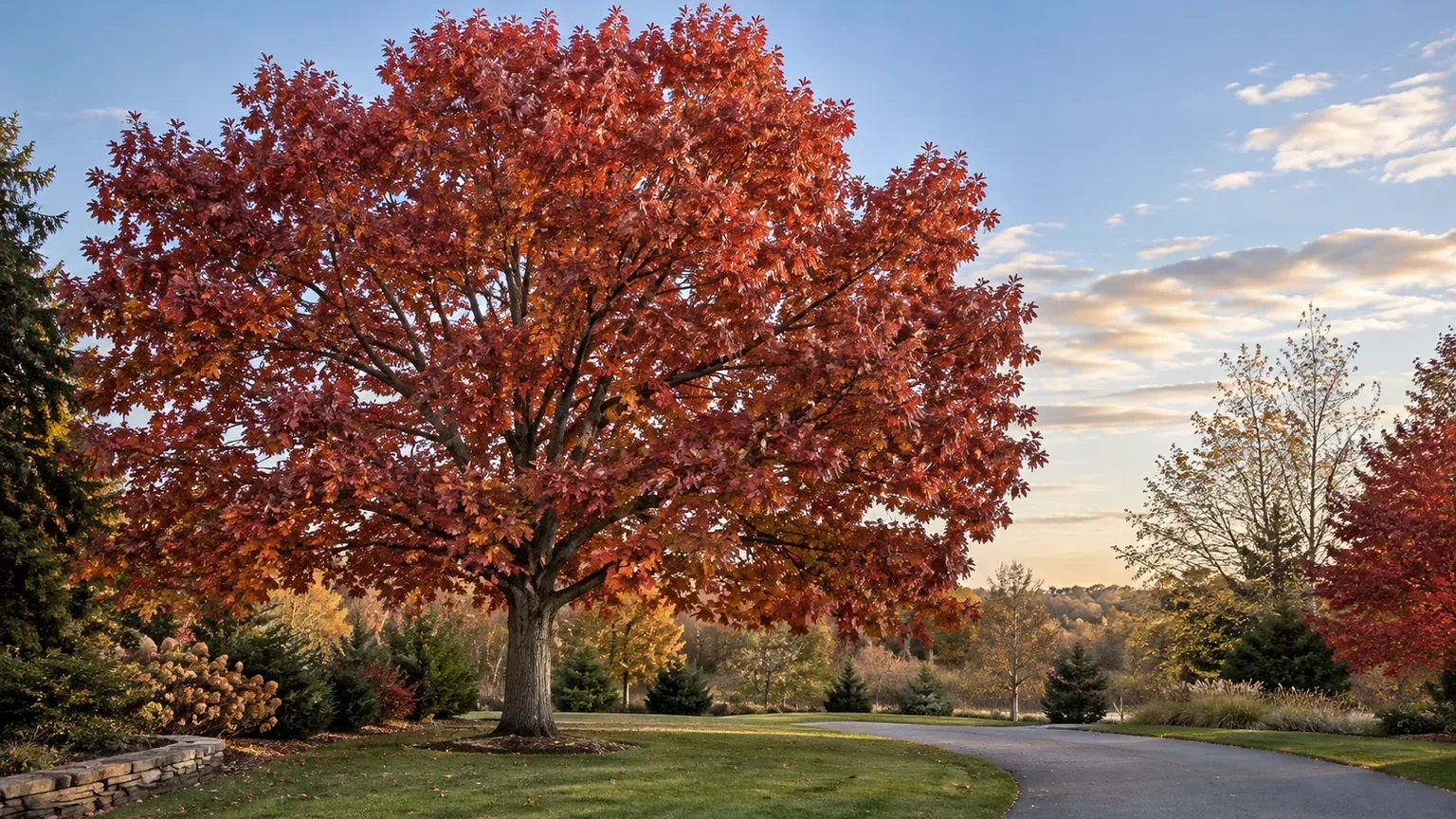
A suitable host still depends on the truffle species, local climate, and soil.
Oaks and hazelnuts are common hosts in cultivated European truffle systems, but the right tree depends on the target fungus and local climate. Some truffles associate with several hardwoods; others have a narrower practical cultivation record. For T. lyonii, UF/IFAS lists pecan alongside oaks, hickories, and hazelnuts as hosts. That makes an existing pecan orchard interesting for investigation, not automatically a truffle farm.
Choose a tree that can thrive at the site without forcing it through chronic stress. A tree that is marginal for winter temperatures, summer heat, soil moisture, or root space will not provide a dependable partner. Ask a regional extension specialist, mycologist, or experienced grower whether the host-fungus pair has been cultivated in comparable conditions; a nursery catalog’s broad host list is not the same as evidence of harvests in your region.
Also consider what else the host tree is expected to produce. Nut or timber yields may change when the soil is managed for a truffle system, and orchard spacing may not match a conventional fruit or nut planting. If you hope to combine crops, confirm the trade-offs before buying trees rather than counting both crops as guaranteed revenue.
Test the Whole Soil Profile, Not Only Surface pH
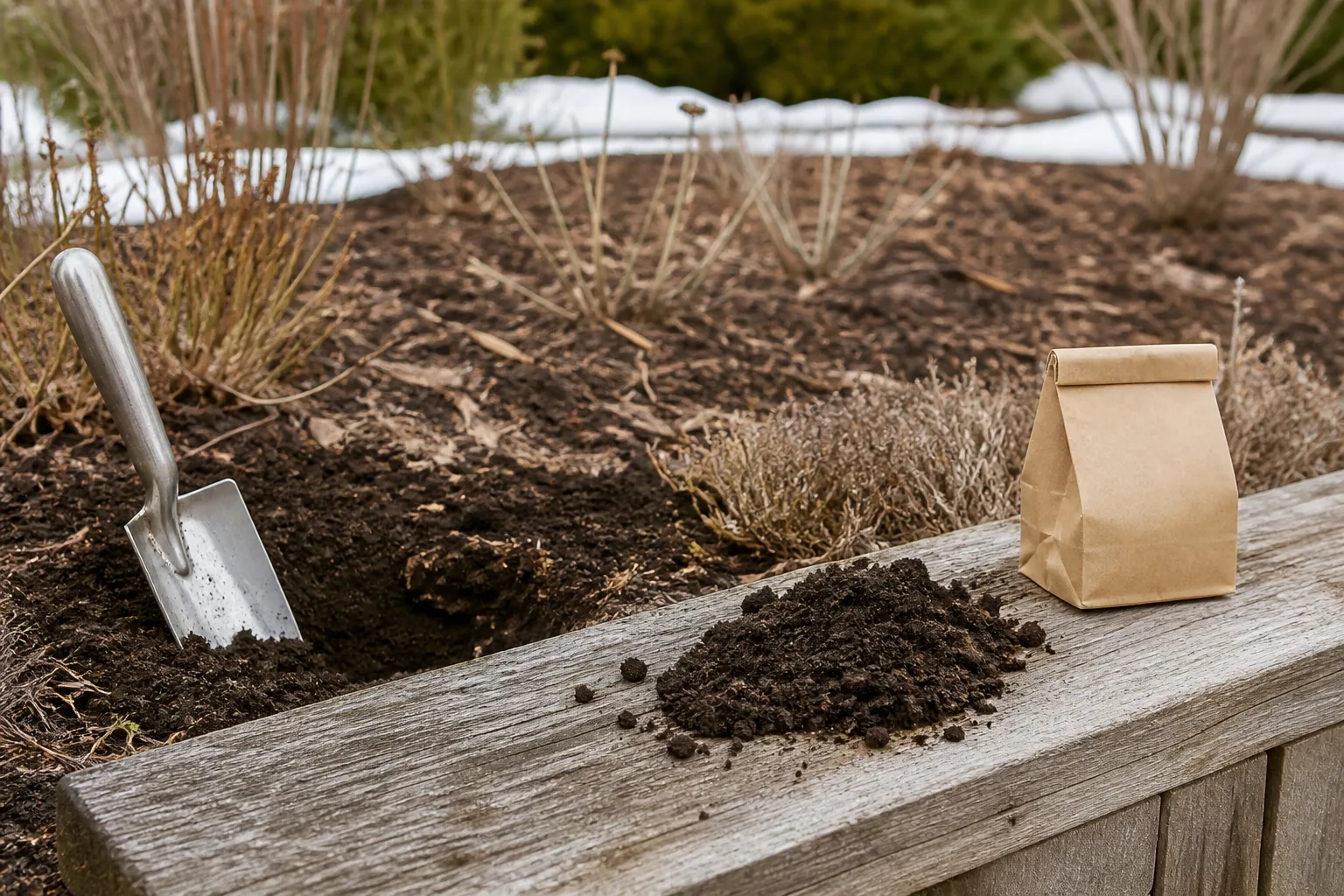
A soil sample is an early screening step; truffle sites also need a profile and drainage assessment.
A cheap pH strip from one spot cannot tell you whether a property can support a truffle orchard. Truffles need a suitable combination of soil chemistry, structure, aeration, moisture, and drainage. A soil can have an attractive pH but stay waterlogged, compacted, or shallow over an unsuitable layer. Conversely, a low pH reading may be correctable in principle but costly or unstable to change across a large planting.
For T. melanosporum, ROBIN Nurseries gives a pH range of about 7.5 to 8.5; its guide gives a different range for summer and Burgundy truffles. Those are species-specific recommendations from a commercial European nursery, not a generic target for every Tuber species or North American site. Do not spread lime or calcium products based on a single sample or a truffle-growing article. First get a laboratory test, confirm which species the result applies to, and ask how much amendment would be needed and whether the soil can hold the change.
Soil measurements that can change the decision
Ask a lab or local soil professional to evaluate representative samples from the proposed rooting depth and across the area, not just the topsoil beside the house. Discuss pH, calcium or carbonate status, texture, organic matter, compaction, drainage, depth to rock or hardpan, and nutrient balance. The right panel depends on region and truffle species, so request an interpretation for the crop rather than a standard lawn report.
Map where water moves after heavy rain and where it remains during a dry spell. A gentle slope may shed excess water, but a steep site can erode and dry too quickly. Low areas can collect cold air and runoff. A test pit or soil profile review can reveal clay layers or shallow rock that a surface sample misses. Use these findings to rule the site in or out before spending money on soil modification.
Check Site History and Competing Fungi
The site’s past can matter because truffles are not the only fungi competing for tree roots. A recently cleared woodland may contain established roots and mycorrhizal fungi that can colonize young trees. In a Missouri Ozarks truffle-orchard project, growers selected former pasture and considered separation from surrounding tree lines to reduce competition from other root-associated fungi; that is an example of site-specific risk management, not a universal distance rule (USDA SARE, Missouri Ozarks truffle-orchard project).
Ask what grew on the land, when trees were removed, whether roots remain, and whether the area has a history of flooding, compaction, herbicide use, or major soil disturbance. The answers do not produce a simple pass/fail by themselves, but they help an experienced grower assess biological competition and the cost of preparation. Do not assume that a mowed field is biologically empty or that a wooded property is automatically ideal because wild fungi are present.
Competition is also why seedling quality and monitoring matter after planting. If the intended fungus loses ground to other mycorrhizal species, trees may remain healthy while the desired truffle never fruits. A green, vigorous canopy is evidence that the tree is alive; it is not proof that the target fungus still dominates its roots.
Buy Verified Inoculated Seedlings
Buy from a nursery that can identify the fungal species and tree species on the label and explain how it checks root colonization. Ask for the seedling age, inoculation method, inspection or certification documentation, handling directions, and whether its stock has been planted successfully in climates like yours. If a seller cannot say which Tuber species is on the roots, or promises a fixed harvest date, treat that as a reason to pause.
When the investment is significant, ask an independent mycorrhizal laboratory or qualified specialist how to verify a sample of root tips. This is particularly important if you are planting many trees, mixing species, or sourcing stock across borders. Keep invoices, batch numbers, planting maps, and any lab or nursery reports; these records help troubleshoot losses and distinguish tree establishment from fungal establishment.
A USDA SARE-supported Indiana agroforestry project, for example, selected Burgundy-truffle-inoculated oak seedlings for a five-acre planting based on regional climate, market interest, and tree vigor. That project is a useful example of matching planting stock to place and documenting a larger field effort; it is not evidence that every Indiana site or inoculated oak will produce truffles (SARE, Indiana truffle-hardwood orchard project).
Prepare and Plant for Long-Term Root Growth
Plan the orchard layout around mature tree size, access for mowing or soil work, irrigation coverage, fencing, and future harvest. Spacing is species- and system-specific; very dense planting may encourage early shade and competition, while overly wide spacing can reduce productive area. Use a local cultivation plan instead of borrowing a spacing chart written for another species or climate.
Prepare only after the soil and site review. Deep cultivation, amendments, or grading can help in some systems and damage soil structure in others. Avoid blindly sterilizing or enriching the ground: a truffle orchard depends on a functioning soil community, and excessive disturbance can worsen erosion, drainage, or establishment. Ask the supplier or regional specialist whether soil preparation should be whole-field or limited to planting rows and how to protect existing topsoil.
Plant during a season that gives the host time to establish before heat or frost stress. Keep roots moist during transport, plant at the recommended depth, backfill with suitable soil, and water in. Protect young trees from deer, rabbits, rodents, and mower damage. Mark each tree by species and batch, then map it; losing the identity of a row can make future sampling and harvest records nearly useless.
Manage Water and the Orchard Floor by Season
Young host trees need enough water to establish, and the truffle fungus needs a soil environment that does not swing repeatedly between drought and saturation. Irrigation must fit local rainfall, soil texture, tree age, and the target species. A calendar schedule copied from another orchard is a poor substitute for checking soil moisture and weather. Build a plan that can deliver water during dry periods, but do not keep the root zone constantly wet.
Weed control reduces competition around seedlings, but choose methods compatible with tree roots and fungal colonization. Mulch can conserve moisture and suppress weeds in some settings; other systems use cultivated bare soil. Those approaches are not interchangeable everywhere. Keep machinery and deep tillage away from the root zone unless a specialist has recommended it, because the useful fungal network is underground and vulnerable to repeated disturbance.
Pruning and canopy management should preserve tree health while giving the orchard adequate light and airflow. The correct amount varies with tree species, water availability, and climate. Keep a seasonal log of irrigation, rainfall, pruning, weed control, pest damage, and mortality. When production is uncertain, good records are more useful than changing several practices at once and losing track of what helped.
Expect Years of Care Before a Possible Harvest
Truffle trees are a long-horizon planting. A specialist nursery guide reports first production commonly around five to eight years for Périgord truffles and six to ten years for Burgundy truffles under its stated cultivation context. These ranges describe possible timing, not a promise; site, species, seedling condition, management, weather, and fungal competition can delay fruiting or prevent it altogether.
The visible “burn” or sparse vegetation sometimes associated with truffle trees is not a dependable harvest alarm on its own. It may be absent, delayed, or caused by other conditions. A truffle is belowground, so the canopy cannot tell you whether the target species has colonized the roots or whether a mature fruiting body is present.
During the waiting years, the practical milestones are tree survival, steady root and canopy establishment, a suitable moisture regime, and evidence that the intended fungus remains associated with the roots. Set expectations with the nursery before planting: what will be checked, when, by whom, and what signs would trigger a change in the plan? Budget for years of maintenance even if no saleable crop appears.
Watch for Failure Without Guessing
A weak or dead tree points first to a host-establishment problem: drought, waterlogging, transplant stress, browsing, root damage, or an unsuitable climate. A healthy tree with no truffles is a different problem. It may mean the crop has not reached maturity, the fungus is not fruiting under current conditions, or another fungus has displaced it. Do not respond to either situation by applying more fertilizer or lime without a diagnosis.
If trees decline, record the pattern by row and compare it with soil, irrigation, slope, and animal damage. If trees thrive but production does not appear after the locally expected window, ask a mycorrhizal specialist to sample roots and identify the fungi present. Verify that the lab tested the correct roots and can distinguish the intended species from lookalikes. A claim that a soil “contains truffle spores” is not equivalent to confirming active colonization of the orchard trees.
Contamination is a risk to investigate, not a reason to panic. SARE’s Missouri project and the practical guidance from truffle nurseries both emphasize site history and the possibility of competing root-associated fungi. Their examples support careful screening and follow-up, but they do not establish one universal buffer distance, treatment, or recovery method. Avoid re-inoculating, spraying, or reworking soil until someone qualified has identified the likely cause.
Harvest With Dogs, Not a Rake Alone
Truffles ripen underground, so harvest requires locating them and judging maturity. A trained dog can find the scent of ripe truffles and pinpoint where to dig; UF/IFAS notes that dog-assisted collection can be more selective and disturb the soil less than raking for pecan truffles. Raking can expose fruit but may mix immature and mature truffles and disrupt the surface and roots, limiting repeated visits during the season.
A dog does not make the orchard productive; it makes a real crop easier to locate and harvest carefully. Plan for handler time, training, transport, and seasonal availability before planting if commercial harvest is the goal. Learn how to replace the soil plug and avoid digging broadly around roots after each find. The same area may need careful monitoring across a season rather than one aggressive search.
Do not eat an unknown underground fungus because it resembles a truffle. UF/IFAS describes lookalike fungi found in pecan orchards and oak woodlands that can be mistaken for pecan truffles. Have uncertain specimens identified by a qualified local expert, and use a reliable culinary source to confirm freshness and handling once the species is known.
Run the Economics Before You Plant
A truffle orchard is an agricultural investment, not a high-price shortcut. List establishment and annual costs separately: tests and consultations, seedlings, land preparation, water infrastructure, fencing, replacement trees, weed control, pruning, labor, animal protection, monitoring, harvest, and marketing. Add the opportunity cost of using the land for a crop that may produce nothing for years. If you need to borrow, build a conservative plan that can service the debt without truffle revenue.
Do not multiply a quoted price per ounce by an optimistic yield figure and call it a forecast. Species, quality, season, location, buyer relationships, and postharvest handling change realized prices. A commercial nursery may publish example yields or profitability projections, but its guidance is not independent evidence that a new orchard will match those numbers. Ask growers with comparable sites for actual establishment costs, years to first sale, years without a crop, and variation between seasons.
Consider whether the trees create other value while the fungus develops: shade, agroforestry benefits, future nuts or timber, educational visits, or a diversified farm landscape. Count those benefits only if they fit the property and have a realistic market or practical use. If the project makes sense only under a best-case truffle harvest, the economics are too fragile.
What a Home Gardener Can Realistically Do
A home grower can learn the biology, plant a suitable tree on a sufficiently large and appropriate property, and monitor it with help from a regional expert. That is different from raising truffles in a pot, grow bag, or small greenhouse. The fungus relies on a living host with an expanding root system, and the project needs room for the tree, suitable soil, and management over many years.
If you have only a patio or a few containers, an inoculated seedling is unlikely to meet the goal of producing a harvest. Consider a more predictable edible crop or a mushroom-growing method suited to the space. If you own land, start with a soil and site consultation; do not buy several trees as an experiment before you know what fungus, host, and climate match the property.
The best “small” first step is research: identify a reputable nursery, contact a local extension office or mycologist, and ask for references from growers in similar conditions. A single tree may be an educational planting, but it is not a reliable way to estimate a commercial orchard’s production. Keep the distinction clear so an interesting garden project does not become an expensive promise to yourself.
Conclusion
Growing truffles begins with a compatible fungus-tree partnership, but success depends on much more than inoculation. Climate, soil profile, water, land history, seedling quality, competition from other fungi, long-term care, and a careful harvest all have to align—and even then, a crop is uncertain.
Before you plant, identify the species, have the site evaluated for that species, and get clear evidence about the inoculated trees and the local cultivation record. If the climate or soil is a poor match, stop before spending on amendments and infrastructure. For a suitable property, plan for years of maintenance and possible harvest, not a guaranteed return; that is the realistic starting point for truffle cultivation.