54 Backyard Ideas for Outdoor Living and Garden Design
Plan a more useful backyard with 54 ideas for seating, planting, outdoor dining, privacy, and evening light, plus advice on what to tackle first.
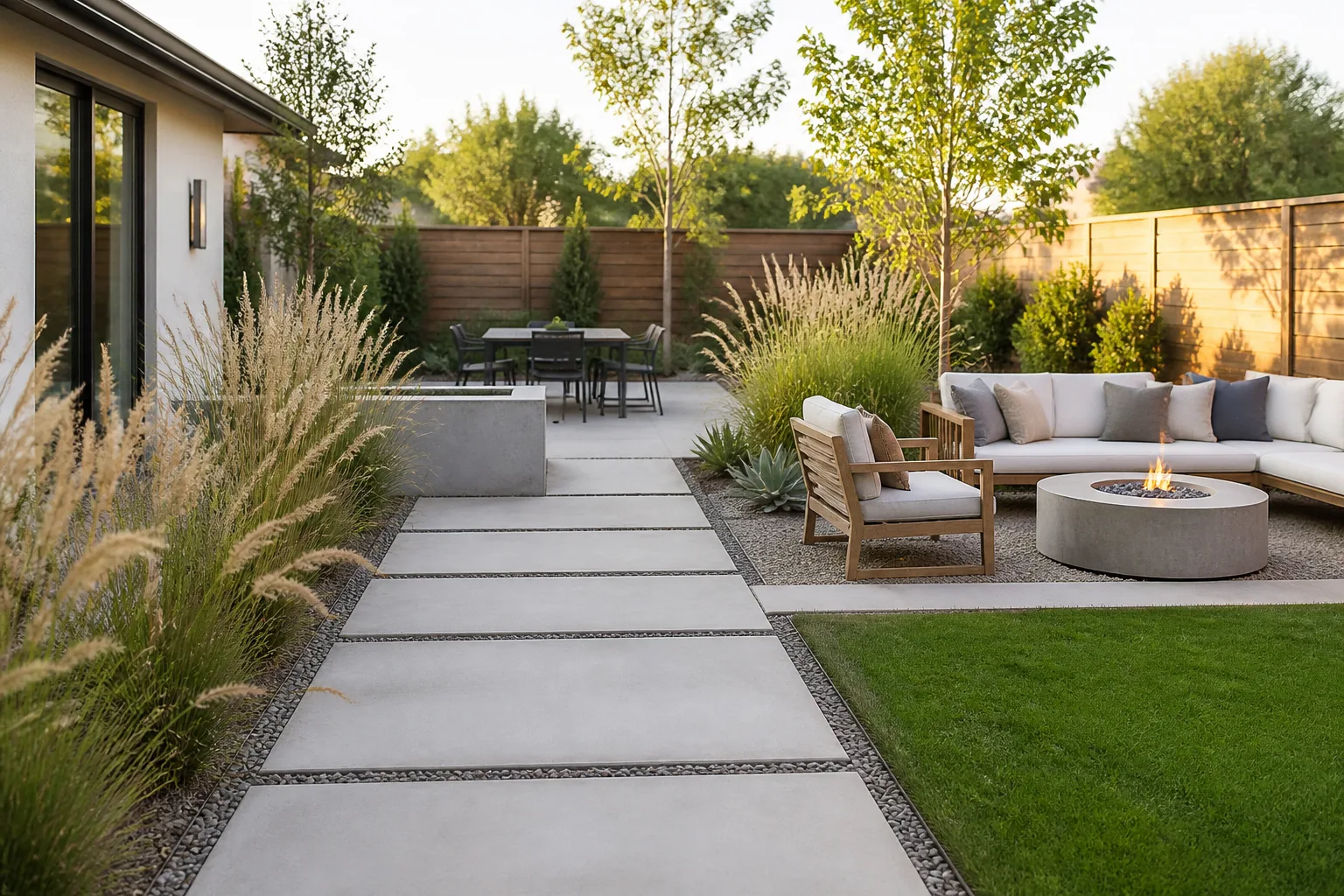
A better backyard does not have to mean a full renovation. Start by deciding what is missing: a clear route to the garden, shade at the table, a place to put down a drink, or plants that connect the yard to the house. Choose improvements that solve those problems and suit the light, drainage, space, and time you actually have.
Use the 54 ideas as a menu, not a checklist. Plan the layout first, then add surfaces, seating, planting, privacy, and evening details in stages. Penn State Extension’s garden design principles explain how proportion, repetition, contrast, and focal points help individual features feel intentional together.
Plan a Yard Around What You Actually Do
Before buying pavers or furniture, watch the yard for a few days. Note where sun falls at breakfast and dinner, where water lingers after rain, which doors people use, and which views you want to keep or soften. A measured sketch can prevent an attractive feature from blocking a route or landing in the wrong light. This backyard planning guide also recommends observing the site and planning movement before choosing features.
-
Draw a simple measured map. Mark the house, doors, existing trees, slopes, fences, utilities you know about, and the dimensions of the usable space. Add the main routes people already take. This rough plan is enough to test whether a dining table, bed, or shed will fit before you spend money or move soil.
-
Track sun, shade, wind, and wet spots. Make brief observations at different times rather than guessing from one afternoon. A sunny patch may be shaded by the house in the evening; a low corner may stay soggy. These details influence where seating feels comfortable, what plants can thrive, and whether a patio needs drainage work first.
-
Give each zone one clear job. A yard may need a dining spot, a quiet chair, a play area, and a place to grow herbs, but each does not require a separate construction project. Group related activities and use a path, planting bed, or change in surface to signal where one area ends and another begins.
-
Connect outdoor meals to the kitchen door. If you entertain or eat outside often, place the table where carrying food is easy and the route stays unobstructed. A compact landing or patio near the house may be more useful than a larger, distant terrace. Leave enough room to pull chairs out and walk around them.
-
Keep mature trees and useful plantings in the plan. Established shade, screening, and habitat can take years to replace. Work around healthy trees when possible, while protecting their root zones from heavy equipment, grade changes, and compacted storage areas. If a tree appears damaged or poses a safety concern, get advice from a qualified local arborist before building nearby.
-
Break a large makeover into phases. Fix access, drainage, or safety issues before decorative details; then add a surface, planting, and furniture as time allows. A phased plan helps you learn how the space works before making permanent choices.
Shape the Space With Paths, Zones, and Surfaces
Clear routes make small yards feel more generous and help larger yards feel connected. Favor paths and materials that suit the house, the way people move through the space, and the weather where you live. For more visual possibilities, browse this backyard ideas gallery, then adapt a feature to your site rather than copying a photograph wholesale.
Make routes useful, then make them attractive
-
Create an outdoor room with a planted edge. A border of shrubs, ornamental grasses, or a low raised bed can define a seating area without building a wall. Repeat a few plants or materials elsewhere so the room feels connected to the rest of the yard. Leave gaps where people need to pass, and choose plants for the actual light and soil.
-
Lay a direct path along the route people already use. A straight or gently angled walkway from a door to the grill, shed, or garden saves muddy shortcuts and makes carrying tools easier. Keep it wide and firm enough for the household’s mobility needs. A path that looks elegant but is awkward to walk will quickly be ignored.
-
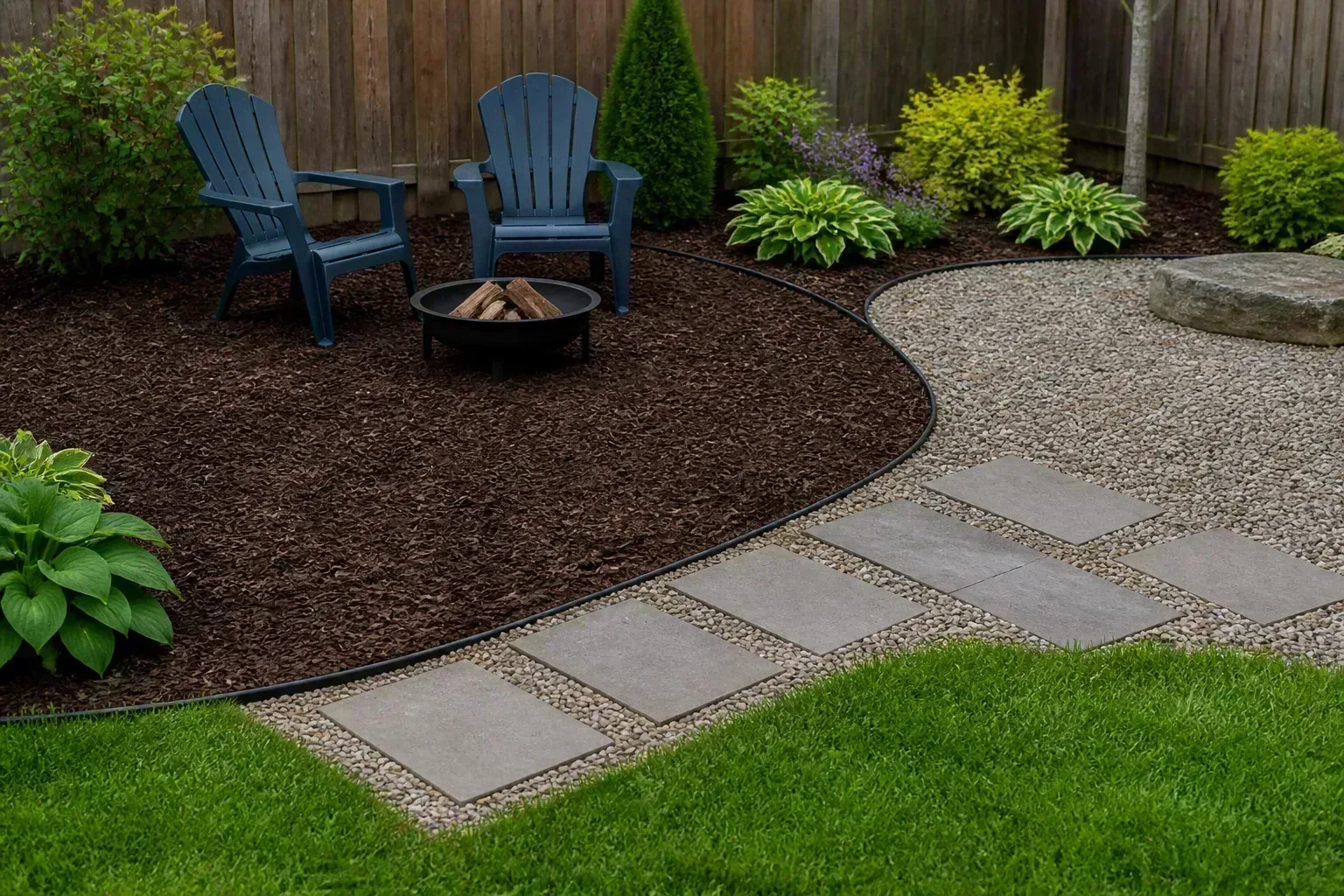
Use stepping stones for a low-traffic garden route. Set stones at a comfortable walking stride through lawn or groundcover to reach a compost area or a tucked-away bench. This can use less material than a full path, but stones need stable, level placement and enough space around them to avoid a trip hazard. Avoid them on a route used in the dark.
-
Make a small gravel landing for a chair or bistro set. A compact gravel pad can define a destination without pouring a large slab. It needs a stable, well-prepared base, edge restraint, and a plan for keeping gravel out of nearby lawn or beds. Choose a surface texture that is practical for bare feet, wheels, and local rainfall.
Use levels and surfaces to create outdoor rooms
-
Use large pavers to simplify a patio layout. Larger units can create a calm visual grid and reduce the number of joints, while gaps can support drainage when the system is designed for it. They still need an appropriate base and stable setting. Follow the product instructions and local guidance rather than assuming every paver assembly is permeable.
-
Repeat one material to make mixed zones feel related. The same stone, timber tone, or metal finish can appear at a path edge, planter, and dining area, tying separate uses together. Repetition is often more effective than adding another decorative object. Penn State’s design guidance describes unity and rhythm as ways to make a landscape read as a coherent whole.
-
Turn a gentle slope into a sequence of usable levels. A small terrace or short run of steps can make a sloping yard easier to navigate and create planting ledges. Retaining structures, significant grading, and changes that affect runoff may need professional design or permits. Do not redirect water toward a neighboring property while reshaping the ground.
-
Treat a narrow side yard as a real destination. A side passage can become a herb alley, a shaded potting route, or a slim bench area if access remains clear. Use vertical trellises or wall-mounted containers only where the wall and fixing system can carry the load. Keep bins, gates, and utility access usable rather than disguising a necessary route.
Create Places to Sit, Eat, and Gather
Comfort depends on where people set down a plate, how chairs move, whether late-day sun is in someone’s eyes, and how guests get back to the house. One well-planned seating group often serves more occasions than several furniture clusters scattered across the lawn.
Put everyday seating near the house
-
Place a dining table under existing tree shade. If the canopy provides comfortable afternoon cover, a table beneath it can be the most inviting room in the yard. Check for low branches, falling fruit, and roots before positioning furniture or installing paving. A movable table lets you adjust as the shade shifts through the season.
-
Fit a bistro set into a compact corner. Two lightweight chairs and a small table can turn a balcony-sized patio, porch landing, or sunny garden edge into a useful coffee spot. Measure the chair’s full footprint when pulled out, not only the table top.
-
Build a bench along a fence or retaining edge. A fixed bench can offer seating without using the depth required by a row of chairs, and it can help define the edge of a patio. Add a back only if people will sit there for a while, and make sure the structure drains and stays accessible for repair.
-
Arrange a modular outdoor sofa around conversation. Instead of lining chairs against a fence, face seats toward one another with a small table in reach. Modular pieces are easier to reconfigure for company or storage, but large cushions need a dry place in wet weather. Keep a clear path through the grouping so the furniture does not become an obstacle course.
Make a second place to linger
-
Hang a hammock, swing, or daybed where the support is sound. A shaded hammock can make an unused gap a destination, while a daybed offers a broader place to read or rest. Use a structure or tree that is suitable for the product’s load, follow its installation guidance, and avoid damaging a tree with improvised hardware.
-
Add a prep counter near the grill. A small weather-resistant work surface gives you somewhere to set trays and utensils without repeatedly going indoors. Place it so the grill’s required clearances and ventilation remain unobstructed, and keep the main route to the house open. A narrow cart can test the layout before you install a permanent counter.
-
Use a rolling cart as a portable serving station. A cart can move between the kitchen, patio, and garden without requiring a built-in bar. Choose locking wheels and a surface designed for outdoor exposure, then store it when weather or security calls for it.
-
Cover a gathering area with an open-sided shelter. A gazebo or roofed patio can make meals more dependable in hot sun or light rain, but it changes the scale and permanence of a yard. Check local requirements, foundations, wind exposure, and drainage before installation. An open design usually preserves airflow and sightlines better than enclosing every side.
Add Shade and Privacy Without Closing the Yard
Privacy and shade work best when they respond to a particular discomfort. A screen beside the table may solve the problem better than fencing the perimeter; a shade tree helps only if it is planted where its future canopy can reach the seating area.
Shade the spot people use first
-
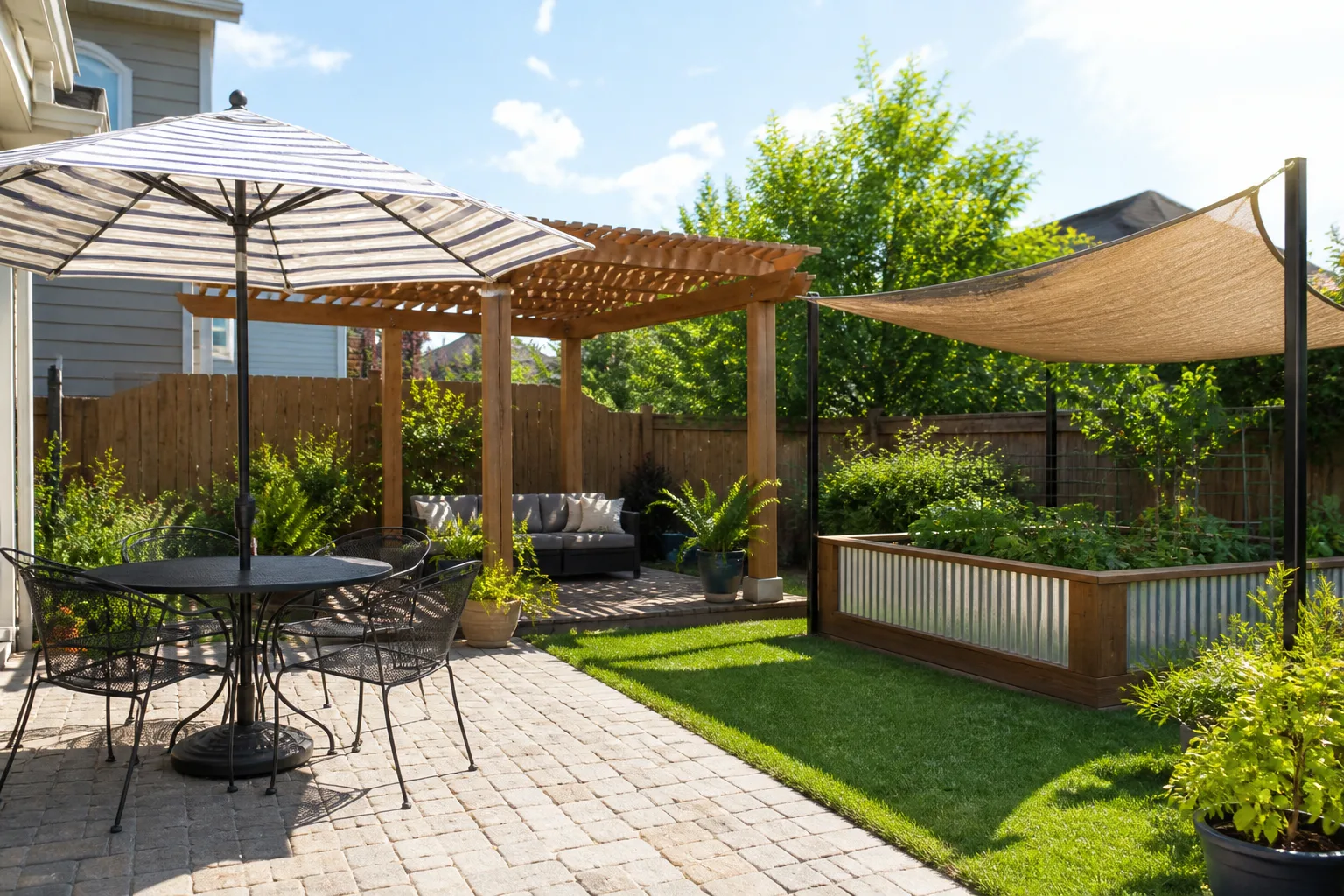
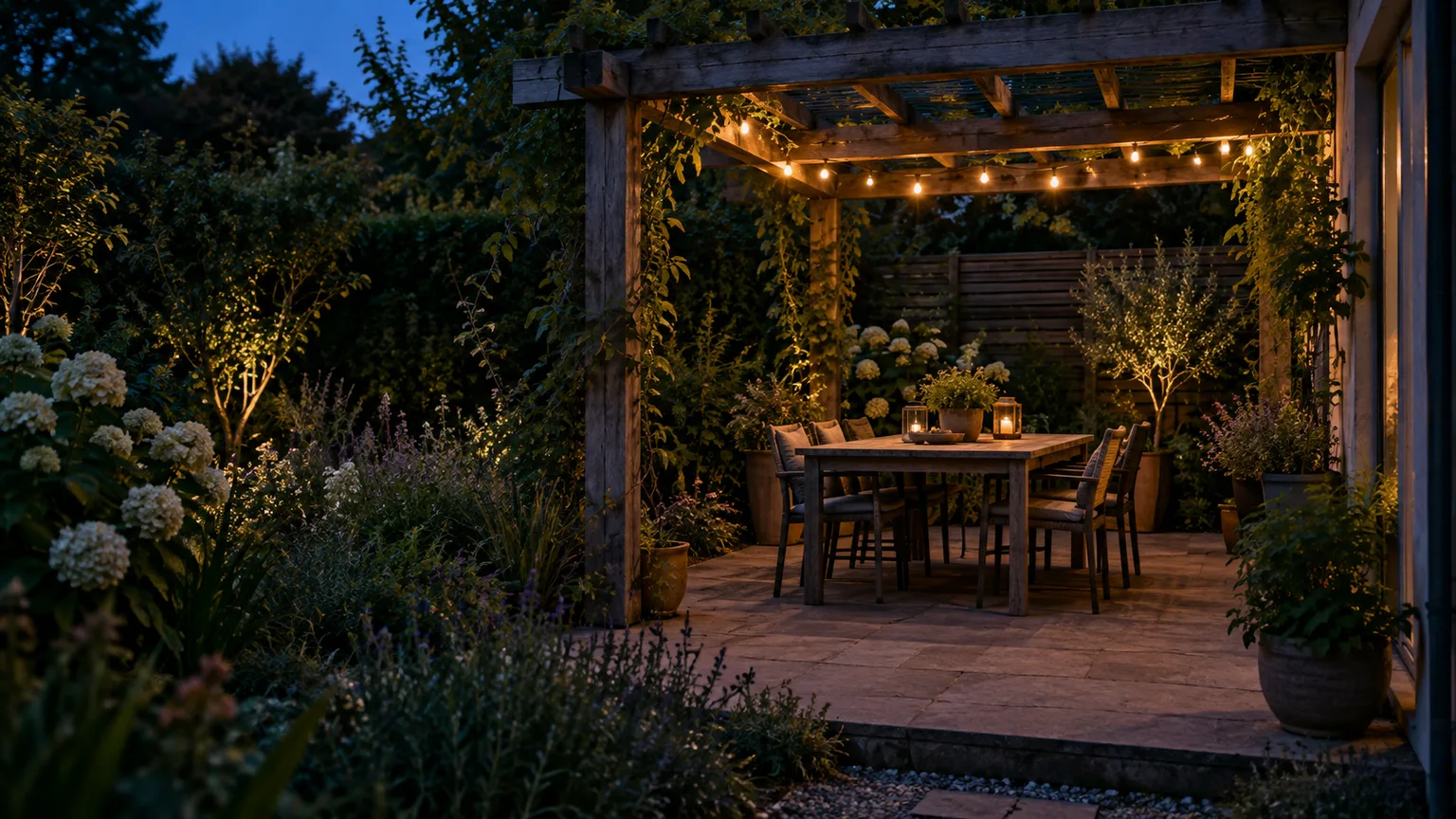
Add a pergola for filtered overhead shade. A pergola marks an outdoor room and can support shade cloth or suitable climbing plants, but an open slat roof does not block all sun or rain. Set it where its posts will not interrupt circulation, and confirm its anchoring and permit requirements before construction. Plants add seasonal maintenance and weight.
-
Use a shade sail where coverage needs to be flexible. A sail can shade a play area or seating zone without a heavy roof and may be removed when the season changes. Its anchors must be designed for tension and wind loads; attaching it to an unsuitable fence or weak fascia can fail. Check how rain will drain rather than letting water pool overhead.
-
Choose a cantilever umbrella for movable shade. An offset umbrella can cover a table without a center pole in the way, and it can be adjusted as the sun moves. Its base must be sized and used as directed, and the canopy should be closed in wind.
Screen views with plants and structure
-
Screen one specific view with a panel. A slatted screen can hide a utility meter, soften a neighbor-facing angle, or shelter a chair while leaving other sightlines open. Keep the panel proportionate and stable in wind; a full-height wall can make a small yard feel tight. Check property boundaries and local rules before installing a permanent screen.
-
Train a suitable vine on a trellis for living privacy. A trellis can add foliage at eye level and soften a fence, but the plant must suit the light, climate, and available maintenance. Some vigorous vines spread or damage structures, so check local invasive-plant guidance and pruning needs. Keep the trellis freestanding or securely attached to a sound support.
-
Layer a mixed hedge instead of planting a solid green wall. Combining locally suitable shrubs of different heights can provide seasonal interest and screen views while leaving habitat and airflow. Choose species that fit the mature width of the bed so routine pruning does not become a constant chore. Penn State Extension’s residential natural-landscape guidance recommends matching plant choices to the site and starting at a manageable scale.
-
Hang outdoor curtains only where the structure and weather allow. Curtains can soften a covered patio and provide adjustable screening, but they need outdoor-rated fabric, secure tracks, and storage or tiebacks in wind. Use them as a comfort layer, not as a permanent weatherproof wall. If gusts are common, a fixed slatted panel is usually easier to manage.
Make Room for Plants, Food, and Wildlife
Planting is easier to maintain when it considers more than flower color. Group plants with similar light and water needs, leave room for mature spread, and avoid filling every bare patch before you know how the garden behaves through a season. A crisp edge or repeated grouping can make a naturalistic bed look deliberate.
Layer the garden and plan for water
-
Plant a layered border with regionally appropriate species. A mix of groundcovers, perennials, grasses, and shrubs can soften a fence and create depth instead of a narrow row of identical plants. Use plants suited to local sun, soil, and water conditions, and leave room for mature size.
-
Create a pollinator pocket instead of a sprawling bed. A sunny patch with several flowering species that bloom at different times can add color and food for pollinators without taking over the yard. Choose species suited to local conditions and avoid pesticide use around visiting insects. Add a visible edge so the planting looks deliberate and remains easy to mow around.
-
Use a rain garden to manage runoff only when the site is suitable. A rain garden is a shallow planted depression that receives stormwater from a roof, driveway, or other surface so it can soak into the ground. The EPA’s rain-garden guidance describes this approach, but siting depends on soil, slope, groundwater, and nearby structures. Locate buried utilities before digging, and get local advice if drainage is complex.
-
Plant a shade tree where its future canopy will help. A well-sited tree can create a cooler place to sit and add vertical scale, but the mature crown and roots need room. Check overhead wires, underground utilities, buildings, and local planting recommendations before choosing a species. Think about seasonal shade and leaf or fruit drop near roofs, paths, and outdoor furniture.
Grow useful plants even in a small footprint
-
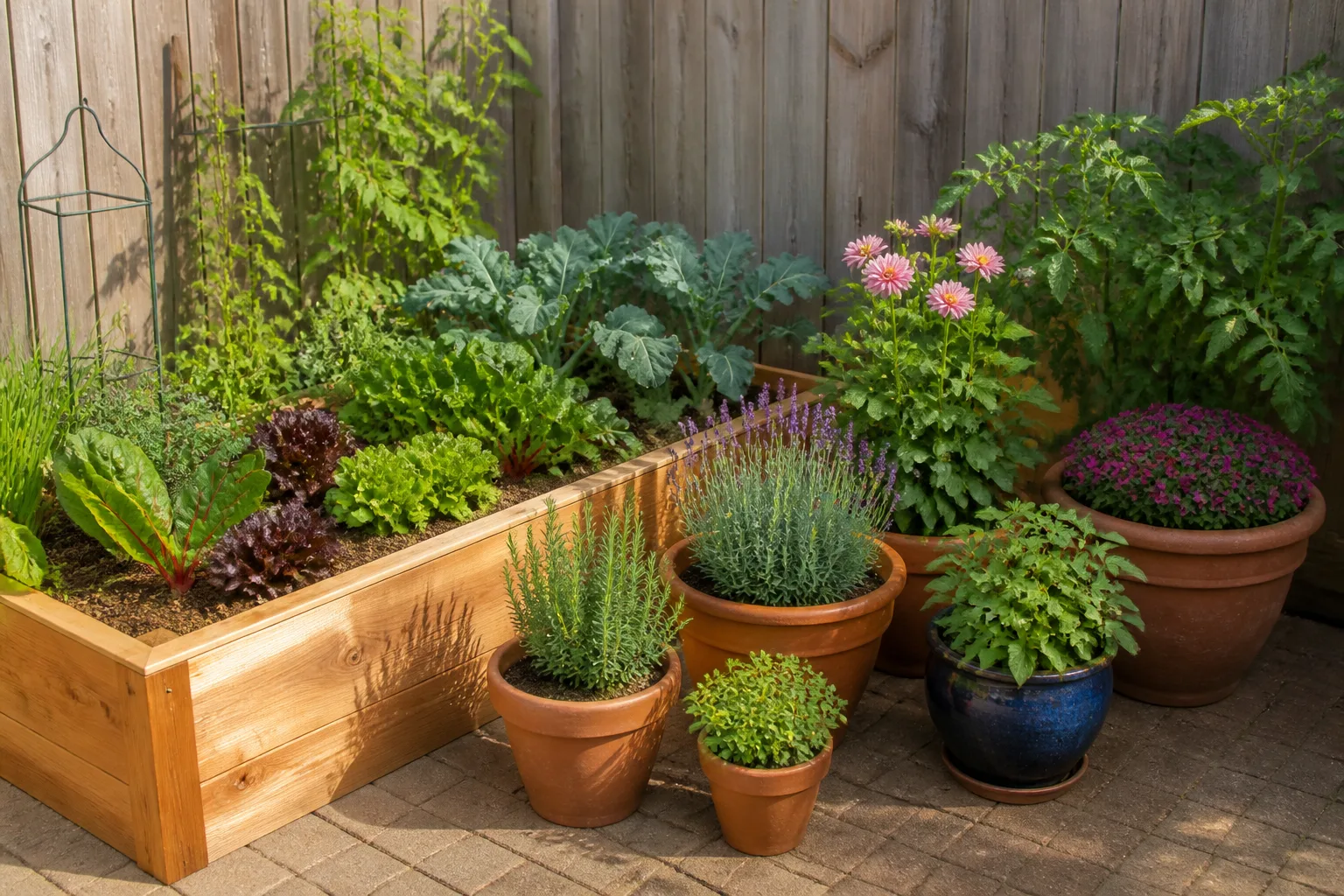
Set raised beds where watering and harvesting are easy. A raised vegetable bed can make a productive garden in a lawn-heavy yard, especially when placed near a convenient water source. Keep bed width within comfortable reach from both sides and leave a firm path for carrying compost. Use safe materials intended for garden contact and avoid blocking drainage or access routes.
-
Keep kitchen herbs in pots near the door. Containers of frequently used herbs turn a sunny step or patio edge into a practical mini-garden. Group pots with similar water needs, use containers with drainage, and account for how quickly small pots dry in heat.
-
Grow vertically with a sturdy trellis and a few containers. A wall or fence can support climbing crops or ornamentals and free up floor area, but wet soil and mature plants add weight. Use a support rated for the load and keep water from staining or damaging the structure. Place the planting where leaves will not block a gate, window, or maintenance access.
-
Add a cold frame or compact greenhouse for a longer growing window. A small covered growing space can shelter seedlings and tender plants, but it needs sun, ventilation, and secure anchoring. A clear enclosure can heat up quickly on bright days, so plan how you will vent it and check plants. Confirm any local rules before placing a permanent structure.
-
Make a tidy potting and compost corner. A compact workbench, soil bin, and tool hooks can keep messy garden tasks together and away from the dining area. Give compost a stable, accessible location with appropriate airflow and moisture control; follow local guidance for accepted materials and pest prevention.
Add a Focal Point or a Small Water Feature
Water and fire draw attention, so give them a clear purpose and a safe, serviceable location. A small basin can add movement near a patio; a permanent fireplace brings more construction, fuel, and permitting considerations. Decide how much cleaning and seasonal care you are willing to take on before choosing.
Water, fire, and art should fit the space
-
Set out a birdbath where you can keep it clean. A shallow basin near a view from the house can bring birds close enough to observe, but water needs regular refreshing and cleaning. Place it where birds have nearby cover while avoiding dense hiding spots that could conceal predators. A stable, shallow design is easier to maintain than a deep decorative bowl.
-
Use a small recirculating fountain as a sound and movement feature. A fountain can make a patio corner feel more animated without requiring a pond, but it needs power or a suitable solar setup, cleaning, and winter care where freezing occurs. Choose a quiet, appropriately scaled model and make sure splash will not wet a walkway or nearby electrical connection.
-
Place one strong focal object at the end of a view. A sculptural pot, piece of garden art, or distinctive small tree can give the eye somewhere to land from a window or path. It works best when the surrounding planting leaves breathing room.
-
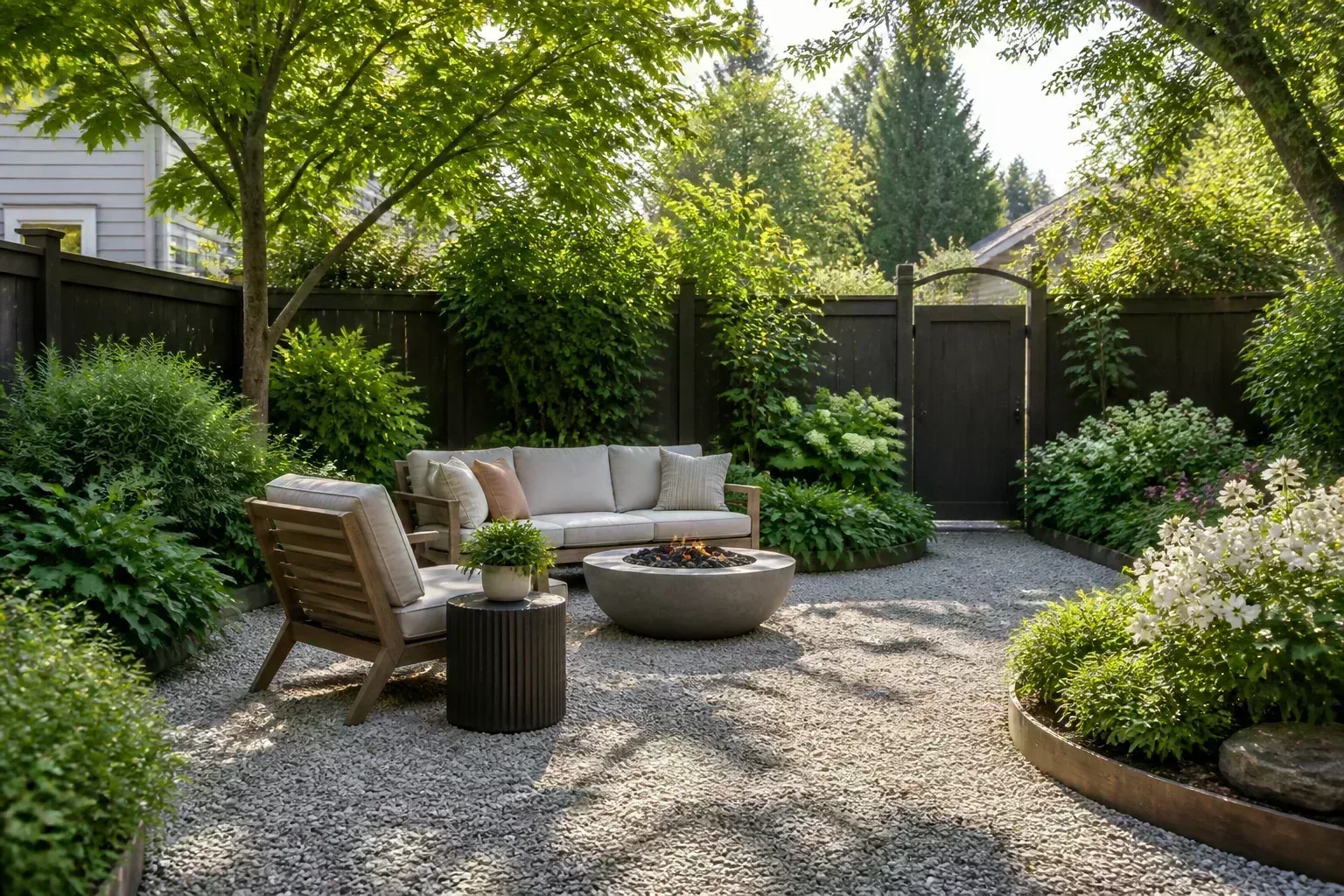
Make a fire pit the destination only if the site supports safe use. A fire feature can extend outdoor gatherings into cooler evenings, but placement, fuel, clearances, surface, and wind all matter. Follow the product instructions and local fire rules, keep it away from overhanging branches and combustible materials, and plan for extinguishing it. A portable unit is easier to relocate but still needs safe operation.
-
Consider an outdoor fireplace as a permanent architectural feature. A built-in fireplace can anchor a large patio, but it brings substantial cost, construction, fuel, ventilation, and permitting considerations. It may overwhelm a small yard or be unusable under local restrictions. Get qualified design and installation advice before building, and verify that smoke will not routinely drift toward doors or neighboring homes.
-
Catch roof runoff in a rain barrel where overflow can drain safely. A barrel can store water for later garden use, but it is not a fix for poor drainage and it must have a screened inlet, secure lid, and managed overflow. Direct overflow away from foundations and neighboring lots. Check local rules and seasonal maintenance requirements before connecting one to a downspout.

Finish the Yard for Evening, Play, and a Budget
Solve muddy routes, uncomfortable shade, or water that runs toward the house before buying cushions and lanterns. Once the layout works, lighting and movable accessories can make the yard more personal without locking you into a permanent design.
Finish for comfort, safety, and after-dark use
-
Light the route before lighting the decoration. Start with steps, changes in level, gates, and the path between the house and the seating area. Low-level, well-placed fixtures can make those routes easier to read at night without flooding the whole yard with glare. Use outdoor-rated products and installation methods suited to the circuit and local requirements.
-
String lights over a dining area for a soft evening ceiling. Lights can make a patio feel intimate, especially when attached to a pergola or properly rated support. Choose outdoor-rated fixtures and anchors, keep cords clear of walking routes, and take them down or secure them when weather demands. Do not hang them from branches or structures that cannot safely support the load.
-
Use a restrained uplight to reveal a tree or textured wall. A single light aimed through the canopy can create depth without turning the garden into a brightly lit stage. Check the angle from windows and neighboring properties, and use a timer or controls so the light is off when it is not needed.
-
Use portable lanterns when you are not ready for wiring. Battery or solar lanterns can bring light to a table or bench with little installation, making them useful for renters and temporary layouts. Their brightness and run time vary, so treat them as ambient or task accents rather than reliable stair lighting. Bring portable fixtures inside when the weather or security calls for it.
-
Use an outdoor rug to define a seating group. A rug can visually gather chairs and soften a hard surface, but it should be made for outdoor exposure and allowed to dry. Check that its backing will not trap moisture on a wood deck and keep the edges flat to reduce trips.
-
Refresh furniture you already own before replacing it. Cleaning, tightening joints, and applying a product suited to the furniture material can extend useful life and unify mismatched pieces. Test paint or finish in an inconspicuous spot and follow its preparation and curing directions. Do not coat a surface that needs to flex, drain, or remain unpainted for safe use.
-
Mix a few sturdy secondhand pieces with simple new accents. A salvaged bench or table can add character without requiring a whole matching set, provided it is structurally sound and suitable for outdoor exposure. Check for loose joints, splinters, corrosion, and unstable legs before placing it on a patio.
-
Give children a small play nook within a clear sightline. A compact patch of open ground, a portable playhouse, or a low table for outdoor projects may be more useful than a large play structure. Keep paths clear, choose equipment for the children’s ages, and follow the manufacturer’s installation and safety instructions.
-
Make a dog-friendly corner with shade and water. A sheltered spot, a stable water bowl, and a secure route through the yard can help a dog settle outdoors. Choose surfaces that are comfortable in local weather and avoid plants or treatments that may be unsafe for pets.
-
Use a shed for storage, potting, or a compact work space. A shed can reclaim a patio by storing tools and cushions, or it can house a small potting bench. Place it where doors open freely and water drains away; match its size to the yard instead of choosing the largest model available.
Conclusion
A successful backyard is a collection of useful choices, not a catalogue of features. Measure and observe the space, solve the route or drainage problem that bothers you most, then add one or two places to sit, grow, or gather. Repeated materials, appropriately scaled planting, and a few clear focal points can make those pieces feel like one design.
Use ideas that match how your household spends time outside, and leave room to learn before committing to the next phase. Movable furniture, containers, and portable lights can test an arrangement; permanent walls, large structures, and major grading deserve more planning and local checks. When each change fits the site and has a manageable upkeep plan, the yard becomes more welcoming and useful.



