Bat Bugs vs. Bed Bugs: How to Spot the Difference
Find out how bat bugs differ from bed bugs, why bites are not a reliable clue, and when to call an entomologist, pest professional, or bat-exclusion expert.
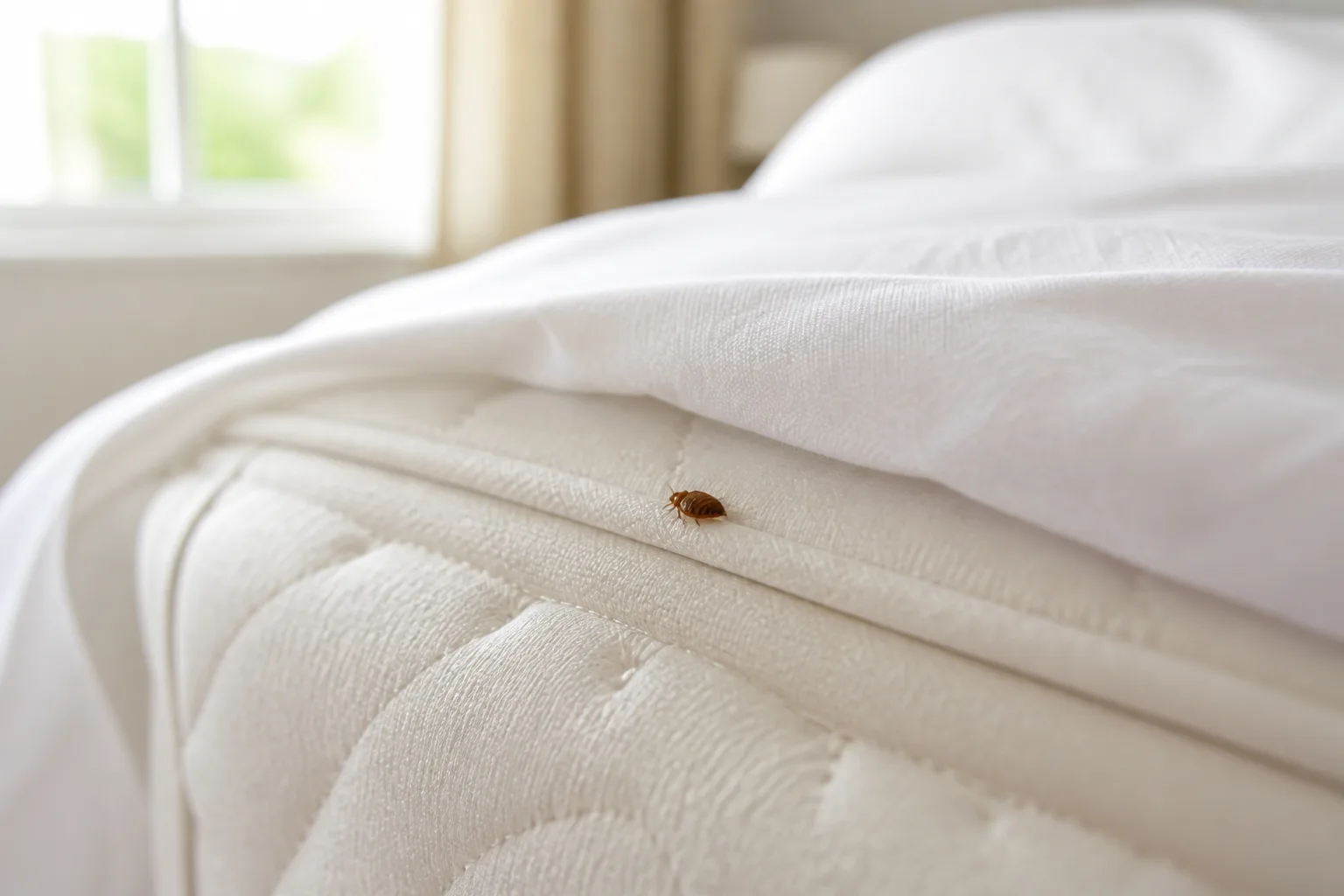
Bat bugs and bed bugs are close relatives that can look almost identical without magnification. The most useful distinction is the host and setting: bat bugs are associated with bat roosts, while common bed bugs live near people and other warm-blooded hosts. A diagnostic feature—the length of hairs along the shield behind the head—usually needs a hand lens or microscope to assess. If you found one insect, save it and get an identification before treating the room or sealing a possible bat entrance.
Start With Host Evidence, Not Appearance
Begin with where the insect was found and what else is happening in that part of the building. A bug near a bedroom mattress, upholstered headboard, or sofa where people sleep deserves a careful bed bug inspection. A bug at an attic hatch, upper wall, chimney, eave, or gap used by bats raises a different possibility. Neither location confirms the species by itself; bugs can wander, and walls and ceilings connect spaces that seem separate.
Look for the host evidence that fits the location. Bat activity may leave droppings under a roost or around an exterior entry point, repeated dusk activity, or sounds in an attic or wall. Bed bug clues include live insects, pale cast skins, eggs, and dark fecal spots close to places where people rest. One clue can be misleading, but several consistent clues make the pattern more useful.
Do not treat a bite or a single brown speck as proof. People react differently to bites, and many insects or debris can be mistaken for a bed bug. When the evidence is unclear, preserve a specimen and ask someone qualified to identify it before treating.
Bat Bugs vs. Bed Bugs at a Glance
| Clue | Bat bug | Bed bug |
|---|---|---|
| Main host | Bats; may take a blood meal from a person if displaced | People and other warm-blooded animals |
| Common indoor context | Attic, wall void, chimney, eaves, or a room beneath a bat roost | Bed, bedroom, sofa, or another place where people rest |
| Can it reproduce on human blood? | Not normally; bat bugs need their usual animal host to reproduce | Yes; bed bugs can feed and reproduce around human sleeping areas |
| Can a person identify it by color? | No reliable color-only distinction | No reliable color-only distinction |
| Best identification clue | Longer hairs along the pronotal margin, examined with magnification | Shorter hairs along that margin, examined with magnification |
| First response | Confirm the insect and investigate a possible roost safely | Confirm the insect and inspect sleeping areas methodically |
This comparison describes common patterns, not a home diagnostic key. University entomology guidance notes that several close relatives can be confused with the common bed bug, and accurate identification may require a hand lens or microscope. The eastern bat bug, Cimex adjunctus, is one species found in North America; other bat-associated species occur in different regions. A photo or a room label such as “attic” may help an expert, but it cannot replace examination of the insect.
Use location to decide what to inspect, not to declare what the insect is. If a suspected bed bug turns out to be a bat bug, bed bug treatment alone may leave the source untouched; if a bat bug is misidentified, spraying a mattress will not resolve an active roost.
Why a Casual Look Is Not Enough
Both insects are small, oval, flattened when unfed, and reddish to brown. After feeding, either can look rounder and darker. Their size overlaps, and color changes with age, feeding, and lighting. A pale immature bed bug may not resemble the dark adult in a reference photo, while a recently fed bat bug may appear swollen. These are reasons visual impressions can mislead, not useful rules for naming a species.
The same caution applies to “where I found it.” A bat bug that has left a roost may wander into a bedroom, and a bed bug can be found away from the bed, including on a wall or near a ceiling. An upstairs sighting makes a bat source worth investigating, but location alone does not identify it.
Even a clear phone image may not capture the feature an entomologist needs. Focus, scale, shadows, and the angle of the insect can hide tiny hairs around the thorax. Do not rely on a phone app or a side-by-side internet image if a treatment decision depends on the answer. Use images to document the specimen’s appearance and find location, then seek a specimen-based identification when possible.
The two insects are close relatives, and trained specialists sometimes need magnification and reference material. A reliable identification tells you whether to focus on sleeping areas, a wildlife roost, or another host such as nesting birds.
The Magnified Feature That Can Separate Them
Entomologists examine the fringe of hairs along the pronotum, the shield-shaped section immediately behind the head. In bed bugs, the hairs are shorter than the width of the eyes; in bat bugs, they are longer. Colorado State University describes this as a useful distinguishing feature, but the comparison requires magnification and a correctly oriented, intact specimen. It is not a dependable naked-eye test.
The head and antennae can also contribute to an expert’s assessment. If the insect is crushed, missing a section, or covered in residue, some details may be impossible to see, so avoid squashing it.
Try not to turn a ruler or magnifying glass into a pass-or-fail home test. A hand lens can help you notice that the insect has hairs, but judging whether they are longer than the eye width is difficult on a moving, tiny insect. Bed bug look-alikes include other cimicids and unrelated household insects; a close-up alone may not show enough anatomy to separate them.
Colorado State University’s bed bug look-alike guide explains the hair comparison and the need for magnification. If you suspect a bed bug, bat bug, or another look-alike, a county Extension office, university entomology lab, or experienced pest professional may be able to identify a properly preserved specimen. Ask first how they want it submitted; acceptance and fees vary by location.
Where Bat Bugs Tend to Appear
Bat bugs are usually found close to the roost of their normal host. In a house, that can mean an attic, wall void, chimney, soffit, eave, or another protected space where bats rest. They may move through small openings into living areas, especially after the bats leave or the roost is disturbed. A person may then find one on an upper wall, near a ceiling, or in a room below the roost.
Use those locations to guide a careful inspection, not to handle the roost. From a safe distance, look for repeat bat activity around the building at dusk, gaps in the roofline or siding, and droppings beneath a suspected entry or resting area. Do not climb into a cramped attic or open a wall just to look for insects if doing so could disturb bats, expose you to droppings, or create a fall risk. A wildlife professional can inspect the structure.
The relationship to bats is the key biological difference. Bat bugs can bite humans when their usual host is unavailable, but they generally cannot reproduce on human blood alone. If access to bats ends, bugs may disperse in search of another meal, creating stray sightings in rooms without a bed bug infestation.
Bats do not prove that an insect is a bat bug, and no visible bats does not rule out an old roost. Pair building evidence with a specimen identification rather than assuming every insect near a bed is a bed bug or every insect upstairs came from bats.
Where Bed Bugs Hide and What They Leave Behind
Bed bugs tend to stay near a person’s resting place because that is where they can feed. Start with the mattress seams, tufts, labels, and piping; the box spring; bed-frame joints; headboard; and nearby cracks and crevices. Also inspect bedside furniture, upholstered chairs, sofas, and places where someone regularly naps. In a larger infestation, signs can extend farther from the bed, but the sleeping area is a sensible first place to look.
Look for live insects, tiny pale eggs or eggshells, shed skins, and dark fecal spots. Some stains may look rusty or reddish, especially on sheets, but laundry stains alone are not diagnostic. A sweet, musty odor is sometimes reported in heavy infestations; do not wait for or rely on odor to decide whether bed bugs are present. A tidy room does not rule them out, and clutter is not proof of them.
Bites are not a dependable substitute for inspecting the room. Some people show no visible reaction, while others notice itchy welts. Marks can appear days after a bite and can resemble reactions to mosquitoes, fleas, or other causes. The CDC notes that bed bugs are not known to spread disease, although bites can cause itching, discomfort, sleep loss, and rarely a more serious allergic reaction. Seek medical care for a severe reaction or signs of infection from scratching.
For a suspected infestation, photograph signs and record where they appear, but do not move the mattress to another room or carry loose bedding through the home. A professional with bed bug experience can inspect and explain the evidence. The CDC’s bed bug guidance outlines common appearance, hiding places, and bite reactions; National Pest Management Association guidance also recommends professional confirmation when signs are uncertain.
When a Bird Nest Points to a Related Insect
Bat bugs are not the only relatives of bed bugs that feed on animals. Some cimicids are associated with birds, including swallows and other nesting species. If an insect appears near a nest, chimney, eave, or former bird roost, mention that context when you request an identification. It can help an entomologist consider the right possibilities.
A bird-associated bug may wander indoors after a nest is abandoned or disturbed. Because species and hosts differ, do not assume every small insect near a nest is a swallow bug or harmless. The source of a bed bug look-alike can be outside the bed.
Do not remove an active nest or disturb wildlife to see what comes out. Local protections and nesting seasons differ, and a nest may be occupied even if activity is not obvious. If the suspected source is a bird nest in a vent, eave, or chimney, ask a qualified wildlife or building professional about lawful, safe removal and exclusion after the nest is inactive.
When you submit a specimen, include the exact location: “beside a bedroom mattress,” “on a wall below the attic hatch,” or “near an exterior nest.” This gives the specialist host context without treating the location as the identification.
Why Bites Cannot Diagnose the Pest
Bat bugs may bite people if bats are unavailable, and bed bugs bite people as part of their normal feeding behavior. Skin reactions do not reveal which insect fed, or even prove that a particular insect caused the mark. Some people react strongly; others show no visible sign.
The appearance of a mark is not a species clue. A line or cluster can be confused with other insects or skin conditions, and a mark may become noticeable after a delay. Use physical evidence—a specimen, shed skins, eggs, fecal spots, or roost evidence—not a bite map.
If you have unexplained bites, focus on your health and room evidence separately. Keep the skin clean and contact a clinician for severe swelling, worsening symptoms, or signs of infection. A rash photo can track changes but cannot identify the insect.
It is tempting to use bite timing to decide whether a bat bug has migrated from an attic or a bed bug is hiding in a mattress. That inference is too uncertain to guide pesticide use. First preserve any insect you find. If none is available, record where and when marks appeared and ask a pest professional to inspect the likely resting places. The CDC explains that reactions vary and can be delayed, which is why bites alone cannot confirm an infestation.
How to Save a Specimen for Reliable Identification
If you find a suspected bug, preserve it intact instead of crushing or spraying it. Use tweezers, a folded piece of paper, or a small disposable container to pick it up. Place it in a clear, tightly closed vial or other leakproof container; avoid sticky tape because it can obscure features. If the insect is already dead, do not add cleaning products or pesticide residue. A clear, dry container is often enough, but follow the receiving office’s instructions.
Label the container with the date, room, and exact place where you found it. Note whether it was on a bed seam, sofa, upper wall, attic hatch, or near an exterior opening. If there are repeated sightings, note how many and whether you saw bat activity, droppings, nest material, cast skins, or other signs nearby.
Take a close photograph as a backup, ideally beside a scale such as a ruler without pressing the bug. Capture the top and side if you can do so without damaging it. A photo can document the insect and help an expert triage your question, but it may not show diagnostic hairs. Keep the actual specimen available if the Extension office, university lab, or pest professional requests it.
Call or email before mailing a specimen. Ask whether identification is offered, what container they prefer, whether there is a fee, and whether a photograph is useful. University Extension programs differ in what they can identify, and some direct residents to a local entomologist or pest professional. The University of Tennessee Extension’s homeowner guidance emphasizes confirmation because suspected bed bugs are often misidentified. Do not mail a live insect unless the receiving expert specifically requests it.
Inspect the Right Area Without Spreading a Bed Bug
You can gather useful clues without turning an inspection into a whole-house cleanup. If the bug was found near a bed, use a flashlight to check the seams and folds of the mattress, bed frame joints, headboard, and nearby furniture. Look slowly at cracks and fabric edges. If you see a likely bed bug sign, photograph it in place before moving anything. Record each location so an inspector can follow the pattern.
Avoid carrying loose bedding, a mattress, or upholstered furniture into a different room. If an item needs to move for inspection, ask a pest professional how to contain it first. Do not place clothing on another bed or sofa. For washable linens, keep them contained on the way to the washer and use a hot dryer cycle appropriate for the fabric and appliance. Put clean items into a fresh sealed bag or container so they do not mix with untreated belongings.
Drying a suitable textile can address insects on that item, but it does not clear a bed frame, room, wall void, or roost.
If the insect was found near an attic, chimney, or upper wall, do not start pulling insulation or opening wall cavities. Note the location, look for evidence from an accessible area, and contact a bat-exclusion professional if a roost seems possible. Keep bed bug inspection and wildlife inspection distinct until someone identifies both the insect and the likely source.
If Bats Are the Source, Address the Roost Safely
If an expert confirms bat bugs or a wildlife professional finds an active bat roost, address the host access point before expecting the insects to stop appearing. That does not mean sealing the gap yourself as soon as you spot it. Closing an occupied entry can trap bats inside a wall or attic and may cause animals to enter living areas. Disturbing a roost can also expose people to scratches, bites, droppings, or other hazards.
Bat exclusion requires correct timing. The young may be unable to fly during part of the season, so the safe window depends on species, local climate, and the colony’s stage. Penn State Extension describes timing and one-way devices for Pennsylvania; its calendar guidance is not a universal schedule. A qualified local wildlife professional can determine whether a roost is active, identify legal requirements, choose a suitable exclusion method, and verify that bats are out before entry points are sealed.
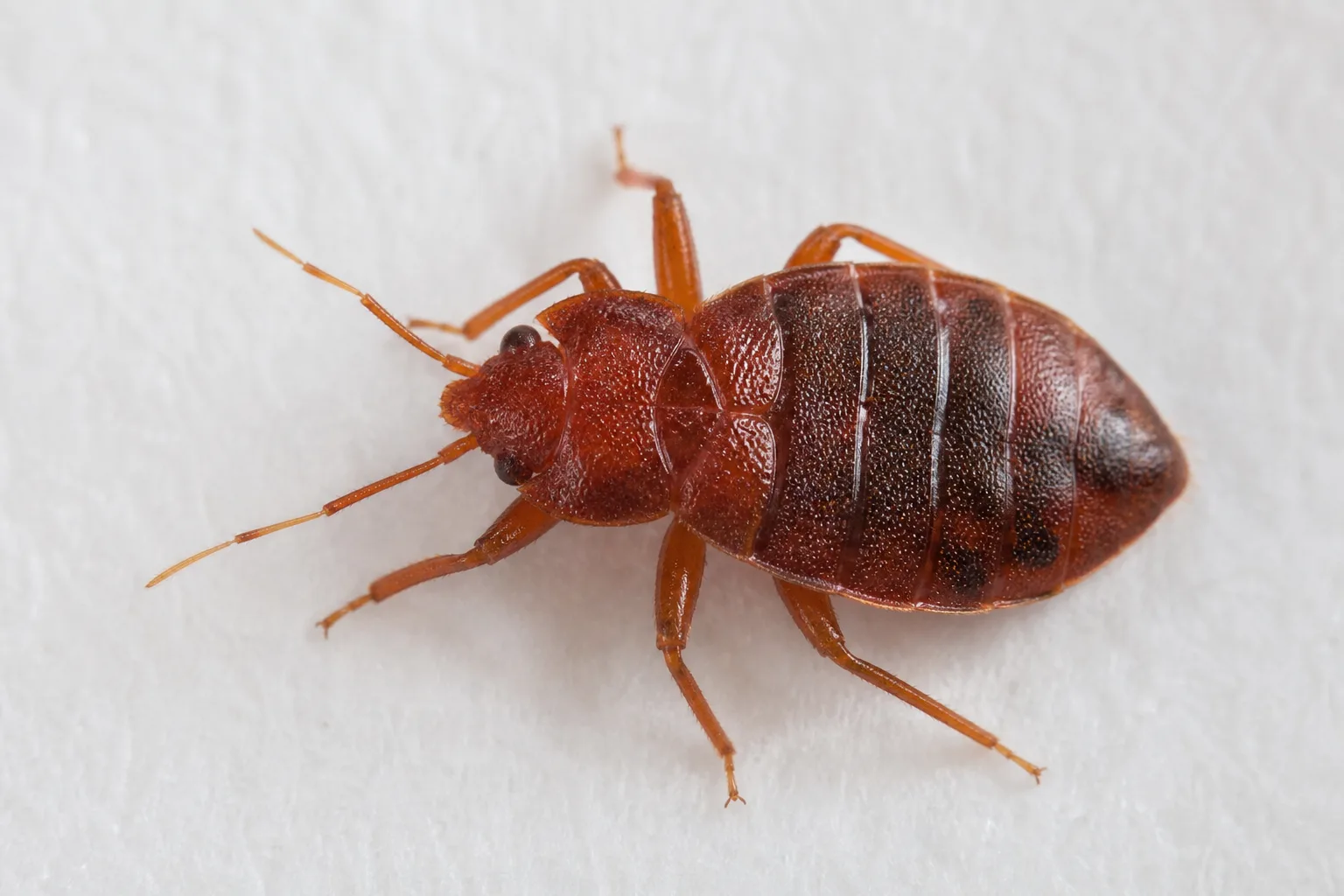
The location can guide an inspection, but it does not identify the insect. Record the setting and leave wildlife handling to a qualified professional.
After the host source is safely excluded, the professional may recommend sealing gaps and treating the specific areas where bugs remain. Do not apply household insecticide into a bat roost, wall void, or attic without professional guidance and label approval. Pesticides used in the wrong place can expose people and wildlife while failing to reach the harborage. Penn State Extension’s bat-exclusion guidance explains why exclusion timing needs local assessment.
Why Bat Bugs May Remain After Bats Leave
Removing access to bats does not necessarily make bat bugs vanish overnight. University entomology references report that bat bugs can survive for months without feeding; survival varies with species and conditions. After bats leave, bugs may move through cracks as they search for a host, which can make sightings continue for a while. A few new sightings do not automatically mean that the exclusion failed, but they do deserve tracking.
The sequence matters: confirm the insect, determine whether there is an active or former roost, exclude bats safely, then assess residual insects. If the source is not addressed, treating only the bedroom may suppress what you see without solving the host problem. If the source has been excluded and activity continues, a pest professional can inspect access routes, remaining harborages, and whether another host source is present.
Keep a log with date, room, exact surface, and number of insects. Note whether sightings are near the suspected roost or sleeping areas, and whether they are increasing or tapering. This gives a professional more useful information than “we still have bugs.”
Do not assume that every persistent insect after bat exclusion is a bed bug, or that every stray insect is harmless. Identification and trend data belong together. If bed bug signs appear around a bed, inspect and treat that as a separate possibility. If only a few bat bugs appear near the former roost, the right response may be targeted residual control by a professional rather than whole-room pesticide use.
What Not to Do While the Source Is Uncertain
Do not fog or “bomb” a room as a first response. Foggers often fail to reach hidden insects in seams, cracks, and wall voids; they can also spread pesticide residue onto surfaces and increase exposure. Do not spray a mattress, baseboard, attic, or suspected roost unless the label allows that use and a qualified professional has advised it.
Do not move furniture, bedding, or clothing from a suspected bed bug area into other rooms without containment. Do not throw out a mattress before an inspector sees it; replacing one item may not remove bugs hiding in a frame or nearby crack. Avoid using alcohol, kerosene, outdoor insecticides, or homemade mixtures. These can create fire, poisoning, or surface-damage hazards while leaving the source untouched.
Do not seal a possible bat opening or put a hand into a space where bats may be roosting. Do not touch a bat with bare hands, try to capture it, or remove droppings without appropriate training and protective measures. If someone may have had contact with a bat, avoid touching it and contact the local health department promptly. If a bat is inside the home, ask animal control or public health how it should be handled. The CDC’s guidance on bats and rabies explains what to do after possible contact.
Do not decide from online pictures alone. A wrong identification can lead to ineffective treatment or pesticide exposure. Preserve a specimen, limit movement of belongings, document the clues, and get a professional identification before broad action.
How Bed Bug Control Differs
When bed bugs are confirmed, control centers on the places people sleep and rest. A trained professional can inspect the room, determine how far activity extends, and recommend an integrated approach that may combine physical removal, encasements, monitoring, laundering, heat, or registered pesticides. The exact plan depends on the building and infestation; there is no single spray that reliably solves every case.
Follow the professional’s preparation instructions exactly. Over-cleaning before inspection can erase evidence, and moving belongings loosely can spread insects. Bag items before moving them, keep treated and untreated belongings separate, and avoid bringing used furniture into the home until it has been inspected. If a professional recommends laundering or heat, use only methods appropriate to the item and follow their instructions.
Be cautious of any service that promises a guaranteed instant fix without inspecting the evidence. University of Tennessee Extension advises residents to confirm suspected bed bugs before investing in management. Bed bugs can hide in tight harborages and may require follow-up. Ask what signs will be monitored, how to prepare, which products or methods will be used, and how success will be checked. Keep the product label and service paperwork.
Bat bug management has a different source-control step: safe bat exclusion. The confirmed insect tells a professional where to look and what to monitor; do not treat an attic roost like a bed bug infestation or a bedroom as one solely because an unidentified insect appeared there.
When to Call a Pest Professional or Wildlife Exclusion Expert
Call a pest management professional with documented bed bug experience if you find multiple likely bed bugs, eggs or shed skins near sleeping areas, repeated bites plus physical signs, or insects in more than one room. Ask whether the company will inspect and identify the insect before recommending treatment. A useful inspection should explain the evidence, likely extent, and follow-up plan—not just sell a product.
Contact a wildlife or bat-exclusion specialist if you see recurring bat activity, find droppings near a suspected entry, hear activity in a wall or attic, or have a confirmed bat bug near an upper-level roost. Choose someone familiar with local bat species and exclusion timing. If the professional sees no active roost, ask what evidence supports that conclusion and whether another host, such as nesting birds, should be considered.
An Extension entomologist or university diagnostic lab may help when you have one preserved specimen but no obvious infestation. Availability varies. Ask how to package it, whether there is a fee, and whether the service handles household pest identification. If the specimen is a look-alike, ask what source is plausible and what signs justify further inspection.
There are times to seek advice promptly: a bat was in a room with a sleeping person or someone unable to report contact; a person handled a bat; wildlife is trapped inside a living space; or someone has a severe reaction to bites or pesticide exposure. Contact local public health, animal control, emergency services, or a clinician as appropriate. Pest identification is important, but immediate human and wildlife safety comes first.
Conclusion
Bat bugs and bed bugs can be difficult to tell apart by sight, and bites do not settle the question. The best clues are the insect’s magnified hair pattern and the host evidence around where it was found. Preserve a specimen, record the precise location, and get a reliable identification before choosing treatment.
If the signs point to a bat or bird roost, have a qualified local wildlife professional assess it before exclusion or sealing. If bed bug signs cluster around a sleeping area, arrange a careful inspection with an experienced pest professional. Matching the response to the confirmed insect and source is the safest way to solve the problem without spreading insects or disturbing wildlife unnecessarily.



