Best Roach Traps and Killers for Every Home
Compare the best roach traps, gel baits, bait stations, sprays, dusts, and foggers. Learn what to use first, where to place it, and when to call a pro.
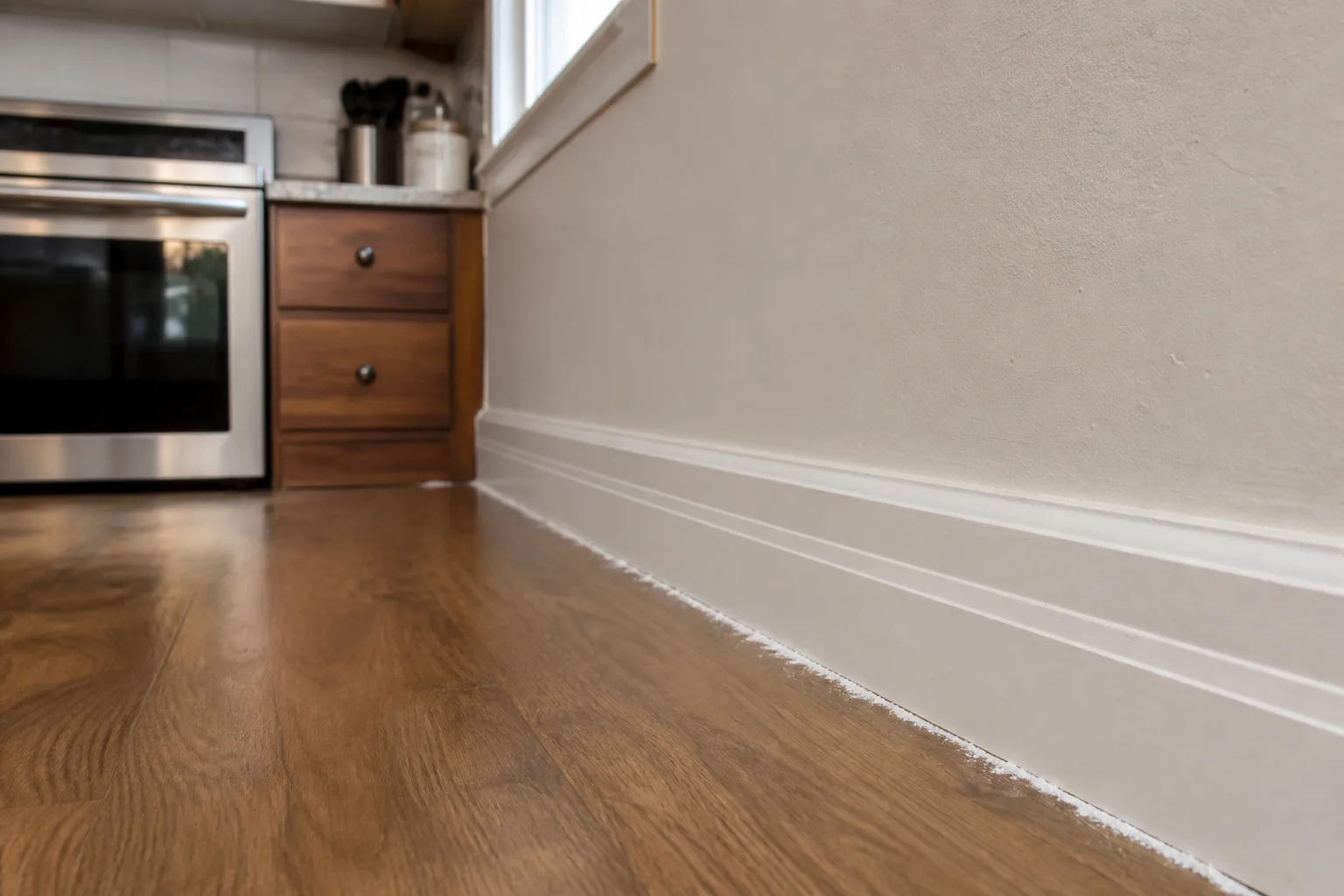
The best roach trap depends on whether you are trying to find the hot spot, kill a few visible insects, or reduce a hidden breeding population. A glue board can be the smartest first purchase when you do not know where the activity is. A contained bait station or carefully placed gel is usually more useful when roaches are appearing repeatedly. Sprays and foggers look fast, but they rarely solve the sheltered part of the problem.
The practical sequence is simple: monitor, remove food and water, seal obvious routes, then use the least scattered treatment that fits the evidence. That approach follows the logic of UC IPM’s cockroach guidance, which emphasizes sanitation, exclusion, monitoring, and baits over relying on sprays alone.
Start With Sticky Traps, Not a Guess
If you have seen one roach, resist the urge to fog the entire home. You may be looking at an outdoor species that wandered in, a small indoor population, or the visible edge of a much larger problem. Those situations need different responses, and a few strategically placed glue traps can tell you more in a night or two than a broad spray can.
Buy several enclosed or foldable cockroach glue boards rather than one. Put them flat against edges where roaches naturally travel: behind or beside the refrigerator, under the sink, next to the stove, in a bathroom cabinet, and near a suspected entry door. NPIC recommends sticky traps as monitoring tools, not simply as a way to remove insects you happen to see.
Do not add food, spray, or homemade bait to a commercial glue board unless its label specifically tells you to. The goal at this stage is a clean read on location and species. Check the boards daily for several days, record which room and edge produced the most catches, and replace any trap that is dusty, wet, or full.
What a Trap Can Tell You
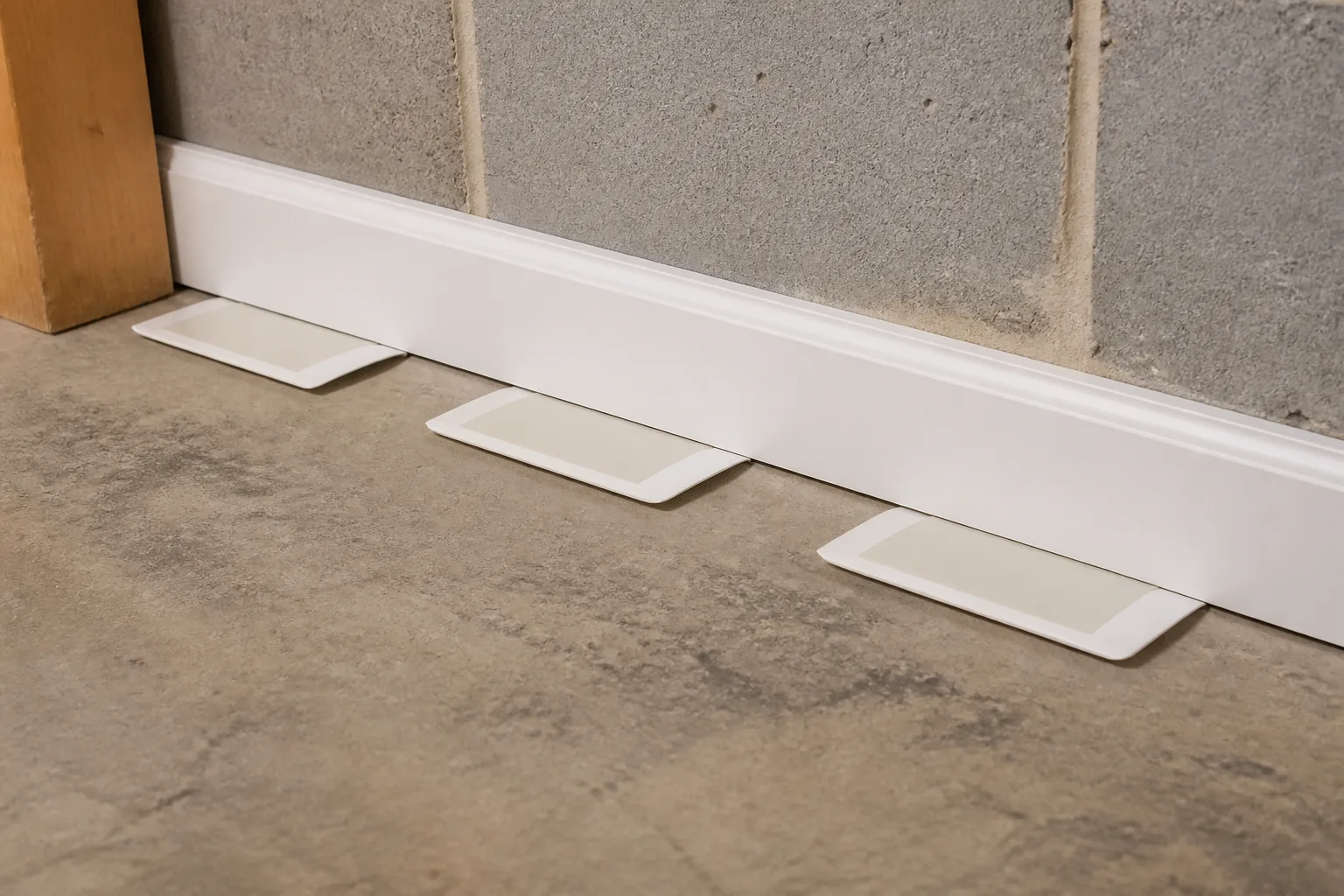
Sticky traps can show whether the activity is concentrated around warmth, water, food, a drain, or a route between rooms. They can also reveal life stage: repeated small nymphs are more concerning than a single large adult that may have come from outside. A trap covered with roaches is not proof that every roach in the home is gone; it is evidence that you have found one part of the travel network.
Look at the pattern rather than counting one insect as a precise population estimate. Many catches behind the refrigerator point you toward the warm motor area and nearby cracks. Catches in a bathroom or basement point you toward plumbing, moisture, drains, or an outdoor-to-indoor route. No catches anywhere after several nights lowers the likelihood of an established indoor population, but it does not rule out an inaccessible harborage or a poorly placed trap.
Six Roach Killer Types Compared
There is no universal “strongest” roach killer. The useful question is whether the product reaches the insect in the place it spends time, while creating an acceptable exposure and cleanup burden for the people and animals in the home.
| Control type | Best fit | Main strength | Main limitation |
|---|---|---|---|
| Covered glue trap | A few sightings or unknown activity | Captures and monitors without insecticide | Does not reach a colony |
| Tamper-resistant bait station | Ongoing activity where access is a concern | Contains bait in a small housing | Less precise and often slower than gel |
| Gel bait | Active indoor harborage | Precise placement in cracks and voids | Must be kept inaccessible and can dry out |
| Contact spray | One visible roach or immediate knockdown | Fast visible result | Short-lived and may disperse survivors |
| Desiccant or boric-acid dust | Dry, hidden, undisturbed voids | Long-lasting when correctly placed | Messy, easy to misuse, and unsuitable for many exposed areas |
| Total-release fogger | Rare, label-specific situations | Fills a treated volume | Exposure, fire, poor crack penetration, and dispersal risks |
1. Covered Glue Traps for a Few Roaches
A covered glue trap such as a roach motel-style station is a good low-mess first step for a lone sighting, a garage, a pantry edge, or a home where you need to locate activity before choosing a pesticide. The cover keeps the catch out of view and the trap contains no insecticide, but the adhesive still needs to be inaccessible to curious children and pets.
Use several at once and place them where the wall meets the floor or behind an appliance, not in the middle of a bright, open floor. Roaches generally travel along edges and through tight shelter, so a trap that is visible to you may still be invisible to the insect if it is away from the route. Purdue Extension’s cockroach guide similarly recommends multiple glue boards in cabinets, under sinks, near the stove and refrigerator, and along walls.
Choose this type when your first priority is information, individual removal, or avoiding pesticide residue. Do not choose it as the only response to repeated nymphs, fresh droppings, egg cases, or catches in multiple rooms. In those cases, keep the monitoring traps in place but move to a targeted bait program and correct the conditions supporting the population.
2. Tamper-Resistant Bait Stations for Ongoing Activity
Pre-filled bait stations put a food-based insecticide inside a small plastic housing. Products sold as liquid or solid roach bait stations can be convenient for renters and households that do not want exposed gel in a cabinet hinge or crack. They are especially useful where you can place the station behind or beneath an appliance, inside a locked utility area, or along a baseboard that children and pets cannot access.
The trade-off is precision. A station has fewer feeding points than a series of tiny gel placements, and the housing can be harder to fit into a narrow void. That can make the result slower if the station is only a few feet away from the actual harborage. Put it where the trap map shows traffic rather than assuming the kitchen counter is the best location.
Do not place bait stations beside competing food, standing water, or a recently sprayed surface. Baits work best when roaches have fewer attractive alternatives and can reach the station without crossing a repellent residue. Follow the product label for replacement timing; a station that looks intact may still be empty, dry, contaminated, or past its labeled service period.
3. Gel Bait for Hidden Indoor Colonies
Gel bait is often the most useful consumer tool for a confirmed indoor population because you can put small dabs close to harborage. Representative products include professional-style syringes sold under several brand names, but the label—not the brand name alone—determines the permitted species, sites, application amount, and precautions.
Apply many small placements in cracks, corners, cabinet voids, and behind appliances where roaches actually hide or forage. Large blobs are not automatically better: they can dry on the surface, become a cleanup problem, and give you fewer well-placed feeding opportunities. UC IPM explains that gel baits work best in or near harborages and may need reapplication as deposits harden.
Gel is not a magic “nest destroyer” that works from across the room. It is slow acting by design, and a noticeable reduction may take a week or longer. Keep other food and water scarce, leave the gel undisturbed, and do not spray insecticide over or around it. A repellent spray can make roaches avoid the very bait you need them to eat.
If a properly placed gel attracts no activity, the problem may be placement, competing food, a dry or unpalatable deposit, species mismatch, or bait aversion. Do not keep adding more of the same gel indefinitely. Recheck the trap map and label, then consider a different labeled bait formulation or professional inspection.
4. Contact Sprays for One Roach, Not the Nest
An aerosol ant-and-roach spray can be useful when you need to kill a roach you can see immediately. It is the wrong tool to rely on for an established population hiding behind cabinets or inside wall voids. The spray may knock down some exposed insects while leaving eggs, harborages, and survivors untouched.
Use only the amount and locations permitted by the label. Remove or protect food, utensils, pet bowls, and surfaces that the label excludes; keep people and animals away until the required re-entry conditions are met. Ventilation, drying time, and cleanup instructions are part of the treatment, not optional details.
Repeated spraying can make a room harder to bait because some formulations repel roaches or push them into neighboring rooms. UC IPM cautions that sprays offer temporary control and can disperse roaches. If the same area keeps producing catches, stop treating the symptom and investigate moisture, cracks, appliance voids, or a shared-wall source.
5. Desiccant Dusts for Dry, Protected Voids
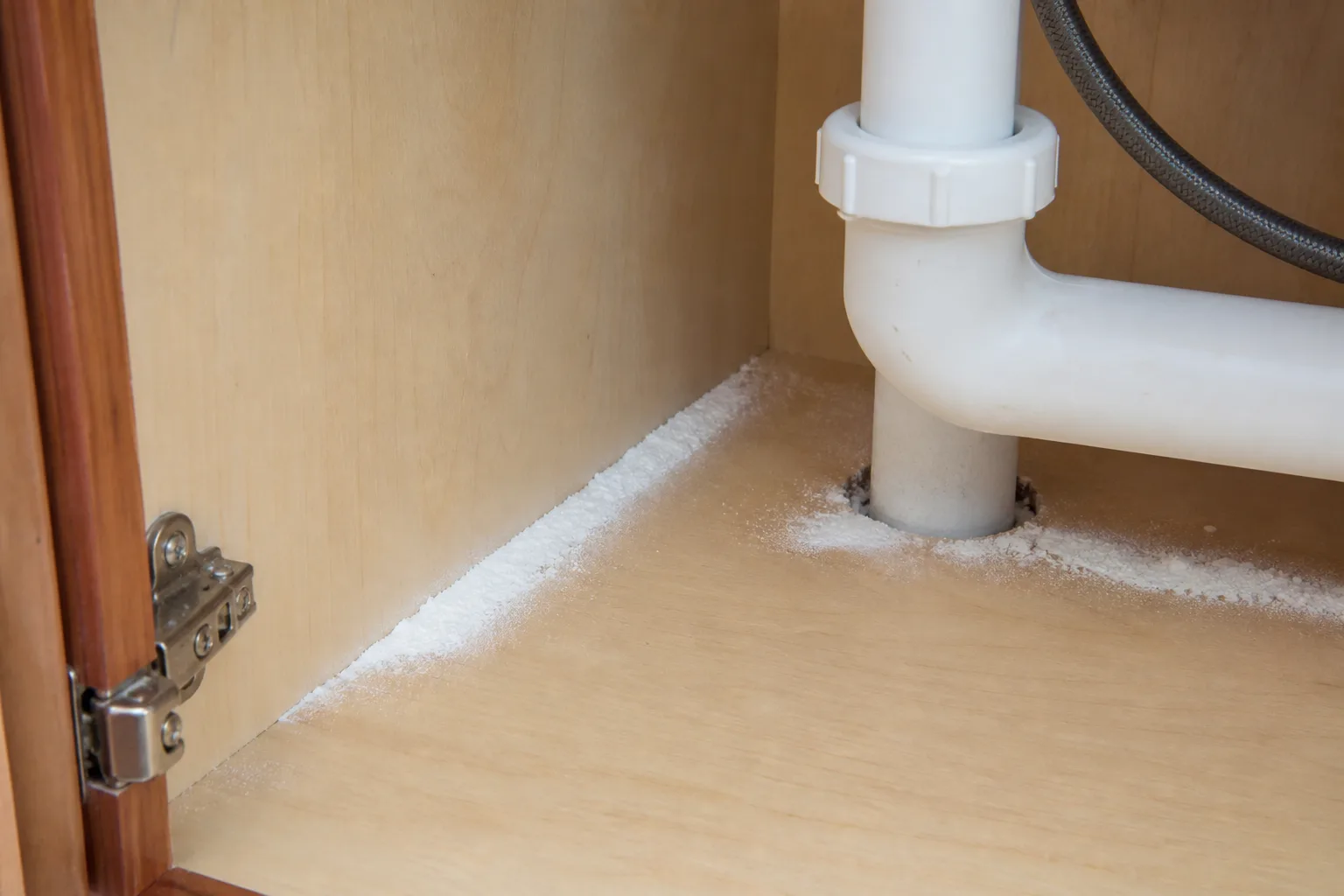
Boric-acid dusts and desiccant dusts such as diatomaceous earth work differently from a bait. They damage or dry the insect when it contacts the treated area, so they are most useful in dry, protected, out-of-the-way voids rather than in a thick line across a walkway. A thin film is usually more useful than a visible mound that roaches can avoid or that later becomes airborne.
Good candidates may include an inaccessible void beneath a removable appliance kick plate, a sealed service chase, or a crack that is not part of a child’s or pet’s normal path. Keep dust out of food-contact areas unless the label specifically permits that use, and do not puff it into the air. If anyone in the home has asthma or respiratory sensitivity, a contained bait approach and professional help may be more appropriate.
Boric acid is not a universal garden or outdoor perimeter product. UC IPM notes that boric-acid dust should stay dry, is slow acting, and is not recommended for outdoor use because it can harm plants. Diatomaceous earth is also not risk-free simply because it is mineral or marketed as natural; choose a product labeled for the pest and site, avoid inhaling dust, and follow its precautions.
The outdoor advice from Gardening Know How is useful here for a different reason: outdoor roach control starts with removing water, leaf debris, compost waste, clutter, and shelter near the structure. A dry dust cannot compensate for a leaking hose, a damp woodpile, or dense debris pressed against the foundation.
6. Foggers: The Option I Would Usually Skip
Total-release foggers, often called bug bombs, sound suited to a heavy infestation because they fill a room with pesticide. In practice, the mist may not penetrate the tight cracks and voids where cockroaches breed, while creating a much larger exposure and fire-preparation burden than a contained bait.
You would need to follow every label instruction about vacating the area, shutting off ignition sources, removing or covering food and water, protecting aquariums, and waiting before re-entry. Even when used correctly, fogging does not repair entry points or remove food and moisture, and it may repel or scatter roaches into other rooms or units. Penn State Extension advises avoiding foggers and sprays because exposure risk is high and control is often incomplete.
For those reasons, a fogger is not my default recommendation for a home kitchen, apartment, or house with children, pets, respiratory concerns, or an aquarium. If a label-specific situation seems to call for one, treat the label as a legal safety document, not a quick-start recipe. In most homes, monitoring, exclusion, bait stations, gel, and a licensed pest professional are more targeted choices.
Match the Product to the Roach Pattern
The size and location of the roaches are clues, not a diagnosis. A large dark roach near a basement drain may be an outdoor species entering through plumbing or foundation gaps. Small tan roaches with two dark stripes behind the head, especially when nymphs appear in a kitchen, are more consistent with an indoor German cockroach pattern. If identification matters for the treatment decision, keep a trap catch or clear photograph and ask a local extension office or licensed professional.
German Roaches in Kitchens and Bathrooms
German cockroaches favor warm, humid areas close to food, water, and shelter. Look for activity under the sink, behind the refrigerator, beside the stove, in cabinet corners, around plumbing penetrations, and near small appliances that stay warm. A single adult can be easy to dismiss, but repeated nymphs or egg cases mean the issue is reproductive rather than a series of random visitors.
For this pattern, use sticky traps to map the edges, then place labeled gel or tamper-resistant bait stations tight to those routes. Clean grease and crumbs, dry the sink at night, repair leaks, seal gaps around pipes, and reduce cardboard or paper clutter. Penn State’s IPM guidance treats food, water, shelter, exclusion, monitoring, and targeted pesticides as one program because repeating pesticide applications without correcting the conditions invites failure.
Large Roaches Near Drains, Basements, or Outdoors
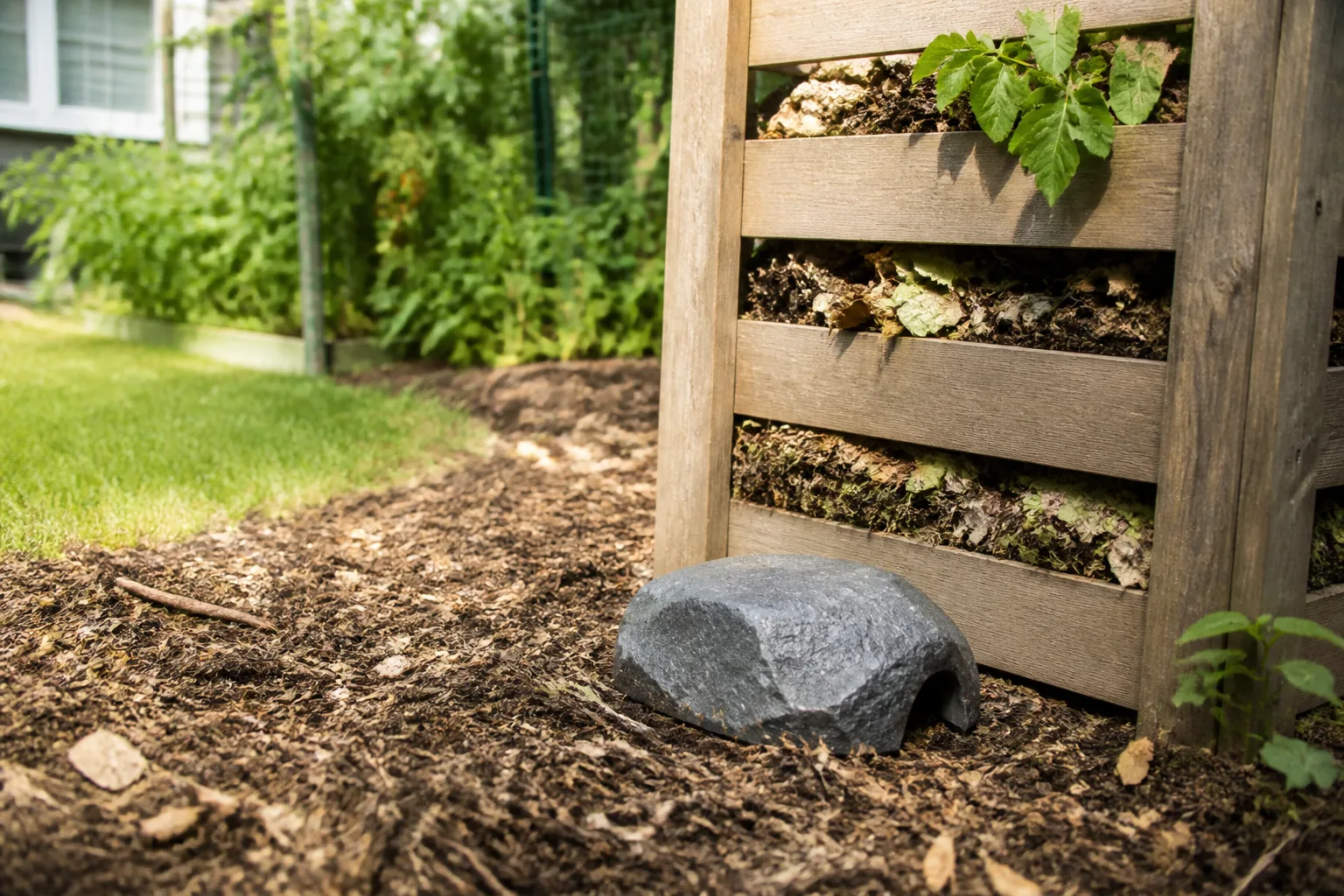
American, Oriental, and other larger cockroaches may live outdoors or in damp structural areas and enter through drains, faulty screens, gaps, crawl spaces, garages, or foundation routes. In this case, putting gel only in a kitchen cabinet can miss the source. Inspect floor drains, pipe penetrations, door sweeps, basement cracks, meter boxes, woodpiles, dense ground cover, and irrigation leaks.
Use traps near likely entry routes to distinguish an occasional invader from a continuing route. Correct water and shelter problems outside, seal gaps where appropriate, and use only an outdoor-labeled bait station or other product where the label permits it. Never move an indoor product outdoors because the active ingredient looks familiar; NPIC’s label guidance explains that the label controls the product’s legal use, site, amount, hazards, storage, and disposal.
How to Place Traps and Baits So Roaches Find Them
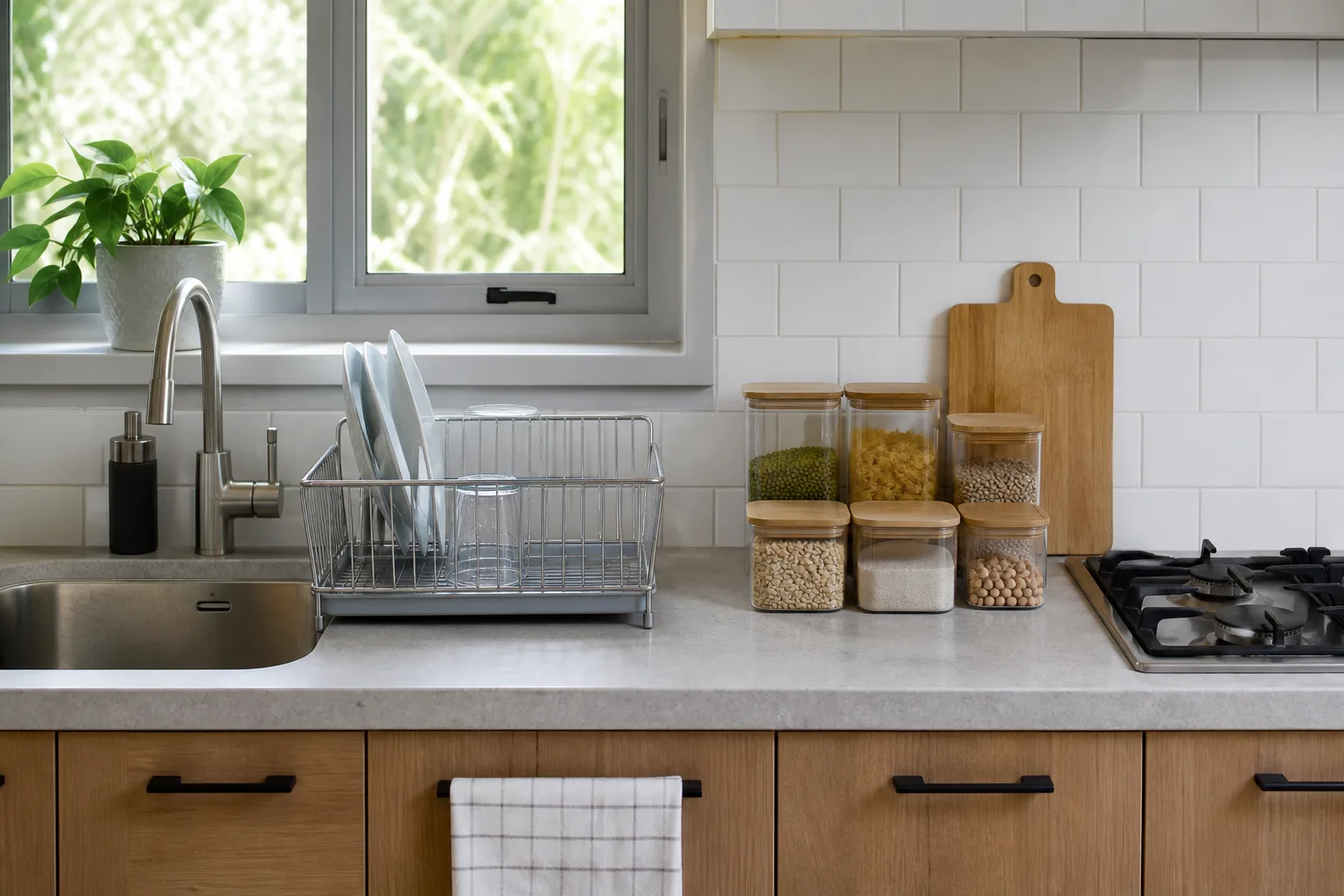
Placement often matters more than buying a stronger product. Roaches tend to move along edges, through narrow spaces, and between food, water, warmth, and shelter. A bait that is technically effective but placed in a dry, exposed, low-traffic spot may sit untouched while a smaller placement beside a harborage works.
Start with a quick night inspection using a flashlight. Check behind and under appliances, under the sink, inside cabinet corners, around pipe openings, beside the stove, at the bathroom vanity, near floor drains, and at the baseboard behind stored boxes. Look for live roaches, droppings or dark smears, cast skins, egg cases, and dead insects; these signs help you choose where to monitor.
Then use this placement sequence:
- Map first. Place multiple glue boards along walls, in corners, under appliances, and near suspected entry points. Keep a simple note of room, location, date, and catch count.
- Treat the active edge. Put bait stations or gel only where the trap map and inspection show traffic. For gel, use small dabs in inaccessible cracks and voids, following the label’s amount and spacing.
- Remove competition. Seal food, wipe grease and crumbs, wash dishes, empty garbage, and pick up pet food and water when practical overnight. Do not starve the roach of every possible water source while leaving a leaking pipe beside the bait.
- Protect the bait. Do not spray over it, wash it away, cover it with dust, or place it where a child, pet, or food utensil can contact it. A tamper-resistant station is preferable when a hidden gel placement cannot be kept inaccessible.
- Recheck and reposition. Inspect traps daily at first, then at the interval the product and plan call for. If catches are concentrated elsewhere, move or add control only after verifying the label and access conditions.
The National Pesticide Information Center also recommends sealing cracks, fixing leaks, storing food in pest-resistant containers, reducing clutter, and continuing prevention after activity falls. A trap is a tool in that system, not a substitute for removing what lets the population persist.
A Safer Three-Week Control Plan
For a small indoor problem, three weeks is a useful review window—not a guarantee that every infestation will be solved in three weeks. Slow-acting bait needs time, and egg cases or neighboring units can produce new activity after the first visible decline.
Days 1–2: inspect and measure. Place glue traps in the likely hot spots, photograph or save a clear catch for identification, and record which areas show activity. Remove food residue, dry sinks, secure garbage and pet food, fix obvious leaks, and clear cardboard or paper stacks from warm, damp rooms.
Days 3–7: target the map. Choose either tamper-resistant bait stations or a labeled gel for the active edges. Keep placements hidden and undisturbed, and do not combine them casually with repellent sprays. Seal cracks around doors, windows, cabinets, backsplashes, pipes, wires, and cables when that repair will not trap insects inside a wall or create a plumbing problem.
Week 2: evaluate the trend. Check whether trap catches, fresh droppings, and sightings are decreasing. A temporary increase around bait can mean roaches are finding it, but an increase in new rooms, new nymphs, or daytime sightings suggests the problem is larger than the first map showed. Reinspect before adding more product.
Week 3: decide whether to continue, adjust, or escalate. Replace dried or exhausted stations according to the label, consider a different labeled bait formulation if there is no response, and keep monitoring even after catches drop. If activity continues in several rooms, returns after treatment, or appears in adjoining units, involve the landlord or a licensed professional rather than creating a patchwork of sprays and powders.
What to Do If Nothing Is Caught
An empty trap does not always mean an empty home. It may be in the wrong room, away from the wall, too dusty, blocked by clutter, or placed where the temperature and moisture do not suit the species. Move a few traps to the nearest dark edge, behind an appliance, near plumbing, and at a suspected entry point, then check them over several nights.
If traps remain empty and there are no fresh droppings, nymphs, egg cases, or repeat sightings, the original insect may have been an outdoor invader. Focus on door sweeps, screens, drains, leaks, outdoor clutter, and gaps around utilities. Gardening Know How’s prevention advice also highlights catch traps as an early identification tool before choosing more controls.
If catches continue but bait is untouched, look for a placement error or bait aversion. Roaches do not need to travel far to find a bait, so untouched product in an inactive location is not evidence that the bait category is useless. Rebuild the map, remove competing food, inspect the label, and ask a professional or extension office for species-specific direction before repeatedly changing chemicals.
When DIY Control Has Reached Its Limit
Call a licensed pest professional when you see roaches in several rooms, find many nymphs or egg cases, have repeated daytime sightings, cannot access the harborage, or continue catching roaches after a properly placed bait program and sanitation work. A professional can inspect wall voids, plumbing routes, shared walls, and outdoor sources that a homeowner cannot safely treat.
Apartments and attached homes need cooperation. Roaches can move through cracks, pipes, utility openings, and shared walls, so treating one kitchen while the source remains in another unit can create a cycle of temporary improvement and return. Tell the landlord or building manager about leaks, gaps, neighboring activity, and maintenance conditions; Purdue Extension’s multi-family housing guide treats resident, management, and pest-control cooperation as part of effective control.
Before buying any pesticide, read the complete label and keep the original container. The NPIC label guide says labels specify the product’s intended use, amount, signal words, protective equipment, first aid, environmental hazards, storage, disposal, and EPA registration information. If a child or pet may have contacted a pesticide, use the emergency and poison-control information on the product label rather than guessing at a home remedy.
Conclusion: Use the Least Scattered Tool That Fits
For most homes, the best roach trap is not the most dramatic product. Start with several sticky traps to find the route, use a contained bait station or carefully placed gel for confirmed indoor activity, reserve contact spray for an exposed individual, keep dusts in dry protected voids, and generally skip foggers unless a label-specific situation and professional advice justify them.
The lasting part of the solution is the system around the trap: remove food and water, reduce shelter, seal entry points, monitor the trend, and escalate when the source is shared or inaccessible. That is how you turn a product purchase into actual cockroach control.